• Skip to primary navigation
  • Skip to main content
  • Skip to primary sidebar
  • Skip to footer

Steel Raven Farms

Where muck boots meet ground.

  • Animals
    • Chickens
    • Farm Dogs
    • Goats
  • Garden
    • Compost
    • Garden Projects
    • Seeds and Plants
    • Garden Journal
    • Working With Food
      • Recipes
      • Freezing Foods
      • Dehydrating Foods
      • Canning Tips And Tricks
        • Canning Inventory Sheets
  • Helpful Info
    • Welcome to the Homestead!
    • Emergency Preparedness
    • Frequently Asked Questions
    • Goal Setting
    • Project List
    • Shop Digital Products
      • Hay Calculator
      • Farm Expense And Income Tracker
      • Goat Crash Course: 101
      • Garden Journal Prompts
      • Schedule C Tracker
      • Schedule C Tracker
      • The Homestead Bundle
  • The Truths
  • Episode List
  • Start Here
    • Privacy Policy
    • Affiliate Disclosure
    • Let’s Get in Touch
    • Members Only Library
    • Welcome To Our Homestead

Homestead Planning

How to Use Social Media to Earn an Income on the Homestead

April 29, 2025 by Leigh Leave a Comment

Gone are the days when farming meant staying offline and off the grid. Today, some of the most successful homesteaders are using social media not just to share their lives—but to fund them. If you’re looking to make extra money while raising animals, growing food, or living a simpler life, creating a homestead social media plan could be one of the smartest moves you make.

Whether you want to start a YouTube channel, monetize your Instagram reels, or sell digital products on Pinterest, this guide will walk you through exactly how to turn your homestead content into consistent income.
The Ultimate Homesteader’s Starter Bundle – Only $47!

Get the tools you need to stay organized, track profits, and manage your homestead with ease!

Includes:
✅ Schedule F Tracker – Simplify tax prep
✅ Profit Calculator – Track earnings
✅ Hay Calculator – Plan livestock feed
✅ Garden Journal – Digital & printable
✅ Herd Health Tracker – Monitor animal care
✅ Simple Budget – Manage finances
✅ Backyard Homestead eBook – Essential tips

$99 value – now just $47! Start your homesteading journey today!

Buy Now

Why Social Media Is a Powerful Tool for Homesteaders

As a homesteader, you already have what most content creators spend hours trying to fake—real life, real experience, and real value. People are hungry for authentic content: how to raise chickens, grow tomatoes, can green beans, make herbal salves, or balance motherhood with chores. You’re doing all that and more.

When you start sharing your journey, you:

  • Build community and trust
  • Establish yourself as an expert
  • Drive traffic to your blog, shop, or YouTube
  • Open doors to partnerships, sponsorships, and sales

The best part? You don’t need millions of followers to make money. With a clear homestead social media plan, even a small but loyal audience can create reliable income streams.

Are you getting overwhelmed in the garden? Stressed? Or just not enjoying the garden like you used to? Check out our garden prompts! We send out weekly emails that get you back in the garden and out of your head! Turn the garden back into a place of love and joy instead of frustration and headache!

Subscribe Now!

Step 1: Choose Your Social Media Platforms

You don’t have to be everywhere. The best platform is the one you’ll actually use consistently. Focus on 1–2 platforms that match your content style and target audience.

Here’s a breakdown of the most effective platforms for homesteaders:

Instagram
Great for visuals (gardens, animals, DIYs) and reels. Ideal for building community and growing quickly with daily posts and stories.

TikTok
Short-form video works well for quick tips, farm humor, or before-and-after projects. Viral potential is huge even with a small account.

YouTube
Perfect for long-form tutorials, project breakdowns, and vlogs. A great way to establish yourself as an expert and generate passive ad revenue.

Pinterest
Drives traffic to blogs, Etsy shops, and YouTube videos. Best for evergreen content like recipes, how-tos, and printables.

Facebook
Useful for joining homesteading groups, selling locally, and building a Facebook page or group for your audience.

Step 2: Define Your Niche and Audience

Before posting anything, get crystal clear on who you’re talking to. Not every homesteader has the same goals or challenges. Think about your ideal follower:

  • Are they beginner homesteaders looking to learn?
  • Moms trying to balance family and farm life?
  • Off-grid or self-sufficiency enthusiasts?
  • Gardeners wanting to grow food in small spaces?

Then, ask yourself what problems you can help solve. Your homestead social media plan should revolve around service, not just aesthetics.

Examples of niche focuses:

  • Raising goats for milk or meat
  • Canning and food preservation
  • Frugal and debt-free homesteading
  • Gardening in small spaces
  • Off-grid cooking and DIYs

The more specific you are, the easier it is to grow a loyal, engaged audience.

Step 3: Plan Your Content Strategy

Now it’s time to map out your content. The best strategy combines three types of posts:

1. Educational Content
Teach your audience something useful:

  • How to start seeds indoors
  • 5 mistakes new chicken owners make
  • How to use comfrey salve for wounds

2. Inspirational Content
Share your story, successes, and daily life:

  • A sunrise over your garden
  • A quote about simplicity
  • “Why we started homesteading”

3. Promotional Content
Invite your followers to buy or click:

  • Check out your blog post
  • Buy your ebook or course
  • Visit your Etsy shop

Use a monthly calendar to balance all three types. Pinterest-friendly posts and keyword-rich descriptions can dramatically increase traffic to monetized links.

Step 4: Create and Schedule Content Consistently

You don’t need to post every day, but you do need to be consistent. Pick a posting schedule you can stick to, like:

  • Instagram: 3 reels per week, 2 story days
  • TikTok: 1–2 videos daily
  • YouTube: 1 video every 1–2 weeks
  • Pinterest: 3–5 pins per blog post

Use tools like Later, Tailwind, Metricool, or Canva’s content planner to schedule your posts ahead of time. I use Metricool and have really enjoyed it and the ease of use. Plus, their free option is pretty robust.

Batch your content creation by filming or photographing multiple things at once—like your weekly chores, a harvest day, or a DIY project. Then break that footage into multiple reels, TikToks, or blog tutorials.

Step 5: Monetize Your Content

This is where your homestead social media plan turns into a paycheck. There are several ways homesteaders earn money from their content, even with small audiences.

1. Affiliate Marketing

Share your favorite tools, seeds, gear, or books and earn a commission.
Examples:

  • Amazon Associates
  • Homesteading toolkits or digital bundles
  • Seed companies or gardening supplies

2. Ad Revenue

Once you hit enough views or traffic, platforms pay you to run ads.

  • YouTube Partner Program (1,000 subs + 4,000 watch hours)
  • Pinterest (via blog traffic → Mediavine or Raptive ad networks)
  • TikTok Creator Fund (availability varies)

3. Digital Products

Sell printables, guides, planners, or courses.
Ideas:

  • Garden planning workbook
  • Monthly homestead checklist
  • Goat care guide or feed calculator
  • Online course on canning or microgreens

4. Brand Sponsorships

Once you build trust and engagement, brands may pay you for sponsored posts, product features, or reviews.

Start by tagging brands in your posts and writing honest reviews. As you grow, reach out with a media kit showing your audience size, engagement, and services offered.

5. Physical Products

Promote products you already make:

  • Goat milk soap
  • Farm-fresh eggs
  • Preserved foods or herbal remedies

Use your social media to drive traffic to your Shopify store, Etsy shop, or local pickup days.

Step 6: Build Your Funnel

To create consistent income, you need a funnel—a clear path from your social media post to a purchase.

Here’s an example funnel:

  1. Instagram reel shows you trimming goat hooves
  2. Caption links to your blog post on goat care
  3. Blog post offers a free goat health checklist in exchange for email
  4. Email series pitches your beginner goat-raising ebook

That’s how you turn a 30-second video into a $27 sale (or more).

Create content that leads people to:

  • Join your email list
  • Read your blog
  • Buy your product
  • Watch your YouTube channel

Step 7: Track What’s Working

Every platform gives you analytics—use them. Review each month:

  • Which posts got the most views or saves?
  • What drove the most traffic to your blog?
  • Which links got clicked the most?

Focus on what’s working and do more of it. Your homestead social media plan should evolve as you learn what your audience responds to best.

Tools like Google Analytics, Pinterest Analytics, and social media insights will guide your strategy.

Step 8: Stay Authentic and Serve First

People follow you for you. Don’t try to copy influencers with perfectly polished lives. Show your mud boots, garden fails, and behind-the-scenes struggles. That authenticity is your superpower.

When you focus on serving your audience—educating, inspiring, and connecting—the income naturally follows.

Be honest. Be consistent. Be kind. And the right followers (and opportunities) will come.

Final Thoughts on Creating a Homestead Social Media Plan

If you’re living the homestead life, you already have content worth sharing—and monetizing. Whether you want to supplement your income or create a full-time business, a solid homestead social media plan can turn your skills and stories into a steady source of income.

Start simple. Choose one platform. Create helpful content. Build your audience and serve them well. In time, you’ll grow a digital income stream that supports your homestead dreams.

If you like the content I put out, feel free to buy us a coffee! It helps keep this site running, marketing and the goats in grain!

Buy me a coffee

If you like this post, feel free to share it and follow us below on our social media accounts!
  • Facebook
  • Pinterest
  • Instagram
  • YouTube
  • TikTok
  • Spotify
  • Threads

Filed Under: Frequently Asked Questions, Homestead Planning, How To's, Start Here Tagged With: business, Chickens, Goats, Homestead, income

JOIN TO OUR MAILING LIST!

Leave us your email to receive new posts and special offers for members only! Don't miss a thing!

Recent Posts

  • Fall Garden Guide
  • Top Mistakes With Goats
  • How To Bond With Your Goats

How to Set Realistic Goals for Your Homestead

April 26, 2025 by Leigh Leave a Comment

When you start homesteading, it’s easy to dream big—chickens, goats, gardens, beehives, canning pantries, solar panels, and homemade everything. But without a clear plan, all those dreams can quickly turn into burnout. That’s why mastering homestead goal setting is one of the most valuable skills you can develop. In this guide, we’ll walk you through how to set achievable and realistic goals for your homestead that align with your lifestyle, budget, and time.

Whether you’re homesteading on a quarter-acre suburban lot or a 20-acre rural spread, smart planning is the key to long-term success and joy on the land.

The Ultimate Homesteader’s Starter Bundle – Only $47!

Get the tools you need to stay organized, track profits, and manage your homestead with ease!

Includes:
✅ Schedule F Tracker – Simplify tax prep
✅ Profit Calculator – Track earnings
✅ Hay Calculator – Plan livestock feed
✅ Garden Journal – Digital & printable
✅ Herd Health Tracker – Monitor animal care
✅ Simple Budget – Manage finances
✅ Backyard Homestead eBook – Essential tips

$99 value – now just $47! Start your homesteading journey today!

Buy Now

Why Homestead Goal Setting Matters

Homesteading isn’t just a lifestyle—it’s a deeply personal journey toward self-reliance, sustainability, and fulfillment. But with so many moving pieces, trying to do everything at once is a recipe for chaos. Homestead goal setting allows you to:

  • Stay focused on what matters most
  • Avoid wasting money or energy on the wrong projects
  • Build your skills in a steady, manageable way
  • Prevent overwhelm and burnout
  • Track your progress and celebrate your wins

Instead of spinning your wheels, you’ll move with intention—and that’s where the real magic happens.

If you are interested in learning more about my favorite garden planner. I highly recommend Seedtime! This planner has been instrumental in helping me plan out my gardens with WAY more efficiency than I could ever expect! It has also reduced overwhelm, stress, and calmed my ADD/ADHD!

More Info!

Step 1: Define Your Homestead Vision

Before setting any goals, step back and ask: Why am I homesteading?

Your personal “why” shapes every decision on your land. For example, do you want to:

  • Raise your own food to reduce grocery bills?
  • Teach your kids about nature and responsibility?
  • Create a profitable side hustle?
  • Live more sustainably or off-grid?

Your vision will determine your priorities. If you want to sell produce at the farmers market, a market garden becomes a higher priority than a dairy cow. If your goal is food security, then canning, meat rabbits, or a root cellar might top the list.

Pro tip: Write down your homestead vision and keep it somewhere visible—on your fridge, in your garden journal, or posted in the barn.

Before we get too far into this post, I wanted to give a suggestion about keeping a garden journal. A digital garden journal is a fantastic way to keep track of past, present and future gardens. Our Digital Garden Journal is a great way to keep up with everything without getting too overwhelmed.

Buy Now

Step 2: Assess Your Resources Honestly

Setting realistic homesteading goals starts with understanding what you’re working with. Take stock of your available:

  • Time – Are you working full-time? Homeschooling? Raising toddlers? Be honest.
  • Land – How much usable space do you have? Is it wooded, sloped, wet?
  • Budget – What can you afford to start with? Do you have savings set aside?
  • Skill Level – Are you brand new to gardening, livestock, or building?
  • Support – Are you doing this solo, or do you have help from family, friends, or neighbors?

You don’t need unlimited resources to start homesteading, but understanding your limitations helps you set smart, achievable targets. For instance, if you only have an hour a day, starting a full-scale garden and livestock operation simultaneously might not be feasible—but a small raised bed and a few hens could be perfect.

Our herd health bundle helps you keep track of your herd’s health. Includes the goat assessment, herd check sheets AND Herd Health Tracker!

Buy Now

Step 3: Break It Down by Season or Year

One of the best homestead goal setting strategies is to plan by season or by year. Instead of trying to do everything at once, divide your big picture into quarterly or monthly chunks.

Example Annual Goal: Become 50% food self-sufficient
Seasonal Breakdown:

  • Spring: Build raised beds and plant cool-season crops
  • Summer: Expand garden and preserve harvest
  • Fall: Raise and butcher meat chickens
  • Winter: Learn pressure canning and plan fruit trees

This method keeps you focused and makes your goals feel less overwhelming. It also gives you natural checkpoints to celebrate your wins and adjust plans as needed.

If you are new to heating with firewood and are looking to master the finer points of it. We’ve got a great eBook that goes in depth of what tools you should consider, how and where to stack, how to build a fire and so much more!

Buy Now

Step 4: Use SMART Goals

SMART goals are:

  • Specific – Clear and detailed
  • Measurable – You can track your progress
  • Achievable – It’s realistic with your current resources
  • Relevant – It supports your overall homestead vision
  • Time-bound – There’s a set deadline

Bad goal: “I want to grow more food.”
SMART goal: “Grow 75% of our salad greens from April to September using three 4×8 garden beds.”

SMART goals give you clarity and accountability. They help you stay on track and give you confidence as you move forward.

The Ultimate Homesteader’s Starter Bundle – Only $47!

Get the tools you need to stay organized, track profits, and manage your homestead with ease!

Includes:
✅ Schedule F Tracker – Simplify tax prep
✅ Profit Calculator – Track earnings
✅ Hay Calculator – Plan livestock feed
✅ Garden Journal – Digital & printable
✅ Herd Health Tracker – Monitor animal care
✅ Simple Budget – Manage finances
✅ Backyard Homestead eBook – Essential tips

$99 value – now just $47! Start your homesteading journey today!

Buy Now

Step 5: Prioritize What’s Most Important

You probably have a long list of dreams—fruit trees, bees, goats, solar panels, an orchard, a pond. And they’re all great! But doing everything at once is a fast track to burnout. Pick just 1–3 main goals per season and focus on doing them well.

Ask yourself:

  • What will have the biggest impact on our quality of life?
  • What aligns most with our values or needs right now?
  • What is time-sensitive (like spring planting)?

If your family is struggling with food bills, starting a garden and learning food preservation might be more urgent than building a chicken coop. You can always add more later.

The Hay Calculator:

If you aren’t math-y (don’t worry I’m not either), check out our Hay Calculator. It literally does ALL of the math for you and gives you totals based on what you want your goals.

On the second page, you can track where you’ve bought hay, what you spent and how long it lasted.

Buy the Hay Calculator

Step 6: Track Your Progress

Tracking your progress is not only helpful—it’s encouraging. When you see how far you’ve come, it builds momentum and motivation.

Ideas for tracking:

  • A garden journal or planner
  • A monthly homestead checklist
  • A whiteboard in your kitchen or barn
  • A simple spreadsheet
  • A visual tracker (like coloring in a jar for every quart canned)

You’ll be amazed how satisfying it is to check things off, track harvest totals, or log new skills you’ve learned.

The Ultimate Homesteader’s Starter Bundle – Only $47!

Get the tools you need to stay organized, track profits, and manage your homestead with ease!

Includes:
✅ Schedule F Tracker – Simplify tax prep
✅ Profit Calculator – Track earnings
✅ Hay Calculator – Plan livestock feed
✅ Garden Journal – Digital & printable
✅ Herd Health Tracker – Monitor animal care
✅ Simple Budget – Manage finances
✅ Backyard Homestead eBook – Essential tips

$99 value – now just $47! Start your homesteading journey today!

Buy Now

Step 7: Reassess and Adjust

Life on the homestead is unpredictable. Weather, animal health, family needs, and even burnout can derail the best-laid plans. That’s okay. The key is to expect things to change and stay flexible.

Set regular check-ins—monthly or seasonally—to review your goals:

  • What’s working?
  • What’s not?
  • What needs to be paused or scaled back?
  • What new opportunities have come up?

This reassessment is where real wisdom and growth happen. Flexibility is one of the most powerful homesteading tools you can develop.

Before we get too far into this, I have a great course on the basics of goat care. I call it Goat Crash Course: Goat 101. In this course, I explain things like types of shelter, types of feeds and hays, basic assessments and so much more! Check it out!

Buy Now

Step 8: Celebrate Small Wins

When you set realistic homesteading goals, even small wins matter. Maybe your first garden only yielded a few tomatoes. Maybe you only canned five jars of salsa. That’s still progress!

Celebrate it:

  • Take a picture
  • Post your success on social media
  • Share your homemade meal with friends
  • Mark it in your journal

Each step forward builds your confidence and your skill set. Every win is proof that you’re growing—literally and metaphorically.

The Ultimate Homesteader’s Starter Bundle – Only $47!

Get the tools you need to stay organized, track profits, and manage your homestead with ease!

Includes:
✅ Schedule F Tracker – Simplify tax prep
✅ Profit Calculator – Track earnings
✅ Hay Calculator – Plan livestock feed
✅ Garden Journal – Digital & printable
✅ Herd Health Tracker – Monitor animal care
✅ Simple Budget – Manage finances
✅ Backyard Homestead eBook – Essential tips

$99 value – now just $47! Start your homesteading journey today!

Buy Now

Goal Setting Examples by Homestead Focus

Here are some practical homestead goal setting ideas by category to inspire your plan:

Gardening Goals

  • Build 4 raised beds and plant spring crops
  • Grow and preserve enough tomatoes to make 12 jars of sauce
  • Start composting with kitchen scraps

Livestock Goals

  • Raise 25 meat chickens for freezer meat
  • Build a secure coop and start with 6 laying hens
  • Learn how to trim goat hooves or do a FAMACHA check

Food Preservation Goals

  • Water bath can 40 jars of jam or salsa
  • Learn pressure canning for broth and beans
  • Freeze enough zucchini to use all winter

Income or Business Goals

  • Sell $500 worth of produce at the farmers market
  • Start a blog or YouTube channel about your homestead journey
  • Offer farm tours or goat yoga classes once a month

Sustainability Goals

  • Line dry all laundry in summer
  • Reduce grocery store trips to once per month
  • Start using a solar oven or dehydrator

Family Goals

  • Teach kids how to plant, water, and harvest vegetables
  • Plan weekly outdoor family chores or animal care
  • Involve the whole family in harvesting and preserving food

Before we get too far into this, I have a great course on the basics of goat care. I call it Goat Crash Course: Goat 101. In this course, I explain things like types of shelter, types of feeds and hays, basic assessments and so much more! Check it out!

Buy Now

Final Thoughts on Homestead Goal Setting

The beauty of homesteading is that it’s not about perfection—it’s about progress. By learning how to set realistic goals, you give yourself the freedom to grow, learn, and enjoy your homestead without constant stress or overwhelm.

Whether you’re dreaming of living off-grid or just want to grow a few vegetables and keep chickens, homestead goal setting is your secret weapon. Start with what you have. Do what you can. And watch your homestead—and your confidence—flourish.

If you like the content I put out, feel free to buy us a coffee! It helps keep this site running, marketing and the goats in grain!

Buy me a coffee

If you like this post, feel free to share it and follow us below on our social media accounts!

  • Facebook
  • Pinterest
  • Instagram
  • YouTube
  • TikTok
  • Spotify
  • Threads

Filed Under: Frequently Asked Questions, Homestead Planning, How To's Tagged With: burnout, Chickens, Homestead, mental health, Planning

JOIN TO OUR MAILING LIST!

Leave us your email to receive new posts and special offers for members only! Don't miss a thing!

Recent Posts

  • Fall Garden Guide
  • Top Mistakes With Goats
  • How To Bond With Your Goats

How to Sell Goat Meat: Best Markets and Pricing Strategies

April 22, 2025 by Leigh Leave a Comment

If you’re raising goats and want to turn your herd into a sustainable income stream, learning how to sell goat meat effectively is essential. Whether you raise Boer, Kiko, Spanish, or TexMaster goats, the key to profitability lies in choosing the right markets and setting the right prices. This guide breaks down the most important selling goat meat tips, from market types to pricing strategies that actually work.

Why Goat Meat Is in High Demand

Goat meat—also known as chevon or cabrito—is the most consumed red meat globally. Its lean profile, unique flavor, and adaptability to cultural cuisines make it a top choice for many communities. In the U.S., demand continues to rise due to increased immigrant populations and growing interest in grass-fed, sustainable meat sources. This makes it a prime time to get into the goat meat business—especially if you’re raising goats on pasture with humane practices and clean feed. But to profit, you need to understand where and how to sell.

1. Understand Your Market First

Before diving into pricing, you need to determine who your ideal customer is. Are they local families? Restaurants? Ethnic grocery stores? Butchers? Or are you selling directly off the farm?

Here are a few potential customer segments for goat meat:

  • Ethnic communities (e.g., Hispanic, Middle Eastern, African, Caribbean, Indian)
  • Farm-to-table restaurants
  • Butcher shops and halal meat markets
  • Health-conscious consumers
  • Homesteaders or rural families looking to buy in bulk

Pro tip: Visit local markets, speak with potential buyers, and explore online homesteading and farming groups to discover local demand. Use this research to guide your sales strategy.

2. Choose the Right Selling Channels

Different selling methods work better depending on your location, meat processing setup, and target customers. Below are the top ways to sell goat meat effectively.

A. Direct-to-Consumer Sales

Selling directly from your farm or through a website cuts out the middleman and maximizes profit.

Benefits:

  • Full control of pricing
  • Build customer loyalty
  • Easier to upsell cuts or add-on products

Selling tips:

  • Set up a simple farm stand or pickup point
  • Create a basic website or Shopify store
  • Offer bulk options (whole, half, or quarter goat)

B. Farmers Markets

If you already sell eggs, veggies, or goat milk, adding packaged meat can boost your revenue per customer.

What to know:

  • You’ll need proper licensing, cold storage, and a mobile freezer
  • Offer recipe cards and samples if local laws allow
  • Display USDA or state inspection information clearly

C. Ethnic Grocery Stores and Restaurants

Restaurants and ethnic grocers often buy goat meat in bulk or on a recurring basis. This creates consistent income, but margins are tighter.

Tips for success:

  • Contact chefs or buyers with a clear price list
  • Offer samples or a test order
  • Be flexible with delivery or pickup schedules

D. Livestock Auctions (Live Sales)

Some producers sell goats live at auction instead of processing them. While it’s easier, you lose out on meat markup.

This is not ideal both for the goat’s sake as well as your bottom line. This would be my very last option… I would rather keep the goat for my own freezers.

3. Know Your Processing Options

One of the most important selling goat meat tips is understanding how processing affects your legality, pricing, and market access.

A. USDA-Inspected Facilities

If you want to sell by the cut (e.g., leg, shoulder, ground goat), your meat must be processed at a USDA-inspected facility.

Pros:

  • Can sell meat retail
  • Ideal for stores, restaurants, and direct-to-consumer

Cons:

  • Limited availability in some areas
  • Higher processing costs

B. State-Inspected Facilities (If Your State Allows)

Some states allow in-state meat sales under state inspection. Check your state’s department of agriculture for details.

C. Custom Exempt (For Personal Use or Farm Gate Sales)

If you’re selling whole animals and letting the buyer process it themselves or through a custom-exempt facility, you’re not selling “meat”—you’re selling a live animal. This is legally simpler in many areas.

Popular with:

  • Homesteaders
  • Families who want to fill their freezer

Example Script:
“We sell our goats live, and once purchased, you’re welcome to take them to the custom processor of your choice. We can recommend one nearby.”

Be careful with doing this because there are a lot of people who will try and slaughter the animal on your property before leaving. Be sure to explain clearly, and if necessary in their language, that this is not okay.

4. Set Your Pricing: What to Charge for Goat Meat

Now let’s talk numbers. Pricing your goat meat depends on your costs, your market, and your sales channel. Here are the most effective ways to price it:

A. Price Per Pound Hanging Weight

This is the most common method for bulk goat meat sales.

Example:

  • Goat live weight: 80 lbs
  • Hanging weight (after slaughter): 40 lbs
  • Price per pound: $7
  • Total sale: $280

Key tip: Always clarify if your pricing is based on live weight, hanging weight, or packaged weight. Transparency builds trust.

B. Price Per Cut (Retail)

Retail cuts are the most profitable but require USDA processing and attractive packaging.

Example prices:

  • Ground goat: $10–$14/lb
  • Shoulder roast: $12–$15/lb
  • Rack or chops: $16–$20/lb
  • Organ meats (liver, heart, kidney): $5–$8/lb

Offer bundled boxes like:

  • Griller’s Box (chops, ground, ribs)
  • Family Box (shoulder, ground, stew meat)

C. Whole or Half Goat Sales

This is popular for farm pickup or holiday demand (e.g., Eid, Easter, or family feasts). Set a flat rate or use per-pound pricing.

Example:

  • Whole goat: $250–$400 depending on breed and weight
  • Half goat: $125–$200

5. Seasonal Demand: Timing Your Sales for Max Profit

Certain times of year have much higher demand for goat meat. Here are peak times to plan around:

Holiday/Event – Communities – Goat Type

  • Eid al-Adha – Muslim – Whole bucks
  • Easter – Christian/Greek – Young kids
  • Christmas/New Year – Hispanic/Caribbean – Various
  • Ramadan – Muslim – Cuts or whole

Plan your breeding schedule so kids are at ideal weights around these peak times. For example, Eid demand often focuses on bucks around 6–9 months old and 60–100 lbs.

6. Add Value with Branding and Storytelling

If you want to charge premium prices, build a brand your customers can trust. This works especially well if you’re using regenerative practices, rotating pasture, or raising rare breeds.

Ideas to showcase your value:

  • Create labels with breed info, how they were raised, and your farm name
  • Share behind-the-scenes videos on Instagram and Pinterest
  • Offer cooking guides or storage tips with every order
  • Use the keyword “grass-fed,” “pasture-raised,” and “locally raised” in your marketing copy

Pinterest tip: Post infographics showing “How to Butcher a Goat,” “Goat Meat Nutrition,” or “Cuts of Goat Meat.” These drive traffic and educate your audience. However, this can often insight rude, mean or nasty responses from those that aren’t educated on the practice of raising animals for slaughter.

7. Legal Considerations for Selling Goat Meat

This is one of the most crucial selling goat meat tips—don’t skip the legal stuff.

Check:

  • Your state’s meat sales regulations
  • Licensing required for retail or farmers markets
  • Processing facility inspections and labeling guidelines
  • Zoning laws for farm sales or events

Start by contacting your State Department of Agriculture, USDA Food Safety Inspection Service, and local extension office. Each state varies.

8. Track Your Costs and Profits

Profitable goat meat sales don’t just depend on pricing—they depend on knowing your numbers.

Track:

  • Feed and hay costs per animal
  • Breeding expenses
  • Processing and transport costs
  • Sales income per goat (live vs. processed)

Use a profit-first model to allocate income. An example of profit-first would be like below:

  • 50% profit
  • 30% expenses
  • 10% taxes
  • 10% reinvestment

Knowing your true profit margin helps you scale smart.

Final Thoughts: Sell Smart, Not Just Fast

Selling goat meat is more than just raising animals—it’s about building systems, pricing smart, and understanding your market. Whether you’re just starting with a handful of does or running a full-time meat operation, these selling goat meat tips can help you boost your revenue, build loyal customers, and create a business that supports your homestead goals.

Ready to start selling goat meat?

Here’s a quick checklist:

  • ✅ Define your market
  • ✅ Choose your selling channel
  • ✅ Find a legal processor
  • ✅ Price your products clearly
  • ✅ Build a brand and tell your story
  • ✅ Track costs and profits

You’ve got this. With careful planning and consistent marketing, your goats can feed your community—and your bank account.

If you like the content I put out, feel free to buy us a coffee! It helps keep this site running, marketing and the goats in grain!

Buy me a coffee

If you like this post, feel free to share it and follow us below on our social media accounts!

  • Facebook
  • Pinterest
  • Instagram
  • YouTube
  • TikTok
  • Spotify
  • Threads

Filed Under: Animals, Goats, Homestead Planning Tagged With: business, farming, Goats, Homestead

JOIN TO OUR MAILING LIST!

Leave us your email to receive new posts and special offers for members only! Don't miss a thing!

Recent Posts

  • Fall Garden Guide
  • Top Mistakes With Goats
  • How To Bond With Your Goats

Raising Goats for Profit: How to Make Money from Meat and Dairy

April 5, 2025 by Leigh Leave a Comment

Whether you’re a homesteader, hobby farmer, or aspiring agricultural entrepreneur, profitable goat farming is a realistic and achievable goal when approached with the right strategy. In this comprehensive guide, we’ll walk you through everything you need to know about raising goats for profit—focusing on both meat and dairy production. From choosing the right breeds to maximizing your income streams, we’re diving into the details that will help you build a thriving goat business.

Before we get too far into this, I have a great course on the basics of goat care. I call it Goat Crash Course: Goat 101. In this course, I explain things like types of shelter, types of feeds and hays, basic assessments and so much more! Check it out!

Buy Now

Why Goats Are a Smart Investment

Goats are one of the most versatile livestock options for small farms. They require less space and feed than cattle, have strong market demand, and offer multiple income sources—milk, meat, manure, breeding stock, and even agritourism.

Here’s why profitable goat farming is on the rise:

  • Low Startup Costs: Compared to other livestock, goats are relatively inexpensive to purchase and maintain.
  • High Reproduction Rates: Most goat breeds can produce twins or triplets yearly, increasing your herd quickly.
  • Diverse Market Opportunities: You can sell meat, milk, cheese, soap, breeding stock, or even rent goats out for land clearing.

Step 1: Choose Your Focus — Meat or Dairy Goats?

Before you jump into raising goats for profit, it’s essential to decide your primary focus. Yes, you can do both, but if you are just starting out, it would be much easier to figure out where you want to focus your attention.

Meat Goat Farming

Meat goats are hardy, grow quickly, and are in high demand—especially around holidays in ethnic markets. Popular breeds include:

  • Boer: The most common meat goat breed, known for fast growth and muscle mass.
  • Kiko: Hardy and parasite-resistant, great for low-maintenance operations.
  • TexMaster: A crossbreed of Boer and Myotonic, prized for meat quality and ease of management.

Meat goats are typically sold by live weight or hanging weight, with pricing often ranging from $5–$10 per pound depending on your market.

Dairy Goat Farming

If you’re more interested in daily hands-on care and want to create value-added products like cheese and soap, dairy goats are the way to go. Top breeds include:

  • Nubian: High butterfat content, ideal for cheese and rich milk.
  • Saanen: High milk volume, friendly temperament.
  • Alpine: Balanced milk production and strong genetics.

Dairy operations can sell raw milk (check local laws), cheese, yogurt, and even body care products like goat milk soap and lotion.

Before we get too far into this, I have a great course on the basics of goat care. I call it Goat Crash Course: Goat 101. In this course, I explain things like types of shelter, types of feeds and hays, basic assessments and so much more! Check it out!

Buy Now

Step 2: Understand the Costs of Goat Farming

To make your farm truly profitable, you need to track both startup and ongoing costs. Here’s a quick breakdown:

Startup Costs:

  • Goat shelter or barn: $500–$5,000
  • Fencing (goats are escape artists!): $2–$5 per foot. This can increase with the additions of hot wire and additional t-posts to secure your fencing better.
  • Water system and feeders: $200–$800
  • Breeding stock: $150–$500 per goat (more for registered goats)
  • Milking or processing equipment (for dairy): $1,000–$5,000

Ongoing Costs:

  • Feed and hay: $10–$30 per goat per month
  • Veterinary care: $10–$20 per goat monthly
  • Mineral supplements: $20/month for small herds
  • Marketing and packaging (dairy products): Variable

Use a simple spreadsheet, like or Schedule F, or farm management software to track all expenses. Knowing your break-even point is key to profitable goat farming.

Our herd health bundle helps you keep track of your herd’s health. Includes the goat assessment, herd check sheets AND Herd Health Tracker!

Buy Now

Step 3: Build a Solid Infrastructure

Success in goat farming starts with proper infrastructure:

Housing

Goats need shelter from wind, rain, and predators. Simple sheds with good ventilation and dry bedding will do for most climates. Plan for at least 15–20 square feet per goat inside and 200–250 square feet of outdoor space.

Fencing

Invest in strong fencing like woven wire or electric netting. Goats are curious and agile—they will test your boundaries!

Feeding & Watering

A balanced diet includes:

  • Quality hay
  • Grain (in moderation)
  • Minerals (always available)
  • Fresh water

Dairy goats also benefit from high-protein supplements during lactation.

Step 4: Set Up Your Breeding Program

A well-managed breeding program is a core component of profitable goat farming.

  • Breeding Season: Typically fall, with kids born in spring.
  • Gestation Period: About 150 days.
  • Kidding Rate: 2–3 kids per doe is common with good nutrition.

Tips for profitable breeding:

  • Keep detailed records of breeding dates and bloodlines.
  • Cull unproductive or unhealthy animals.

Sell kids at 8–12 weeks for meat or raise doelings as future milkers. Processing the kids is the hardest part of meat goat farming, so be prepared.

If you are a farmer/ homesteader and looking for a way to track your income and expenses, I highly recommend our Schedule F Tracker! We have been using it for years and it is the easiest, fastest and best way that we have found to keep track of the money spent on the homestead.

Buy Now

Step 5: Know Your Market

Understanding your target market is crucial for maximizing profits. Here are key goat product income streams:

Selling Goat Meat

Target:

  • Local ethnic communities
  • Butcher shops
  • Farmers markets
  • Online meat shares

Offer whole goat sales, cut-and-wrapped meat, or CSA-style shares. Use social media and your website to take pre-orders.

Selling Goat Milk & Dairy Products

Raw milk laws vary by state—check your local regulations. You can sell:

  • Bottled milk
  • Cheese (chevre, feta, aged varieties)
  • Yogurt
  • Butter
  • Goat milk soap and lotion

Add value by offering farm tours, classes, or subscription boxes.

Selling Breeding Stock

As your herd improves, you can sell:

  • Registered doelings and bucks
  • Starter herds to new farmers
  • Wethers as pets or brush goats

Document pedigrees, health records, and milk/meat performance to increase value. To give you an idea of how this looks, a starter herd of TexMaster goats (kids and yearlings) will cost you about $2400 depending on your local area. And they are not breed-able for about another year or so. An adult doe will run you about $1,000.

Before we get too far into this, I have a great course on the basics of goat care. I call it Goat Crash Course: Goat 101. In this course, I explain things like types of shelter, types of feeds and hays, basic assessments and so much more! Check it out!

Buy Now

Step 6: Maximize Income Streams

Diversify your farm income to reduce risk and grow your revenue. Here are bonus ways to make money with goats:

  • Goat Yoga Classes
  • Brush Clearing Services
  • Manure for Gardeners
  • Homestead Workshops
  • YouTube Channel or Blog
  • Etsy Shop for Goat-Based Products

The more ways you leverage your goats, the more profitable goat farming becomes.

Step 7: Use Smart Marketing to Stand Out

Marketing is where many farms struggle—but it doesn’t have to be hard.

Build a Farm Website

Include:

  • Your story
  • Products & services
  • Contact info
  • Farm blog (for SEO)
  • Online store or order form

Use Pinterest for SEO & Sales

Pinterest is powerful for promoting:

  • Goat milk soap tutorials
  • Cheese recipes
  • Homesteading tips
  • Farm lifestyle content

Create vertical pins (1000×1500 px), use text overlays, and include keywords like “profitable goat farming,” “goat milk soap,” or “how to start a goat farm.”

If you are a farmer/ homesteader and looking for a way to track your income and expenses, I highly recommend our Schedule F Tracker! We have been using it for years and it is the easiest, fastest and best way that we have found to keep track of the money spent on the homestead.

Buy Now

Grow Your Social Media

Post consistently on:

  • Instagram (behind-the-scenes + stories)
  • Facebook (farm updates + customer interaction)
  • YouTube or TikTok (goat care, kidding season, milking tutorials)

Engage your audience and build community. People love following real farmers.

Step 8: Stay Compliant and Legal

To run a legitimate and profitable operation, get familiar with local regulations. Below are just a few licensing and regulations to consider. I would also look into getting insurance if you are going to have farm tours, sell food products, etc. It’s better to be safe than sorry.

  • Business License
  • Raw Milk Sales Permits
  • Animal Welfare Standards
  • Meat Processing Laws
  • Zoning & Land Use

It’s worth consulting your county extension office or a farm attorney for guidance. Don’t skip this step—it protects your farm and future.

Step 9: Track, Measure & Improve

The best farmers treat their operation like a business. Monitor these metrics:

  • Feed-to-meat/milk conversion ratios
  • Breeding success rates
  • Average sale price per product
  • Customer acquisition cost
  • Monthly profit/loss

Review your numbers monthly and look for ways to improve efficiency. That’s how you turn a hobby into profitable goat farming.

Our herd health bundle helps you keep track of your herd’s health. Includes the goat assessment, herd check sheets AND Herd Health Tracker!

Buy Now

Final Thoughts: Is Goat Farming Really Profitable?

Absolutely—if you plan well, start small, and grow intentionally.

Profitable goat farming isn’t a get-rich-quick scheme, but with hard work and smart decisions, you can turn your goats into a dependable income source that fits your lifestyle and values.

Whether you’re raising meat goats for local markets or crafting artisan cheese from your backyard herd, there’s never been a better time to start.

If you like the content I put out, feel free to buy us a coffee! It helps keep this site running, marketing and the goats in grain!

Buy me a coffee

If you like this post, feel free to share it and follow us below on our social media accounts!

  • Facebook
  • Pinterest
  • Instagram
  • YouTube
  • TikTok
  • Spotify
  • Threads

Filed Under: Animals, Goal Setting, Goats

JOIN TO OUR MAILING LIST!

Leave us your email to receive new posts and special offers for members only! Don't miss a thing!

Recent Posts

  • Fall Garden Guide
  • Top Mistakes With Goats
  • How To Bond With Your Goats

Don’t Be Afraid Of Being Prepared

February 1, 2025 by Leigh Leave a Comment

Years ago, the propaganda surrounding being a “prepper” got a lot of people scared of actually being prepared. For a long time, being called a prepper was this horrible thing that made a lot of people scared to talk about things like storing food, medicine, and other essentials in the face of an emergency. But over the last couple of years, we have realized that maybe being prepared isn’t such a bad thing.

The Ultimate Homesteader’s Starter Bundle – Only $47!

Get the tools you need to stay organized, track profits, and manage your homestead with ease!

Includes:
✅ Schedule F Tracker – Simplify tax prep
✅ Profit Calculator – Track earnings
✅ Hay Calculator – Plan livestock feed
✅ Garden Journal – Digital & printable
✅ Herd Health Tracker – Monitor animal care
✅ Simple Budget – Manage finances
✅ Backyard Homestead eBook – Essential tips

$99 value – now just $47! Start your homesteading journey today!

Buy Now

Don’t Be Afraid Of Being Prepared

I could write a huge blog post on all the ways you can start preparing your household for the worst case situations. And I have. You can see how I cook during power outages, handle our food security, and even emergency gardens.

In this post, though, I want to talk about the fears surrounding being prepared. It’s not just the fear about being called a prepper. It’s also realizing that you don’t have to prepare for emergencies from a place of fear. So many people fear the unknown and it causes them to do nothing. Instead, let’s talk about what emergencies are and why being prepared for them is important.

Are you getting overwhelmed in the garden? Stressed? Or just not enjoying the garden like you used to? Check out our garden prompts! We send out weekly emails that get you back in the garden and out of your head! Turn the garden back into a place of love and joy instead of frustration and headache!

Subscribe Now!

What Is Prepping?

Simply put, prepping is just preparing for situations that may arise. This could be anything from meal prepping to disaster planning and everything in between. Today, I am talking about preparing in a home sense, and yes, this includes disaster planning.

When we got hit by hurricane Helene, we realized that while we were okay, there were things that we could do better. That lead to a list of things that we needed to start working on before the next big thing hit.

Our preparations don’t come out of a place of fear, but comfort and thriving versus just surviving.

If you are new to heating with firewood and are looking to master the finer points of it. We’ve got a great eBook that goes in depth of what tools you should consider, how and where to stack, how to build a fire and so much more!

Buy Now

Prepping Out Of Fear

Prepping out of fear is the biggest issue I have seen so many people struggle with when it comes to prepping. Most of the “bad preppers” (and I use that term very loosely) are so into prepping for Armageddon that it scares the hell out of those that are just trying to figure out how to put up food for the winter. What a lot of people don’t understand is that there is a middle ground where most of us live.

I’m not preparing for Armageddon. I am preparing for another Helene. I’m preparing for the probability of power failure when we get another winter storm.

While you shouldn’t prep out of fear, you should be aware of the inherent dangers of not being prepared. It’s not fun trying to cook dinner when you have no power to work your stove and no other way to heat food. A job loss can come out of nowhere and you don’t have rice and beans stored. Or you have no idea how to start and care for a garden, and you have no ability to buy food.

These are all situations that are probabilities, not just possibilities. Having a way to thrive during hard times can make or break you mentally or emotionally. So have the hard conversations now, not during an emergency.

goat kidding

Before we get too far into this, I have a great course on the basics of goat care. I call it Goat Crash Course: Goat 101. In this course, I explain things like types of shelter, types of feeds and hays, basic assessments and so much more! Check it out!

Buy Now

Preparing Where You Can

I said I wasn’t going to get into the weeds on how to prepare, because I’ve already covered it. But I wanted to touch on a couple things.

I know that a lot of us grew up in an age were it is normal to only purchase enough groceries to last until the next paycheck. Also, I know that some of us are not able to stockpile huge amounts of food. Financially, it can be really hard to get a good food storage system in place. But there are some things that you can do.

Instead of buying a couple cans of beans, purchase a bag of dried beans. Purchase a 20# bag of jasmine rice instead of the boxes of ready to eat rice. Then learn how to cook those things. Just buying a bag of dried black beans is about $2/# instead of 4 cans of beans saves you about $2. A 20# bag of jasmine rice is about $16 instead of 7 3# boxes of instant rice, and saves you about $26.

Another thing to consider is how you are going to get water. This could be filtering rain water, or a manual pump for your well. If you can figure out your food and water, everything else is pretty easy…. ish.

The Ultimate Homesteader’s Starter Bundle – Only $47!

Get the tools you need to stay organized, track profits, and manage your homestead with ease!

Includes:
✅ Schedule F Tracker – Simplify tax prep
✅ Profit Calculator – Track earnings
✅ Hay Calculator – Plan livestock feed
✅ Garden Journal – Digital & printable
✅ Herd Health Tracker – Monitor animal care
✅ Simple Budget – Manage finances
✅ Backyard Homestead eBook – Essential tips

$99 value – now just $47! Start your homesteading journey today!

Buy Now

Having Hard Conversations With Your Significant Other

I think this might actually be the hardest part of emergency preparedness and being prepared. It’s easy to convince ourselves that we need to pick up an extra bag of rice or flour at the store. Sometimes, it’s incredibly difficult to bring it home and explain to your spouse why you bought it. Now, I’m blessed beyond measure because Jared is like, ok whatever about a lot of things.

The biggest thing to remember is grace, kindness and patience when it comes to having these conversations, at least with your significant other. Because if they don’t live with you, they don’t matter. I’ll get to that nugget in a minute.

When you are having the conversations with your SO, you need to really look at where they are coming from. Are they anxious about this kind of thing? Because I get very anxious when talking about these types of situations. Not scared anxious, more of a there’s so much to do anxious.

Are they more of an optimist and struggle to see the merit in spending money on things that probably won’t happen? Maybe they get scared by the possibility and just avoid the conversation.

I can’t tell you how to have this conversation with them. You know them better than I do. But if you come to them with kindness, grace and patience, you will get a lot further.

Our herd health bundle helps you keep track of your herd’s health. Includes the goat assessment, herd check sheets AND Herd Health Tracker!

Buy Now

What To Do With The People That Don’t Matter

You may get a lot of push back from relatives or friends, or you may not. This is something that you get to choose to tell them. Obviously, if you are storing 100# of rice in the coat closet, they may get curious if they come over. But over all, and one of the hardest things I have learned as an adult, is that if they don’t live with me, they don’t matter.

And I’m sure they do matter to you. But if they aren’t spending their money on your food, medicine, shelter, or anything else, their opinions don’t matter.

And yes, it’s still hard not to worry about the reactions of others. Especially, if you are a recovering people pleaser. But at the end of the day, what matters most is you, your family, and your home. Everything else should be secondary… or not matter at all.

cropped-3.jpg

Are you looking for garden journal prompts, but aren’t interested in a weekly email? Check out our 365 Garden Journal Prompts! This is an amazing, all in one, yearly product that you only pay for once.

Buy Now!

Don’t Be Afraid Of Being Prepared

If the last 8 years has shown us anything, it’s that the world is one crazy place. We are all struggling with something. It could be food, health, finances, or something else. But there is a certain level of comfort in knowing that I have enough food to last us a year. And in that year, we won’t just be surviving. We won’t be stuck eating rice and beans to try and survive.

This level or resiliency was created with hard work, dedication and a lot of blood, sweat and tears. But you can absolutely do this too!

If you like the content I put out, feel free to buy us a coffee! It helps keep this site running, marketing and the goats in grain!

Buy me a coffee

If you like this post, feel free to share it and follow us below on our social media accounts!

  • Facebook
  • Pinterest
  • Instagram
  • YouTube
  • TikTok
  • Spotify
  • Threads

Filed Under: Animals, Emergency Preparation, Garden Tagged With: Canning, Chickens, cooking, emergency, Goats, meat chickens, prepared

JOIN TO OUR MAILING LIST!

Leave us your email to receive new posts and special offers for members only! Don't miss a thing!

Recent Posts

  • Fall Garden Guide
  • Top Mistakes With Goats
  • How To Bond With Your Goats

Master Planting List

January 11, 2025 by Leigh Leave a Comment

Over the last several years, I have tried to figure out the best way to help new gardeners, garden effectively. Sometimes it helps new gardeners, other times? Maybe not so much. So today, I am going to give you my master planting list for my family of 4 and livestock. I’m also going to give you what I would have done differently if I needed to start over with the knowledge that I have now.

cropped-3.jpg

Are you looking for garden journal prompts, but aren’t interested in a weekly email? Check out our 365 Garden Journal Prompts! This is an amazing, all in one, yearly product that you only pay for once.

Buy Now!

My Master Planting List

The biggest problem with new gardeners that I have learned is that people expect gardening to be easy and then get discouraged when they struggle. They think they have a black thumb and give up. Or, the exact opposite happens. They have a GREAT year, and are overconfident next year. But if you aren’t exactly sure where you fall because this year is your first garden, let me help you out.

In this blog post, I am going to give you my master planting list but also how to figure out exactly how much space you need, how many plants to start or purchase, and then finally, how to put it all together.

How Much Space

Realistically, you only need about 100 Sq Ft (10ft x10ft) of space per person for a fresh eating garden. If you are looking to put up food for winter, then you need about 200 Sq Ft (10×20). This is going to vary greatly based the space you have, what you are growing, and how much meat you consume.

But what you “should” have may not be what you actually have. So how can you increase your space? Container gardens are a great option. Especially if you are focusing on fresh eating. A 5 gallon bucket with good soil and drainage can easily grow a tomato plant and it only has about a 12 inch footprint. And with vertical support, a cucumber plant can easily trellis and give you a ton of food.

Another thing to consider is adding additional plants within a space. A good example of this is planting green beans with tomatoes. A tomato needs about 12-18 inches of space between tomato plants. But that doesn’t mean that those 12-18 inches needs to be empty. You can plant something else in between those tomatoes.

As you stretch your gardening muscle and learn what works and what doesn’t, you will find more space for more plants.

How Many Plants

This is the nitty gritty of what everyone really wants to know when it comes to new gardeners. How many plants do I need…? There are a ton of formulas to figure this out, and to be honest, they are all really useful. And completely overwhelming.

If you are starting from scratch and you don’t have a clue what is going on, that’s totally ok. My rule of thumb is a minimum of 1 plant per person. At the very least, this gets you started on a garden and gives you plenty of information for your next garden.

If you are a family of 4, this means 4 tomato plants. If well cared for, that tomato plant will yield you about 25 to 40# of tomatoes depending on variety. But this doesn’t work well for say corn which only gives 1 or 2 ears of corn per stalk.

You will have to do some research about what you eat, what you are comfortable preserving, your space, etc. Which is why I say that you have to work on your gardening skills.

Putting Your Garden Together

First, let’s say that you have a 25ftx 50ft space that you can convert into a garden and are a family of 4. Then let’s say that you are not super comfortable with pressure canning but you have plenty of freezer space. Here is what I would plant within my garden:

50 Tomato Plants- That is 1 row in my garden and will give me approximately 400# for fresh eating and preservation. I can water bath can tomato sauce, dice tomato, and salsa.

4 Cucumber Plants- If put on a fence, cattle panel or something to get it off the ground, it will take up 4 sq ft and yield approximately 100#, if well cared for, for fresh eating and livestock food. If picked small, you can pickle them for shelf stability.

4 Zucchini or Summer Squash Plants- This will take up approximately 8 sq ft and yield approximately 40# of squash if reasonably cared for. Summer squashes do not can well but if flash frozen does well in the freezer to be used in soups and stews. Excess can be given to livestock.

50 Corn- Plant in a square instead of a row to increase pollination. This will yield between 50-100 ears of corn. It can be eaten fresh OR decobbed and put in the freezer for later. Cobs, husks and silks can all be fed to livestock.

8 Ft (16 plants) Green Beans- If you really like green beans and you have room, add more. They only need about 6in between plants. Green beans are super easy to grow, are delicious and usually yield about 1/2# per plant, if well cared for. They also hold up well to being frozen. Unfortunately, you should pressure can green beans.

8 Ft (16 plants) Peas- Now, peas are a cool ish weather crop. So make sure that if you are planting them in the summer, they are in shade and get well watered. Shelling peas usually yield about 2# for 16 plants but this will vary on variety and care.

10 Pepper Plants- If you don’t like peppers, plant extra tomatoes. Peppers do not need or want a ton of water and usually do well in high heat, high sun areas. You will get about 200 hot peppers or about 70 bell or sweet peppers with 10 plants. Peppers do not can well unless they are in something like salsa or relish. But they do freeze or dehydrate extremely well.

10 Potato Plants- Potatoes are the unsung hero in a world that tells us starch and carbs are bad for us. Personally, I freaking love potatoes and could eat them every day. Regardless, potatoes yield about 10# per plant and can store in a cool dry place for months. If you get an indeterminate variety, that number goes up to about 15#. You can pretty much forget about your potatoes and are all but guaranteed to get something.

Tips From A Not So Master Gardener

  1. Start where you are and learn as you go.
  2. Don’t panic if you can’t do all organic, everything. Simply growing your own food is better than nothing.
  3. Gardening should be fun, not a horrible chore.
  4. Gardening is not intuitive, it is a skill and should be treated as such.
  5. WRITE IT DOWN! Trust me, you will not remember.
  6. Learn to save seeds, but don’t sweat it if you can’t.
  7. Start small and grow as you learn.
  8. Gardening is not easy.
  9. Mulch is your friend.
  10. Learn to grow your own soil!

If you like the content I put out, feel free to buy us a coffee! It helps keep this site running, marketing and the goats in grain!

Buy me a coffee

If you like this post, feel free to share it and follow us below on our social media accounts!

  • Facebook
  • Pinterest
  • Instagram
  • YouTube
  • TikTok
  • Spotify
  • Threads

Filed Under: Garden, Homestead Planning Tagged With: cooking, Garden, Homestead, livestock, Planning

JOIN TO OUR MAILING LIST!

Leave us your email to receive new posts and special offers for members only! Don't miss a thing!

Recent Posts

  • Fall Garden Guide
  • Top Mistakes With Goats
  • How To Bond With Your Goats

Master Garden List

January 7, 2025 by Leigh Leave a Comment

At the end of every year, I go through all of my gardening stuff and make sure that I have everything that I need for the next season. As I was doing that, I realized that a lot of new gardeners may not have a clue about what all they will need. Then they end up making several hardware store runs or having to wait for packages to arrive. I decided to make my master garden list for you (there’s a printable at the end) so that you can avoid those hassles and make this year the best garden year yet!

cropped-3.jpg

Are you looking for garden journal prompts, but aren’t interested in a weekly email? Check out our 365 Garden Journal Prompts! This is an amazing, all in one, yearly product that you only pay for once.

Buy Now!

Master Garden List

I have broken this down into a couple of different sections, that include; tools/ extras, soil/ amendments, and seeds/bulbs. Then I’m going give you my master planting list for my family of 4 and our livestock. My hope is that you have everything you need to have a great garden season that doesn’t included last minute trips to the hardware store or unplanned seed orders.

Master Garden List- Tools

There aren’t many tools that I use regularly, but I have multiples of the items I use all the time. I do not need a ton of tools because of the way I grow my veggies and the way that I handle my soil. Because I do not till, I don’t need a tiller. Things like that. But I have a ton of shovels because there are four of us and when we do big work in the garden, we are all working. So let’s get into my list:

Hoses- Every year, we either buy new hoses or have to repair our old hoses. Do yourself a sold and don’t waste your money on the heavy duty, mac daddy hoses. They aren’t worth it. We’ve bought just about every brand out there and all of them have been destroyed within about 2 years. That being said, we aren’t gentle with our hoses. If you are, then buy the good hoses.

Sprayers- Again, don’t waste your money on super expensive sprayers and hose nozzles. We are lucky to get a full season out of them. And again, if you are gentle with your stuff, buy the expensive ones. We aren’t. But there are some things that the nozzle needs to do, shower and jet. I want power when I need it and I want gentle power on baby plants.

Hand Tools- I have three hand shovels for planting, but when it comes to filling me seed start trays, I use an old coffee mug that the handle has been broken off of. It just works better for me. But get yourself some good hand shoves, weeders, etc. This “kit” from Amazon is a good place to start if you aren’t sure which tools you want and which ones you’ll actually use.

Extra Tools To Make Life Easier

Shears/ Blades- Now, I am snobby when it comes to my hand tools. I am a Fiskars girl through and through. I have found that they stand up to a beating. Even the blades stay sharp and I am not careful. These little pruners have been a lifesaver for my hands. You should have at least two smaller pruners, a large branch cutter, and then a smaller leaf pruner. Honestly, if you’re short on cash, get the smaller pruners and be done. Whatever brand you choose, make sure that they are always sharp and try to remember to bring them inside….

Hemp/Jute/ String- Lastly, you will need string. Now, I prefer a natural fiber like hemp or jute, but that is more expensive than nylon or other fibers. You will need string for tying up tomatoes, peas, etc, or training squash. I’ve used old hay bale twine to fix gates and hang cattle panel. Do what makes sense for you. String has endless uses so make sure you’ve got plenty.

Soil/ Amendments

If you are starting your garden from scratch, or you just need a really, REALLY good brand of soil, I buy from Fox Farm. Yes, it’s incredibly expensive. But you are getting what you pay for. This soil has amazing microbes already thriving in it. And if you have dirt, but it’s not great, this soil will jump start your dirt and turn it into soil.

If you already have good soil, I recommend getting a soil test kit every year. I really like the My Soil test kits because it gives you suggestions for both organic AND conventional fertilizers based on your specific soil needs. They also tell you about your nutrient density and more. My Soil Test is who I will use every year.

I am incredibly picky about my soil and amendments but also incredibly lazy. I talked here about how I build my soil, so I don’t need a lot of soil amendments. In fact, I really only ever add goat bedding to fill the beds and that’s usually it.

BUT, if I am going to use any kind of amendments, it’s going to be OMRI listed and I need to be able to figure out where it came from. Things like fish emulsion, kelp, bone meal, etc are okay. And really, just doing the best you can here is the most important. Don’t get hung up on the details.

At the end of the day though, I know that I am not going to add any amendments to my soil. Not because the plants don’t need it, but because it’s just not something I’m thinking about. So again, do what you can.

Seeds/ Bulbs/ Tubers

I figure out my seed needs totally based on my seed horde and what grew well last year. This year (2025), we are focusing on putting up more food than we normally do. So we are focusing more on things like tomatoes for tomato sauce instead of cherry tomatoes for fresh eating and pickling cucumbers over slicers.

Typically, I bulk order my seeds from Botanical Interests, Eden Brothers, and Baker Creek Seed Company, with Botanical Interests being my favorite. My seed order is usually about $150, again depending on what I have left over from last year.

Every year, I order leeks, potatoes, sweet potatoes, and garlic. I haven’t successfully figured out how to start leeks yet but it’s something that I am continuing to work on. I also totally forget to set aside seed potatoes and garlic every year…. oops.

If you are looking to start your own seed horde and not sure where to start, I am working on my Master Planting List. But a good general rule of thumb is one or two packets of seeds for every type of plant that you know your family will eat. For example, if your family likes cucumbers, get one packet of slicers. But again, I get into the details of this in Master Planting List.

Master Garden List- Printable

If you would like to download my Master Garden List, sign up below and follow the prompts! Or if you are already subscribed to Steel Raven Farms, it is in the Member’s Only Library along with all my other downloads for you.

If you like the content I put out, feel free to buy us a coffee! It helps keep this site running, marketing and the goats in grain!

Buy me a coffee

If you like this post, feel free to share it and follow us below on our social media accounts!

  • Facebook
  • Pinterest
  • Instagram
  • YouTube
  • TikTok
  • Spotify
  • Threads

Filed Under: Garden, Homestead Planning Tagged With: flowers, Garden, Homestead, soil, soil testing, vegetables

JOIN TO OUR MAILING LIST!

Leave us your email to receive new posts and special offers for members only! Don't miss a thing!

Recent Posts

  • Fall Garden Guide
  • Top Mistakes With Goats
  • How To Bond With Your Goats

50 Homestead Goal Ideas

January 4, 2025 by Leigh Leave a Comment

With it being the start of a new year, a lot of homesteaders may be struggling to figure out exactly what to do with themselves and their homestead. Some people have already set their goals for the year and are chomping at the bit to get going. Others are still trying to figure out where last year went. But in either of those situations, here is my guide for homestead goal ideas and how to make your own.

The Ultimate Homesteader’s Starter Bundle – Only $47!

Get the tools you need to stay organized, track profits, and manage your homestead with ease!

Includes:
✅ Schedule F Tracker – Simplify tax prep
✅ Profit Calculator – Track earnings
✅ Hay Calculator – Plan livestock feed
✅ Garden Journal – Digital & printable
✅ Herd Health Tracker – Monitor animal care
✅ Simple Budget – Manage finances
✅ Backyard Homestead eBook – Essential tips

$99 value – now just $47! Start your homesteading journey today!

Buy Now

Homestead Goal Ideas

Before we get into my homestead goal ideas, I want to talk to you about how we set goals around here. First, we are going to talk about the do’s and don’ts of setting homestead goals. Then we are going to talk about actually selecting and timing your goals. Finally, I am going to give you my master list of how I come up with yearly goals. As always, I will explain everything below.

Do’s and Don’ts Of Homestead Goals

The very first thing that you need to do when you are figuring out your homestead goals is to be kind to yourself, family, and animals. If the stomach flu wipes out your family for the whole month of May and all of your plant starts die? Don’t panic. Just step back, be thankful that it’s over and do what you can. Be kind to yourself because getting down on yourself, your family or your animals doesn’t do any good.

Another don’t is to space out your goals. It’s very easy to set up and jam pack your entire year. And let me tell you, that will lead you to burnout faster than you can blink.

DO make sure that you’ve got back up plans in case something goes sideways. Don’t put all of your eggs in one basket.

DO make sure that you pick some Finish Line Goals (which I will explain more in a minute) to give yourself that little boost to push through the hard stuff.

Are you getting overwhelmed in the garden? Stressed? Or just not enjoying the garden like you used to? Check out our garden prompts! We send out weekly emails that get you back in the garden and out of your head! Turn the garden back into a place of love and joy instead of frustration and headache!

Subscribe Now!

Selecting Your Homestead Goals

One of the things that I love to do is create a brain dump for the year. This is a list of all the things I want to do or get done for the year. This is where I allow myself to dream big and go wild. There is nothing too big or too crazy to go on this list.

Once you have made your brain dump, start going through and, realistically, mark out anything that really can’t be done this year. For example, I want a new goat barn. This can be on the brain dump list, but cannot actually be done this year because we just don’t have time or materials for it.

After you have worked through your brain dump list, now we turn our goals into tasks and start scheduling them.

The Ultimate Homesteader’s Starter Bundle – Only $47!

Get the tools you need to stay organized, track profits, and manage your homestead with ease!

Includes:
✅ Schedule F Tracker – Simplify tax prep
✅ Profit Calculator – Track earnings
✅ Hay Calculator – Plan livestock feed
✅ Garden Journal – Digital & printable
✅ Herd Health Tracker – Monitor animal care
✅ Simple Budget – Manage finances
✅ Backyard Homestead eBook – Essential tips

$99 value – now just $47! Start your homesteading journey today!

Buy Now

Timing Your Goals For Maximum Potential

There’s a saying that a goal without a deadline is just a dream. Well, this is where we turn our dreams into goals and our goals into tasks.

As you look at your revised list of goals and dreams, I want you to really think about when the best time to do it would be. To give you an example from last year, we wanted to expand our big garden and install raised beds. We had two options, do it before planting season, or after.

Me being stubborn, I wanted it before. So this is how we did it; January we took down the old fencing and started cutting down trees. February was finishing the trees and putting the fence back up. March was building the beds and starting to fill them. April was filling the beds and starting to plant.

Timing your goals is extremely important in making sure that not only that you have enough time to get the goals done, but also making sure that you’re doing that goal in the right season. A good example for us is doing house projects in the cold months.

We do not do any upgrades to the house when it is warm or hot. The reason for this is because there are so many outdoor projects that need to be done that wasting time inside isn’t worth it. The other side is that we aren’t going to be spending a lot of time outside when it is too cold.

Another good reason to time your goals appropriately is something like building a shelter for your animals. We want to make sure that these types of projects are done BEFORE bad weather sets in.

Before we get too far into this, I have a great course on the basics of goat care. I call it Goat Crash Course: Goat 101. In this course, I explain things like types of shelter, types of feeds and hays, basic assessments and so much more! Check it out!

Buy Now

What Are Finish Line Goals

I wanted to give you my hack for not only setting goals but also something that helps my mental health on the days when I just can’t fathom going outside. I call these goals Finish Line Goals or FLG. These are small, easy to hit goals that make a big impact, either mentally or physically. These goals are a quick dopamine hit that really get me motivated to get moving.

FLG’s are great for those dreary days that you can barely get out of bed, let alone go feed the animals and they will look different for everyone. But in the list below, I will give you a bunch of my FLG to pull from or help create your own.

If you are new to heating with firewood and are looking to master the finer points of it. We’ve got a great eBook that goes in depth of what tools you should consider, how and where to stack, how to build a fire and so much more!

Buy Now

Master Homestead Goal Ideas

This list is off my master list that I use when I am floundering to figure out what I want do. Because a brain dump is great when you have a bunch of ideas floating around in your head. This master list is great when you either have no idea where to start or so many ideas that you have become paralyzed with options.

The point of this list isn’t do answer the questions but to use it as a prompt to give you some ideas about what other goals you can do for the year.

  1. Chickens- Is their watering system working?
  2. Chickens- Does their feeding system work for them?
  3. Chickens- Is their shelter suitable for the weather?
  4. Chickens- Is there a new system that you want to try this year?
  5. Chickens- Is raising meat chickens “worth” it?
  6. Chickens- Am I getting enough eggs?
  7. Goats- Do they have access to free choice minerals that actually works?
  8. Goats- Is their shelter secure and keep out the weather?
  9. Goats- Do you have a section of your property that you want cleared?
  10. Goats- Do you have your breeding plan set up for the year?
  11. Goats- What is your plan with kids, milking, etc?
  12. Goats- Do I have time to milk my goats?
  13. Goats- Do I want to raise any meat goats?
  14. Garden- What did you grow last year that didn’t work?
  15. Garden- What did your soil tests say? What amendments do you need?
  16. Garden- How is your soil doing?
  17. Garden- Are you preserving your garden well?
  18. Garden- Do you need to expand or reduce your garden space?
  19. Garden- Is there something you want to change with the garden?
  20. Garden- Did we save seeds?
  21. Garden- Are you actually enjoying your garden?
  22. Garden- Are you tracking your garden with a journal, spreadsheet, etc?
  23. Food Storage- Did we use what we put up?
  24. Food Storage- Was there a preservation method that didn’t work well?
  25. Food Storage- Is there enough storage for the amount of food we put up?
  26. Food Storage- What can be improved with our food storage systems?
  27. Emergency Prep- Was there a power outage that we did not do okay with?
  28. Emergency Prep- Did we have what we needed in an emergency?
  29. Emergency Prep- Is there something that we could have done better?
  30. Emergency Prep-Did we run out of anything during an emergency?
  31. Emergency Prep- Where there any medical situations that I wasn’t prepared for?
  32. Emergency Prep- Where there any situations my animals didn’t do well with?
  33. Home- Is there anything within the home that we want to change?
  34. Home- Are there systems within the home that isn’t working?
  35. Home- Are there any big expenses that are coming up that need to be handled?
  36. Home- Is there a skill that I can learn that will help reduce the costs inside the home? (Think learning to do tile, plumbing, etc)
  37. Home- Can I reduce any monthly expenses without sacrificing comfort?
  38. Finances- Can I pay off any small debts?
  39. Finances- Is my budget working?
  40. Finances- Am I putting enough back into savings?
  41. Finances- What am I spending on subscriptions every month?
  42. Finances- Is my emergency fund big enough?
  43. Personal Goals- What is my reading goal this year?
  44. Personal Goals- Do I really want to become even more physically active?
  45. Personal Goals- Am I doing any self care?
  46. Personal Goals- Do I need any mental health care?
  47. Finish Line Goals- Repair hoses
  48. FLG- Hang new curtains, blinds, etc
  49. FLG- Change the blankets on the couch
  50. FLG- Deep clean one thing: bookshelf, desk, seed box, etc (one small thing that isn’t overwhelming)

If you are interested in learning more about my favorite garden planner. I highly recommend Seedtime! This planner has been instrumental in helping me plan out my gardens with WAY more efficiency than I could ever expect! It has also reduced overwhelm, stress, and calmed my ADD/ADHD!

More Info!

Homestead Goal Ideas

The list above is just a quick way to jog your creativity and give you something to use as a template. But feel free to use all of them. At the end of the day, your homestead is yours and you’ve got to figure out what works best for you and your homestead. I will tell you that you need to make sure that you work some sort of self care into your goals.

This could be something as simple as grounding in your garden or taking time off farm to do something for yourself.

Burnout is real and even though you love homesteading, too much, too quickly will lead to frustration, guilt and anger really quick. So make sure you are taking time for yourself.

If you like the content I put out, feel free to buy us a coffee! It helps keep this site running, marketing and the goats in grain!

Buy me a coffee

If you like this post, feel free to share it and follow us below on our social media accounts!

  • Facebook
  • Pinterest
  • Instagram
  • YouTube
  • TikTok
  • Spotify
  • Threads

Filed Under: Goal Setting, Homestead Planning Tagged With: Chickens, Garden, goals, Goats, Homestead

JOIN TO OUR MAILING LIST!

Leave us your email to receive new posts and special offers for members only! Don't miss a thing!

Recent Posts

  • Fall Garden Guide
  • Top Mistakes With Goats
  • How To Bond With Your Goats

What Does Food Security Look Like?

December 10, 2024 by Leigh Leave a Comment

If you live in America or really any industrialized country, there is a good chance you have a ton of holes in your food chain. The vast majority of Americans don’t even know what food security is, it’s just not something they think about. As long as they can get to the store and buy their food, they are happy. Unfortunately, when the pandemic hit, it was eye opening for a lot of people. They learned that having an emergency food supply isn’t just about a zombie apocalypse. This series is here to help you identify and start to fill the holes in your food security.

The Ultimate Homesteader’s Starter Bundle – Only $47!

Get the tools you need to stay organized, track profits, and manage your homestead with ease!

Includes:
✅ Schedule F Tracker – Simplify tax prep
✅ Profit Calculator – Track earnings
✅ Hay Calculator – Plan livestock feed
✅ Garden Journal – Digital & printable
✅ Herd Health Tracker – Monitor animal care
✅ Simple Budget – Manage finances
✅ Backyard Homestead eBook – Essential tips

$99 value – now just $47! Start your homesteading journey today!

Buy Now

Why Food Security Is Important

I don’t understand why so many people don’t think about where their next meal is coming from. It’s mind boggling to me how many people just go about their life with no thoughts to the future. Most people don’t have a plan if their house catches on fire, let alone what they are going to do if they lose their job. Preppers have caught a bad name due to being hyper prepared but also due to propaganda. But those of us that have lost jobs, homes, or other life altering events know how important it is to have a back up plan.

Not all emergencies look the same, nor are they all on the same scale. For example, losing a job could be catastrophic for one family, but not a big deal for another. A week without power could cripple a family that relies on freezers to feed their family. A cancer diagnosis could financially ruin a family. But all of these are emergencies. But by having food security, it reduces one part of their emergency. Even if it’s small.

What Is Food Security

To start, we need to figure out what food security means to you and your family. To me, food security means having the ability to source and acquire the food, water, and other necessities my family and animals need to survive, at a minimum. If you don’t know what that looks like, you came to the right place.

Save on Seeds

In order to start filling food security holes, you need to first identify them. Then you can start figuring out how to close those holes. Remember, we are trying to source these items. Are you on a special diet? What do you know how to cook? What do you like to eat? What kind of storage do you have? What do your animals need to eat? These are all very important questions in closing food security holes.

The Ultimate Homesteader’s Starter Bundle – Only $47!

Get the tools you need to stay organized, track profits, and manage your homestead with ease!

Includes:
✅ Schedule F Tracker – Simplify tax prep
✅ Profit Calculator – Track earnings
✅ Hay Calculator – Plan livestock feed
✅ Garden Journal – Digital & printable
✅ Herd Health Tracker – Monitor animal care
✅ Simple Budget – Manage finances
✅ Backyard Homestead eBook – Essential tips

$99 value – now just $47! Start your homesteading journey today!

Buy Now

Let’s start answering some of those questions

If you are on a special diet like a cardiac, diabetic, or even lactose intolerant, getting emergency supplies is going to be harder to do. There is a ton of carbs and sodium in long term, commercial foods. Preserving your own foods is ideal, but it’s not necessarily long term.

Can you cook? If not, having pre-made, commercial meals may be the way to go. Especially if your culinary skills are limited. However, I would highly suggest you learn to cook more and also learn about the fundamentals of cooking.

Are you a picky eater? Or have someone in your home that is picky? Then you need to make sure that you’ve got foods that they like or can tolerate. It’s cruel to tell someone, “sucks to be you” in an emergency situation. So make sure you’ve got foods that they like. A side note to this, if you buy a pre packed survival meal kit like this, please make sure that you like EVERYTHING in it. It may save you some money now, but if you don’t like beef stroganoff, don’t waste your money on it.

What kind of storage do you have? We are blessed to have a basement/garage combo that we were able to retrofit with shelves and turn a 12×12 area into our food storage room. We’ve got tons of shelves and supplies to help us out. Everything from canned goods to extra jars as well as commercial, long term storage items. If you aren’t that lucky, where can you store your emergency supplies? A linen closet? Under the beds?

Lastly, what do your animals need to survive? It seems that most people forget to make sure they’re animals will be okay in an emergency situation. That means making sure that you’ve got medications, food, and water.

Tractor Supply

Why is this so important to me?

Well, recently we had to replace our well pump. I know you’re thinking, “Leigh, a well pump isn’t about food and food security.” But it is. Without water, all things will die.

When we moved on to our homestead, we were told that the well pump was pretty new but to have a couple of pump switches on stand by because the power would surge and cause the switch to fail. The first night we were here, the water cut off in the middle of my shower. I had to use bottled water to finish washing my hair. I called my step dad and the old owner trying to figure out what happened. The switch failed.

If you are new to heating with firewood and are looking to master the finer points of it. We’ve got a great eBook that goes in depth of what tools you should consider, how and where to stack, how to build a fire and so much more!

Buy Now

For the next several months we dealt with the water randomly cutting off or the water stopping if we ran the back spigot. Multiple plumbers came out and no one knew how to fix it. Then one morning, the water cut off completely.

Logo 468x60

This is a big problem, without water you cannot drink, shower, water crops or animals. Since the other plumbers couldn’t figure out the problem, I decided to call a well plumber. We were showering at the stations because we had no water at home and we were giving our animals bottled water. There was also a winter storm bearing down on us that was supposed to hit that weekend. The stores were running out of water. In short, we were screwed if we couldn’t get access water.

The well plumbers came out and said it was the well pump. When we explained it was a brand new pump, they said that everything we were describing; running out of water, low pressure, etc were all because of the pump. Once it was replaced, we never had another problem.

PS: Shortly after the well pump was fixed, that winter storm hit and we lost power for three days.

Subscribe to Craft Beer Club Today!

So how does this relate to food security?

Simple: if you do not have water, you cannot cook, clean, drink, or survive. Without that well pump, our animals would die of thirst. 

Some of the steps we took after this incident was to make sure that we always have 5 gallon jugs filled. We also have a pump to get water out of them. Then we have several IBC and 55 gallon totes around the property that we fill for animal water.

Our garden produces a lot of our veggies, if not all of them. This helps make sure that we have fresh veggies for today, but also canned veggies for later.

Then we have our animals, all of the animals on our homestead can survive off of what the homestead produces during the warm months. The chickens and ducks give us a ton of eggs and we’ve only selected dual purpose breeds so that we can butcher when we need to.

Our goats provide us with milk and we make our own cheeses, creamers, and even butter. We are also going to be purchasing Boer goats and breed them so that we can have meat from them as well.

Don’t live on a farm?

Don’t panic! Just because you don’t have a garden or animals, doesn’t mean that you can’t start preparing for an emergency! You can go on Amazon or Walmart.com and start looking at various long term, emergency food. We like Augason and Ready Wise, but do your research.

Also make sure you have manual can openers or keys like these. Oh and coffee!!!! Make sure you’ve got some form of caffeine because when the power goes out, nothing is better than hot coffee!

Food security includes water, food, and basic necessities like soap, medications, first aid, and clothes just to name a few things. So what can you do to start identifying holes in your food security and fixing them?

If you like the content I put out, feel free to buy us a coffee! It helps keep this site running, marketing and the goats in grain!

Buy me a coffee

If you like this post, feel free to share it and follow us below on our social media accounts!

  • Facebook
  • Pinterest
  • Instagram
  • YouTube
  • TikTok
  • Spotify
  • Threads

Filed Under: Emergency Preparation, Homestead Planning Tagged With: cast iron, Chicks, cooking, Eggs, food security, Goats, Homestead, kitchen, Welcome

JOIN TO OUR MAILING LIST!

Leave us your email to receive new posts and special offers for members only! Don't miss a thing!

Recent Posts

  • Fall Garden Guide
  • Top Mistakes With Goats
  • How To Bond With Your Goats

How To Prepare For Storms

November 16, 2024 by Leigh Leave a Comment

As I write this, I have finished battening down the hatches, and got everything as ready as possible for Hurricane Helene. But as I was doing all of this, I realized that many people, and many new homesteaders, don’t know what to do in case of storms. While it’s a day late, and a dollar short, keep this information in your back pocket so that you can prepare for storms that will come your way.

The Ultimate Homesteader’s Starter Bundle – Only $47!

Get the tools you need to stay organized, track profits, and manage your homestead with ease!

Includes:
✅ Schedule F Tracker – Simplify tax prep
✅ Profit Calculator – Track earnings
✅ Hay Calculator – Plan livestock feed
✅ Garden Journal – Digital & printable
✅ Herd Health Tracker – Monitor animal care
✅ Simple Budget – Manage finances
✅ Backyard Homestead eBook – Essential tips

$99 value – now just $47! Start your homesteading journey today!

Buy Now

How To Prepare For Storms

First and foremost, a storm does not need to be a cat 5 hurricane. It could be any inclement weather event. In this blog post, I’m going to show you how we get prepared for storms as well as general rules to follow in the event of storms coming in.

Now, this is going to be homestead friendly, but if you don’t have livestock, that’s okay. Just input your animal there.

Preparing Food For Storms

The number one thing that I see people struggling with when it comes to storms is food. Why on Earth do we need to stock up on milk and bread? As a mom of two boys? I get the beer part. But I’ve lived in the south pretty much my entire life and I have never had a milk sandwich. Can anyone explain this?

All joking aside, I do grab a gallon of milk if my girls aren’t in milk and a couple loaves of bread for sandwiches. I just don’t understand why the shelves are cleared of these things.

While food supplies will look different for everyone, one of the big things I let go of is the healthiness of the foods. The reality is that this is a stressful time for everyone. You are stressed to the max because the power is out. The dogs are driving you crazy and the kids are fighting like they are trying out for UFC. It’s okay to have a box of fruit snacks to lessen the tension. Plus, it’s a treat.

When it comes to storm supplies, there are some food things that you should have on hand no matter the situation. Things like canned, dehydrated and freeze dried goods. Personally, I keep at least two weeks worth of food on hand at all times anyways.

Our storm food supplies generally look like various soups. It’s quick, easy and filling. Plus, I can throw it on the camp stove and let it simmer away for eating throughout the day. It’s also a great way to use up any veggies that go bad because the fridge is out.

Preparing Water For Storms

If I know that I have a storm coming, I will buy two cases of water per person, per day of expected power outage. For example, we are a family of four and we are expected to have 2 days of storms. That means that I need to have a minimum of 8 cases of water. But I also make sure to have plenty of water for our animals ready.

Now, when it’s a rain storm, I don’t worry about water for livestock as much. Their water containers will fill with rain water. But I make sure to have a couple 5 gallon jugs for the dogs.

Another thing to consider when you have storms coming is how you’re going to flush your toilets. People forget that when they lose power, they lose water!

Make sure that you have a way to clean yourself, kids, animals, and cook. Brushing your teeth, washing your face and hands, are all things that people don’t really think about when they lose power or running water.

Pro tip, when you are canning throughout the year, go ahead and fill those empty spots in your canner with jars filled with water. This will give you sterile water for wound cleansing, hand or dish washing, or drinking water.

Handling Power Outages

I wrote a whole blog post about power outages here, but I want to touch on it again because people are always so shocked. The biggest take away is to have banks to charge devices. I use these and love them. The next step, stay off your devices unless you absolutely have to! I know that it keeps the kids happy and you sane, but when it’s day 3 without power, you will thank me.

Another thing to remember, as I stated above, when you lose power, you will have no access to running water. Unless you have a generator. So be mindful about how you are going to flush your toilets, brush your teeth, etc. Always make sure you have more water than you think you need.

Also, don’t open your fridge or freezers! One of the things we do is grab out whatever meat we need for the expected outage, and put it in the fridge or the top part of the freezer. We don’t want to open those fridges and freezers unless we have no choice.

If you have freezers for your meat, I highly suggest getting some of these thermometers. Make sure to get the ones that have a gauge that goes in the fridge/ freezer so that you aren’t having to open the door to check the temp. These are a great, cheap way to keep an eye on your foods to make sure they won’t go bad.

Lastly, in preparing for the storm, get those freezers filled to capacity. The more dead space in your freezer, the quicker they will start to defrost. One of the things that has saved us in past storms/ power outages, was having fully stocked freezers.

Special Concerns For Livestock

One of the things that I try to do is make sure that there is fresh, fluffy bedding for the goats and chickens. If those animals go outside in the rain, they are wet. They need to dry off quickly. Their bedding will get them dry pretty quickly as well as soak up water that comes in from the ground.

Another big consideration is to get their feed up off the ground. If you even have a potential for flooding, you need to get that feed up off the ground. We have our feed on pallets and that really reduces the chances of bags getting wet.

Lastly, check your medicine stock. The last thing we want is to have a goat go down and you have no medicine for them. I usually check my meds every quarter and replace as needed. But when I have a storm approaching, I check again. Better to be safe than sorry.

Not Prepared For Hurricane Helene

I’m pretty lucky that I don’t usually have to go crazy to prepare for a storm. Usually, it’s just checking what I have against what I need. However, Hurricane Helene snuck up on me. I literally found out that this storm was going to be a doozy yesterday (Wednesday 9/25/24). The storm hit us Friday morning around 4 am. So I had to scramble to get a couple cases of water and snacks from the grocery store.

Normally, I don’t have to do that. I have several gallons of water at the ready, IBC’s that we can use for flushing toilets and food stocked in the fridge, basement and freezers…. Except I was not paying the slightest bit of attention to this storm.

When I got home from work this morning, I stowed away all our lawn chairs, double checked the motorcycles, covered the 4wheeler, made sure the chainsaws were ready, and checked our propane and fuel levels. Then I checked the animals, batteries, candles, and then took a nap.

The only reason I am able to completely space on these storms and not panic is because we do the prep work throughout the year.

If you like the content I put out, feel free to buy us a coffee! It helps keep this site running, marketing and the goats in grain!

Buy me a coffee

If you like this post, feel free to share it and follow us below on our social media accounts!
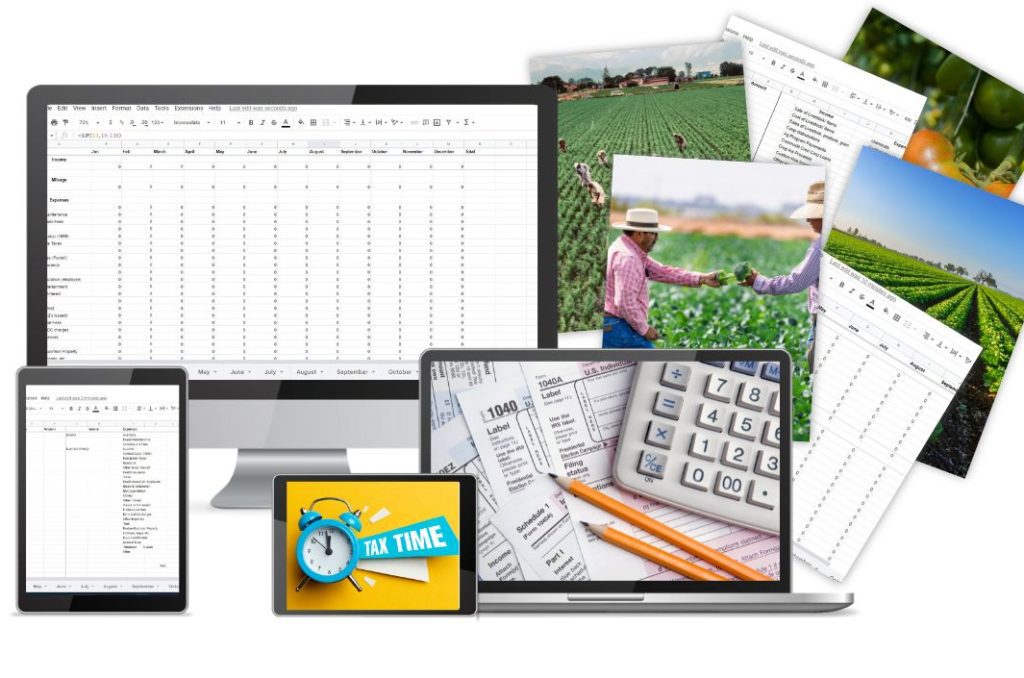
  • Facebook
  • Pinterest
  • Instagram
  • YouTube
  • TikTok
  • Spotify
  • Threads

Filed Under: Emergency Preparation, Homestead Planning Tagged With: emergency, food security, livestock, preparedness, prepping

JOIN TO OUR MAILING LIST!

Leave us your email to receive new posts and special offers for members only! Don't miss a thing!

Recent Posts

  • Fall Garden Guide
  • Top Mistakes With Goats
  • How To Bond With Your Goats
  • Page 1
  • Page 2
  • Page 3
  • Go to Next Page »

Primary Sidebar

WELCOME

WELCOME

My name is Leigh and I am the lead chaos creator here at Steel Raven Farms. You will see throughout this blog that I am the crazy goat lady.

I am married to my high school sweetheart, Jared and we have two amazing boys.

FOLLOW ME

  • Amazon
  • Facebook
  • Instagram
  • Pinterest
  • TikTok

GET UPDATES!

Leave us your email to receive new posts and special offers for members only! Don't miss a thing!

In all the years that I’ve been growing a garden, the fall garden has steadily remained my favorite. Which is funny because I don’t really like any of the brassicas, which is what most people know the fall garden for. I prefer the root vegetables and cool air. But I have learned over the years…

Read More

  • Animals
    • Chickens
    • Farm Dogs
    • Goats
  • Garden
    • Compost
    • Garden Projects
    • Seeds and Plants
    • Garden Journal
    • Working With Food
      • Recipes
      • Freezing Foods
      • Dehydrating Foods
      • Canning Tips And Tricks
        • Canning Inventory Sheets
  • Helpful Info
    • Welcome to the Homestead!
    • Emergency Preparedness
    • Frequently Asked Questions
    • Goal Setting
    • Project List
    • Shop Digital Products
      • Hay Calculator
      • Farm Expense And Income Tracker
      • Goat Crash Course: 101
      • Garden Journal Prompts
      • Schedule C Tracker
      • Schedule C Tracker
      • The Homestead Bundle
  • The Truths
  • Episode List
  • Start Here
    • Privacy Policy
    • Affiliate Disclosure
    • Let’s Get in Touch
    • Members Only Library
    • Welcome To Our Homestead

Footer

  • Email
  • Facebook
  • Instagram
  • Pinterest

COME AND GET IT!

Leave us your email to receive new posts and special offers for members only! Don't miss a thing!

· Midnight Theme

Copyright © 2026 · Midnight Theme on Genesis Framework · WordPress · Log in