• Skip to primary navigation
  • Skip to main content
  • Skip to primary sidebar
  • Skip to footer

Steel Raven Farms

Where muck boots meet ground.

  • Animals
    • Chickens
    • Farm Dogs
    • Goats
  • Garden
    • Compost
    • Garden Projects
    • Seeds and Plants
    • Garden Journal
    • Working With Food
      • Recipes
      • Freezing Foods
      • Dehydrating Foods
      • Canning Tips And Tricks
        • Canning Inventory Sheets
  • Helpful Info
    • Welcome to the Homestead!
    • Emergency Preparedness
    • Frequently Asked Questions
    • Goal Setting
    • Project List
    • Shop Digital Products
      • Hay Calculator
      • Farm Expense And Income Tracker
      • Goat Crash Course: 101
      • Garden Journal Prompts
      • Schedule C Tracker
      • Schedule C Tracker
      • The Homestead Bundle
  • The Truths
  • Episode List
  • Start Here
    • Privacy Policy
    • Affiliate Disclosure
    • Let’s Get in Touch
    • Members Only Library
    • Welcome To Our Homestead

income

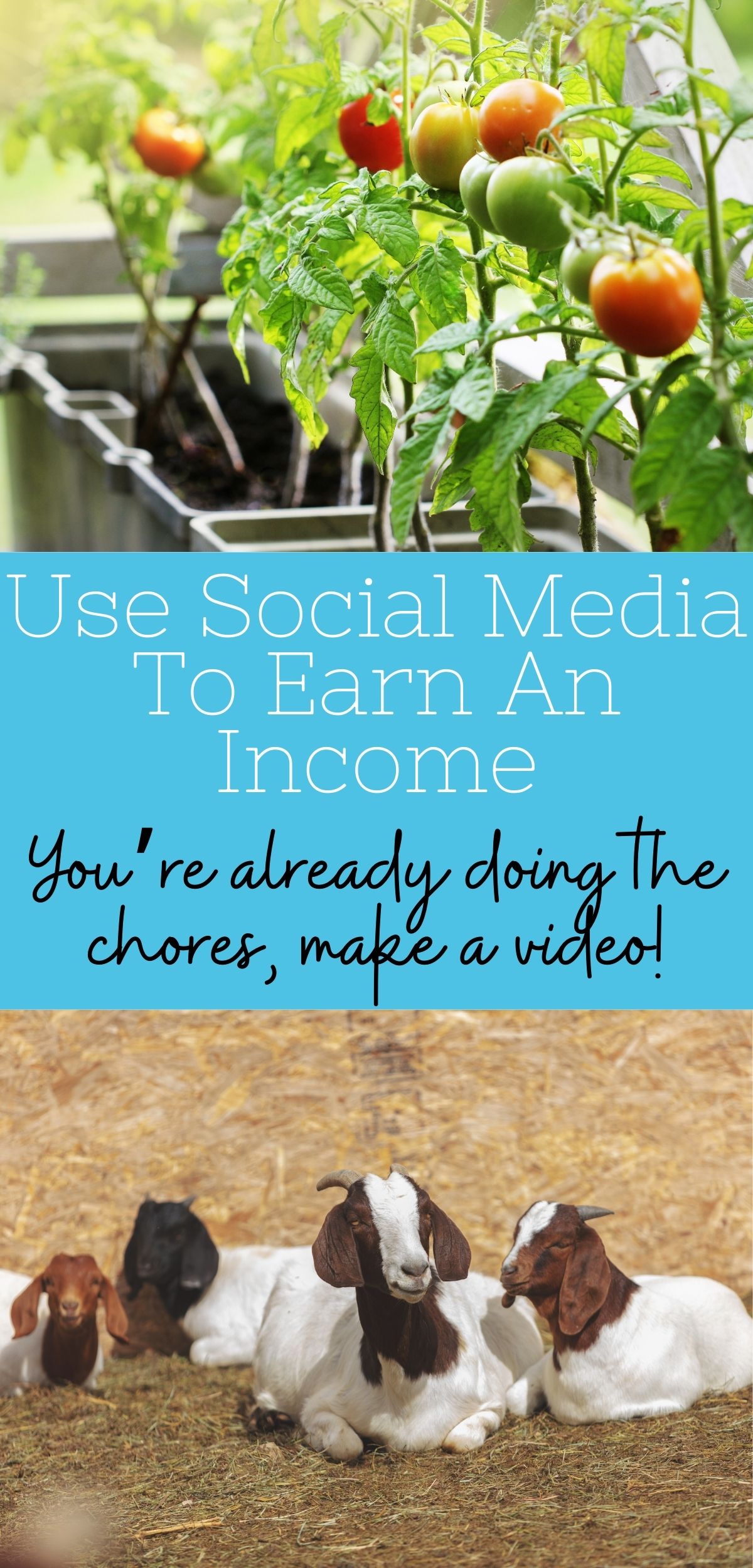
How to Use Social Media to Earn an Income on the Homestead

April 29, 2025 by Leigh Leave a Comment

Gone are the days when farming meant staying offline and off the grid. Today, some of the most successful homesteaders are using social media not just to share their lives—but to fund them. If you’re looking to make extra money while raising animals, growing food, or living a simpler life, creating a homestead social media plan could be one of the smartest moves you make.

Whether you want to start a YouTube channel, monetize your Instagram reels, or sell digital products on Pinterest, this guide will walk you through exactly how to turn your homestead content into consistent income.
The Ultimate Homesteader’s Starter Bundle – Only $47!

Get the tools you need to stay organized, track profits, and manage your homestead with ease!

Includes:
✅ Schedule F Tracker – Simplify tax prep
✅ Profit Calculator – Track earnings
✅ Hay Calculator – Plan livestock feed
✅ Garden Journal – Digital & printable
✅ Herd Health Tracker – Monitor animal care
✅ Simple Budget – Manage finances
✅ Backyard Homestead eBook – Essential tips

$99 value – now just $47! Start your homesteading journey today!

Buy Now

Why Social Media Is a Powerful Tool for Homesteaders

As a homesteader, you already have what most content creators spend hours trying to fake—real life, real experience, and real value. People are hungry for authentic content: how to raise chickens, grow tomatoes, can green beans, make herbal salves, or balance motherhood with chores. You’re doing all that and more.

When you start sharing your journey, you:

  • Build community and trust
  • Establish yourself as an expert
  • Drive traffic to your blog, shop, or YouTube
  • Open doors to partnerships, sponsorships, and sales

The best part? You don’t need millions of followers to make money. With a clear homestead social media plan, even a small but loyal audience can create reliable income streams.

Are you getting overwhelmed in the garden? Stressed? Or just not enjoying the garden like you used to? Check out our garden prompts! We send out weekly emails that get you back in the garden and out of your head! Turn the garden back into a place of love and joy instead of frustration and headache!

Subscribe Now!

Step 1: Choose Your Social Media Platforms

You don’t have to be everywhere. The best platform is the one you’ll actually use consistently. Focus on 1–2 platforms that match your content style and target audience.

Here’s a breakdown of the most effective platforms for homesteaders:

Instagram
Great for visuals (gardens, animals, DIYs) and reels. Ideal for building community and growing quickly with daily posts and stories.

TikTok
Short-form video works well for quick tips, farm humor, or before-and-after projects. Viral potential is huge even with a small account.

YouTube
Perfect for long-form tutorials, project breakdowns, and vlogs. A great way to establish yourself as an expert and generate passive ad revenue.

Pinterest
Drives traffic to blogs, Etsy shops, and YouTube videos. Best for evergreen content like recipes, how-tos, and printables.

Facebook
Useful for joining homesteading groups, selling locally, and building a Facebook page or group for your audience.

Step 2: Define Your Niche and Audience

Before posting anything, get crystal clear on who you’re talking to. Not every homesteader has the same goals or challenges. Think about your ideal follower:

  • Are they beginner homesteaders looking to learn?
  • Moms trying to balance family and farm life?
  • Off-grid or self-sufficiency enthusiasts?
  • Gardeners wanting to grow food in small spaces?

Then, ask yourself what problems you can help solve. Your homestead social media plan should revolve around service, not just aesthetics.

Examples of niche focuses:

  • Raising goats for milk or meat
  • Canning and food preservation
  • Frugal and debt-free homesteading
  • Gardening in small spaces
  • Off-grid cooking and DIYs

The more specific you are, the easier it is to grow a loyal, engaged audience.

Step 3: Plan Your Content Strategy

Now it’s time to map out your content. The best strategy combines three types of posts:

1. Educational Content
Teach your audience something useful:

  • How to start seeds indoors
  • 5 mistakes new chicken owners make
  • How to use comfrey salve for wounds

2. Inspirational Content
Share your story, successes, and daily life:

  • A sunrise over your garden
  • A quote about simplicity
  • “Why we started homesteading”

3. Promotional Content
Invite your followers to buy or click:

  • Check out your blog post
  • Buy your ebook or course
  • Visit your Etsy shop

Use a monthly calendar to balance all three types. Pinterest-friendly posts and keyword-rich descriptions can dramatically increase traffic to monetized links.

Step 4: Create and Schedule Content Consistently

You don’t need to post every day, but you do need to be consistent. Pick a posting schedule you can stick to, like:

  • Instagram: 3 reels per week, 2 story days
  • TikTok: 1–2 videos daily
  • YouTube: 1 video every 1–2 weeks
  • Pinterest: 3–5 pins per blog post

Use tools like Later, Tailwind, Metricool, or Canva’s content planner to schedule your posts ahead of time. I use Metricool and have really enjoyed it and the ease of use. Plus, their free option is pretty robust.

Batch your content creation by filming or photographing multiple things at once—like your weekly chores, a harvest day, or a DIY project. Then break that footage into multiple reels, TikToks, or blog tutorials.

Step 5: Monetize Your Content

This is where your homestead social media plan turns into a paycheck. There are several ways homesteaders earn money from their content, even with small audiences.

1. Affiliate Marketing

Share your favorite tools, seeds, gear, or books and earn a commission.
Examples:

  • Amazon Associates
  • Homesteading toolkits or digital bundles
  • Seed companies or gardening supplies

2. Ad Revenue

Once you hit enough views or traffic, platforms pay you to run ads.

  • YouTube Partner Program (1,000 subs + 4,000 watch hours)
  • Pinterest (via blog traffic → Mediavine or Raptive ad networks)
  • TikTok Creator Fund (availability varies)

3. Digital Products

Sell printables, guides, planners, or courses.
Ideas:

  • Garden planning workbook
  • Monthly homestead checklist
  • Goat care guide or feed calculator
  • Online course on canning or microgreens

4. Brand Sponsorships

Once you build trust and engagement, brands may pay you for sponsored posts, product features, or reviews.

Start by tagging brands in your posts and writing honest reviews. As you grow, reach out with a media kit showing your audience size, engagement, and services offered.

5. Physical Products

Promote products you already make:

  • Goat milk soap
  • Farm-fresh eggs
  • Preserved foods or herbal remedies

Use your social media to drive traffic to your Shopify store, Etsy shop, or local pickup days.

Step 6: Build Your Funnel

To create consistent income, you need a funnel—a clear path from your social media post to a purchase.

Here’s an example funnel:

  1. Instagram reel shows you trimming goat hooves
  2. Caption links to your blog post on goat care
  3. Blog post offers a free goat health checklist in exchange for email
  4. Email series pitches your beginner goat-raising ebook

That’s how you turn a 30-second video into a $27 sale (or more).

Create content that leads people to:

  • Join your email list
  • Read your blog
  • Buy your product
  • Watch your YouTube channel

Step 7: Track What’s Working

Every platform gives you analytics—use them. Review each month:

  • Which posts got the most views or saves?
  • What drove the most traffic to your blog?
  • Which links got clicked the most?

Focus on what’s working and do more of it. Your homestead social media plan should evolve as you learn what your audience responds to best.

Tools like Google Analytics, Pinterest Analytics, and social media insights will guide your strategy.

Step 8: Stay Authentic and Serve First

People follow you for you. Don’t try to copy influencers with perfectly polished lives. Show your mud boots, garden fails, and behind-the-scenes struggles. That authenticity is your superpower.

When you focus on serving your audience—educating, inspiring, and connecting—the income naturally follows.

Be honest. Be consistent. Be kind. And the right followers (and opportunities) will come.

Final Thoughts on Creating a Homestead Social Media Plan

If you’re living the homestead life, you already have content worth sharing—and monetizing. Whether you want to supplement your income or create a full-time business, a solid homestead social media plan can turn your skills and stories into a steady source of income.

Start simple. Choose one platform. Create helpful content. Build your audience and serve them well. In time, you’ll grow a digital income stream that supports your homestead dreams.

If you like the content I put out, feel free to buy us a coffee! It helps keep this site running, marketing and the goats in grain!

Buy me a coffee

If you like this post, feel free to share it and follow us below on our social media accounts!
  • Facebook
  • Pinterest
  • Instagram
  • YouTube
  • TikTok
  • Spotify
  • Threads

Filed Under: Frequently Asked Questions, Homestead Planning, How To's, Start Here Tagged With: business, Chickens, Goats, Homestead, income

JOIN TO OUR MAILING LIST!

Leave us your email to receive new posts and special offers for members only! Don't miss a thing!

Recent Posts

  • Fall Garden Guide
  • Top Mistakes With Goats
  • How To Bond With Your Goats

Planning For Failure

March 16, 2024 by Leigh Leave a Comment

When you are doing anything in life, you are never going to get it 100% right. It’s just part of the learning process. Whether you are learning a new skill, hobby, or job, you will screw something up. Even when you are a “professional”, you will probably screw something up eventually. And that is OKAY! While absolutely frustrating, it is also totally normal. But there are ways to get around it, and it’s called planning for failure. Everyone can benefit from planning for failure.

Before we get too far into this, I have a great course on the basics of goat care. I call it Goat Crash Course: Goat 101. In this course, I explain things like types of shelter, types of feeds and hays, basic assessments and so much more! Check it out!

Buy Now

What Is Planning For Failure?

This may seem counter productive, right? It may even seem like you are “borrowing trouble” as my aunt would say. But there are a lot of times were you should ABOSLUTELY be planning for failure. Life isn’t easy, nor is is cut and dry. You can do everything 100% right and still fail.

While we don’t want to anticipate failure, you need to be ready and have back up plans…. and then more back up plans. I talked about Semper Gumby in my post about homestead flexibility, and it is no different when it comes to bringing an income to the farm. In fact, when you are relying on nature for your income, you should have plans coming out of your ears.

Today, I want to talk more about planning for failure when it comes to earning money on the homestead. For example, you should plan for crop failure, animals not producing, and market failures. Then I want to talk about how to build your back up plans. Now, everyone can benefit from these things, but this post is more geared for those that are looking to start marketing their homestead.

If you are interested in learning more about my favorite garden planner. I highly recommend Seedtime! This planner has been instrumental in helping me plan out my gardens with WAY more efficiency than I could ever expect! It has also reduced overwhelm, stress, and calmed my ADD/ADHD!

More Info!

Planning For Crop Failure

On this topic, planning for failure starts at the seed level. If you are growing produce for market, you should be starting your own seeds. There are a ton of reasons for this that I go over in this blog post. But in that post, I don’t really talk about starting seeds for market. The reason is because that post is for a first time gardener/ seed starter. Not for someone looking to break into the farmer’s market side of farming.

When it comes to seed starting, I’m not necessarily talking about live plant sales here, though the principle is the same. Start more seeds than you think you’ll need. You will have seed failure. It may be because you watered too much or too little. Too much light or not enough. Or because you looked at the seed wrong…. Either way, because you started WAY more than you needed, a couple of cups that didn’t start isn’t going to derail your entire crop.

As you move into planting/ growing season, always make sure that you are looking at possibilities for failure. When we start pruning our tomatoes and peppers, we take the cuttings and put them in water. Once they have sprouted roots, we put them back into the soil. This helps not only save on seeds, but also weeks or months of growth. The reason for this is because you will have plants that stunt, get damaged or diseased, or some other issue that you didn’t even think to plan against. But you DID plan for failure and now you have a back up plan.

Are you getting overwhelmed in the garden? Stressed? Or just not enjoying the garden like you used to? Check out our garden prompts! We send out weekly emails that get you back in the garden and out of your head! Turn the garden back into a place of love and joy instead of frustration and headache!

Subscribe Now!

Planning For Animals Not Producing

When you have animals for market, no matter the animal or the market, you HAVE to plan for livestock to be livestock. This means that you may have goats that abort and you have lost not only the kids, but milk, meat AND money. Or your pig got pneumonia and you had to give antibiotics. Now, they can’t be sold as organic, antibiotic free.

At the end of the day, on my farm, an animal is the focus of every single thing we do. When we do our farm days, where photographers come out with their clients, we explain that if the goat isn’t feeling it, you don’t get to have pictures with the goat. Same thing with mommas and kids. If that momma is raising hell because you have her baby? You aren’t getting her baby. Period. Yes, it can a loss of income but that animal is more important.

All of these things happen and if you are not prepared, it could absolutely devastate your bottom line. But there are some things that you can do to prevent these failures. Things like good animal husbandry, rotational grazing, etc will help make sure that your animals are in peak condition and able to weather those storms. But sometimes, it still happens. So look at your operation and see where you can add some buffers. I’ll go into more detail below about my buffers for our animals.

Save on Seeds

Planning For Market Failures

There will absolutely be some catastrophe that happens when you are growing for market. It maybe a pest or disease that takes out your entire crop of green beans. It could be coccidiosis that stunts kids for market. Or it could be that the market doesn’t effectively market and no one shows up.

Some of these things you can’t do anything about. But there are things that you can do to make sure that you don’t get stuck holding the bag. To give you an example, we do not disbud our goats. We also no not necessarily take deposits on kids. However, if you decide you want one of my kids and you want it disbudded? You will be paying a full price, non refundable deposit for that kid.

Can you do that with farmer’s markets? Not really, but you can make sure to do your homework before signing up with that market.

Logo 468x60

When it comes to animals, it’s practicing good husbandry to ensure that you have done everything you can to prevent stunting or other poor growth.

Back Up Plans And Buffers

Sometimes, even the best laid plans go to hell in a hand basket. Make sure you have a back up plan. But what do those back up plans look like? How do you build in buffers? What in the world is a buffer?!

Have A Back Up Plan

For every situation, you should have a plan if things go sideways. Let’s take our last green bean crop as an example. Every year, we deal with Japanese beetles that absolutely LOVE our green beans. To ensure that we have plenty of green beans for ourselves and market, we plant green beans in 4 different locations on the property. Is it a pain in the ass? YES! But I would rather have 4 separate crops that I can get something out of than 1 main crop that gets nothing.

This year, we had 3 out of 5 does, abort. That means that I do not have goat kids or meat to sell. I do not have a back up plan for them. But my bottom line does not hang on the goat kids or meat. That is “extra” money. Because livestock is livestock. You cannot make huge decisions on a small herd. If we had a huge herd, then yes, we could make plans and have back up plans.

Save on Seeds

What Is A Buffer?

There are various ways to create buffers on your farm and the best one is diversification. Monocropping is for people with hundreds of acres. It is not for us that are on small acreage. That being said, don’t put all of your eggs in a produce basket. Or even a meat market basket. Make sure that you have plenty of ways for your farm to earn money.

One of the ways we do this is by offering Farm Days. This is our program that allows photographers to come to the farm, with their clients, and use the garden and greenhouse for photos. We charge per hour or per day. We also offer animals as add ons. This requires very little from us, unless animals are added to their day. And this allows us to make money even if our market crops don’t do well.

Another way that we diversify is by selling cut flowers. We sell cut flowers at markets, to florists, and offer to ship. We are not a florist, but it has done pretty well for us. Again, it doesn’t take a lot of extra work for us because I plant flowers all over the property. I love them. Plus, it brings pollinators to the farm.

Building Your Buffers

This is going to look vastly different for everyone. If you don’t want to sell cut flowers, that can’t be a buffer for you. If you don’t want to have people on your property, don’t host farm days. But think about all the different things you do that you could sell. This could be offering classes or starting a few more seeds to sell as plant starts.

Before we get too far into this, I have a great course on the basics of goat care. I call it Goat Crash Course: Goat 101. In this course, I explain things like types of shelter, types of feeds and hays, basic assessments and so much more! Check it out!

Buy Now

Brainstorm the things you know how to do and figure out a way to monetize that. Do you take pictures? Sell digital prints on Etsy. Are you a pro at butchering chickens? Offer a class on it. Can you run a pressure canner with your eyes closed? Make a couple videos and offer a course.

Or offer coaching services! You have knowledge that other homesteaders are looking for!

Lastly, Plan For Bad Press

One more thing that could affect your ability to earn an income is bad press. Now, you won’t please everyone and no, the customer isn’t always right. You will have someone that has a problem with you, your product or your farm. But there are somethings that you can do about it.

First and foremost, be friendly! People are willing to overlook mistakes when you are not a total scrouge. Second, be honest and open. When you start trying to hide behind a facade of “I know everything“, people are going to see right through it. And third, communicate! Seriously, if you have a disastrous year for green beans, and you tell your customers that, they are going to understand.

cropped-3.jpg

Are you looking for garden journal prompts, but aren’t interested in a weekly email? Check out our 365 Garden Journal Prompts! This is an amazing, all in one, yearly product that you only pay for once.

Buy Now!

But sometimes, you are going to get someone who just wants to complain and nothing you do is going to matter. I will tell you this from experience in my real job, as well as literally every interaction I have ever had with the public: your reputation is EVERYTHING. One of my bosses at my real job has said on many occasions, to me and others about me, that I am so honest that I will tell on myself. He knows that, no matter how uncomfortable it is, I will always tell the truth.

Because of my reputation, I have the backing of my department. Because of my reputation, I am making a name for myself in the homesteading world. I will be the first to tell you, this may not be the “right” way, but this is how I do it. This is what has gone wrong, and this is what has gone right. And I’m always willing to hear you out.

When it comes to your farm, you will make your own name for yourself and hopefully, it’s a good one.

Let me know how you plan for failures

If you like the content I put out, feel free to buy us a coffee! It helps keep this site running, marketing and the goats in grain!

Buy me a coffee

If you like this post, feel free to share it and follow us below on our social media accounts!

  • Facebook
  • Pinterest
  • Instagram
  • YouTube
  • TikTok
  • Spotify
  • Threads

Filed Under: Homestead Planning Tagged With: Eggs, Garden, Goats, income, market

JOIN TO OUR MAILING LIST!

Leave us your email to receive new posts and special offers for members only! Don't miss a thing!

Recent Posts

  • Fall Garden Guide
  • Top Mistakes With Goats
  • How To Bond With Your Goats

Primary Sidebar

WELCOME

WELCOME

My name is Leigh and I am the lead chaos creator here at Steel Raven Farms. You will see throughout this blog that I am the crazy goat lady.

I am married to my high school sweetheart, Jared and we have two amazing boys.

FOLLOW ME

  • Amazon
  • Facebook
  • Instagram
  • Pinterest
  • TikTok

GET UPDATES!

Leave us your email to receive new posts and special offers for members only! Don't miss a thing!

In all the years that I’ve been growing a garden, the fall garden has steadily remained my favorite. Which is funny because I don’t really like any of the brassicas, which is what most people know the fall garden for. I prefer the root vegetables and cool air. But I have learned over the years…

Read More

  • Animals
    • Chickens
    • Farm Dogs
    • Goats
  • Garden
    • Compost
    • Garden Projects
    • Seeds and Plants
    • Garden Journal
    • Working With Food
      • Recipes
      • Freezing Foods
      • Dehydrating Foods
      • Canning Tips And Tricks
        • Canning Inventory Sheets
  • Helpful Info
    • Welcome to the Homestead!
    • Emergency Preparedness
    • Frequently Asked Questions
    • Goal Setting
    • Project List
    • Shop Digital Products
      • Hay Calculator
      • Farm Expense And Income Tracker
      • Goat Crash Course: 101
      • Garden Journal Prompts
      • Schedule C Tracker
      • Schedule C Tracker
      • The Homestead Bundle
  • The Truths
  • Episode List
  • Start Here
    • Privacy Policy
    • Affiliate Disclosure
    • Let’s Get in Touch
    • Members Only Library
    • Welcome To Our Homestead

Footer

  • Email
  • Facebook
  • Instagram
  • Pinterest

COME AND GET IT!

Leave us your email to receive new posts and special offers for members only! Don't miss a thing!

· Midnight Theme

Copyright © 2026 · Midnight Theme on Genesis Framework · WordPress · Log in