Whether you’re a homesteader, hobby farmer, or aspiring agricultural entrepreneur, profitable goat farming is a realistic and achievable goal when approached with the right strategy. In this comprehensive guide, we’ll walk you through everything you need to know about raising goats for profit—focusing on both meat and dairy production. From choosing the right breeds to maximizing your income streams, we’re diving into the details that will help you build a thriving goat business.


Before we get too far into this, I have a great course on the basics of goat care. I call it Goat Crash Course: Goat 101. In this course, I explain things like types of shelter, types of feeds and hays, basic assessments and so much more! Check it out!
Why Goats Are a Smart Investment
Goats are one of the most versatile livestock options for small farms. They require less space and feed than cattle, have strong market demand, and offer multiple income sources—milk, meat, manure, breeding stock, and even agritourism.
Here’s why profitable goat farming is on the rise:
- Low Startup Costs: Compared to other livestock, goats are relatively inexpensive to purchase and maintain.
- High Reproduction Rates: Most goat breeds can produce twins or triplets yearly, increasing your herd quickly.
- Diverse Market Opportunities: You can sell meat, milk, cheese, soap, breeding stock, or even rent goats out for land clearing.
Step 1: Choose Your Focus — Meat or Dairy Goats?
Before you jump into raising goats for profit, it’s essential to decide your primary focus. Yes, you can do both, but if you are just starting out, it would be much easier to figure out where you want to focus your attention.
Meat Goat Farming
Meat goats are hardy, grow quickly, and are in high demand—especially around holidays in ethnic markets. Popular breeds include:
- Boer: The most common meat goat breed, known for fast growth and muscle mass.
- Kiko: Hardy and parasite-resistant, great for low-maintenance operations.
- TexMaster: A crossbreed of Boer and Myotonic, prized for meat quality and ease of management.
Meat goats are typically sold by live weight or hanging weight, with pricing often ranging from $5–$10 per pound depending on your market.
Dairy Goat Farming
If you’re more interested in daily hands-on care and want to create value-added products like cheese and soap, dairy goats are the way to go. Top breeds include:
- Nubian: High butterfat content, ideal for cheese and rich milk.
- Saanen: High milk volume, friendly temperament.
- Alpine: Balanced milk production and strong genetics.
Dairy operations can sell raw milk (check local laws), cheese, yogurt, and even body care products like goat milk soap and lotion.
Before we get too far into this, I have a great course on the basics of goat care. I call it Goat Crash Course: Goat 101. In this course, I explain things like types of shelter, types of feeds and hays, basic assessments and so much more! Check it out!
Step 2: Understand the Costs of Goat Farming
To make your farm truly profitable, you need to track both startup and ongoing costs. Here’s a quick breakdown:
Startup Costs:
- Goat shelter or barn: $500–$5,000
- Fencing (goats are escape artists!): $2–$5 per foot. This can increase with the additions of hot wire and additional t-posts to secure your fencing better.
- Water system and feeders: $200–$800
- Breeding stock: $150–$500 per goat (more for registered goats)
- Milking or processing equipment (for dairy): $1,000–$5,000
Ongoing Costs:
- Feed and hay: $10–$30 per goat per month
- Veterinary care: $10–$20 per goat monthly
- Mineral supplements: $20/month for small herds
- Marketing and packaging (dairy products): Variable
Use a simple spreadsheet, like or Schedule F, or farm management software to track all expenses. Knowing your break-even point is key to profitable goat farming.

Our herd health bundle helps you keep track of your herd’s health. Includes the goat assessment, herd check sheets AND Herd Health Tracker!
Step 3: Build a Solid Infrastructure
Success in goat farming starts with proper infrastructure:
Housing
Goats need shelter from wind, rain, and predators. Simple sheds with good ventilation and dry bedding will do for most climates. Plan for at least 15–20 square feet per goat inside and 200–250 square feet of outdoor space.
Fencing
Invest in strong fencing like woven wire or electric netting. Goats are curious and agile—they will test your boundaries!
Feeding & Watering
A balanced diet includes:
- Quality hay
- Grain (in moderation)
- Minerals (always available)
- Fresh water
Dairy goats also benefit from high-protein supplements during lactation.
Step 4: Set Up Your Breeding Program
A well-managed breeding program is a core component of profitable goat farming.
- Breeding Season: Typically fall, with kids born in spring.
- Gestation Period: About 150 days.
- Kidding Rate: 2–3 kids per doe is common with good nutrition.
Tips for profitable breeding:
- Keep detailed records of breeding dates and bloodlines.
- Cull unproductive or unhealthy animals.
Sell kids at 8–12 weeks for meat or raise doelings as future milkers. Processing the kids is the hardest part of meat goat farming, so be prepared.
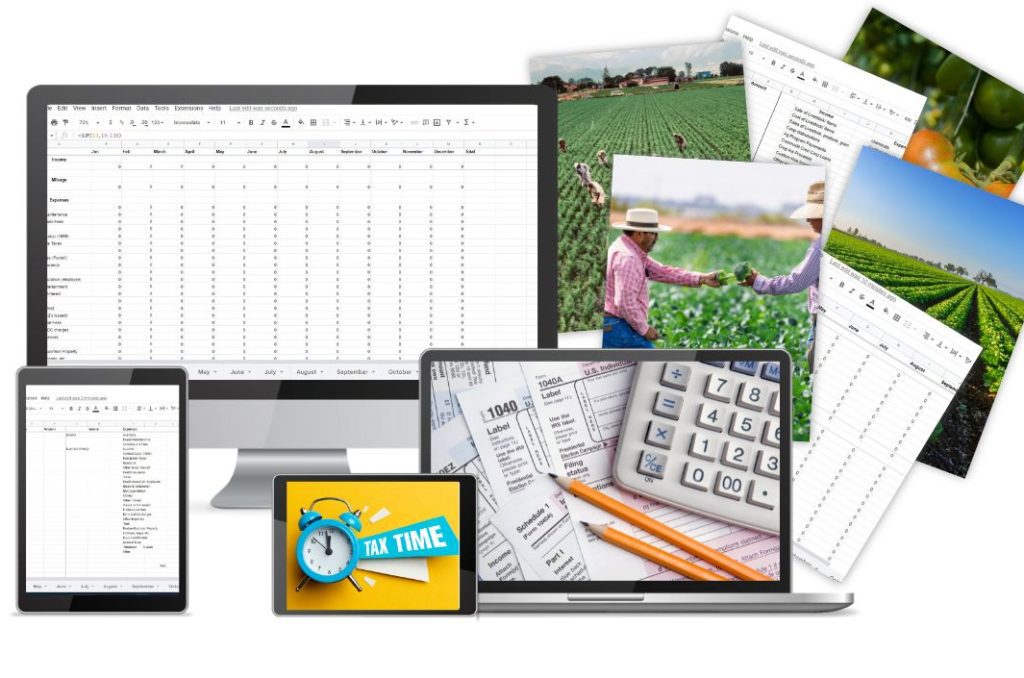
If you are a farmer/ homesteader and looking for a way to track your income and expenses, I highly recommend our Schedule F Tracker! We have been using it for years and it is the easiest, fastest and best way that we have found to keep track of the money spent on the homestead.
Step 5: Know Your Market
Understanding your target market is crucial for maximizing profits. Here are key goat product income streams:
Selling Goat Meat
Target:
- Local ethnic communities
- Butcher shops
- Farmers markets
- Online meat shares
Offer whole goat sales, cut-and-wrapped meat, or CSA-style shares. Use social media and your website to take pre-orders.
Selling Goat Milk & Dairy Products
Raw milk laws vary by state—check your local regulations. You can sell:
- Bottled milk
- Cheese (chevre, feta, aged varieties)
- Yogurt
- Butter
- Goat milk soap and lotion
Add value by offering farm tours, classes, or subscription boxes.
Selling Breeding Stock
As your herd improves, you can sell:
- Registered doelings and bucks
- Starter herds to new farmers
- Wethers as pets or brush goats
Document pedigrees, health records, and milk/meat performance to increase value. To give you an idea of how this looks, a starter herd of TexMaster goats (kids and yearlings) will cost you about $2400 depending on your local area. And they are not breed-able for about another year or so. An adult doe will run you about $1,000.
Before we get too far into this, I have a great course on the basics of goat care. I call it Goat Crash Course: Goat 101. In this course, I explain things like types of shelter, types of feeds and hays, basic assessments and so much more! Check it out!
Step 6: Maximize Income Streams
Diversify your farm income to reduce risk and grow your revenue. Here are bonus ways to make money with goats:
- Goat Yoga Classes
- Brush Clearing Services
- Manure for Gardeners
- Homestead Workshops
- YouTube Channel or Blog
- Etsy Shop for Goat-Based Products
The more ways you leverage your goats, the more profitable goat farming becomes.
Step 7: Use Smart Marketing to Stand Out
Marketing is where many farms struggle—but it doesn’t have to be hard.
Build a Farm Website
Include:
- Your story
- Products & services
- Contact info
- Farm blog (for SEO)
- Online store or order form
Use Pinterest for SEO & Sales
Pinterest is powerful for promoting:
- Goat milk soap tutorials
- Cheese recipes
- Homesteading tips
- Farm lifestyle content
Create vertical pins (1000×1500 px), use text overlays, and include keywords like “profitable goat farming,” “goat milk soap,” or “how to start a goat farm.”
If you are a farmer/ homesteader and looking for a way to track your income and expenses, I highly recommend our Schedule F Tracker! We have been using it for years and it is the easiest, fastest and best way that we have found to keep track of the money spent on the homestead.
Grow Your Social Media
Post consistently on:
- Instagram (behind-the-scenes + stories)
- Facebook (farm updates + customer interaction)
- YouTube or TikTok (goat care, kidding season, milking tutorials)
Engage your audience and build community. People love following real farmers.
Step 8: Stay Compliant and Legal
To run a legitimate and profitable operation, get familiar with local regulations. Below are just a few licensing and regulations to consider. I would also look into getting insurance if you are going to have farm tours, sell food products, etc. It’s better to be safe than sorry.
- Business License
- Raw Milk Sales Permits
- Animal Welfare Standards
- Meat Processing Laws
- Zoning & Land Use
It’s worth consulting your county extension office or a farm attorney for guidance. Don’t skip this step—it protects your farm and future.
Step 9: Track, Measure & Improve
The best farmers treat their operation like a business. Monitor these metrics:
- Feed-to-meat/milk conversion ratios
- Breeding success rates
- Average sale price per product
- Customer acquisition cost
- Monthly profit/loss
Review your numbers monthly and look for ways to improve efficiency. That’s how you turn a hobby into profitable goat farming.
Our herd health bundle helps you keep track of your herd’s health. Includes the goat assessment, herd check sheets AND Herd Health Tracker!
Final Thoughts: Is Goat Farming Really Profitable?
Absolutely—if you plan well, start small, and grow intentionally.
Profitable goat farming isn’t a get-rich-quick scheme, but with hard work and smart decisions, you can turn your goats into a dependable income source that fits your lifestyle and values.
Whether you’re raising meat goats for local markets or crafting artisan cheese from your backyard herd, there’s never been a better time to start.
If you like the content I put out, feel free to buy us a coffee! It helps keep this site running, marketing and the goats in grain!
Buy me a coffeeIf you like this post, feel free to share it and follow us below on our social media accounts!
Leave a Reply