• Skip to primary navigation
  • Skip to main content
  • Skip to primary sidebar
  • Skip to footer

Steel Raven Farms

Where muck boots meet ground.

  • Animals
    • Chickens
    • Farm Dogs
    • Goats
  • Garden
    • Compost
    • Garden Projects
    • Seeds and Plants
    • Garden Journal
    • Working With Food
      • Recipes
      • Freezing Foods
      • Dehydrating Foods
      • Canning Tips And Tricks
        • Canning Inventory Sheets
  • Helpful Info
    • Welcome to the Homestead!
    • Emergency Preparedness
    • Frequently Asked Questions
    • Goal Setting
    • Project List
    • Shop Digital Products
      • Hay Calculator
      • Farm Expense And Income Tracker
      • Goat Crash Course: 101
      • Garden Journal Prompts
      • Schedule C Tracker
      • Schedule C Tracker
      • The Homestead Bundle
  • The Truths
  • Episode List
  • Start Here
    • Privacy Policy
    • Affiliate Disclosure
    • Let’s Get in Touch
    • Members Only Library
    • Welcome To Our Homestead

business

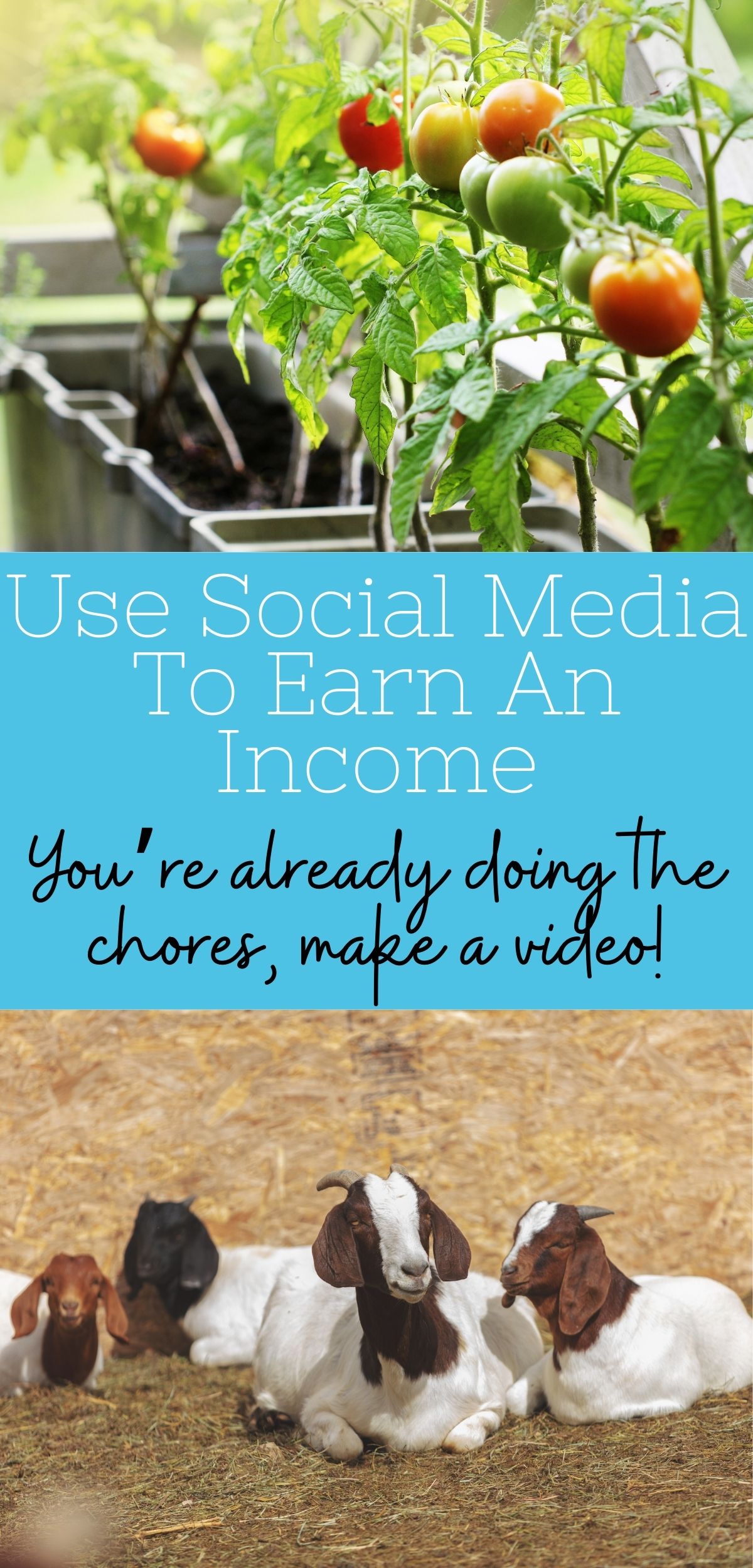
How to Use Social Media to Earn an Income on the Homestead

April 29, 2025 by Leigh Leave a Comment

Gone are the days when farming meant staying offline and off the grid. Today, some of the most successful homesteaders are using social media not just to share their lives—but to fund them. If you’re looking to make extra money while raising animals, growing food, or living a simpler life, creating a homestead social media plan could be one of the smartest moves you make.

Whether you want to start a YouTube channel, monetize your Instagram reels, or sell digital products on Pinterest, this guide will walk you through exactly how to turn your homestead content into consistent income.
The Ultimate Homesteader’s Starter Bundle – Only $47!

Get the tools you need to stay organized, track profits, and manage your homestead with ease!

Includes:
✅ Schedule F Tracker – Simplify tax prep
✅ Profit Calculator – Track earnings
✅ Hay Calculator – Plan livestock feed
✅ Garden Journal – Digital & printable
✅ Herd Health Tracker – Monitor animal care
✅ Simple Budget – Manage finances
✅ Backyard Homestead eBook – Essential tips

$99 value – now just $47! Start your homesteading journey today!

Buy Now

Why Social Media Is a Powerful Tool for Homesteaders

As a homesteader, you already have what most content creators spend hours trying to fake—real life, real experience, and real value. People are hungry for authentic content: how to raise chickens, grow tomatoes, can green beans, make herbal salves, or balance motherhood with chores. You’re doing all that and more.

When you start sharing your journey, you:

  • Build community and trust
  • Establish yourself as an expert
  • Drive traffic to your blog, shop, or YouTube
  • Open doors to partnerships, sponsorships, and sales

The best part? You don’t need millions of followers to make money. With a clear homestead social media plan, even a small but loyal audience can create reliable income streams.

Are you getting overwhelmed in the garden? Stressed? Or just not enjoying the garden like you used to? Check out our garden prompts! We send out weekly emails that get you back in the garden and out of your head! Turn the garden back into a place of love and joy instead of frustration and headache!

Subscribe Now!

Step 1: Choose Your Social Media Platforms

You don’t have to be everywhere. The best platform is the one you’ll actually use consistently. Focus on 1–2 platforms that match your content style and target audience.

Here’s a breakdown of the most effective platforms for homesteaders:

Instagram
Great for visuals (gardens, animals, DIYs) and reels. Ideal for building community and growing quickly with daily posts and stories.

TikTok
Short-form video works well for quick tips, farm humor, or before-and-after projects. Viral potential is huge even with a small account.

YouTube
Perfect for long-form tutorials, project breakdowns, and vlogs. A great way to establish yourself as an expert and generate passive ad revenue.

Pinterest
Drives traffic to blogs, Etsy shops, and YouTube videos. Best for evergreen content like recipes, how-tos, and printables.

Facebook
Useful for joining homesteading groups, selling locally, and building a Facebook page or group for your audience.

Step 2: Define Your Niche and Audience

Before posting anything, get crystal clear on who you’re talking to. Not every homesteader has the same goals or challenges. Think about your ideal follower:

  • Are they beginner homesteaders looking to learn?
  • Moms trying to balance family and farm life?
  • Off-grid or self-sufficiency enthusiasts?
  • Gardeners wanting to grow food in small spaces?

Then, ask yourself what problems you can help solve. Your homestead social media plan should revolve around service, not just aesthetics.

Examples of niche focuses:

  • Raising goats for milk or meat
  • Canning and food preservation
  • Frugal and debt-free homesteading
  • Gardening in small spaces
  • Off-grid cooking and DIYs

The more specific you are, the easier it is to grow a loyal, engaged audience.

Step 3: Plan Your Content Strategy

Now it’s time to map out your content. The best strategy combines three types of posts:

1. Educational Content
Teach your audience something useful:

  • How to start seeds indoors
  • 5 mistakes new chicken owners make
  • How to use comfrey salve for wounds

2. Inspirational Content
Share your story, successes, and daily life:

  • A sunrise over your garden
  • A quote about simplicity
  • “Why we started homesteading”

3. Promotional Content
Invite your followers to buy or click:

  • Check out your blog post
  • Buy your ebook or course
  • Visit your Etsy shop

Use a monthly calendar to balance all three types. Pinterest-friendly posts and keyword-rich descriptions can dramatically increase traffic to monetized links.

Step 4: Create and Schedule Content Consistently

You don’t need to post every day, but you do need to be consistent. Pick a posting schedule you can stick to, like:

  • Instagram: 3 reels per week, 2 story days
  • TikTok: 1–2 videos daily
  • YouTube: 1 video every 1–2 weeks
  • Pinterest: 3–5 pins per blog post

Use tools like Later, Tailwind, Metricool, or Canva’s content planner to schedule your posts ahead of time. I use Metricool and have really enjoyed it and the ease of use. Plus, their free option is pretty robust.

Batch your content creation by filming or photographing multiple things at once—like your weekly chores, a harvest day, or a DIY project. Then break that footage into multiple reels, TikToks, or blog tutorials.

Step 5: Monetize Your Content

This is where your homestead social media plan turns into a paycheck. There are several ways homesteaders earn money from their content, even with small audiences.

1. Affiliate Marketing

Share your favorite tools, seeds, gear, or books and earn a commission.
Examples:

  • Amazon Associates
  • Homesteading toolkits or digital bundles
  • Seed companies or gardening supplies

2. Ad Revenue

Once you hit enough views or traffic, platforms pay you to run ads.

  • YouTube Partner Program (1,000 subs + 4,000 watch hours)
  • Pinterest (via blog traffic → Mediavine or Raptive ad networks)
  • TikTok Creator Fund (availability varies)

3. Digital Products

Sell printables, guides, planners, or courses.
Ideas:

  • Garden planning workbook
  • Monthly homestead checklist
  • Goat care guide or feed calculator
  • Online course on canning or microgreens

4. Brand Sponsorships

Once you build trust and engagement, brands may pay you for sponsored posts, product features, or reviews.

Start by tagging brands in your posts and writing honest reviews. As you grow, reach out with a media kit showing your audience size, engagement, and services offered.

5. Physical Products

Promote products you already make:

  • Goat milk soap
  • Farm-fresh eggs
  • Preserved foods or herbal remedies

Use your social media to drive traffic to your Shopify store, Etsy shop, or local pickup days.

Step 6: Build Your Funnel

To create consistent income, you need a funnel—a clear path from your social media post to a purchase.

Here’s an example funnel:

  1. Instagram reel shows you trimming goat hooves
  2. Caption links to your blog post on goat care
  3. Blog post offers a free goat health checklist in exchange for email
  4. Email series pitches your beginner goat-raising ebook

That’s how you turn a 30-second video into a $27 sale (or more).

Create content that leads people to:

  • Join your email list
  • Read your blog
  • Buy your product
  • Watch your YouTube channel

Step 7: Track What’s Working

Every platform gives you analytics—use them. Review each month:

  • Which posts got the most views or saves?
  • What drove the most traffic to your blog?
  • Which links got clicked the most?

Focus on what’s working and do more of it. Your homestead social media plan should evolve as you learn what your audience responds to best.

Tools like Google Analytics, Pinterest Analytics, and social media insights will guide your strategy.

Step 8: Stay Authentic and Serve First

People follow you for you. Don’t try to copy influencers with perfectly polished lives. Show your mud boots, garden fails, and behind-the-scenes struggles. That authenticity is your superpower.

When you focus on serving your audience—educating, inspiring, and connecting—the income naturally follows.

Be honest. Be consistent. Be kind. And the right followers (and opportunities) will come.

Final Thoughts on Creating a Homestead Social Media Plan

If you’re living the homestead life, you already have content worth sharing—and monetizing. Whether you want to supplement your income or create a full-time business, a solid homestead social media plan can turn your skills and stories into a steady source of income.

Start simple. Choose one platform. Create helpful content. Build your audience and serve them well. In time, you’ll grow a digital income stream that supports your homestead dreams.

If you like the content I put out, feel free to buy us a coffee! It helps keep this site running, marketing and the goats in grain!

Buy me a coffee

If you like this post, feel free to share it and follow us below on our social media accounts!

  • Facebook
  • Pinterest
  • Instagram
  • YouTube
  • TikTok
  • Spotify
  • Threads

Filed Under: Frequently Asked Questions, Homestead Planning, How To's, Start Here Tagged With: business, Chickens, Goats, Homestead, income

JOIN TO OUR MAILING LIST!

Leave us your email to receive new posts and special offers for members only! Don't miss a thing!

Recent Posts

  • Fall Garden Guide
  • Top Mistakes With Goats
  • How To Bond With Your Goats

How to Sell Goat Meat: Best Markets and Pricing Strategies

April 22, 2025 by Leigh Leave a Comment

If you’re raising goats and want to turn your herd into a sustainable income stream, learning how to sell goat meat effectively is essential. Whether you raise Boer, Kiko, Spanish, or TexMaster goats, the key to profitability lies in choosing the right markets and setting the right prices. This guide breaks down the most important selling goat meat tips, from market types to pricing strategies that actually work.

Why Goat Meat Is in High Demand

Goat meat—also known as chevon or cabrito—is the most consumed red meat globally. Its lean profile, unique flavor, and adaptability to cultural cuisines make it a top choice for many communities. In the U.S., demand continues to rise due to increased immigrant populations and growing interest in grass-fed, sustainable meat sources. This makes it a prime time to get into the goat meat business—especially if you’re raising goats on pasture with humane practices and clean feed. But to profit, you need to understand where and how to sell.

1. Understand Your Market First

Before diving into pricing, you need to determine who your ideal customer is. Are they local families? Restaurants? Ethnic grocery stores? Butchers? Or are you selling directly off the farm?

Here are a few potential customer segments for goat meat:

  • Ethnic communities (e.g., Hispanic, Middle Eastern, African, Caribbean, Indian)
  • Farm-to-table restaurants
  • Butcher shops and halal meat markets
  • Health-conscious consumers
  • Homesteaders or rural families looking to buy in bulk

Pro tip: Visit local markets, speak with potential buyers, and explore online homesteading and farming groups to discover local demand. Use this research to guide your sales strategy.

2. Choose the Right Selling Channels

Different selling methods work better depending on your location, meat processing setup, and target customers. Below are the top ways to sell goat meat effectively.

A. Direct-to-Consumer Sales

Selling directly from your farm or through a website cuts out the middleman and maximizes profit.

Benefits:

  • Full control of pricing
  • Build customer loyalty
  • Easier to upsell cuts or add-on products

Selling tips:

  • Set up a simple farm stand or pickup point
  • Create a basic website or Shopify store
  • Offer bulk options (whole, half, or quarter goat)

B. Farmers Markets

If you already sell eggs, veggies, or goat milk, adding packaged meat can boost your revenue per customer.

What to know:

  • You’ll need proper licensing, cold storage, and a mobile freezer
  • Offer recipe cards and samples if local laws allow
  • Display USDA or state inspection information clearly

C. Ethnic Grocery Stores and Restaurants

Restaurants and ethnic grocers often buy goat meat in bulk or on a recurring basis. This creates consistent income, but margins are tighter.

Tips for success:

  • Contact chefs or buyers with a clear price list
  • Offer samples or a test order
  • Be flexible with delivery or pickup schedules

D. Livestock Auctions (Live Sales)

Some producers sell goats live at auction instead of processing them. While it’s easier, you lose out on meat markup.

This is not ideal both for the goat’s sake as well as your bottom line. This would be my very last option… I would rather keep the goat for my own freezers.

3. Know Your Processing Options

One of the most important selling goat meat tips is understanding how processing affects your legality, pricing, and market access.

A. USDA-Inspected Facilities

If you want to sell by the cut (e.g., leg, shoulder, ground goat), your meat must be processed at a USDA-inspected facility.

Pros:

  • Can sell meat retail
  • Ideal for stores, restaurants, and direct-to-consumer

Cons:

  • Limited availability in some areas
  • Higher processing costs

B. State-Inspected Facilities (If Your State Allows)

Some states allow in-state meat sales under state inspection. Check your state’s department of agriculture for details.

C. Custom Exempt (For Personal Use or Farm Gate Sales)

If you’re selling whole animals and letting the buyer process it themselves or through a custom-exempt facility, you’re not selling “meat”—you’re selling a live animal. This is legally simpler in many areas.

Popular with:

  • Homesteaders
  • Families who want to fill their freezer

Example Script:
“We sell our goats live, and once purchased, you’re welcome to take them to the custom processor of your choice. We can recommend one nearby.”

Be careful with doing this because there are a lot of people who will try and slaughter the animal on your property before leaving. Be sure to explain clearly, and if necessary in their language, that this is not okay.

4. Set Your Pricing: What to Charge for Goat Meat

Now let’s talk numbers. Pricing your goat meat depends on your costs, your market, and your sales channel. Here are the most effective ways to price it:

A. Price Per Pound Hanging Weight

This is the most common method for bulk goat meat sales.

Example:

  • Goat live weight: 80 lbs
  • Hanging weight (after slaughter): 40 lbs
  • Price per pound: $7
  • Total sale: $280

Key tip: Always clarify if your pricing is based on live weight, hanging weight, or packaged weight. Transparency builds trust.

B. Price Per Cut (Retail)

Retail cuts are the most profitable but require USDA processing and attractive packaging.

Example prices:

  • Ground goat: $10–$14/lb
  • Shoulder roast: $12–$15/lb
  • Rack or chops: $16–$20/lb
  • Organ meats (liver, heart, kidney): $5–$8/lb

Offer bundled boxes like:

  • Griller’s Box (chops, ground, ribs)
  • Family Box (shoulder, ground, stew meat)

C. Whole or Half Goat Sales

This is popular for farm pickup or holiday demand (e.g., Eid, Easter, or family feasts). Set a flat rate or use per-pound pricing.

Example:

  • Whole goat: $250–$400 depending on breed and weight
  • Half goat: $125–$200

5. Seasonal Demand: Timing Your Sales for Max Profit

Certain times of year have much higher demand for goat meat. Here are peak times to plan around:

Holiday/Event – Communities – Goat Type

  • Eid al-Adha – Muslim – Whole bucks
  • Easter – Christian/Greek – Young kids
  • Christmas/New Year – Hispanic/Caribbean – Various
  • Ramadan – Muslim – Cuts or whole

Plan your breeding schedule so kids are at ideal weights around these peak times. For example, Eid demand often focuses on bucks around 6–9 months old and 60–100 lbs.

6. Add Value with Branding and Storytelling

If you want to charge premium prices, build a brand your customers can trust. This works especially well if you’re using regenerative practices, rotating pasture, or raising rare breeds.

Ideas to showcase your value:

  • Create labels with breed info, how they were raised, and your farm name
  • Share behind-the-scenes videos on Instagram and Pinterest
  • Offer cooking guides or storage tips with every order
  • Use the keyword “grass-fed,” “pasture-raised,” and “locally raised” in your marketing copy

Pinterest tip: Post infographics showing “How to Butcher a Goat,” “Goat Meat Nutrition,” or “Cuts of Goat Meat.” These drive traffic and educate your audience. However, this can often insight rude, mean or nasty responses from those that aren’t educated on the practice of raising animals for slaughter.

7. Legal Considerations for Selling Goat Meat

This is one of the most crucial selling goat meat tips—don’t skip the legal stuff.

Check:

  • Your state’s meat sales regulations
  • Licensing required for retail or farmers markets
  • Processing facility inspections and labeling guidelines
  • Zoning laws for farm sales or events

Start by contacting your State Department of Agriculture, USDA Food Safety Inspection Service, and local extension office. Each state varies.

8. Track Your Costs and Profits

Profitable goat meat sales don’t just depend on pricing—they depend on knowing your numbers.

Track:

  • Feed and hay costs per animal
  • Breeding expenses
  • Processing and transport costs
  • Sales income per goat (live vs. processed)

Use a profit-first model to allocate income. An example of profit-first would be like below:

  • 50% profit
  • 30% expenses
  • 10% taxes
  • 10% reinvestment

Knowing your true profit margin helps you scale smart.

Final Thoughts: Sell Smart, Not Just Fast

Selling goat meat is more than just raising animals—it’s about building systems, pricing smart, and understanding your market. Whether you’re just starting with a handful of does or running a full-time meat operation, these selling goat meat tips can help you boost your revenue, build loyal customers, and create a business that supports your homestead goals.

Ready to start selling goat meat?

Here’s a quick checklist:

  • ✅ Define your market
  • ✅ Choose your selling channel
  • ✅ Find a legal processor
  • ✅ Price your products clearly
  • ✅ Build a brand and tell your story
  • ✅ Track costs and profits

You’ve got this. With careful planning and consistent marketing, your goats can feed your community—and your bank account.

If you like the content I put out, feel free to buy us a coffee! It helps keep this site running, marketing and the goats in grain!

Buy me a coffee

If you like this post, feel free to share it and follow us below on our social media accounts!

  • Facebook
  • Pinterest
  • Instagram
  • YouTube
  • TikTok
  • Spotify
  • Threads

Filed Under: Animals, Goats, Homestead Planning Tagged With: business, farming, Goats, Homestead

JOIN TO OUR MAILING LIST!

Leave us your email to receive new posts and special offers for members only! Don't miss a thing!

Recent Posts

  • Fall Garden Guide
  • Top Mistakes With Goats
  • How To Bond With Your Goats

Primary Sidebar

WELCOME

WELCOME

My name is Leigh and I am the lead chaos creator here at Steel Raven Farms. You will see throughout this blog that I am the crazy goat lady.

I am married to my high school sweetheart, Jared and we have two amazing boys.

FOLLOW ME

  • Amazon
  • Facebook
  • Instagram
  • Pinterest
  • TikTok

GET UPDATES!

Leave us your email to receive new posts and special offers for members only! Don't miss a thing!

In all the years that I’ve been growing a garden, the fall garden has steadily remained my favorite. Which is funny because I don’t really like any of the brassicas, which is what most people know the fall garden for. I prefer the root vegetables and cool air. But I have learned over the years…

Read More

  • Animals
    • Chickens
    • Farm Dogs
    • Goats
  • Garden
    • Compost
    • Garden Projects
    • Seeds and Plants
    • Garden Journal
    • Working With Food
      • Recipes
      • Freezing Foods
      • Dehydrating Foods
      • Canning Tips And Tricks
        • Canning Inventory Sheets
  • Helpful Info
    • Welcome to the Homestead!
    • Emergency Preparedness
    • Frequently Asked Questions
    • Goal Setting
    • Project List
    • Shop Digital Products
      • Hay Calculator
      • Farm Expense And Income Tracker
      • Goat Crash Course: 101
      • Garden Journal Prompts
      • Schedule C Tracker
      • Schedule C Tracker
      • The Homestead Bundle
  • The Truths
  • Episode List
  • Start Here
    • Privacy Policy
    • Affiliate Disclosure
    • Let’s Get in Touch
    • Members Only Library
    • Welcome To Our Homestead

Footer

  • Email
  • Facebook
  • Instagram
  • Pinterest

COME AND GET IT!

Leave us your email to receive new posts and special offers for members only! Don't miss a thing!

· Midnight Theme

Copyright © 2026 · Midnight Theme on Genesis Framework · WordPress · Log in