• Skip to primary navigation
  • Skip to main content
  • Skip to primary sidebar
  • Skip to footer

Steel Raven Farms

Where muck boots meet ground.

  • Animals
    • Chickens
    • Farm Dogs
    • Goats
  • Garden
    • Compost
    • Garden Projects
    • Seeds and Plants
    • Garden Journal
    • Working With Food
      • Recipes
      • Freezing Foods
      • Dehydrating Foods
      • Canning Tips And Tricks
        • Canning Inventory Sheets
  • Helpful Info
    • Welcome to the Homestead!
    • Emergency Preparedness
    • Frequently Asked Questions
    • Goal Setting
    • Project List
    • Shop Digital Products
      • Hay Calculator
      • Farm Expense And Income Tracker
      • Goat Crash Course: 101
      • Garden Journal Prompts
      • Schedule C Tracker
      • Schedule C Tracker
      • The Homestead Bundle
  • The Truths
  • Episode List
  • Start Here
    • Privacy Policy
    • Affiliate Disclosure
    • Let’s Get in Touch
    • Members Only Library
    • Welcome To Our Homestead

Welcome

Top Mistakes With Goats

January 13, 2026 by Leigh Leave a Comment

We all know that I love my goats. Probably more than most people. They are seriously the coolest creatures on our farm. But there are some very common mistakes with goats that I would love to clear up today. I’ve talked before about goats not being beginner livestock and I will say it again and again. Before you get into goats, lets learn somethings about them.

Before You Decide Goats Are “Hard”

Most frustration with goats comes from starting with the wrong assumptions — not from the goats themselves.

If you’re new to goats, bonding and trust come before routines or productivity:
👉 How I Bond With Goats on a Working Homestead

Most Common Mistakes With Goats

Goats Are Easy To Take Care Of

They are NOT the easiest thing to take care of. In fact, far from it! Out of all of my animals, the chickens are the easiest not the goats. We are constantly battling worms in the summer. Getting them through winter tends to be iffy if they had a ton of worms in the summer. Spring is kidding season. I think the only “safe” season is fall but we are still dealing with bucks in rut, worms, and feed.

We are currently battling coccidia with our kids and are trying like hell to keep everyone healthy. But unfortunately, summer in Georgia is a goat killer. Between the heat, worms, forage issues? It’s stressful. One of the ways that we combat the worms is by only worming when necessary. That includes coccidia. But summer is a scary time for us. Another way is pasture rotation and free ranging.

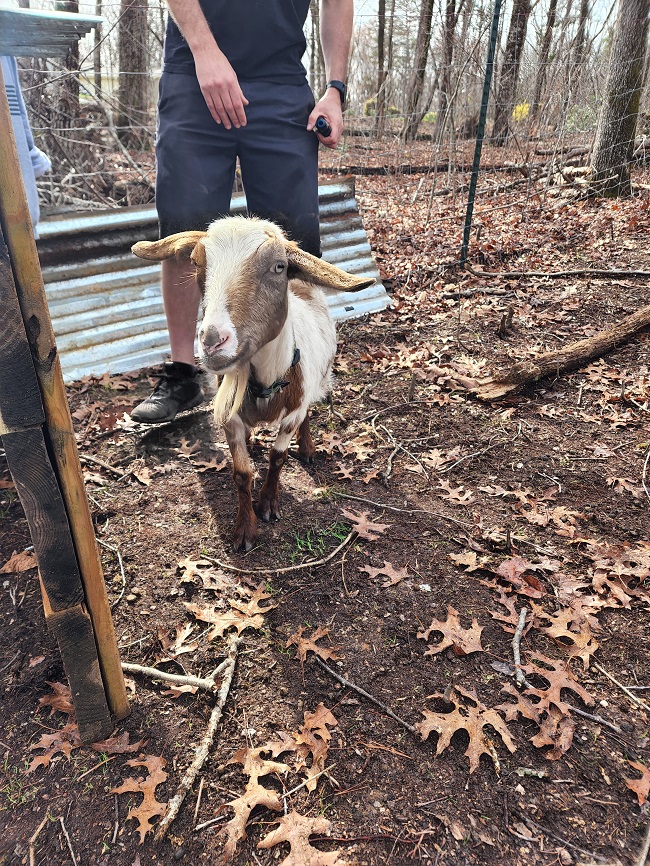
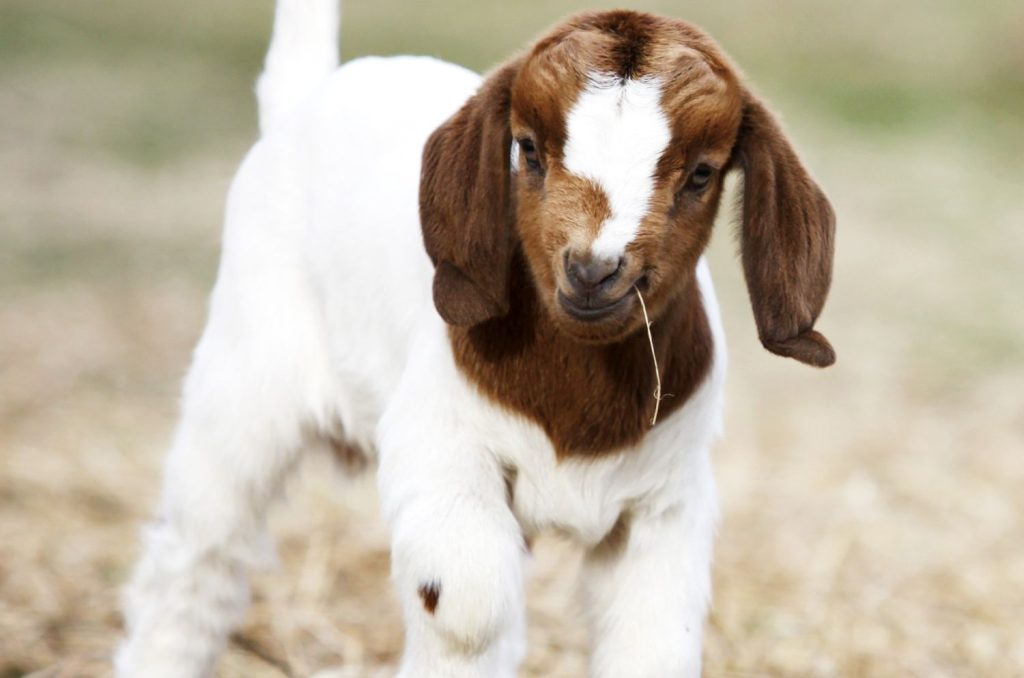
Brown and white goat

You Can Get One Goat

Goats are herd and prey animals. In order to feel safe and happy, they need other goats to hang out with. Without having a companion, they will get depressed, lonely, and will not thrive. Do yourself a favor and get two.

When we lost V and Bella was our only goat for two days, she literally Houdinied us every couple of hours. I don’t even remember how many times she took off. Finally, we had to tether her because she wouldn’t stay in the pin. As soon as we got Midas in with her? She never broke out again **knocks on all the wood**

While on the topic of only getting one goat, do yourself a favor and get two goats whenever you are bringing new goats into your herd. We have always brought home at least two goats every time we purchase new stock. The last time, we didn’t. Poor Phoenix doesn’t have anyone that will play with her. She is a lone goat in the herd because everyone is already paired up. Thankfully, she is a pocket goat and really just wants our attention. Which is fine, except we can’t always be out there with her.

You don’t HAVE to do this, but it does help transition if there is another new goat to buddy up with.

Goats Can Eat Anything

No. Just no. I saw a post on Marketplace a couple days ago for last years hay. Good for mulching, raised beds, or goats…. Excuse me? I can promise you, if you feed that kind of hay to your goats, they will die. Period. Moldy, old, dirty, hay will kill your goat. They really need horse quality hay because they can get sick so easily. Let’s not mention that they cannot eat a tin can.

When we got Oakley and Bailey, then Spike, Jade, and Sapphire, they got into mountain laurel. Thankfully, we were able to pull them through but it was touch and go for a minute. There are tons of toxic plants to them, and usually they are good about not eating it. But they are very curious creatures.

Goats Are Stupid

These creatures are more intelligent than dogs. They are also incredibly curious, which gets them into a ton of trouble. Champ knows how to get into pasture two, where she doesn’t belong. We have tried various ways to keep her out but none of them work. So she ends up in pasture two. A lot.

All of the goats know that if they scream loud enough, for long enough, they will get extra grain and alfalfa in the mornings. So no, they are not stupid.

We have trained our goats to feed buckets in case of a break out. We’ve trained them to a dinner bell like this, if they are too far away to hear the bucket. Goats are incredibly smart.

No Fence Will Hold A Goat

This is borderline when it comes to goats. I have noticed that if they are kept fat and happy they will probably not try to escape. BUT if they want something on the other side of the fence? They are going to go get it. We manage to keep two bucks from the girls simply by making sure that the fence is secure and they have a buddy.

There are some goats that cannot be contained without resorting to tethering. While that is not ideal, especially if you have high predator loads, you’ve got to do what you’ve got to do. We had to tether Bella until she became more comfortable with us. We also had to tether Midas because he was so stressed out when we brought him home.

Goats Only Eat Weeds

Not true! Goats prefer browse, which is plants with woody stems. However, goats are actually Growsers, meaning they will graze and browse. They will eat weeds, trees, hay, grasses, fruit, veggies, etc. Just like you prefer certain foods, so do they.

It is important to pay attention to what they are avoiding though. If you have a patch of some sort of weed, and the goats are eating everything but that weed, go ahead and remove that weed. It’s probably something that they shouldn’t eat.

Goats Are Not Intuitive Eaters

This is a pretty hot button topic among most goat owners. It’s kind of like the deworming or disbudding argument, you’ve got people for and against it. In that vein, I’m going to give you my opinion and experience, you do with it what you will.

My goats are intuitive eaters. If they have access to plenty of forage, they will not touch toxic plants like Mountain Laurel, Beefsteak plant, and Rhododendrons. But as soon as forage starts to die back and only toxic plants are available, they may start to eat it.

This goes for minerals as well. There is a huge debate about whether or not you should have free choice loose mineral or a mineral buffet. We’ve done both and have found that our goats will clear out entire buckets of one or two minerals and leave the rest alone. So again, I do think that goats are intuitive eaters.

Unfortunately, we do not have the time, space or set up to really have an effective mineral buffet, so we went back to free choice loose minerals.
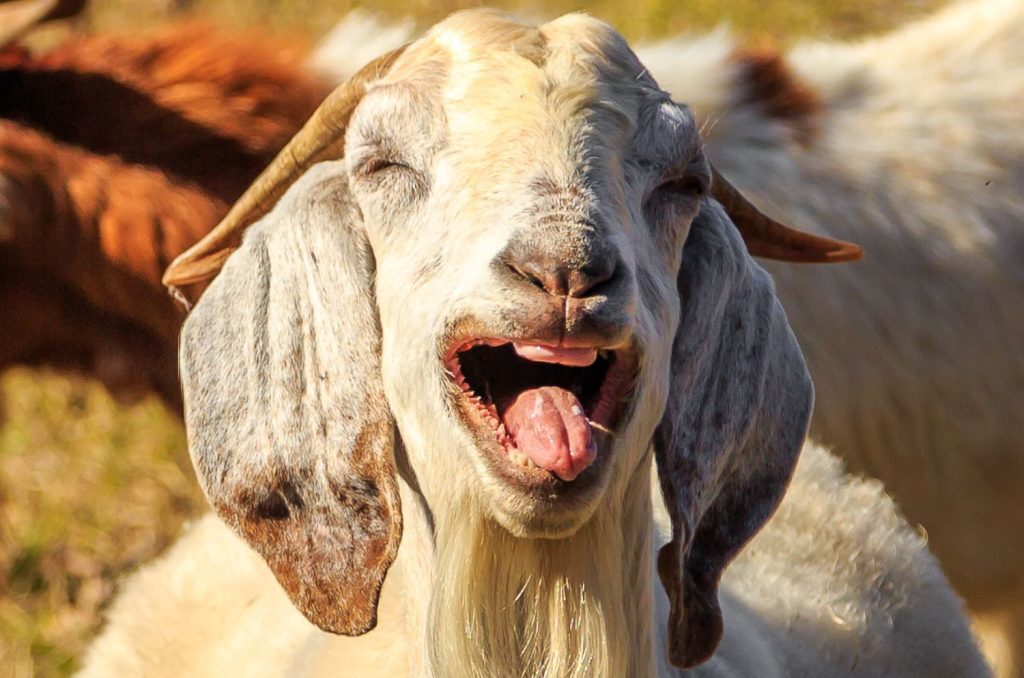
Once expectations are realistic, goats become far easier to live with.

👉 How I Build Trust and Routine With My Goats

These Are Just A Few Of The Mistakes I’ve Noticed

There are many, many more mistakes with goats but those are the biggest ones that I feel need to be addressed. I know that I have a ton of different posts about goats and sound like a broken record, but these really are important.

If you like the content I put out, feel free to buy us a coffee! It helps keep this site running, marketing and the goats in grain!

Buy me a coffee

If you like this post, feel free to share it and follow us below on our social media accounts!
  • Facebook
  • Pinterest
  • Instagram
  • YouTube
  • TikTok
  • Spotify
  • Threads

Filed Under: Animals, Goats, How To's Tagged With: Goats, Homestead, Welcome

JOIN TO OUR MAILING LIST!

Leave us your email to receive new posts and special offers for members only! Don't miss a thing!

Recent Posts

  • Fall Garden Guide
  • Top Mistakes With Goats
  • How To Bond With Your Goats

Homestead Flexibility: The Key to Success When Plans Go Awry

March 29, 2025 by Leigh Leave a Comment

When it comes to homesteading, there are countless essential skills to master—gardening, animal care, food preservation, and efficient time management, to name a few. However, the most valuable skill of all might be homestead flexibility: the ability to adapt, adjust, and pivot when things don’t go as planned.

The Ultimate Homesteader’s Starter Bundle – Only $47!

Get the tools you need to stay organized, track profits, and manage your homestead with ease!

Includes:
✅ Schedule F Tracker – Simplify tax prep
✅ Profit Calculator – Track earnings
✅ Hay Calculator – Plan livestock feed
✅ Garden Journal – Digital & printable
✅ Herd Health Tracker – Monitor animal care
✅ Simple Budget – Manage finances
✅ Backyard Homestead eBook – Essential tips

$99 value – now just $47! Start your homesteading journey today!

Buy Now

What Is Homestead Flexibility?

Homestead flexibility is the art of adjusting to unexpected changes while maintaining progress toward your goals. My husband, Jared, used to say that the Army’s real motto should be Semper Gumby—“Always Flexible.” This phrase became even more relevant when I worked in EMS, where situations could change in an instant. But nowhere has Semper Gumby been more applicable than on our homestead.

Homestead Flexibility in Action

A perfect example happened just yesterday. I was deep into meal prep, making breakfast tacos in bulk for Jared. While handling pounds of meat, eggs, and potatoes, a nagging thought told me to check on Jade, one of our goats. She wasn’t due for another few days, but something felt off.

I planned to check on her after hanging laundry, but before I could finish, I heard a scream—one unlike her usual noisy calls. Rushing to the pasture, we found Jade mid-labor. Within moments, we were in full-on kidding mode. My carefully planned day was out the window, but instead of stressing, we adapted. By the end of it, we welcomed two new kids: Onyx and Amethyst.

This is homestead flexibility at work—knowing that sometimes, your schedule will take a backseat to what truly matters in the moment.

The Reality of Homestead Challenges

Many homesteaders start with an ideal vision of self-sufficiency, but reality often paints a different picture. Equipment breaks down, livestock gets sick, and the weather doesn’t always cooperate. Learning to work with what you have rather than becoming frustrated with what you can’t control is a crucial part of long-term success.

Take, for example, the unpredictability of animal births. Even with calculated due dates, animals often surprise you. The key is having supplies ready and being mentally prepared to pivot at a moment’s notice. The same goes for your garden—some crops may fail due to unexpected frosts or pests, and you’ll need to replant or find alternative solutions. The more you can embrace the unexpected, the more sustainable your homesteading journey will be.

Structuring Your Goals While Staying Flexible

We started the year with clear homesteading goals: fencing the garden, building chicken tractors, and clearing the basement. But then came the rain. In our part of Georgia, February was the rainiest I’ve ever seen. Mud pits replaced pastures, barns flooded, and outdoor projects became impossible.

Had we been rigid in our plans, we would have felt defeated. Instead, we shifted gears. Jared focused on splitting firewood, something that needed doing anyway. Rather than forcing progress on the flooded garden, we redirected our efforts to indoor tasks. Flexibility saved our momentum.

The Ultimate Homesteader’s Starter Bundle – Only $47!

Get the tools you need to stay organized, track profits, and manage your homestead with ease!

Includes:
✅ Schedule F Tracker – Simplify tax prep
✅ Profit Calculator – Track earnings
✅ Hay Calculator – Plan livestock feed
✅ Garden Journal – Digital & printable
✅ Herd Health Tracker – Monitor animal care
✅ Simple Budget – Manage finances
✅ Backyard Homestead eBook – Essential tips

$99 value – now just $47! Start your homesteading journey today!

Buy Now

How to Build Flexibility Into Your Homestead Plans

  1. Give Yourself Time
    Unexpected events will arise—ill animals, bad weather, or surprise births. When setting goals, allow extra time so that delays don’t completely derail your progress.
  2. Accept That Not Everything Will Happen on Time
    Some projects will need to be pushed back. If rain ruins your February planting plans, move them to March. If the basement isn’t cleared, reevaluate your approach. Adaptation is key.
  3. Prioritize Your Goals
    Not all tasks are equally urgent. Structure your to-do list based on necessity. For example, as we plan for the next quarter, our priorities are:
    • Seed and plant the garden (critical for food supply)
    • Improve our butchering space
    • Stack and split firewood
    • Clear the basement (helps with storage and future projects)
    • Build the firepit (a lower-priority, nice-to-have project)
    • Work on the greenhouse (can be gathered gradually)
  4. Have Backup Plans
    Flexibility isn’t just about shifting schedules—it’s about having alternatives. This year, we opted for a slower-growing meat bird breed to allow for unexpected butchering delays without compromising meat quality. This kind of foresight makes all the difference.
  5. Give Yourself and Your Family Grace
    Homesteading is demanding, and sometimes, despite your best efforts, things won’t go as planned. That’s okay. Giving yourself and your family grace means understanding that delays, setbacks, and mistakes are part of the process. Instead of frustration, practice patience. Celebrate progress, no matter how small, and remember that each challenge is a learning opportunity.
  6. Stay Organized and Track Your Progress
    One of the best ways to maintain flexibility while staying productive is by keeping detailed records of your projects, goals, and setbacks. A homestead journal can help you track planting schedules, livestock health, weather patterns, and completed projects. By reviewing past records, you can make better decisions moving forward and quickly adapt when unexpected challenges arise.
  7. Lean on Your Community
    Homesteading isn’t just about self-sufficiency—it’s also about community. Whether it’s neighbors, fellow homesteaders, or online support groups, having a network to rely on can make a huge difference. Sharing advice, bartering resources, and lending a hand during tough times can ease some of the burdens and help you stay adaptable.

The Power of Switching Gears

On any given day, weather, emergencies, or surprise animal births can throw a wrench into our plans. But instead of losing an entire day to frustration, we ask: What can we do instead?

Today, for instance, it’s raining again. That means no gardening, no firewood stacking, and no firepit building. But it’s the perfect day to clean out the basement—a task we can tackle indoors.

Beyond switching gears for productivity, it’s also important to recognize when you need rest. Homesteading can be physically and mentally exhausting. Building flexibility into your routine also means knowing when to take a step back, recharge, and return with fresh energy.

The Ultimate Homesteader’s Starter Bundle – Only $47!

Get the tools you need to stay organized, track profits, and manage your homestead with ease!

Includes:
✅ Schedule F Tracker – Simplify tax prep
✅ Profit Calculator – Track earnings
✅ Hay Calculator – Plan livestock feed
✅ Garden Journal – Digital & printable
✅ Herd Health Tracker – Monitor animal care
✅ Simple Budget – Manage finances
✅ Backyard Homestead eBook – Essential tips

$99 value – now just $47! Start your homesteading journey today!

Buy Now

The Bottom Line: Flexibility Fuels Success

A successful homestead is built on vision, adaptability, and hard work. Without a clear vision, you’ll struggle to stay on course. Without flexibility, unexpected challenges will leave you feeling overwhelmed. But when you combine vision, flexibility, and a willingness to pivot when needed, your homestead will thrive—rain or shine.

If you like the content I put out, feel free to buy us a coffee! It helps keep this site running, marketing and the goats in grain!

Buy me a coffee

If you like this post, feel free to share it and follow us below on our social media accounts!

  • Facebook
  • Pinterest
  • Instagram
  • YouTube
  • TikTok
  • Spotify
  • Threads

Filed Under: Our Homestead Tagged With: Canning, Chickens, Chicks, cooking, Eggs, Goats, Homestead, kitchen, Welcome

JOIN TO OUR MAILING LIST!

Leave us your email to receive new posts and special offers for members only! Don't miss a thing!

Recent Posts

  • Fall Garden Guide
  • Top Mistakes With Goats
  • How To Bond With Your Goats

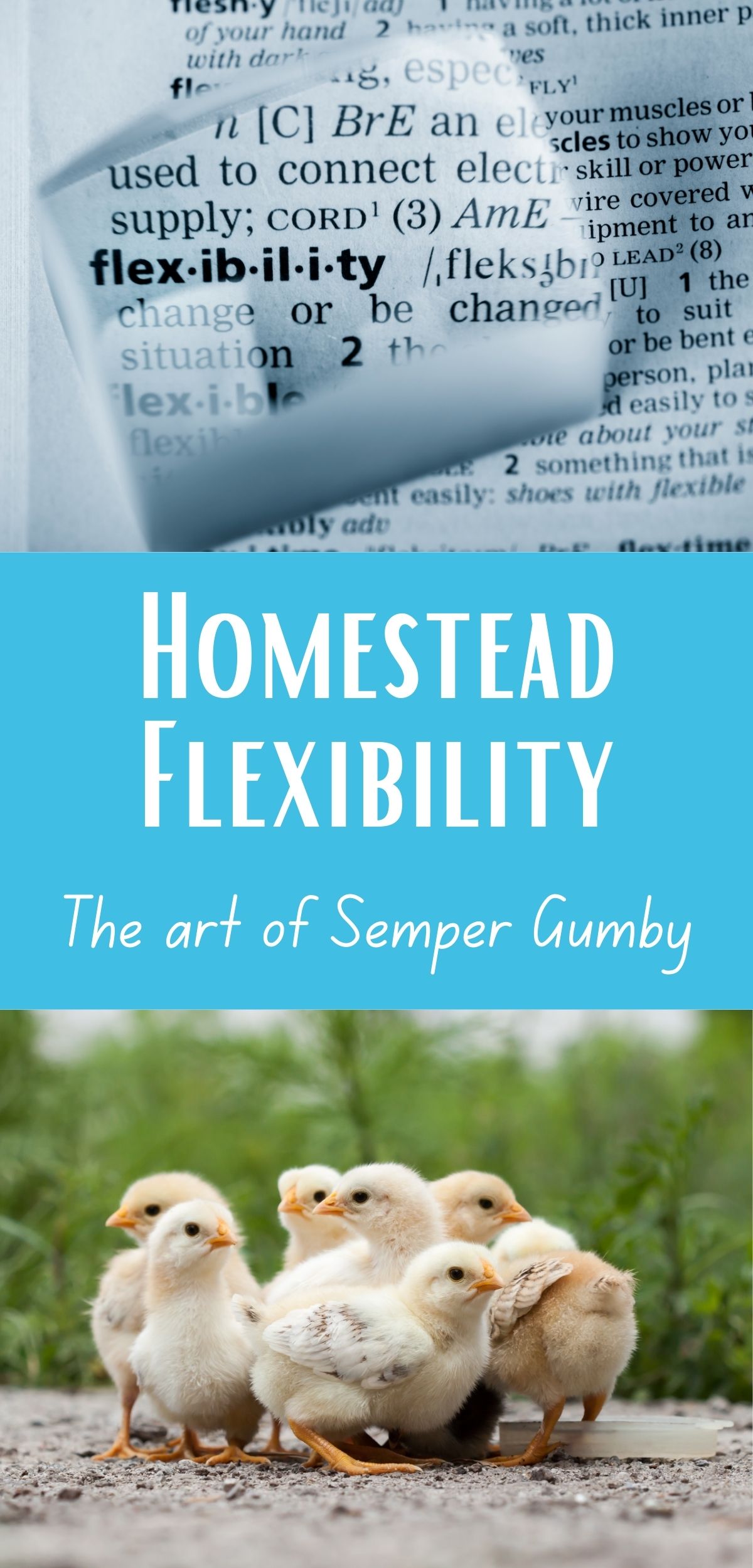
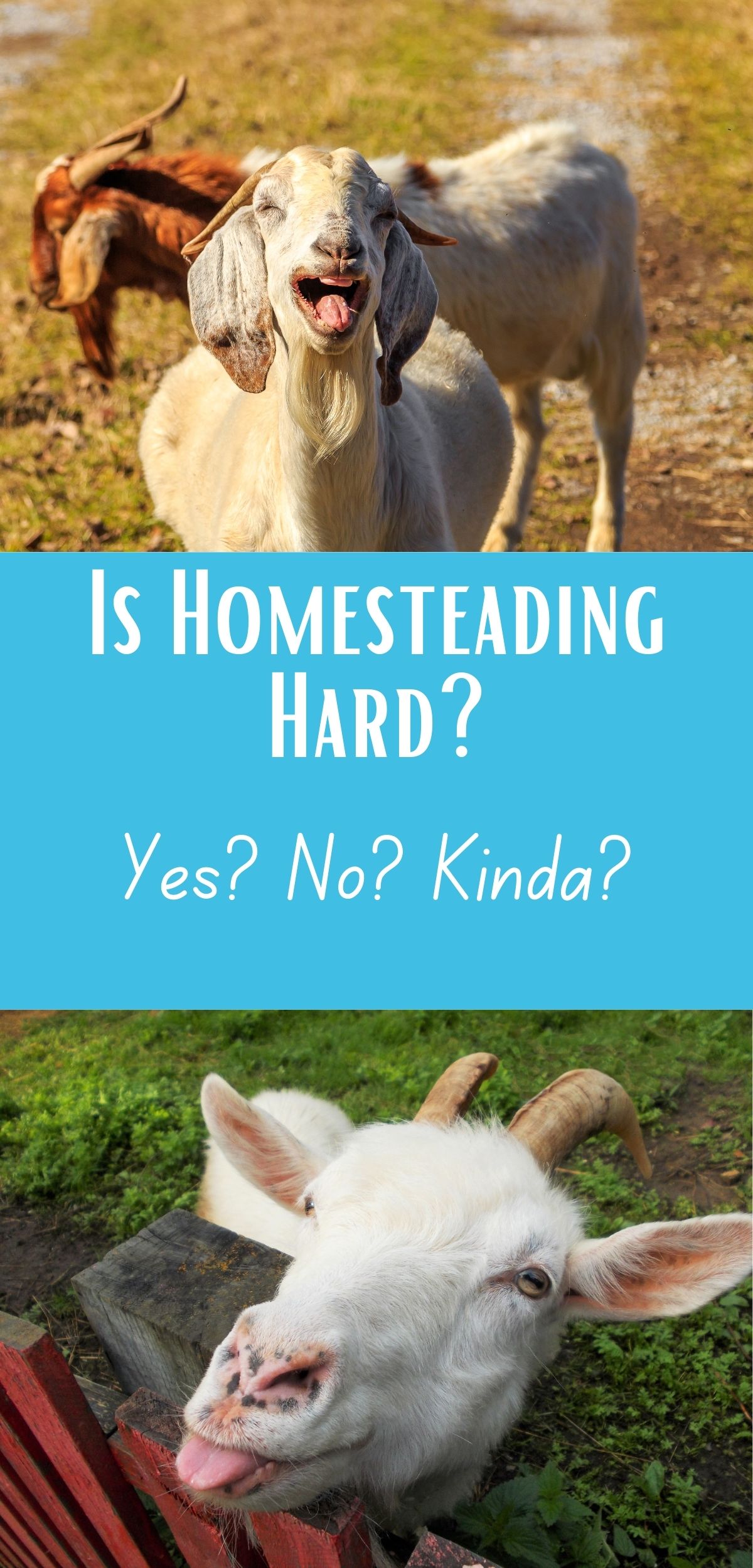
Is Homesteading Hard

March 1, 2025 by Leigh Leave a Comment

I should probably wait to write this, maybe when I’m not quite so raw. But the cold hard reality is that homesteading is hard. Out of all the things I have done in my life, I think homesteading is the hardest. I have had multiple miscarriages. Sent my husband off to war twice and raise two babies while he was gone. I have stood over bleeding and mangled bodies and said, “I’ve got you.” I’ve had a mom hand me her infant and say, “Save her.” Is homesteading hard? It’s the hardest thing I’ve ever done.

Before we get too far into this, I have a great course on the basics of goat care. I call it Goat Crash Course: Goat 101. In this course, I explain things like types of shelter, types of feeds and hays, basic assessments and so much more! Check it out!

Buy Now
*****Be sure to read till the end*****

Why Is Homesteading Hard?

The constant life and death decisions will wear you down. The constant checking on feed, hay, and medication levels. Hauling sick animals into the house or into the vet. Checking finances to make sure you can cover the feed, vet or light bill. Worrying about the garden producing not only your food but your animals. Prepping firewood and praying you’ve got enough. Constant research to find another way to possibly save money or a life. Frustration when a product doesn’t work. It’s enough to drive you insane. Homesteading is hard.

The Ultimate Homesteader’s Starter Bundle – Only $47!

Get the tools you need to stay organized, track profits, and manage your homestead with ease!

Includes:
✅ Schedule F Tracker – Simplify tax prep
✅ Profit Calculator – Track earnings
✅ Hay Calculator – Plan livestock feed
✅ Garden Journal – Digital & printable
✅ Herd Health Tracker – Monitor animal care
✅ Simple Budget – Manage finances
✅ Backyard Homestead eBook – Essential tips

$99 value – now just $47! Start your homesteading journey today!

Buy Now

Life and Death Decisions

When you live a “normal” life, maybe you really only worry about your dogs or cats, maybe an “exotic”. But when you homestead (even small scale), you have to be constantly aware of your house pets and livestock, their safety and wellbeing, their health, laboring or egg/ hatching rates and so much more. You have to worry about predators.

You order chicks and realize that one just isn’t doing well, and you have to make the decision to cull. A duck breaks a leg? Is it worth the pain they will go through to see if you can set it, splint it and keep them confined? Actively warming a goat kid till the wee hours of the morning. Only to have them die a couple days later, anyways.

If you are new to heating with firewood and are looking to master the finer points of it. We’ve got a great eBook that goes in depth of what tools you should consider, how and where to stack, how to build a fire and so much more!

Buy Now

Running Out Of Feed

Sometimes you run out of feed, and can’t get more. The supply chain shortages were a thing and usually the small farmer is who suffers. You’ve got to get creative with how you are going to feed your chickens, ducks, pigs and goats with no access to feed. Sometimes it’s taking 5gal buckets to work and asking coworkers to fill it with their food scraps, just to feed your pigs or chickens. Or begging neighbors for a couple bales of hay.

The reality of caring for so many animals on the homestead is overwhelming sometimes.

cropped-3.jpg

Are you looking for garden journal prompts, but aren’t interested in a weekly email? Check out our 365 Garden Journal Prompts! This is an amazing, all in one, yearly product that you only pay for once.

Buy Now!

Sick Animals

Sometimes, your living room turns into an infirmary. Sometimes, your really nice SUV turns into a litter box because you’ve got to haul the pigs to the vet. Then despite all of your very best efforts, your animal dies anyways.

It’s pulling goats because momma is too tired to push, only to realize the kid is stuck and you can’t get it out. Praying to forces you don’t even believe in to save this baby.

It’s a cemetery on your property because you just couldn’t save them.

goat kidding

Before we get too far into this, I have a great course on the basics of goat care. I call it Goat Crash Course: Goat 101. In this course, I explain things like types of shelter, types of feeds and hays, basic assessments and so much more! Check it out!

Buy Now

Financial Impact

Sometimes life and death decisions are made because of finances and that feels worse. When you have to cull an animal, especially a favorite, because you don’t have the money for medicine or a vet visit. Or it’s feeding the pigs out of your pantry or fridge because you don’t have anything else.

Other times, it’s using your emergency fund to cover hay because you ran out.

Working Your Gardens

Whether you are praying for rain, or praying for rain to stop, your life revolves around your gardens in spring and summer. Since you’ve decided to grow as much fodder for your livestock as possible, you are stressing over it’s growth. You are simply hoping to reduce the strain on your wallet.

You are constantly checking for pests and weeds. Thinking about next years garden and what you will do differently. Pouring over notes, blog posts, and more trying to get a leg up.

Before we get too far into this post, I wanted to give a suggestion about keeping a garden journal. A digital garden journal is a fantastic way to keep track of past, present and future gardens. Our Digital Garden Journal is a great way to keep up with everything without getting too overwhelmed.

Buy Now

Firewood

When you make the decision to heat solely with your wood stove, you spend hours, days and weeks building that firewood stack. One cord down, seven more to go. Only to realize mid winter, seven wasn’t enough either. So you’re back out there, cutting down trees or finding your stacks you had put back for the next year.

It’s hauling huge rounds of wood up hills. It’s the pure manual labor that feels back breaking, but isn’t.

If you are new to heating with firewood and are looking to master the finer points of it. We’ve got a great eBook that goes in depth of what tools you should consider, how and where to stack, how to build a fire and so much more!

Buy Now

Is Homesteading Hard?

Yes, but it is worth it. Every single time and every single way, it is worth it. The good outweighs the bad, every single time.

The pure joy of harvesting peppers, dehydrating them, grinding them, and then using them in your dinner? It’s a feeling of pure satisfaction.

Seeing that firewood stack go from empty at the beginning of spring and full at the end of summer? Knowing that you are going to be warm and snuggly? It’s hard to describe the feeling of accomplishment.

It’s cleaning eggs, putting them in a jar to waterglass, and putting them on shelves in your basement, knowing you will have eggs this winter.

goat kidding

Before we get too far into this, I have a great course on the basics of goat care. I call it Goat Crash Course: Goat 101. In this course, I explain things like types of shelter, types of feeds and hays, basic assessments and so much more! Check it out!

Buy Now

Watching your garden bloom and grow. Eating beans fresh from the garden, while harvesting peppers and tomatoes. Canning your tomatoes, knowing that when you are buttoning up everything for the winter, you have succeeded in your goal of providing for your family and livestock.

It’s watching that goat kid thrive after a traumatic birth. Knowing that you would do it again and again, just to see that baby come out alive and hear those first cries. And crying when you bury her sisters and listening to that momma goat cry for her other babies.

cropped-3.jpg

Are you looking for garden journal prompts, but aren’t interested in a weekly email? Check out our 365 Garden Journal Prompts! This is an amazing, all in one, yearly product that you only pay for once.

Buy Now!

It’s waking up before the sun breaks the horizon to milk the goats. Softly talking to your most skittish goat and thanking her for her milk. Watching the sunrise with her as her kid jumps and plays with the other kids. Listening for her call her kid and the kid call back.

Planning a bigger, better garden because you learned from your mistakes last year or the year before.

Is homesteading hard? Yes, but you should absolutely do it. There is no better feeling in the world than watching all of your hard work pay off. No amount of money or promotions, or follows, likes and shares compares to feeling of being self reliant, self sufficient, and earning through blood, sweat and tears the bounty.

Because when you homestead, it’s real. And in a world full of slight of hand, disinformation, division, and mistrust, your homestead is a living breathing thing that YOU created.

If you like the content I put out, feel free to buy us a coffee! It helps keep this site running, marketing and the goats in grain!

Buy me a coffee

If you like this post, feel free to share it and follow us below on our social media accounts!
  • Facebook
  • Pinterest
  • Instagram
  • YouTube
  • TikTok
  • Spotify
  • Threads

Filed Under: Animals, Frequently Asked Questions, Garden Tagged With: Canning, cast iron, Chickens, Chicks, cooking, death, Eggs, Goats, Homestead, kitchen, Welcome

JOIN TO OUR MAILING LIST!

Leave us your email to receive new posts and special offers for members only! Don't miss a thing!

Recent Posts

  • Fall Garden Guide
  • Top Mistakes With Goats
  • How To Bond With Your Goats

What Does Food Security Look Like?

December 10, 2024 by Leigh Leave a Comment

If you live in America or really any industrialized country, there is a good chance you have a ton of holes in your food chain. The vast majority of Americans don’t even know what food security is, it’s just not something they think about. As long as they can get to the store and buy their food, they are happy. Unfortunately, when the pandemic hit, it was eye opening for a lot of people. They learned that having an emergency food supply isn’t just about a zombie apocalypse. This series is here to help you identify and start to fill the holes in your food security.

The Ultimate Homesteader’s Starter Bundle – Only $47!

Get the tools you need to stay organized, track profits, and manage your homestead with ease!

Includes:
✅ Schedule F Tracker – Simplify tax prep
✅ Profit Calculator – Track earnings
✅ Hay Calculator – Plan livestock feed
✅ Garden Journal – Digital & printable
✅ Herd Health Tracker – Monitor animal care
✅ Simple Budget – Manage finances
✅ Backyard Homestead eBook – Essential tips

$99 value – now just $47! Start your homesteading journey today!

Buy Now

Why Food Security Is Important

I don’t understand why so many people don’t think about where their next meal is coming from. It’s mind boggling to me how many people just go about their life with no thoughts to the future. Most people don’t have a plan if their house catches on fire, let alone what they are going to do if they lose their job. Preppers have caught a bad name due to being hyper prepared but also due to propaganda. But those of us that have lost jobs, homes, or other life altering events know how important it is to have a back up plan.

Not all emergencies look the same, nor are they all on the same scale. For example, losing a job could be catastrophic for one family, but not a big deal for another. A week without power could cripple a family that relies on freezers to feed their family. A cancer diagnosis could financially ruin a family. But all of these are emergencies. But by having food security, it reduces one part of their emergency. Even if it’s small.

What Is Food Security

To start, we need to figure out what food security means to you and your family. To me, food security means having the ability to source and acquire the food, water, and other necessities my family and animals need to survive, at a minimum. If you don’t know what that looks like, you came to the right place.

Save on Seeds

In order to start filling food security holes, you need to first identify them. Then you can start figuring out how to close those holes. Remember, we are trying to source these items. Are you on a special diet? What do you know how to cook? What do you like to eat? What kind of storage do you have? What do your animals need to eat? These are all very important questions in closing food security holes.

The Ultimate Homesteader’s Starter Bundle – Only $47!

Get the tools you need to stay organized, track profits, and manage your homestead with ease!

Includes:
✅ Schedule F Tracker – Simplify tax prep
✅ Profit Calculator – Track earnings
✅ Hay Calculator – Plan livestock feed
✅ Garden Journal – Digital & printable
✅ Herd Health Tracker – Monitor animal care
✅ Simple Budget – Manage finances
✅ Backyard Homestead eBook – Essential tips

$99 value – now just $47! Start your homesteading journey today!

Buy Now

Let’s start answering some of those questions

If you are on a special diet like a cardiac, diabetic, or even lactose intolerant, getting emergency supplies is going to be harder to do. There is a ton of carbs and sodium in long term, commercial foods. Preserving your own foods is ideal, but it’s not necessarily long term.

Can you cook? If not, having pre-made, commercial meals may be the way to go. Especially if your culinary skills are limited. However, I would highly suggest you learn to cook more and also learn about the fundamentals of cooking.

Are you a picky eater? Or have someone in your home that is picky? Then you need to make sure that you’ve got foods that they like or can tolerate. It’s cruel to tell someone, “sucks to be you” in an emergency situation. So make sure you’ve got foods that they like. A side note to this, if you buy a pre packed survival meal kit like this, please make sure that you like EVERYTHING in it. It may save you some money now, but if you don’t like beef stroganoff, don’t waste your money on it.

What kind of storage do you have? We are blessed to have a basement/garage combo that we were able to retrofit with shelves and turn a 12×12 area into our food storage room. We’ve got tons of shelves and supplies to help us out. Everything from canned goods to extra jars as well as commercial, long term storage items. If you aren’t that lucky, where can you store your emergency supplies? A linen closet? Under the beds?

Lastly, what do your animals need to survive? It seems that most people forget to make sure they’re animals will be okay in an emergency situation. That means making sure that you’ve got medications, food, and water.

Tractor Supply

Why is this so important to me?

Well, recently we had to replace our well pump. I know you’re thinking, “Leigh, a well pump isn’t about food and food security.” But it is. Without water, all things will die.

When we moved on to our homestead, we were told that the well pump was pretty new but to have a couple of pump switches on stand by because the power would surge and cause the switch to fail. The first night we were here, the water cut off in the middle of my shower. I had to use bottled water to finish washing my hair. I called my step dad and the old owner trying to figure out what happened. The switch failed.

If you are new to heating with firewood and are looking to master the finer points of it. We’ve got a great eBook that goes in depth of what tools you should consider, how and where to stack, how to build a fire and so much more!

Buy Now

For the next several months we dealt with the water randomly cutting off or the water stopping if we ran the back spigot. Multiple plumbers came out and no one knew how to fix it. Then one morning, the water cut off completely.

Logo 468x60

This is a big problem, without water you cannot drink, shower, water crops or animals. Since the other plumbers couldn’t figure out the problem, I decided to call a well plumber. We were showering at the stations because we had no water at home and we were giving our animals bottled water. There was also a winter storm bearing down on us that was supposed to hit that weekend. The stores were running out of water. In short, we were screwed if we couldn’t get access water.

The well plumbers came out and said it was the well pump. When we explained it was a brand new pump, they said that everything we were describing; running out of water, low pressure, etc were all because of the pump. Once it was replaced, we never had another problem.

PS: Shortly after the well pump was fixed, that winter storm hit and we lost power for three days.

Subscribe to Craft Beer Club Today!

So how does this relate to food security?

Simple: if you do not have water, you cannot cook, clean, drink, or survive. Without that well pump, our animals would die of thirst. 

Some of the steps we took after this incident was to make sure that we always have 5 gallon jugs filled. We also have a pump to get water out of them. Then we have several IBC and 55 gallon totes around the property that we fill for animal water.

Our garden produces a lot of our veggies, if not all of them. This helps make sure that we have fresh veggies for today, but also canned veggies for later.

Then we have our animals, all of the animals on our homestead can survive off of what the homestead produces during the warm months. The chickens and ducks give us a ton of eggs and we’ve only selected dual purpose breeds so that we can butcher when we need to.

Our goats provide us with milk and we make our own cheeses, creamers, and even butter. We are also going to be purchasing Boer goats and breed them so that we can have meat from them as well.

Don’t live on a farm?

Don’t panic! Just because you don’t have a garden or animals, doesn’t mean that you can’t start preparing for an emergency! You can go on Amazon or Walmart.com and start looking at various long term, emergency food. We like Augason and Ready Wise, but do your research.

Also make sure you have manual can openers or keys like these. Oh and coffee!!!! Make sure you’ve got some form of caffeine because when the power goes out, nothing is better than hot coffee!

Food security includes water, food, and basic necessities like soap, medications, first aid, and clothes just to name a few things. So what can you do to start identifying holes in your food security and fixing them?

If you like the content I put out, feel free to buy us a coffee! It helps keep this site running, marketing and the goats in grain!

Buy me a coffee

If you like this post, feel free to share it and follow us below on our social media accounts!

  • Facebook
  • Pinterest
  • Instagram
  • YouTube
  • TikTok
  • Spotify
  • Threads

Filed Under: Emergency Preparation, Homestead Planning Tagged With: cast iron, Chicks, cooking, Eggs, food security, Goats, Homestead, kitchen, Welcome

JOIN TO OUR MAILING LIST!

Leave us your email to receive new posts and special offers for members only! Don't miss a thing!

Recent Posts

  • Fall Garden Guide
  • Top Mistakes With Goats
  • How To Bond With Your Goats

How To Start Canning

October 22, 2024 by Leigh 1 Comment

Y’all! It’s canning season! I am beyond excited! Over the next few months I will be sharing with you ALL (okay, most) of the canning recipes that I have accumulated over the years. From things like salsa and broths to more complex stews and soups. I’ll also show you how we can basics like corn, green beans, and beans. But today? Today I want to talk to you about how to start canning.

How To Start Canning

I have always been fascinated by the idea that I didn’t have to go to the grocery store to buy food. You mean I could have a garden and animals that provided food for me? And I could put in a little work and have healthy food throughout the year. I also didn’t need a million freezers to store food and have to worry about a power failure? So I started researching, because that’s what I do when I don’t understand something.

I found out that canning is actually pretty simple. Put the food in a jar, tighten, and put it into a waterbath canner or pressure canner, and set the timer. The hard part comes in knowing which way to process the foods and for how long. If you don’t allow the “pearl clutchers” to get in the way, you can have shelves and shelves full of healthy food that will last for a couple years.

With this knowledge in hand, I went to work. I started with canning apple sauce and over the years, I have canned hundreds, if not thousands of jars of food.

how to start canning

Take the fear out of canning

What do I mean by pearl clutchers? Well, these are the people that whole heartedly agree that what the USDA, FDA and Ball say, you must do. There is a ton of fear about canning that is perpetuated by these organizations. They make it feel like the only thing you can can are jelly, jams, and a couple of soups. To give you an example: The Ball Book Of Canning says you cannot can chili with beans but on the next page, you can can ham and bean soup. That doesn’t make any sense.

Tractor Supply

So my take on it is this: if the store can put it in a can, or Grandma didn’t kill her entire family, then it’s probably okay to eat. If I follow basic kitchen cleanliness while I cook, follow proper canning times? It’s probably okay. When I take the jar off the shelf to make it, and it looks good, smells good and I boil it for 10 minutes? It’s probably okay to eat.

how to start canning

Random tangent

The latest update from the CDC says that in 2018 there were 242 cases of botulism in the US. Of that, only 18 were foodborne. Only 3 of those cases were linked to home canned food. You can read the full article here. Does it happen? Absolutely. But there are 329.5 million people in the US as of 2020. That means that your chance of consuming botulism is pretty close to zero.

Logo 468x60

Do your research, find solid recipes, and get to canning. It will be okay.

Let’s Get Started

So you have decided to take the plunge and start canning. But what do you need to get started? My friends over at Southern Dream Homestead has a great blog post on canning and I highly suggest it. But the short version is this:

You will need a huge pot that can handle a fair amount of jars. Most home canners use something similar to this one. I like it simply because I can use the pot for various other things. When I am pressure canning, I use huge pots for soups and stews making 36 Quarts at a time. This can also be used as an old fashion stock pot and as a water bath canner. The utility is great!

A good pressure canner will go a long way. I have two of them that I run at the same time during canning season. This one from Amazon is about $130 as of this writing. Shop it around and look at Walmart, Target or other stores. They may have it cheaper. Edit to add: Here is a link for a pressure canner from Walmart.

Arguably, the most important thing when it comes to canning is great recipes. This is the cookbook that I refer back to every year and I love it. I have made several of soups/ stews in this cook book and they are absolutely divine. The chicken chowder and enchilada soup are family favorites. Do yourself a favor and get either the hardback or spiral version. Paperback cookbooks do not last long in the kitchen.

Some other cookbooks I like are: Ball’s Cook Book, The Homestead Canning Cookbook, and Meals In A Jar.

I also have a quick reference guide that you can download get in my members only section. Sign up below and you will be emailed the password.

Lastly, you need tools. This one is a bit more expensive, but the tools feel a little more quality than some of the others. Regardless, you should probably get a couple sets of jar grabbers, funnels, ladles, etc. This is a good kit, but always get extra jar grabbers and funnels. You will always need more than you have.

You may have noticed that I left out jars. Get Ball Mason Jars, period. Yes, you may have some success with other jars. You may even find some obscure brand that holds up amazing. However, Ball is tried and true for a reason, their jars will literally stand the test of time. But PLEASE don’t buy them from amazon. You are going to pay through the nose for them.

The best place I have found for mason jars is Wal-Mart. Depending on where you live, your prices will vary, but I can get a case of quart mason jars for around $16 and a case of pint for $12. Half gallons come in a 6pk for $12. Amazon wants to double or triple that price. So shop around. Oh, and stock up on lids whenever you can find them.

Save on Seeds

Finally, get yourself some good sturdy shelves. You do not want to spend an entire summer canning your heart out, getting burns, and sore muscles to have your plastic shelves fail. I’ve got a great tutorial on how we built our canning shelves and after several years, we still love them.

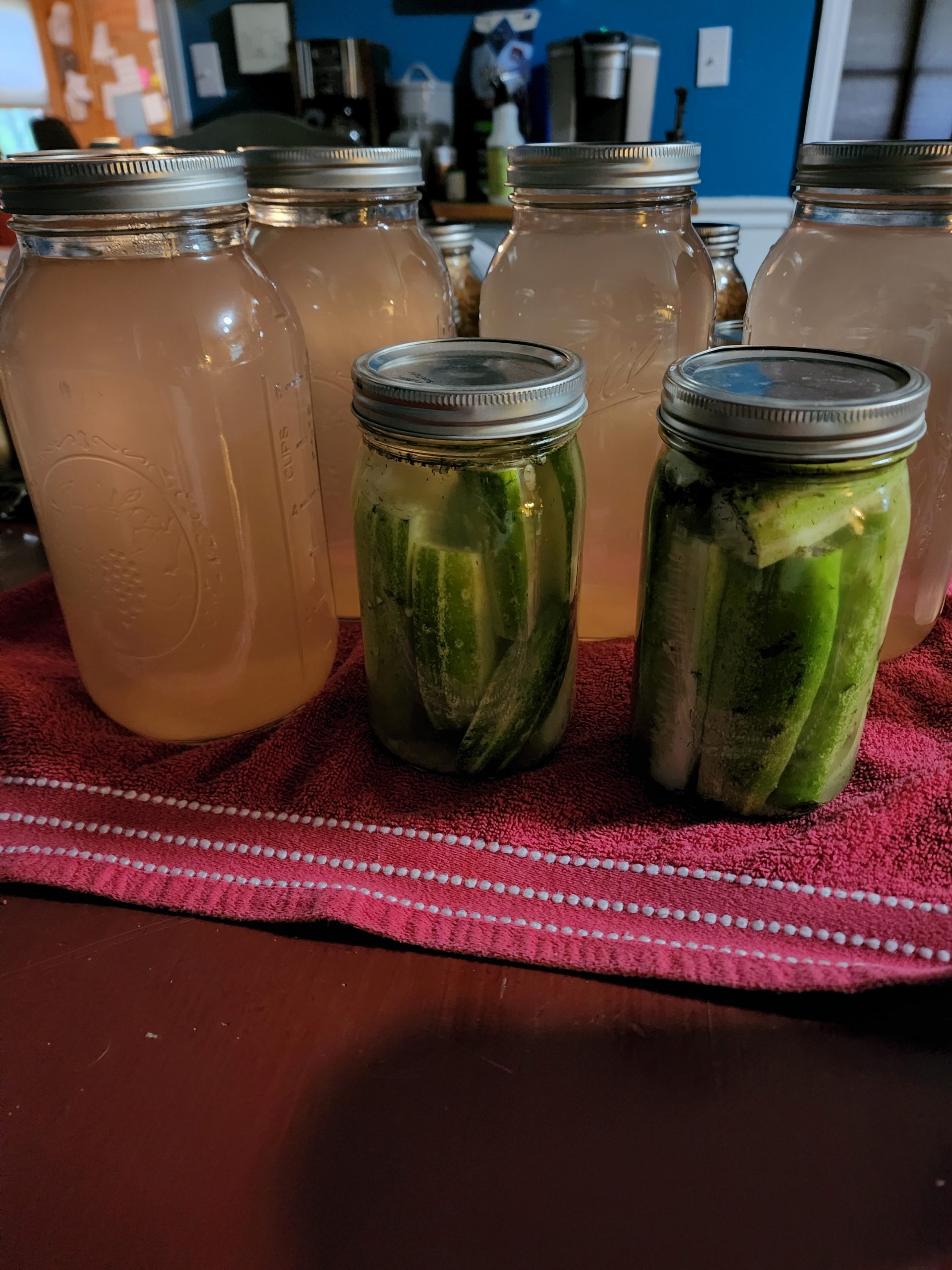
So get your supplies and get started in the kitchen. I promise you, when you don’t want to sweat your butt off making dinner, that can of chili or chicken noodle soup is going to taste amazing. You can find my make ahead pickle brine and green bean recipes by clicking the links. Those are two very easy ways to get started on your canning journey.

how to start canning

If you like this post, feel free to share it and follow us below on our social media accounts!

  • Facebook
  • Pinterest
  • Instagram
  • YouTube
  • TikTok
  • Spotify
  • Threads

Filed Under: Canning, Canning Recipes, How To's Tagged With: Canning, cooking, Homestead, kitchen, Welcome

JOIN TO OUR MAILING LIST!

Leave us your email to receive new posts and special offers for members only! Don't miss a thing!

Recent Posts

  • Fall Garden Guide
  • Top Mistakes With Goats
  • How To Bond With Your Goats

What To Have On Hand During Kidding Season

October 12, 2024 by Leigh Leave a Comment

If you have been on this blog for more than one article, you know how much we love our goats. Seriously, it’s ridiculous. But you may not have heard about the good, bad and ugly that is kidding season. If you have never owned livestock or even had a family pet give birth, you are absolutely not prepared for what is going to happen when your animal gives birth. Even after getting a birth or two under your belt, you’re probably STILL not prepared. And if you’ve got goats? Well, nothing will go as planned during kidding season.

Before we get too far into this, I have a great course on the basics of goat care. I call it Goat Crash Course: Goat 101. In this course, I explain things like types of shelter, types of feeds and hays, basic assessments and so much more! Check it out!

Buy Now

Let’s Start Before Labor

If you know your goat is pregnant, or at least your pretty positive, there are somethings you should do prior to her giving birth. If you don’t have these things on hand, I highly recommend you go and get them quickly. You can buy all of this on amazon, or you can get it at your local feed store or Tractor Supply. All the links here will be for TSC because most everyone has one around somewhere.

  • Selenium– If you live in a selenium depleted area, which is almost the entire US, your brand new goat kid is probably deficient. However, if you have been supplementing with high quality minerals, this shouldn’t be a huge problem. We use these minerals and when kids are born, give them the selenium gel that is linked. The selenium will help boost the development of their muscles, brain and more.
  • Chlorohexidine or Iodine– So there is some debate about dipping umbilical cords. I am not here to set the record straight or to tell you what to do or buy. I am here to tell you what we do and why. Here’s the thing. In 2007 the DEA said no more to 7% iodine. I don’t know why, nor do I care. What I do know is that unless you have a source, you are not getting the 7% which is what is the best for dipping umbilical cords. You can read all about it here or do your own research (which I highly recommend). But the jist is this: trim the cord to about 2-3 inches so that it does not touch the ground and introduce bacteria and other nasties to your goat kid. Then dip the cord in either of the products I listed. Keep an eye on your kid and make sure that they are nursing and definitely got that colostrum.
  • Tums or CMPK– If labor has stalled or if your doe has milk fever, they need calcium. CMPK is what you should have on hand. But good luck finding it. Honestly, we start giving about 3-4 Tums, in the days leading up to labor and then continue to give them for a couple of days after. This to help keeps their calcium up. You do not have to by any means, but it is good to have on hand.
  • Ketone test strips- These can be found at your local pharmacy in the diabetic aisle. These will help you determine if you need to start treating for pregnancy toxemia. In order to keep it from happening in the first place, make sure you are feeding plenty of good quality hay and forage. If your doe is acting lethargic or otherwise off, try giving her a little molasse water and try to test her urine.
  • Lastly- Puppy pads, towels, exam gloves and lube. That’s really it.

I would also recommend watching as many videos on goat labor as possible. You can find Bella’s birth here. Maverick was a big boy and got stuck as he was coming out.

It’s Kidding Season!

Now, I’m pretty bougie with my goats. Unless my girls drop kids without me knowing (here’s looking at you, Bailey and Oakley), it’s a big production on my farm. I have a cheap 5 gallon bucket that has my iodine dip, towels, scissors, puppy pads, selenium and snacks for me. I will also make up some molasses water and bring them grain.

Bailey and Sébastien

At night, our does get put in the smaller area of our barn to make sure that they have privacy from the other goats. We also have an outdoor camera in there to check in on them without disturbing them. During the day, they have free reign over the two pastures.

When it’s time for them to labor, I try to get them into the barn. I won’t force the subject, but I do prefer to have them in a protected area. Also, I will usually just hang back and watch. I get my gloves and lube ready so if I need to go in I’m not fumbling around. Then we wait.

goat kidding

Before we get too far into this, I have a great course on the basics of goat care. I call it Goat Crash Course: Goat 101. In this course, I explain things like types of shelter, types of feeds and hays, basic assessments and so much more! Check it out!

Buy Now

Don’t Panic

The best thing you can do is not panic. I know it’s easier said than done, but seriously, don’t panic. Goats have been having kids for thousands of years. The chances that they or you are going to have a traumatic birth is slim. Unless you have a Bella, then all bets are off.

Subscribe to Craft Beer Club Today!

Once you have decided that you are not panicking, lay your towels down and get ready. Some goats want all of your attention while in labor. Others don’t want you anywhere near them. Both are fine. I have had extremely friendly goats completely freak out on me and I’ve had total terrors turn into lovebugs during labor. The biggest thing is to keep calm and keep them calm. If that means you watch from a distance or stay snuggled in, do it.

Be On Standby

A solid 90% of goats do not require any assistance during labor. That means that you are simply on standby until you are needed. They will start pushing and grunting. If you can, look at their vulva and make sure they are making progress. They should have their kid within about 30 minutes of pushing. If not, start getting prepared to go in. You may have a stuck kid.

Logo 468x60

Stuck Kid

If after 30 minutes of pushing, she has still not produced anything. Glove up and lube up, you’re going in. What you are checking for is that you have two hooves and a nose in the birth canal. If you don’t see or feel that, you need to get in there and find it. Out of the 10% of those times that you will need to assist, it’s usually either a big kid or the head is stuck back. You need to get your hand, and maybe arm in there and pull the head forward.

Remember to stay calm. When Champ went into labor, her first and last kids where stuck. I was able to get the first one out. Then Stella came. But the 3rd one was really stuck. I ended up phoning a friend to just talk to me and keep me calm. Unfortunately, Stella is the only kid that made it. That should not be the case with your stuck kids, but it does happen.

Banner 468x60

You can read about Champ’s labor here and the resulting cuteness that is Stella.

The Kid Is Out, What Now?

The absolute first thing you do is move them out of the way IF mom is still pushing. Be careful of the umbilical cord. It will disconnect on it’s own after a few seconds of pushing. But YOU do not want to rip it.

If the kid is not breathing well, lift the kid up by their back legs and let them dangle. Gently swing them from side to side to help get any fluid that is still in their lungs, mouth and nose out.

Tractor Supply

If mom is a little busy or not immediately cleaning the kid, go ahead and start drying off the baby with a towel. With Champ, she had zero interest in her babies. I think part of it was that once she went into labor, everything was quick but she was also tired and her body condition wasn’t great.

After the kid is cleaned up, check the umbilical cord. If it has broken, make sure it is not profusely bleeding. A drop or two is fine, we are worried about massive bleeding here. Think about it this way. They are tiny, so they don’t have a ton of blood. If that blood is coming out, they don’t have much to circulate through their body. If the cord is still bleeding, pinch the cord with your fingers as hard as you can. We want to try and control the bleeding. Again, this is extremely rare and should not be a problem. Once it has stopped, you can let go and see if it start bleeding again. You can also tie off the cord with dental floss.

Dip the cord with the solution listed in your buy list above.

Bonus Tip: Sometimes, momma will not allow that solution to stay on. That is okay. Don’t panic. Bella will lick and bite off the cord if I do ANYTHING to it. Since she takes such good care of her babies, I’m not worried about it. To be honest, I don’t really dip anymore. I trim the cord to about 1-3inches and make sure they are in a clean and dry area. BUT you need to make that decision for yourself.

Tractor Supply

If mama is still pushing, let her do her thing. You can “bump” her to see if you feel another kid in there. Bumping is putting your arms under her, right in front of her udders, and pulling up sharply. You are checking to see if you feel anything hard. If so, she’s got another baby. If not, she’s passing the placenta next. It’s time to nurse if she only has one. Get her up and see if you can get the baby to nurse.

Nursing

Normally, you don’t need to help. Momma should make this happen on her own. But if you have a first time mom, or maybe a not so great momma, you could need to help the kid out.

To do this, get mama up and place the baby with it’s head towards the udders. This may take a time or two to make sure that it latches but try. If the baby or mama refuses, try again in a few minutes. Rinse and repeat. Kids need that colostrum within the first hour or two.

After the kid has nursed, I will usually get a weight on it. This helps to make sure that they are gaining weight in the coming days. If the kid is not gaining, you may have to pull the kid and start bottle feeding it.

How much weight should the kid gain? Well, that’s a question with no real answer. As long as the kid is gaining weight, is alert and being a kid, it is fine. If for any reason the kid is not gaining weight, alert or being a kid, then I would get involved.

Closing

I hope this has helped you prepare for your goat to go into labor. It can be daunting and scary. But don’t let that stop you. It is awesome to see the birth and the maternal instinct of these creatures. Plus it is heart melting to hear those first cries and mama perk up.

If you like the content I put out, feel free to buy us a coffee! It helps keep this site running, marketing and the goats in grain!

Buy me a coffee
  • Facebook
  • Pinterest
  • Instagram
  • YouTube
  • TikTok
  • Spotify
  • Threads

Filed Under: Animals, Goats, How To's Tagged With: Goats, Homestead, Labor, Welcome

JOIN TO OUR MAILING LIST!

Leave us your email to receive new posts and special offers for members only! Don't miss a thing!

Recent Posts

  • Fall Garden Guide
  • Top Mistakes With Goats
  • How To Bond With Your Goats

7 Most Common Mistakes For New Homesteaders

September 21, 2024 by Leigh 4 Comments

So you’ve bought your property. Congratulations! You have been dreaming, scheming, planning, watching YouTube, and reading blogs like this one to try and figure out all the things you want to do on your homestead. Once you’ve moved in and the dust has settled, you look around and ask, “What now?” If you’re anything like the the rest of us mere mortals, you’re going to jump in with both feet. Now, you are overwhelmed, underprepared and stressed to the max. It’s like I know, right? Welcome to my life for the last year. So here is my list of 7 most common mistakes for new homesteaders, and how to avoid them.

The Ultimate Homesteader’s Starter Bundle – Only $47!

Get the tools you need to stay organized, track profits, and manage your homestead with ease!

Includes:
✅ Schedule F Tracker – Simplify tax prep
✅ Profit Calculator – Track earnings
✅ Hay Calculator – Plan livestock feed
✅ Garden Journal – Digital & printable
✅ Herd Health Tracker – Monitor animal care
✅ Simple Budget – Manage finances
✅ Backyard Homestead eBook – Essential tips

$99 value – now just $47! Start your homesteading journey today!

Buy Now

Mistakes For New Homesteaders and Quick Fixes

Starting Too Big

We all want to hit the ground running when we start our homesteads. Before you know it, you’ve got chickens, ducks, turkey, rabbits, cows, and goats. Your garden is huge but not producing. The goats are sick all the time. You have no time to enjoy the life you are trying so hard to build.

Downsize– Seriously, I know you wanted all the critters when you moved in and the thought of selling or butchering them is abhorrent, but you need to think about where you are and what you are doing. If you are struggling with caring for them, you aren’t giving them their best life. So downsize the herd and move on.

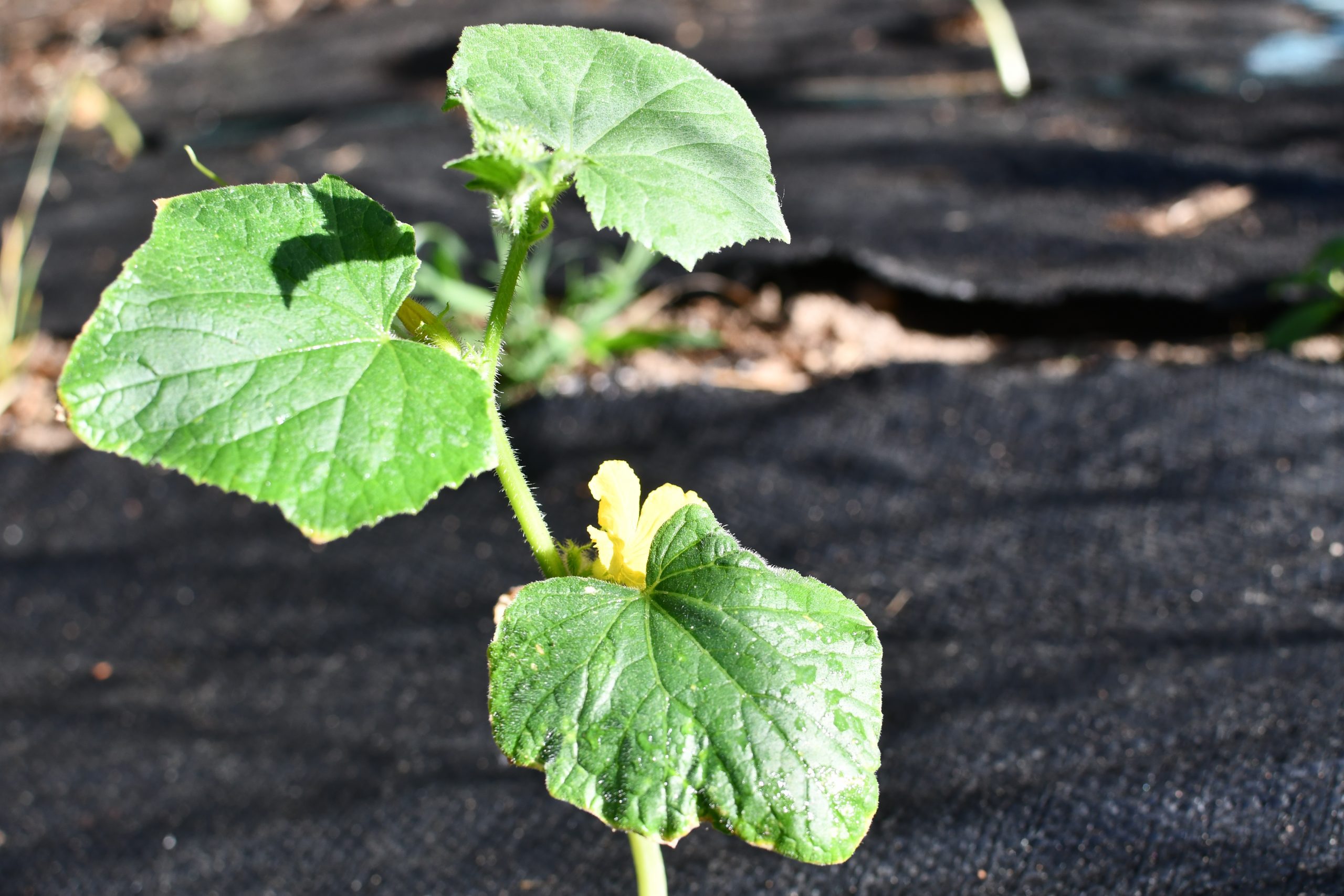
cucumber seedling

Get Help– If you are able to, enlist the help of kids, family or neighbors. Worse case? Hire someone until you get it figured out. This can get expensive, but if you don’t want to downsize, there are plenty of 4H and FFA kids that are looking for farm work.

Pay someone– I know that this seems counterproductive to the whole homesteading thing, but consider it. Jared and I work full time, plus have part time jobs and homeschooling that take up a lot of time. The exterior of our house desperately needs a coat of paint, but we just don’t have the time to do it. So we are hiring it out. It’ll be the same when we put in our property fencing and expand the goat pens. We could absolutely do it, but paying someone else to do it frees up our time to do something else.

Logo 468x60

Not starting at all

Paralysis by analysis is a thing. You want to do all of these things but you get so overwhelmed with choices, decisions and options, that you do nothing. You’ve got a list that is three miles long but you’re not really sure which thing is the best to start with.

Pick one thing– When we first moved in, our list of the things we wanted to do was incredibly long. I had 3 legal pad filled with notes, lists, and more. What made it easy to start was that we prioritized a few things off that list. We got a chicken coop and chicks. We started clearing land and debris. Then we got goats. THEN we got overwhelmed.

two goats

Infrastructure– A lot of people don’t think about infrastructure when they are setting up their homesteads. They have this idea in their head about what they want but no idea how to execute. My suggestion is to come up with your Homestead Infrastructure and then start making plans based on that.

Not having a plan

You jumped in with both feet and no plan. You are stressed, overwhelmed and ready to throw in the towel. You ordered the chicks but don’t have a coop. The seedlings that you planted in January have no home because there is no garden. You lost your plan, your goals, and your mind

Write it down!- I talked about goal setting here. But while goals are great, if you don’t have a plan, they’re not really a goal. It’s a dream. So come up with a big picture goal/ dream and start laying out how to achieve it.

Save on Seeds

Create A Budget– Look into how much those goals, dreams, and plans are going to cost. Then start working it into your budget. This life is expensive, but no one wants to be shocked when they go to start building a barn and end up thousands of dollars in the hole.

Lack of Organization

I have lost two bags of chicken shrink bags. I’ve misplaced my goals list and plan. Don’t even get me started about the basement. If I don’t have a list, things don’t get done. Or I my ADD kicks in and I have cleaned the whole house, but it doesn’t look like it.

Declutter– Yes, I know. You know how to declutter but you just don’t have the time. Well, let me ask you this? How much time have you wasted looking for things? How much money have you wasted reordering things because you can’t find them? Go ahead and declutter.

Make lists– Make the lists, check it twice and then put it on your fridge!

The Ultimate Homesteader’s Starter Bundle – Only $47!

Get the tools you need to stay organized, track profits, and manage your homestead with ease!

Includes:
✅ Schedule F Tracker – Simplify tax prep
✅ Profit Calculator – Track earnings
✅ Hay Calculator – Plan livestock feed
✅ Garden Journal – Digital & printable
✅ Herd Health Tracker – Monitor animal care
✅ Simple Budget – Manage finances
✅ Backyard Homestead eBook – Essential tips

$99 value – now just $47! Start your homesteading journey today!

Buy Now

No Accountability

Let’s be real for a second. We think we want accountability, but we really don’t. But we REALLY do. Most of us are self starters and are excited to work on new projects. But when we get bored, disinterested or defeated, it’s easy to just walk away from it. If we don’t have someone to say no, do not get that herd of twenty goats, you’ll never get ahead.

brooder full of baby ducks and some chicks

Respect the no– When I brought up getting pigs to Jared, he flat out told me no. Not because he doesn’t want them. He does. He said no because we don’t have fencing, a dedicated spot, or anything else. We’ve got two pregnant goats as well as all the chickens. So I respected the no.

Learn to self motivate– While I struggle with wanting everything right now and ADD. Jared struggles with motivation. He has been working on self motivation for a while and is doing better. There are days when he’s just not feeling it. That makes it hard on all of us because he is the main builder and heavy lifter on the farm. Figure out what you can do to motivate yourself and do it, all the time.

Banner 468x60

Education

We all know that education is key to everything. If you don’t know how to do something, life is going to get hard if you’re not willing to learn.

Pick a subject– and become an expert on it. Or at least as much as an expert as you can. If you pick goats, good luck. You will never be an expert. Find someone who is an expert and learn as much as you can from them. Our neighbors have been farmers their entire lives, who better to teach us how to be farmers?

Subscribe to Craft Beer Club Today!

Don’t be afraid to learn as you go– Get a solid base knowledge of your topic and then put it to work. Jared was not a carpenter before this homestead, now? He has built chicken tractors, barns, and so much more. He built my beautiful greenhouse. Don’t be afraid to learn.

Not knowing and using your resources

I am guilty of this one. Our neighbor has goats. Have I ever asked him for help? Nope. Our other neighbor raised meat chickens for years. Did I ask him for help? Nope. It’s a flaw that I’m still working on.

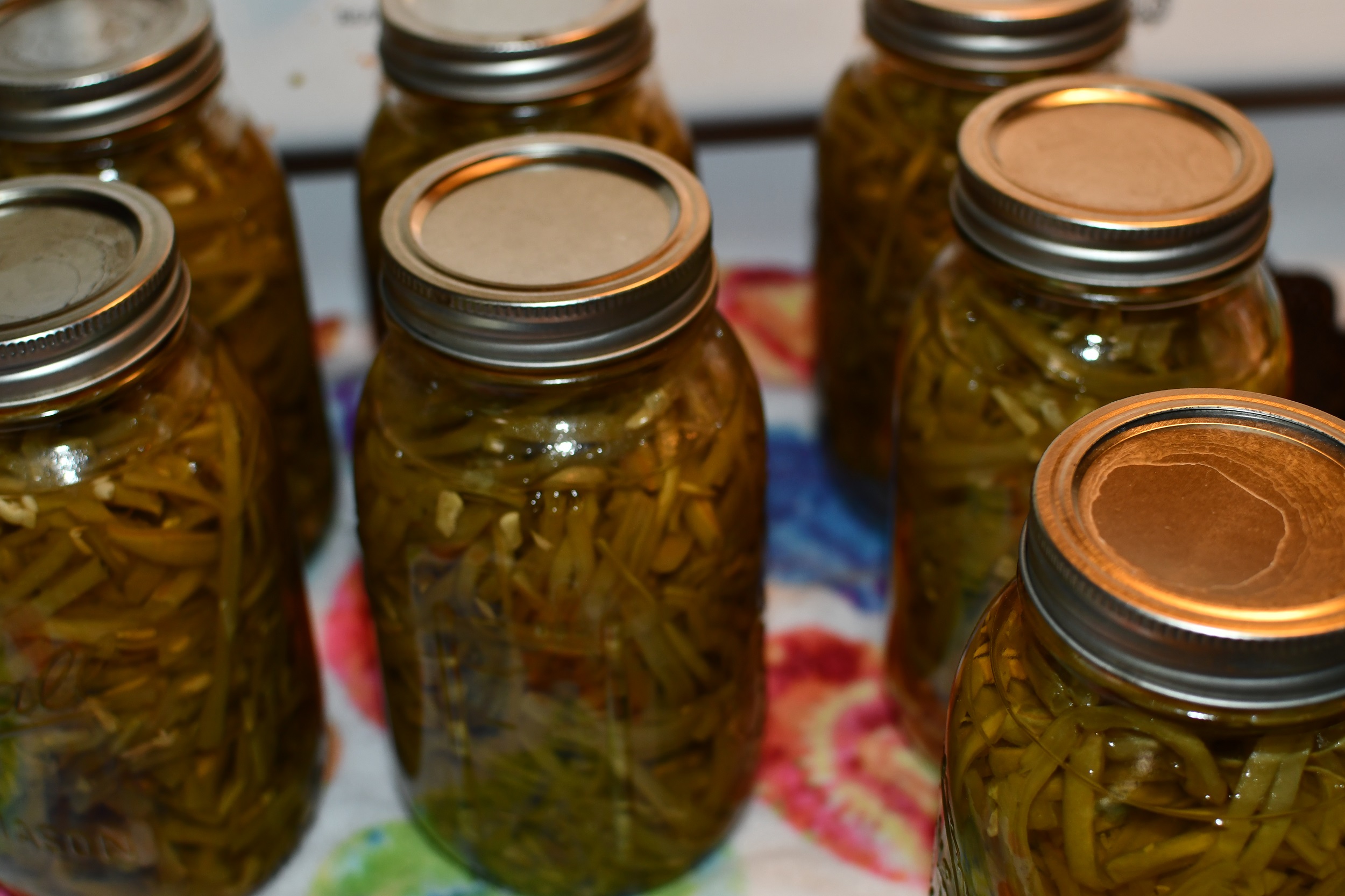
jars of green beans getting ready for the canner

Social media and YouTube are all great resources, but nothing is better than having someone walk you through the process. I can watch something one time and tell you how to do it. But I don’t actually know how to do it, until I’ve done it.

Don’t Get Discouraged

There is a reason you wanted to homestead. Remember that reason at every turn. When things get hard, remember why you chose this life. When the chicken knocks over a $80 bottle of goat antibiotics because your child forgot to shut the garage door? Remember you wanted the chickens…. and the child. As you progress with your homestead and get discouraged about all the things you need to do, look back and see all of the things that you’ve already done. Even if that’s only managing to keep the children alive.

If you like the content I put out, feel free to buy us a coffee! It helps keep this site running, marketing and the goats in grain!

Buy me a coffee

If you like this post, feel free to share it and follow us below on our social media accounts!

  • Facebook
  • Pinterest
  • Instagram
  • YouTube
  • TikTok
  • Spotify
  • Threads

Filed Under: Animals, How To's, Our Homestead, Projects Tagged With: Chicks, cooking, Goats, kitchen, Welcome

JOIN TO OUR MAILING LIST!

Leave us your email to receive new posts and special offers for members only! Don't miss a thing!

Recent Posts

  • Fall Garden Guide
  • Top Mistakes With Goats
  • How To Bond With Your Goats

Homestead Lessons: We Learn The Hard Way

August 24, 2024 by Leigh 7 Comments

Originally, this post was about the all the homestead lessons we learned the first year. But you never stop learning, especially when you homestead. So I wanted to go over all the homestead lessons we have picked up along the way. And the list keeps growing and growing.

The Ultimate Homesteader’s Starter Bundle – Only $47!

Get the tools you need to stay organized, track profits, and manage your homestead with ease!

Includes:
✅ Schedule F Tracker – Simplify tax prep
✅ Profit Calculator – Track earnings
✅ Hay Calculator – Plan livestock feed
✅ Garden Journal – Digital & printable
✅ Herd Health Tracker – Monitor animal care
✅ Simple Budget – Manage finances
✅ Backyard Homestead eBook – Essential tips

$99 value – now just $47! Start your homesteading journey today!

Buy Now

Homestead Lessons:

The Animals

Goats are not entry level animals. Seriously, wait until you have good fencing, a good vet, and patience!

Goats eat WAY more than you think they do.

Goat math is a thing. I’m still confused how our numbers jumped from 2 to 7….. Now, we are hovering around 15.

Chickens are cool, roosters are not. I threaten George with the stock pot daily.

Learn how to butcher and process your own animals. But also give yourself grace because you don’t know how.

If you don’t have a solid plan for pigs, don’t even bother. They will destroy your gardens, pens, and sanity. Sure, sometimes they’re fine. But these are also not beginner animals.

Be prepared for a ton of clean up after processing those animals.

Chicken poop is slippery on concrete. Be careful when you start chasing chickens through your basement.

Animals will die. Yes, it’s hard. No, it doesn’t get any easier.

Building

Build it right the first time. I cannot tell you the amount of times we have had to rebuild fences.

But also understand that you will rebuild things. It’s inevitable.

Don’t let the husband borrow your tools. Ever. Seriously, don’t do it. This man has broken more tape measures….

You are way more capable than you think you are. So is your spouse.

Regardless if it’s going to take longer, get your kids involved with projects. They need to learn how to do this stuff too.

Budget for a project, and then double it. If you think it’s going to cost $400 to build a fence, make sure you’ve got at least $800 set aside.

Garden

Find a local farm stand. Even if you have a garden. It’s better to know where to get fresh produce if the garden fails…. or the chickens, goats or pigs wreck it.

Canning is addictive. Get more jars than you think you will ever need, then double it.

Enjoy the abundance, even when you are drowning in cucumbers.

Learn to start your own plants. It’s WAY cheaper.

Give your garden and yourself grace! You can’t know everything about every plant!

Keep a garden journal!

Buy the seeds…. yes, all of them.

Try new varieties. Even if you have ones you love, try different ones.

Plant the flowers. Yes, all of them.

Plant ALL the plants. Even if you think it’s too many. You would be surprised what can happen in a season…. Plus that’s extra for the animals.

Also, plant for your animals too. You may not have enough to sustain them, but any discount on my feed bill makes me happy.

Planning

Have a plan A, B, C, D and E. Maybe go ahead and plan for F, G and H too. Just to be safe.

Estimate how much firewood you will use, and then double it. Maybe triple if you live in a crazy weather state like Georgia.

Go ahead and stock up on the things you think you need. Not only is it cheaper in the long run, if you need to pull off your supply in an emergency, you will be glad you have it.

Patience is the biggest lesson you will learn.

An emergency fund is going to be your saving grace when you buy a house. But when you buy a homestead? You should probably triple the amount you think you’ll need.

You are going to blow through that emergency fund when your goats get sick, dog needs surgery, well pump goes out and water heater explodes all in one month.

Understand things are going to happen that are beyond your control. Roll with it. A good attitude will get you through it.

Start a blog to detail the antics and chaos of your life. In a year, you will look back and laugh.

Learn to say no. Especially to your husband when he says goats would be a great idea 2 months into owning your homestead.

You are living the life you always wanted in a way you never dreamed. You are blessed beyond measure.

A homestead is what you make it. It starts with HOME for a reason. Enjoy it.

Bear the freeloader

Since buying our homestead, I have learned so much. These are just a few of the homestead lessons we have picked up along the way. I could write 100 more and still not be at the end of my list. But it has been worth every single penny, sleepless night, and fight. I would not trade my life for the world and all the money. Here’s to the next year on the homestead. May it be as entertaining and interesting as the last.

If you like the content I put out, feel free to buy us a coffee! It helps keep this site running, marketing and the goats in grain!

Buy me a coffee

If you like this post, feel free to share it and follow us below on our social media accounts!

  • Facebook
  • Pinterest
  • Instagram
  • YouTube
  • TikTok
  • Spotify
  • Threads

Filed Under: Animals, Canning, Chickens, Goats, How To's, Our Homestead, Pigs, Projects Tagged With: Chickens, Goats, Homestead, Projects, Welcome

JOIN TO OUR MAILING LIST!

Leave us your email to receive new posts and special offers for members only! Don't miss a thing!

Recent Posts

  • Fall Garden Guide
  • Top Mistakes With Goats
  • How To Bond With Your Goats

Is 5 Acres Enough For A Homestead?

August 20, 2024 by Leigh Leave a Comment

There has been a self sufficient movement over the last couple of years. More people are wanting to become self sustaining. They want to be able to grow their own food, raise livestock, and be less reliant on others. Personally, I am ecstatic. But how big of a property do you need? 100 acres? 50? At least 20, right? Is 5 acres enough for a homestead? The answer is yes.

The Ultimate Homesteader’s Starter Bundle – Only $47!

Get the tools you need to stay organized, track profits, and manage your homestead with ease!

Includes:
✅ Schedule F Tracker – Simplify tax prep
✅ Profit Calculator – Track earnings
✅ Hay Calculator – Plan livestock feed
✅ Garden Journal – Digital & printable
✅ Herd Health Tracker – Monitor animal care
✅ Simple Budget – Manage finances
✅ Backyard Homestead eBook – Essential tips

$99 value – now just $47! Start your homesteading journey today!

Buy Now

Is 5 Acres Enough For A Homestead

Technically, we have just over 8 acres. But 2 acres of that is a pond, and another 1.5-2 acres is a giant hill that we can’t do a lot with. So, we have 5 usable acres. We have 30ish chickens, 17 ish ducks, and 10 goats that all need a place to live. There is also the garden that needs to go somewhere. Not to mention all the small projects that need land, like the orchard, clothesline, and *fingers crossed* the pool. Or the larger projects like the shop, greenhouse, and granny pods? 5 acres is enough for a homestead.

What Are Your Goals?

Do you want to be totally self sufficient? Is this a hobby? Are you supplementing your income? Why do you want to homestead? What does a successful homestead look like to you? When you can answer those questions you can start crafting your goals. Our goals are: Have the homestead be self sustaining and self funding. Mortgage paid off in less than 15 years. Animals provide food and/ or income. Land produces 75% or more food and 100% of firewood. Yes, 5 acres can do that.

By having clear goals and expectations, it allows you to focus your energy on the things that matter.

Save on Seeds

The Plan

In another post about homesteading, I talked about what homesteading means and starting a homestead. You really need to figure out what it means for you and how you want to make this property work for you.

Before you even decide on a property, or if you already have a property, you need to plan what you want to do with it. Do you want goats? What about chickens? Are you going to try and squeeze a cow or pigs in? What does your property look like? Is it hilly or flat? Do you have access to plenty of water? Are you going to garden for fun or for purpose? These are just some of the questions that you need to answer before you get into the guts of building up your homestead.

If you want goats, do you already have browse for them? Is the fencing goat proof? How long would it take you to put up good fencing and install a good pasture? Do you already have a barn? Is there a predator problem? Do you want to milk them? Breed them? If you can answer these questions you can start to plan.

goat kidding

Before we get too far into this, I have a great course on the basics of goat care. I call it Goat Crash Course: Goat 101. In this course, I explain things like types of shelter, types of feeds and hays, basic assessments and so much more! Check it out!

Buy Now

As a beginning homesteader, you are going to want chickens. At least every beginner that I have met does. But really think about how any eggs you eat. Jared usually eats 3 eggs a day but no one else really does. When we make breakfast for dinner, we normally go through about a dozen eggs. But what about expansion. Do you want to sell eggs? Do you want to sell chicks? Are you going to be a victim of chicken math? Are you going to raise meat birds?

What about raising larger livestock, do you want pigs or cows? With enough pasture land, you can have a cow on an acre. You could have several pigs as well. The key is knowing your space and maximizing it.

Banner 468x60

Get To Work On The Plan

Most people only need a 800 sq ft (or 200 sq ft per person) garden to feed their family of 4 for a year. That’s not really a ton of space when you are talking about having 5 acres. Since we can a ton and give it to family, we decided to triple that. Plus, tomato math is a thing. We also knew that we were going to put in an orchard and decided that strategically planting trees throughout the property would benefit us more than having trees in rows. This would help with shade and keep pests from demolishing the entire crop.

We decided that we wanted to up our egg production for sales as well as reducing our need for chicken at the store. Then we bought more chickens and all of them are dual purpose birds, meaning that they are both egg layers and meat birds. We are also looking into selling any extra chicks.

Then we bought ducks…. Initially, I bought 10 meat ducks and 10 egg ducks. After our losses, I’m pretty sure I now have a total of 17 pet ducks. I’m not sure if I can butcher these guys. The way I see it though, I have 10 production meat ducks and those guys can lay and hatch our meat ducks…. At least that’s what I’m telling myself.

Our goats are for milking and breeding. Goats are a long term investment. If we can keep them alive and healthy, and all our does produce milk and good kids, we are looking at making about $9,000-11,000/ year. Not counting vet, feed, fencing, etc. That’s also not counting cheese, butter, soap or lotion sales.

Stick To Your Plan

We went off plan by getting the goats. They are no where near returning their investment. But they are so damn cute that we let it slide. Unfortunately, we had to put pigs on the back burner because of it. Same with meat rabbits. Homesteading on 5 acres or less is totally doable, but I will say it again and again. Set your goals, prioritize them, and get your plan in motion.

I would love to hear how you are homesteading or planning to homestead your property.

If you like the content I put out, feel free to buy us a coffee! It helps keep this site running, marketing and the goats in grain!

Buy me a coffee

If you like this post, feel free to share it and follow us below on our social media accounts!

  • Facebook
  • Pinterest
  • Instagram
  • YouTube
  • TikTok
  • Spotify
  • Threads

Filed Under: How To's, Our Homestead Tagged With: Chickens, Chicks, Eggs, Goats, Homestead, Welcome

JOIN TO OUR MAILING LIST!

Leave us your email to receive new posts and special offers for members only! Don't miss a thing!

Recent Posts

  • Fall Garden Guide
  • Top Mistakes With Goats
  • How To Bond With Your Goats

Homestead Daily Schedule

August 13, 2024 by Leigh Leave a Comment

On our homestead, this looks a little different than most. Due to our work schedules, one of us is gone 48 of 72 hours. Sometimes more. However, the goats still need to be milked, fed and let out. Chickens and ducks still need feed, water, and be let out. Dogs are also hungry and need to go to the bathroom. And all the other chores need to be done. So regardless of who is home, the daily schedule looks pretty much the same.

The Ultimate Homesteader’s Starter Bundle – Only $47!

Get the tools you need to stay organized, track profits, and manage your homestead with ease!

Includes:
✅ Schedule F Tracker – Simplify tax prep
✅ Profit Calculator – Track earnings
✅ Hay Calculator – Plan livestock feed
✅ Garden Journal – Digital & printable
✅ Herd Health Tracker – Monitor animal care
✅ Simple Budget – Manage finances
✅ Backyard Homestead eBook – Essential tips

$99 value – now just $47! Start your homesteading journey today!

Buy Now

What Is Our Homestead Daily Schedule?

As I mentioned above, our days are set up on a 3 day rotation. On the first day, I go to work and Jared is the responsible party until he goes to work the next day. Day 2 is when I come home and handle my portion of the homestead chores. On day 3 we are both home and try to squeak out as much time together as possible.

Day 1 Daily Schedule

This is my work day, so Jared is home with the boys. He usually gets up with me and we drink coffee and hang out for a few minutes before I head to work. Sometimes, he will tell me about what he has planned for the day. But more often then not, I don’t really care per say. The way I see it, he is a grown ass man and knows what he needs to do for the day. Unless there is something pressing, I don’t worry too much about what he’s doing.

That being said, most of the time he is working on whatever project we are doing. In the summer, it’s usually firewood. In the winter, it’s usually household projects. Spring is reserved for garden projects and fall is for yard clean up.

He also makes sure that the boys are doing their school work and the house doesn’t burn down.

Day 2 Daily Schedule

This is the day that he goes to work and I am coming home. Normally, I get home a little later in the morning. After getting myself cleaned up and my stuff put away, I get the boys started on their school work and I start working on whatever inside projects need to be handled. Sometimes this is blog or household work. Other times this could be getting seeds together and planted. It really depends on what the season is.

But I can tell you that the day after a 24 hour shift is left really loose. I have run calls all night and come home with a pile of chores that HAVE to get done and it’s awful. Instead, we give ourselves and each other grace when it comes to the day after shift. We just don’t put a lot of stuff on ourselves.

That being said, the goats still need to be checked and fed. Chickens and ducks still need to be fed and let out. The garden still needs to be harvested, planted or maintained. But we don’t stress about getting the to do list done.

Day 3 Daily Schedule

For me, the day starts around 8am. Blu gets her morning meds and mom needs coffee. The first set of dogs are let out and showers start. I will usually start a load of laundry and work on it throughout the day.

If I have goats in milk, my day starts a little earlier so that I can get them milked before they are screaming for their food and to be let out. I also do a quick glance at the herd to make sure everyone is healthy and happy.

After I get the goats done, I am in the garden first thing to beat the heat. I try to get things harvested before the heat of the day really hits. I will also try to get the first batches of preservation going. Whether it’s dehydrating tomatoes or squash or getting a canner filled. Depending on the season, I may be planting more in the garden.

I will also start the boys on their homeschool stuff for the day. As the day heats up, I scramble into the house to keep from overheating (y’all the Georgia heat is no joke!). I will work on the blog or general household tasks until it cools down enough to be able to go back outside.

Then it’s dinner time. After dinner, the boys take care of their chores. I finish up laundry and head to bed, where I read for about 4 hours.

Homesteading Daily Schedule With Kids

One of the biggest issues that I see new homesteaders, and hell even parents, making is that they don’t give their kids chores. You will overwhelm yourself and your partner if you do not let those kids earn their keep. We have a pay to play rule which means that if you want to play video games, watch TV or do what YOU want to do, you have to “pay” for that by doing your chores, school work, etc. So make sure that your kiddos are helping.

After everyone is done and animals are fed, we start working on school work, this is usually around 930-10. Jared and I have different views on this. Usually I let them unschool and Jared is more structured. Unschooling is when the child directs what they would like to learn about. I feel like this gives them the opportunity to learn about the things that interest them and helps them learn better. Jared prefers to help them with “normal” school work.

Neither way is wrong and the boys seem to enjoy having the flexibility. Win Win.

We get them involved with various aspects of homesteading to not only teach them how to do things that are necessary for survival if the SHTF but also because this is invaluable information. And this still counts as their schooling since they are learning things like how to follow the instructions on how to put together a metal shed. Or how much firewood makes a cord and then measuring the stack that they’ve made. They also get crash courses in animal husbandry if an animal gets sick and needs medications. They’ve also been a huge help in the garden and ask a ton of great questions. Most that I don’t have an answer to, so we ask google a lot of questions.

Don’t Beat Yourself Up

One of the things that I see a lot of new homesteaders do, especially those of us that work off farm, is that they feel like they have to do ALL the things, RIGHT NOW! That can’t be further from the truth. In fact, the opposite is more true; you have time. I talk about homesteading goals and preparation here, but the short version is figure out where you want to be, and take small actionable steps to get there.

Homesteading, while hard work, should NOT be so stressful that you don’t want or can’t do it. You don’t have to get everything done right now! Take a breath and give yourself kindness and grace to make at a reasonable pace. You don’t need to burn yourself out within the first year.

If you like the content I put out, feel free to buy us a coffee! It helps keep this site running, marketing and the goats in grain!

Buy me a coffee

If you like this post, feel free to share it and follow us below on our social media accounts!
  • Facebook
  • Pinterest
  • Instagram
  • YouTube
  • TikTok
  • Spotify
  • Threads

Filed Under: Animals, Canning, Chickens, Garden, Goats, Homeschool, How To's, Our Homestead, Pigs, Projects Tagged With: Canning, cast iron, Chickens, Chicks, cooking, Eggs, Goats, Homestead, kitchen, Welcome

JOIN TO OUR MAILING LIST!

Leave us your email to receive new posts and special offers for members only! Don't miss a thing!

Recent Posts

  • Fall Garden Guide
  • Top Mistakes With Goats
  • How To Bond With Your Goats
  • Page 1
  • Page 2
  • Page 3
  • Go to Next Page »

Primary Sidebar

WELCOME

WELCOME

My name is Leigh and I am the lead chaos creator here at Steel Raven Farms. You will see throughout this blog that I am the crazy goat lady.

I am married to my high school sweetheart, Jared and we have two amazing boys.

FOLLOW ME

  • Amazon
  • Facebook
  • Instagram
  • Pinterest
  • TikTok

GET UPDATES!

Leave us your email to receive new posts and special offers for members only! Don't miss a thing!

In all the years that I’ve been growing a garden, the fall garden has steadily remained my favorite. Which is funny because I don’t really like any of the brassicas, which is what most people know the fall garden for. I prefer the root vegetables and cool air. But I have learned over the years…

Read More

  • Animals
    • Chickens
    • Farm Dogs
    • Goats
  • Garden
    • Compost
    • Garden Projects
    • Seeds and Plants
    • Garden Journal
    • Working With Food
      • Recipes
      • Freezing Foods
      • Dehydrating Foods
      • Canning Tips And Tricks
        • Canning Inventory Sheets
  • Helpful Info
    • Welcome to the Homestead!
    • Emergency Preparedness
    • Frequently Asked Questions
    • Goal Setting
    • Project List
    • Shop Digital Products
      • Hay Calculator
      • Farm Expense And Income Tracker
      • Goat Crash Course: 101
      • Garden Journal Prompts
      • Schedule C Tracker
      • Schedule C Tracker
      • The Homestead Bundle
  • The Truths
  • Episode List
  • Start Here
    • Privacy Policy
    • Affiliate Disclosure
    • Let’s Get in Touch
    • Members Only Library
    • Welcome To Our Homestead

Footer

  • Email
  • Facebook
  • Instagram
  • Pinterest

COME AND GET IT!

Leave us your email to receive new posts and special offers for members only! Don't miss a thing!

· Midnight Theme

Copyright © 2026 · Midnight Theme on Genesis Framework · WordPress · Log in