• Skip to primary navigation
  • Skip to main content
  • Skip to primary sidebar
  • Skip to footer

Steel Raven Farms

Where muck boots meet ground.

  • Animals
    • Chickens
    • Farm Dogs
    • Goats
  • Garden
    • Compost
    • Garden Projects
    • Seeds and Plants
    • Garden Journal
    • Working With Food
      • Recipes
      • Freezing Foods
      • Dehydrating Foods
      • Canning Tips And Tricks
        • Canning Inventory Sheets
  • Helpful Info
    • Welcome to the Homestead!
    • Emergency Preparedness
    • Frequently Asked Questions
    • Goal Setting
    • Project List
    • Shop Digital Products
      • Hay Calculator
      • Farm Expense And Income Tracker
      • Goat Crash Course: 101
      • Garden Journal Prompts
      • Schedule C Tracker
      • Schedule C Tracker
      • The Homestead Bundle
  • The Truths
  • Episode List
  • Start Here
    • Privacy Policy
    • Affiliate Disclosure
    • Let’s Get in Touch
    • Members Only Library
    • Welcome To Our Homestead

cooking

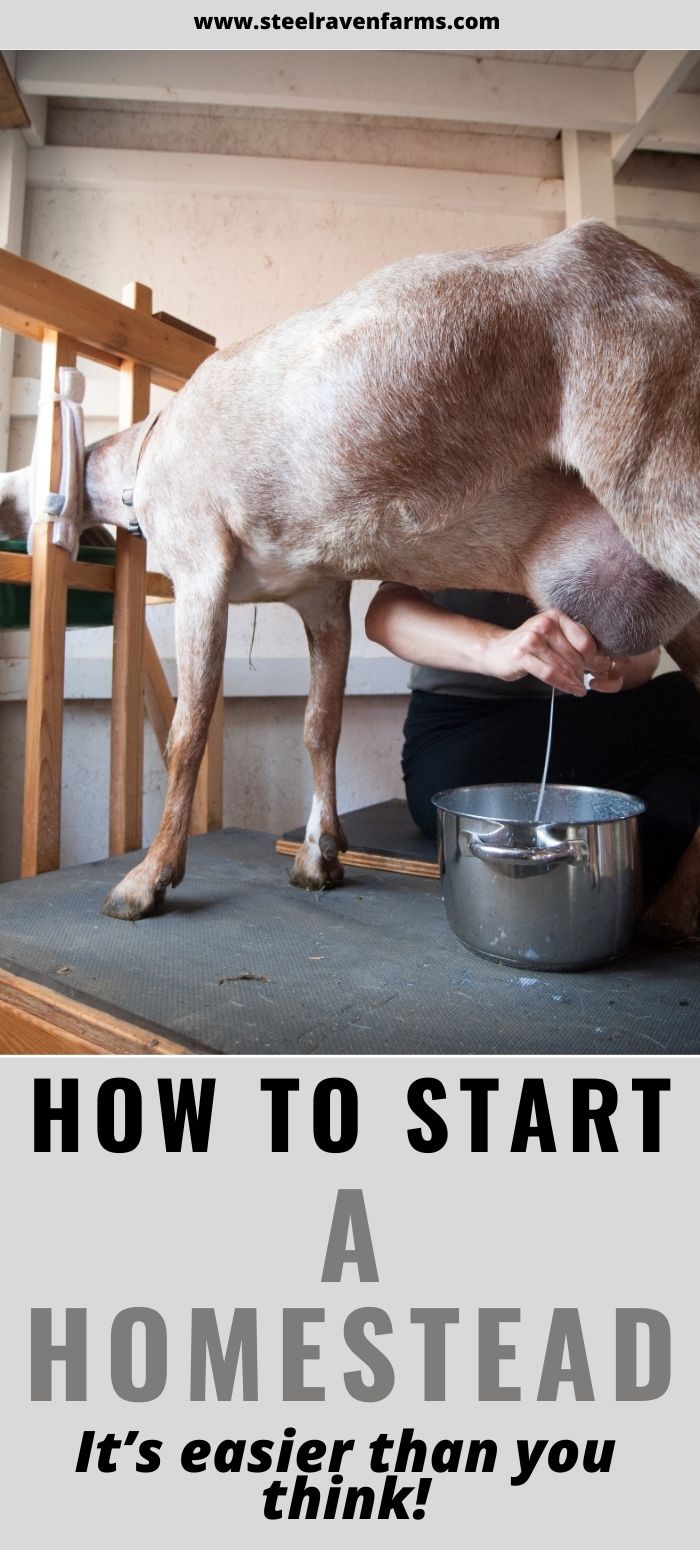
How to Start A Homestead

December 30, 2025 by Leigh Leave a Comment

People across the country are concerned with the state of the grocery stores and supply chain. People who previously thought they could get anything they needed from a store, have quickly come to realize that is no longer the case. Shortages of basic necessities are becoming more common and leading many people to think about starting a homestead. But how to start a homestead?
Starting A Homestead

Most people don’t know where to start when it comes to farming, livestock, and other “farming” things. Well, welcome to the club. If you were not born into the lifestyle, and many of us weren’t, starting a homestead can be a daunting task. The good news is when you dive into the world of homesteading you will realize that it looks very different to everyone. Not mention the amount of resources available.
Before You Start a Homestead

“Starting a homestead” doesn’t mean doing everything at once.
It means choosing one system and building from there.

If you’re still figuring out what homesteading actually looks like in real life, start here:
👉 What Homesteading Really Means (and What It Doesn’t)

I talked in another posts that homesteading is a spirit, not a set of hard fast rules. I know homesteaders that live in a subdivision on less than an acre and others that have hundreds of acres. Some people love keeping pigs and some that don’t. We have goats, not everyone likes them. There are no rules to homesteading because homesteading is about independence, not acreage, livestock, and gardens.

Understanding Why You Want To Start A Homestead

I suggest really thinking about the why. Why do you want to homestead? What does homesteading look like to you? Can you do the things that you think a homestead is? What are your current capabilities and disabilities? Can you overcome them? What does the infrastructure of your homestead look like?

Our dream of homesteading started as a cabin in the woods fifteen years ago. As the world around us has changed, so has our dream. I wanted a garden for fresh produce, now I want a garden that will fully sustain us. Livestock? Nah, I’m good with my dogs and cats. Until we saw what the price of meat was doing. Your dreams can evolve and devolve and that’s just fine.
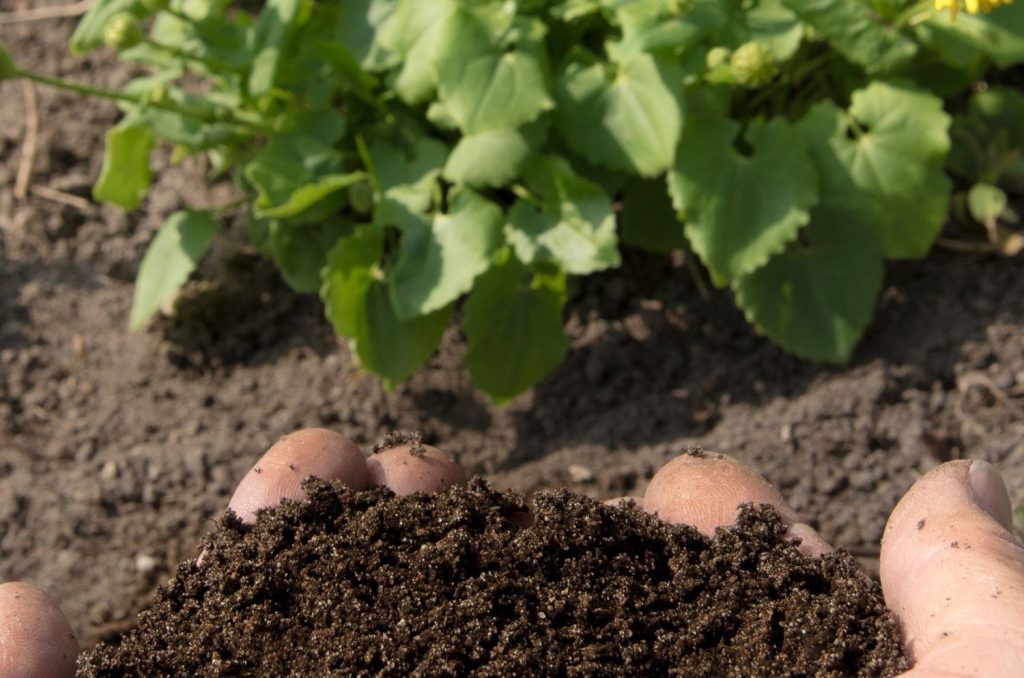
timing your vegetable garden (zone 8)

This Is Where Most People Get Stuck

Homesteading only works if you turn ideas into a plan — otherwise it becomes overwhelming fast.

This is the system I use to decide what to tackle first and what can wait:
👉 My Daily Homestead Schedule (What Actually Gets Done)

Let’s Start With Animals

Every new homesteader thinks they have to have pigs, cows, chickens, and other livestock when they start homesteading. We almost fell into this trap and thankfully cooler heads prevailed before we dove in head first. However, we have had our share of Uh-Oh’s and it has been a very expensive lesson to learn the hard way. We weren’t ready for goats and it has been a very steep learning curve. But worth every penny and heartbreak. So start small and grow from there.

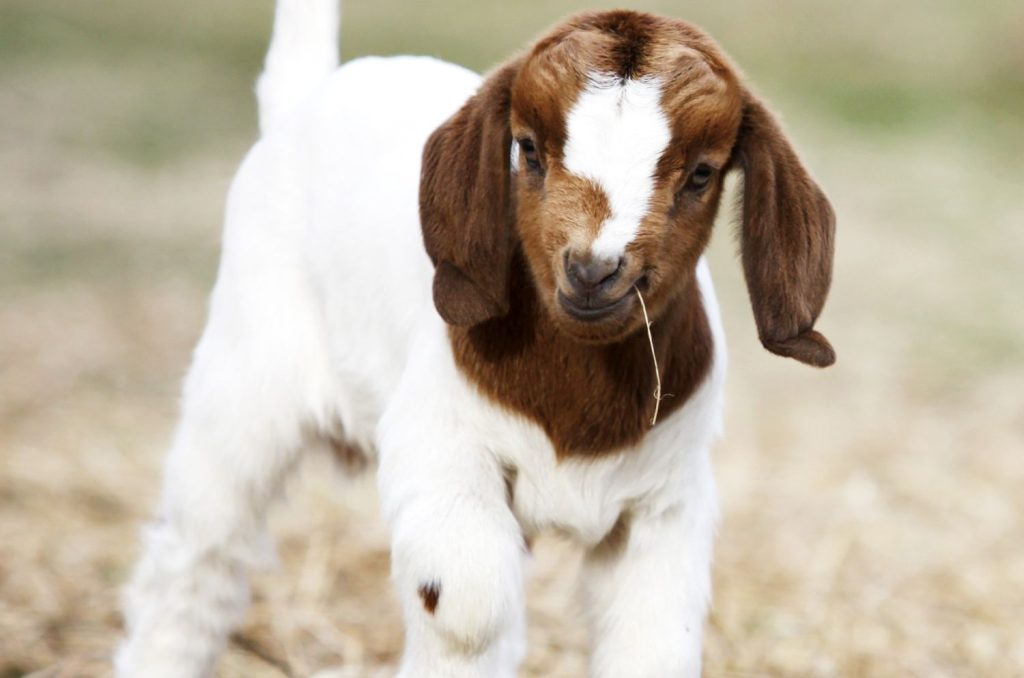
Oakley and Bailey the goats
Oakley and Bailey

Chickens

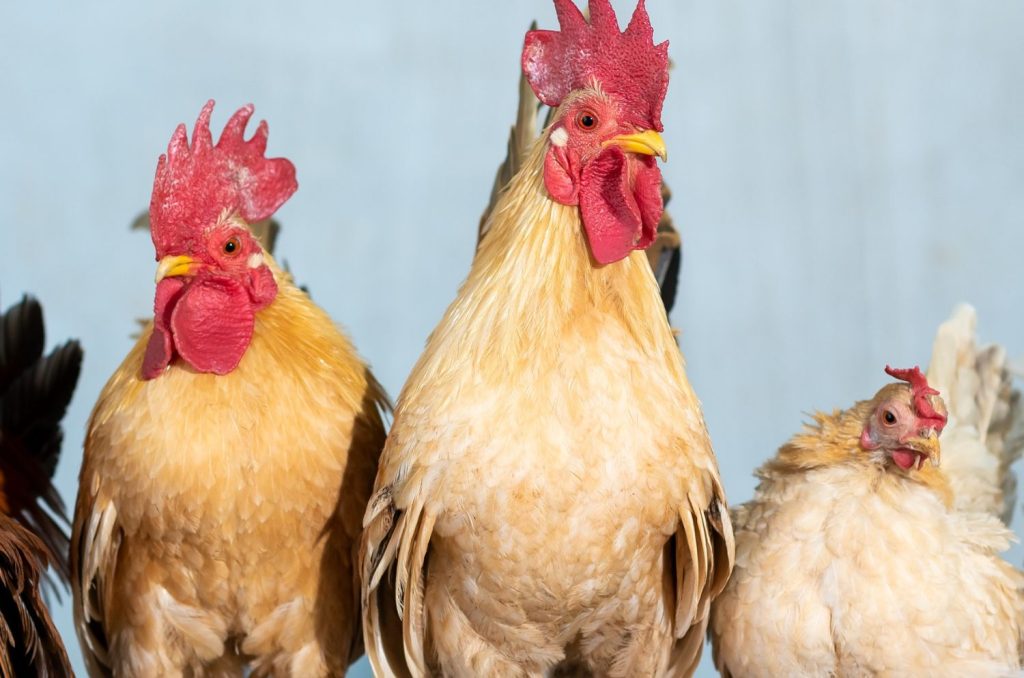
Chickens are a great way to have that homestead feel, without all the extra work of a homestead. They are relatively easy creatures that don’t require around the clock work. Our chickens are set it and forget it. Once they were out of the brooder and into their coop, they had feed in the morning and night, and free range during the day. They also have access to plenty of water throughout the property. They don’t require a ton of upkeep.

Raising dual purpose meat chickens is also a great way to reduce your dependence on the grocery store without breaking the bank. You can have a steady stream of fresh eggs from hens and butcher the roos for meat. But there are some downsides to raising chickens, like escaping, predators, and getting into your garden.

Meat rabbits are another good animal to have on the homestead. Rhonda at The Farmer’s Lamp has a great post about the ins and outs of meat rabbits. Having meat rabbits allows you to close gaps in your food security and they don’t take up much space. Since it’s hard to automate their care, they are more work than chickens. But once you get used to what they need, it should only take about 10-20 minutes in the morning and evening. We will be adding them to the homestead this fall when its a little cooler. The biggest downside of rabbits is the cuteness factor. Many people will struggle to butcher them because they are really cute.

Brooding New Chicks

Goats

Goats are cool critters for the homestead. Unfortunately, I don’t recommend them for beginners. I say this as a beginner who had no clue what was happening and we have paid a hefty price for not knowing what I was doing. The value of learning about them mixed with the milk they give, possible meat, and income from breeding make them a good creature to have when starting a homestead.
If You’re Ready to Start, Start Small

The biggest mistake new homesteaders make is trying to do too much at once.

I start by setting a few realistic, seasonal goals and building systems around them:
👉 50 Realistic Homestead Goals to Start With

What About Gardens?

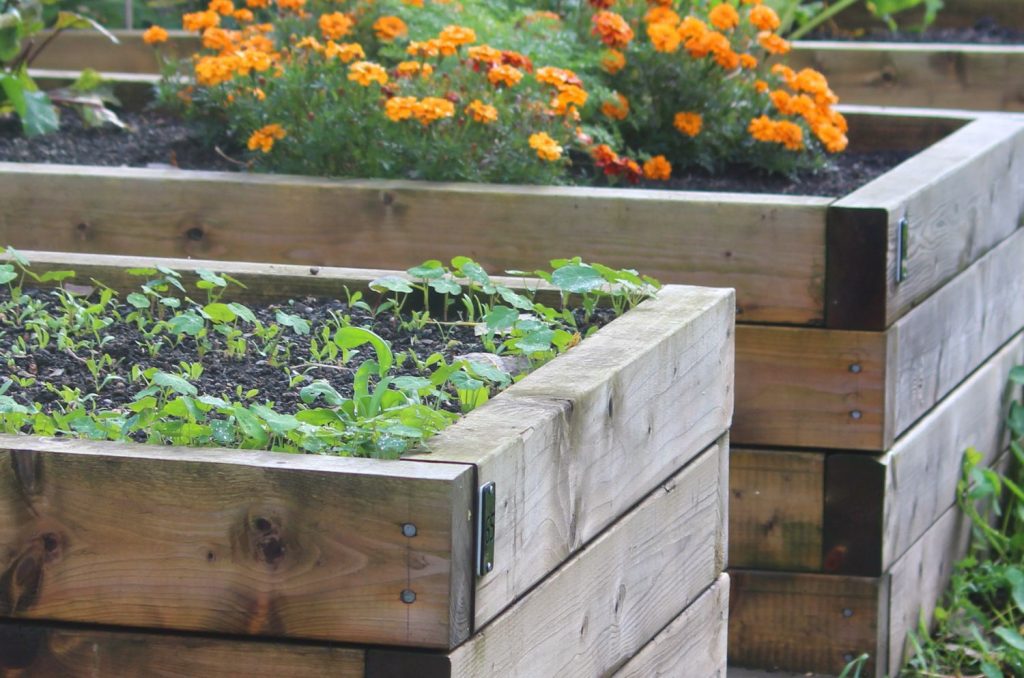
You do not need a acre garden when you are starting out. Yes, I am currently reminding myself of this right now as I am looking at my garden space, which is almost a half acre. You don’t need a greenhouses or other large, expensive purchases. Start small. Grow your tomatoes and peppers to make your salsa. Plant herbs and keep them alive. Make sure whatever you are planting you have a plan for. If you do not like cucumbers, do not plant 20 plants just because you think you should. Once you have a handle on what your family needs and what your land can produce, then you can start growing the size of your garden.

Learn how to preserve your garden so that you can enjoy your harvests well past summer. If you don’t know how to can, you can check out our canning page or go to YouTube, Pinterest, and Google for amazing resources. Also make sure that you have good storage for your jars of food. There is nothing worse than spending tons of time canning just to have your plastic shelves fail. If you don’t want to can and have some money to burn, invest in a freeze dryer.

Finances

Starting a homestead with no money is just not feasible. Whether you decide to make homesteading your fulltime job or simply a way to live more independently, you need to make sure your finances are in order before you start. Our first year homesteading cost us over $20,000 between buying fencing, animals, lumber, and vet bills. So make sure you have the ability to cover those expenses.

Setting up your infrastructure so that you can reduce costs over time is extremely important to your long term finances.
Your Next Step

If you’re serious about starting a homestead, the first thing you need isn’t land or animals — it’s a plan that fits your life.

👉 How I Structure My Homestead Day (So Things Actually Get Done)

Remember….

When everything is all said and done, you have to remember that starting a homestead comes down to your goals and your ability. You are only limited by your resourcefulness and imagination. There are no rules to what you have to do to be a homesteader. You don’t have to have or know everything to start a homestead. A dream, drive, and determination are all you need to start a homestead. Don’t get hung up on the details.

I hope this helps you start on the path to starting your own homestead. Leave us a comment below on your thoughts of starting a homestead.

If you like the content I put out, feel free to buy us a coffee! It helps keep this site running, marketing and the goats in grain!

Buy me a coffee

If you liked this post feel free to like, share, and find us on social media.
  • Facebook
  • Pinterest
  • Instagram
  • YouTube
  • TikTok
  • Spotify
  • Threads

Filed Under: Animals, Canning, Chickens, Garden, Goats, How To's, Our Homestead, Pigs Tagged With: Chickens, Chicks, cooking, Goats, Homestead, kitchen

JOIN TO OUR MAILING LIST!

Leave us your email to receive new posts and special offers for members only! Don't miss a thing!

Recent Posts

  • Fall Garden Guide
  • Top Mistakes With Goats
  • How To Bond With Your Goats

Homestead Flexibility: The Key to Success When Plans Go Awry

March 29, 2025 by Leigh Leave a Comment

When it comes to homesteading, there are countless essential skills to master—gardening, animal care, food preservation, and efficient time management, to name a few. However, the most valuable skill of all might be homestead flexibility: the ability to adapt, adjust, and pivot when things don’t go as planned.

The Ultimate Homesteader’s Starter Bundle – Only $47!

Get the tools you need to stay organized, track profits, and manage your homestead with ease!

Includes:
✅ Schedule F Tracker – Simplify tax prep
✅ Profit Calculator – Track earnings
✅ Hay Calculator – Plan livestock feed
✅ Garden Journal – Digital & printable
✅ Herd Health Tracker – Monitor animal care
✅ Simple Budget – Manage finances
✅ Backyard Homestead eBook – Essential tips

$99 value – now just $47! Start your homesteading journey today!

Buy Now

What Is Homestead Flexibility?

Homestead flexibility is the art of adjusting to unexpected changes while maintaining progress toward your goals. My husband, Jared, used to say that the Army’s real motto should be Semper Gumby—“Always Flexible.” This phrase became even more relevant when I worked in EMS, where situations could change in an instant. But nowhere has Semper Gumby been more applicable than on our homestead.

Homestead Flexibility in Action

A perfect example happened just yesterday. I was deep into meal prep, making breakfast tacos in bulk for Jared. While handling pounds of meat, eggs, and potatoes, a nagging thought told me to check on Jade, one of our goats. She wasn’t due for another few days, but something felt off.

I planned to check on her after hanging laundry, but before I could finish, I heard a scream—one unlike her usual noisy calls. Rushing to the pasture, we found Jade mid-labor. Within moments, we were in full-on kidding mode. My carefully planned day was out the window, but instead of stressing, we adapted. By the end of it, we welcomed two new kids: Onyx and Amethyst.

This is homestead flexibility at work—knowing that sometimes, your schedule will take a backseat to what truly matters in the moment.

The Reality of Homestead Challenges

Many homesteaders start with an ideal vision of self-sufficiency, but reality often paints a different picture. Equipment breaks down, livestock gets sick, and the weather doesn’t always cooperate. Learning to work with what you have rather than becoming frustrated with what you can’t control is a crucial part of long-term success.

Take, for example, the unpredictability of animal births. Even with calculated due dates, animals often surprise you. The key is having supplies ready and being mentally prepared to pivot at a moment’s notice. The same goes for your garden—some crops may fail due to unexpected frosts or pests, and you’ll need to replant or find alternative solutions. The more you can embrace the unexpected, the more sustainable your homesteading journey will be.

Structuring Your Goals While Staying Flexible

We started the year with clear homesteading goals: fencing the garden, building chicken tractors, and clearing the basement. But then came the rain. In our part of Georgia, February was the rainiest I’ve ever seen. Mud pits replaced pastures, barns flooded, and outdoor projects became impossible.

Had we been rigid in our plans, we would have felt defeated. Instead, we shifted gears. Jared focused on splitting firewood, something that needed doing anyway. Rather than forcing progress on the flooded garden, we redirected our efforts to indoor tasks. Flexibility saved our momentum.

The Ultimate Homesteader’s Starter Bundle – Only $47!

Get the tools you need to stay organized, track profits, and manage your homestead with ease!

Includes:
✅ Schedule F Tracker – Simplify tax prep
✅ Profit Calculator – Track earnings
✅ Hay Calculator – Plan livestock feed
✅ Garden Journal – Digital & printable
✅ Herd Health Tracker – Monitor animal care
✅ Simple Budget – Manage finances
✅ Backyard Homestead eBook – Essential tips

$99 value – now just $47! Start your homesteading journey today!

Buy Now

How to Build Flexibility Into Your Homestead Plans

  1. Give Yourself Time
    Unexpected events will arise—ill animals, bad weather, or surprise births. When setting goals, allow extra time so that delays don’t completely derail your progress.
  2. Accept That Not Everything Will Happen on Time
    Some projects will need to be pushed back. If rain ruins your February planting plans, move them to March. If the basement isn’t cleared, reevaluate your approach. Adaptation is key.
  3. Prioritize Your Goals
    Not all tasks are equally urgent. Structure your to-do list based on necessity. For example, as we plan for the next quarter, our priorities are:
    • Seed and plant the garden (critical for food supply)
    • Improve our butchering space
    • Stack and split firewood
    • Clear the basement (helps with storage and future projects)
    • Build the firepit (a lower-priority, nice-to-have project)
    • Work on the greenhouse (can be gathered gradually)
  4. Have Backup Plans
    Flexibility isn’t just about shifting schedules—it’s about having alternatives. This year, we opted for a slower-growing meat bird breed to allow for unexpected butchering delays without compromising meat quality. This kind of foresight makes all the difference.
  5. Give Yourself and Your Family Grace
    Homesteading is demanding, and sometimes, despite your best efforts, things won’t go as planned. That’s okay. Giving yourself and your family grace means understanding that delays, setbacks, and mistakes are part of the process. Instead of frustration, practice patience. Celebrate progress, no matter how small, and remember that each challenge is a learning opportunity.
  6. Stay Organized and Track Your Progress
    One of the best ways to maintain flexibility while staying productive is by keeping detailed records of your projects, goals, and setbacks. A homestead journal can help you track planting schedules, livestock health, weather patterns, and completed projects. By reviewing past records, you can make better decisions moving forward and quickly adapt when unexpected challenges arise.
  7. Lean on Your Community
    Homesteading isn’t just about self-sufficiency—it’s also about community. Whether it’s neighbors, fellow homesteaders, or online support groups, having a network to rely on can make a huge difference. Sharing advice, bartering resources, and lending a hand during tough times can ease some of the burdens and help you stay adaptable.

The Power of Switching Gears

On any given day, weather, emergencies, or surprise animal births can throw a wrench into our plans. But instead of losing an entire day to frustration, we ask: What can we do instead?

Today, for instance, it’s raining again. That means no gardening, no firewood stacking, and no firepit building. But it’s the perfect day to clean out the basement—a task we can tackle indoors.

Beyond switching gears for productivity, it’s also important to recognize when you need rest. Homesteading can be physically and mentally exhausting. Building flexibility into your routine also means knowing when to take a step back, recharge, and return with fresh energy.

The Ultimate Homesteader’s Starter Bundle – Only $47!

Get the tools you need to stay organized, track profits, and manage your homestead with ease!

Includes:
✅ Schedule F Tracker – Simplify tax prep
✅ Profit Calculator – Track earnings
✅ Hay Calculator – Plan livestock feed
✅ Garden Journal – Digital & printable
✅ Herd Health Tracker – Monitor animal care
✅ Simple Budget – Manage finances
✅ Backyard Homestead eBook – Essential tips

$99 value – now just $47! Start your homesteading journey today!

Buy Now

The Bottom Line: Flexibility Fuels Success

A successful homestead is built on vision, adaptability, and hard work. Without a clear vision, you’ll struggle to stay on course. Without flexibility, unexpected challenges will leave you feeling overwhelmed. But when you combine vision, flexibility, and a willingness to pivot when needed, your homestead will thrive—rain or shine.

If you like the content I put out, feel free to buy us a coffee! It helps keep this site running, marketing and the goats in grain!

Buy me a coffee

If you like this post, feel free to share it and follow us below on our social media accounts!

  • Facebook
  • Pinterest
  • Instagram
  • YouTube
  • TikTok
  • Spotify
  • Threads

Filed Under: Our Homestead Tagged With: Canning, Chickens, Chicks, cooking, Eggs, Goats, Homestead, kitchen, Welcome

JOIN TO OUR MAILING LIST!

Leave us your email to receive new posts and special offers for members only! Don't miss a thing!

Recent Posts

  • Fall Garden Guide
  • Top Mistakes With Goats
  • How To Bond With Your Goats

How To Prepare Your Vegetable Garden

March 18, 2025 by Leigh Leave a Comment

It’s March, y’all! In just a few short weeks, we will be planting our first plants and I am ridiculously excited. There is not much more thrilling, mood enhancing, joyous, and prideful moment then harvesting your first vegetable from your garden. When you plant a bunch of peppers, harvest them, dehydrate them, and use them in your dinner? It’s an indescribable feeling. But in order to get there, you have to do some work to prepare your vegetable garden.

Before we get too far into this post, I wanted to give a suggestion about keeping a garden journal. A digital garden journal is a fantastic way to keep track of past, present and future gardens. Our Digital Garden Journal is a great way to keep up with everything without getting too overwhelmed.

Buy Now

Before You Prepare Your Garden

They say that the first thing you should do on your homestead is start with a garden. They would be right, unfortunately, most of us start with animals. We get attached to our critters and then end up with a poorly producing garden, or no garden. But your garden has the potential for being the most money saving thing on the homestead! So there are a couple things I like to do every year before I prepare my garden.

cropped-3.jpg

Are you looking for garden journal prompts, but aren’t interested in a weekly email? Check out our 365 Garden Journal Prompts! This is an amazing, all in one, yearly product that you only pay for once.

Buy Now!

Check Last Years Journal/ Notes

Every year, I keep a garden journal. Mine is multi-year so that I can look back and see what we did, how it worked, etc. This really helps because there are a ton of finer details of a garden that sometimes get missed. Like how much you watered your peppers? Did you use pig, chicken, goat manure? What variety of melon did you hate? This information is important to make sure that you don’t make the same mistakes, but also so that you can make sure you are doing the “right” thing for your gardens.

Prepare Your Vegetable Garden

Look At What You Preserved

If you are using a garden for fresh eating, then I would take notes on what you are eating, how much you ate, etc. If you preserve your garden, go to your pantry and figure out what all you have eaten, used, etc and determine how much you need for this years gardens. For example, I know that we average 2 quarts of spaghetti sauce a week. That means that I need to make sure that we have at least 100 quarts of spaghetti sauce by the time my tomatoes are done for the year. This will help you determine how many plants you need.

If you are interested in learning more about my favorite garden planner. I highly recommend Seedtime! This planner has been instrumental in helping me plan out my gardens with WAY more efficiency than I could ever expect! It has also reduced overwhelm, stress, and calmed my ADD/ADHD!

More Info!

Consider Your Animals Needs

If you have chickens, goats, pigs or other livestock, you should consider how much of their feed you could grow. This will look different for everyone based on the space they can dedicate to a garden and how many and the size of their animals, but this is something to consider.

We have the space to have a fairly large garden, that means that I can absolutely grow a fair amount of feed for my animals. I know that pigs and chickens can eat basically anything in my garden. The goats require a little more care to make sure that whatever they eat, won’t make them sick. But I know that all of my animals can eat corn, beets, tomatoes, peppers, etc. So I will plant extra for them.

The Ultimate Homesteader’s Starter Bundle – Only $47!

Get the tools you need to stay organized, track profits, and manage your homestead with ease!

Includes:
✅ Schedule F Tracker – Simplify tax prep
✅ Profit Calculator – Track earnings
✅ Hay Calculator – Plan livestock feed
✅ Garden Journal – Digital & printable
✅ Herd Health Tracker – Monitor animal care
✅ Simple Budget – Manage finances
✅ Backyard Homestead eBook – Essential tips

$99 value – now just $47! Start your homesteading journey today!

Buy Now

How To Prepare Your Vegetable Garden

On to what I know you are interested in.

Depending on your philosophies for gardening, you will want to go ahead and clear any debris, weeds, or other things you don’t want in your garden. Our garden is roughly 75ft by 100ft. That is just over triple the size of last years garden. We are going to be producing more of our animals feed this year which is why we are taking up more space.

Clearing The Garden

Because we are making the garden much, much bigger, we have to go in and clear a lot of debris from the previous owners, as well as a couple of dead trees that are in the way. We also have to pull a lot of briars and other browse that the goats didn’t get to last year. This actually works out well because we can actually replant the briars in an area that we are leaving for the goats. Win, win.

cropped-3.jpg

Are you looking for garden journal prompts, but aren’t interested in a weekly email? Check out our 365 Garden Journal Prompts! This is an amazing, all in one, yearly product that you only pay for once.

Buy Now!

Lay Out Fencing

Now, you don’t have to put up fencing around your garden. In fact, a lot of people don’t. But we free range a lot of our animals and the goats and pigs would absolutely DESTROY the garden if we didn’t protect it. Last year the ducks ate all of the garden and the goats used our baby fruit trees as scratching posts. So we learned to protect our food. Because we are expanding our garden, we removed the old fence and reused it when we put up the new one.

Before we get too far into this, I have a great course on the basics of goat care. I call it Goat Crash Course: Goat 101. In this course, I explain things like types of shelter, types of feeds and hays, basic assessments and so much more! Check it out!

Buy Now

Consider Additives

I consider anything that I add to my soil (including more soil) an additive. You should have a soil test done every year to make sure that you are only using additives that you need. Too much nitrogen can stunt your plants, even nitrogen loving plants like corn and tomatoes. You should also make sure that you aren’t adding hot manure straight to your soil.

All hot manure should be composted to make sure that it won’t burn your plants. Hot manure comes from pigs, chickens, horses, etc and should be aged or composted. Sheep, goat and rabbit manure are considered cold and could be put right on the plant with minimal adverse affects. However, I still allow my pig and chicken manure to compost in their bedding before adding it onto my plants. Just to be safe.

Other additives would be liquid fertilizers, pesticides, etc. This is where your philosophies will come into play. I do not spray or add anything to my plants. The reason is because I don’t feel like it’s necessary. I compost regularly for fertilizers, add mulch for weed protection and have chicken tractors in my gardens for fertilizer, weed control, and pest protection. I’ll be posting a whole post about our chicken tractors in the garden here soon.

The Ultimate Homesteader’s Starter Bundle – Only $47!

Get the tools you need to stay organized, track profits, and manage your homestead with ease!

Includes:
✅ Schedule F Tracker – Simplify tax prep
✅ Profit Calculator – Track earnings
✅ Hay Calculator – Plan livestock feed
✅ Garden Journal – Digital & printable
✅ Herd Health Tracker – Monitor animal care
✅ Simple Budget – Manage finances
✅ Backyard Homestead eBook – Essential tips

$99 value – now just $47! Start your homesteading journey today!

Buy Now

Sourcing Your Plants

No matter what plants you decide on, either starting your own seedlings or buying starts from the store, the simple fact that you are starting a garden is amazing! Don’t freak out about not having the “right” things. Starting a garden is the best part.

Starting Your Own Starts

This is hands down the most economical approach but it definitely requires patience and some start ups. I know that sometimes money is tight, but I highly recommend not skimping here because if you buy cheap, you will end up having to replace them every year. Ask me how I know. However, I finally got tired of trays breaking and having issues will too small pots and bought these from Bootstrap Farmer. I’ve had these pots and trays for YEARS and love them. I’ve left them outside to cook in the sun for an entire summer and they are still in great shape! These are the 1020 trays I use. These are the 2.5″ pots that I use.

The best part about starting your own seeds is that you have the ability to get a bunch of different varieties. I have 5 different tomato varieties and at least 8 different pepper varieties. I buy most of my seeds from True Leaf, Eden Brothers, Botanical Interests or Territorial Seed Company.

Buying Starts

Buying plant starts can be a great way to start your garden. Again, just starting a garden is fantastic, so don’t think you HAVE to start your own seedlings. A couple years ago, my ducks ate ALL of my starts. I found a local nursery that only charged me $2/ 4 pack tray. That’s a great price! Especially because big box stores charge $3-6 per plant.

The biggest downside to buying plant starts is the lack of variety. When you go to the store, you are probably never going to see luffa gourds. That’s sad because not only are they amazing sponges but luffa is great for goats!

cropped-3.jpg

Are you looking for garden journal prompts, but aren’t interested in a weekly email? Check out our 365 Garden Journal Prompts! This is an amazing, all in one, yearly product that you only pay for once.

Buy Now!

Prepare Your Beds

Whether you are planting in raised beds, in the ground, or in containers on your patio, you are moving in the right direction! Playing in the dirt is one of my favorite past times and it makes me unbelievably happy. There is nothing like it. I am very excited that you are getting ready to start on your gardens. Big or small doesn’t matter. Starting does.

Building Your Beds

If you are using a raised bed system, you should be building these in the late winter or early spring. For us, March is the last push to get any infrastructure for the garden done. This means building beds, sourcing soil, moving compost, etc. If you are building beds, you don’t want to run out of space half way through planting season and then get bogged down having to make multiple trips to the store for supplies.

Prepare Your Vegetable Garden

Laying Out Your Garden

If you are planting in the ground, you should have a plan of what you want your rows to look like. Where are you putting the peppers, tomatoes, rosemary? Are you going to work on companion planting? All of these things are very important to figure out BEFORE you get too far into planting. So do yourself a favor and spend a few minutes planning your rows.

Irrigation

For some reason most people think about watering their gardens last. I don’t really know why since it is possibly THE most important thing. But I am equally as guilty of this. Last year, it was a last minute, oh crap moment that resulted in 4 trips to Lowes to get more irrigation hose.

So do yourself a favor and put your garden in close to your water source, and figure out how much hose or water you need first. This year, the cost of drip hoses was going to be ridiculous, so we are toying with the idea of a sprinkler system. We haven’t decided yet. Because again, we are waiting till last minute….oops.

Get To Planting

This is the best part of any garden. Personally, I absolutely LOVE my kitchen gardens and raised beds. I don’t know what it is but when I get to play in the raised beds, it brings me indescribable joy. The big garden? Not so much. I love it, but I’ll hang in the kitchen garden thank you.

Whether you are planting in rows, raised beds or containers, the big thing to remember is spacing is important! You don’t want to stack your tomatoes too close, but peppers should be a little closer. Zucchini needs room, but beans can be 4in apart. Just remember to keep your spacing in mind as you plant.

The most important part of preparing your vegetable gardens? Enjoy it!

If you like the content I put out, feel free to buy us a coffee! It helps keep this site running, marketing and the goats in grain!

Buy me a coffee

If you like this post, feel free to share it and follow us below on our social media accounts!

  • Facebook
  • Pinterest
  • Instagram
  • YouTube
  • TikTok
  • Spotify
  • Threads

Filed Under: Garden, How To's Tagged With: Canning, cast iron, Chickens, cooking, Homestead

JOIN TO OUR MAILING LIST!

Leave us your email to receive new posts and special offers for members only! Don't miss a thing!

Recent Posts

  • Fall Garden Guide
  • Top Mistakes With Goats
  • How To Bond With Your Goats

How To Create A Homestead Vision Board

March 4, 2025 by Leigh Leave a Comment

As we are coming up to the end of the year, I started taking down last year’s vision board. I was able to reflect on all the things we did this year and it was incredible how many goals we hit and surpassed. It was also pretty eye opening how much stuff we just didn’t get around to. In this post I wanted to talk about how to set up a homestead vision board, how to prioritize your goals for your homestead and lastly how to prioritize WHICH goals are best for your homestead.

The Ultimate Homesteader’s Starter Bundle – Only $47!

Get the tools you need to stay organized, track profits, and manage your homestead with ease!

Includes:
✅ Schedule F Tracker – Simplify tax prep
✅ Profit Calculator – Track earnings
✅ Hay Calculator – Plan livestock feed
✅ Garden Journal – Digital & printable
✅ Herd Health Tracker – Monitor animal care
✅ Simple Budget – Manage finances
✅ Backyard Homestead eBook – Essential tips

$99 value – now just $47! Start your homesteading journey today!

Buy Now

Setting Up Your Homestead Vision Board

First thing is first, you need a board. I use a cork board like this one but you can use a poster board or whatever you have on hand. I like using the cork board because it doesn’t erase like a white board and it doesn’t put holes in my walls.

Next, you need to figure out your goals for the year. I’ve talked pretty in depth about the importance of infrastructure, our infrastructure goals, as well as how to set up homesteading goals in the links created. One of the ways that Jared and I set up goals is for each one of us to have 3 goals that we must hit for the year. Then we have another 5 “would be nice if” goals. The would be nice goals are simply ones that are important enough to write down but if we don’t hit them, the world won’t end. This is where homestead flexibility comes into play.

Homestead Vision Board

Since that piece of paper above has all of our goals on it, I will sit down and type up each goal individually, print them out and put them on my board. The original list will get pinned beneath the board so that I can cross that off as we get things done. Sometimes I just write them down on their own pieces of paper and put them on the board. It really depends on how crafty I feel when I put together my board.

Once we have those goals printed out and pinned to the board, I will find pictures of the items we want like the tractor, UTV/ATV, dream kitchens, etc and print those out. I will also have little sticky notes attached on the board to find the lists associated with each project. So for the outdoor kitchen, there would be a sticky note that said “see infrastructure list for more info”. This helps so that when we are ready to tackle a project, we know where to look.

If you are new to heating with firewood and are looking to master the finer points of it. We’ve got a great eBook that goes in depth of what tools you should consider, how and where to stack, how to build a fire and so much more!

Buy Now

Layout For Your Homestead Vision Board

There is no one size fits all approach to your vision board. It’s yours to do however you want. But I do have some suggestions. If you look at the list above you will see J Top 3 and L Top 3. Those are the most important and must do of all of the goals. Those need to be highlighted so they are completed first. So I will usually make those bigger and with a different font than the would be nice if goals. I will also print those out on different colored paper to make sure they stand out.

Laying out your board is another way that you can prioritize your goals on the vision board. You can put the most important goals in the middle, or even do a flowchart style layout. But select a space that is just for those goals. In years past I have put the most important goals in the middle and on bright card stock. Then I would put the less important goals around it or on the edges, on regular paper, to show that these weren’t as important.

Another important part of laying out your homestead vision board is decorate it. Now, I’m not talking about getting out the glitter. But the purpose of a vision board is to clearly lay out the vision you have for the year. But if it is boring, are you going to want to look at it every day? If it isn’t eye catching, are you going to remember that you have a goal of setting up your chicken coop and run? So make sure to decorate it in a way that is eye catching for each goal without being either overwhelming and hidden.

The Ultimate Homesteader’s Starter Bundle – Only $47!

Get the tools you need to stay organized, track profits, and manage your homestead with ease!

Includes:
✅ Schedule F Tracker – Simplify tax prep
✅ Profit Calculator – Track earnings
✅ Hay Calculator – Plan livestock feed
✅ Garden Journal – Digital & printable
✅ Herd Health Tracker – Monitor animal care
✅ Simple Budget – Manage finances
✅ Backyard Homestead eBook – Essential tips

$99 value – now just $47! Start your homesteading journey today!

Buy Now

How To Prioritize Your Homestead Goals

I wanted to add in ways to set up your goals for your homestead. Since every homestead is different, I can’t tell you what how exactly to prioritize your goals. Plus, you may have different goals or priorities than your significant other. That’s okay. But in an effort of accountability, BOTH of you need to write down your goals for the year and put them on your vision board.

There are also two kinds of goal setters. Those that reach for the stars and are okay with landing on the moon. Then the rest of us who set realistic goals and want to surpass them. Either one is fine as long as you are getting it done. Jared’s goal of infrastructure is pretty lofty considering the infrastructure list is 8 typed pages. But that’s what he wants, so ok. One of my goals is to start the process of replacing our off farm income with on farm income.

Before we get too far into this, I have a great course on the basics of goat care. I call it Goat Crash Course: Goat 101. In this course, I explain things like types of shelter, types of feeds and hays, basic assessments and so much more! Check it out!

Buy Now

Most Important Goals First

While this may seem obvious, you need to remember to write down the most important things you want to accomplish first. This is going to help you when you get distracted by something equally as important. For example, we do not have a working HVAC system. Also it’s not on my list of priorities to fix or replace it. But if I don’t stay on track with my goals, and it is mid August and 110* with 99% humidity? You can bet your last dollar I will want to repair that unit to get some relief.

If you are interested in learning more about my favorite garden planner. I highly recommend Seedtime! This planner has been instrumental in helping me plan out my gardens with WAY more efficiency than I could ever expect! It has also reduced overwhelm, stress, and calmed my ADD/ADHD!

More Info!

Finish Line Goals

Every year I set Finish Line Goals or FLG’s. These are goals that are easy to hit and mark off the list. Things like: cleaning the bathroom, stacking firewood, cleaning off the front porch, or organizing one space in 10 minutes. These goals are crucial for getting motivated to tackle those big goals. They also help you slow down when you are getting overwhelmed and need something small to give you a break.

Even the best of us goal setters are overwhelmed with the need to mark off the next item. But FLG’s are a great way to get moving.

The Ultimate Homesteader’s Starter Bundle – Only $47!

Get the tools you need to stay organized, track profits, and manage your homestead with ease!

Includes:
✅ Schedule F Tracker – Simplify tax prep
✅ Profit Calculator – Track earnings
✅ Hay Calculator – Plan livestock feed
✅ Garden Journal – Digital & printable
✅ Herd Health Tracker – Monitor animal care
✅ Simple Budget – Manage finances
✅ Backyard Homestead eBook – Essential tips

$99 value – now just $47! Start your homesteading journey today!

Buy Now

Grace Is Key

You are probably not going to hit every single goal. Life is going to happen and every plan you had may go out the window with job loss, sickness, injury or other emergency. But if you give yourself grace, kindness and understanding? You will find that while you didn’t hit the mac daddy goal of replacing your off farm income with farmer’s market sales, it’s okay.

I hope this helps you figure out how to set up your homestead vision board as well as work on setting goals for your homestead. For us, it’s important to know what we are doing, when and why. This keeps all of us on track so that we don’t end up working on something that we don’t need to.

If you like the content I put out, feel free to buy us a coffee! It helps keep this site running, marketing and the goats in grain!

Buy me a coffee

If you like this post, feel free to share it and follow us below on our social media accounts!

  • Facebook
  • Pinterest
  • Instagram
  • YouTube
  • TikTok
  • Spotify
  • Threads

Filed Under: How To's, Our Homestead Tagged With: Canning, Chickens, cooking, goal, Homestead, kitchen

JOIN TO OUR MAILING LIST!

Leave us your email to receive new posts and special offers for members only! Don't miss a thing!

Recent Posts

  • Fall Garden Guide
  • Top Mistakes With Goats
  • How To Bond With Your Goats

Is Homesteading Hard

March 1, 2025 by Leigh Leave a Comment

I should probably wait to write this, maybe when I’m not quite so raw. But the cold hard reality is that homesteading is hard. Out of all the things I have done in my life, I think homesteading is the hardest. I have had multiple miscarriages. Sent my husband off to war twice and raise two babies while he was gone. I have stood over bleeding and mangled bodies and said, “I’ve got you.” I’ve had a mom hand me her infant and say, “Save her.” Is homesteading hard? It’s the hardest thing I’ve ever done.

Before we get too far into this, I have a great course on the basics of goat care. I call it Goat Crash Course: Goat 101. In this course, I explain things like types of shelter, types of feeds and hays, basic assessments and so much more! Check it out!

Buy Now
*****Be sure to read till the end*****

Why Is Homesteading Hard?

The constant life and death decisions will wear you down. The constant checking on feed, hay, and medication levels. Hauling sick animals into the house or into the vet. Checking finances to make sure you can cover the feed, vet or light bill. Worrying about the garden producing not only your food but your animals. Prepping firewood and praying you’ve got enough. Constant research to find another way to possibly save money or a life. Frustration when a product doesn’t work. It’s enough to drive you insane. Homesteading is hard.

The Ultimate Homesteader’s Starter Bundle – Only $47!

Get the tools you need to stay organized, track profits, and manage your homestead with ease!

Includes:
✅ Schedule F Tracker – Simplify tax prep
✅ Profit Calculator – Track earnings
✅ Hay Calculator – Plan livestock feed
✅ Garden Journal – Digital & printable
✅ Herd Health Tracker – Monitor animal care
✅ Simple Budget – Manage finances
✅ Backyard Homestead eBook – Essential tips

$99 value – now just $47! Start your homesteading journey today!

Buy Now

Life and Death Decisions

When you live a “normal” life, maybe you really only worry about your dogs or cats, maybe an “exotic”. But when you homestead (even small scale), you have to be constantly aware of your house pets and livestock, their safety and wellbeing, their health, laboring or egg/ hatching rates and so much more. You have to worry about predators.

You order chicks and realize that one just isn’t doing well, and you have to make the decision to cull. A duck breaks a leg? Is it worth the pain they will go through to see if you can set it, splint it and keep them confined? Actively warming a goat kid till the wee hours of the morning. Only to have them die a couple days later, anyways.

If you are new to heating with firewood and are looking to master the finer points of it. We’ve got a great eBook that goes in depth of what tools you should consider, how and where to stack, how to build a fire and so much more!

Buy Now

Running Out Of Feed

Sometimes you run out of feed, and can’t get more. The supply chain shortages were a thing and usually the small farmer is who suffers. You’ve got to get creative with how you are going to feed your chickens, ducks, pigs and goats with no access to feed. Sometimes it’s taking 5gal buckets to work and asking coworkers to fill it with their food scraps, just to feed your pigs or chickens. Or begging neighbors for a couple bales of hay.

The reality of caring for so many animals on the homestead is overwhelming sometimes.

cropped-3.jpg

Are you looking for garden journal prompts, but aren’t interested in a weekly email? Check out our 365 Garden Journal Prompts! This is an amazing, all in one, yearly product that you only pay for once.

Buy Now!

Sick Animals

Sometimes, your living room turns into an infirmary. Sometimes, your really nice SUV turns into a litter box because you’ve got to haul the pigs to the vet. Then despite all of your very best efforts, your animal dies anyways.

It’s pulling goats because momma is too tired to push, only to realize the kid is stuck and you can’t get it out. Praying to forces you don’t even believe in to save this baby.

It’s a cemetery on your property because you just couldn’t save them.

goat kidding

Before we get too far into this, I have a great course on the basics of goat care. I call it Goat Crash Course: Goat 101. In this course, I explain things like types of shelter, types of feeds and hays, basic assessments and so much more! Check it out!

Buy Now

Financial Impact

Sometimes life and death decisions are made because of finances and that feels worse. When you have to cull an animal, especially a favorite, because you don’t have the money for medicine or a vet visit. Or it’s feeding the pigs out of your pantry or fridge because you don’t have anything else.

Other times, it’s using your emergency fund to cover hay because you ran out.

Working Your Gardens

Whether you are praying for rain, or praying for rain to stop, your life revolves around your gardens in spring and summer. Since you’ve decided to grow as much fodder for your livestock as possible, you are stressing over it’s growth. You are simply hoping to reduce the strain on your wallet.

You are constantly checking for pests and weeds. Thinking about next years garden and what you will do differently. Pouring over notes, blog posts, and more trying to get a leg up.

Before we get too far into this post, I wanted to give a suggestion about keeping a garden journal. A digital garden journal is a fantastic way to keep track of past, present and future gardens. Our Digital Garden Journal is a great way to keep up with everything without getting too overwhelmed.

Buy Now

Firewood

When you make the decision to heat solely with your wood stove, you spend hours, days and weeks building that firewood stack. One cord down, seven more to go. Only to realize mid winter, seven wasn’t enough either. So you’re back out there, cutting down trees or finding your stacks you had put back for the next year.

It’s hauling huge rounds of wood up hills. It’s the pure manual labor that feels back breaking, but isn’t.

If you are new to heating with firewood and are looking to master the finer points of it. We’ve got a great eBook that goes in depth of what tools you should consider, how and where to stack, how to build a fire and so much more!

Buy Now

Is Homesteading Hard?

Yes, but it is worth it. Every single time and every single way, it is worth it. The good outweighs the bad, every single time.

The pure joy of harvesting peppers, dehydrating them, grinding them, and then using them in your dinner? It’s a feeling of pure satisfaction.

Seeing that firewood stack go from empty at the beginning of spring and full at the end of summer? Knowing that you are going to be warm and snuggly? It’s hard to describe the feeling of accomplishment.

It’s cleaning eggs, putting them in a jar to waterglass, and putting them on shelves in your basement, knowing you will have eggs this winter.

goat kidding

Before we get too far into this, I have a great course on the basics of goat care. I call it Goat Crash Course: Goat 101. In this course, I explain things like types of shelter, types of feeds and hays, basic assessments and so much more! Check it out!

Buy Now

Watching your garden bloom and grow. Eating beans fresh from the garden, while harvesting peppers and tomatoes. Canning your tomatoes, knowing that when you are buttoning up everything for the winter, you have succeeded in your goal of providing for your family and livestock.

It’s watching that goat kid thrive after a traumatic birth. Knowing that you would do it again and again, just to see that baby come out alive and hear those first cries. And crying when you bury her sisters and listening to that momma goat cry for her other babies.

cropped-3.jpg

Are you looking for garden journal prompts, but aren’t interested in a weekly email? Check out our 365 Garden Journal Prompts! This is an amazing, all in one, yearly product that you only pay for once.

Buy Now!

It’s waking up before the sun breaks the horizon to milk the goats. Softly talking to your most skittish goat and thanking her for her milk. Watching the sunrise with her as her kid jumps and plays with the other kids. Listening for her call her kid and the kid call back.

Planning a bigger, better garden because you learned from your mistakes last year or the year before.

Is homesteading hard? Yes, but you should absolutely do it. There is no better feeling in the world than watching all of your hard work pay off. No amount of money or promotions, or follows, likes and shares compares to feeling of being self reliant, self sufficient, and earning through blood, sweat and tears the bounty.

Because when you homestead, it’s real. And in a world full of slight of hand, disinformation, division, and mistrust, your homestead is a living breathing thing that YOU created.

If you like the content I put out, feel free to buy us a coffee! It helps keep this site running, marketing and the goats in grain!

Buy me a coffee

If you like this post, feel free to share it and follow us below on our social media accounts!

  • Facebook
  • Pinterest
  • Instagram
  • YouTube
  • TikTok
  • Spotify
  • Threads

Filed Under: Animals, Frequently Asked Questions, Garden Tagged With: Canning, cast iron, Chickens, Chicks, cooking, death, Eggs, Goats, Homestead, kitchen, Welcome

JOIN TO OUR MAILING LIST!

Leave us your email to receive new posts and special offers for members only! Don't miss a thing!

Recent Posts

  • Fall Garden Guide
  • Top Mistakes With Goats
  • How To Bond With Your Goats

Spring To Do List For Homesteaders

February 18, 2025 by Leigh Leave a Comment

As winter comes to a close, homesteaders and farmers brace for the spring race. The sunshine lasts a little longer each day. Livestock is giving birth. Chicks are in the stores. Plants are ready to be put in the ground. All of this means that homesteaders have a spring to do list that is a mile long. But instead of being overwhelmed by it, we are going to eat an elephant one bite at a time.

The Ultimate Homesteader’s Starter Bundle – Only $47!

Get the tools you need to stay organized, track profits, and manage your homestead with ease!

Includes:
✅ Schedule F Tracker – Simplify tax prep
✅ Profit Calculator – Track earnings
✅ Hay Calculator – Plan livestock feed
✅ Garden Journal – Digital & printable
✅ Herd Health Tracker – Monitor animal care
✅ Simple Budget – Manage finances
✅ Backyard Homestead eBook – Essential tips

$99 value – now just $47! Start your homesteading journey today!

Buy Now

The Spring To Do List

The goal of our spring to do list is prepping for summer, but also deal with all the things that come with spring itself. The reality is that we are just not going to be able to get to some things done once the garden is in full swing. That means that we have to get as much of this list marketed off. But what should YOUR list look like? Below is how we break down our spring to do list into categories.

  • Garden
  • Livestock
  • Poultry
  • Clean/ Organize

Everyone’s to do list for spring is different because every homestead is different. Some people focus on firewood during spring, others their garden is their only focus. But everyone can agree, spring is a busy time for any homestead.

The Ultimate Homesteader’s Starter Bundle – Only $47!

Get the tools you need to stay organized, track profits, and manage your homestead with ease!

Includes:
✅ Schedule F Tracker – Simplify tax prep
✅ Profit Calculator – Track earnings
✅ Hay Calculator – Plan livestock feed
✅ Garden Journal – Digital & printable
✅ Herd Health Tracker – Monitor animal care
✅ Simple Budget – Manage finances
✅ Backyard Homestead eBook – Essential tips

$99 value – now just $47! Start your homesteading journey today!

Buy Now

Spring To Do List: Garden

For us, putting in the garden is the highest priority every year. The first summer we were on our property we couldn’t get a garden in. We just had so many other things going on that it just wasn’t feasible. Last year, we got our garden in, but even with the woven ground cover, there was a ton of weeds. Which is scary because what would it have looked like without it?

We are expanding our gardens this year to include a kitchen garden. The original garden was great and produced a surprising amount of food, but it just wasn’t was I expected. The tomatoes we had just didn’t wow us with big tomatoes or even a decent harvest. BUT we did grow tomatoes which is always awesome. This spring we will be installing our kitchen garden and turning the original garden into our “bulk” garden.

The biggest project for spring in the gardens (after installing the kitchen garden) is to get the pigs and chickens in the gardens and let them root, till, and poop in the gardens. We are hoping that will boost our harvests and keep down the weeds.

We are also going to be starting all of our own seedlings this year. Which is going to be intense and we will probably run out of room in the basement, but that’s ok. We built a greenhouse to hold all the seeds. To put that into prospective, we plan on starting at least 100 tomato plants. Yes, 100. That may seem like a lot, but we eat tomato sauce in some form at least once a week. Then there’s ketchup, BBQ sauce, sloppy joes, etc. We need a ton of tomatoes.

If you haven’t already, I suggest getting your seeds now. You can order online or you can stop by pretty much any big box store and get your seeds from them. Personally, I order my seeds from Territorial Seed Company and Baker Creek. I have also ordered from other sites but I prefer these two.

Logo 468x60

Spring To Do List: Livestock

Kidding season for the goats is pretty intense. Mainly because I am a nervous wreck. These girls are my favorite and I don’t want anything to happen to them. Plus, getting to see new favorite creatures born is amazing. But to prepare for it takes some effort. On my list is making sure that their birthing kits are ready and I have everything I need.

If anyone is interested, we filmed our most recent kidding. Be warned, it’s a goat giving birth so it’s pretty graphic. Bella gave us two beautiful babies; Mavrick and Goose. We will be retaining both of them and I’m so excited!

Spring To Do List: Poultry

Chickens, ducks and turkeys get their own category because we are placing a HUGE order this spring. We are talking 60 laying hens, 100 meat chickens and 15 turkeys. Why?

****Spoiler alert**** There are cons to raising chickens…. Just so you know.

We have had a lot of issues free ranging the chickens. The chickens will wonder off or we can’t find their eggs. It’s been one thing after the other. My previous flock of 60 chickens and 25 ducks is now down to 16 chickens and 9 ducks. Though we did butcher 6 meat ducks. So I have to get the various brooders ready to go for them.

I’m going to do a blog post on why free ranging the chickens didn’t work for us and what we plan to do different this time. But the reality is that true free ranging has cost us a TON of money. Between the initial costs of buying the chicks and then having to rebuy plus the lost income of selling eggs and chicks? It’s sickening how much money was spent or lost. So we are working on some strategies to stop the bleed.

Banner 468x60

Because we are raising some chicken for friends and family, we are going to be raising 100 Freedom Rangers. We realized with our last batch of crosses that we just weren’t feeding them enough which led to them not gaining enough weight. That led to us having to wait to butcher them, making the meat tougher. This time we plan on moving them to a different area that is full of bugs, grass, and other yummy treats as well as feeding them all the feed they want.

The goal is to get all of this done before summer really kicks in but we will see what happens.

Save on Seeds

Finally, We Clean and Organize

This is another long spring to do list for our homestead. We have slowly but surely been working on getting the property cleaned up and things moved around. It’s been a long process. We usually wait until fall/ winter to start working on the outside because the weeds and grass will hide a lot of the debris. When all the grasses die back, we can find these things and get them in the pile for trash.

Come spring, it’s the final push to get the unusable stuff off the property. Also on our spring to do list is gutting the basement to allow us to get our food storage room built and the rest of the animal storage done. It’s a tall order.

Also, I am a terrible cleaner. I have ADD and I go through crazy, spastic cleaning urges and everything MUST BE CLEAN. And then I squirrel out or get too busy and the house cleaning falls apart. Every late winter/ early spring, I try to get as much of the house cleaned and organized. I know as soon as summer hits, I’m going to be in the garden.

These are just some of the things we are doing this spring on the homestead. I would love to hear about what you are doing!

If you like the content I put out, feel free to buy us a coffee! It helps keep this site running, marketing and the goats in grain!

Buy me a coffee

If you like this post, feel free to share it and follow us below on our social media accounts!

  • Facebook
  • Pinterest
  • Instagram
  • YouTube
  • TikTok
  • Spotify
  • Threads

Filed Under: Animals, Canning, Chickens, Garden, Goats, How To's, Our Homestead, Pigs Tagged With: Chickens, Chicks, cooking, Goats, Homestead, kitchen

JOIN TO OUR MAILING LIST!

Leave us your email to receive new posts and special offers for members only! Don't miss a thing!

Recent Posts

  • Fall Garden Guide
  • Top Mistakes With Goats
  • How To Bond With Your Goats

Don’t Be Afraid Of Being Prepared

February 1, 2025 by Leigh Leave a Comment

Years ago, the propaganda surrounding being a “prepper” got a lot of people scared of actually being prepared. For a long time, being called a prepper was this horrible thing that made a lot of people scared to talk about things like storing food, medicine, and other essentials in the face of an emergency. But over the last couple of years, we have realized that maybe being prepared isn’t such a bad thing.

The Ultimate Homesteader’s Starter Bundle – Only $47!

Get the tools you need to stay organized, track profits, and manage your homestead with ease!

Includes:
✅ Schedule F Tracker – Simplify tax prep
✅ Profit Calculator – Track earnings
✅ Hay Calculator – Plan livestock feed
✅ Garden Journal – Digital & printable
✅ Herd Health Tracker – Monitor animal care
✅ Simple Budget – Manage finances
✅ Backyard Homestead eBook – Essential tips

$99 value – now just $47! Start your homesteading journey today!

Buy Now

Don’t Be Afraid Of Being Prepared

I could write a huge blog post on all the ways you can start preparing your household for the worst case situations. And I have. You can see how I cook during power outages, handle our food security, and even emergency gardens.

In this post, though, I want to talk about the fears surrounding being prepared. It’s not just the fear about being called a prepper. It’s also realizing that you don’t have to prepare for emergencies from a place of fear. So many people fear the unknown and it causes them to do nothing. Instead, let’s talk about what emergencies are and why being prepared for them is important.

Are you getting overwhelmed in the garden? Stressed? Or just not enjoying the garden like you used to? Check out our garden prompts! We send out weekly emails that get you back in the garden and out of your head! Turn the garden back into a place of love and joy instead of frustration and headache!

Subscribe Now!

What Is Prepping?

Simply put, prepping is just preparing for situations that may arise. This could be anything from meal prepping to disaster planning and everything in between. Today, I am talking about preparing in a home sense, and yes, this includes disaster planning.

When we got hit by hurricane Helene, we realized that while we were okay, there were things that we could do better. That lead to a list of things that we needed to start working on before the next big thing hit.

Our preparations don’t come out of a place of fear, but comfort and thriving versus just surviving.

If you are new to heating with firewood and are looking to master the finer points of it. We’ve got a great eBook that goes in depth of what tools you should consider, how and where to stack, how to build a fire and so much more!

Buy Now

Prepping Out Of Fear

Prepping out of fear is the biggest issue I have seen so many people struggle with when it comes to prepping. Most of the “bad preppers” (and I use that term very loosely) are so into prepping for Armageddon that it scares the hell out of those that are just trying to figure out how to put up food for the winter. What a lot of people don’t understand is that there is a middle ground where most of us live.

I’m not preparing for Armageddon. I am preparing for another Helene. I’m preparing for the probability of power failure when we get another winter storm.

While you shouldn’t prep out of fear, you should be aware of the inherent dangers of not being prepared. It’s not fun trying to cook dinner when you have no power to work your stove and no other way to heat food. A job loss can come out of nowhere and you don’t have rice and beans stored. Or you have no idea how to start and care for a garden, and you have no ability to buy food.

These are all situations that are probabilities, not just possibilities. Having a way to thrive during hard times can make or break you mentally or emotionally. So have the hard conversations now, not during an emergency.

goat kidding

Before we get too far into this, I have a great course on the basics of goat care. I call it Goat Crash Course: Goat 101. In this course, I explain things like types of shelter, types of feeds and hays, basic assessments and so much more! Check it out!

Buy Now

Preparing Where You Can

I said I wasn’t going to get into the weeds on how to prepare, because I’ve already covered it. But I wanted to touch on a couple things.

I know that a lot of us grew up in an age were it is normal to only purchase enough groceries to last until the next paycheck. Also, I know that some of us are not able to stockpile huge amounts of food. Financially, it can be really hard to get a good food storage system in place. But there are some things that you can do.

Instead of buying a couple cans of beans, purchase a bag of dried beans. Purchase a 20# bag of jasmine rice instead of the boxes of ready to eat rice. Then learn how to cook those things. Just buying a bag of dried black beans is about $2/# instead of 4 cans of beans saves you about $2. A 20# bag of jasmine rice is about $16 instead of 7 3# boxes of instant rice, and saves you about $26.

Another thing to consider is how you are going to get water. This could be filtering rain water, or a manual pump for your well. If you can figure out your food and water, everything else is pretty easy…. ish.

The Ultimate Homesteader’s Starter Bundle – Only $47!

Get the tools you need to stay organized, track profits, and manage your homestead with ease!

Includes:
✅ Schedule F Tracker – Simplify tax prep
✅ Profit Calculator – Track earnings
✅ Hay Calculator – Plan livestock feed
✅ Garden Journal – Digital & printable
✅ Herd Health Tracker – Monitor animal care
✅ Simple Budget – Manage finances
✅ Backyard Homestead eBook – Essential tips

$99 value – now just $47! Start your homesteading journey today!

Buy Now

Having Hard Conversations With Your Significant Other

I think this might actually be the hardest part of emergency preparedness and being prepared. It’s easy to convince ourselves that we need to pick up an extra bag of rice or flour at the store. Sometimes, it’s incredibly difficult to bring it home and explain to your spouse why you bought it. Now, I’m blessed beyond measure because Jared is like, ok whatever about a lot of things.

The biggest thing to remember is grace, kindness and patience when it comes to having these conversations, at least with your significant other. Because if they don’t live with you, they don’t matter. I’ll get to that nugget in a minute.

When you are having the conversations with your SO, you need to really look at where they are coming from. Are they anxious about this kind of thing? Because I get very anxious when talking about these types of situations. Not scared anxious, more of a there’s so much to do anxious.

Are they more of an optimist and struggle to see the merit in spending money on things that probably won’t happen? Maybe they get scared by the possibility and just avoid the conversation.

I can’t tell you how to have this conversation with them. You know them better than I do. But if you come to them with kindness, grace and patience, you will get a lot further.

Our herd health bundle helps you keep track of your herd’s health. Includes the goat assessment, herd check sheets AND Herd Health Tracker!

Buy Now

What To Do With The People That Don’t Matter

You may get a lot of push back from relatives or friends, or you may not. This is something that you get to choose to tell them. Obviously, if you are storing 100# of rice in the coat closet, they may get curious if they come over. But over all, and one of the hardest things I have learned as an adult, is that if they don’t live with me, they don’t matter.

And I’m sure they do matter to you. But if they aren’t spending their money on your food, medicine, shelter, or anything else, their opinions don’t matter.

And yes, it’s still hard not to worry about the reactions of others. Especially, if you are a recovering people pleaser. But at the end of the day, what matters most is you, your family, and your home. Everything else should be secondary… or not matter at all.

cropped-3.jpg

Are you looking for garden journal prompts, but aren’t interested in a weekly email? Check out our 365 Garden Journal Prompts! This is an amazing, all in one, yearly product that you only pay for once.

Buy Now!

Don’t Be Afraid Of Being Prepared

If the last 8 years has shown us anything, it’s that the world is one crazy place. We are all struggling with something. It could be food, health, finances, or something else. But there is a certain level of comfort in knowing that I have enough food to last us a year. And in that year, we won’t just be surviving. We won’t be stuck eating rice and beans to try and survive.

This level or resiliency was created with hard work, dedication and a lot of blood, sweat and tears. But you can absolutely do this too!

If you like the content I put out, feel free to buy us a coffee! It helps keep this site running, marketing and the goats in grain!

Buy me a coffee

If you like this post, feel free to share it and follow us below on our social media accounts!

  • Facebook
  • Pinterest
  • Instagram
  • YouTube
  • TikTok
  • Spotify
  • Threads

Filed Under: Animals, Emergency Preparation, Garden Tagged With: Canning, Chickens, cooking, emergency, Goats, meat chickens, prepared

JOIN TO OUR MAILING LIST!

Leave us your email to receive new posts and special offers for members only! Don't miss a thing!

Recent Posts

  • Fall Garden Guide
  • Top Mistakes With Goats
  • How To Bond With Your Goats

How To Deal With Cabin Fever

January 18, 2025 by Leigh Leave a Comment

The days are short, the nights are cold, and you are probably bored out of your skull. If you are like many new homesteaders, you are chomping at the bit for spring and summer. There is no big garden harvests and sunlight is at a premium. But there are a ton of ways to deal with cabin fever as we wait for spring and summer.

The Ultimate Homesteader’s Starter Bundle – Only $47!

Get the tools you need to stay organized, track profits, and manage your homestead with ease!

Includes:
✅ Schedule F Tracker – Simplify tax prep
✅ Profit Calculator – Track earnings
✅ Hay Calculator – Plan livestock feed
✅ Garden Journal – Digital & printable
✅ Herd Health Tracker – Monitor animal care
✅ Simple Budget – Manage finances
✅ Backyard Homestead eBook – Essential tips

$99 value – now just $47! Start your homesteading journey today!

Buy Now

What Is Cabin Fever

My definition of cabin fever is simply being stuck at home, inside for too long. For someone more outgoing, it’s probably spending a day or two at home unable to leave. For those of us at prefer to be home, it’s usually the boredom that comes with winter. There’s not a whole lot to do in the winter because winter is a time of rest.

If you think about the seasons, spring is the season of new beginnings. Livestock is laboring. Plants are starting to sprout. We are ALMOST ready to put the gardens in. Summer is the season of rush, rush, RUSH. There’s gardens to plant, fertilize, harvest, and preserve. Animals are getting fat for butchering. Fall is the mad dash to get everything finished up. Livestock is being butchered. Gardens are in their final stages before buttoning them up for winter. Kitchens are completely taken over by canning supplies, produce, and complete insanity. Firewood is being stacked for the cold months ahead.

Save on Seeds

But winter? That is the time to sit back and reflect. It’s the time to sit in front of the fire and enjoy time with your family. It’s the time to enjoy the fruits of your labor.

It’s also the time where I am ready to go insane. I am a very type A person and I don’t do well with idle time. I always want to be doing something. So I decided to share the things I do to deal with cabin fever in hope that you can take advantage of them and not go insane.

Logo 468x60

How To Prevent Or Deal With Cabin Fever

Plan

I am a planner. I love to sit down, organize my thoughts and goals. I like to use Bullet Journals to keep me on track with what I’m doing. Since they are fully customizable, they are the only planner that I use. That way when spring comes around, I can just start doing. This is also the time that I start looking back at my garden journal to see what did well, what didn’t and so on.

Also, I will start looking at various seed companies like Territorial Seed Company and Eden Brother’s to see what seeds they have, and when to order. I will also make lists of things that need to be done, things that worked or didn’t, and all the other type A planning that goes with a homestead.

Interior Projects

Since winter is the best time to do in home projects, I start looking at our infrastructure list and see what I can work on. Usually it has something to do with filling cracks in the paneling and painting, though this year it’s probably going to be flooring. Another project that we will be working on is organizing the basement… again…. yay…. I’m not super excited about that one.

Livestock

At this point in the year, I usually have several goats that are pregnant. So I hang out with them and make sure they are doing ok. This really helps to deal with cabin fever simply because they are amazing and are very expensive therapy. I also check on their hay levels and our feed stores. Since I’ve been tracking how much hay they have used, I can start planning on what they will need for next year. I will also keep an eye on their bedding and pine shaving stores to see how much we are going through.

Organize

I try really hard to keep everything organized throughout the year but let’s be real, the only downtime I have is winter and the first part of spring so I usually organize the house and declutter sometime in December and again in March. I call it my winter and spring cleaning.

This is also when I put up or bring out the flannel sheets, heavier blankets/ curtains, etc. Another thing I do is organize my deep freezers so that I know how much meat we have, used, and how much more we need for the following year. Lastly, I go through my canning jars and supplies to start looking at what was eaten, how much and how many jars I have left.

Canning

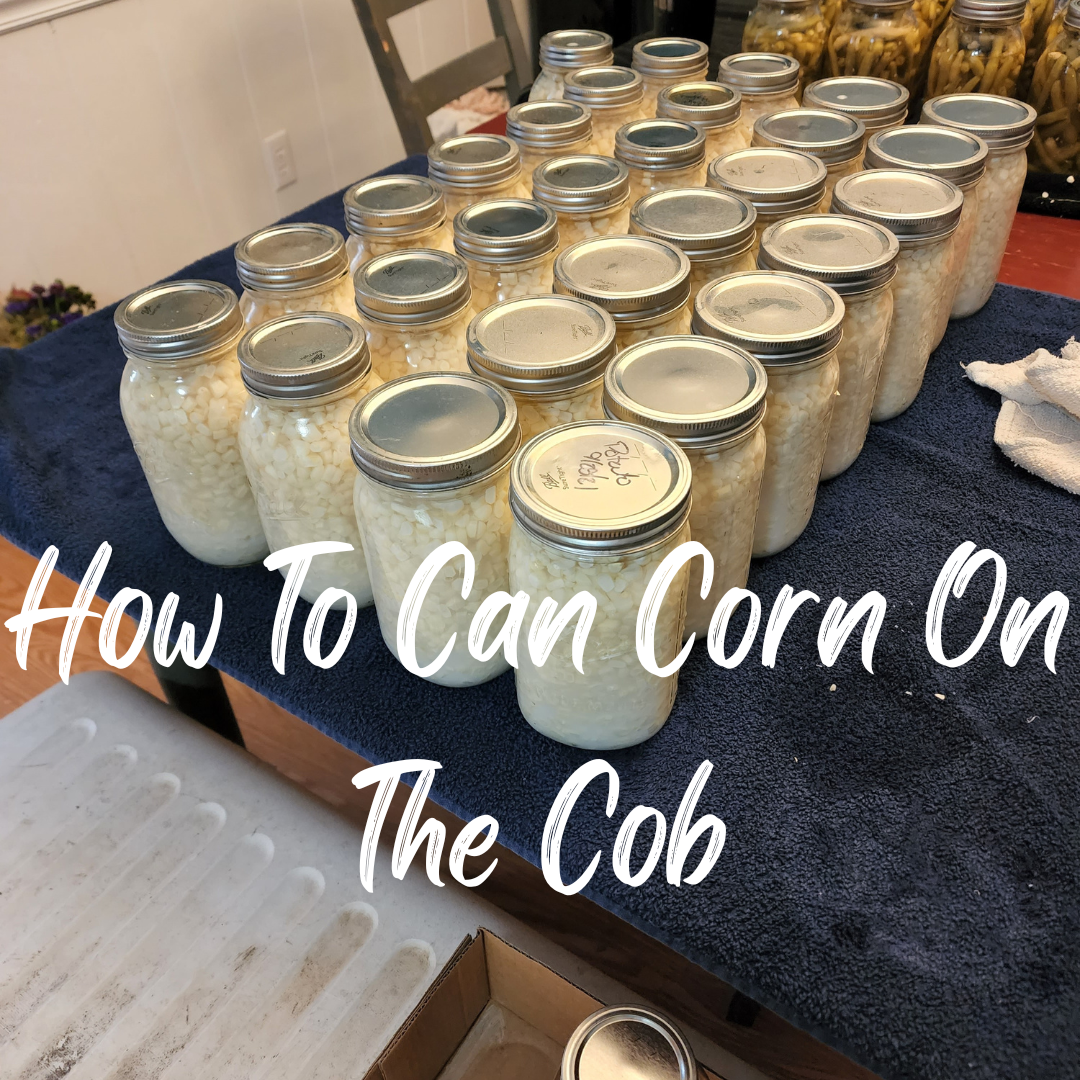
Lastly, I can to help pass the time. Usually I will get about 50# of beans and can them so that I don’t have to mess with them later. Since dried beans are shelf stable on their own, I don’t have to worry about them in the height of canning season (July through September). I will also can soup left overs so that I have extras on hand. And I work on breaking down any bulk purchases of flour, sugar, mesa and rice.

I don’t push canning hard throughout the winter. It’s mostly to help myself out come summer when the very last thing I want to do is deal with what to make for dinner.

Hobbies

One of the best ways to reduce boredom that comes with cabin fever is to work on your hobbies. I am a reader and consume (physical, eBook, and audio books) about 300 books a year. During the spring and summer, I’m not reading as much unless I’m at work or listening to books while in the garden. But come winter? My butt is planted on the couch and I’m reading like crazy.

I also crochet during the winter to keep my hands busy to give my eyes a rest if I’ve been reading a ton. Plus, who wants to be under a huge blanket in the heat of summer…. not me.

If you don’t have a hobby, I highly suggest getting one. It’s not healthy for your entire personality to be a homesteader. Trust me.

Whatever you do to deal with cabin fever, just remember it’s temporary. The spring and summer rush will come and you will be praying for the boredom of winter. Be sure to leave a comment below about how you deal with cabin fever!

If you like the content I put out, feel free to buy us a coffee! It helps keep this site running, marketing and the goats in grain!

Buy me a coffee

If you like this post, feel free to share it and follow us below on our social media accounts!

  • Facebook
  • Pinterest
  • Instagram
  • YouTube
  • TikTok
  • Spotify
  • Threads

Filed Under: How To's, Our Homestead Tagged With: Canning, Chickens, cooking, Goats, Homestead, kitchen

JOIN TO OUR MAILING LIST!

Leave us your email to receive new posts and special offers for members only! Don't miss a thing!

Recent Posts

  • Fall Garden Guide
  • Top Mistakes With Goats
  • How To Bond With Your Goats

Master Planting List

January 11, 2025 by Leigh Leave a Comment

Over the last several years, I have tried to figure out the best way to help new gardeners, garden effectively. Sometimes it helps new gardeners, other times? Maybe not so much. So today, I am going to give you my master planting list for my family of 4 and livestock. I’m also going to give you what I would have done differently if I needed to start over with the knowledge that I have now.

cropped-3.jpg

Are you looking for garden journal prompts, but aren’t interested in a weekly email? Check out our 365 Garden Journal Prompts! This is an amazing, all in one, yearly product that you only pay for once.

Buy Now!

My Master Planting List

The biggest problem with new gardeners that I have learned is that people expect gardening to be easy and then get discouraged when they struggle. They think they have a black thumb and give up. Or, the exact opposite happens. They have a GREAT year, and are overconfident next year. But if you aren’t exactly sure where you fall because this year is your first garden, let me help you out.

In this blog post, I am going to give you my master planting list but also how to figure out exactly how much space you need, how many plants to start or purchase, and then finally, how to put it all together.

How Much Space

Realistically, you only need about 100 Sq Ft (10ft x10ft) of space per person for a fresh eating garden. If you are looking to put up food for winter, then you need about 200 Sq Ft (10×20). This is going to vary greatly based the space you have, what you are growing, and how much meat you consume.

But what you “should” have may not be what you actually have. So how can you increase your space? Container gardens are a great option. Especially if you are focusing on fresh eating. A 5 gallon bucket with good soil and drainage can easily grow a tomato plant and it only has about a 12 inch footprint. And with vertical support, a cucumber plant can easily trellis and give you a ton of food.

Another thing to consider is adding additional plants within a space. A good example of this is planting green beans with tomatoes. A tomato needs about 12-18 inches of space between tomato plants. But that doesn’t mean that those 12-18 inches needs to be empty. You can plant something else in between those tomatoes.

As you stretch your gardening muscle and learn what works and what doesn’t, you will find more space for more plants.

How Many Plants

This is the nitty gritty of what everyone really wants to know when it comes to new gardeners. How many plants do I need…? There are a ton of formulas to figure this out, and to be honest, they are all really useful. And completely overwhelming.

If you are starting from scratch and you don’t have a clue what is going on, that’s totally ok. My rule of thumb is a minimum of 1 plant per person. At the very least, this gets you started on a garden and gives you plenty of information for your next garden.

If you are a family of 4, this means 4 tomato plants. If well cared for, that tomato plant will yield you about 25 to 40# of tomatoes depending on variety. But this doesn’t work well for say corn which only gives 1 or 2 ears of corn per stalk.

You will have to do some research about what you eat, what you are comfortable preserving, your space, etc. Which is why I say that you have to work on your gardening skills.

Putting Your Garden Together

First, let’s say that you have a 25ftx 50ft space that you can convert into a garden and are a family of 4. Then let’s say that you are not super comfortable with pressure canning but you have plenty of freezer space. Here is what I would plant within my garden:

50 Tomato Plants- That is 1 row in my garden and will give me approximately 400# for fresh eating and preservation. I can water bath can tomato sauce, dice tomato, and salsa.

4 Cucumber Plants- If put on a fence, cattle panel or something to get it off the ground, it will take up 4 sq ft and yield approximately 100#, if well cared for, for fresh eating and livestock food. If picked small, you can pickle them for shelf stability.

4 Zucchini or Summer Squash Plants- This will take up approximately 8 sq ft and yield approximately 40# of squash if reasonably cared for. Summer squashes do not can well but if flash frozen does well in the freezer to be used in soups and stews. Excess can be given to livestock.

50 Corn- Plant in a square instead of a row to increase pollination. This will yield between 50-100 ears of corn. It can be eaten fresh OR decobbed and put in the freezer for later. Cobs, husks and silks can all be fed to livestock.

8 Ft (16 plants) Green Beans- If you really like green beans and you have room, add more. They only need about 6in between plants. Green beans are super easy to grow, are delicious and usually yield about 1/2# per plant, if well cared for. They also hold up well to being frozen. Unfortunately, you should pressure can green beans.

8 Ft (16 plants) Peas- Now, peas are a cool ish weather crop. So make sure that if you are planting them in the summer, they are in shade and get well watered. Shelling peas usually yield about 2# for 16 plants but this will vary on variety and care.

10 Pepper Plants- If you don’t like peppers, plant extra tomatoes. Peppers do not need or want a ton of water and usually do well in high heat, high sun areas. You will get about 200 hot peppers or about 70 bell or sweet peppers with 10 plants. Peppers do not can well unless they are in something like salsa or relish. But they do freeze or dehydrate extremely well.

10 Potato Plants- Potatoes are the unsung hero in a world that tells us starch and carbs are bad for us. Personally, I freaking love potatoes and could eat them every day. Regardless, potatoes yield about 10# per plant and can store in a cool dry place for months. If you get an indeterminate variety, that number goes up to about 15#. You can pretty much forget about your potatoes and are all but guaranteed to get something.

Tips From A Not So Master Gardener

  1. Start where you are and learn as you go.
  2. Don’t panic if you can’t do all organic, everything. Simply growing your own food is better than nothing.
  3. Gardening should be fun, not a horrible chore.
  4. Gardening is not intuitive, it is a skill and should be treated as such.
  5. WRITE IT DOWN! Trust me, you will not remember.
  6. Learn to save seeds, but don’t sweat it if you can’t.
  7. Start small and grow as you learn.
  8. Gardening is not easy.
  9. Mulch is your friend.
  10. Learn to grow your own soil!

If you like the content I put out, feel free to buy us a coffee! It helps keep this site running, marketing and the goats in grain!

Buy me a coffee

If you like this post, feel free to share it and follow us below on our social media accounts!

  • Facebook
  • Pinterest
  • Instagram
  • YouTube
  • TikTok
  • Spotify
  • Threads

Filed Under: Garden, Homestead Planning Tagged With: cooking, Garden, Homestead, livestock, Planning

JOIN TO OUR MAILING LIST!

Leave us your email to receive new posts and special offers for members only! Don't miss a thing!

Recent Posts

  • Fall Garden Guide
  • Top Mistakes With Goats
  • How To Bond With Your Goats

How To Can Corn

December 21, 2024 by Leigh Leave a Comment

Jump to Recipe

Whether you got a great deal at the grocery or your garden has exploded, learning what you can do with surplus corn is great. There are so many uses for corn; feed for livestock, food for people, dry it for popcorn or dry it for corn meal. The options when it comes to corn are endless. But today, I want to show you how to can corn.

What do you need?

Corn- We had approximately 120 ears of corn and it didn’t take us long to get it all processed. It also yielded us 32 quart jars

A Pressure Canner– we have two of these that run pretty much non stop since they only hold 7qts each

Canning Tools

Jars– Pints or quarts will work

Either a corn de-cobber like this or a knife and a bunt pan

Salt is optional. We don’t use it but if you want to, make sure you have enough salt for the amount of corn you have

Don’t forget to add these items to your Walmart cart and have them do the shopping for you! It saves time and a ton of money.

Shucking Your Corn

120 ears of corn is a lot and I absolutely despise shucking corn. I will snap green beans until my fingers fall off, but shucking corn? No thank you. This is usually Jared’s job because he really enjoys it. It’s his version of green beans. If I had two bushels of green beans to go through, and he had two five dozen bags of corn? We would be in heaven. We both turn our brains off and let the beauty of our homestead take over.

After he shucked all the corn, he put it into our huge cooler filled with water. The husks and silks go to the chickens and compost for the garden. I guess we could have given it to the goats but they weren’t interested in the husks.

De-Cobbing Your Corn

There’s a million ways to skin a cat, and getting kernels off a corn cob is no different. We have tried a ton of different gadgets over the years. To be honest, the best one we have found is a knife. Those gadgets may work for a specific size of cob, or only once. The knife is going to work 100% of the time. So if you want to “waste” your money, any of those linked will work…. maybe.

We use a knife and bunt pan or just a knife and a cookie sheet. Nothing fancy. The downside of using this method is that it can dull your blades because you are constantly smacking the knife into the metal. But I like sharpening my knives so that’s not a deal breaker.

Tractor Supply

As you are getting all those delicious kernels off your cobs, keep in mind that the corn milk will spray EVERYWHERE. Don’t keep open drinks, electronics or anything that shouldn’t get wet anywhere near where you are working. Oh, and it’s extremely sticky.

As we de-cob the corn, we put all the kernels in a smaller clean cooler filled with clean water. This starts the soaking process.

After the corn has soaked for thirty minutes to one hour we will either change the water and let it soak again or we will go ahead and get it into jars. The reason we would resoak is if the water was completely white. If you don’t want to soak, don’t mind the milk, etc. Don’t soak or resoak. It won’t hurt anything.

Prepping For Canning

Once your kernels have soaked, it’s time to get them into jars. The first step to this is to make sure your jars are clean with no chips, cracks, dings, or dents. Usually, I just give them a quick wash and let them dry while I’m getting my canner ready.

I have two Presto 16qt canners and they hold seven quart jars. So when I can corn, it’s a multi day process. I also have a three burner camp stove that I can on to help keep the heat down in the house. I’m hoping to get one of these bad boys soon, but at $500 it’s a little steep right now. The trade off is the ability to stack quart jars in it.

Logo 468x60

Getting my canner ready simply means making sure that the canner is safe to operate per my manuals instructions. Mine uses 3qts of water and once that’s in, I put it on the camp stove to get it boiling.

Back to the kernels, I start draining/straining out the kernels from the water and adding them to my jars. Once filled to a 1″ headspace, I add fresh water, wipe the rim with a damp vinegar rag and place the lid and ring. Remember only fingertip tight. That means you should only use your finger tips to tighten the ring, not your bicep.

They go into the canner as they are ready. Once my canner is filled and the water is ALMOST boiling, I will put the lid on and lock it. I usually let me canner vent for 5-10 minutes depending on how full it is. Meaning, if it’s filled with pints, I usually go 10 and quarts 5. But follow your canners instructions. Place your weight and wait for your weight to jiggle or rock. Then slowly start to lower the stove temp until the weight is barely moving. We don’t want the weight to blast off into space.

Tractor Supply

Corn is processed at 55 minutes for pints and 85 minutes for quarts at 10# but if your elevation is over 1000 feet, go with 15#.

I also have a quick reference guide that you can download get in my members only section. Sign up below and you will be emailed the password.

It’s Done Processing, Now What?

Depending on your set up, you can just turn the burner off and let the canner depressurize naturally. Or if you have a camp stove and the other side is in use, you can CAREFULLY move the canner somewhere it can cool down. When I say careful, I mean be friggin careful! Seriously, no one needs to have their face melted off because the weight moved. If you’re using your stove at home, do not slide it. Pick it up. If you can’t pick it up. Just don’t even touch it. Seriously, it’s not worth the risk.

After the canner has cooled and the pressure valve has dropped, you can crack the lid and allow some heat to escape. I usually wait 10-20 minutes and then remove the lid completely. Once the contents have stopped boiling, I will unload the canner and place all the jars on a toweled surface.

That’s it!

It’s not hard to can corn at home. And it definitely beats store bought every day. But I’m sure you have some questions. So…..

How many ears fit into a quart or pint jar? It takes approximately 4 ears of corn per quart or two per pint…. Ish

Do you use salt? We don’t, but that’s only because we choose to season our food when we cook it.

Is there a zero waste method? Sure, you can boil down the cobs and make corn cob jelly. You can also drink the milk. Our zero waste method is to give it all to the animals. They love it.

What if I don’t like canned corn? You can absolutely freeze it instead. Just layer a cookie sheet with parchment paper and do a single layer of corn. Once frozen, put into a freezer bag.

What if I have extra jars but not a full canner? You can put them in the fridge for immediate eating or you can freeze them. Another option is to can water. This will give you sterile water in case of emergencies.

What if I don’t have coolers? Or a big cooler? Work in batches. If we know that each jar takes approximately 2-4 depending on the jar, then only do a full canner full at a time, and store the rest in the fridge. You can also use a clean sink.

If you like the content I put out, feel free to buy us a coffee! It helps keep this site running, marketing and the goats in grain!

Buy me a coffee
  • Facebook
  • Pinterest
  • Instagram
  • YouTube
  • TikTok
  • Spotify
  • Threads

Canning Corn on the Cob

This is the fastest and easiest way to can corn on the cob
Print Recipe Pin Recipe
Ingredients Equipment Method

Ingredients
  

  • 1 Corn on the cob
  • 1 Tbsp Per Quart jar Optional

Equipment

  • 1 Pressure Canner
  • 1 Canning Tools
  • 1 Jars Look in the post above for the rough conversions on how many jars you will need

Method
 

  1. Start by shucking your corn and getting as many of the little hairs off.
  2. Grab either your de-cobber or knife and start cutting the corn off the cob. This can be tricky so watch your fingers.
  3. Place corn in clean water to help get the milk out. You may have to rinse and repeat if your corn was really milky
  4. Using funnel, scoop corn into jars leaving 1" headspace
  5. Fill with water again, leaving 1" headspace.
  6. Remove any bubbles with chopsticks, straw, or other debubbling tool
  7. Wipe rim with damp vinegar towel.
  8. Add lid and ring and put into canner
  9. Fill canner with water to manufacture recommendation. Ours is 3 quarts
  10. Set it on the stove and get the water heating, we usually put ours on high as we are loading it
  11. Once the canner is loaded, place your lid per manufacture instructions.
  12. We let our canner vent for 5-10 minutes then place the weight on the vent pipe.
  13. Once the weight starts rocking, slowly decrease the stove temp until the weight is just barely rocking.
  14. Let this process for 85min for quarts and 55 for pints
  15. Once the time is done, remove from heat and let the canner cool and depressurize naturally. This usually takes about 30-45min depending on processing time
  16. Once the canner is safe to open, remove lid and, if the contents of your jar are not obviously boiling, pull the jars out with the jar grabby thing and place on a towel to cool completely
  17. Remove rings and wash threads. Corn is extremely sticky so the rings may be hard to remove. Not doing so can lead to mold, rust and rotten food.
  18. Wash the threads of your jar (where the rings were) with warm soapy water. Write the date and store

Filed Under: Canning, Canning Recipes, Recipes Tagged With: Canning, Chickens, cooking, Goats, Homestead

JOIN TO OUR MAILING LIST!

Leave us your email to receive new posts and special offers for members only! Don't miss a thing!

Recent Posts

  • Fall Garden Guide
  • Top Mistakes With Goats
  • How To Bond With Your Goats
  • Page 1
  • Page 2
  • Page 3
  • Interim pages omitted …
  • Page 5
  • Go to Next Page »

Primary Sidebar

WELCOME

WELCOME

My name is Leigh and I am the lead chaos creator here at Steel Raven Farms. You will see throughout this blog that I am the crazy goat lady.

I am married to my high school sweetheart, Jared and we have two amazing boys.

FOLLOW ME

  • Amazon
  • Facebook
  • Instagram
  • Pinterest
  • TikTok

GET UPDATES!

Leave us your email to receive new posts and special offers for members only! Don't miss a thing!

In all the years that I’ve been growing a garden, the fall garden has steadily remained my favorite. Which is funny because I don’t really like any of the brassicas, which is what most people know the fall garden for. I prefer the root vegetables and cool air. But I have learned over the years…

Read More

  • Animals
    • Chickens
    • Farm Dogs
    • Goats
  • Garden
    • Compost
    • Garden Projects
    • Seeds and Plants
    • Garden Journal
    • Working With Food
      • Recipes
      • Freezing Foods
      • Dehydrating Foods
      • Canning Tips And Tricks
        • Canning Inventory Sheets
  • Helpful Info
    • Welcome to the Homestead!
    • Emergency Preparedness
    • Frequently Asked Questions
    • Goal Setting
    • Project List
    • Shop Digital Products
      • Hay Calculator
      • Farm Expense And Income Tracker
      • Goat Crash Course: 101
      • Garden Journal Prompts
      • Schedule C Tracker
      • Schedule C Tracker
      • The Homestead Bundle
  • The Truths
  • Episode List
  • Start Here
    • Privacy Policy
    • Affiliate Disclosure
    • Let’s Get in Touch
    • Members Only Library
    • Welcome To Our Homestead

Footer

  • Email
  • Facebook
  • Instagram
  • Pinterest

COME AND GET IT!

Leave us your email to receive new posts and special offers for members only! Don't miss a thing!

· Midnight Theme

Copyright © 2026 · Midnight Theme on Genesis Framework · WordPress · Log in