• Skip to primary navigation
  • Skip to main content
  • Skip to footer

Steel Raven Farms

Where muck boots meet ground.

  • Animals
    • Chickens
    • Farm Dogs
    • Goats
  • Garden
    • Compost
    • Garden Projects
    • Seeds and Plants
    • Garden Journal
    • Working With Food
      • Recipes
      • Freezing Foods
      • Dehydrating Foods
      • Canning Tips And Tricks
        • Canning Inventory Sheets
  • Helpful Info
    • Welcome to the Homestead!
    • Emergency Preparedness
    • Frequently Asked Questions
    • Goal Setting
    • Project List
    • Shop Digital Products
      • Hay Calculator
      • Farm Expense And Income Tracker
      • Goat Crash Course: 101
      • Garden Journal Prompts
      • Schedule C Tracker
      • Schedule C Tracker
      • The Homestead Bundle
  • The Truths
  • Episode List
  • Start Here
    • Privacy Policy
    • Affiliate Disclosure
    • Let’s Get in Touch
    • Members Only Library
    • Welcome To Our Homestead

Garden

What Is A Fall Garden

August 10, 2024 by Leigh Leave a Comment

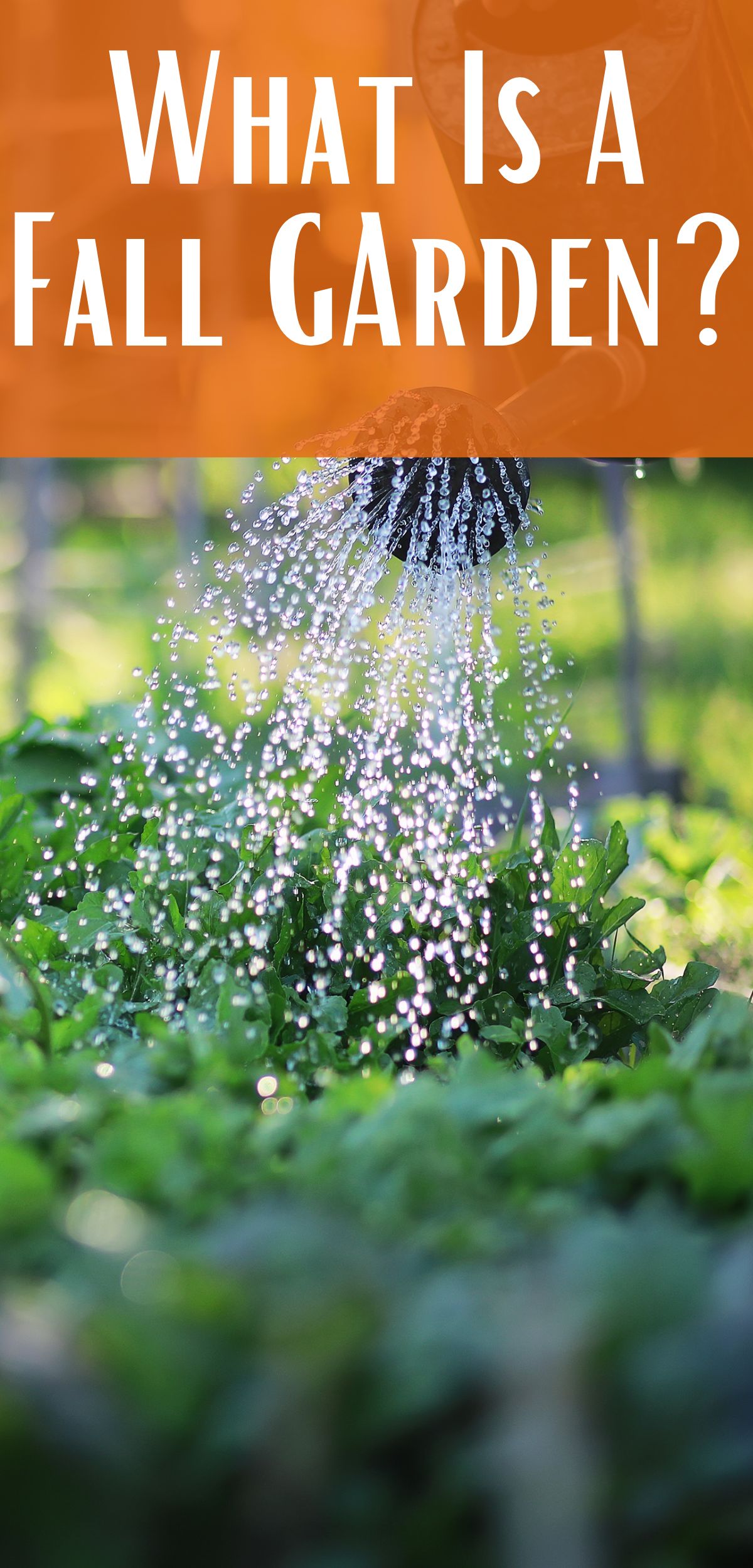
A fall garden is exactly what it sounds like, a garden that you grow in the fall. For those of us with extremely hot summers and no spring to speak of, fall is when we grow our cold/cool weather crops. Our winters aren’t as harsh so we can feasibly grow throughout the winter if we take some extra precautions. If you are looking to grow a fall garden, keep reading!
cropped-3.jpg

Are you looking for garden journal prompts, but aren’t interested in a weekly email? Check out our 365 Garden Journal Prompts! This is an amazing, all in one, yearly product that you only pay for once.

Buy Now!

What Is A Fall Garden?

Here in Georgia, our spring is not really spring. It’s a constant fluctuation between summer and winter… Most likely all four season in one day. From March until about mid May, we are struggling to figure out how to dress. Jeans, sweatshirt and boots in the morning, then tank tops and shorts in the afternoon, and back to winter clothes in evening/ night. It’s ridiculous. But in the fall, it is a mostly gradual decline in temperatures.

That means that we can actually get a cool weather garden in and will continue to produce, even into winter.

What To Plant In A Fall Garden

All cool weather things get planted in a fall garden. Brassicas like cabbage, cauliflower, broccoli, and brussel sprouts are great for fall gardens because you are less likely to have them bolt before they are ready.

Next are your root vegetables. These are things like carrots, radishes, turnips, beets, rutabagas and kohlrabi are fantastic in the fall garden. Not only do they grow well, but they taste better after a few frosty nights. I also like to plant leeks in the fall because they are hardy enough to handle the temps but they also taste a lot better too.

Finally, everything else. This includes greens like lettuce, kale, spinach, etc. Then you’ve got peas and some green bean varieties.

cropped-3.jpg

Are you looking for garden journal prompts, but aren’t interested in a weekly email? Check out our 365 Garden Journal Prompts! This is an amazing, all in one, yearly product that you only pay for once.

Buy Now!

When To Start A Fall Garden

This is really going to depend on your climate and what you are looking to plant. For our first frost dates (Oct 31 to Nov 15), we will plug in “how many days till (date)” into Google to see how many days we have.

For example, if we are wanting to start our seeds on August 15th, I would type into Google “How many days from August 15 2024 to November 15 2024?” Google spits out the answer of 92 days. Then I can start figuring out how many days each vegetable needs to get to harvest size. I put those dates and vegetables in my calendar.

If you don’t want to deal with all that, seedtime.com is a great way to put in what you want to grow, your frost dates and it will give you all the information you need.
If you are interested in learning more about my favorite garden planner. I highly recommend Seedtime! This planner has been instrumental in helping me plan out my gardens with WAY more efficiency than I could ever expect! It has also reduced overwhelm, stress, and calmed my ADD/ADHD!

More Info!

Starting To Rotate Out The Summer Garden

One of the hardest things to figure out is how in the world you are going to start taking down old plants and putting in your fall garden. It’s hard to cut down old plants to put in your winter garden. But it still needs to be done, especially if you have limited space.

I have a few guidelines for taking down plants that may help you. First is figuring out if the plant is healthy. If not, it’s got to go. Second, have I harvested all I need from that plant. When you are drowning in tomatoes, squash, cucumbers and put up all you need for winter, go ahead and pull the plant. Third, is what I am planting going to be “better” than what I’ve already got.

That last one is a little harder to figure out. You’ve got to make the decision on whether or not planting a cabbage plant is worth pulling tomatoes. Well, if you have put up all the tomatoes you need, or are over eating fresh tomatoes, then yea, pulling the tomato plant would be worth it. While tomatoes may be good right now, cabbage will be better in 60-120 days. So you’ve got to weigh what you have now vs what you will need in a few months.

Are you getting overwhelmed in the garden? Stressed? Or just not enjoying the garden like you used to? Check out our garden prompts! We send out weekly emails that get you back in the garden and out of your head! Turn the garden back into a place of love and joy instead of frustration and headache!

Subscribe Now!

When To Start Seeds/ Plants

One of the biggest issues you are going to have as a fall gardener is finding plants. Your best bet is to order seeds now (in July/ August) for fall starts. It is not likely that your local big box store is going to have many, if any, transplants come September.

For my climate and frost dates, I usually start my seeds around August 15th. This gives them plenty of time to get first leaves and grow a bit before I put them in the ground. Usually, mid to end September is fall garden planting for us so that gives those seeds about 6 weeks to really get going.

Also, really think about what you are purchasing if you manage to find a store that is selling plant starts. You can purchase a head of cabbage from the store for around $3. But a plant start is going to be around $5 for the plant. That doesn’t even make financial sense. Especially when you can purchase a pack of cabbage seeds for $3-4 and get about 30 or more plants.

If you are looking for a great way to keep track of your gardens for years to come, check out our Digital Garden Journal. It’s a digital spreadsheet that helps you manage not only your seedlings but also your seed inventories, soil testing, orchard, harvests and so much more.

Buy Now

When To Plant A Fall Garden

Planting a fall garden is going to rely heavily on your climate and garden. For us, seedlings started plants in August is a no no. They will bolt before they ever really get going. Or they will stunt because it’s still so hot. But I can direct seed after August 15th and by the time those plants germinate and start really going, we will cool down.

Just like in the summer garden, we have to watch the weather to make sure that we aren’t jumping the gun. It is a gamble to plant too early and risk everything dying because of the heat. A started plant won’t go in the ground until we are regularly under 80*, preferably under 75*. Shade cloths are a great way to help with this.

For us, this generally looks like starting seeds in August and planting mid to end September.

The Ultimate Homesteader’s Starter Bundle – Only $47!

Get the tools you need to stay organized, track profits, and manage your homestead with ease!

Includes:
✅ Schedule F Tracker – Simplify tax prep
✅ Profit Calculator – Track earnings
✅ Hay Calculator – Plan livestock feed
✅ Garden Journal – Digital & printable
✅ Herd Health Tracker – Monitor animal care
✅ Simple Budget – Manage finances
✅ Backyard Homestead eBook – Essential tips

$99 value – now just $47! Start your homesteading journey today!

Buy Now

Precautions For A Fall Garden

Precautions can look very different for everyone and even different for different parts of your garden. Some of the precautions we take is making sure to start seeds indoors until they have sprouted. Then we put them in a shady, cool area in the greenhouse. This sucks because the whole purpose of the greenhouse is to keep plants safe from Blu and Fenrir. But if it’s too hot, they won’t germinate. So into the house they come until it’s safe to put them outside.

Another precaution we take is watching the weather like a hawk. We look at 10 and 30 day forecasts to help make the best judgements on when to direct sow and when to transplant. Now, we live in Georgia so the weather is unpredictable, till it’s not. We know that summer is hot and winter is cold. But spring and fall are the wild cards. We could have a 90* day in November or a snow storm on March 1st.

If you did mess up your dates, or the weather didn’t cooperate, and you end up with super hot days, or freezing temps, don’t fret. At least not yet. You can mulch to help keep the ground cool and water plentiful. You can also water more often to help keep plants healthy. Another option is putting up shade cloth. This will help make sure that the plants don’t get scorched by the heat.

If it’s supposed to freeze or frost, and you have some plants that are a little too tender for that, you can throw sheets or blankets over the plants to help insulate them. I’ve used gallon jugs filled with water and set them between plants with a blanket over them to help keep them freezing. It works well for nights were we are going to get under freezing. But it’s not foolproof and you may still end up with damage.

I hope this helps!

Fall is the best time to garden because you have the ability to actually enjoy the garden without dying of heatstroke, getting eaten alive by bugs, or worrying about scorching your garden. So don’t forget about the fall garden!

If you like the content I put out, feel free to buy us a coffee! It helps keep this site running, marketing and the goats in grain!

Buy me a coffee

If you like this post, feel free to share it and follow us below on our social media accounts!

  • Facebook
  • Pinterest
  • Instagram
  • YouTube
  • TikTok
  • Spotify
  • Threads

Filed Under: Garden Tagged With: compost, Fall, fall garden, Garden, Homestead

JOIN TO OUR MAILING LIST!

Leave us your email to receive new posts and special offers for members only! Don't miss a thing!

Recent Posts

  • Fall Garden Guide
  • Top Mistakes With Goats
  • How To Bond With Your Goats

What Is Full Sun

August 3, 2024 by Leigh Leave a Comment

Recently, I saw a meme on social media that had a cartoon picture of a garden where the plants were wilted and either steaming or smoking and the sun was shining bright. The caption read, “Full Sun doesn’t mean full sun in Georgia.” and man, that couldn’t have been more accurate. But it got me thinking about all the new gardeners out there that have no idea what the difference is between full sun, partial sun, and shade AND how it relates to their own climate. So today we are going to go over what is full sun but also what it means if you live in a HOT place.

cropped-3.jpg

Are you looking for garden journal prompts, but aren’t interested in a weekly email? Check out our 365 Garden Journal Prompts! This is an amazing, all in one, yearly product that you only pay for once.

Buy Now!

What IS Full Sun

Full sun is an area that receives direct sun for at least six hours. But there is so much more to it than that. Just because a plant label or seed packet says it requires full sun doesn’t mean that you need to plant it in the brightest part of your garden or yard. There’s also partial sun and shade labels. But the most important part of those labels isn’t necessarily full sun, partial sun or shade, it’s YOUR climate in relation to those labels.

The Ultimate Homesteader’s Starter Bundle – Only $47!

Get the tools you need to stay organized, track profits, and manage your homestead with ease!

Includes:
✅ Schedule F Tracker – Simplify tax prep
✅ Profit Calculator – Track earnings
✅ Hay Calculator – Plan livestock feed
✅ Garden Journal – Digital & printable
✅ Herd Health Tracker – Monitor animal care
✅ Simple Budget – Manage finances
✅ Backyard Homestead eBook – Essential tips

$99 value – now just $47! Start your homesteading journey today!

Buy Now

All Full Sun Is Not The Same

I’m pretty sure that those plant labels are for people that live in climates that don’t feel like Satan’s armpit during the summer. I feel like they are probably for people that live in climates that have all four seasons. Not those of us who live in the south. Because full sun in Pennsylvania is not the same as full sun in Georgia or Texas. To be honest, Texas full sun and Georgia full sun are totally different.

To give you an example, we planted 4 4x20ft beds with tomatoes. One of those beds is in full direct sun for about 8 hours. Those plants are scorched and the beds require more water than any of the others. Another bed is about 15 ft away, and only a 8ft section receives full sun, the rest is shaded for most of the day. That 8ft section is totally scorched. But the plants that are right next to those scorched plants in the shade? Growing beautifully.

Why? Because in the south, we get a lot more direct sun because of angle of the Earth in relation to the sun. We may not get the same amount of sun, but we do get more of a direct hit. There’s whole science behind it, but in the end the important thing to know is that our summers are hotter because our section of the planet is angled towards the sun.

Are you getting overwhelmed in the garden? Stressed? Or just not enjoying the garden like you used to? Check out our garden prompts! We send out weekly emails that get you back in the garden and out of your head! Turn the garden back into a place of love and joy instead of frustration and headache!

Subscribe Now!

Understanding Full Sun

No matter where you live, you could be dealing with scorched plants if you aren’t paying attention to your labels. I once put a Boston Fern in my greenhouse and forgot about it. Needless to say, I no longer have a Boston Fern.

But one of the biggest misconceptions about full sun is that you need 6 hours of direct sun… in a row. This is not the case. In fact, this couldn’t be further from the truth. Unless otherwise noted on those labels, ambient sunlight is more than sufficient for many plants. And 2 hours in the morning and then another 4 in the evening is perfectly fine for most full sun plants, if you live in a really hot place.

Off the top of my head, the only plants that I know can handle full sun would be peppers, okra, and corn. Beyond that, if you don’t give other plants some sort of shade they will scorch.

goat kidding

Before we get too far into this, I have a great course on the basics of goat care. I call it Goat Crash Course: Goat 101. In this course, I explain things like types of shelter, types of feeds and hays, basic assessments and so much more! Check it out!

Buy Now

Creating Shade

Creating shade is a necessary evil for a lot of us. We are lucky that we have a ton of trees in and around our gardens. This allows for most of our beds to be in shade or ambient sunlight. But those few beds that are in full sun? We have to create shade for them.

Shade cloths are a great way to reduce the amount of sun your plants are getting. They come in a variety of different sizes and strengths. This shade cloth is 40% and great for things that require “full sun” but you live in an oven. You can get other percentages up to 90% depending on what you are dealing with. I recommend 90% for things that are sun fragile like beans, some squashes, flowers, and the like. But any shade will be better than none.

cropped-3.jpg

Are you looking for garden journal prompts, but aren’t interested in a weekly email? Check out our 365 Garden Journal Prompts! This is an amazing, all in one, yearly product that you only pay for once.

Buy Now!

Why Watering Doesn’t Always Help

For most plants, animals and people, it doesn’t matter how much water you give them, too much sun is too much sun. So while you may think “It’s fine, I’ll just water extra”, remember that it may not be enough. We water those super sunny beds every other day or every day if necessary and they still wilt and die.

Also, pay attention to your rain cycles to know how often to water your plants and when to water your plants. In Georgia, we cannot water our plants in the morning because they will scorch. Specifically for us, we can’t water overnight because we will get mildew, rot, or other fungus. Really the only time we can safely water is in the evening when the sun is starting to go down but it’s still warm.

Are you getting overwhelmed in the garden? Stressed? Or just not enjoying the garden like you used to? Check out our garden prompts! We send out weekly emails that get you back in the garden and out of your head! Turn the garden back into a place of love and joy instead of frustration and headache!

Subscribe Now!

Understanding Your Climate

If you live in an area that gets hot, I suggest very highly, that you carefully consider your garden placement. You do not need to put your garden in the sunniest spot in the garden if you live in an area where you don’t get a ton of rain, clouds, or it feels like Satan’s armpit from May to September.

Instead, pay attention to what your weather looks like. For example, Florida, Arizona, New Mexico, Texas, and other super hot places, garden in the winter because it is just too hot to grow anything in the summer.

If you are interested in learning more about my favorite garden planner. I highly recommend Seedtime! This planner has been instrumental in helping me plan out my gardens with WAY more efficiency than I could ever expect! It has also reduced overwhelm, stress, and calmed my ADD/ADHD!

More Info!

What Is Full Sun For You

At the end of the day, full sun is not the same for everyone. The angle of the Earth, the direction of the sun, and your specific location all matter in determining if your plants, on YOUR property, will get too much or too little sun.

So if you haven’t set up your gardens yet, I would recommend putting one of these outdoor thermometers and set it to where you want your gardens. See how hot it actually gets and figure out if that is too much or too little heat in that area.

But the reality is that it may be easier to get a couple of plants and put them in that area. If they scorch, wilt or don’t do well, that may be too much sun for that area. It’s not a deal breaker to put a garden there, but you need to be ready to install shade cloths or consider planting trees around that area.

If you like the content I put out, feel free to buy us a coffee! It helps keep this site running, marketing and the goats in grain!

Buy me a coffee

If you like this post, feel free to share it and follow us below on our social media accounts!

  • Facebook
  • Pinterest
  • Instagram
  • YouTube
  • TikTok
  • Spotify
  • Threads

Filed Under: Garden Tagged With: full sun, Garden, Goats, vegetables

JOIN TO OUR MAILING LIST!

Leave us your email to receive new posts and special offers for members only! Don't miss a thing!

Recent Posts

  • Fall Garden Guide
  • Top Mistakes With Goats
  • How To Bond With Your Goats

What to Plant in Your Vegetable Garden

July 30, 2024 by Leigh Leave a Comment

If you are new to gardening or homesteading, and you’ve been breaking your brain trying to figure out what to plant in your vegetable garden, allow me to help you! The main things I look at when planning a garden is what do I want to eat, how much space do I have, and leave room for experimenting.

cropped-3.jpg

Are you looking for garden journal prompts, but aren’t interested in a weekly email? Check out our 365 Garden Journal Prompts! This is an amazing, all in one, yearly product that you only pay for once.

Buy Now!

What To Plant In Your Gardens

Through the years, various gardens and designs, I have figured out a few things about gardening. The first is to always give more space to fruits and vegetables that you know you like. Next, is to figure out how much space I am willing to give to the stuff I like, but also the things I want to try. Finally, what do I want to try and grow.

I found Southern Dreams Homestead to have a great article for beginners and their gardens. They have a ton of great information and it’s really helpful if you don’t know what you’re doing. Learning and Yearning also has a great article about getting started with organic gardening.

cropped-3.jpg

Are you looking for garden journal prompts, but aren’t interested in a weekly email? Check out our 365 Garden Journal Prompts! This is an amazing, all in one, yearly product that you only pay for once.

Buy Now!

What fruits and vegetables do you like?

This is a very serious question that people usually get tripped up on. I despise raw tomatoes. I do not want it anywhere near my hamburger or salad. BUT I absolutely love salsa, ketchup, BBQ sauce, and more. That means I should probably not plant a ton of slicing tomatoes and plant more sauce or paste tomatoes. While, yes, Jared loves to eat raw tomatoes, he is the only one. So it doesn’t make a lot of sense to plant an entire row of slicers just for him. 

To figure out what to plant in your garden, I would sit down and really think about all the fruits and vegetables you like to eat. Then, I would think about all the cooked versions of those foods you like. Do you like pasta sauce? That’s tomatoes, peppers, onion, garlic, basil, oregano, etc. If you have the space in your garden to grow those things. Then do it!

Another thing to consider is your animals. If you have chickens or goats, you can absolutely grow extra squash for them. As you are figuring out what to plant, also think about all the things you can grow to help off set your feed bills.

Before we get too far into this, I have a great course on the basics of goat care. I call it Goat Crash Course: Goat 101. In this course, I explain things like types of shelter, types of feeds and hays, basic assessments and so much more! Check it out!

Buy Now

How Much to Plant?

Again this one is pretty simple, it comes down to space and what you like. Going back to my tomato example, out of the four of us, Jared is the only one that likes raw tomatoes. I’m not going to take up an entire row of space for slicers. But what I will do is plant a couple slicers and grape tomatoes so that he has something to snack on. The majority of my tomato space will be taken up with beefsteak or slicers.

But how much to plant? This is a varying formula that takes time to dial in. The best way to do this is to figure out how much each plant should produce and then figure out how much you need. As you grow, you will adjust how much you eat/ use but to start figure out how much you think you’ll eat and how much each plant should grow. Below is a how to become a victim of tomato math.

cropped-3.jpg

Are you looking for garden journal prompts, but aren’t interested in a weekly email? Check out our 365 Garden Journal Prompts! This is an amazing, all in one, yearly product that you only pay for once.

Buy Now!

What is tomato math?

Well, it’s the same as chicken and goat math. If I need two eggs a day for breakfast, I need at least ten chickens. That is chicken math. No, it doesn’t make any sense which is the point. Goat math is a little different because you start with two and then end up with nine and I’m still not really sure how that happened.

Tomato math is simply thinking that 25 plants is not nearly enough to sustain my family’s tomato needs and you end up with 150 plants and a ton of tomatoes. Not to mention trying to figure out what your going to do with 1,2000+ pounds of tomatoes.

The best way to figure out how much you need to plant is simple.

Figure out what the average yield for the type of plant: tomatoes are 8-10# per plant, peas are about 30 plants per person, potatoes are 5-10# per plant and so on. Then figure out how many pounds you need. I know we will go through about 100# per person for potatoes per year for cubed, shredded, whole, and fries. So I need 400#.

Then divide the number of pounds the plant yields to the number pounds you need;

Potatoes- 400/5=80 potato plants.

If you don’t know how many pounds you need, estimate and write down what you planted. When you harvest, write down the weight. Keep an eye on how much you are using and when it’s gone, figure up how many days until your next harvest. This is where garden journals are absolutely necessary!

Our herd health bundle helps you keep track of your herd’s health. Includes the goat assessment, herd check sheets AND Herd Health Tracker!

Buy Now

Experimenting With Your Garden

A lot of times, people only grow what they will eat. And that’s great if you are limited on space. But you are missing out on whole other varieties! I did a podcast about trying different varieties here. We didn’t know that we liked cabbage until we had it, same with broccoli, winter squash, radishes, etc.

Don’t be afraid to give some space to other plants in your garden. If you don’t like them, I’m sure your chickens will love them.

Are you getting overwhelmed in the garden? Stressed? Or just not enjoying the garden like you used to? Check out our garden prompts! We send out weekly emails that get you back in the garden and out of your head! Turn the garden back into a place of love and joy instead of frustration and headache!

Subscribe Now!

Try not to get overwhelmed

I know that is way easier said than done. At the end of the day, even planting one tomato plant is better than doing nothing at all. So don’t sweat it, just get out there and start digging in the dirt and enjoy the wonder of growing your own food.

If you decide to start seeds instead of buying plants, which I highly recommend, The Homesteading RD has a great guide for starting pepper plants. Since my own pepper starts didn’t do so well, I will be using some of these tips next year.

You can start big or small, it’s totally up to you. What you need to remember is that just by planting something you are doing something to decrease your dependency on the grocery store. It doesn’t matter that you didn’t harvest thousands of pounds of food. The reality is that you tried.

If your garden doesn’t produce a ton like you wanted it to, try again. I found these articles helpful for fall planting or just helping your soil through fall. Though Georgia doesn’t have much of a fall, more of a HOT, not so hot, freezing, hot…. you get the picture.

The Ultimate Homesteader’s Starter Bundle – Only $47!

Get the tools you need to stay organized, track profits, and manage your homestead with ease!

Includes:
✅ Schedule F Tracker – Simplify tax prep
✅ Profit Calculator – Track earnings
✅ Hay Calculator – Plan livestock feed
✅ Garden Journal – Digital & printable
✅ Herd Health Tracker – Monitor animal care
✅ Simple Budget – Manage finances
✅ Backyard Homestead eBook – Essential tips

$99 value – now just $47! Start your homesteading journey today!

Buy Now

Other Helpful Tips and Tricks

Over at Vintage Homestead, you can figure out how to take a soil samples. This is great for figuring out if you need extra nitrogen, fertilizer, or other materials added to your garden. Once you’ve taken your samples and have your results you can head over to Learning and Yearning to figure out how to add materials to your soil naturally.

If you’re anything like me and you want to know which plants like rhubarb and help them, head over to The Homesteading RD to take a look at what they have to say.

I am guilty of wanting to mulch everything in the garden and Learning and Yearning has a great article on how to avoid those pitfalls that comes with it.

If you like the content I put out, feel free to buy us a coffee! It helps keep this site running, marketing and the goats in grain!

Buy me a coffee

If you like this post, feel free to share it and follow us below on our social media accounts!

  • Facebook
  • Pinterest
  • Instagram
  • YouTube
  • TikTok
  • Spotify
  • Threads

Filed Under: Animals, Canning, Chickens, Garden, Goats, How To's, Pigs, Projects Tagged With: cooking, Homestead, Organic, Plants

JOIN TO OUR MAILING LIST!

Leave us your email to receive new posts and special offers for members only! Don't miss a thing!

Recent Posts

  • Fall Garden Guide
  • Top Mistakes With Goats
  • How To Bond With Your Goats

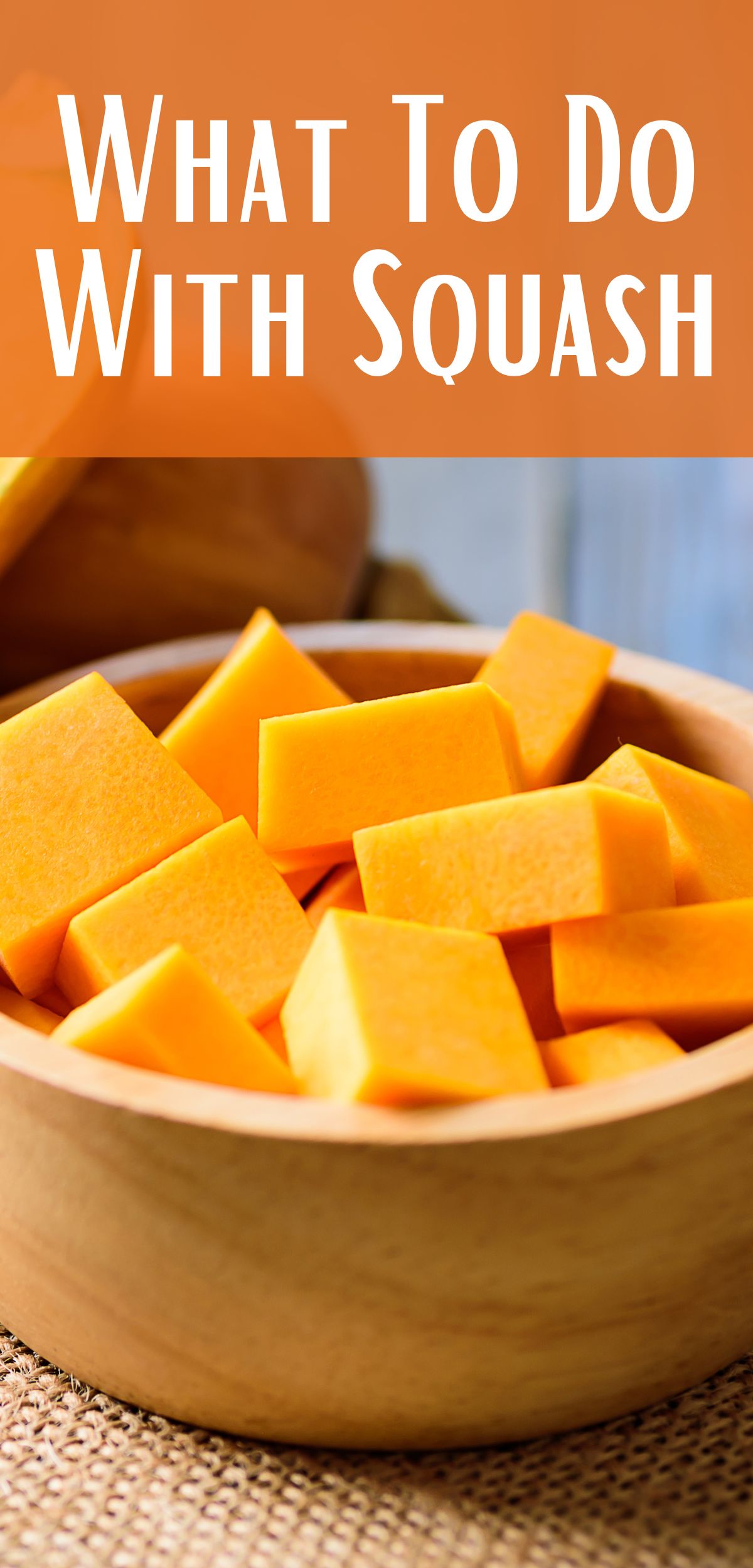
What To Do With Squash

June 25, 2024 by Leigh Leave a Comment

Squash is a very prolific plant for us. We don’t have a ton of pressure from squash bugs, though we do have them. But it doesn’t take long before we are drowning in squash. If you have squash coming out of your ears, you have probably asked the magical Google what to do with squash. I’ve compiled a list of the various things we do with squash that not only feed us but our animals. Plus a bonus on what we do with winter squash.

The Ultimate Homesteader’s Starter Bundle – Only $47!

Get the tools you need to stay organized, track profits, and manage your homestead with ease!

Includes:
✅ Schedule F Tracker – Simplify tax prep
✅ Profit Calculator – Track earnings
✅ Hay Calculator – Plan livestock feed
✅ Garden Journal – Digital & printable
✅ Herd Health Tracker – Monitor animal care
✅ Simple Budget – Manage finances
✅ Backyard Homestead eBook – Essential tips

$99 value – now just $47! Start your homesteading journey today!

Buy Now

What To Do With Squash

Squash is one of the most versatile veggies in the garden. Probably second only to tomatoes and potatoes. It’s a fast growing and productive plant, that if you can keep healthy, will out produce EVERY plant in the garden. But when even you are rebelling against eating one more sauteed squash for dinner, it can be overwhelming.

There are two types of squash; summer and winter. Depending on where you live, you may be able to keep your winter squash without having to do anything with it. I’ll go over more on how to keep winter squash at the bottom of this post. But unless otherwise stated, this post is focused more on summer squash.

But I wanted to go over some of the ways that we use our squash so that we aren’t just throwing out moldy squash. There are three big things that we do with squash, besides fresh eating; freeze it, dehydrate it or give it to our animals.

Before we get too far into this, I have a great course on the basics of goat care. I call it Goat Crash Course: Goat 101. In this course, I explain things like types of shelter, types of feeds and hays, basic assessments and so much more! Check it out!

Buy Now

Freezing Squash

Freezing squash is a great way to extend the shelf life of this beloved veggie. Though there are some considerations. First is that very few things have the best texture when coming out of the freezer. So if that is going to be a problem, then don’t put your entire harvest in the freezer. Also make sure that you are washing your produce before you put it in the freezer!

When we put squash in the freezer, we usually slice it into half inch medallions and lay them on a tray with either parchment paper or silicone mats. This allows the squash to freeze separately before going in a bag. You don’t have to, but it makes thawing a lot easier. We will also cube it or grate it and store depending on what we need it for.

Squash will hold it’s shape well when thawing but it is usually going to taste better in soups, stews, or mashed up. We will use it in stir fry’s and have enjoyed it, but again, remember texture will be a thing.

Lastly, be aware that the more stuff you put in your freezer, the harder it will be to find it later. No matter how well you keep your freezers organized, it’s only a matter of time before you find a 6 year old bag of squash at the bottom of your freezer.

If you are new to heating with firewood and are looking to master the finer points of it. We’ve got a great eBook that goes in depth of what tools you should consider, how and where to stack, how to build a fire and so much more!

Buy Now

Dehydrating It

This is hands down my favorite way to store squash. It takes up less space and uses zero electricity to store. I also love the fact that I can set it and forget it, in the dehydrator. It’s not like it’s going to spoil sitting in a running dehydrator. I use this dehydrator and absolutely love it! Also, I go more in depth about dehydrating foods here.

I will chunk up several trays worth of various squash to put in the dehydrator. Then I turn it on to veggie and let it run until I remember it’s been going for 3 days…oops. Once it’s done, or I remember it exists, I will pump them into half gallon mason jars like this and store.

Now, you can and probably should put oxygen absorbers in there, but usually I don’t. I haven’t found any issues with not doing it. You can also use mylar bags, but I have found that keeping everything in jars is better for my set up. The reason I don’t bother with oxygen absorbers and bags is because I’m not usually storing for more than a year.

Are you getting overwhelmed in the garden? Stressed? Or just not enjoying the garden like you used to? Check out our garden prompts! We send out weekly emails that get you back in the garden and out of your head! Turn the garden back into a place of love and joy instead of frustration and headache!

Subscribe Now!

When it comes to using dehydrated squash, I usually throw it in soups and stews for extra veggies. It also helps absorb any extra water and flavoring.

To reconstitute dehydrated squash, I will fill the bottom of a bowl with however much I needed, then add boiling hot water over the top, covering the squash with several inches of water. If I need more water, I’ll add more as the squash absorbs it. But again, usually my dehydrated squash is going into soup.

Give Squash To Your Animals

Most animals can eat most squashes without worry. Yes, there will be outliers that can’t handle squash, but for the most part, squash is perfectly safe for animals to eat. But if you have questions, reach out to a vet. That being said, we will gladly give our animals excess squash.

Our chicken’s run is right next to the garden so when I fill my basket with squash, I will chuck whatever is ready but I can’t use over the fence to them. They love it! Plus this helps reduce our feed bill which is always a win win.

Also, the seeds from squash can act as a natural dewormer for your animals, so win, win, win.

When we feed squash to the goats, we do it in moderation AND we cut it into smaller pieces. Their mouths are not very big and we don’t want to cause them to choke.

goat kidding

Before we get too far into this, I have a great course on the basics of goat care. I call it Goat Crash Course: Goat 101. In this course, I explain things like types of shelter, types of feeds and hays, basic assessments and so much more! Check it out!

Buy Now

Storing Winter Squash

Finally, when it comes to winter squash, there are a few more things to consider. First and foremost, winter squash is grown for storage. The skin of it is thicker and able to withstand storage. Usually, you can store winter squash for about 3 months in ideal situations. This means a cool, dark place with good air flow.

The problem with that is I don’t really have an ideal place to store winter squash, whole. Come end of harvest season, my canning shelves are crammed with jars of food, storage items, potatoes, and other random bits. So my favorite way to store winter squash is to either can it or freeze it.

Usually, I will peel the squash, scoop the seeds and cube it. I will either flash freeze it (freezing on silicone mats or parchment paper) and put it into bags. Or I will go ahead and can it. I don’t usually dehydrate winter squash because it takes so long, but I’m not opposed to it either. It really depends on my mood and what I have going on at the time.

cropped-3.jpg

Are you looking for garden journal prompts, but aren’t interested in a weekly email? Check out our 365 Garden Journal Prompts! This is an amazing, all in one, yearly product that you only pay for once.

Buy Now!

I hope this helps you figure out what all you can do with your squash!

If you like the content I put out, feel free to buy us a coffee! It helps keep this site running, marketing and the goats in grain!

Buy me a coffee

If you like this post, feel free to share it and follow us below on our social media accounts!

  • Facebook
  • Pinterest
  • Instagram
  • YouTube
  • TikTok
  • Spotify
  • Threads

Filed Under: Dehydrating Food, Freezing, Garden, Working With Food Tagged With: Chickens, dehydrating, Eggs, food, freezing, Garden, Goats

JOIN TO OUR MAILING LIST!

Leave us your email to receive new posts and special offers for members only! Don't miss a thing!

Recent Posts

  • Fall Garden Guide
  • Top Mistakes With Goats
  • How To Bond With Your Goats

Making Homestead Changes

June 15, 2024 by Leigh Leave a Comment

Sometimes, and I would say with regularly, your life will change. It could be massive changes that totally rip your world apart, taking your sense of stability, safety and self away. Or it could be tiny, miniscule changes that feel good that you realize actually help you. And we all know that change is hard. Sometimes those changes make you feel like a failure, especially when it comes to your hopes and dreams. But I wanted to give you some examples of making homestead changes that we have made over the last year. I want to give you our reasoning, thoughts and how it’s working out. So that maybe, you won’t be so overwhelmed or frustrated with your own changes.

The Ultimate Homesteader’s Starter Bundle – Only $47!

Get the tools you need to stay organized, track profits, and manage your homestead with ease!

Includes:
✅ Schedule F Tracker – Simplify tax prep
✅ Profit Calculator – Track earnings
✅ Hay Calculator – Plan livestock feed
✅ Garden Journal – Digital & printable
✅ Herd Health Tracker – Monitor animal care
✅ Simple Budget – Manage finances
✅ Backyard Homestead eBook – Essential tips

$99 value – now just $47! Start your homesteading journey today!

Buy Now

Making Homestead Changes Is Hard

We have had to step back and really look at not only our homestead goals but also our family and financial goals. We had to really look at what we were spending money on and if those things really served our end financial goal. And we looked at what these things were doing to our family and if that was how we wanted to live.

We had to be really honest with ourselves and our family and make some hard decisions. And I like to think that after making these changes, we will start moving in a better and more peaceful direction.

We sold half our goat herd

This decision was a really hard one. I love my goats, all of them, but we were running into issues with hay and feed. We could afford it, but it was taking money away from other projects and savings. To feed all 15 goats for the month, I was having to spend about $1,000. That is insane.

We had to figure out who to sell and who to keep. It was an easy choice for the babies because only Goose and Maverick were being retained, all other babies were sold. Then we looked at our adults and decided that we couldn’t keep low producing mommas. So that meant that Oakley and Bailey were up. Then we looked at our bucks. Midas has been a proven breeder of healthy kids so we decided to keep him.

The goats went to a wonderful home were they get to jump and play and get all the snuggles. So I’m not terribly upset.

But making this change was important to keeping money on the farm. We are working towards retirement, not spend every penny on animals. Not to mention that it was getting overwhelming with trying to manage 15 goats plus work full time, and and and. We are down to 9 now and it’s much more manageable now.

goat kidding

Before we get too far into this, I have a great course on the basics of goat care. I call it Goat Crash Course: Goat 101. In this course, I explain things like types of shelter, types of feeds and hays, basic assessments and so much more! Check it out!

Buy Now

We decided to hold off on the farmers market this year

We paid to be apart of a locals farmers market this year and I prepped everything to center around it. As we were coming closer and closer to it, I realized that we had nothing to sell. Our chickens still weren’t producing eggs, our garden had just been put in, and I had absolutely NOTHING made to sell.

Not to mention that for us to actually make it to the market, one of us would have to be off work. Because it’s not as easy as just showing up. You’ve got to pick and wash produce, collect, wash and package eggs, load up the truck, unload the truck, and then hope that there are people at the market.

While that’s not really a big deal for most farmers, it is for us. Due to our schedules, we could really only make one market every week if we pushed it. I sat down with planners to try and figure out how we would get there and what we would sell and I just couldn’t figure out how to make it work.

Not to mention we got a late start on the garden, again. So after talking to Jared, we decided that we wouldn’t do the market just yet. We still had too many projects and things on the homestead that needed to get done. Plus, it’s easier for us to pick up shifts than to gamble that the market will pay us what we could have worked in overtime.

The Ultimate Homesteader’s Starter Bundle – Only $47!

Get the tools you need to stay organized, track profits, and manage your homestead with ease!

Includes:
✅ Schedule F Tracker – Simplify tax prep
✅ Profit Calculator – Track earnings
✅ Hay Calculator – Plan livestock feed
✅ Garden Journal – Digital & printable
✅ Herd Health Tracker – Monitor animal care
✅ Simple Budget – Manage finances
✅ Backyard Homestead eBook – Essential tips

$99 value – now just $47! Start your homesteading journey today!

Buy Now

We decided to let ourselves “play”

We all know the saying all work and no play makes Jack a dull boy. Well, one of the things about homesteading is that it tends to take over your entire life. And that’s not necessarily a bad thing. There is an immense amount of joy and pride that comes from planting and harvesting your garden, storing food and raising animals.

But the cool thing about being an adult, is that you get to have several, totally different hobbies. I’m not just a homesteader. I’m an avid reader and love tinkering on projects. I enjoy learning new things. I love to write and LOVE renovating my home. All of these things have gotten pushed to the back burner for the last several years in effort to get the homestead running.

After talking to Jared about these various things, we decided that maybe it wouldn’t be such a bad idea to start leaning into our other hobbies. He loves to work on engines. I love to make things. Why can’t we do those things too? And what does that look like?

Because I’m going to tell you, you will absolutely burnout on homesteading if all you do is eat, breathe and sleep homesteading. You should take a break to enjoy the things that you love that don’t have anything to do with homesteading.

And it’s hard. Because it takes money away from the homestead. But your mental health and wellbeing is WAY more important than making sure that you sink every ounce of energy and dollar into your homestead.

We decided not to do meat chickens this year

Well, that’s not entirely true. We are still going to do meat chickens. But instead of doing a hundred, doing classes, etc. We decided that we were just going to get a couple. We don’t eat that much chicken because we order whole cows and hogs. Plus, we don’t really like chicken.

Our original plan was that we were going to order 150 chicks, raise them and then offer classes every other weekend until they were all butchered. While we may still do that, it will be on a much smaller scale. Because raising, moving, and feeding that many chicks is expensive and hard work.

It puts a lot of strain on Jaxson (our youngest) because he is the keeper of the chickens. We help him out, but ultimately, he is responsible for making sure that they are fed, watered and moved. He asked if we could do less this year and we absolutely agreed.

The Ultimate Homesteader’s Starter Bundle – Only $47!

Get the tools you need to stay organized, track profits, and manage your homestead with ease!

Includes:
✅ Schedule F Tracker – Simplify tax prep
✅ Profit Calculator – Track earnings
✅ Hay Calculator – Plan livestock feed
✅ Garden Journal – Digital & printable
✅ Herd Health Tracker – Monitor animal care
✅ Simple Budget – Manage finances
✅ Backyard Homestead eBook – Essential tips

$99 value – now just $47! Start your homesteading journey today!

Buy Now

Making Your Homestead Changes

I’ve talked a lot about homestead goals, how to deal with overwhelm, how to work full time and homestead, and so much more on this blog. And I’ve always said that if you get overwhelmed take a step back and evaluate what you are doing. If you are burning out, look at what you can change to stop it.

And making those changes looks good on paper. I was so excited about not being so stressed about the goats, only to feel the emotional tug of having them leave the farm. I was so relived that we decided to limit the amount of chickens we raised, only to get gut punched at the financial issues of not putting on those classes. And I am so excited to get my motorcycle and “play time”, but not prepared for the guilt of “taking” my own money.

I can’t help you with making homestead changes. Those are things that you have to really look at and decide if making those changes will satisfy you. You have to look at your goals and your big picture and do a lot of introspection.

But I can tell you this, while the changes are hard, if you have really thought about what you are going to do and why? It’s a lot easier to make a change.

If you like the content I put out, feel free to buy us a coffee! It helps keep this site running, marketing and the goats in grain!

Buy me a coffee

If you like this post, feel free to share it and follow us below on our social media accounts!

  • Facebook
  • Pinterest
  • Instagram
  • YouTube
  • TikTok
  • Spotify
  • Threads

Filed Under: Garden, Homestead Planning, How To's Tagged With: goals, Goats, Homestead, Pigs

JOIN TO OUR MAILING LIST!

Leave us your email to receive new posts and special offers for members only! Don't miss a thing!

Recent Posts

  • Fall Garden Guide
  • Top Mistakes With Goats
  • How To Bond With Your Goats

How To Set Homestead Goals

May 28, 2024 by Leigh Leave a Comment

We all know the saying “A goal is a dream with a deadline.” — Napoleon Hill. We also know that when you break that goal down into steps it becomes a plan. Then when you take action, you can make those dreams come true. You can think it’s a load of goat shit but it really is true. We had a dream of owning a homestead, we added a deadline, made a plan, and when we followed through. Our dream became reality. If your goal is similar to ours, or if you already have a homestead and you are trying to figure out your next steps, this is how to set homestead goals.

The Ultimate Homesteader’s Starter Bundle – Only $47!

Get the tools you need to stay organized, track profits, and manage your homestead with ease!

Includes:
✅ Schedule F Tracker – Simplify tax prep
✅ Profit Calculator – Track earnings
✅ Hay Calculator – Plan livestock feed
✅ Garden Journal – Digital & printable
✅ Herd Health Tracker – Monitor animal care
✅ Simple Budget – Manage finances
✅ Backyard Homestead eBook – Essential tips

$99 value – now just $47! Start your homesteading journey today!

Buy Now

First Step For How To Set Homestead Goals

The first thing you need to do is dream. If you’re anything like me, that’s absolutely not a problem. I am a daydreamer at heart. But thankfully, I’m also a planner so getting down to the nitty gritty is also easy. But if you struggle with dream, I’ve got an exercise for you.

Daydreaming Exercise

Go out into nature. It can be a park, your yard, whatever. Take your shoes off and put your feet on the ground. This is called grounding. Take a couple of big, deep breaths. Close your eyes (as long as it’s safe!) and allow your mind to wander. Don’t think of all the responsibilities you have, allow yourself to dream.

Flush out that dream in your meditative state. Do you see animals? A huge garden? A greenhouse? What is the finished product of your goal?

Write it down

Our dream is to make the homestead as self sustaining and self funding as possible. We want to be able to pay off our mortgage in 15 years. We want our animals to not only provide food for us, but also an income. Lastly, we want the land to produce enough food and firewood that we decrease our dependency on outside sources by 75% in 5 years.

That’s a large order, right? But it’s really not when you add a deadline like 15 years for the mortgage or 5 years for independence. It is overwhelming when you stop and consider how much work, money, and time it’s going to take. But again, bite size steps or actions can really make a difference.

Logo 468x60

Setting Your Homestead Goals

These are the big goals inside our dream

  • Pay off mortgage in 15 years
  • Self sustaining and self funding
  • Animals provide food and income
  • Land produces enough food, and water and firewood to decrease dependency by 75% in 5 years.

Be sure to list out those big goals from your daydreaming. These high point/ big goals are your starting point.

Logo 468x60

By having clear and measurable goals you can then start brainstorming on what you can do to hit those goals. But the goals listed above are long term goals. And while maintaining a big picture is always a good thing, small steps are what we are after.

My list of 2022 homestead goals are:

  • Garden/ orchard
  • Goat breeding program/ goat dairy
  • Poultry
  • Remodel master bedroom/bathroom/ hall
  • Water Collection system

These small goals will help us reduce dependency, and start making a dent in our budget to allow us to put more money towards the mortgage or back into the farm.

Save on Seeds

Brainstorming or Brain Dumping

I like to list out all the possible things we can do to hit these goals. No matter how big or small, ridiculous, or crazy, I want to know what I can do to make sure we can get achieve our dreams. Get creative here.

  • Pick up extra shifts at work
  • Sell ducklings
  • Sell goat butter
  • Buy/plant fruit trees
  • Pay extra on mortgage
  • Stud out buck
  • Sell Goat Pages
  • Sell cut flowers
  • Sell eggs
  • Sell goat kids
  • Buy/ plant nut trees
  • Sell goat milk
  • Set up roach colony for dragons
  • Farmers Market
  • Stop spending so much money at Lowes
  • Sell chicks
  • Sell goat cheese
  • Plant extra in the gardens
  • Bigger salad bar for dragons
  • Sell the actual kids
  • Sell bearded dragons
  • Goat Ultrasound
goat kidding

Before we get too far into this, I have a great course on the basics of goat care. I call it Goat Crash Course: Goat 101. In this course, I explain things like types of shelter, types of feeds and hays, basic assessments and so much more! Check it out!

Buy Now

Setting The Goals With A Deadline

Setting a deadline puts your brain in motion. Your brain is going to start thinking of ways to hit those goals. And each time you mark off one of those goals, your brain releases a small hit of dopamine and serotonin which are the happy chemicals that will keep you going when you are struggling through that extra shift.

Some examples of goals with a deadline is:

  • I will install our kitchen garden by March of 2023.
  • The greenhouse will be finished by January 2024.
  • We will get and be proficient with an ultrasound machine by 2025.

Keeping goals simple will make them easier to achieve. If you have never run a marathon, it may not be the most attainable to say you are going to run a marathon in three months. Could you do it? Sure, but the chances are that you are not going to be successful without a lot of hard work.

Just because this says for a homestead, doesn’t mean it’s only for a homestead. This same theory can be used for absolutely anything.

Understanding Homestead Flexibility

There is a fine line between homestead flexibility and abandoning your goals because they are too hard or you lose interest.

At the end of the day, you have to remember that all of your goals may be amazing, achievable, S.M.A.R.T, etc. But if you don’t have the flexibility to understand that life is going to pop up and change things? Your homestead could come to a grinding halt. So make sure you are allowing for plenty of time to achieve your goals. I wrote an entire post about homestead flexibility that you can find here.

The flip side is that you have to make sure that you are staying the course. You don’t want to get distracted and end up spending more time and money on projects that aren’t worth your time and money. So make sure that while you’re dreaming, you are also keeping in mind what your definition of success is.

If you like the content I put out, feel free to buy us a coffee! It helps keep this site running, marketing and the goats in grain!

Buy me a coffee

If you like this post, feel free to share it and follow us below on our social media accounts!
  • Facebook
  • Pinterest
  • Instagram
  • YouTube
  • TikTok
  • Spotify
  • Threads

Filed Under: Animals, Canning, Garden, How To's, Our Homestead, Pigs, Projects Tagged With: cast iron, Chickens, Chicks, cooking, Goats, Homestead, kitchen, Welcome

JOIN TO OUR MAILING LIST!

Leave us your email to receive new posts and special offers for members only! Don't miss a thing!

Recent Posts

  • Fall Garden Guide
  • Top Mistakes With Goats
  • How To Bond With Your Goats

Can Goats Eat….Yellow Squash?

May 25, 2024 by Leigh Leave a Comment

Yes, along with many other things. But they can’t eat everything. There is a huge myth out there that goats can eat anything and they can’t. In fact goats are incredibly picky eaters and they can/will eat a lot of different types of food. They have a type of sixth sense that tells them not to eat certain foods. However, if it’s in the pasture and they are hungry, they will eat it. Can goats eat yellow squash? Yup, and they love it.

can goats eat yellow squash

Before we get too far into this, I have a great course on the basics of goat care. I call it Goat Crash Course: Goat 101. In this course, I explain things like types of shelter, types of feeds and hays, basic assessments and so much more! Check it out!

Buy Now

Before We Get Into What Goats Can Eat

This is not a complete list of every single thing they can eat. Nor should it take the place of your vets advise. When it doubt, contact your vet. Also, when introducing a new food to your goat, keep an eye on them for allergic reactions, choking, etc. Midas absolutely loves cantaloupe rinds but I didn’t chop them small enough, he almost choked in his gusto to eat them before everyone else could.

So when it comes to the question; can a goat eat…. the answer is maybe.

What Grasses Can Goats Eat

Alfalfa

Clover

Timothy

Bahiagrass

Fescue

Bermuda

Bromegrass

Millet

Ryegrass

Orchard

Goats will eat grass, but when given an option between grass and weeds, they will go to the weed. That is because they are browsers and not so much grazers. Our pastures are mostly grasses with a ton of briars, poke berries, and other weeds that they love.

I’ve been hearing more and more that goats are “growse-rs”. Basically what that means is that they will browse on weeds and woody stemmed plants but also graze grasses and other low laying plants. And it’s true, they are “growse-rs but I don’t think it’s because they are supposed to be. I think because they have been in human care for so long they have adapted to grasses and hays.

Our herd health bundle helps you keep track of your herd’s health. Includes the goat assessment, herd check sheets AND Herd Health Tracker!

Buy Now

Which Fruits Are Safe

Apples

Banana and peels

Cantaloupe and rinds

Honey Dew and rinds

Plum- no pits

Grapefruit and peel

Kiwi

Mango

Oranges

Peaches- No Pits

Pineapple and rinds

Blueberries

Raspberries

Watermelon and rinds

Grapes

Apricots

Fruit should be fed in small quantities as well as in small pieces. Don’t let your goats gorge on it. That being said, goats can eat apples, cantaloupe, and really any fruit. But make sure you cut it small enough and remove any pits or seeds.

To expand a little further on whether a goat can eat fruit, I would say that for the most part goats can eat just about any of them. My concern is more the pits and seeds. If the pit or seed is too big, they probably shouldn’t eat it.

Veggies They Can Eat

Turnip- They like the greens vs the actual turnip

Green Beans

Zucchini

Carrots

Pumpkin

Summer Squash

Corn

Squash

Garlic- small amounts. Can also help with worms

My goats get about 20% of the garden waste when the garden is in full production. Usually they end up with the scraps from squash, cucumbers, etc. But at the end of the season, we will usually let the goats into the gardens for a couple of days for them to nom nom anything that is left over. They save us a ton of labor tearing out plants and money because we don’t have to feed them.

I will say that the only thing we have noticed when it comes to potato leaves is they will get loose stool occasionally. It could be from the potato leaves or because the sky was a weird shade of blue. Goats can be very finicky health wise so it’s always good to err on the side of caution. So we don’t intentionally feed them potato leaves anymore.

But that doesn’t mean that they don’t get into them.

goat kidding

Before we get too far into this, I have a great course on the basics of goat care. I call it Goat Crash Course: Goat 101. In this course, I explain things like types of shelter, types of feeds and hays, basic assessments and so much more! Check it out!

Buy Now

Horse Quality Hay

Alfalfa

Timothy

Orchard

Bermuda

Tall Fescue

When purchasing hay for goats, they can eat the same as the grasses above. But we really want to make sure that it’s good quality hay. Some people do not get quality hay for their goats and instead get cheap hay. Don’t do this.

Goats can get really sick from moldy hay. When you see “last year’s hay, good for mulch, bedding or goats” run for the hills. You will have more headache from that hay then it is worth.

Also, understand that when it comes to hay, your goat may absolutely love Brome but hate Orchard. Our girls loved Timothy but refused Brome. Or my personal favorite, they will eat Orchard grass but refuse Orchard hay… Go figure.

The Ultimate Homesteader’s Starter Bundle – Only $47!

Get the tools you need to stay organized, track profits, and manage your homestead with ease!

Includes:
✅ Schedule F Tracker – Simplify tax prep
✅ Profit Calculator – Track earnings
✅ Hay Calculator – Plan livestock feed
✅ Garden Journal – Digital & printable
✅ Herd Health Tracker – Monitor animal care
✅ Simple Budget – Manage finances
✅ Backyard Homestead eBook – Essential tips

$99 value – now just $47! Start your homesteading journey today!

Buy Now

Can Goats Have Grain

Grain is great for pregnant or lactating goats. I’ve written up an entire post about grain and it’s place in your goats diet.

Another thing is that grain should only make up maybe 5-10% of their diet. In fact, goats don’t need grain at all. The only time we feed them grain is when they are pregnant, lactating, or we need to hold them still for hoof trims and to give medications.

can goats eat yellow squash

We exclusively feed Tucker Mill Dairy Goat. It’s in the pink bag and we have seen an incredible turn around in the condition of our thinner goats. We also will give grain to our boys when in full rut. The reason is because some boys will stop eating when they go into rut. And our bucks definitely will. We want to make sure that they have access to as much food as possible.

Weeds To Plant Or Protect

Briars- I am the crazy lady that went and replanted all the briars from the property and replanted them in the goat pastures.

Poke Berries

Multiflora Rose

Ragweed

Crabgrass

Chicory

Kudzu

Sericea Lespedeza- If you can get your hands on this seed do it! Seriously, this has been studied extensively had has been proven to be a natural dewormer.

Goats are technically browsers and they will eat themselves out of a job if you let them. Now, I am not saying that you need to plant weeds in your pasture. But I am saying that if you end up falling in love with your goat ***raises hand****, you will end up planting weeds in your pasture.

Our herd health bundle helps you keep track of your herd’s health. Includes the goat assessment, herd check sheets AND Herd Health Tracker!

Buy Now

Supplements

Loose minerals

BOSS- Black Oil Sunflower Seeds

Nutridrench

Baking Soda

Goat Probiotics

Salt

Electrolytes

Copper Bolus– We take them out of the capsules to prevent choke

Can Goats Eat… Yellow Squash?

At the end of the day, you have to figure out what is best for your goats. We feed our goats scraps from the garden based off this list. When the green beans come in and we start processing, they get a pile of ends and dropped pieces. Same with our chickens.

I would say that a goat can eat a ton of different foods, but there are a lot of foods that can make them very sick. The best thing you can do is make sure that you give small amounts and see.

If you are concerned about what your goats are eating or what they can have, contact your small rumen vet and see what they say.

If you like the content I put out, feel free to buy us a coffee! It helps keep this site running, marketing and the goats in grain!

Buy me a coffee

If you like this post, feel free to share it and follow us below on our social media accounts!

  • Facebook
  • Pinterest
  • Instagram
  • YouTube
  • TikTok
  • Spotify
  • Threads

Filed Under: Animals, Garden, Goats Tagged With: Goats, Homestead

JOIN TO OUR MAILING LIST!

Leave us your email to receive new posts and special offers for members only! Don't miss a thing!

Recent Posts

  • Fall Garden Guide
  • Top Mistakes With Goats
  • How To Bond With Your Goats

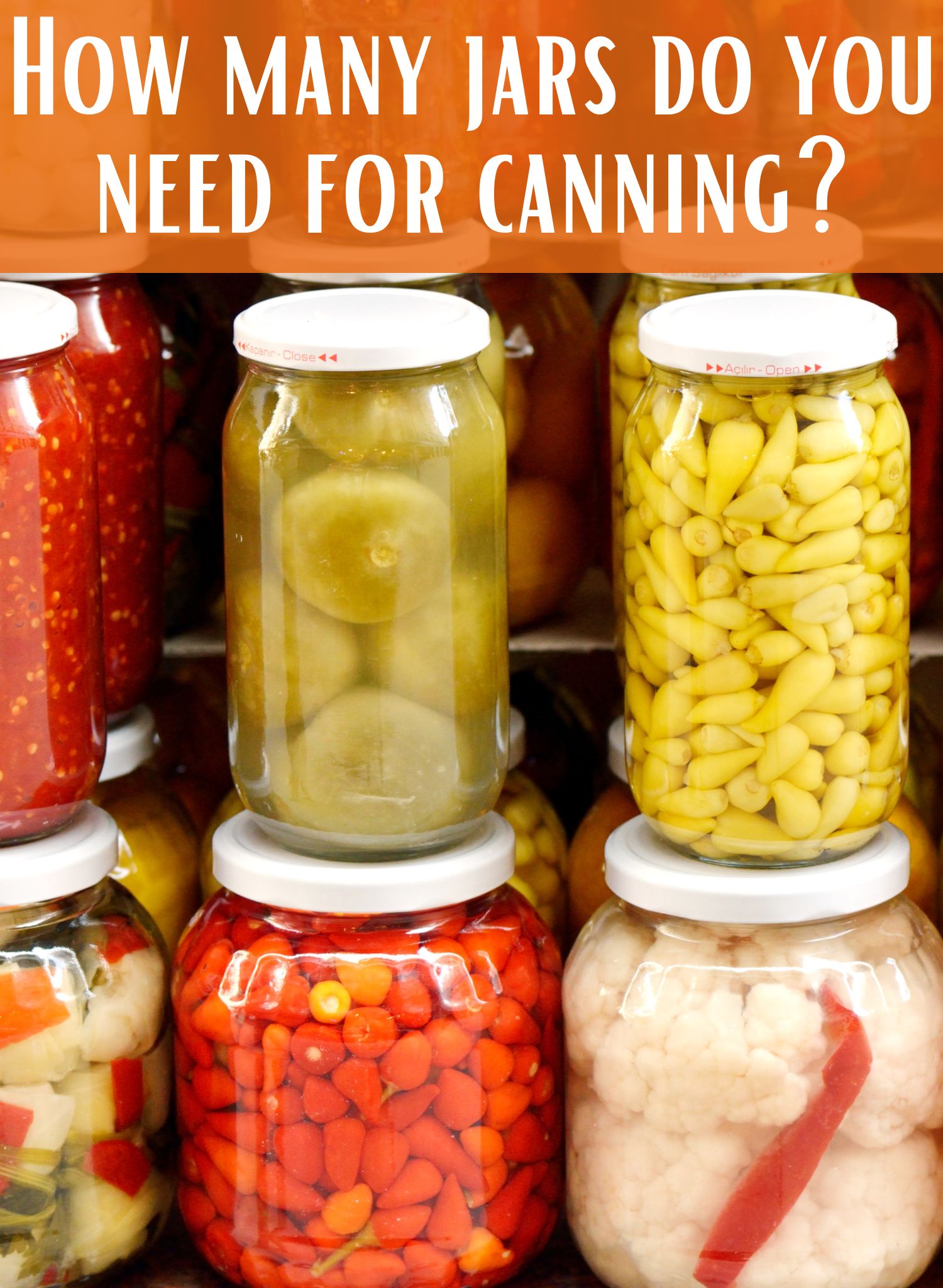
How Many Jars Do You Need For Canning?

May 7, 2024 by Leigh Leave a Comment

Well, the short answer is all of them. No, I am not exaggerating. When you are gardening to produce food for your family, chances are you would like to preserve some of that harvest for the rest of the year. Or if you are trying to take advantage of a produce sale? Better to have too many jars than not enough. While you can Google recipes all day long, I am more interested in the nitty gritty deals that most people forget to tell you about. Like how many jars do you need for canning? That all depends on your goals.

The Ultimate Homesteader’s Starter Bundle – Only $47!

Get the tools you need to stay organized, track profits, and manage your homestead with ease!

Includes:
✅ Schedule F Tracker – Simplify tax prep
✅ Profit Calculator – Track earnings
✅ Hay Calculator – Plan livestock feed
✅ Garden Journal – Digital & printable
✅ Herd Health Tracker – Monitor animal care
✅ Simple Budget – Manage finances
✅ Backyard Homestead eBook – Essential tips

$99 value – now just $47! Start your homesteading journey today!

Buy Now

Before We Jump In

I’ve written a couple posts on canning, so I don’t feel the need to sound like a broken record. But if you haven’t already, check out my post on gearing up for canning season, my homestead buying guide, and my shelving systems. Trust me, you will be glad you did…. at least for the shelves.

Next, we need to ask some questions before we determine how many jars you need for canning. If you are a beginning homesteader or canner, you will need to answer some questions like the ones below.

Are you looking to supply food for the entire year?

If you are looking to supply your family with an entire year of tomato sauce, you need to look very carefully at how much tomato sauce you currently buy or make. For us, we eat spaghetti about once a week. That means I need at a minimum 52 jars of tomato sauce.

The next question is, is that enough? For us, 52 jars would be gone in about six months. Because we also make chili and other things with tomato sauce. Or we will double or triple recipes because we need left overs for work. It’s the same way with green beans, corn, peas, pickles, etc. If I only can enough for what we use, we will be out in no time. That lesson was learned the hard way.

If you are new to heating with firewood and are looking to master the finer points of it. We’ve got a great eBook that goes in depth of what tools you should consider, how and where to stack, how to build a fire and so much more!

Buy Now

How many people are you feeding?

We are a family of four. But we homeschool and work 24-48 hour shifts. That means that we need left overs. Also we have two growing boys and that means we are also feeding I’m hungry, it’s not mine, and I didn’t do it. So when I am making my projection list for canning, I round WAY up.

What is your skill level with canning?

If you are a novice canner, you need to really consider if you are capable of canning more complex items like soups or stews. It’s not that soups and stews are SO hard to do. It’s actually more of a do you understand the actual process of canning.

For example; if your favorite soup has noodles, do you know that the noodles will turn to mush and become inedible. Same thing with rice, zucchini and other foods that are not as hardy. I’m a advanced but not pro level canner. I still make mistakes. So I know that I need to pay attention or all that hard work will be for not.

Before we get too far into this, I have a great course on the basics of goat care. I call it Goat Crash Course: Goat 101. In this course, I explain things like types of shelter, types of feeds and hays, basic assessments and so much more! Check it out!

Buy Now

Where are you going to put the jars?

I am extremely lucky that I have a full basement. I have sectioned off an entire food storage room. When it’s finished it will have walls, air vents, and a dehumidifier. Jared has also built me these fantastic shelves.

BUT if you don’t have that, you really need to consider how much you can actually can. If you have a tiny pantry, no basement, or other place to put them, you need to get really creative with where stuff will go.

I’ve seen under the bed storage systems for jars that will blow your mind. Keep in mind that your jars should be stored in a cool, dark place. So in a garage that is not temperature controlled probably isn’t the best idea.

Are you buying produce, or are you growing it?

We buy and grow a lot of our produce. Unfortunately, we can’t grow everything we need right now. That’s okay. It’s in the works to grow all the corn we need for a year. But it’s not here yet. If there are financial or garden space constraints, it’s better to identify them now.

Either way, knowing where you are going to source what goes in your jars is another key point in figuring out how many jars you need for canning.

The Ultimate Homesteader’s Starter Bundle – Only $47!

Get the tools you need to stay organized, track profits, and manage your homestead with ease!

Includes:
✅ Schedule F Tracker – Simplify tax prep
✅ Profit Calculator – Track earnings
✅ Hay Calculator – Plan livestock feed
✅ Garden Journal – Digital & printable
✅ Herd Health Tracker – Monitor animal care
✅ Simple Budget – Manage finances
✅ Backyard Homestead eBook – Essential tips

$99 value – now just $47! Start your homesteading journey today!

Buy Now

How far away is your local store?

Our local Wal-Mart is about 25 minutes from us. So if I run out of jars, lids, or anything else, I can get to it pretty quickly. The downside is, when it’s canning season in a farming community, there are no jars. You would be lucky to find anything.

Last year, I bought brand new cases of jars because Wal-Mart had no lids! The only way I could get them was to buy the entire set up. Which is fine! I needed more jars anyways.

If your local store is more than an hour away, I would make sure to always have extra jars on hand. Maybe 1 or 2 cases per type of jar.

So how many jars do you need for canning?

I hate to break it to you, but there is no magic formula here. After you answer the questions above, you can get a much better idea for how many you need. BUT I’m not going to leave you hanging. If you are a beginning homesteader and you are trying to figure out a realistic number, I will tell you what I did.

Our herd health bundle helps you keep track of your herd’s health. Includes the goat assessment, herd check sheets AND Herd Health Tracker!

Buy Now

I buy 2 cases per size, per person, per meal.

And yes, it is a TON of jars. Part of my yearly canning list looks something like this:

52 quarts and pints of corn

52 quarts and pints of green beans

104+ quarts of tomato sauce

50 quarts and 25 pints each of: chicken noodle soup base (no noodles), beef stew, enchilada soup, taco soup, beef roast, potato soup, and chili.

25 pints of salsa

25 quarts of pickles

50 quarts each of pinto, black, kidney beans

100+ jars of potatoes

We are a family of 4 and again, we need to have enough for left overs, lunches, if the boys are home alone for the day, etc. This helps to make sure that even if we don’t eat all that corn, we have some for next year.

Are you getting overwhelmed in the garden? Stressed? Or just not enjoying the garden like you used to? Check out our garden prompts! We send out weekly emails that get you back in the garden and out of your head! Turn the garden back into a place of love and joy instead of frustration and headache!

Subscribe Now!

How many jars do YOU need?

Figuring out how many jars you actually need is going to come down to how much you enjoy canning, your storage, and your finances. Some people can’t afford to drop $12-$20/ person/ meal on jars.

At the end of the day, it’s really about what you can afford. If you can only afford two cases at a time, get them! Trust me, you will use them eventually. As you get more comfortable with canning, or you need to start making your own dog food, thanks Bear, you will appreciate having those extra cans.

Also please for the love of all that is good in this world, pick up lids every single time you see them! Come canning season, they have disappeared! Or you can buy reusable lids like Tattler. PS go to their website, they are a TON cheaper!

If you like the content I put out, feel free to buy us a coffee! It helps keep this site running, marketing and the goats in grain!

Buy me a coffee

If you like this post, feel free to share it and follow us below on our social media accounts!

  • Facebook
  • Pinterest
  • Instagram
  • YouTube
  • TikTok
  • Spotify
  • Threads

Filed Under: Canning, Garden, How To's Tagged With: Canning, cooking, Homestead, kitchen

JOIN TO OUR MAILING LIST!

Leave us your email to receive new posts and special offers for members only! Don't miss a thing!

Recent Posts

  • Fall Garden Guide
  • Top Mistakes With Goats
  • How To Bond With Your Goats

How To Set Up A Garden Journal

April 23, 2024 by Leigh Leave a Comment

Much like everything else that is homestead related, there is no one size fits all approach to a garden journal. I wish there was because it would make it easier to just have someone tell you what to do and it work 100% of the time. Unfortunately, that’s not the case. The next best thing that we can do is try different things until something works. Today, I’m going to show you how I set up a garden journal and give you the high points of how to start yours.

garden journal

Before we get too far into this post, I wanted to give a suggestion about keeping a garden journal. A digital garden journal is a fantastic way to keep track of past, present and future gardens. Our Digital Garden Journal is a great way to keep up with everything without getting too overwhelmed.

Buy Now

What Is A Garden Journal

A garden journal is exactly what it sounds like. It’s a journal that details your gardens throughout the years. Yes, years. In the first year, you may notice a high infestation of Japanese beetles. In your journal you would make note of the beetles, an estimate of how many beetles, when you first noticed them, what plants they were attracted to, any treatments you did to get rid of them, etc. The next year as you look through your journal, you remember that you had a problem last year, and you can be proactive this year.

How To Set Up A Garden Journal

Everyone will have a different set up based on what they are growing, where they live, and so on. But here are some starting points. If you aren’t sure where to start, you can purchase my garden journal printable in our general store.

The Binder

I think that the best thing you could do is to purchase a binder for your garden journal. I use this binder because I like that it doesn’t take up a lot of space on my desk. Plus, when I am out in the greenhouse working on seeds or out in the garden, it’s not this huge bulky thing. I also like using a binder because I can move pages around from year to year.

I have a bullet journal and while I love it, it is hard to find what I am looking for since it is chronologically done. Not a bad thing, but if I can’t remember when I did something, it was lost. Being able to look back and see that last year I planted 100 tomato seeds and only 80 germinated tells me a lot about the seeds, soil, watering, etc if I have that information available.

The Dividers

I have a TON of dividers in my garden journal, but again, I want simple and easy to find. I use these mini dividers to match my mini binder. For your dividers, you need to think about the things that you want to track. Do you want to track how many seedlings you bought? Or are you planting your own seeds? Do you want to keep track of your soil tests? What about expenses? These are all things that you need to think about so that you can keep track accordingly.

I like to know what seeds I started and when. Then I want to know my soil tests, pests and what seeds I saved. When our orchard stops getting attacked by goats, I would like to know when I pruned, harvested, and more.

Loose Paper

I use loose leaf sheets to take notes, brainstorm, etc. I get the college rule and blank to make sure that if I want to design a garden bed, I can design it on a blank sheet and write on the lined sheets. I store all the excess paper in the back of the binder. I also use sheet protectors on the important pages.

cropped-3.jpg

Are you looking for garden journal prompts, but aren’t interested in a weekly email? Check out our 365 Garden Journal Prompts! This is an amazing, all in one, yearly product that you only pay for once.

Buy Now!

For example: If I go into the greenhouse and I am working on transplants, I don’t want the pages to get dirty. Or if I have designed a garden bed, I want to be able to take that page out of the binder and take it with me to the bed. By having a sheet protector on it, I don’t have to worry as much about it getting destroyed.

Using Your Garden Journal

After getting your journal set up, you should start filling it out with the information you have. In your soil test section, you should fill out previous years soil test results. Be sure to separate years with a line or something so that you don’t get confused. If you don’t have that information anymore? Or this is your first garden? No worries, do the best you can.

When you start your seedlings, be sure to write where you purchased your seeds from. This will help you decide if that was a good buy. If you buy seeds, make sure to put where you bought them from. In your Pest section, make sure to keep track of what pests came when and how you treated for them. This will help you because next year, you can say, “In 2022, the Japanese beetles came in April and only hit the apple trees.” In 2023, you can make sure to have beetle traps or other treatments already in place.

Tractor Supply

I am the type that will write down everything because I will forget it. We had a great pepper harvest last year, but I know it could have been better if I had known only water them every 4-6 days. Because of my garden journal, I know not to water the peppers as often.

Another cool thing about my garden journal is that I have a harvest/ preservation section. This section tells me how much food I need to harvest and preserve from my gardens. I know that we eat a TON of green beans. Like, I can 100 quart jars of green beans and it’s usually gone by April. That tells me that I need to harvest at least 200# of green beans. Because I know these things, I know I need to plant a minimum of 200 pole bean plants. Same with corn and peas.

If you are looking for a great way to keep track of your gardens for years to come, check out our Digital Garden Journal. It’s a digital spreadsheet that helps you manage not only your seedlings but also your seed inventories, soil testing, orchard, harvests and so much more.

Buy Now

Lastly, in my garden journal, I have a list of monthly chores that I need to do. This helps me stay on track with the needs of my garden. Because our goal is to reduce our grocery bill by 75% in 5 years and our feed bill by 80% in 2 years, I need all the help I can get. It not only tracks the weeding, watering and planting, but it also tells me when exactly when to do those things. In April I have final fill of the garden beds, lay final layer of compost, plant after April 15th, weed weekly until seedlings are established, and so on. That way there is no guess work about what I need to do.

If you haven’t checked it out yet, you can find my garden journal printable in our general store here. There are a ton of different planners on the internet but none of them fit the style that I was going for, so I created my own.

Are you getting overwhelmed in the garden? Stressed? Or just not enjoying the garden like you used to? Check out our garden prompts! We send out weekly emails that get you back in the garden and out of your head! Turn the garden back into a place of love and joy instead of frustration and headache!

Subscribe Now!

If you like the content I put out, feel free to buy us a coffee! It helps keep this site running, marketing and the goats in grain!

Buy me a coffee

If you like this post, feel free to share it and follow us below on our social media accounts!

  • Facebook
  • Pinterest
  • Instagram
  • YouTube
  • TikTok
  • Spotify
  • Threads

Filed Under: Garden Tagged With: Canning, Garden, Gardening, Homestead, kitchen, veggies

JOIN TO OUR MAILING LIST!

Leave us your email to receive new posts and special offers for members only! Don't miss a thing!

Recent Posts

  • Fall Garden Guide
  • Top Mistakes With Goats
  • How To Bond With Your Goats

Overwhelmed With Chores?

March 12, 2024 by Leigh Leave a Comment

It’s easy to get overwhelmed with chores on the homestead. Goats need milked, eggs collected, dogs let out, and ducks bedding changed AGAIN. On top of that everyone needs to be fed, including the children. By the time your day is done you’ve logged 9 million steps and are exhausted. But sleep is for the weak because you have to stay on alert for predators, the baby, and the sick goat in your living room. Chore management on the homestead is a really thing and it’s hard to get a handle on.

Dealing With Overwhelming Chores

Yes, I am overwhelmed and yes, I am tired. But I have found some pretty ingenious hacks to allow me to get some sleep without sacrificing my animals care. Below are my 5 hacks to keeping up with the homestead, while working full time, homeschooling, and running a several businesses.

The Ultimate Homesteader’s Starter Bundle – Only $47!

Get the tools you need to stay organized, track profits, and manage your homestead with ease!

Includes:
✅ Schedule F Tracker – Simplify tax prep
✅ Profit Calculator – Track earnings
✅ Hay Calculator – Plan livestock feed
✅ Garden Journal – Digital & printable
✅ Herd Health Tracker – Monitor animal care
✅ Simple Budget – Manage finances
✅ Backyard Homestead eBook – Essential tips

$99 value – now just $47! Start your homesteading journey today!

Buy Now

Get the kids involved

I have found that there are two sides on this, and few people fall in the middle. Either kids do chores or they don’t. My boys do chores, and they do a lot of them. Every month they switch out, except for animals. We also help each other out. If I see the ducks need water, I fill it up. If Jaxson sees that the cats are out of food, he feeds them. Their current chore list looks like this:

Chase- Goats, feeding dogs/cats, wiping up the counters, vacuuming, and cars

Jaxson- Chickens/ducks, dishes, bathrooms, (yes, this seems off. But in our house, dishes get run 3x a day)

Me- Goats, gardening, other seasonal work

Jared- Building

But I see no reason why kids can’t do chores. Especially when they want toys, electronics, etc.

If you are interested in learning more about my favorite garden planner. I highly recommend Seedtime! This planner has been instrumental in helping me plan out my gardens with WAY more efficiency than I could ever expect! It has also reduced overwhelm, stress, and calmed my ADD/ADHD!

More Info!

Start small and grow

When we started the homestead, we started with our dogs, cats, dragons, and snake. Then we added chickens. Once we were comfortable with that, we added goats, and so on. Before we add anything new, or more of them, we ask if everyone is on board. Since the kids handle most of the day to day animal care, we want to make sure that they are good with getting more.

This means don’t start a 8,000 sq ft garden right out of the gate! Start a small garden and then grow it. This could mean starting a seeds inside before you build or buy a greenhouse.

I am currently working on this right now with our soil and pasture building project. Our soil is so compacted from lack of care that I am working to regenerate the soil and set up a strong pasture so we no longer have to feed our goats off farm inputs.

goat kidding

Before we get too far into this, I have a great course on the basics of goat care. I call it Goat Crash Course: Goat 101. In this course, I explain things like types of shelter, types of feeds and hays, basic assessments and so much more! Check it out!

Buy Now

Get into a routine

While this is tough at first, once you get into a routine of taking care of your chores, it’s easier to see where you have more time. Our routine goes something like this, I wake up, let my dogs out and shower. The boys get up, let their dogs out and start on their animals. If they are hustling they can get their morning chores done in about 10 minutes.

Because we unschool, our homeschool doesn’t take hours and hours. We talk about what they are interested in and they do research on that. We also take time for the basics like math, reading, social studies, and science. They do Spanish on Friday.

During garden season (Mid February to Mid November), I can usually be found outside until the weather drives me inside. I have a list of “rainy day chores” that I work on whenever the weather drives me inside. Like record podcasts or videos, write blog posts, planning days, etc.

Banner 468x60

Delegate

One of the first things I was taught in Paramedic school is delegation, and it’s not something I do well at work. But at home, I’ve got it covered. After talking with Jared about our goals and what we want to accomplish, I come up with the To Do lists and plans and delegate it out. This helps everyone figure out where they need to be, what they need to be doing and how to finance it. It’s not a hard fast rules/ to do lists, but it helps everyone know what they need to do.

Save on Seeds

It also extends to chores. Since keeping up the house is everyone’s chore, we split the chores as evenly as we can. I hate doing the dishes, so the other 3 handle it. They hate doing laundry so that usually falls to me. I handle the grocery shopping and bill paying. Jared handles building. Chase handles the goats, and Jaxson handles to poultry. Then we help each other out as needed to make sure that everything actually gets done.

Cleaning

I could write an entire blog post about cleaning up the house and the homestead. I would be lying if I said my house was spick and span. It’s not. I’ve got 4 huge dogs, and kids living inside my house. Not to mention the occasional goat, chicken, duck, etc. My house is never clean. But I clean up as I go and everyone else helps a lot.

Don’t get hung up in the details. My kitchen is a prime example. That little ledge behind the sink that collects all manner of nasty things is constantly dirty. I have tried everything in my power to keep that area clean but it’s not happening and you know what? That’s fine. My counters and stove are clean and the sink is mostly empty. Pick your battles and move on.

Grace

At the end of the day, you are simply human. Give yourself grace when you can’t get your kitchen scrubbed or the laundry done. The animals have food and water and the kids aren’t dead or hurt? You’ve done just fine.

Overwhelmed With Chores?

One of the biggest lessons that I’ve learned on the homestead is that there is always tomorrow. We have been conditioned to believe that tomorrow isn’t guaranteed. And yes, that’s absolutely true. But if you run yourself, spouse or kids into the ground trying to get everything done TODAY, you will burnout everyone out.

I have a saying that I have adopted since hitting homestead burnout…. If I die tomorrow, it’s not my problem. This may sound very off handed or too laid back way of looking at life, but it’s the honest reality. If I drop dead tomorrow, it’s not going to matter if I took a nap instead of starting seeds. It doesn’t matter if I put tomatoes in the freezer instead of running them through the canner.

I’m not saying that you have to have that mindset. But what I AM saying is that you have to give yourself and your family grace and kindness when it comes to this stuff. To give an example, I was supposed to be done with this blog post about 3 hours ago. But instead, I took a nap because I was exhausted from working a 36 hour shift on the ambulance…. And that’s fine.

If you like the content I put out, feel free to buy us a coffee! It helps keep this site running, marketing and the goats in grain!

Buy me a coffee

If you like this post, feel free to share it and follow us below on our social media accounts!

  • Facebook
  • Pinterest
  • Instagram
  • YouTube
  • TikTok
  • Spotify
  • Threads

Filed Under: Animals, Garden Tagged With: Chickens, Chores, Ducks, Goats, Homestead, Overhelmed, stress

JOIN TO OUR MAILING LIST!

Leave us your email to receive new posts and special offers for members only! Don't miss a thing!

Recent Posts

  • Fall Garden Guide
  • Top Mistakes With Goats
  • How To Bond With Your Goats
  • « Go to Previous Page
  • Page 1
  • Page 2
  • Page 3
  • Page 4
  • Page 5
  • Page 6
  • Go to Next Page »
  • Animals
    • Chickens
    • Farm Dogs
    • Goats
  • Garden
    • Compost
    • Garden Projects
    • Seeds and Plants
    • Garden Journal
    • Working With Food
      • Recipes
      • Freezing Foods
      • Dehydrating Foods
      • Canning Tips And Tricks
        • Canning Inventory Sheets
  • Helpful Info
    • Welcome to the Homestead!
    • Emergency Preparedness
    • Frequently Asked Questions
    • Goal Setting
    • Project List
    • Shop Digital Products
      • Hay Calculator
      • Farm Expense And Income Tracker
      • Goat Crash Course: 101
      • Garden Journal Prompts
      • Schedule C Tracker
      • Schedule C Tracker
      • The Homestead Bundle
  • The Truths
  • Episode List
  • Start Here
    • Privacy Policy
    • Affiliate Disclosure
    • Let’s Get in Touch
    • Members Only Library
    • Welcome To Our Homestead

Footer

  • Email
  • Facebook
  • Instagram
  • Pinterest

COME AND GET IT!

Leave us your email to receive new posts and special offers for members only! Don't miss a thing!

· Midnight Theme

Copyright © 2026 · Midnight Theme on Genesis Framework · WordPress · Log in