• Skip to primary navigation
  • Skip to main content
  • Skip to primary sidebar
  • Skip to footer

Steel Raven Farms

Where muck boots meet ground.

  • Animals
    • Chickens
    • Farm Dogs
    • Goats
  • Garden
    • Compost
    • Garden Projects
    • Seeds and Plants
    • Garden Journal
    • Working With Food
      • Recipes
      • Freezing Foods
      • Dehydrating Foods
      • Canning Tips And Tricks
        • Canning Inventory Sheets
  • Helpful Info
    • Welcome to the Homestead!
    • Emergency Preparedness
    • Frequently Asked Questions
    • Goal Setting
    • Project List
    • Shop Digital Products
      • Hay Calculator
      • Farm Expense And Income Tracker
      • Goat Crash Course: 101
      • Garden Journal Prompts
      • Schedule C Tracker
      • Schedule C Tracker
      • The Homestead Bundle
  • The Truths
  • Episode List
  • Start Here
    • Privacy Policy
    • Affiliate Disclosure
    • Let’s Get in Touch
    • Members Only Library
    • Welcome To Our Homestead

Gardening

Fall Garden Guide

August 17, 2026 by Leigh 15 Comments

In all the years that I’ve been growing a garden, the fall garden has steadily remained my favorite. Which is funny because I don’t really like any of the brassicas, which is what most people know the fall garden for. I prefer the root vegetables and cool air. But I have learned over the years that the fall garden is a chance to rest, grow when wanted, and accept that sometimes shit just doesn’t go as planned…and that’s okay.
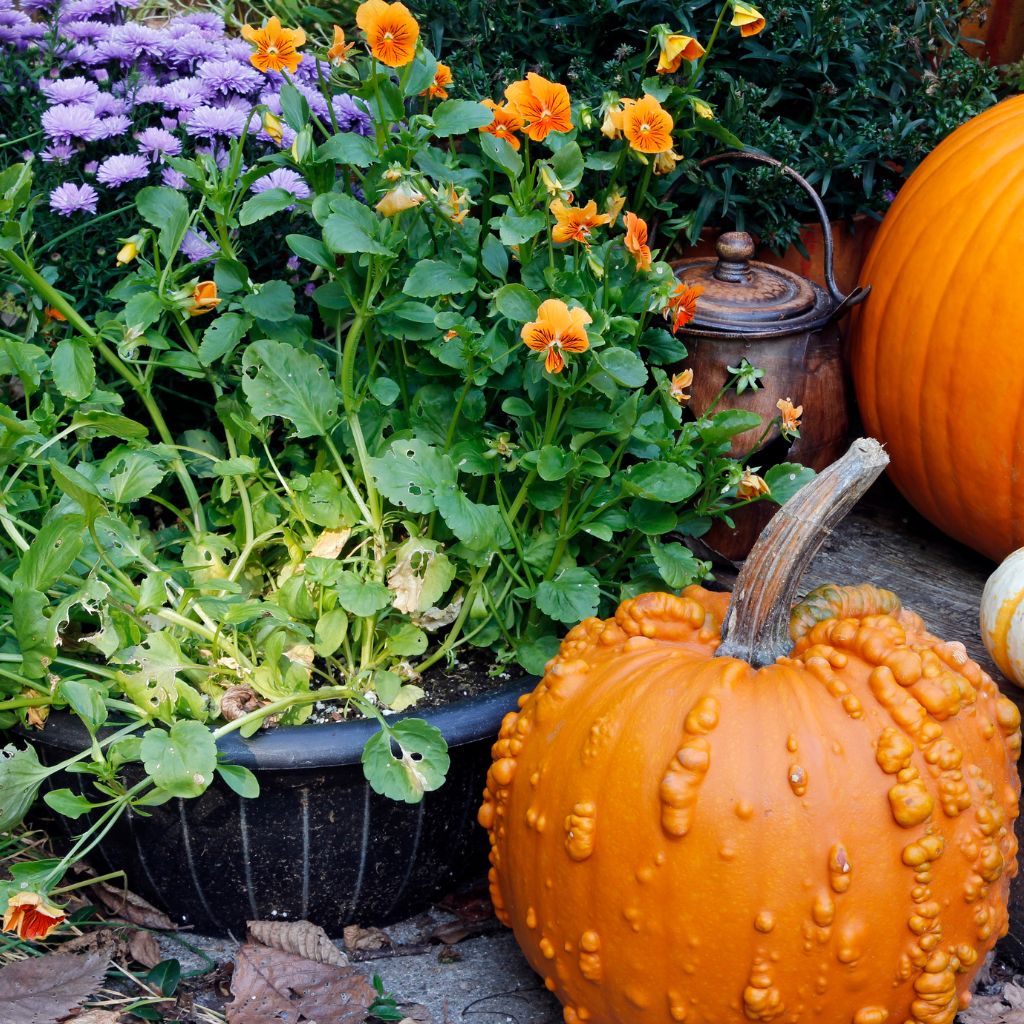
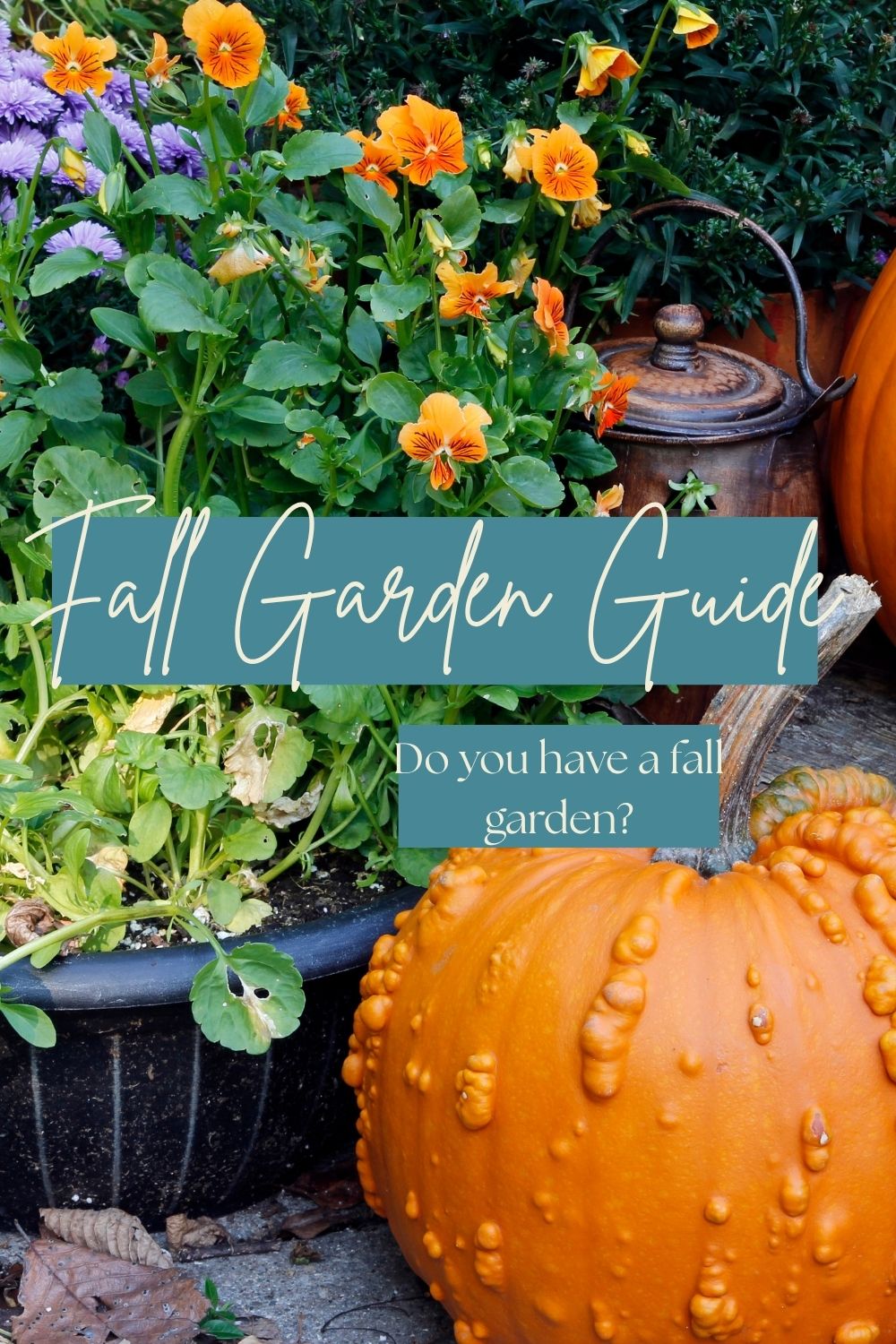
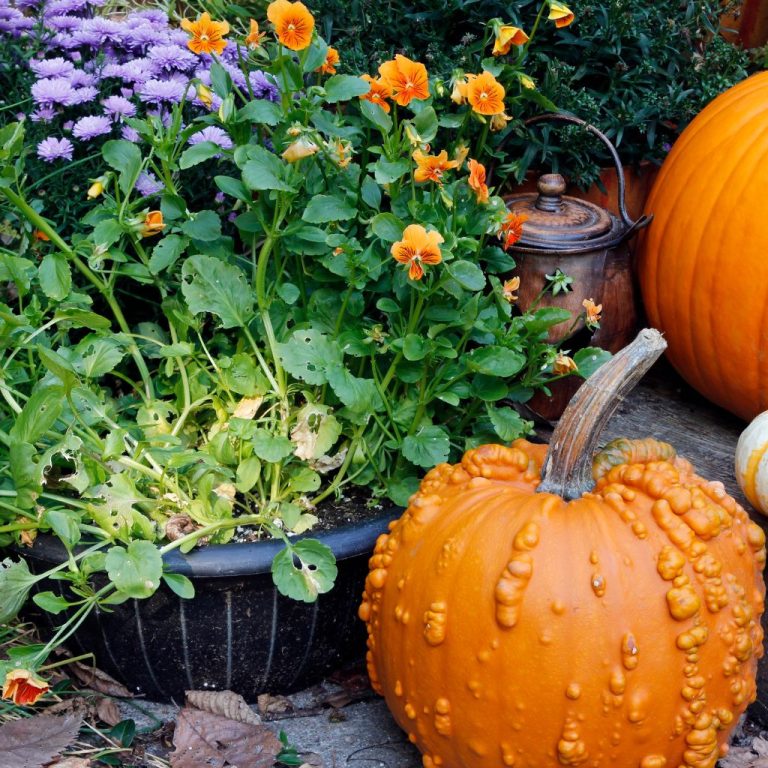
Pumpkins next to a black planter with flowers

For me, fall is when I spend most of my time in the garden. Yes, I spend time in my garden year-round. Spring is when I go through and start cleaning out or clearing beds. Summer is planting and harvest season. Winter is the time to rest and plan. But the fall? That’s where it’s at for me.

I am extremely heat-sensitive. I will get nauseous, short of breath, have headaches, feel dizzy, and more if I spend too much time in the heat, which makes living in Georgia fun. Not to mention, we have mosquitoes that will attack anyone who isn’t slathered in bug spray.

Then there are the fucking weeds! Seriously, learn about the benefits of mulching!

But a lot of that goes away in the fall, so it makes the fall garden that much more enjoyable.

So let’s get to it.

What is a fall garden?

It’s exactly what it sounds like, a garden that is grown in the fall. To be clear, this garden is going to look very different for every growing zone, microclimate, gardener, etc. There is no one-size-fits-all approach to any garden. Just because I live in Georgia with a long growing season doesn’t mean that I can follow the same principles for someone growing in California or Alaska.

As with everything, and I mean everything, trust but verify! If you took my list to an incredibly cold or hot climate, it may fail. So make sure that you stay curious and willing to learn!

There are some very important guiding principles for the fall garden:

1) Cool-weather plants go into a fall garden. These are things like those dreaded brassicas (like, really, who likes brussel sprouts?), root vegetables, and lettuces.

2) You really need to know your frost dates. These are the dates (in your climate) when temperatures will be cold enough to damage or kill your plants.

3) You need a plan for cold nights. This could be row covers, jugs of water, etc. But you do need some kind of plan for when the temps drop.

4) What do you like to eat? I know I keep harping on those poor brassicas, but my husband loves broccoli. He and my youngest like brussel sprouts, but my oldest and I hate them. Because I have people in my house who like these foods, and I like to grow shit, I grow them.

5) Have a plan! This includes purchasing and starting seeds, preparing beds and soil, etc.

Finally, you need to be prepared to fail. Seriously. And I’ll get to that; I promise.

What to plant

First thing first. What goes into a fall garden?

Anything cool/ cold hardy. This is where you are going to have to do some research and not rely on AI to help you out.

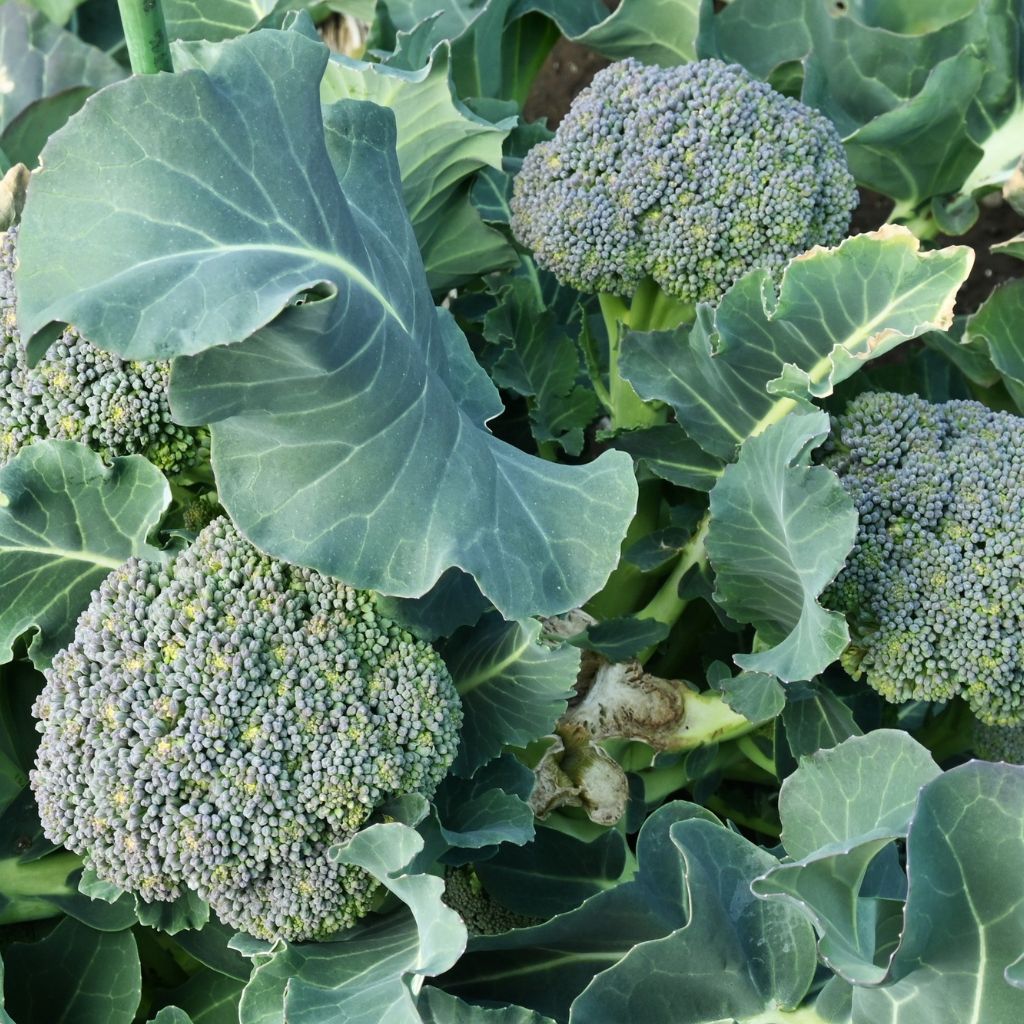
This is stuff like broccoli, cabbage, cauliflower, carrots, leeks, kohlrabi, leafy greens, and even things like cucumbers, peas, and beans. And depending on your fall/ winter seasons, you can even get some summer squashes in there too. A lot of herbs do well in fall gardens as well.

I am working on a list of vegetables and plants to grow by season, so stay tuned!

Just make sure you have plenty of time to harvest before your first frost.

To give you a real-world example:

It is August, which means that I will be starting all of my brassicas, squashes, and cucumbers in my greenhouse. But the vast majority of fall vegetables are actually direct-sown (DS). Things like peas, carrots, green beans, kohlrabi, etc get put straight in the ground.
When to plant

This is where the fall garden gets tricky.

First, you have to know your frost dates. It’s really easy to find out the frost dates in your area. Simply go to your favorite search engine and type in “frost dates for {your zipcode}”

My average frost dates are:

  • First frost: October 21st
  • Last frost: April 19th

Then, I look at what I want to plant and how long it takes to get to harvestable size.

For example: How long does it take for a cucumber to reach maturity?

  • About 50-70 days depending on variety.

Next, we count backwards from our first frost date. And no, you don’t have to do this on your fingers. Again, go to your search engine and type in “what date is 70 days before {first frost date}?”

That means that for my garden, I need to get that cucumber in the ground no later than August 12th. But remember, your frost dates are just an average. And there are ways to protect your plants beyond that frost date.

Now, the good news is that you don’t have to do this for every single vegetable. If you have several seeds that all take 70 days, then you just note that these seeds can all be planted at the same time.
Planning for cold nights

The next thing to plan for is cold nights. How are you planning on handling an early frost?

I could say that we use row covers and water jugs, but we don’t. Maybe it’ll happen next year (been saying that for years), but I doubt it.

But I can give you some options to research if you decide to go down that route: row covers, water jugs between plants, mulching, and cold frames are some really awesome ways that other gardeners use.

What do you like to eat?

This is probably the hardest thing for new gardeners to grasp. When someone gets bitten by the gardening bug, it’s not as simple as only grow what you eat. It’s exciting! And it’s not something unique to a specific season of the garden. I fucking HATE okra. Tell me why I planted an entire bed (4×8) for Hubbins, who literally didn’t do anything with it!

Or you have never prepared a cabbage in your life, but now you have fifteen of them in your garden. You don’t even know if you like them!

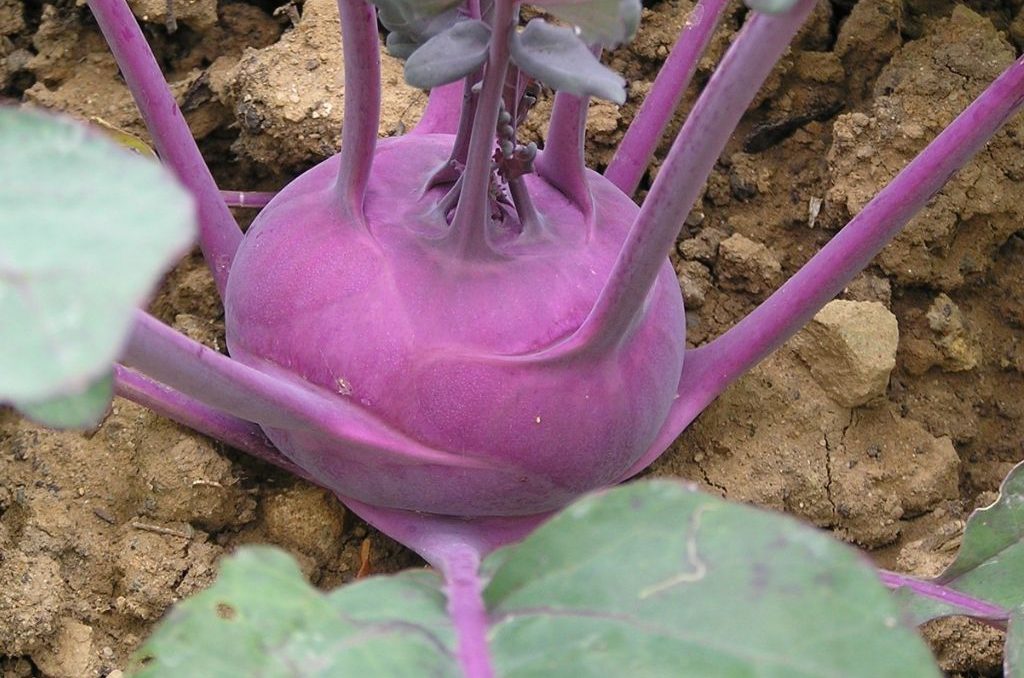
And to be clear, I am not saying don’t experiment. I experiment all the time. I grew three beds of kohlrabi and realized that I love them. That experiment worked out great. But it doesn’t always *looking at you okra*.

So figure out what you want to eat, figure out its growing requirements, and grow that. And leave some room for that alien looking plant that tastes like peppered apples.
Planning your fall garden

Figuring out when and what to plant is the “easy” part. If you’re like me, you already have stuff in the ground from your summer garden. Things that maybe aren’t ready to come out yet. So what do you do?

There isn’t really an easy answer for that. I wish it were as simple as having a dedicated fall garden space. But for a lot of people, that’s not an option.

Here’s what I do:

The plants that have already given me enough food get pulled. The plants that are sick or damaged, they get pulled.

If the plant is still healthy or still has some vegetables to give, I plant around it. The reality is that a broccoli plant isn’t going to get to a harvestable size before that other plant is ready to come out.

Another thing to note is that when to plant isn’t the same as when to start your seeds. For a lot of people, they purchase their plants from a nursery, and that’s that. But the reality is that gets fucking expensive. A single cabbage plant is going to run you around $5 at a nursery. You are paying $5 for the hope of a cabbage if you can keep it healthy and pest-free. You can buy an organic head of cabbage at the store for less than that.

But a pack of seeds normally runs about $3-5 and you get between 10-50 seeds!

So it’s financially better to start your own seeds.

Starting your seedlings needs to happen several weeks before transplanting, depending on your plants. But that means that you need seeds, soil, trays or cups, etc. Make sure that you have all of those before you start so you’re not waiting on a shipment before you can get started.

Prepare for failure

I know this sounds counterproductive, but the reality is that gardens fail all the time. Sometimes it’s because of drought or pests. Other times it’s because you got sick. Or, in our case, a storm destroyed a couple of garden beds and everything in them.

Life happens. Nature happens.

Knowing what you’re going to do if your garden doesn’t produce is key to not wanting to give up in the future.

Also, keep a journal! It doesn’t matter if it’s a spreadsheet, pocket notebook, or binder. Just have something that you can look back on and see what worked and what didn’t.

Make sure to save for later!
If you like this post, feel free to share it and follow us below on our social media accounts!
  • Facebook
  • Pinterest
  • Instagram
  • YouTube
  • TikTok
  • Spotify
  • Threads

Filed Under: Garden Tagged With: Garden, Gardening, Homestead

JOIN TO OUR MAILING LIST!

Leave us your email to receive new posts and special offers for members only! Don't miss a thing!

Recent Posts

  • Fall Garden Guide
  • Top Mistakes With Goats
  • How To Bond With Your Goats

How To Set Up A Garden Journal

April 23, 2024 by Leigh Leave a Comment

Much like everything else that is homestead related, there is no one size fits all approach to a garden journal. I wish there was because it would make it easier to just have someone tell you what to do and it work 100% of the time. Unfortunately, that’s not the case. The next best thing that we can do is try different things until something works. Today, I’m going to show you how I set up a garden journal and give you the high points of how to start yours.

garden journal

Before we get too far into this post, I wanted to give a suggestion about keeping a garden journal. A digital garden journal is a fantastic way to keep track of past, present and future gardens. Our Digital Garden Journal is a great way to keep up with everything without getting too overwhelmed.

Buy Now

What Is A Garden Journal

A garden journal is exactly what it sounds like. It’s a journal that details your gardens throughout the years. Yes, years. In the first year, you may notice a high infestation of Japanese beetles. In your journal you would make note of the beetles, an estimate of how many beetles, when you first noticed them, what plants they were attracted to, any treatments you did to get rid of them, etc. The next year as you look through your journal, you remember that you had a problem last year, and you can be proactive this year.

How To Set Up A Garden Journal

Everyone will have a different set up based on what they are growing, where they live, and so on. But here are some starting points. If you aren’t sure where to start, you can purchase my garden journal printable in our general store.

The Binder

I think that the best thing you could do is to purchase a binder for your garden journal. I use this binder because I like that it doesn’t take up a lot of space on my desk. Plus, when I am out in the greenhouse working on seeds or out in the garden, it’s not this huge bulky thing. I also like using a binder because I can move pages around from year to year.

I have a bullet journal and while I love it, it is hard to find what I am looking for since it is chronologically done. Not a bad thing, but if I can’t remember when I did something, it was lost. Being able to look back and see that last year I planted 100 tomato seeds and only 80 germinated tells me a lot about the seeds, soil, watering, etc if I have that information available.

The Dividers

I have a TON of dividers in my garden journal, but again, I want simple and easy to find. I use these mini dividers to match my mini binder. For your dividers, you need to think about the things that you want to track. Do you want to track how many seedlings you bought? Or are you planting your own seeds? Do you want to keep track of your soil tests? What about expenses? These are all things that you need to think about so that you can keep track accordingly.

I like to know what seeds I started and when. Then I want to know my soil tests, pests and what seeds I saved. When our orchard stops getting attacked by goats, I would like to know when I pruned, harvested, and more.

Loose Paper

I use loose leaf sheets to take notes, brainstorm, etc. I get the college rule and blank to make sure that if I want to design a garden bed, I can design it on a blank sheet and write on the lined sheets. I store all the excess paper in the back of the binder. I also use sheet protectors on the important pages.

cropped-3.jpg

Are you looking for garden journal prompts, but aren’t interested in a weekly email? Check out our 365 Garden Journal Prompts! This is an amazing, all in one, yearly product that you only pay for once.

Buy Now!

For example: If I go into the greenhouse and I am working on transplants, I don’t want the pages to get dirty. Or if I have designed a garden bed, I want to be able to take that page out of the binder and take it with me to the bed. By having a sheet protector on it, I don’t have to worry as much about it getting destroyed.

Using Your Garden Journal

After getting your journal set up, you should start filling it out with the information you have. In your soil test section, you should fill out previous years soil test results. Be sure to separate years with a line or something so that you don’t get confused. If you don’t have that information anymore? Or this is your first garden? No worries, do the best you can.

When you start your seedlings, be sure to write where you purchased your seeds from. This will help you decide if that was a good buy. If you buy seeds, make sure to put where you bought them from. In your Pest section, make sure to keep track of what pests came when and how you treated for them. This will help you because next year, you can say, “In 2022, the Japanese beetles came in April and only hit the apple trees.” In 2023, you can make sure to have beetle traps or other treatments already in place.

Tractor Supply

I am the type that will write down everything because I will forget it. We had a great pepper harvest last year, but I know it could have been better if I had known only water them every 4-6 days. Because of my garden journal, I know not to water the peppers as often.

Another cool thing about my garden journal is that I have a harvest/ preservation section. This section tells me how much food I need to harvest and preserve from my gardens. I know that we eat a TON of green beans. Like, I can 100 quart jars of green beans and it’s usually gone by April. That tells me that I need to harvest at least 200# of green beans. Because I know these things, I know I need to plant a minimum of 200 pole bean plants. Same with corn and peas.

If you are looking for a great way to keep track of your gardens for years to come, check out our Digital Garden Journal. It’s a digital spreadsheet that helps you manage not only your seedlings but also your seed inventories, soil testing, orchard, harvests and so much more.

Buy Now

Lastly, in my garden journal, I have a list of monthly chores that I need to do. This helps me stay on track with the needs of my garden. Because our goal is to reduce our grocery bill by 75% in 5 years and our feed bill by 80% in 2 years, I need all the help I can get. It not only tracks the weeding, watering and planting, but it also tells me when exactly when to do those things. In April I have final fill of the garden beds, lay final layer of compost, plant after April 15th, weed weekly until seedlings are established, and so on. That way there is no guess work about what I need to do.

If you haven’t checked it out yet, you can find my garden journal printable in our general store here. There are a ton of different planners on the internet but none of them fit the style that I was going for, so I created my own.

Are you getting overwhelmed in the garden? Stressed? Or just not enjoying the garden like you used to? Check out our garden prompts! We send out weekly emails that get you back in the garden and out of your head! Turn the garden back into a place of love and joy instead of frustration and headache!

Subscribe Now!

If you like the content I put out, feel free to buy us a coffee! It helps keep this site running, marketing and the goats in grain!

Buy me a coffee

If you like this post, feel free to share it and follow us below on our social media accounts!
  • Facebook
  • Pinterest
  • Instagram
  • YouTube
  • TikTok
  • Spotify
  • Threads

Filed Under: Garden Tagged With: Canning, Garden, Gardening, Homestead, kitchen, veggies

JOIN TO OUR MAILING LIST!

Leave us your email to receive new posts and special offers for members only! Don't miss a thing!

Recent Posts

  • Fall Garden Guide
  • Top Mistakes With Goats
  • How To Bond With Your Goats

The End Of A Season (2023 Review)

January 1, 2024 by Leigh Leave a Comment

Steel Raven Farms
Steel Raven Farms
The End Of A Season (2023 Review)
Loading
00:00 /
RSS Feed
Share
Link
Embed

Download file | Play in new window | Recorded on January 1, 2024

2023 was a hard year for us on Steel Raven Farms. There were a lot of things that went wrong, but there were a lot of things that went right too!

-> We welcomed 2 new additions to our herd

-> We learned that raised beds work better for us

-> We are all healthy and relatively happy

-> My mental health is a TON better

Sometimes as homesteaders you have to learn when to step back and punt. 2023 was the year that we learned exactly what that means.

Sign up for our newsletter: Steel Raven Farms Newsletter https://steel-raven-farms-llc.ck.page/7edda2c83c

Find our blog here: www.steelravenfarms.com 

Homepage

Our Patreon here: Steel Raven Farms Patreon 

http://patreon.com/SteelRavenFarms

Follow us on Instagram: Steel Raven Farms Instagram 

https://instagram.com/steelravenfarms

Shop our Amazon Store: Steel Raven Farms Amazon Store  https://www.amazon.com/shop/steelravenfarms?ref_=cm_sw_r_cp_ud_aipsfshop_aipsfsteelravenfarms_B4R4P43DQDYW5BTRMSRA

Our YouTube Channel: https://www.youtube.com/channel/UCPCZe-TWXhVSEZ4iR_1o5Yw

Filed Under: Podcast Episodes Tagged With: Garden, Gardening, Goats, Homestead, mental health, Podcast

JOIN TO OUR MAILING LIST!

Leave us your email to receive new posts and special offers for members only! Don't miss a thing!

Recent Posts

  • Fall Garden Guide
  • Top Mistakes With Goats
  • How To Bond With Your Goats

Episode 1: The Beginnings

November 19, 2023 by Leigh Leave a Comment

Steel Raven Farms
Steel Raven Farms
Episode 1: The Beginnings
Loading
00:00 / 15:48
RSS Feed
Share
Link
Embed

Download file | Play in new window | Duration: 15:48 | Recorded on November 19, 2023

Welcome to episode 1 of the Steel Raven Farms Podcast! We are working on getting more of our blog posts into an audio version so make sure you sign up to receive emails above. The Beginnings is the first episode were I talk about the topics that we will be discussing in the podcast, mostly Goats, Gardening and other How To’s. Below this paragraph is the show notes for this podcast.

Show Notes For The Beginnings 

Sign up for our newsletter: Steel Raven Farms Newsletter

Find our blog here: www.steelravenfarms.com

Our Patreon here: Steel Raven Farms Patreon

Follow us on Instagram: Steel Raven Farms Instagram


Shop our Amazon Store: Steel Raven Farms Amazon Store

Tagged With: Gardening, Goats, Podcast

JOIN TO OUR MAILING LIST!

Leave us your email to receive new posts and special offers for members only! Don't miss a thing!

Recent Posts

  • Fall Garden Guide
  • Top Mistakes With Goats
  • How To Bond With Your Goats

Primary Sidebar

WELCOME

WELCOME

My name is Leigh and I am the lead chaos creator here at Steel Raven Farms. You will see throughout this blog that I am the crazy goat lady.

I am married to my high school sweetheart, Jared and we have two amazing boys.

FOLLOW ME

  • Amazon
  • Facebook
  • Instagram
  • Pinterest
  • TikTok

GET UPDATES!

Leave us your email to receive new posts and special offers for members only! Don't miss a thing!

In all the years that I’ve been growing a garden, the fall garden has steadily remained my favorite. Which is funny because I don’t really like any of the brassicas, which is what most people know the fall garden for. I prefer the root vegetables and cool air. But I have learned over the years…

Read More

  • Animals
    • Chickens
    • Farm Dogs
    • Goats
  • Garden
    • Compost
    • Garden Projects
    • Seeds and Plants
    • Garden Journal
    • Working With Food
      • Recipes
      • Freezing Foods
      • Dehydrating Foods
      • Canning Tips And Tricks
        • Canning Inventory Sheets
  • Helpful Info
    • Welcome to the Homestead!
    • Emergency Preparedness
    • Frequently Asked Questions
    • Goal Setting
    • Project List
    • Shop Digital Products
      • Hay Calculator
      • Farm Expense And Income Tracker
      • Goat Crash Course: 101
      • Garden Journal Prompts
      • Schedule C Tracker
      • Schedule C Tracker
      • The Homestead Bundle
  • The Truths
  • Episode List
  • Start Here
    • Privacy Policy
    • Affiliate Disclosure
    • Let’s Get in Touch
    • Members Only Library
    • Welcome To Our Homestead

Footer

  • Email
  • Facebook
  • Instagram
  • Pinterest

COME AND GET IT!

Leave us your email to receive new posts and special offers for members only! Don't miss a thing!

· Midnight Theme

Copyright © 2026 · Midnight Theme on Genesis Framework · WordPress · Log in