• Skip to primary navigation
  • Skip to main content
  • Skip to primary sidebar
  • Skip to secondary sidebar
  • Skip to footer

Steel Raven Farms

Where muck boots meet ground.

  • Animals
    • Chickens
    • Farm Dogs
    • Goats
  • Garden
    • Compost
    • Garden Projects
    • Seeds and Plants
    • Garden Journal
    • Working With Food
      • Recipes
      • Freezing Foods
      • Dehydrating Foods
      • Canning Tips And Tricks
        • Canning Inventory Sheets
  • Helpful Info
    • Welcome to the Homestead!
    • Emergency Preparedness
    • Frequently Asked Questions
    • Goal Setting
    • Project List
    • Shop Digital Products
      • Hay Calculator
      • Farm Expense And Income Tracker
      • Goat Crash Course: 101
      • Garden Journal Prompts
      • Schedule C Tracker
      • Schedule C Tracker
      • The Homestead Bundle
  • The Truths
  • Episode List
  • Start Here
    • Privacy Policy
    • Affiliate Disclosure
    • Let’s Get in Touch
    • Members Only Library
    • Welcome To Our Homestead

Our Homestead

How to Start A Homestead

December 30, 2025 by Leigh Leave a Comment

People across the country are concerned with the state of the grocery stores and supply chain. People who previously thought they could get anything they needed from a store, have quickly come to realize that is no longer the case. Shortages of basic necessities are becoming more common and leading many people to think about starting a homestead. But how to start a homestead?
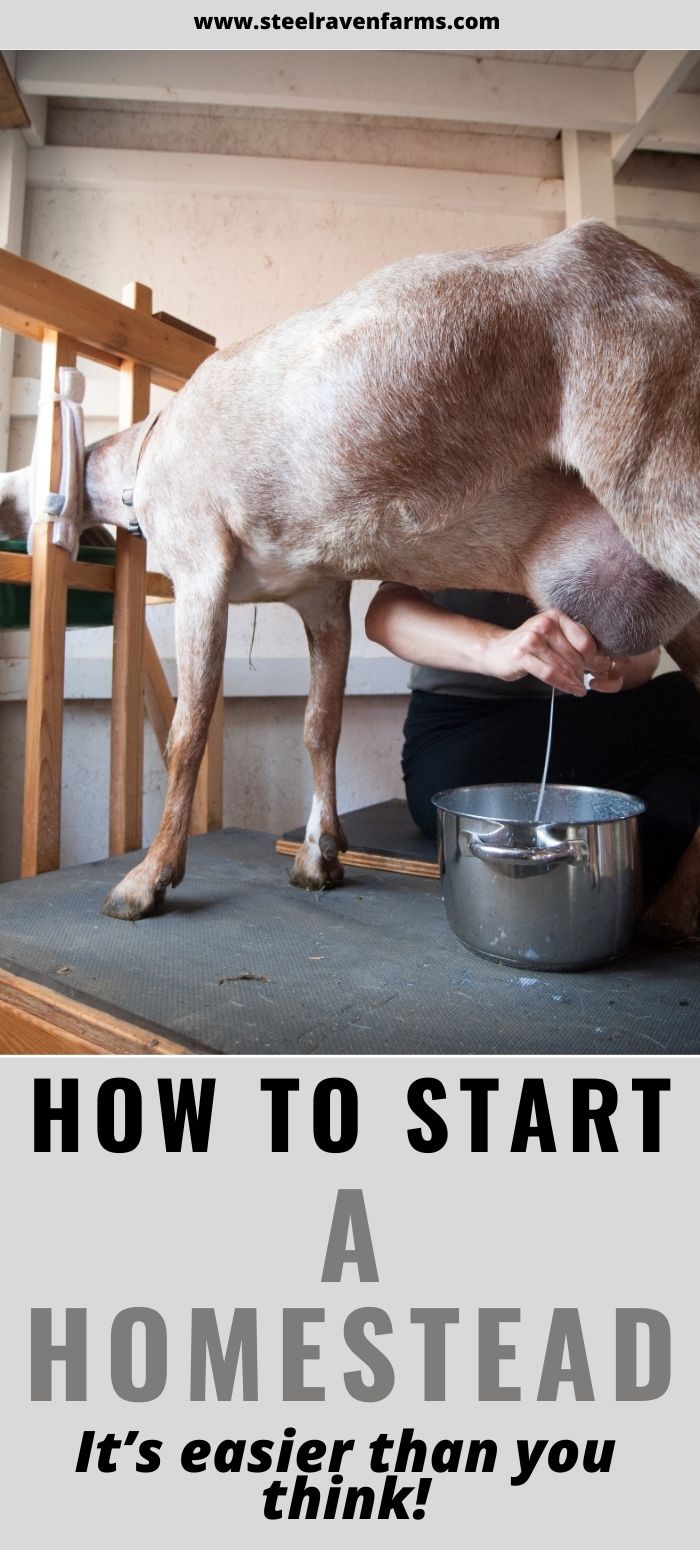
Starting A Homestead

Most people don’t know where to start when it comes to farming, livestock, and other “farming” things. Well, welcome to the club. If you were not born into the lifestyle, and many of us weren’t, starting a homestead can be a daunting task. The good news is when you dive into the world of homesteading you will realize that it looks very different to everyone. Not mention the amount of resources available.
Before You Start a Homestead

“Starting a homestead” doesn’t mean doing everything at once.
It means choosing one system and building from there.

If you’re still figuring out what homesteading actually looks like in real life, start here:
👉 What Homesteading Really Means (and What It Doesn’t)

I talked in another posts that homesteading is a spirit, not a set of hard fast rules. I know homesteaders that live in a subdivision on less than an acre and others that have hundreds of acres. Some people love keeping pigs and some that don’t. We have goats, not everyone likes them. There are no rules to homesteading because homesteading is about independence, not acreage, livestock, and gardens.

Understanding Why You Want To Start A Homestead

I suggest really thinking about the why. Why do you want to homestead? What does homesteading look like to you? Can you do the things that you think a homestead is? What are your current capabilities and disabilities? Can you overcome them? What does the infrastructure of your homestead look like?

Our dream of homesteading started as a cabin in the woods fifteen years ago. As the world around us has changed, so has our dream. I wanted a garden for fresh produce, now I want a garden that will fully sustain us. Livestock? Nah, I’m good with my dogs and cats. Until we saw what the price of meat was doing. Your dreams can evolve and devolve and that’s just fine.
timing your vegetable garden (zone 8)

This Is Where Most People Get Stuck

Homesteading only works if you turn ideas into a plan — otherwise it becomes overwhelming fast.

This is the system I use to decide what to tackle first and what can wait:
👉 My Daily Homestead Schedule (What Actually Gets Done)

Let’s Start With Animals

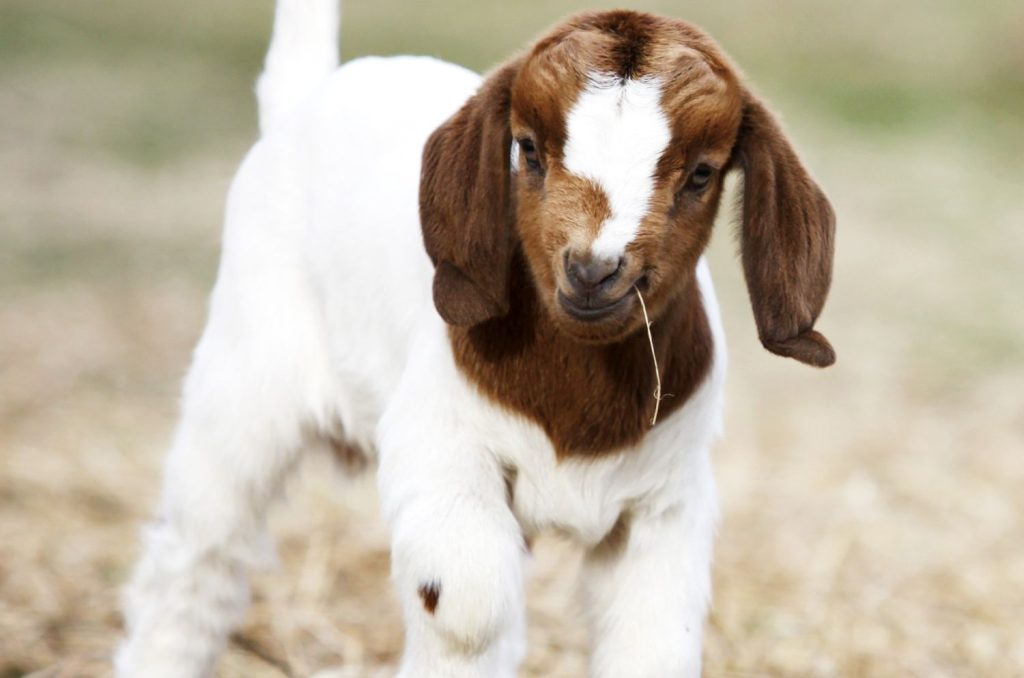
Every new homesteader thinks they have to have pigs, cows, chickens, and other livestock when they start homesteading. We almost fell into this trap and thankfully cooler heads prevailed before we dove in head first. However, we have had our share of Uh-Oh’s and it has been a very expensive lesson to learn the hard way. We weren’t ready for goats and it has been a very steep learning curve. But worth every penny and heartbreak. So start small and grow from there.

Oakley and Bailey the goats
Oakley and Bailey

Chickens

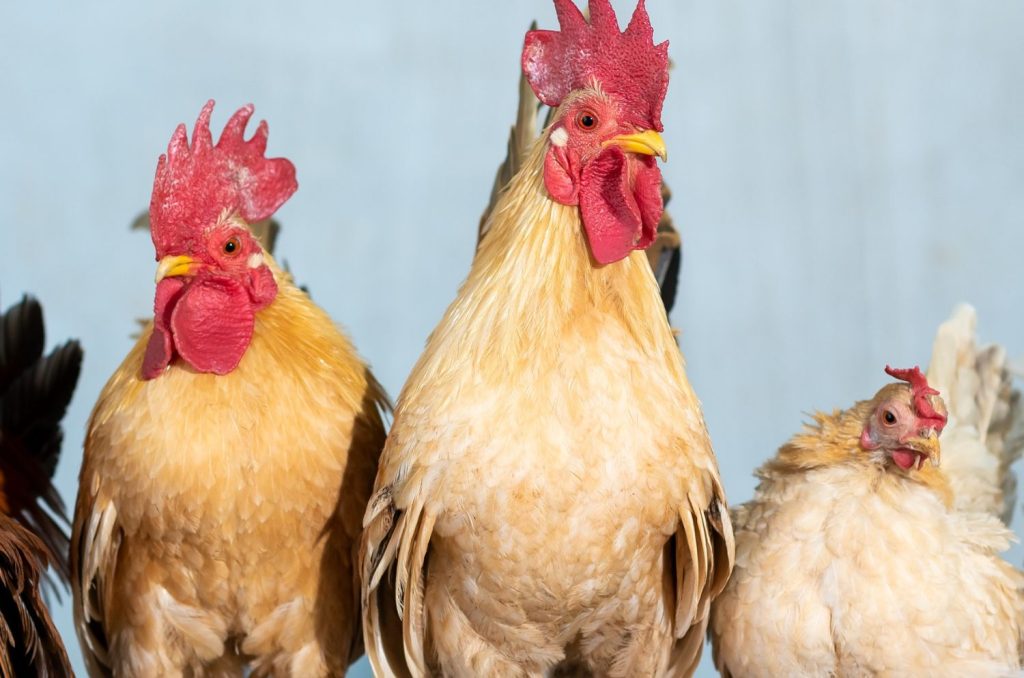
Chickens are a great way to have that homestead feel, without all the extra work of a homestead. They are relatively easy creatures that don’t require around the clock work. Our chickens are set it and forget it. Once they were out of the brooder and into their coop, they had feed in the morning and night, and free range during the day. They also have access to plenty of water throughout the property. They don’t require a ton of upkeep.

Raising dual purpose meat chickens is also a great way to reduce your dependence on the grocery store without breaking the bank. You can have a steady stream of fresh eggs from hens and butcher the roos for meat. But there are some downsides to raising chickens, like escaping, predators, and getting into your garden.

Meat rabbits are another good animal to have on the homestead. Rhonda at The Farmer’s Lamp has a great post about the ins and outs of meat rabbits. Having meat rabbits allows you to close gaps in your food security and they don’t take up much space. Since it’s hard to automate their care, they are more work than chickens. But once you get used to what they need, it should only take about 10-20 minutes in the morning and evening. We will be adding them to the homestead this fall when its a little cooler. The biggest downside of rabbits is the cuteness factor. Many people will struggle to butcher them because they are really cute.

Brooding New Chicks

Goats

Goats are cool critters for the homestead. Unfortunately, I don’t recommend them for beginners. I say this as a beginner who had no clue what was happening and we have paid a hefty price for not knowing what I was doing. The value of learning about them mixed with the milk they give, possible meat, and income from breeding make them a good creature to have when starting a homestead.
If You’re Ready to Start, Start Small

The biggest mistake new homesteaders make is trying to do too much at once.

I start by setting a few realistic, seasonal goals and building systems around them:
👉 50 Realistic Homestead Goals to Start With

What About Gardens?

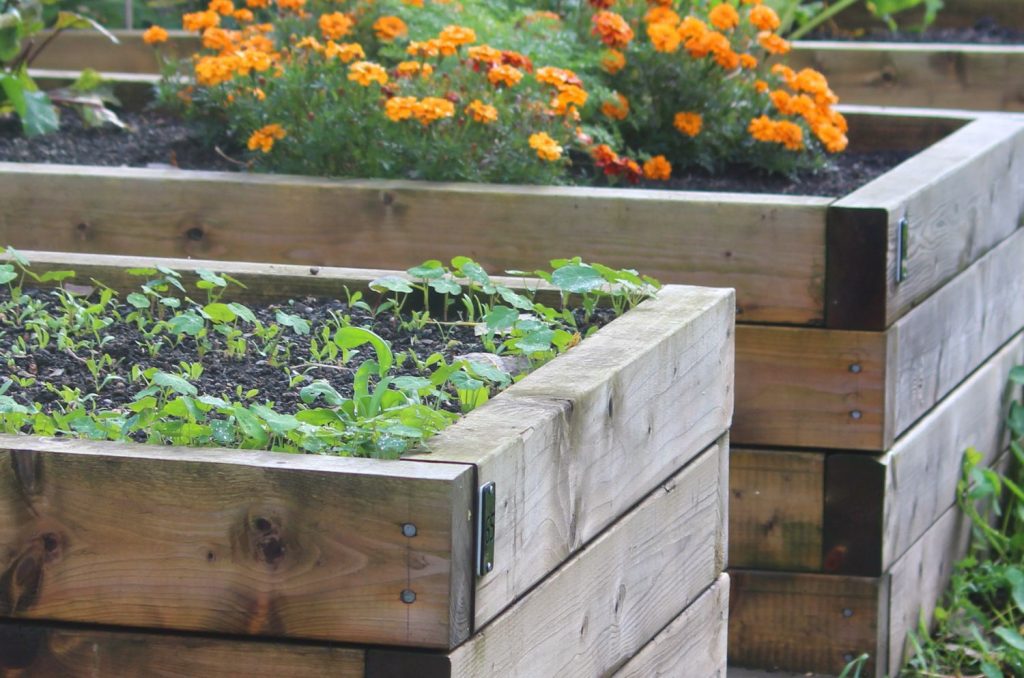
You do not need a acre garden when you are starting out. Yes, I am currently reminding myself of this right now as I am looking at my garden space, which is almost a half acre. You don’t need a greenhouses or other large, expensive purchases. Start small. Grow your tomatoes and peppers to make your salsa. Plant herbs and keep them alive. Make sure whatever you are planting you have a plan for. If you do not like cucumbers, do not plant 20 plants just because you think you should. Once you have a handle on what your family needs and what your land can produce, then you can start growing the size of your garden.

Learn how to preserve your garden so that you can enjoy your harvests well past summer. If you don’t know how to can, you can check out our canning page or go to YouTube, Pinterest, and Google for amazing resources. Also make sure that you have good storage for your jars of food. There is nothing worse than spending tons of time canning just to have your plastic shelves fail. If you don’t want to can and have some money to burn, invest in a freeze dryer.

Finances

Starting a homestead with no money is just not feasible. Whether you decide to make homesteading your fulltime job or simply a way to live more independently, you need to make sure your finances are in order before you start. Our first year homesteading cost us over $20,000 between buying fencing, animals, lumber, and vet bills. So make sure you have the ability to cover those expenses.

Setting up your infrastructure so that you can reduce costs over time is extremely important to your long term finances.
Your Next Step

If you’re serious about starting a homestead, the first thing you need isn’t land or animals — it’s a plan that fits your life.

👉 How I Structure My Homestead Day (So Things Actually Get Done)

Remember….

When everything is all said and done, you have to remember that starting a homestead comes down to your goals and your ability. You are only limited by your resourcefulness and imagination. There are no rules to what you have to do to be a homesteader. You don’t have to have or know everything to start a homestead. A dream, drive, and determination are all you need to start a homestead. Don’t get hung up on the details.

I hope this helps you start on the path to starting your own homestead. Leave us a comment below on your thoughts of starting a homestead.

If you like the content I put out, feel free to buy us a coffee! It helps keep this site running, marketing and the goats in grain!

Buy me a coffee

If you liked this post feel free to like, share, and find us on social media.

  • Facebook
  • Pinterest
  • Instagram
  • YouTube
  • TikTok
  • Spotify
  • Threads

Filed Under: Animals, Canning, Chickens, Garden, Goats, How To's, Our Homestead, Pigs Tagged With: Chickens, Chicks, cooking, Goats, Homestead, kitchen

JOIN TO OUR MAILING LIST!

Leave us your email to receive new posts and special offers for members only! Don't miss a thing!

Recent Posts

  • Fall Garden Guide
  • Top Mistakes With Goats
  • How To Bond With Your Goats

How To Build Canning Shelves

December 23, 2025 by Leigh Leave a Comment

Jump to Building Plans

I could write a million posts about canning. How to can, what to can and how much to can. But I think the best post I could write about is storing canned goods. For years, I have tried to figure out the best way to store the things I canned. But we could never figure out a way that I liked and allowed us to see and use those goods. At least until Jared came up with my shelves. In this post, I will show exactly how we build canning shelves.

Good Canning Shelves Are Hard To Find

We can a lot of food. When I say a lot, I mean hundreds of jars a year. It’s not uncommon for me to put up 50+ jars of tomato sauce, 50+ jars of green beans, and more. The reason we put up so much is because it’s cheap. Before buying this property, I could buy a half bushel of peaches for $10 and end up with 20-30 pints of diced or sliced peaches. I could buy two bushels of green beans for $40 and can 75 quarts of green beans. I was able to get farm fresh produce and preserve it for pennies compared to buying it at the store.

Once you start pressure canning staples like green beans, jars pile up fast.

If you’re pressure canning regularly, proper shelving isn’t optional — it’s part of the system.

Start here:
👉 How I pressure can green beans in my working pantry

First Attempt At Building Canning Shelves

The problem was where we were going to put all this food. As we have been homesteading, those canning numbers have quadrupled… Or more. I talked about how many jars you need in this blog post, but the reality is that you need a ton of jars, which means you need a TON of space. Not just for food, but also for all those empty jars.

Jared attempted to conquer the problem by building Frankenstein.

Frankenstein was 5ft tall by 4ft wide and 2ft deep. If you’ve been canning for more than a minute, you know that jars got lost in the back. It was sturdy and it worked, but within six weeks this thing was crammed full.

canning shelves
Meet Frankenstein

We attempted to fix the 2ft depth problem by putting cases of unused jars in the back. The problem with that is that when you need a case of jars, you have to pull all the jars out of the way to get to those empty jars.

We tried to just put empty boxes back there but that didn’t work either.

If I’m already set up to can, I always keep brine ready so I can move fast when produce comes in.

This is what I use to keep those shelves full:
👉 My Make-Ahead Pickling Brine for Fast Canning Days

Back to the Drawing Board

At this point, I was at a loss. I browsed Pinterest, Google, and canning groups on Facebook, but just couldn’t find what I was looking for. Plastic shelves aren’t sturdy. Metal shelves are held together by plastic clips. Premade shelves were expensive or the wrong size.

I told Jared, I wanted tall shelves that can hold several rows of jars. I wanted no more than three or four jars deep so jars don’t get lost. And I also wanted a lot of shelves on each unit. This is what my man came up with.

canning shelves
First of many shelves for my food storage room

I was in love. Not only with Jared but also with my amazing shelves. As canning season went on, we realized we needed more shelves for our canned goods. Not just the jars that I put up, but also the stuff that we bought in bulk like flour, sugar, grains, etc. So he kept building me shelves until we ended up with what we have now.

canning shelves

Are you getting overwhelmed in the garden? Stressed? Or just not enjoying the garden like you used to? Check out our garden prompts! We send out weekly emails that get you back in the garden and out of your head! Turn the garden back into a place of love and joy instead of frustration and headache!

Subscribe Now!

How We Built Our Canning Shelves

In total we have seven shelves that each hold approximately 300 jars each. This includes things like sugar, flour, coffee, rice, and extra jars just to name a few things. For now, I think we have enough shelves for canned goods but who knows what tomorrow will bring.

My friend over at Simple Living Homestead wrote an amazing blog post about all the different ways to store jars and lids. While I thought I had it all figured out, there are a couple of really useful items that I am looking at. Specifically, #5 the handmade wooden lid organizer! That would really come in handy, especially in the height of canning season when I lose everything. The canning tongs, rings, jars, my mind?

canning shelves

The measurements for theses shelves are 48″ wide by 12″ deep by 96″ tall. I believe we used 23 2x4x8 studs.

Building Your Canning Shelves

This build plan assumes that you have basic building knowledge. Also, depending on your set up (putting these in the basement, garage, or inside) will depend on what type of lumber you use. We use regular studs for ours because it’s in our basement and we don’t have a ton of water issues…. ***Knocks on all the wood**

You will need a tape measure, drill (and proper bit for screws), circular or miter saw, level and speed or T square.

You will need 23 2x4x8 and 2″ deck screws. Really, you could use nails or other screws but we used 2″ deck screws.

Step 1: Make your cuts. You need 24 48″ pieces (shelf boards) and 18 12″ pieces (brace boards).

Step 2: Make your end pieces. Take 2 2x4x8 and 2 12″ pieces. You are going to attach each 12″ piece at the top and bottom (in between the 2x4x8) of your long pieces. When they are level and square, screw in place. Do this twice. These are your end pieces.

Step 3: Take 3 of your 48″ boards and screw to bottom brace on each of your end pieces. Again, making sure that you are level and true. This shelf will only barely be off the floor. We use a 1″ scrap piece of wood to ensure even spacing between the shelf boards. Screw in place and stand up the unit.

Step 4: Measure 12″ from the bottom board. Make sure that a quart jar will fit under it. If it doesn’t, make some adjustments until it will. Add your brace on each side of your end pieces, make sure it is level and square, and screw in place. Repeat on the other end piece. Add your shelf boards (don’t forget to space them out) and screw in place.

Step 5: Repeat step 4 until all of your shelves are in place.

The top of the unit will not be 12″ and that’s okay. We use that for empty jar storage anyways.

What I Always Put on These Shelves First
Green beans are forgiving, store well, and are the backbone of my pantry.


If you’re stocking shelves for the first time,

Start here:
👉 How I pressure can green beans in my working pantry

Special Considerations For These Canning Shelves

Depending on where you put these shelves and your level of comfort, I would suggest some form of securing to the ceiling, wall, etc. I would not leave to chance these shelves falling over. Now, I have run into these shelves while trying to put up jars and they have held just fine. But better to be safe than sorry so take a little extra time and ensure that those precious jars are secured.

Once the Shelves Are Full, This Is What Keeps Them Useful

Otherwise jars get forgotten, dates get missed, and food gets wasted.

We use a simple canning inventory system to track:

  • what we canned
  • how much we have
  • and when it needs to be used

This keeps our pantry usable instead of overwhelming.

👉 The canning inventory sheets we use: Canning Inventory Sheets

Print

How To Build Canning Shelves

Shelves to fit your jars of home canned goodness without losing them. Each instruction is for one shelf. The above picture is two shelves with a middle brace.
Yield: 1 Upright shelf

Equipment

  • Tape Measure
  • Drill
  • Circular or miter saw
  • 4 1" Block of wood
  • Level
  • T Square or similar
  • Hammer

Materials

  • 23 2x4x8
  • A LOT 2" Screws we used decking screws

Instructions

  • Cut 24 48" pieces for shelves
  • Cut 18 12" pieces for braces
  • To make your end pieces, lay out 2 2x4x8's and attach 1 12" brace to the top and 1 12" brace to the bottom. Place the brace between the 2×4 so that your finished width is 15". Make sure your corners are square and level before you screw it together.
    Do this twice
  • Next attach 3 2x4x48" pieces to the bottom of your shelf. Use a 1" block in each space to ensure that your shelves are spaced evenly. Once the bottom row of shelves are done, you can stand up the unit so you are not on the ground.
  • Now you are going to attach the next brace 12" above your previous shelf. Double check that a quart jar will fit between your shelves. I can fit my half gallon jars as well but it's better to measure and adjust now than to have an entire shelfing unit that is wrong.
  • Keep going until you reach the top. The top shelf to the top brace is not 12", this is normal. I usually put extra jars or half gallon jars up on top.

Notes

We love these shelves and Jared was able to build these quickly and with relative ease. 
Always double check your measurements. We wanted 4ft shelves but if you don’t have that much room, change the width. 
We used 2″ decking screws but feel free to use whatever. As long as it’s long enough to go through the shelf and the brace, you’re good to go. Just don’t use nails
If you are in an area prone to earthquakes or have a dog like Blu, figure out a way to attach these to the wall. We used spare 2×4 chunks and attached them to the rafters. 
On the note of earthquakes or a dog like Blu, figure out a way to keep your jars from falling off the front or back. We used furring strips to help keep jars from crashing to the ground when Blu decides to go running through the basement.

I hope you enjoyed this article and if you need any help with measurements or how to do it, just leave a comment!

If you like the content I put out, feel free to buy us a coffee! It helps keep this site running, marketing and the goats in grain!

Buy me a coffee

If you like this post, feel free to share it and follow us below on our social media accounts!

  • Facebook
  • Pinterest
  • Instagram
  • YouTube
  • TikTok
  • Spotify
  • Threads

Filed Under: Canning, How To's, Our Homestead, Projects Tagged With: Canning, DIY, Homestead, Projects

JOIN TO OUR MAILING LIST!

Leave us your email to receive new posts and special offers for members only! Don't miss a thing!

Recent Posts

  • Fall Garden Guide
  • Top Mistakes With Goats
  • How To Bond With Your Goats

Big Changes in Your Garden: Why It’s Okay to Completely Redesign Your Layout

May 17, 2025 by Leigh Leave a Comment

You know that feeling when you walk through your garden and instead of joy, you feel frustration? Maybe the paths are too narrow. Maybe the tomatoes are in full sun while your herbs are frying by noon. Maybe the whole thing just isn’t working. And yet—there’s this little voice that says, “Well, this is just how it is now.” Let me tell you something loud and clear: you are allowed to make big changes in your garden.

The Ultimate Homesteader’s Starter Bundle – Only $47!

Get the tools you need to stay organized, track profits, and manage your homestead with ease!

Includes:
✅ Schedule F Tracker – Simplify tax prep
✅ Profit Calculator – Track earnings
✅ Hay Calculator – Plan livestock feed
✅ Garden Journal – Digital & printable
✅ Herd Health Tracker – Monitor animal care
✅ Simple Budget – Manage finances
✅ Backyard Homestead eBook – Essential tips

$99 value – now just $47! Start your homesteading journey today!

Buy Now

We all start our garden layouts with the best intentions. Maybe it was drawn out on paper. Maybe it was built with sweat and sore muscles. But sometimes, what works on paper doesn’t work in real life—and that’s okay. Just because you built something once doesn’t mean you’re stuck with it forever. The truth is, changing garden layouts is part of becoming a better gardener.

Let’s talk about why redesigning your garden is not only okay but often the smartest move you can make. I’ll share tips on how to do it right, mistakes to avoid, and why you shouldn’t make anything permanent until you’re absolutely sure.

cropped-3.jpg

Are you looking for garden journal prompts, but aren’t interested in a weekly email? Check out our 365 Garden Journal Prompts! This is an amazing, all in one, yearly product that you only pay for once.

Buy Now!

Why Changing Your Garden Layout Is Totally Valid

Gardening is a process of learning. No one gets it perfect on the first try. You change. Your needs change. Your soil changes. Your life changes. Maybe you now have less time, or maybe you’re growing more food than before. Maybe a tree grew taller and shaded out your beds. Maybe a drought changed the way your yard handles water. Whatever the reason, holding onto a broken layout because you feel guilty about changing it helps no one—not you, not your plants.

You’re not betraying your garden by moving things around. You’re evolving it. And honestly, some of the best gardens are the ones that have been through a few versions. The only mistake is thinking you have to keep something the way it is just because that’s how it’s always been.

Are you getting overwhelmed in the garden? Stressed? Or just not enjoying the garden like you used to? Check out our garden prompts! We send out weekly emails that get you back in the garden and out of your head! Turn the garden back into a place of love and joy instead of frustration and headache!

Subscribe Now!

Don’t Make Permanent Changes Until You’re Sure

If you take away only one tip from this post, let it be this: Don’t make permanent changes until you’re absolutely sure. What does that mean? It means don’t pour concrete paths or build permanent beds until you’ve lived with the layout for a while. It means sitting with the sun patterns, watching how the water drains, and giving yourself time to walk through the space before committing.

Use temporary materials first. Lay out your new paths with mulch and see how they feel underfoot. Mark bed edges with hose lines or stakes and string. Walk it. Work in it. See if it makes sense. Only then should you grab the shovel and start building.

Once you go permanent, it’s a lot harder to undo. So save yourself the pain (and the money) by testing your layout before you lock it in.

cropped-3.jpg

Are you looking for garden journal prompts, but aren’t interested in a weekly email? Check out our 365 Garden Journal Prompts! This is an amazing, all in one, yearly product that you only pay for once.

Buy Now!

Common Reasons Garden Layouts Stop Working

  • Overcrowding: What seemed like a cute kitchen garden is now a cramped mess where you can’t reach anything without stepping on something else.

  • Sun and shade shifts: Trees grow, shadows move, and what was once full sun is now partial shade.

  • Water drainage issues: You discover after a heavy rain that your main bed is basically a swamp.

  • Too much upkeep: You added more beds than you can reasonably manage, and now gardening feels like a chore.

  • Your goals changed: Maybe you started with flowers and now you’re growing food. Or you want to add a chicken coop. Your garden should reflect your priorities now, not what they were five years ago.

The Ultimate Homesteader’s Starter Bundle – Only $47!

Get the tools you need to stay organized, track profits, and manage your homestead with ease!

Includes:
✅ Schedule F Tracker – Simplify tax prep
✅ Profit Calculator – Track earnings
✅ Hay Calculator – Plan livestock feed
✅ Garden Journal – Digital & printable
✅ Herd Health Tracker – Monitor animal care
✅ Simple Budget – Manage finances
✅ Backyard Homestead eBook – Essential tips

$99 value – now just $47! Start your homesteading journey today!

Buy Now

How to Start Rethinking Your Layout

1. Observe Your Space

Spend a few days just observing. Where does the sun fall in morning, midday, and evening? Are there drainage issues? Is there a natural flow where you wish a path existed? Don’t grab a shovel yet—grab a notebook.

2. Prioritize Function Over Aesthetics

It’s okay to want a beautiful garden, but beauty fades when you’re frustrated every time you try to harvest your zucchini. Think about what you need the space to do. Do you want more food production? More walking space? Easier watering access? Put function first.

3. Sketch a New Plan

Start rough. Use pencil. Move beds around like puzzle pieces. Test out new layouts on paper before committing. If you’re visual, try chalking it out in your yard or laying down old cardboard boxes in the shape of future beds.

4. Build in Flexibility

Design with the idea that you might want to change it again later. That means using modular raised beds, temporary trellises, and mulch paths that can be easily reshaped. Flexibility keeps you from feeling boxed in by past decisions.

5. Avoid Invasive Mistakes

Now that you’re redesigning, take this moment to not repeat one of the most common garden regrets: planting aggressive, invasive plants directly into the ground.

Plants in the mint family, many ornamental grasses, and even things like lemon balm or comfrey will take over your space if given the chance. You’ll be battling them for years. The better option? Keep them in large pots, containers, or isolated raised beds that are easy to manage and contain.

Also, don’t just trust the plant tag. “Spreads easily” or “ground cover” is code for “you will regret this next year.”

cropped-3.jpg

Are you looking for garden journal prompts, but aren’t interested in a weekly email? Check out our 365 Garden Journal Prompts! This is an amazing, all in one, yearly product that you only pay for once.

Buy Now!

Smart Tips for Redesigning Without Regret

Use Raised Beds for Control
Raised beds give you clean edges, better soil control, and less compaction. They’re also easy to move or replace when built modularly. Consider 3×6 or 4×8 as standard sizes that are easy to reach from all sides.

Plan for Access
Leave enough room between beds for wheelbarrows, kneeling, or even a comfy chair. Trust me, two feet of pathway is never enough. Go for three feet minimum wherever you can. Most of our paths are at least four feet.

Group Plants by Needs
Cluster high-water plants near each other and close to your water source. Keep heat-sensitive crops in areas with afternoon shade. Design for success, not struggle.

Create Zones
Break your garden into zones: a herb zone near the kitchen, a production zone for heavy harvest crops, a perennial corner, a compost or tool area. This makes the garden feel intentional and easier to manage.

Think Seasonally
Where will the shade be in summer vs winter? Where do you want to plant garlic in the fall or early brassicas in spring? Make room in your layout to rotate and rest areas seasonally.

Use What You Have
Sometimes you don’t need new beds—you just need to move or reframe the old ones. Reuse lumber, repurpose bricks or rocks, and think creatively before hauling everything to the dump.

If you are interested in learning more about my favorite garden planner. I highly recommend Seedtime! This planner has been instrumental in helping me plan out my gardens with WAY more efficiency than I could ever expect! It has also reduced overwhelm, stress, and calmed my ADD/ADHD!

More Info!

What to Expect Emotionally

Changing a garden layout can bring up some weird feelings. Guilt. Doubt. Frustration. After all, you put time and love into building that first version. But just like pruning a plant, redesigning your garden is sometimes the healthiest thing you can do for long-term growth.

Let yourself mourn what didn’t work. Then get excited for what’s next. You’re not erasing your garden’s past—you’re building its future.

cropped-3.jpg

Are you looking for garden journal prompts, but aren’t interested in a weekly email? Check out our 365 Garden Journal Prompts! This is an amazing, all in one, yearly product that you only pay for once.

Buy Now!

Final Thoughts: Gardens Evolve, and So Should You

Let’s ditch the myth that your garden has to stay the same forever. You are allowed to redesign. You are allowed to say, “This isn’t working.” You are allowed to move every single bed and start fresh if that’s what brings you joy.

A good garden layout serves you, not the other way around. So if yours isn’t working—fix it. Rethink it. Rebuild it. Plant smarter. Move the mint. Rip out that soggy bed and turn it into a wildflower patch. Make a garden that works for who you are now.

Because if gardening has taught us anything, it’s that growth comes from change.

If you like this post, feel free to share it and follow us below on our social media accounts!

  • Facebook
  • Pinterest
  • Instagram
  • YouTube
  • TikTok
  • Spotify
  • Threads

If you like the content I put out, feel free to buy us a coffee! It helps keep this site running, marketing and the goats in grain!

Buy me a coffee

Filed Under: Our Homestead

JOIN TO OUR MAILING LIST!

Leave us your email to receive new posts and special offers for members only! Don't miss a thing!

Recent Posts

  • Fall Garden Guide
  • Top Mistakes With Goats
  • How To Bond With Your Goats

How to Stop Animals From Pooping in Raised Beds (And Why You Should)

May 13, 2025 by Leigh Leave a Comment

Let’s talk about something gross—but necessary: animals pooping in raised beds. I don’t mean just one stray incident. I’m talking about that moment when you go out to water your lettuce and find that your raised bed has become the neighborhood litter box. And not just for cats. Oh no. On our farm, we’ve dealt with stray cats, raccoons, possums, and even skunks treating our beautifully mulched soil like a five-star toilet. And it’s not just annoying—it’s dangerous.

If you’re here because you’re tired of scraping cat poop out of your kale bed or finding suspicious mounds in your spinach patch, you’re not alone. It’s one of those garden problems nobody warns you about until you’re knee-deep in contaminated compost. This post will cover the health risks, what animals might be responsible, and—most importantly—how to stop it, with real solutions that actually work, including the one that’s saved our sanity: cayenne pepper.

cropped-3.jpg

Are you looking for garden journal prompts, but aren’t interested in a weekly email? Check out our 365 Garden Journal Prompts! This is an amazing, all in one, yearly product that you only pay for once.

Buy Now!

Why Animal Poop in the Garden Is a Big Problem

I get it. Animals do what animals do. But when your raised beds become their preferred bathroom, it’s not just unsanitary—it can be a legitimate health hazard.

1. Parasites and Pathogens
Feces from cats, raccoons, and opossums can carry a laundry list of diseases you do not want near your food. Toxoplasmosis, roundworms, E. coli, and salmonella are just a few of the pathogens lurking in animal waste. Cat feces in particular are notorious for spreading Toxoplasma gondii, a parasite that can cause severe complications, especially in pregnant women and those with weakened immune systems.

2. Soil Contamination
Even if you scoop it out, that poop doesn’t just sit there—it leaches into your soil. That beautiful compost you worked so hard to build can quickly become a breeding ground for bacteria. And once it’s in there, it’s hard to know whether your crops are safe to eat raw.

3. Damage to Plants
Beyond the contamination, digging behavior from animals using your raised beds can physically damage tender seedlings. Stray cats especially love to dig around freshly planted rows, treating your bed like a personal sandbox.

4. It’s Just Gross
Let’s be real. Nobody wants to reach into their kale and come back with more than they bargained for. It’s not a pleasant part of gardening, but it’s one that has to be dealt with.

cropped-3.jpg

Are you looking for garden journal prompts, but aren’t interested in a weekly email? Check out our 365 Garden Journal Prompts! This is an amazing, all in one, yearly product that you only pay for once.

Buy Now!

Who’s Pooping in Your Garden?

Before we dive into prevention, it helps to know your enemy.

  • Cats: Neighborhood strays or even your own outdoor cat will often use loose, fresh soil as a litter box. They especially love raised beds with nice fluffy soil or mulch.
  • Raccoons: Known for their communal “latrine” sites, raccoons will often return to the same spot over and over.
  • Opossums: Less frequent offenders but still possible. They’re mostly attracted to food scraps or compost, but they will go where they feel hidden and safe.
  • Dogs: Not as sneaky but certainly destructive. If your dog gets into your raised beds, you’ve got an entirely different cleanup job on your hands.
cropped-3.jpg

Are you looking for garden journal prompts, but aren’t interested in a weekly email? Check out our 365 Garden Journal Prompts! This is an amazing, all in one, yearly product that you only pay for once.

Buy Now!

Our #1 Solution: Cayenne Pepper

Let me just say—cayenne pepper works. On our farm, nothing has worked better at keeping the cats and raccoons out of the raised beds than a regular sprinkle of cayenne pepper powder or crushed red pepper flakes. They hate the smell, and even more than that, they really hate the burn when they try to dig or sniff around after you’ve applied it.

We’ve found the powder works better than flakes for a wide area application, but flakes last a bit longer in the rain. Here’s how to use it effectively:

How to Apply Cayenne Pepper to Raised Beds:

  1. Wait until your seedlings are up or apply before planting. Don’t sprinkle directly onto young, tender leaves.
  2. Lightly dust the surface of the soil, especially in corners and areas that have already been “used.”
  3. Reapply after watering or rain. It’s not permanent, but it builds a strong message over time: This is not your toilet.
  4. You can also mix it with a little water and dish soap for a DIY spray deterrent. Just make sure to avoid spraying it directly on edible leaves unless you rinse well before harvest.

PS: This also works to keep dogs from digging holes in your yard. It’s how we have trained our dogs for years.

If you are interested in learning more about my favorite garden planner. I highly recommend Seedtime! This planner has been instrumental in helping me plan out my gardens with WAY more efficiency than I could ever expect! It has also reduced overwhelm, stress, and calmed my ADD/ADHD!

More Info!

Other Effective Tips to Keep Animals Out of Raised Beds

1. Garden Netting or Mesh Covers
Floating row covers, bird netting, or even wire mesh laid across the bed can physically block animals from digging. You can install a light frame or use old tomato cages to support the netting and still allow sun and rain through.

2. Motion-Activated Sprinklers
Raccoons and cats hate being surprised. A motion-activated sprinkler set to go off when movement is detected can startle them enough to keep them away for good. You’ll have to keep a hose attached and water on at all times, so this may not be a great option.

3. Sharp Mulch or Chicken Wire
Cats in particular dislike walking on rough or pokey surfaces. Try a layer of pine cones, coarse wood chips, or even laying chicken wire just under the surface of your mulch. It makes digging uncomfortable, and they’ll quickly seek out easier terrain.

4. Predator Scents and Repellents
You can buy commercial repellents that mimic the smell of predators like fox or coyote. Some gardeners swear by them. Just check that they’re safe to use around edible plants and follow the instructions closely.

5. Planting Deterrents
Strong-smelling herbs like rosemary, lavender, and lemongrass can sometimes help deter cats and small animals from hanging around. Scatter them around the edges of your beds for a bonus bit of beauty and scent.

6. Secure Your Compost
Many critters are drawn to open compost bins full of food scraps. Make sure your compost pile is contained and covered, especially if you’re in an area with active raccoons or possums. You don’t want your garden to be their midnight buffet.

7. Garden Fencing (Even Mini Versions)
A simple 2-foot fence around your raised beds can do a lot to keep small animals out. It won’t stop raccoons completely (those bandits are crafty), but it does add a layer of inconvenience that can make your garden less appealing.

The Ultimate Homesteader’s Starter Bundle – Only $47!

Get the tools you need to stay organized, track profits, and manage your homestead with ease!

Includes:
✅ Schedule F Tracker – Simplify tax prep
✅ Profit Calculator – Track earnings
✅ Hay Calculator – Plan livestock feed
✅ Garden Journal – Digital & printable
✅ Herd Health Tracker – Monitor animal care
✅ Simple Budget – Manage finances
✅ Backyard Homestead eBook – Essential tips

$99 value – now just $47! Start your homesteading journey today!

Buy Now

What to Do If You Suspect Contamination

If you discover fresh animal feces in your raised bed, don’t panic—but don’t ignore it either.

Here’s what to do:

  1. Remove all visible feces carefully, using a trowel and gloves.
  2. Discard any vegetables that may have come into direct contact with waste.
  3. If the poop was in a planting area, consider removing the top few inches of soil and replacing it.
  4. Avoid planting root vegetables (like carrots or radishes) in that spot for the rest of the season.
  5. Wait at least 120 days before planting anything you plan to eat raw in that area—this aligns with USDA guidance for raw manure contamination.

Before we get too far into this post, I wanted to give a suggestion about keeping a garden journal. A digital garden journal is a fantastic way to keep track of past, present and future gardens. Our Digital Garden Journal is a great way to keep up with everything without getting too overwhelmed.

Buy Now

Prevention Is Easier Than Clean-Up

Once an animal picks a favorite potty spot, they will come back. Your best bet is to deter them immediately and consistently. Even if the poop problem seems small now, it can become a serious health issue later. And let’s face it—it ruins the joy of gardening when your harvest bed becomes a hazard zone.

Cayenne pepper is an easy, affordable place to start, and for us, it’s been a game changer. But combine it with physical barriers or deterrents, and you’ll drastically reduce the chances of repeat offenses.

cropped-3.jpg

Are you looking for garden journal prompts, but aren’t interested in a weekly email? Check out our 365 Garden Journal Prompts! This is an amazing, all in one, yearly product that you only pay for once.

Buy Now!

Final Thoughts: Reclaim Your Raised Beds

If you’ve ever found yourself cursing at a neighborhood cat or battling with a masked raccoon under moonlight, know this: you’re not alone. The struggle is real, and it’s not your fault. Raised beds are inviting. They’re warm, dry, and easy to dig in. To an animal, they might as well have a sign that says “Nature’s Bathroom—Open 24/7.”

But with the right mix of deterrents, persistence, and a dash of cayenne, you can reclaim your garden space. Keep your beds clean, your soil safe, and your harvests healthy—because you deserve to garden without fear of stepping in something unpleasant.

If you like this post, feel free to share it and follow us below on our social media accounts!

  • Facebook
  • Pinterest
  • Instagram
  • YouTube
  • TikTok
  • Spotify
  • Threads

If you like the content I put out, feel free to buy us a coffee! It helps keep this site running, marketing and the goats in grain!

Buy me a coffee

Filed Under: Animals, Farm Dogs, Our Homestead

JOIN TO OUR MAILING LIST!

Leave us your email to receive new posts and special offers for members only! Don't miss a thing!

Recent Posts

  • Fall Garden Guide
  • Top Mistakes With Goats
  • How To Bond With Your Goats

How to Avoid Garden Burnout (And What to Do If You’re Already There)

May 10, 2025 by Leigh Leave a Comment

Let’s be honest—gardening isn’t always the peaceful, soul-soothing activity we romanticize on Instagram. Sure, there are moments of magic—sun-warmed tomatoes, the buzz of bees, the scent of basil on your hands—but there are also the weeks where everything seems to fall apart. When the weeds outpace your willpower, the squash bugs stage a coup, and you’re staring at your green bean jungle wondering how you’ll ever preserve it all. If you’ve ever stood in your garden with your hands on your hips muttering “Why did I plant so much?”—this post is for you. Let’s talk about how to avoid garden burnout—the causes, the signs, how to prevent it, and what to do when you’re already knee-deep in it. Because sometimes the best thing you can do for your garden is to take care of you.

The Ultimate Homesteader’s Starter Bundle – Only $47!

Get the tools you need to stay organized, track profits, and manage your homestead with ease!

Includes:
✅ Schedule F Tracker – Simplify tax prep
✅ Profit Calculator – Track earnings
✅ Hay Calculator – Plan livestock feed
✅ Garden Journal – Digital & printable
✅ Herd Health Tracker – Monitor animal care
✅ Simple Budget – Manage finances
✅ Backyard Homestead eBook – Essential tips

$99 value – now just $47! Start your homesteading journey today!

Buy Now

Burnout in the garden is real. And it hits hard when the weather gets hot, the harvest comes fast, and your to-do list is longer than your trellis. If you’re feeling overwhelmed, exhausted, or like you want to torch the whole thing and start over, know this: you are not failing. You’re just human.

What Garden Burnout Really Feels Like

Burnout doesn’t always announce itself with fireworks. Sometimes it sneaks in quietly. You start by skipping a watering day. Then another. You avoid the garden altogether because “I’ll get to it tomorrow,” but tomorrow keeps slipping away. You feel guilty every time you look out the window. The thought of pulling one more weed or blanching one more batch of peas makes your chest tighten. That’s burnout talking.

And honestly? It usually stems from a mix of overcommitment, unrealistic expectations, and the pressure to “do it all”—grow it, harvest it, preserve it, cook it, photograph it, share it online. But real life doesn’t move at Pinterest speed.

cropped-3.jpg

Are you looking for garden journal prompts, but aren’t interested in a weekly email? Check out our 365 Garden Journal Prompts! This is an amazing, all in one, yearly product that you only pay for once.

Buy Now!

Common Causes of Garden Burnout

  • Planting too much: We get excited in spring. All those seed packets. All the dreams. Then come July, you’re harvesting more zucchini than one household could possibly consume and wondering what on earth possessed you to plant 99 tomato plants.

  • Pests and diseases: Nothing demoralizes a gardener like watching something you’ve nurtured for months get destroyed in a matter of days.

  • Preservation pressure: There’s a special kind of panic that sets in when the tomatoes ripen all at once and your freezer’s already full.

  • Unrealistic standards: Whether it’s the perfect rows you saw on TikTok or the pressure to feed your family entirely from your garden, sometimes we forget that even the most experienced homesteaders have crop failures.

  • Life outside the garden: Jobs, kids, health issues, bad weather—life doesn’t stop just because the beans need picking.

If you are interested in learning more about my favorite garden planner. I highly recommend Seedtime! This planner has been instrumental in helping me plan out my gardens with WAY more efficiency than I could ever expect! It has also reduced overwhelm, stress, and calmed my ADD/ADHD!

More Info!

How to Avoid Garden Burnout Before It Starts

Let’s talk prevention. Because sometimes all it takes is a few small tweaks in your garden rhythm to keep things sustainable.

1. Plant Less (Seriously, Less)
There’s no shame in downsizing. In fact, it’s one of the smartest things you can do. You don’t need to grow all the things every year. Choose a few crops you really love, the ones you use regularly and can manage. Grow intensively in a small space instead of spreading yourself thin across raised beds you’ll resent come July.

2. Succession Plant Smarter
Instead of planting everything at once, space out your sowing. This helps avoid the massive harvest drop that slams you all at once. It also keeps the garden feeling manageable over time. Do you really need all your lettuce to mature in the same week?

3. Set Boundaries With Preservation
You do not have to preserve everything. Let me repeat that for the overwhelmed gardener in the back: YOU DO NOT HAVE TO PRESERVE EVERYTHING. It’s okay to eat it fresh and compost the rest. Choose preservation methods that work for your time and energy level—maybe that’s freezing instead of canning, or dehydrating herbs instead of making infused oils.

4. Garden in Real Life, Not for the Internet
You don’t need the perfect trellis or weed-free rows. You don’t need to grow 17 types of heirloom tomatoes because a homestead influencer does. Grow what you eat, what brings you joy, and what works in your space.

5. Take Breaks (and Plan Them)
Schedule “off” days where you don’t touch the garden. Don’t harvest. Don’t weed. Let it be. This gives you a mental reset and helps the garden become a place of joy again, not just a chore list.

6. Build in Margin
Don’t plant right up to your energy limits. Assume something will go wrong—because it will. Build space into your schedule and expectations for imperfection, and you’ll be less likely to crash when the aphids hit.

7. Get Help If You Can
Even if it’s just a friend who’ll come weed for an hour while you catch up on harvesting. Community support—even in small doses—can take the pressure off more than you think.

cropped-3.jpg

Are you looking for garden journal prompts, but aren’t interested in a weekly email? Check out our 365 Garden Journal Prompts! This is an amazing, all in one, yearly product that you only pay for once.

Buy Now!

Signs You’re Already Burned Out

If you’re already in the burnout zone, here’s what that might look like:

  • You feel dread or guilt instead of joy when thinking about your garden.
  • You avoid going outside because it feels overwhelming.
  • You stop harvesting and let things rot because it’s just too much.
  • You fantasize about ripping everything out and starting fresh next year.
  • You feel like a failure (spoiler: you’re not).

So, what can you do about it?

If you are interested in learning more about my favorite garden planner. I highly recommend Seedtime! This planner has been instrumental in helping me plan out my gardens with WAY more efficiency than I could ever expect! It has also reduced overwhelm, stress, and calmed my ADD/ADHD!

More Info!

What to Do When Garden Burnout Hits

1. Give Yourself Permission to Quit
Yes, really. If it’s no longer serving you, it’s okay to rip it out. Compost the chaos. Cover the beds. Let it rest. You are not obligated to keep growing if it’s costing you your peace.

2. Take a Garden Sabbath
Give yourself a solid weekend (or week) where you ignore the garden guilt-free. Let it grow wild. Let it be imperfect. Step away and let your brain breathe.

3. Simplify What’s Left
Pick one or two beds to maintain, and let the rest go. Choose what matters most—maybe it’s the tomatoes you do want to can, or your herb spiral that brings you joy.

4. Outsource Preservation
Can’t keep up with preserving? Offer surplus to friends or neighbors. Trade veggies for someone else’s canning skills. Freeze stuff whole and deal with it later. It’s okay to punt.

5. Shift Your Focus to Joy
Go out with no tools. Just walk the garden. Touch the plants. Smell the mint. Watch the bees. Let yourself reconnect without a chore list. Sometimes, the way back to joy is through presence.

6. Learn for Next Year—Then Let It Go
What would you do differently? What was too much? Make a note, then release the guilt. Every gardener overplants at some point. It’s a rite of passage, not a moral failing.

7. Remember: It’s a Garden, Not a Performance
Your garden doesn’t have to be productive to be valuable. Sometimes it’s just a space to connect with the earth, even if the tomatoes flop and the cucumbers get bitter.

The Ultimate Homesteader’s Starter Bundle – Only $47!

Get the tools you need to stay organized, track profits, and manage your homestead with ease!

Includes:
✅ Schedule F Tracker – Simplify tax prep
✅ Profit Calculator – Track earnings
✅ Hay Calculator – Plan livestock feed
✅ Garden Journal – Digital & printable
✅ Herd Health Tracker – Monitor animal care
✅ Simple Budget – Manage finances
✅ Backyard Homestead eBook – Essential tips

$99 value – now just $47! Start your homesteading journey today!

Buy Now

Final Thoughts: Burnout Isn’t Failure—It’s Feedback

Gardening is one of the most rewarding things we can do, but it’s also one of the most demanding. The seasons move fast, the bugs are relentless, and the pressure (especially on homesteaders or those trying to feed a family) can be intense. If you’re feeling burnt out, it doesn’t mean you’re doing it wrong—it means your garden rhythm might need some adjusting.

Take a breath. Take a break. Your garden will forgive you. The soil is patient. And when you’re ready, you’ll return—maybe with a smaller plot, maybe with a new plan, maybe just to sit and soak in the sunshine.

But you’ll come back. Because beneath the burnout, you’re still a gardener. And that part of you never really quits.

If you like this post, feel free to share it and follow us below on our social media accounts!

  • Facebook
  • Pinterest
  • Instagram
  • YouTube
  • TikTok
  • Spotify
  • Threads

If you like the content I put out, feel free to buy us a coffee! It helps keep this site running, marketing and the goats in grain!

Buy me a coffee

Filed Under: Our Homestead

JOIN TO OUR MAILING LIST!

Leave us your email to receive new posts and special offers for members only! Don't miss a thing!

Recent Posts

  • Fall Garden Guide
  • Top Mistakes With Goats
  • How To Bond With Your Goats

How to Use Your Garden Harvest: Best Ways to Cook, Preserve & Store Fresh Produce

May 6, 2025 by Leigh Leave a Comment

A thriving garden is one of the most rewarding parts of gardening—but what happens when everything starts ripening at once? Suddenly, your counters are overflowing with tomatoes, zucchini, and herbs, and you’re racing the clock to use them all before they spoil. The good news is: there are dozens of effective, simple, and delicious ways to use and preserve your garden harvest for both short-term meals and long-term storage.

In this guide, we’ll cover the best uses and preservation methods for nine of the most common homegrown favorites: tomatoes, peppers, squash, green beans, peas, corn, pumpkins, onions, and herbs.

The Ultimate Homesteader’s Starter Bundle – Only $47!

Get the tools you need to stay organized, track profits, and manage your homestead with ease!

Includes:
✅ Schedule F Tracker – Simplify tax prep
✅ Profit Calculator – Track earnings
✅ Hay Calculator – Plan livestock feed
✅ Garden Journal – Digital & printable
✅ Herd Health Tracker – Monitor animal care
✅ Simple Budget – Manage finances
✅ Backyard Homestead eBook – Essential tips

$99 value – now just $47! Start your homesteading journey today!

Buy Now

🍅 Tomatoes

Tomatoes are one of the most versatile garden staples and one of the easiest to preserve.

Best Ways to Use:

  • Fresh eating: Sliced on sandwiches, chopped into salads, or as a base for bruschetta.
  • Cooked dishes: Soups, stews, pasta sauce, pizza sauce, chili, and casseroles.
  • Homemade salsa: Mix with onions, peppers, cilantro, and lime for a garden-fresh salsa.

Preservation Tips:

  • Canning: Make and can tomato sauce, diced tomatoes, or salsa.
  • Freezing: Core and freeze whole tomatoes to use later in soups or sauces (skins slip right off when thawed).
  • Dehydrating: Make sun-dried tomatoes or tomato powder for seasoning.

Before we get too far into this post, I wanted to give a suggestion about keeping a garden journal. A digital garden journal is a fantastic way to keep track of past, present and future gardens. Our Digital Garden Journal is a great way to keep up with everything without getting too overwhelmed.

Buy Now

🌶️ Peppers

Whether you grow bell peppers, jalapeños, or banana peppers, they are easy to use in daily meals and preserve for winter.

Best Ways to Use:

  • Stuffed peppers: Fill with rice, cheese, or ground meat.
  • Stir-fries: Add to meat or veggie dishes.
  • Salsa & hot sauce: A must for jalapeños or other spicy varieties.

Preservation Tips:

  • Freezing: Chop and freeze raw; great for soups and stir-fries.
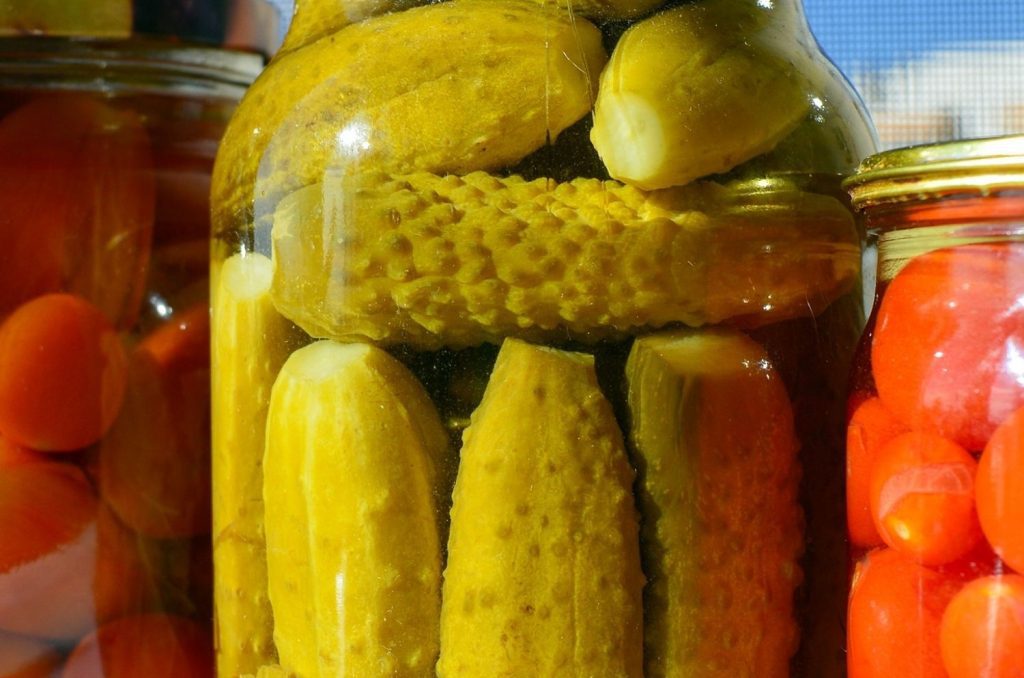
  • Pickling: Slice and pickle hot or sweet peppers in vinegar.
  • Drying: String hot peppers to dry or use a dehydrator.

If you are interested in learning more about my favorite garden planner. I highly recommend Seedtime! This planner has been instrumental in helping me plan out my gardens with WAY more efficiency than I could ever expect! It has also reduced overwhelm, stress, and calmed my ADD/ADHD!

More Info!

🥒 Summer Squash (Zucchini, Yellow Squash, etc.)

Summer squash is notorious for overproducing—thankfully, it’s incredibly flexible in the kitchen.

Best Ways to Use:

  • Grilled or sautéed: Season with herbs and olive oil.
  • Zucchini bread: A classic sweet loaf that freezes well.
  • Zoodles (zucchini noodles): A low-carb pasta replacement.

Preservation Tips:

  • Freezing: Shred raw zucchini and freeze in bags for baking.
  • Dehydrating: Create chips or slices for soups and stews.
  • Pickling: Surprisingly tasty when brined with vinegar and spices.
cropped-3.jpg

Are you looking for garden journal prompts, but aren’t interested in a weekly email? Check out our 365 Garden Journal Prompts! This is an amazing, all in one, yearly product that you only pay for once.

Buy Now!

🥬 Green Beans

Green beans are easy to grow, pick, and preserve—making them a homestead favorite.

Best Ways to Use:

  • Steamed or roasted: A quick and healthy side dish.
  • Casseroles: Classic green bean casserole or stir-fried with garlic.
  • Salads: Cold bean salad with vinegar and herbs.

Preservation Tips:

  • Freezing: Blanch and freeze in batches.
  • Canning: Pressure can for shelf-stable storage.
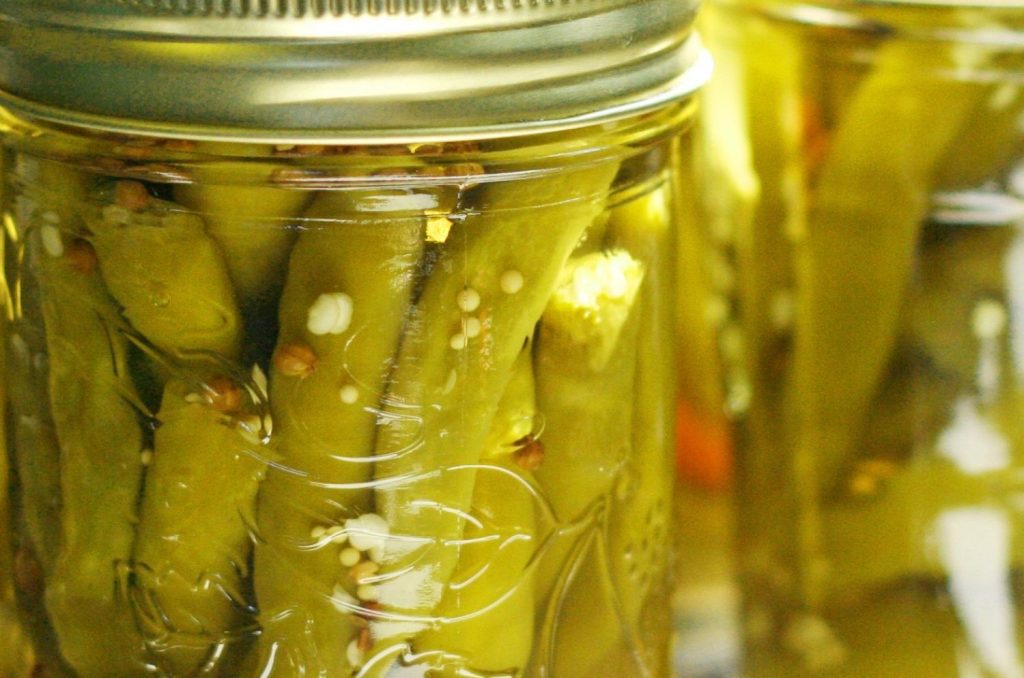
  • Pickling: Make dilly beans for a tangy treat.

Are you getting overwhelmed in the garden? Stressed? Or just not enjoying the garden like you used to? Check out our garden prompts! We send out weekly emails that get you back in the garden and out of your head! Turn the garden back into a place of love and joy instead of frustration and headache!

Subscribe Now!

🟢 Peas (Snow, Snap, or Shelling Peas)

Peas add sweet, crisp flavor and store surprisingly well.

Best Ways to Use:

  • Stir-fries: Especially snow or sugar snap peas.
  • Soups and stews: Shelling peas add sweetness to brothy dishes.
  • Fresh snacks: Snap peas are delicious raw with dip.

Preservation Tips:

  • Freezing: Shell and blanch before freezing.
  • Dehydrating: Great for soups or powdered into pea protein.

Before we get too far into this post, I wanted to give a suggestion about keeping a garden journal. A digital garden journal is a fantastic way to keep track of past, present and future gardens. Our Digital Garden Journal is a great way to keep up with everything without getting too overwhelmed.

Buy Now

🌽 Corn

There’s nothing like a freshly harvested ear of sweet corn. But once it starts coming in, it comes fast.

Best Ways to Use:

  • On the cob: Boiled, grilled, or roasted.
  • Cut off the cob: Add to casseroles, soups, salsas, or cornbread.
  • Corn relish: A delicious way to use excess with peppers and onions.

Preservation Tips:

  • Freezing: Cut kernels and freeze raw or blanched.
  • Canning: Pressure can whole-kernel corn or corn chowder.
  • Drying: Dry for popcorn or cornmeal if using field corn.

The Ultimate Homesteader’s Starter Bundle – Only $47!

Get the tools you need to stay organized, track profits, and manage your homestead with ease!

Includes:
✅ Schedule F Tracker – Simplify tax prep
✅ Profit Calculator – Track earnings
✅ Hay Calculator – Plan livestock feed
✅ Garden Journal – Digital & printable
✅ Herd Health Tracker – Monitor animal care
✅ Simple Budget – Manage finances
✅ Backyard Homestead eBook – Essential tips

$99 value – now just $47! Start your homesteading journey today!

Buy Now

🎃 Pumpkin

Pumpkins aren’t just for carving. They’re packed with nutrients and make an excellent storage crop.

Best Ways to Use:

  • Puree: Use in pies, muffins, soups, and even smoothies.
  • Roasted: Serve in chunks as a hearty vegetable side.
  • Pumpkin seeds: Roast with seasoning for a healthy snack.

Preservation Tips:

  • Freezing: Roast, puree, and freeze in 1-2 cup portions.
  • Canning: Pressure can pumpkin chunks (not puree).
  • Dehydrating: Make pumpkin leather or powder for baking.
cropped-3.jpg

Are you looking for garden journal prompts, but aren’t interested in a weekly email? Check out our 365 Garden Journal Prompts! This is an amazing, all in one, yearly product that you only pay for once.

Buy Now!

🧅 Onions

Onions are a foundation ingredient in most savory dishes and store very well with little effort.

Best Ways to Use:

  • Sautéed or caramelized: Add to eggs, burgers, and casseroles.
  • Soups and stocks: Build flavor with every batch.
  • Pickled onions: Great for tacos, burgers, and sandwiches.

Preservation Tips:

  • Curing and storing: Allow to dry in a well-ventilated space before storing in mesh bags or crates.
  • Freezing: Dice and freeze raw.
  • Dehydrating: Make onion flakes or powder.

The Ultimate Homesteader’s Starter Bundle – Only $47!

Get the tools you need to stay organized, track profits, and manage your homestead with ease!

Includes:
✅ Schedule F Tracker – Simplify tax prep
✅ Profit Calculator – Track earnings
✅ Hay Calculator – Plan livestock feed
✅ Garden Journal – Digital & printable
✅ Herd Health Tracker – Monitor animal care
✅ Simple Budget – Manage finances
✅ Backyard Homestead eBook – Essential tips

$99 value – now just $47! Start your homesteading journey today!

Buy Now

🌿 Herbs

Herbs are the secret to elevating any meal—and they’re easy to dry or freeze.

Best Ways to Use:

  • Fresh cooking: Add basil to tomatoes, rosemary to potatoes, or mint to tea.
  • Herbal butters or oils: Blend into compound butters or infuse into olive oil.
  • Herbal teas: Use mint, lemon balm, or chamomile for homemade blends.

Preservation Tips:

  • Drying: Air dry, use a dehydrator, or microwave for small batches.
  • Freezing: Chop and freeze in ice cube trays with olive oil or water.
  • Vinegars and salts: Infuse herbs for flavored culinary staples.
cropped-3.jpg

Are you looking for garden journal prompts, but aren’t interested in a weekly email? Check out our 365 Garden Journal Prompts! This is an amazing, all in one, yearly product that you only pay for once.

Buy Now!

🧺 Tips for Managing a Large Garden Harvest

When the bounty is overwhelming, here are a few extra strategies to stay on top of it:

  1. Prioritize perishables: Use herbs, zucchini, and tomatoes first—they spoil quickly.
  2. Batch process: Set aside a weekend for canning or freezing sessions.
  3. Share or barter: Trade excess produce with neighbors or at the farmer’s market.
  4. Keep a preservation log: Track what you freeze, can, or dry each season.
  5. Use imperfect produce: Turn blemished veggies into sauces, soups, or broths.
  6. Animals: Give “bad” produce that can’t be eaten or preserved to your animals. This will help cut your feed bill.

The Ultimate Homesteader’s Starter Bundle – Only $47!

Get the tools you need to stay organized, track profits, and manage your homestead with ease!

Includes:
✅ Schedule F Tracker – Simplify tax prep
✅ Profit Calculator – Track earnings
✅ Hay Calculator – Plan livestock feed
✅ Garden Journal – Digital & printable
✅ Herd Health Tracker – Monitor animal care
✅ Simple Budget – Manage finances
✅ Backyard Homestead eBook – Essential tips

$99 value – now just $47! Start your homesteading journey today!

Buy Now

📝 Final Thoughts: Don’t Let Your Harvest Go to Waste

Growing your own food is one of the most satisfying things you can do—but learning how to use it all is just as important. With a solid plan to cook, can, freeze, or dry your garden harvest, you’ll be able to enjoy your hard work all year long—and save money in the process.

So whether you’re drowning in tomatoes or wondering what to do with all those green beans, just remember: nothing has to go to waste with a little prep and planning.

If you like this post, feel free to share it and follow us below on our social media accounts!

  • Facebook
  • Pinterest
  • Instagram
  • YouTube
  • TikTok
  • Spotify
  • Threads

If you like the content I put out, feel free to buy us a coffee! It helps keep this site running, marketing and the goats in grain!

Buy me a coffee

Filed Under: Our Homestead

JOIN TO OUR MAILING LIST!

Leave us your email to receive new posts and special offers for members only! Don't miss a thing!

Recent Posts

  • Fall Garden Guide
  • Top Mistakes With Goats
  • How To Bond With Your Goats

How to Use Social Media to Earn an Income on the Homestead

April 29, 2025 by Leigh Leave a Comment

Gone are the days when farming meant staying offline and off the grid. Today, some of the most successful homesteaders are using social media not just to share their lives—but to fund them. If you’re looking to make extra money while raising animals, growing food, or living a simpler life, creating a homestead social media plan could be one of the smartest moves you make.

Whether you want to start a YouTube channel, monetize your Instagram reels, or sell digital products on Pinterest, this guide will walk you through exactly how to turn your homestead content into consistent income.

The Ultimate Homesteader’s Starter Bundle – Only $47!

Get the tools you need to stay organized, track profits, and manage your homestead with ease!

Includes:
✅ Schedule F Tracker – Simplify tax prep
✅ Profit Calculator – Track earnings
✅ Hay Calculator – Plan livestock feed
✅ Garden Journal – Digital & printable
✅ Herd Health Tracker – Monitor animal care
✅ Simple Budget – Manage finances
✅ Backyard Homestead eBook – Essential tips

$99 value – now just $47! Start your homesteading journey today!

Buy Now

Why Social Media Is a Powerful Tool for Homesteaders

As a homesteader, you already have what most content creators spend hours trying to fake—real life, real experience, and real value. People are hungry for authentic content: how to raise chickens, grow tomatoes, can green beans, make herbal salves, or balance motherhood with chores. You’re doing all that and more.

When you start sharing your journey, you:

  • Build community and trust
  • Establish yourself as an expert
  • Drive traffic to your blog, shop, or YouTube
  • Open doors to partnerships, sponsorships, and sales

The best part? You don’t need millions of followers to make money. With a clear homestead social media plan, even a small but loyal audience can create reliable income streams.

Are you getting overwhelmed in the garden? Stressed? Or just not enjoying the garden like you used to? Check out our garden prompts! We send out weekly emails that get you back in the garden and out of your head! Turn the garden back into a place of love and joy instead of frustration and headache!

Subscribe Now!

Step 1: Choose Your Social Media Platforms

You don’t have to be everywhere. The best platform is the one you’ll actually use consistently. Focus on 1–2 platforms that match your content style and target audience.

Here’s a breakdown of the most effective platforms for homesteaders:

Instagram
Great for visuals (gardens, animals, DIYs) and reels. Ideal for building community and growing quickly with daily posts and stories.

TikTok
Short-form video works well for quick tips, farm humor, or before-and-after projects. Viral potential is huge even with a small account.

YouTube
Perfect for long-form tutorials, project breakdowns, and vlogs. A great way to establish yourself as an expert and generate passive ad revenue.

Pinterest
Drives traffic to blogs, Etsy shops, and YouTube videos. Best for evergreen content like recipes, how-tos, and printables.

Facebook
Useful for joining homesteading groups, selling locally, and building a Facebook page or group for your audience.

Step 2: Define Your Niche and Audience

Before posting anything, get crystal clear on who you’re talking to. Not every homesteader has the same goals or challenges. Think about your ideal follower:

  • Are they beginner homesteaders looking to learn?
  • Moms trying to balance family and farm life?
  • Off-grid or self-sufficiency enthusiasts?
  • Gardeners wanting to grow food in small spaces?

Then, ask yourself what problems you can help solve. Your homestead social media plan should revolve around service, not just aesthetics.

Examples of niche focuses:

  • Raising goats for milk or meat
  • Canning and food preservation
  • Frugal and debt-free homesteading
  • Gardening in small spaces
  • Off-grid cooking and DIYs

The more specific you are, the easier it is to grow a loyal, engaged audience.

Step 3: Plan Your Content Strategy

Now it’s time to map out your content. The best strategy combines three types of posts:

1. Educational Content
Teach your audience something useful:

  • How to start seeds indoors
  • 5 mistakes new chicken owners make
  • How to use comfrey salve for wounds

2. Inspirational Content
Share your story, successes, and daily life:

  • A sunrise over your garden
  • A quote about simplicity
  • “Why we started homesteading”

3. Promotional Content
Invite your followers to buy or click:

  • Check out your blog post
  • Buy your ebook or course
  • Visit your Etsy shop

Use a monthly calendar to balance all three types. Pinterest-friendly posts and keyword-rich descriptions can dramatically increase traffic to monetized links.

Step 4: Create and Schedule Content Consistently

You don’t need to post every day, but you do need to be consistent. Pick a posting schedule you can stick to, like:

  • Instagram: 3 reels per week, 2 story days
  • TikTok: 1–2 videos daily
  • YouTube: 1 video every 1–2 weeks
  • Pinterest: 3–5 pins per blog post

Use tools like Later, Tailwind, Metricool, or Canva’s content planner to schedule your posts ahead of time. I use Metricool and have really enjoyed it and the ease of use. Plus, their free option is pretty robust.

Batch your content creation by filming or photographing multiple things at once—like your weekly chores, a harvest day, or a DIY project. Then break that footage into multiple reels, TikToks, or blog tutorials.

Step 5: Monetize Your Content

This is where your homestead social media plan turns into a paycheck. There are several ways homesteaders earn money from their content, even with small audiences.

1. Affiliate Marketing

Share your favorite tools, seeds, gear, or books and earn a commission.
Examples:

  • Amazon Associates
  • Homesteading toolkits or digital bundles
  • Seed companies or gardening supplies

2. Ad Revenue

Once you hit enough views or traffic, platforms pay you to run ads.

  • YouTube Partner Program (1,000 subs + 4,000 watch hours)
  • Pinterest (via blog traffic → Mediavine or Raptive ad networks)
  • TikTok Creator Fund (availability varies)

3. Digital Products

Sell printables, guides, planners, or courses.
Ideas:

  • Garden planning workbook
  • Monthly homestead checklist
  • Goat care guide or feed calculator
  • Online course on canning or microgreens

4. Brand Sponsorships

Once you build trust and engagement, brands may pay you for sponsored posts, product features, or reviews.

Start by tagging brands in your posts and writing honest reviews. As you grow, reach out with a media kit showing your audience size, engagement, and services offered.

5. Physical Products

Promote products you already make:

  • Goat milk soap
  • Farm-fresh eggs
  • Preserved foods or herbal remedies

Use your social media to drive traffic to your Shopify store, Etsy shop, or local pickup days.

Step 6: Build Your Funnel

To create consistent income, you need a funnel—a clear path from your social media post to a purchase.

Here’s an example funnel:

  1. Instagram reel shows you trimming goat hooves
  2. Caption links to your blog post on goat care
  3. Blog post offers a free goat health checklist in exchange for email
  4. Email series pitches your beginner goat-raising ebook

That’s how you turn a 30-second video into a $27 sale (or more).

Create content that leads people to:

  • Join your email list
  • Read your blog
  • Buy your product
  • Watch your YouTube channel

Step 7: Track What’s Working

Every platform gives you analytics—use them. Review each month:

  • Which posts got the most views or saves?
  • What drove the most traffic to your blog?
  • Which links got clicked the most?

Focus on what’s working and do more of it. Your homestead social media plan should evolve as you learn what your audience responds to best.

Tools like Google Analytics, Pinterest Analytics, and social media insights will guide your strategy.

Step 8: Stay Authentic and Serve First

People follow you for you. Don’t try to copy influencers with perfectly polished lives. Show your mud boots, garden fails, and behind-the-scenes struggles. That authenticity is your superpower.

When you focus on serving your audience—educating, inspiring, and connecting—the income naturally follows.

Be honest. Be consistent. Be kind. And the right followers (and opportunities) will come.

Final Thoughts on Creating a Homestead Social Media Plan

If you’re living the homestead life, you already have content worth sharing—and monetizing. Whether you want to supplement your income or create a full-time business, a solid homestead social media plan can turn your skills and stories into a steady source of income.

Start simple. Choose one platform. Create helpful content. Build your audience and serve them well. In time, you’ll grow a digital income stream that supports your homestead dreams.

If you like the content I put out, feel free to buy us a coffee! It helps keep this site running, marketing and the goats in grain!

Buy me a coffee

If you like this post, feel free to share it and follow us below on our social media accounts!

  • Facebook
  • Pinterest
  • Instagram
  • YouTube
  • TikTok
  • Spotify
  • Threads

Filed Under: Frequently Asked Questions, Homestead Planning, How To's, Start Here Tagged With: business, Chickens, Goats, Homestead, income

JOIN TO OUR MAILING LIST!

Leave us your email to receive new posts and special offers for members only! Don't miss a thing!

Recent Posts

  • Fall Garden Guide
  • Top Mistakes With Goats
  • How To Bond With Your Goats

How to Set Realistic Goals for Your Homestead

April 26, 2025 by Leigh Leave a Comment

When you start homesteading, it’s easy to dream big—chickens, goats, gardens, beehives, canning pantries, solar panels, and homemade everything. But without a clear plan, all those dreams can quickly turn into burnout. That’s why mastering homestead goal setting is one of the most valuable skills you can develop. In this guide, we’ll walk you through how to set achievable and realistic goals for your homestead that align with your lifestyle, budget, and time.

Whether you’re homesteading on a quarter-acre suburban lot or a 20-acre rural spread, smart planning is the key to long-term success and joy on the land.

The Ultimate Homesteader’s Starter Bundle – Only $47!

Get the tools you need to stay organized, track profits, and manage your homestead with ease!

Includes:
✅ Schedule F Tracker – Simplify tax prep
✅ Profit Calculator – Track earnings
✅ Hay Calculator – Plan livestock feed
✅ Garden Journal – Digital & printable
✅ Herd Health Tracker – Monitor animal care
✅ Simple Budget – Manage finances
✅ Backyard Homestead eBook – Essential tips

$99 value – now just $47! Start your homesteading journey today!

Buy Now

Why Homestead Goal Setting Matters

Homesteading isn’t just a lifestyle—it’s a deeply personal journey toward self-reliance, sustainability, and fulfillment. But with so many moving pieces, trying to do everything at once is a recipe for chaos. Homestead goal setting allows you to:

  • Stay focused on what matters most
  • Avoid wasting money or energy on the wrong projects
  • Build your skills in a steady, manageable way
  • Prevent overwhelm and burnout
  • Track your progress and celebrate your wins

Instead of spinning your wheels, you’ll move with intention—and that’s where the real magic happens.

If you are interested in learning more about my favorite garden planner. I highly recommend Seedtime! This planner has been instrumental in helping me plan out my gardens with WAY more efficiency than I could ever expect! It has also reduced overwhelm, stress, and calmed my ADD/ADHD!

More Info!

Step 1: Define Your Homestead Vision

Before setting any goals, step back and ask: Why am I homesteading?

Your personal “why” shapes every decision on your land. For example, do you want to:

  • Raise your own food to reduce grocery bills?
  • Teach your kids about nature and responsibility?
  • Create a profitable side hustle?
  • Live more sustainably or off-grid?

Your vision will determine your priorities. If you want to sell produce at the farmers market, a market garden becomes a higher priority than a dairy cow. If your goal is food security, then canning, meat rabbits, or a root cellar might top the list.

Pro tip: Write down your homestead vision and keep it somewhere visible—on your fridge, in your garden journal, or posted in the barn.

Before we get too far into this post, I wanted to give a suggestion about keeping a garden journal. A digital garden journal is a fantastic way to keep track of past, present and future gardens. Our Digital Garden Journal is a great way to keep up with everything without getting too overwhelmed.

Buy Now

Step 2: Assess Your Resources Honestly

Setting realistic homesteading goals starts with understanding what you’re working with. Take stock of your available:

  • Time – Are you working full-time? Homeschooling? Raising toddlers? Be honest.
  • Land – How much usable space do you have? Is it wooded, sloped, wet?
  • Budget – What can you afford to start with? Do you have savings set aside?
  • Skill Level – Are you brand new to gardening, livestock, or building?
  • Support – Are you doing this solo, or do you have help from family, friends, or neighbors?

You don’t need unlimited resources to start homesteading, but understanding your limitations helps you set smart, achievable targets. For instance, if you only have an hour a day, starting a full-scale garden and livestock operation simultaneously might not be feasible—but a small raised bed and a few hens could be perfect.

Our herd health bundle helps you keep track of your herd’s health. Includes the goat assessment, herd check sheets AND Herd Health Tracker!

Buy Now

Step 3: Break It Down by Season or Year

One of the best homestead goal setting strategies is to plan by season or by year. Instead of trying to do everything at once, divide your big picture into quarterly or monthly chunks.

Example Annual Goal: Become 50% food self-sufficient
Seasonal Breakdown:

  • Spring: Build raised beds and plant cool-season crops
  • Summer: Expand garden and preserve harvest
  • Fall: Raise and butcher meat chickens
  • Winter: Learn pressure canning and plan fruit trees

This method keeps you focused and makes your goals feel less overwhelming. It also gives you natural checkpoints to celebrate your wins and adjust plans as needed.

If you are new to heating with firewood and are looking to master the finer points of it. We’ve got a great eBook that goes in depth of what tools you should consider, how and where to stack, how to build a fire and so much more!

Buy Now

Step 4: Use SMART Goals

SMART goals are:

  • Specific – Clear and detailed
  • Measurable – You can track your progress
  • Achievable – It’s realistic with your current resources
  • Relevant – It supports your overall homestead vision
  • Time-bound – There’s a set deadline

Bad goal: “I want to grow more food.”
SMART goal: “Grow 75% of our salad greens from April to September using three 4×8 garden beds.”

SMART goals give you clarity and accountability. They help you stay on track and give you confidence as you move forward.

The Ultimate Homesteader’s Starter Bundle – Only $47!

Get the tools you need to stay organized, track profits, and manage your homestead with ease!

Includes:
✅ Schedule F Tracker – Simplify tax prep
✅ Profit Calculator – Track earnings
✅ Hay Calculator – Plan livestock feed
✅ Garden Journal – Digital & printable
✅ Herd Health Tracker – Monitor animal care
✅ Simple Budget – Manage finances
✅ Backyard Homestead eBook – Essential tips

$99 value – now just $47! Start your homesteading journey today!

Buy Now

Step 5: Prioritize What’s Most Important

You probably have a long list of dreams—fruit trees, bees, goats, solar panels, an orchard, a pond. And they’re all great! But doing everything at once is a fast track to burnout. Pick just 1–3 main goals per season and focus on doing them well.

Ask yourself:

  • What will have the biggest impact on our quality of life?
  • What aligns most with our values or needs right now?
  • What is time-sensitive (like spring planting)?

If your family is struggling with food bills, starting a garden and learning food preservation might be more urgent than building a chicken coop. You can always add more later.

The Hay Calculator:

If you aren’t math-y (don’t worry I’m not either), check out our Hay Calculator. It literally does ALL of the math for you and gives you totals based on what you want your goals.

On the second page, you can track where you’ve bought hay, what you spent and how long it lasted.

Buy the Hay Calculator

Step 6: Track Your Progress

Tracking your progress is not only helpful—it’s encouraging. When you see how far you’ve come, it builds momentum and motivation.

Ideas for tracking:

  • A garden journal or planner
  • A monthly homestead checklist
  • A whiteboard in your kitchen or barn
  • A simple spreadsheet
  • A visual tracker (like coloring in a jar for every quart canned)

You’ll be amazed how satisfying it is to check things off, track harvest totals, or log new skills you’ve learned.

The Ultimate Homesteader’s Starter Bundle – Only $47!

Get the tools you need to stay organized, track profits, and manage your homestead with ease!

Includes:
✅ Schedule F Tracker – Simplify tax prep
✅ Profit Calculator – Track earnings
✅ Hay Calculator – Plan livestock feed
✅ Garden Journal – Digital & printable
✅ Herd Health Tracker – Monitor animal care
✅ Simple Budget – Manage finances
✅ Backyard Homestead eBook – Essential tips

$99 value – now just $47! Start your homesteading journey today!

Buy Now

Step 7: Reassess and Adjust

Life on the homestead is unpredictable. Weather, animal health, family needs, and even burnout can derail the best-laid plans. That’s okay. The key is to expect things to change and stay flexible.

Set regular check-ins—monthly or seasonally—to review your goals:

  • What’s working?
  • What’s not?
  • What needs to be paused or scaled back?
  • What new opportunities have come up?

This reassessment is where real wisdom and growth happen. Flexibility is one of the most powerful homesteading tools you can develop.

Before we get too far into this, I have a great course on the basics of goat care. I call it Goat Crash Course: Goat 101. In this course, I explain things like types of shelter, types of feeds and hays, basic assessments and so much more! Check it out!

Buy Now

Step 8: Celebrate Small Wins

When you set realistic homesteading goals, even small wins matter. Maybe your first garden only yielded a few tomatoes. Maybe you only canned five jars of salsa. That’s still progress!

Celebrate it:

  • Take a picture
  • Post your success on social media
  • Share your homemade meal with friends
  • Mark it in your journal

Each step forward builds your confidence and your skill set. Every win is proof that you’re growing—literally and metaphorically.

The Ultimate Homesteader’s Starter Bundle – Only $47!

Get the tools you need to stay organized, track profits, and manage your homestead with ease!

Includes:
✅ Schedule F Tracker – Simplify tax prep
✅ Profit Calculator – Track earnings
✅ Hay Calculator – Plan livestock feed
✅ Garden Journal – Digital & printable
✅ Herd Health Tracker – Monitor animal care
✅ Simple Budget – Manage finances
✅ Backyard Homestead eBook – Essential tips

$99 value – now just $47! Start your homesteading journey today!

Buy Now

Goal Setting Examples by Homestead Focus

Here are some practical homestead goal setting ideas by category to inspire your plan:

Gardening Goals

  • Build 4 raised beds and plant spring crops
  • Grow and preserve enough tomatoes to make 12 jars of sauce
  • Start composting with kitchen scraps

Livestock Goals

  • Raise 25 meat chickens for freezer meat
  • Build a secure coop and start with 6 laying hens
  • Learn how to trim goat hooves or do a FAMACHA check

Food Preservation Goals

  • Water bath can 40 jars of jam or salsa
  • Learn pressure canning for broth and beans
  • Freeze enough zucchini to use all winter

Income or Business Goals

  • Sell $500 worth of produce at the farmers market
  • Start a blog or YouTube channel about your homestead journey
  • Offer farm tours or goat yoga classes once a month

Sustainability Goals

  • Line dry all laundry in summer
  • Reduce grocery store trips to once per month
  • Start using a solar oven or dehydrator

Family Goals

  • Teach kids how to plant, water, and harvest vegetables
  • Plan weekly outdoor family chores or animal care
  • Involve the whole family in harvesting and preserving food

Before we get too far into this, I have a great course on the basics of goat care. I call it Goat Crash Course: Goat 101. In this course, I explain things like types of shelter, types of feeds and hays, basic assessments and so much more! Check it out!

Buy Now

Final Thoughts on Homestead Goal Setting

The beauty of homesteading is that it’s not about perfection—it’s about progress. By learning how to set realistic goals, you give yourself the freedom to grow, learn, and enjoy your homestead without constant stress or overwhelm.

Whether you’re dreaming of living off-grid or just want to grow a few vegetables and keep chickens, homestead goal setting is your secret weapon. Start with what you have. Do what you can. And watch your homestead—and your confidence—flourish.

If you like the content I put out, feel free to buy us a coffee! It helps keep this site running, marketing and the goats in grain!

Buy me a coffee

If you like this post, feel free to share it and follow us below on our social media accounts!

  • Facebook
  • Pinterest
  • Instagram
  • YouTube
  • TikTok
  • Spotify
  • Threads

Filed Under: Frequently Asked Questions, Homestead Planning, How To's Tagged With: burnout, Chickens, Homestead, mental health, Planning

JOIN TO OUR MAILING LIST!

Leave us your email to receive new posts and special offers for members only! Don't miss a thing!

Recent Posts

  • Fall Garden Guide
  • Top Mistakes With Goats
  • How To Bond With Your Goats

Start A Small Garden For Beginners

April 19, 2025 by Leigh Leave a Comment

Gardening has grown in popularity as more people strive to become self-reliant, eat healthier, and connect with nature. But while the dream of growing your own lush vegetable garden or colorful flower beds can be enticing, many new gardeners fall into the trap of starting too big, too soon. The truth is, gardening isn’t as easy as Pinterest-perfect posts might make it look. It’s a skill, a muscle that needs to be worked slowly but consistently to build knowledge, experience, and confidence. If you’re new to gardening, starting a small garden isn’t just practical—it’s essential for long-term success. Here’s why starting a small garden for beginners is the smartest, most sustainable path and how it sets the foundation for a thriving green future.

cropped-3.jpg

Are you looking for garden journal prompts, but aren’t interested in a weekly email? Check out our 365 Garden Journal Prompts! This is an amazing, all in one, yearly product that you only pay for once.

Buy Now!

Gardening is a Skill, Not an Instant Talent

While not ALL new gardeners think this, many new gardeners assume that planting seeds in the ground will instantly yield fresh produce or blooming flowers. But gardening is more than just digging and watering. It involves learning how to read soil, track sunlight patterns, time your plantings correctly, identify pests, manage watering, and troubleshoot problems like disease or poor germination. These are skills that take time and practice to learn.

Think of gardening like learning to play an instrument or exercising. You wouldn’t expect to run a marathon the first week you take up jogging. Similarly, you shouldn’t expect to manage a half-acre garden on your first try. Gardening is a muscle—one that needs slow and steady workouts to strengthen over time. By starting small, you give yourself space to absorb the lessons, make manageable mistakes, and grow your confidence as well as your crops.

The Ultimate Homesteader’s Starter Bundle – Only $47!

Get the tools you need to stay organized, track profits, and manage your homestead with ease!

Includes:
✅ Schedule F Tracker – Simplify tax prep
✅ Profit Calculator – Track earnings
✅ Hay Calculator – Plan livestock feed
✅ Garden Journal – Digital & printable
✅ Herd Health Tracker – Monitor animal care
✅ Simple Budget – Manage finances
✅ Backyard Homestead eBook – Essential tips

$99 value – now just $47! Start your homesteading journey today!

Buy Now

A Small Garden is Easier to Manage

One of the most overwhelming aspects of gardening for beginners is the maintenance. Watering, weeding, pruning, harvesting—it all adds up, and if your garden is too large, you may quickly find yourself burned out or frustrated. A small garden allows you to keep up with the care your plants need without feeling like the task list is never-ending.

In a small space, you can learn to observe your plants daily, notice small changes in growth, and quickly catch signs of problems like pests or disease. These daily habits create the foundation of good gardening practice, and they’re easier to build when the garden is a manageable size. With fewer plants to worry about, you’ll be more likely to stick with it, especially during tough seasons or busy life moments.

If you are interested in learning more about my favorite garden planner. I highly recommend Seedtime! This planner has been instrumental in helping me plan out my gardens with WAY more efficiency than I could ever expect! It has also reduced overwhelm, stress, and calmed my ADD/ADHD!

More Info!

Gardening Isn’t as Easy as It Looks Online

Social media has a way of making everything look effortless, including gardening. You’ve probably seen dreamy garden beds bursting with tomatoes, giant zucchinis, and flawless flowers. What you don’t see is the composting, soil amending, seed starting failures, pest battles, and years of trial and error that went into creating those lush scenes.

The truth is, gardening comes with setbacks. Seeds don’t always germinate. Weather doesn’t always cooperate. Pests can wipe out an entire crop in a matter of days. These frustrations are part of the journey, and they’re much easier to handle when your garden is small. It’s a lot less heartbreaking to lose three tomato plants than to watch an entire 30-foot row of them die after weeks of care.

Smaller Gardens Are Budget Friendly

Starting a garden can quickly become expensive, especially if you go all-in on raised beds, tools, fertilizers, and an extensive seed list. For beginners, starting small reduces the financial risk. A few containers on a patio, a 4×4 raised bed, or even a small tilled patch of soil in your yard can produce a surprising amount of food without draining your wallet.

Starting small allows you to experiment with different tools, growing methods, and plant varieties without committing to a large investment. You can test out your local climate, soil conditions, and preferences to see what works best for you before expanding.

The Ultimate Homesteader’s Starter Bundle – Only $47!

Get the tools you need to stay organized, track profits, and manage your homestead with ease!

Includes:
✅ Schedule F Tracker – Simplify tax prep
✅ Profit Calculator – Track earnings
✅ Hay Calculator – Plan livestock feed
✅ Garden Journal – Digital & printable
✅ Herd Health Tracker – Monitor animal care
✅ Simple Budget – Manage finances
✅ Backyard Homestead eBook – Essential tips

$99 value – now just $47! Start your homesteading journey today!

Buy Now

Small Gardens Offer Room for Reflection and Learning

When your garden is small, it’s easier to reflect on what’s working and what isn’t. Did that tomato variety struggle with disease? Were those greens too bitter for your taste? Was the spacing too tight? A small-scale garden gives you the ability to evaluate and adapt your practices from season to season without the overwhelming task of managing a massive space.

This kind of seasonal reflection is crucial for developing gardening wisdom. Each season is a chance to improve. Maybe next year you’ll choose disease-resistant varieties, try vertical growing, or add compost earlier. These lessons accumulate slowly, and in a small garden, you’ll have the bandwidth to process and implement them.

Side Note: Get A Garden Journal!

I have said this in every single garden post that I have ever written. GET A GARDEN JOURNAL! This journal will help you as you grow and expand your gardens. You will not remember the varieties that did well or that you didn’t like. You won’t remember exactly what you did to get rid of the Japanese bettles that took out your green beans.

Do yourself a favor and get a garden journal. You can either purchase a digital copy like this or you can get a couple bullet journals and mark your progress every year. No matter what you choose, a garden journal is as important, if not more important, than what raised bed your planted your lettuce in last year.

Before we get too far into this post, I wanted to give a suggestion about keeping a garden journal. A digital garden journal is a fantastic way to keep track of past, present and future gardens. Our Digital Garden Journal is a great way to keep up with everything without getting too overwhelmed.

Buy Now

You’ll Build Better Habits

A small garden helps build consistency—one of the most important elements of gardening success. With a limited number of plants, you’ll naturally build routines around checking in, watering, harvesting, and weeding. These habits form the backbone of every successful garden.

Over time, these small daily actions become second nature. Before you know it, you’ll be checking your soil moisture with your finger, recognizing the early signs of aphids, and knowing just when to harvest your lettuce for the best flavor. This habit-building process is essential for beginners, and it’s much more effective in a small garden.

Success Breeds Confidence

Nothing is more encouraging than harvesting your first ripe tomato or cutting a bouquet of flowers you grew yourself. These small successes give you the confidence to keep going. When you start with a small garden, you’re more likely to succeed—and that early success is crucial for motivation.

On the other hand, taking on too much at once can lead to overwhelm, discouragement, and even the decision to quit gardening altogether. Many would-be gardeners abandon their plots after their first attempt because they feel like they failed. But often, it wasn’t their fault—it was just too much, too soon. Starting small helps you stay positive and inspired to keep learning.

cropped-3.jpg

Are you looking for garden journal prompts, but aren’t interested in a weekly email? Check out our 365 Garden Journal Prompts! This is an amazing, all in one, yearly product that you only pay for once.

Buy Now!

You’ll Make Smarter Expansion Choices

Once you’ve worked your gardening “muscles” in a small space, you’ll know exactly how to expand your garden in a way that makes sense. You’ll know which plants you enjoy growing, which varieties work well in your area, and which gardening tasks you actually enjoy. This information is invaluable when planning a larger garden.

Instead of guessing or copying someone else’s layout, you’ll design your next garden based on real experience. Maybe you’ll build a second raised bed, add a few fruit bushes, or try a new vertical trellis system. No matter how you expand, you’ll do it with intention, not overwhelm.

Small Gardens Can Be Highly Productive

Don’t underestimate what a small garden can produce. With careful planning and succession planting, even a 4×4 garden bed can supply greens, herbs, and seasonal vegetables throughout the growing season. Container gardens can yield fresh herbs, peppers, tomatoes, and even root crops. You don’t need a huge plot to feed yourself and your family.

In fact, starting small often leads to better productivity because you can give each plant the attention it needs. You’re more likely to fertilize correctly, manage pests, and harvest on time when your garden is easy to access and monitor.

Are you getting overwhelmed in the garden? Stressed? Or just not enjoying the garden like you used to? Check out our garden prompts! We send out weekly emails that get you back in the garden and out of your head! Turn the garden back into a place of love and joy instead of frustration and headache!

Subscribe Now!

Pinterest-Worthy Gardens Take Time

If you’re dreaming of a picture-perfect garden, remember: those dreamy Pinterest gardens weren’t built in a season. They’re the result of years of trial, error, and improvement. The good news is that your small garden is the first step toward that vision.

Every gardener starts somewhere. Behind every lush, overflowing bed is a journey of small beginnings. Give yourself the grace to start where you are. There’s beauty in the process, and starting small ensures that you enjoy the journey rather than getting discouraged along the way.

Final Thoughts: Embrace the Small Start

For the new gardener, the most important thing isn’t how much you grow—it’s that you start growing. A small garden gives you the opportunity to develop skills, build habits, learn from mistakes, and experience the joy of homegrown success without the stress and overwhelm of a big plot. Remember, gardening is a muscle. Work it regularly. Tend it patiently. Let it grow strong and steady over time.

By starting small, you’re planting the seeds of a lifelong passion—one that can nourish your body, mind, and soul. So grab a few pots, prepare a little bed, or sow a single row of seeds. That small act of gardening is the foundation of something far greater than you can imagine.

If you like the content I put out, feel free to buy us a coffee! It helps keep this site running, marketing and the goats in grain!

Buy me a coffee

If you like this post, feel free to share it and follow us below on our social media accounts!

  • Facebook
  • Pinterest
  • Instagram
  • YouTube
  • TikTok
  • Spotify
  • Threads

Filed Under: Our Homestead

JOIN TO OUR MAILING LIST!

Leave us your email to receive new posts and special offers for members only! Don't miss a thing!

Recent Posts

  • Fall Garden Guide
  • Top Mistakes With Goats
  • How To Bond With Your Goats

Homestead Flexibility: The Key to Success When Plans Go Awry

March 29, 2025 by Leigh Leave a Comment

When it comes to homesteading, there are countless essential skills to master—gardening, animal care, food preservation, and efficient time management, to name a few. However, the most valuable skill of all might be homestead flexibility: the ability to adapt, adjust, and pivot when things don’t go as planned.

The Ultimate Homesteader’s Starter Bundle – Only $47!

Get the tools you need to stay organized, track profits, and manage your homestead with ease!

Includes:
✅ Schedule F Tracker – Simplify tax prep
✅ Profit Calculator – Track earnings
✅ Hay Calculator – Plan livestock feed
✅ Garden Journal – Digital & printable
✅ Herd Health Tracker – Monitor animal care
✅ Simple Budget – Manage finances
✅ Backyard Homestead eBook – Essential tips

$99 value – now just $47! Start your homesteading journey today!

Buy Now

What Is Homestead Flexibility?

Homestead flexibility is the art of adjusting to unexpected changes while maintaining progress toward your goals. My husband, Jared, used to say that the Army’s real motto should be Semper Gumby—“Always Flexible.” This phrase became even more relevant when I worked in EMS, where situations could change in an instant. But nowhere has Semper Gumby been more applicable than on our homestead.

Homestead Flexibility in Action

A perfect example happened just yesterday. I was deep into meal prep, making breakfast tacos in bulk for Jared. While handling pounds of meat, eggs, and potatoes, a nagging thought told me to check on Jade, one of our goats. She wasn’t due for another few days, but something felt off.

I planned to check on her after hanging laundry, but before I could finish, I heard a scream—one unlike her usual noisy calls. Rushing to the pasture, we found Jade mid-labor. Within moments, we were in full-on kidding mode. My carefully planned day was out the window, but instead of stressing, we adapted. By the end of it, we welcomed two new kids: Onyx and Amethyst.

This is homestead flexibility at work—knowing that sometimes, your schedule will take a backseat to what truly matters in the moment.

The Reality of Homestead Challenges

Many homesteaders start with an ideal vision of self-sufficiency, but reality often paints a different picture. Equipment breaks down, livestock gets sick, and the weather doesn’t always cooperate. Learning to work with what you have rather than becoming frustrated with what you can’t control is a crucial part of long-term success.

Take, for example, the unpredictability of animal births. Even with calculated due dates, animals often surprise you. The key is having supplies ready and being mentally prepared to pivot at a moment’s notice. The same goes for your garden—some crops may fail due to unexpected frosts or pests, and you’ll need to replant or find alternative solutions. The more you can embrace the unexpected, the more sustainable your homesteading journey will be.

Structuring Your Goals While Staying Flexible

We started the year with clear homesteading goals: fencing the garden, building chicken tractors, and clearing the basement. But then came the rain. In our part of Georgia, February was the rainiest I’ve ever seen. Mud pits replaced pastures, barns flooded, and outdoor projects became impossible.

Had we been rigid in our plans, we would have felt defeated. Instead, we shifted gears. Jared focused on splitting firewood, something that needed doing anyway. Rather than forcing progress on the flooded garden, we redirected our efforts to indoor tasks. Flexibility saved our momentum.

The Ultimate Homesteader’s Starter Bundle – Only $47!

Get the tools you need to stay organized, track profits, and manage your homestead with ease!

Includes:
✅ Schedule F Tracker – Simplify tax prep
✅ Profit Calculator – Track earnings
✅ Hay Calculator – Plan livestock feed
✅ Garden Journal – Digital & printable
✅ Herd Health Tracker – Monitor animal care
✅ Simple Budget – Manage finances
✅ Backyard Homestead eBook – Essential tips

$99 value – now just $47! Start your homesteading journey today!

Buy Now

How to Build Flexibility Into Your Homestead Plans

  1. Give Yourself Time
    Unexpected events will arise—ill animals, bad weather, or surprise births. When setting goals, allow extra time so that delays don’t completely derail your progress.
  2. Accept That Not Everything Will Happen on Time
    Some projects will need to be pushed back. If rain ruins your February planting plans, move them to March. If the basement isn’t cleared, reevaluate your approach. Adaptation is key.
  3. Prioritize Your Goals
    Not all tasks are equally urgent. Structure your to-do list based on necessity. For example, as we plan for the next quarter, our priorities are:
    • Seed and plant the garden (critical for food supply)
    • Improve our butchering space
    • Stack and split firewood
    • Clear the basement (helps with storage and future projects)
    • Build the firepit (a lower-priority, nice-to-have project)
    • Work on the greenhouse (can be gathered gradually)
  4. Have Backup Plans
    Flexibility isn’t just about shifting schedules—it’s about having alternatives. This year, we opted for a slower-growing meat bird breed to allow for unexpected butchering delays without compromising meat quality. This kind of foresight makes all the difference.
  5. Give Yourself and Your Family Grace
    Homesteading is demanding, and sometimes, despite your best efforts, things won’t go as planned. That’s okay. Giving yourself and your family grace means understanding that delays, setbacks, and mistakes are part of the process. Instead of frustration, practice patience. Celebrate progress, no matter how small, and remember that each challenge is a learning opportunity.
  6. Stay Organized and Track Your Progress
    One of the best ways to maintain flexibility while staying productive is by keeping detailed records of your projects, goals, and setbacks. A homestead journal can help you track planting schedules, livestock health, weather patterns, and completed projects. By reviewing past records, you can make better decisions moving forward and quickly adapt when unexpected challenges arise.
  7. Lean on Your Community
    Homesteading isn’t just about self-sufficiency—it’s also about community. Whether it’s neighbors, fellow homesteaders, or online support groups, having a network to rely on can make a huge difference. Sharing advice, bartering resources, and lending a hand during tough times can ease some of the burdens and help you stay adaptable.

The Power of Switching Gears

On any given day, weather, emergencies, or surprise animal births can throw a wrench into our plans. But instead of losing an entire day to frustration, we ask: What can we do instead?

Today, for instance, it’s raining again. That means no gardening, no firewood stacking, and no firepit building. But it’s the perfect day to clean out the basement—a task we can tackle indoors.

Beyond switching gears for productivity, it’s also important to recognize when you need rest. Homesteading can be physically and mentally exhausting. Building flexibility into your routine also means knowing when to take a step back, recharge, and return with fresh energy.

The Ultimate Homesteader’s Starter Bundle – Only $47!

Get the tools you need to stay organized, track profits, and manage your homestead with ease!

Includes:
✅ Schedule F Tracker – Simplify tax prep
✅ Profit Calculator – Track earnings
✅ Hay Calculator – Plan livestock feed
✅ Garden Journal – Digital & printable
✅ Herd Health Tracker – Monitor animal care
✅ Simple Budget – Manage finances
✅ Backyard Homestead eBook – Essential tips

$99 value – now just $47! Start your homesteading journey today!

Buy Now

The Bottom Line: Flexibility Fuels Success

A successful homestead is built on vision, adaptability, and hard work. Without a clear vision, you’ll struggle to stay on course. Without flexibility, unexpected challenges will leave you feeling overwhelmed. But when you combine vision, flexibility, and a willingness to pivot when needed, your homestead will thrive—rain or shine.

If you like the content I put out, feel free to buy us a coffee! It helps keep this site running, marketing and the goats in grain!

Buy me a coffee

If you like this post, feel free to share it and follow us below on our social media accounts!

  • Facebook
  • Pinterest
  • Instagram
  • YouTube
  • TikTok
  • Spotify
  • Threads

Filed Under: Our Homestead Tagged With: Canning, Chickens, Chicks, cooking, Eggs, Goats, Homestead, kitchen, Welcome

JOIN TO OUR MAILING LIST!

Leave us your email to receive new posts and special offers for members only! Don't miss a thing!

Recent Posts

  • Fall Garden Guide
  • Top Mistakes With Goats
  • How To Bond With Your Goats
  • Page 1
  • Page 2
  • Page 3
  • Interim pages omitted …
  • Page 8
  • Go to Next Page »

Primary Sidebar

WELCOME

WELCOME

My name is Leigh and I am the lead chaos creator here at Steel Raven Farms. You will see throughout this blog that I am the crazy goat lady.

I am married to my high school sweetheart, Jared and we have two amazing boys.

FOLLOW ME

  • Amazon
  • Facebook
  • Instagram
  • Pinterest
  • TikTok

GET UPDATES!

Leave us your email to receive new posts and special offers for members only! Don't miss a thing!

In all the years that I’ve been growing a garden, the fall garden has steadily remained my favorite. Which is funny because I don’t really like any of the brassicas, which is what most people know the fall garden for. I prefer the root vegetables and cool air. But I have learned over the years…

Read More

Secondary Sidebar

Call to Action Section

Here's a great place to write something specific that you want your visitors to read.
Buy now!

Buy now!

  • Animals
    • Chickens
    • Farm Dogs
    • Goats
  • Garden
    • Compost
    • Garden Projects
    • Seeds and Plants
    • Garden Journal
    • Working With Food
      • Recipes
      • Freezing Foods
      • Dehydrating Foods
      • Canning Tips And Tricks
        • Canning Inventory Sheets
  • Helpful Info
    • Welcome to the Homestead!
    • Emergency Preparedness
    • Frequently Asked Questions
    • Goal Setting
    • Project List
    • Shop Digital Products
      • Hay Calculator
      • Farm Expense And Income Tracker
      • Goat Crash Course: 101
      • Garden Journal Prompts
      • Schedule C Tracker
      • Schedule C Tracker
      • The Homestead Bundle
  • The Truths
  • Episode List
  • Start Here
    • Privacy Policy
    • Affiliate Disclosure
    • Let’s Get in Touch
    • Members Only Library
    • Welcome To Our Homestead

Footer

  • Email
  • Facebook
  • Instagram
  • Pinterest

COME AND GET IT!

Leave us your email to receive new posts and special offers for members only! Don't miss a thing!

· Midnight Theme

Copyright © 2026 · Midnight Theme on Genesis Framework · WordPress · Log in