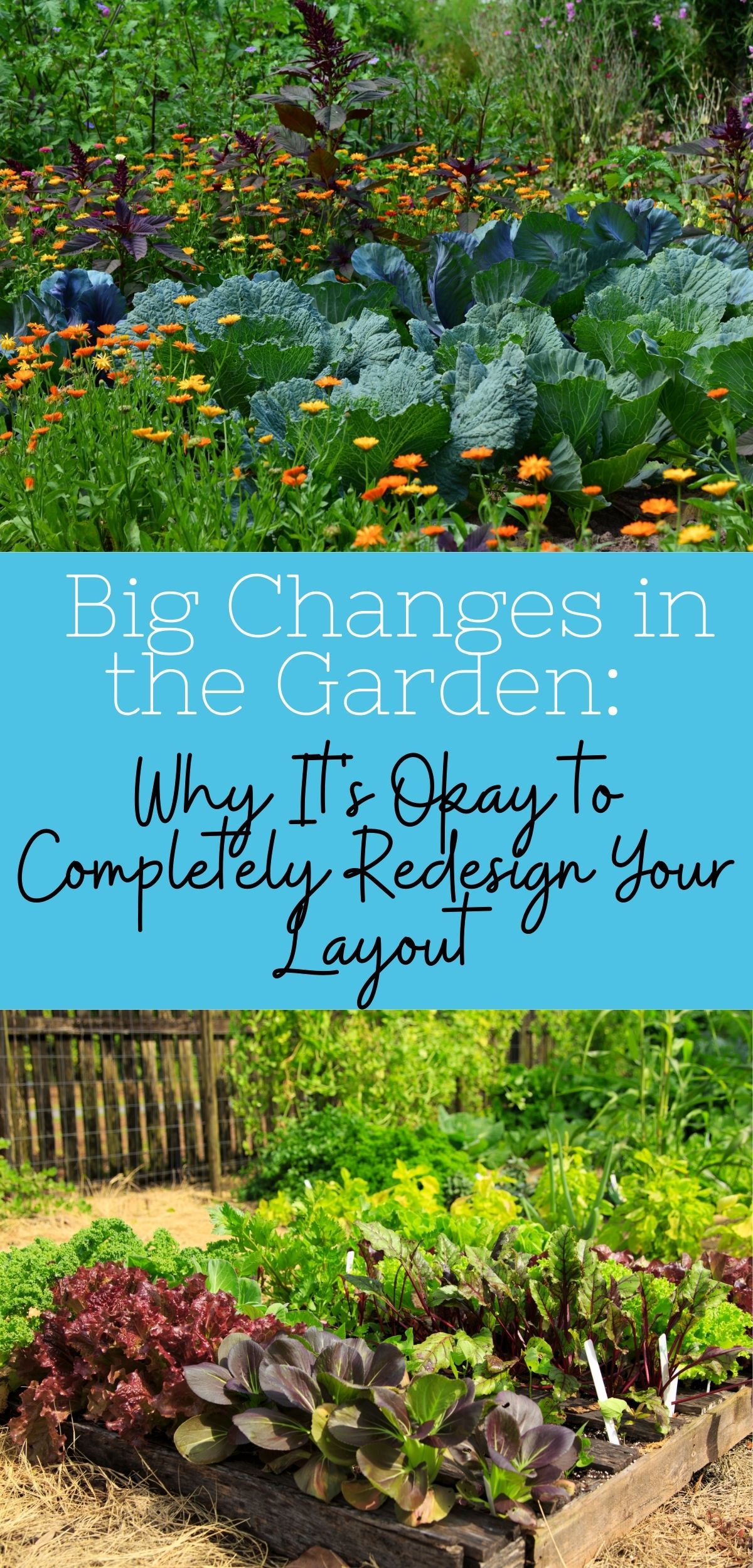
You know that feeling when you walk through your garden and instead of joy, you feel frustration? Maybe the paths are too narrow. Maybe the tomatoes are in full sun while your herbs are frying by noon. Maybe the whole thing just isn’t working. And yet—there’s this little voice that says, “Well, this is just how it is now.” Let me tell you something loud and clear: you are allowed to make big changes in your garden.

The Ultimate Homesteader’s Starter Bundle – Only $47!
Get the tools you need to stay organized, track profits, and manage your homestead with ease!
Includes:
✅ Schedule F Tracker – Simplify tax prep
✅ Profit Calculator – Track earnings
✅ Hay Calculator – Plan livestock feed
✅ Garden Journal – Digital & printable
✅ Herd Health Tracker – Monitor animal care
✅ Simple Budget – Manage finances
✅ Backyard Homestead eBook – Essential tips
$99 value – now just $47! Start your homesteading journey today!
We all start our garden layouts with the best intentions. Maybe it was drawn out on paper. Maybe it was built with sweat and sore muscles. But sometimes, what works on paper doesn’t work in real life—and that’s okay. Just because you built something once doesn’t mean you’re stuck with it forever. The truth is, changing garden layouts is part of becoming a better gardener.
Let’s talk about why redesigning your garden is not only okay but often the smartest move you can make. I’ll share tips on how to do it right, mistakes to avoid, and why you shouldn’t make anything permanent until you’re absolutely sure.

Are you looking for garden journal prompts, but aren’t interested in a weekly email? Check out our 365 Garden Journal Prompts! This is an amazing, all in one, yearly product that you only pay for once.
Why Changing Your Garden Layout Is Totally Valid
Gardening is a process of learning. No one gets it perfect on the first try. You change. Your needs change. Your soil changes. Your life changes. Maybe you now have less time, or maybe you’re growing more food than before. Maybe a tree grew taller and shaded out your beds. Maybe a drought changed the way your yard handles water. Whatever the reason, holding onto a broken layout because you feel guilty about changing it helps no one—not you, not your plants.
You’re not betraying your garden by moving things around. You’re evolving it. And honestly, some of the best gardens are the ones that have been through a few versions. The only mistake is thinking you have to keep something the way it is just because that’s how it’s always been.

Are you getting overwhelmed in the garden? Stressed? Or just not enjoying the garden like you used to? Check out our garden prompts! We send out weekly emails that get you back in the garden and out of your head! Turn the garden back into a place of love and joy instead of frustration and headache!
Don’t Make Permanent Changes Until You’re Sure
If you take away only one tip from this post, let it be this: Don’t make permanent changes until you’re absolutely sure. What does that mean? It means don’t pour concrete paths or build permanent beds until you’ve lived with the layout for a while. It means sitting with the sun patterns, watching how the water drains, and giving yourself time to walk through the space before committing.
Use temporary materials first. Lay out your new paths with mulch and see how they feel underfoot. Mark bed edges with hose lines or stakes and string. Walk it. Work in it. See if it makes sense. Only then should you grab the shovel and start building.
Once you go permanent, it’s a lot harder to undo. So save yourself the pain (and the money) by testing your layout before you lock it in.
Are you looking for garden journal prompts, but aren’t interested in a weekly email? Check out our 365 Garden Journal Prompts! This is an amazing, all in one, yearly product that you only pay for once.
Common Reasons Garden Layouts Stop Working
- Overcrowding: What seemed like a cute kitchen garden is now a cramped mess where you can’t reach anything without stepping on something else.
- Sun and shade shifts: Trees grow, shadows move, and what was once full sun is now partial shade.
- Water drainage issues: You discover after a heavy rain that your main bed is basically a swamp.
- Too much upkeep: You added more beds than you can reasonably manage, and now gardening feels like a chore.
- Your goals changed: Maybe you started with flowers and now you’re growing food. Or you want to add a chicken coop. Your garden should reflect your priorities now, not what they were five years ago.
The Ultimate Homesteader’s Starter Bundle – Only $47!
Get the tools you need to stay organized, track profits, and manage your homestead with ease!
Includes:
✅ Schedule F Tracker – Simplify tax prep
✅ Profit Calculator – Track earnings
✅ Hay Calculator – Plan livestock feed
✅ Garden Journal – Digital & printable
✅ Herd Health Tracker – Monitor animal care
✅ Simple Budget – Manage finances
✅ Backyard Homestead eBook – Essential tips
$99 value – now just $47! Start your homesteading journey today!
How to Start Rethinking Your Layout
1. Observe Your Space
Spend a few days just observing. Where does the sun fall in morning, midday, and evening? Are there drainage issues? Is there a natural flow where you wish a path existed? Don’t grab a shovel yet—grab a notebook.
2. Prioritize Function Over Aesthetics
It’s okay to want a beautiful garden, but beauty fades when you’re frustrated every time you try to harvest your zucchini. Think about what you need the space to do. Do you want more food production? More walking space? Easier watering access? Put function first.
3. Sketch a New Plan
Start rough. Use pencil. Move beds around like puzzle pieces. Test out new layouts on paper before committing. If you’re visual, try chalking it out in your yard or laying down old cardboard boxes in the shape of future beds.
4. Build in Flexibility
Design with the idea that you might want to change it again later. That means using modular raised beds, temporary trellises, and mulch paths that can be easily reshaped. Flexibility keeps you from feeling boxed in by past decisions.
5. Avoid Invasive Mistakes
Now that you’re redesigning, take this moment to not repeat one of the most common garden regrets: planting aggressive, invasive plants directly into the ground.
Plants in the mint family, many ornamental grasses, and even things like lemon balm or comfrey will take over your space if given the chance. You’ll be battling them for years. The better option? Keep them in large pots, containers, or isolated raised beds that are easy to manage and contain.
Also, don’t just trust the plant tag. “Spreads easily” or “ground cover” is code for “you will regret this next year.”
Are you looking for garden journal prompts, but aren’t interested in a weekly email? Check out our 365 Garden Journal Prompts! This is an amazing, all in one, yearly product that you only pay for once.
Smart Tips for Redesigning Without Regret
Use Raised Beds for Control
Raised beds give you clean edges, better soil control, and less compaction. They’re also easy to move or replace when built modularly. Consider 3×6 or 4×8 as standard sizes that are easy to reach from all sides.
Plan for Access
Leave enough room between beds for wheelbarrows, kneeling, or even a comfy chair. Trust me, two feet of pathway is never enough. Go for three feet minimum wherever you can. Most of our paths are at least four feet.
Group Plants by Needs
Cluster high-water plants near each other and close to your water source. Keep heat-sensitive crops in areas with afternoon shade. Design for success, not struggle.
Create Zones
Break your garden into zones: a herb zone near the kitchen, a production zone for heavy harvest crops, a perennial corner, a compost or tool area. This makes the garden feel intentional and easier to manage.
Think Seasonally
Where will the shade be in summer vs winter? Where do you want to plant garlic in the fall or early brassicas in spring? Make room in your layout to rotate and rest areas seasonally.
Use What You Have
Sometimes you don’t need new beds—you just need to move or reframe the old ones. Reuse lumber, repurpose bricks or rocks, and think creatively before hauling everything to the dump.

If you are interested in learning more about my favorite garden planner. I highly recommend Seedtime! This planner has been instrumental in helping me plan out my gardens with WAY more efficiency than I could ever expect! It has also reduced overwhelm, stress, and calmed my ADD/ADHD!
What to Expect Emotionally
Changing a garden layout can bring up some weird feelings. Guilt. Doubt. Frustration. After all, you put time and love into building that first version. But just like pruning a plant, redesigning your garden is sometimes the healthiest thing you can do for long-term growth.
Let yourself mourn what didn’t work. Then get excited for what’s next. You’re not erasing your garden’s past—you’re building its future.
Are you looking for garden journal prompts, but aren’t interested in a weekly email? Check out our 365 Garden Journal Prompts! This is an amazing, all in one, yearly product that you only pay for once.
Final Thoughts: Gardens Evolve, and So Should You
Let’s ditch the myth that your garden has to stay the same forever. You are allowed to redesign. You are allowed to say, “This isn’t working.” You are allowed to move every single bed and start fresh if that’s what brings you joy.
A good garden layout serves you, not the other way around. So if yours isn’t working—fix it. Rethink it. Rebuild it. Plant smarter. Move the mint. Rip out that soggy bed and turn it into a wildflower patch. Make a garden that works for who you are now.
Because if gardening has taught us anything, it’s that growth comes from change.
If you like this post, feel free to share it and follow us below on our social media accounts!
Leave a Reply