Let’s talk about something gross—but necessary: animals pooping in raised beds. I don’t mean just one stray incident. I’m talking about that moment when you go out to water your lettuce and find that your raised bed has become the neighborhood litter box. And not just for cats. Oh no. On our farm, we’ve dealt with stray cats, raccoons, possums, and even skunks treating our beautifully mulched soil like a five-star toilet. And it’s not just annoying—it’s dangerous.
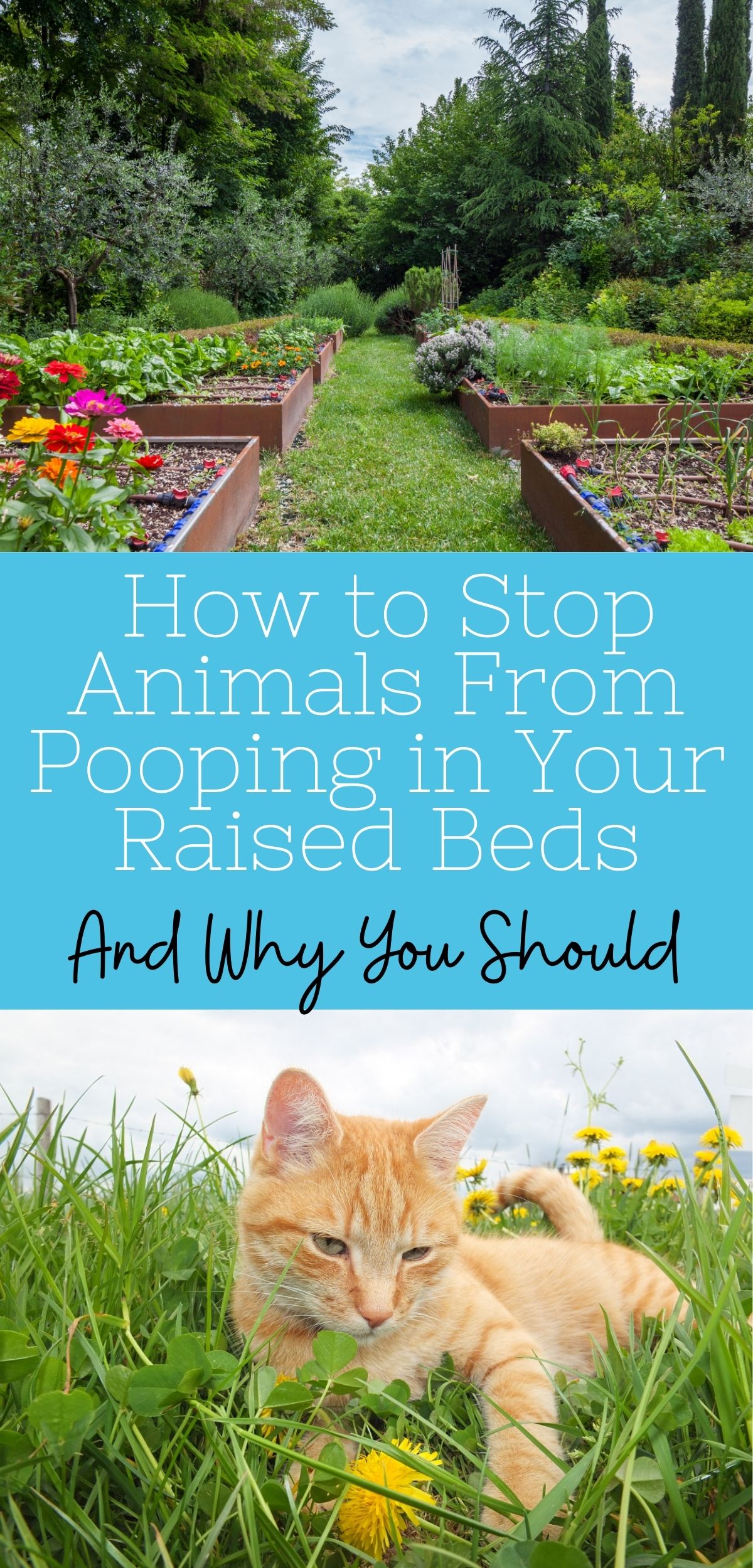
If you’re here because you’re tired of scraping cat poop out of your kale bed or finding suspicious mounds in your spinach patch, you’re not alone. It’s one of those garden problems nobody warns you about until you’re knee-deep in contaminated compost. This post will cover the health risks, what animals might be responsible, and—most importantly—how to stop it, with real solutions that actually work, including the one that’s saved our sanity: cayenne pepper.

Are you looking for garden journal prompts, but aren’t interested in a weekly email? Check out our 365 Garden Journal Prompts! This is an amazing, all in one, yearly product that you only pay for once.
Why Animal Poop in the Garden Is a Big Problem
I get it. Animals do what animals do. But when your raised beds become their preferred bathroom, it’s not just unsanitary—it can be a legitimate health hazard.
1. Parasites and Pathogens
Feces from cats, raccoons, and opossums can carry a laundry list of diseases you do not want near your food. Toxoplasmosis, roundworms, E. coli, and salmonella are just a few of the pathogens lurking in animal waste. Cat feces in particular are notorious for spreading Toxoplasma gondii, a parasite that can cause severe complications, especially in pregnant women and those with weakened immune systems.
2. Soil Contamination
Even if you scoop it out, that poop doesn’t just sit there—it leaches into your soil. That beautiful compost you worked so hard to build can quickly become a breeding ground for bacteria. And once it’s in there, it’s hard to know whether your crops are safe to eat raw.
3. Damage to Plants
Beyond the contamination, digging behavior from animals using your raised beds can physically damage tender seedlings. Stray cats especially love to dig around freshly planted rows, treating your bed like a personal sandbox.
4. It’s Just Gross
Let’s be real. Nobody wants to reach into their kale and come back with more than they bargained for. It’s not a pleasant part of gardening, but it’s one that has to be dealt with.
Are you looking for garden journal prompts, but aren’t interested in a weekly email? Check out our 365 Garden Journal Prompts! This is an amazing, all in one, yearly product that you only pay for once.
Who’s Pooping in Your Garden?
Before we dive into prevention, it helps to know your enemy.
- Cats: Neighborhood strays or even your own outdoor cat will often use loose, fresh soil as a litter box. They especially love raised beds with nice fluffy soil or mulch.
- Raccoons: Known for their communal “latrine” sites, raccoons will often return to the same spot over and over.
- Opossums: Less frequent offenders but still possible. They’re mostly attracted to food scraps or compost, but they will go where they feel hidden and safe.
- Dogs: Not as sneaky but certainly destructive. If your dog gets into your raised beds, you’ve got an entirely different cleanup job on your hands.
Are you looking for garden journal prompts, but aren’t interested in a weekly email? Check out our 365 Garden Journal Prompts! This is an amazing, all in one, yearly product that you only pay for once.
Our #1 Solution: Cayenne Pepper
Let me just say—cayenne pepper works. On our farm, nothing has worked better at keeping the cats and raccoons out of the raised beds than a regular sprinkle of cayenne pepper powder or crushed red pepper flakes. They hate the smell, and even more than that, they really hate the burn when they try to dig or sniff around after you’ve applied it.
We’ve found the powder works better than flakes for a wide area application, but flakes last a bit longer in the rain. Here’s how to use it effectively:
How to Apply Cayenne Pepper to Raised Beds:
- Wait until your seedlings are up or apply before planting. Don’t sprinkle directly onto young, tender leaves.
- Lightly dust the surface of the soil, especially in corners and areas that have already been “used.”
- Reapply after watering or rain. It’s not permanent, but it builds a strong message over time: This is not your toilet.
- You can also mix it with a little water and dish soap for a DIY spray deterrent. Just make sure to avoid spraying it directly on edible leaves unless you rinse well before harvest.
PS: This also works to keep dogs from digging holes in your yard. It’s how we have trained our dogs for years.

If you are interested in learning more about my favorite garden planner. I highly recommend Seedtime! This planner has been instrumental in helping me plan out my gardens with WAY more efficiency than I could ever expect! It has also reduced overwhelm, stress, and calmed my ADD/ADHD!
Other Effective Tips to Keep Animals Out of Raised Beds
1. Garden Netting or Mesh Covers
Floating row covers, bird netting, or even wire mesh laid across the bed can physically block animals from digging. You can install a light frame or use old tomato cages to support the netting and still allow sun and rain through.
2. Motion-Activated Sprinklers
Raccoons and cats hate being surprised. A motion-activated sprinkler set to go off when movement is detected can startle them enough to keep them away for good. You’ll have to keep a hose attached and water on at all times, so this may not be a great option.
3. Sharp Mulch or Chicken Wire
Cats in particular dislike walking on rough or pokey surfaces. Try a layer of pine cones, coarse wood chips, or even laying chicken wire just under the surface of your mulch. It makes digging uncomfortable, and they’ll quickly seek out easier terrain.
4. Predator Scents and Repellents
You can buy commercial repellents that mimic the smell of predators like fox or coyote. Some gardeners swear by them. Just check that they’re safe to use around edible plants and follow the instructions closely.
5. Planting Deterrents
Strong-smelling herbs like rosemary, lavender, and lemongrass can sometimes help deter cats and small animals from hanging around. Scatter them around the edges of your beds for a bonus bit of beauty and scent.
6. Secure Your Compost
Many critters are drawn to open compost bins full of food scraps. Make sure your compost pile is contained and covered, especially if you’re in an area with active raccoons or possums. You don’t want your garden to be their midnight buffet.
7. Garden Fencing (Even Mini Versions)
A simple 2-foot fence around your raised beds can do a lot to keep small animals out. It won’t stop raccoons completely (those bandits are crafty), but it does add a layer of inconvenience that can make your garden less appealing.

The Ultimate Homesteader’s Starter Bundle – Only $47!
Get the tools you need to stay organized, track profits, and manage your homestead with ease!
Includes:
✅ Schedule F Tracker – Simplify tax prep
✅ Profit Calculator – Track earnings
✅ Hay Calculator – Plan livestock feed
✅ Garden Journal – Digital & printable
✅ Herd Health Tracker – Monitor animal care
✅ Simple Budget – Manage finances
✅ Backyard Homestead eBook – Essential tips
$99 value – now just $47! Start your homesteading journey today!
What to Do If You Suspect Contamination
If you discover fresh animal feces in your raised bed, don’t panic—but don’t ignore it either.
Here’s what to do:
- Remove all visible feces carefully, using a trowel and gloves.
- Discard any vegetables that may have come into direct contact with waste.
- If the poop was in a planting area, consider removing the top few inches of soil and replacing it.
- Avoid planting root vegetables (like carrots or radishes) in that spot for the rest of the season.
- Wait at least 120 days before planting anything you plan to eat raw in that area—this aligns with USDA guidance for raw manure contamination.

Before we get too far into this post, I wanted to give a suggestion about keeping a garden journal. A digital garden journal is a fantastic way to keep track of past, present and future gardens. Our Digital Garden Journal is a great way to keep up with everything without getting too overwhelmed.
Prevention Is Easier Than Clean-Up
Once an animal picks a favorite potty spot, they will come back. Your best bet is to deter them immediately and consistently. Even if the poop problem seems small now, it can become a serious health issue later. And let’s face it—it ruins the joy of gardening when your harvest bed becomes a hazard zone.
Cayenne pepper is an easy, affordable place to start, and for us, it’s been a game changer. But combine it with physical barriers or deterrents, and you’ll drastically reduce the chances of repeat offenses.
Are you looking for garden journal prompts, but aren’t interested in a weekly email? Check out our 365 Garden Journal Prompts! This is an amazing, all in one, yearly product that you only pay for once.
Final Thoughts: Reclaim Your Raised Beds
If you’ve ever found yourself cursing at a neighborhood cat or battling with a masked raccoon under moonlight, know this: you’re not alone. The struggle is real, and it’s not your fault. Raised beds are inviting. They’re warm, dry, and easy to dig in. To an animal, they might as well have a sign that says “Nature’s Bathroom—Open 24/7.”
But with the right mix of deterrents, persistence, and a dash of cayenne, you can reclaim your garden space. Keep your beds clean, your soil safe, and your harvests healthy—because you deserve to garden without fear of stepping in something unpleasant.
If you like this post, feel free to share it and follow us below on our social media accounts!
Leave a Reply