• Skip to primary navigation
  • Skip to main content
  • Skip to footer

Steel Raven Farms

Where muck boots meet ground.

  • Animals
    • Chickens
    • Farm Dogs
    • Goats
  • Garden
    • Compost
    • Garden Projects
    • Seeds and Plants
    • Garden Journal
    • Working With Food
      • Recipes
      • Freezing Foods
      • Dehydrating Foods
      • Canning Tips And Tricks
        • Canning Inventory Sheets
  • Helpful Info
    • Welcome to the Homestead!
    • Emergency Preparedness
    • Frequently Asked Questions
    • Goal Setting
    • Project List
    • Shop Digital Products
      • Hay Calculator
      • Farm Expense And Income Tracker
      • Goat Crash Course: 101
      • Garden Journal Prompts
      • Schedule C Tracker
      • Schedule C Tracker
      • The Homestead Bundle
  • The Truths
  • Episode List
  • Start Here
    • Privacy Policy
    • Affiliate Disclosure
    • Let’s Get in Touch
    • Members Only Library
    • Welcome To Our Homestead

Goats

What To Have On Hand During Kidding Season

October 12, 2024 by Leigh Leave a Comment

If you have been on this blog for more than one article, you know how much we love our goats. Seriously, it’s ridiculous. But you may not have heard about the good, bad and ugly that is kidding season. If you have never owned livestock or even had a family pet give birth, you are absolutely not prepared for what is going to happen when your animal gives birth. Even after getting a birth or two under your belt, you’re probably STILL not prepared. And if you’ve got goats? Well, nothing will go as planned during kidding season.
Before we get too far into this, I have a great course on the basics of goat care. I call it Goat Crash Course: Goat 101. In this course, I explain things like types of shelter, types of feeds and hays, basic assessments and so much more! Check it out!

Buy Now

Let’s Start Before Labor

If you know your goat is pregnant, or at least your pretty positive, there are somethings you should do prior to her giving birth. If you don’t have these things on hand, I highly recommend you go and get them quickly. You can buy all of this on amazon, or you can get it at your local feed store or Tractor Supply. All the links here will be for TSC because most everyone has one around somewhere.

  • Selenium– If you live in a selenium depleted area, which is almost the entire US, your brand new goat kid is probably deficient. However, if you have been supplementing with high quality minerals, this shouldn’t be a huge problem. We use these minerals and when kids are born, give them the selenium gel that is linked. The selenium will help boost the development of their muscles, brain and more.
  • Chlorohexidine or Iodine– So there is some debate about dipping umbilical cords. I am not here to set the record straight or to tell you what to do or buy. I am here to tell you what we do and why. Here’s the thing. In 2007 the DEA said no more to 7% iodine. I don’t know why, nor do I care. What I do know is that unless you have a source, you are not getting the 7% which is what is the best for dipping umbilical cords. You can read all about it here or do your own research (which I highly recommend). But the jist is this: trim the cord to about 2-3 inches so that it does not touch the ground and introduce bacteria and other nasties to your goat kid. Then dip the cord in either of the products I listed. Keep an eye on your kid and make sure that they are nursing and definitely got that colostrum.
  • Tums or CMPK– If labor has stalled or if your doe has milk fever, they need calcium. CMPK is what you should have on hand. But good luck finding it. Honestly, we start giving about 3-4 Tums, in the days leading up to labor and then continue to give them for a couple of days after. This to help keeps their calcium up. You do not have to by any means, but it is good to have on hand.
  • Ketone test strips- These can be found at your local pharmacy in the diabetic aisle. These will help you determine if you need to start treating for pregnancy toxemia. In order to keep it from happening in the first place, make sure you are feeding plenty of good quality hay and forage. If your doe is acting lethargic or otherwise off, try giving her a little molasse water and try to test her urine.
  • Lastly- Puppy pads, towels, exam gloves and lube. That’s really it.

I would also recommend watching as many videos on goat labor as possible. You can find Bella’s birth here. Maverick was a big boy and got stuck as he was coming out.

It’s Kidding Season!

Now, I’m pretty bougie with my goats. Unless my girls drop kids without me knowing (here’s looking at you, Bailey and Oakley), it’s a big production on my farm. I have a cheap 5 gallon bucket that has my iodine dip, towels, scissors, puppy pads, selenium and snacks for me. I will also make up some molasses water and bring them grain.

Bailey and Sébastien

At night, our does get put in the smaller area of our barn to make sure that they have privacy from the other goats. We also have an outdoor camera in there to check in on them without disturbing them. During the day, they have free reign over the two pastures.

When it’s time for them to labor, I try to get them into the barn. I won’t force the subject, but I do prefer to have them in a protected area. Also, I will usually just hang back and watch. I get my gloves and lube ready so if I need to go in I’m not fumbling around. Then we wait.

goat kidding

Before we get too far into this, I have a great course on the basics of goat care. I call it Goat Crash Course: Goat 101. In this course, I explain things like types of shelter, types of feeds and hays, basic assessments and so much more! Check it out!

Buy Now

Don’t Panic

The best thing you can do is not panic. I know it’s easier said than done, but seriously, don’t panic. Goats have been having kids for thousands of years. The chances that they or you are going to have a traumatic birth is slim. Unless you have a Bella, then all bets are off.

Subscribe to Craft Beer Club Today!

Once you have decided that you are not panicking, lay your towels down and get ready. Some goats want all of your attention while in labor. Others don’t want you anywhere near them. Both are fine. I have had extremely friendly goats completely freak out on me and I’ve had total terrors turn into lovebugs during labor. The biggest thing is to keep calm and keep them calm. If that means you watch from a distance or stay snuggled in, do it.

Be On Standby

A solid 90% of goats do not require any assistance during labor. That means that you are simply on standby until you are needed. They will start pushing and grunting. If you can, look at their vulva and make sure they are making progress. They should have their kid within about 30 minutes of pushing. If not, start getting prepared to go in. You may have a stuck kid.

Logo 468x60

Stuck Kid

If after 30 minutes of pushing, she has still not produced anything. Glove up and lube up, you’re going in. What you are checking for is that you have two hooves and a nose in the birth canal. If you don’t see or feel that, you need to get in there and find it. Out of the 10% of those times that you will need to assist, it’s usually either a big kid or the head is stuck back. You need to get your hand, and maybe arm in there and pull the head forward.

Remember to stay calm. When Champ went into labor, her first and last kids where stuck. I was able to get the first one out. Then Stella came. But the 3rd one was really stuck. I ended up phoning a friend to just talk to me and keep me calm. Unfortunately, Stella is the only kid that made it. That should not be the case with your stuck kids, but it does happen.

Banner 468x60

You can read about Champ’s labor here and the resulting cuteness that is Stella.

The Kid Is Out, What Now?

The absolute first thing you do is move them out of the way IF mom is still pushing. Be careful of the umbilical cord. It will disconnect on it’s own after a few seconds of pushing. But YOU do not want to rip it.

If the kid is not breathing well, lift the kid up by their back legs and let them dangle. Gently swing them from side to side to help get any fluid that is still in their lungs, mouth and nose out.

Tractor Supply

If mom is a little busy or not immediately cleaning the kid, go ahead and start drying off the baby with a towel. With Champ, she had zero interest in her babies. I think part of it was that once she went into labor, everything was quick but she was also tired and her body condition wasn’t great.

After the kid is cleaned up, check the umbilical cord. If it has broken, make sure it is not profusely bleeding. A drop or two is fine, we are worried about massive bleeding here. Think about it this way. They are tiny, so they don’t have a ton of blood. If that blood is coming out, they don’t have much to circulate through their body. If the cord is still bleeding, pinch the cord with your fingers as hard as you can. We want to try and control the bleeding. Again, this is extremely rare and should not be a problem. Once it has stopped, you can let go and see if it start bleeding again. You can also tie off the cord with dental floss.

Dip the cord with the solution listed in your buy list above.

Bonus Tip: Sometimes, momma will not allow that solution to stay on. That is okay. Don’t panic. Bella will lick and bite off the cord if I do ANYTHING to it. Since she takes such good care of her babies, I’m not worried about it. To be honest, I don’t really dip anymore. I trim the cord to about 1-3inches and make sure they are in a clean and dry area. BUT you need to make that decision for yourself.

Tractor Supply

If mama is still pushing, let her do her thing. You can “bump” her to see if you feel another kid in there. Bumping is putting your arms under her, right in front of her udders, and pulling up sharply. You are checking to see if you feel anything hard. If so, she’s got another baby. If not, she’s passing the placenta next. It’s time to nurse if she only has one. Get her up and see if you can get the baby to nurse.

Nursing

Normally, you don’t need to help. Momma should make this happen on her own. But if you have a first time mom, or maybe a not so great momma, you could need to help the kid out.

To do this, get mama up and place the baby with it’s head towards the udders. This may take a time or two to make sure that it latches but try. If the baby or mama refuses, try again in a few minutes. Rinse and repeat. Kids need that colostrum within the first hour or two.

After the kid has nursed, I will usually get a weight on it. This helps to make sure that they are gaining weight in the coming days. If the kid is not gaining, you may have to pull the kid and start bottle feeding it.

How much weight should the kid gain? Well, that’s a question with no real answer. As long as the kid is gaining weight, is alert and being a kid, it is fine. If for any reason the kid is not gaining weight, alert or being a kid, then I would get involved.

Closing

I hope this has helped you prepare for your goat to go into labor. It can be daunting and scary. But don’t let that stop you. It is awesome to see the birth and the maternal instinct of these creatures. Plus it is heart melting to hear those first cries and mama perk up.
If you like the content I put out, feel free to buy us a coffee! It helps keep this site running, marketing and the goats in grain!

Buy me a coffee
  • Facebook
  • Pinterest
  • Instagram
  • YouTube
  • TikTok
  • Spotify
  • Threads

Filed Under: Animals, Goats, How To's Tagged With: Goats, Homestead, Labor, Welcome

JOIN TO OUR MAILING LIST!

Leave us your email to receive new posts and special offers for members only! Don't miss a thing!

Recent Posts

  • Fall Garden Guide
  • Top Mistakes With Goats
  • How To Bond With Your Goats

Why You Need The Herd Health Sheets

October 8, 2024 by Leigh Leave a Comment

I posted before about how goats are not beginner livestock. I’ve also posted about the basics you need to care for your goats. But how do you keep track of all of the things that you’ve done, need to do, or want to do? I have tried many different ways of trying to keep track of who has gotten what meds, who was breed by who, and who needs vaccines or boosters. But my herd health sheets have been fantastic over the last several years and I wanted to share them with you.

goat kidding

Before we get too far into this, I have a great course on the basics of goat care. I call it Goat Crash Course: Goat 101. In this course, I explain things like types of shelter, types of feeds and hays, basic assessments and so much more! Check it out!

Buy Now

Why You Need Herd Health Sheets

Unlike other livestock, goats can be pretty fragile creatures that require constant care and maintenance. If you don’t know who is who, or maybe forget that you dewormed your milk goat, you can have some pretty serious problems. If you are using your memory to remember who got what and when, you will have problems at some point.

Here Are Some Reasons To Use Herd Health Sheets

If you are breeding your goats for milk, you need to know who bred them around what time. Then you need to know if they have had any issues with milking in the past, how often they have had to be dewormed, how many kids they throw, and if they have any contagious diseases.

Another reason to help keep track is breeding. We decided to keep Champ’s kid Stella. We CAN breed Stella back to her father but that’s not an awesome idea. Also, by knowing that Champ hates being milked, we know that we need to work with Stella a lot on the milking stand.

goat kid in the house with black dog sniffing it

We also had an issue with Orf’s within the first few months of having Bella, Champ, Midas and Texas. So by keeping track of who had it, it helps keep us updated on who is likely to get it.

Obviously, if you only have two goats, you can probably remember these things. But we have more than two and will definitely have even more. Not to mention that we plan on breeding goats for a long time. It would be nice to be able to go back at a glance and see who has been healthy and who hasn’t. I am working towards breeding healthier genetics with less need for worming

Who Needs Herd Sheets

If you have livestock that you need to do treatments to or have on a breeding schedule, I would say that you need these herd sheets. Sure, if you only have one bull, buck, rooster, whatever, you probably don’t need the breeding part for them. But I’ve got two bucks and I do need to be careful about who gets bred to who. Midas can breed everyone but Stella. Spike can breed anyone this year. But I want to wait until the girls are at least eight months old.

While I can go down the rabbit hole of all the technicalities of this, I think it’s safe to say that it’s better to have all this information in one spot. If I’m having to flip pages or do mental gymnastics, someone could get left out and that is dangerous when dealing with creatures that are not so great at keeping themselves alive.

Sheets In Use

The first video is Champ’s sheet and the second is the actual product and how to use it.

Its important to note, on Champ’s sheet, that before I created these sheets, I totally missed documenting fecals and other medications that were given. That can be life threatening when dealing with worms. Here in the south, worms are lethal. Sure, you can have a strong herd that rarely needs deworming. But we aren’t there yet. You can see at the bottom, that the last entry she was dewormed because the strongyles came back with a vengeance. Not to mention that her FAMACHA was a 4.

This sheet also helps keep me aware of weight loss, FAMACHA trends, and so on.

This is a brand new sheet and how to set it up.

Where To Get These Sheets?

You can find them on our store as a digital download. The PDF is for the Google Sheet link and they are super easy to fill out. The best thing to do is to make a copy of the first page, by right clicking and then click duplicate. Then rename the copy to your goat name. After that you can remove the information on there and replace it with your own.

I hope this sheet will help you as they have helped me. I strongly suggest either creating your own or picking up ours.

If you like the content I put out, feel free to buy us a coffee! It helps keep this site running, marketing and the goats in grain!

Buy me a coffee

If you like this post, feel free to share it and follow us below on our social media accounts!

  • Facebook
  • Pinterest
  • Instagram
  • YouTube
  • TikTok
  • Spotify
  • Threads

Filed Under: Animals, Breeding, Goats, How To's Tagged With: Chickens, Goats, Homestead

JOIN TO OUR MAILING LIST!

Leave us your email to receive new posts and special offers for members only! Don't miss a thing!

Recent Posts

  • Fall Garden Guide
  • Top Mistakes With Goats
  • How To Bond With Your Goats

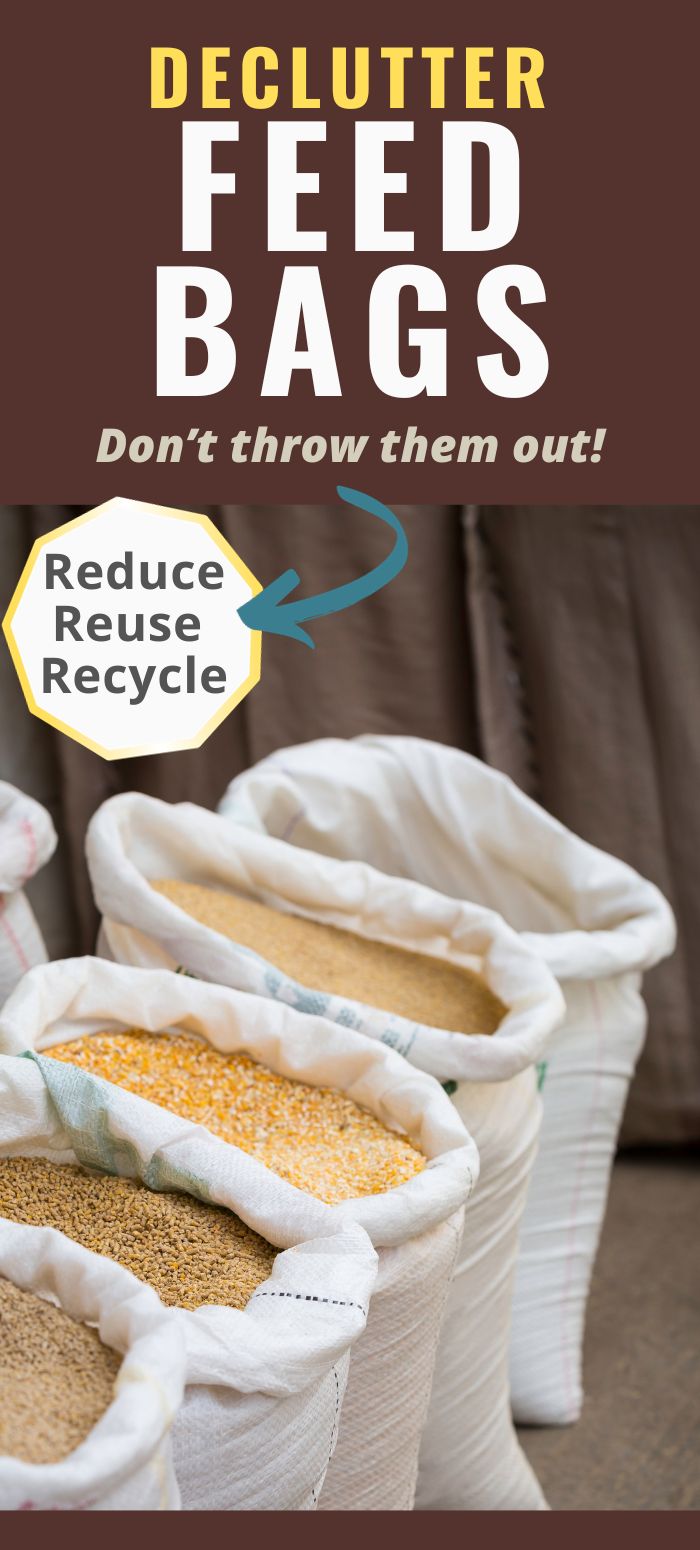
What To Do With Those Feed Bags

October 1, 2024 by Leigh Leave a Comment

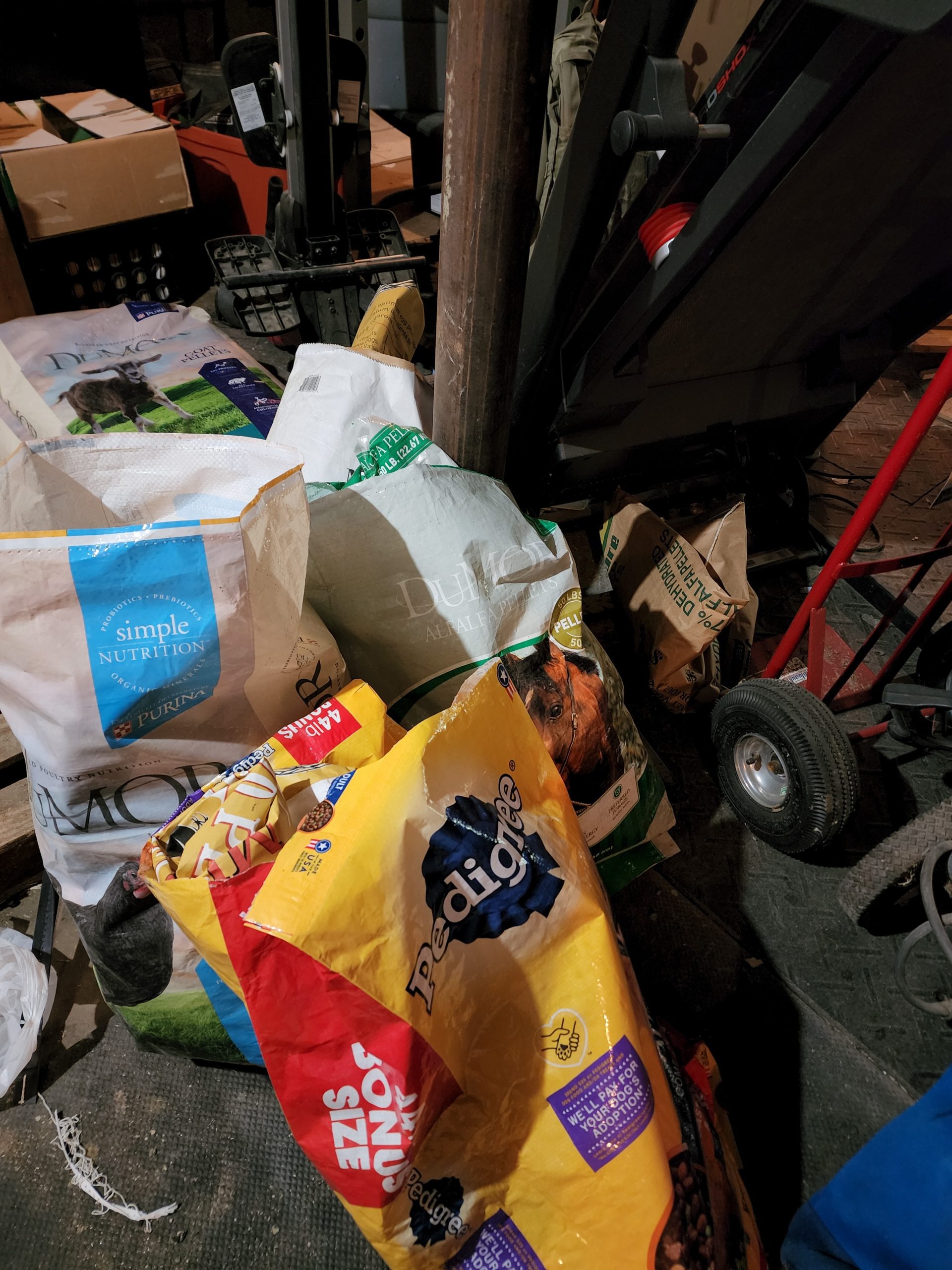
How many feed bags do you have laying around? Do you just throw them away? I’ve always been one to save dog food bags. I don’t know why. Probably the same reason so many people save shopping bags that they never, ever reuse. At least not at the rate they save them. But after cleaning up the basement for the 9 millionth time, and seeing a ton of bags, I decided enough was enough.

goat kidding

Before we get too far into this, I have a great course on the basics of goat care. I call it Goat Crash Course: Goat 101. In this course, I explain things like types of shelter, types of feeds and hays, basic assessments and so much more! Check it out!

Buy Now

What To Do With Those Feed Bags?

But how many bags do you really need? Well, according to my brain, I need all of them. It’s ridiculous. I cannot throw them away. No matter how hard I argue with myself about the fact that I don’t need to save every single one, I end up rolling it up and stowing it in another feed bag. So I started brainstorming, searching and the list below is how we reuse feed bags.

Don’t judge!

Why I save them

I feel like they are really good bags. They are made to hold 50# of food or more! That means they can hold all sorts of things. Plus, let’s be real here, you put anything sharp in a regular trash bag, even the heavy duty ones, and you are blowing a hole in it. Now, all that trash is all over the place. Not cool.

Another reason I am in favor of saving these bags is because I’ve already paid for them. Think about it, I bought the feed but I’m going to throw away a perfectly good bag because it’s empty? Absolutely not. Couple that and the fact that things are getting more and more expensive? I have all the reasons I need to hold on to and reuse feed bags.

Ways To Reuse Feed Bags

Trash Bags– Seriously, these make the most amazing trash bags! I don’t know where you live but trash bags by me are $15 for an 80ct box. When I am going and decluttering, I will reuse feed bags before I even touch my regular trash bags.

Tote Bags- Kathy over at Beyond The Chicken Coop has a great tutorial for making tote bags! These are seriously adorable and I will be making some! I love that I can make different sizes based on what I need. Plus, I know that if I can make the seams strong, they will be strong because again, they hold 50# of feed!

Hay Feeders- Danielle At DIY Danielle, talks about some of the pros and cons of doing it this way. I have found that it works well, until it doesn’t. I love the portability of this style bag, I can nail it to a tree or hang it in the goat barn. But it’s still only going to last so long.

Organizer- Yes, you read that right. We will use these bags to put all of the same type of stuff together. For example: We will store all of our nursery pots in a feed bag. Or if we are going the the back of the property to cut trees, we will put the bar oil, fuel, hatchet, etc in the bag. Now, we take them out immediately after so that we aren’t mixing chemicals if one should mysteriously open. BUT to get all those tools out to the area we are working now only takes one trip.

Logo 468x60

Planters- We have grown some amazing potatoes, carrots, and onions in these bags. But be sure to use the plastic ones for this! Patrick and Jessie at Southern Dreams Homestead has a great and in depth post about growing in containers that will help you here.

Tarps- Yea, I wasn’t sure about this one but the idea is definitely there! Sweet Meadow Sampler has a great tutorial on it. We will be trying it soon though.

https://www.wickedgoodcupcakes.com/shop-online/thinking-of-you-boxes

Flooring– I personally would do this in the winter to make clean out in the spring easier. One of the biggest headaches we have come spring, has nothing to do with the garden. It’s cleaning out the barn and coop. Having these bags would not only insulate them from the ground, it would also help clean up all the pine shavings, poop, urine and more.

Compost- it is feasible that you could compost in these bags. The plastic would trap heat and allow break down faster. The thick paper bags are compositable themselves. In theory (I have not tried this yet) you could fill a bag and empty it in your compost pile. Or you could use the bag AS your compost pile. You can go more in depth about composting with The Homestead RD, Katie has some truly amazing posts about compost. In the post I linked above, she also uses feed bags as planters and can tell you how to do it.

Weed Suppression– We have used the paper feed bags to line the bottoms of our raised beds. It works about the same as using cardboard but it is FAR more readily available for us. I don’t know that I would use the plastic ones through.

Banner 468x60

Wood- We will put our small pieces of scrap wood in these bags to help keep the basement cleaned up. We have a ton of projects around here and I’m not going to throw away or burn a piece of good wood just because it’s a smidge too small. By putting it in the feed bags, we reduce clutter and reuse the bag.

Projects– Sometimes when we have multiple projects going on, it’s hard to keep everything separated. So I will put all the supplies for a project in a feed bag and then write on the front what it’s for. This has helped a ton when it comes to organization.

If you like the content I put out, feel free to buy us a coffee! It helps keep this site running, marketing and the goats in grain!

Buy me a coffee

If you like this post, feel free to share it and follow us below on our social media accounts!

  • Facebook
  • Pinterest
  • Instagram
  • YouTube
  • TikTok
  • Spotify
  • Threads

Filed Under: Animals, Chickens, Goats, How To's, Pigs, Projects Tagged With: Canning, Chickens, Chicks, cooking, Goats, Homestead

JOIN TO OUR MAILING LIST!

Leave us your email to receive new posts and special offers for members only! Don't miss a thing!

Recent Posts

  • Fall Garden Guide
  • Top Mistakes With Goats
  • How To Bond With Your Goats

Questions To Ask Before Buying A Goat

September 28, 2024 by Leigh 9 Comments

There are a ton of ways to get a goat. You could go to your local livestock auction, look on different market places, or find a breeder local to you. Goats are not difficult to find, but what you see is not always what you get. At least with the goat itself. There are questions you need to ask about your prospective goats and if you are not well versed? You are probably going to get taken advantage of. Before you learn what to ask before buying a goat, you need to ask yourself some questions first. A goat health checklist if you will.

goat kidding

Before we get too far into this, I have a great course on the basics of goat care. I call it Goat Crash Course: Goat 101. In this course, I explain things like types of shelter, types of feeds and hays, basic assessments and so much more! Check it out!

Buy Now

Before Buying A Goat, Ask Yourself

Why do you want goats? Is it for fiber? Land clearing? Diary? Breeding? Just because?

Do you have a secure area for them to be in? Is it safe from predators?

Are you willing to get and do all the things that they need to be healthy and happy?

Are you squeamish with blood, guts, poop, or birthing?

Goat nose

Now What Do You Ask A Breeder?

When I was thinking of all the questions I would ask a breeder, I struggled for two reasons. 1) There are a ton of questions that I ask. But they are based off of what my goals are for my herd. 2) A lot of people raise their goats in different ways and their philosophies with raising goats may not be the same as mine or yours. That being said, no matter what your philosophy is, these are some pretty standard questions to ask before buying a goat.

When was the goat born? How many kids did the doe have?

Any complications to the doe or kids during delivery?

Is the goat horned, polled or disbudded?

Are they registered or registerable?

Do you worm your entire herd or just those with a positive fecal? What were the results of the last fecal?

Are they up to date on any vaccines, bloodwork, or whatever is applicable in your area/ philosophy.

two goat kids

As A Breeder

I am pretty bougie when it comes to my goats. I would rather hold onto a kid or goat than see it go to someone who isn’t up to my standard. To be honest, my standard isn’t that high. There are just some foundational beliefs that I have. Beliefs that comes from a ton of research.

That person could be a brand new goat owner or someone who’s been doing this for a hundred years. While I care about their experience level, what I actually care about is simple. Are my goats going to a home that I want them to live in? So what are the answers to those ten questions?

Save on Seeds

First, our goats started out as “long term lawn mowers” to quote Jared. The longer we had them, the more we fell in love. Now, we breed for dairy as well as land clearing and meat.

Second, we do have a safe and secure area for our animals. But we also allow them to free range from late spring to mid/late fall. We have a barn that will be rebuilt over the summer/fall. Our barn protects our females from predators. Our bucks do not have a barn but do have predator lights and a clear line of sight. They are also huge and normally a coyote will not mess with them.

Our herd health bundle helps you keep track of your herd’s health. Includes the goat assessment, herd check sheets AND Herd Health Tracker!

Buy Now

Third, it took us a second but we have pretty much everything they need. It’s not just having food and water for them. Though you can definitely get away with that for a while. You also need medications, syringes, and more. If you are going to get goats to have them “rot in a pasture”, I guess you don’t need those things. But you also won’t be getting one of my goats.

Fourth, when you have goats, you will have poop and blood in your fridge. When they kid, you could have your arm elbow deep inside them, trying to reposition a kid. Giving an injection to a screaming goat is not for the faint of heart. Are you ready for all that?

Now, as a breeder I’m going to answer these questions. Because the answers are extremely important.

I know when every goat was brought or born on my homestead. I have a herd health sheet that tells me everything that has been done to those goats. If someone was to ask, I can tell them all about the parents genetics, polled/disbudded, last fecals, and more.

Our herd health bundle helps you keep track of your herd’s health. Includes the goat assessment, herd check sheets AND Herd Health Tracker!

Buy Now

I’m also going to tell you that I think that if you want a breeder that will stand by their goats, you want registered goats. Usually, and yes this is a blanket statement, if someone takes the time, money and energy to register their herd, they are serious about their goats. I feel strongly that if I am going through a breeder that has a registered herd, I can all but guarantee the health of that goat. Especially if that breeder will also talk to me and answer any question I have.

red and white goat

When it comes to worming, vaccines, and bloodwork, I recommend doing your research first. I do not give dewormer as a preventative because it is causing resistance. I also do not deworm the entire herd unless there is a need. Goats have worms. They are supposed to, since it helps with their gut health. But by giving dewormer every month, you are creating more resistance. And they are not creating new or stronger wormers.

Banner 468x60

With bloodwork, I would strongly advise asking your vets or the goat owners in your area. Our vets are extremely knowledgeable goat owners. They said that there is not a need right now. We do not have issues with CL, CAE, or other diseases IN OUR AREA. If and or when that changes, we will start getting bloodwork done. We do vaccinate for tetanus but that’s about it.

dappled black, white and brown horned goat

Bonus Tip: No matter how well socialized your goat is at their farm. They will not be social at yours, at least at first. Our newest two girls and buck were extremely social while at their home farm. When they came to us, they wanted nothing to do with us. So be prepared to give them plenty of time to adjust and follow these tips on bonding with your goat.

We Recently Bought A New Goat

As a breeder, we wanted to bring in new genetics. We are also moving away from mini Nubians and moving towards full size Nubians. So I went on to my local livestock groups on Facebook and started looking to see what was available. When I saw a goat I wanted, I would send a message that said; I’m interested in your Nubian doeling, but I have some questions. How often do you deworm your herd? Is she horned, disbudded or polled? Is her dam on site and in milk? When was she born? Is she a dam or hand raised?

The first doeling I looked at, I asked if she was hardy. This basically means is she a strong goat. Now, everyone has a different version of hardy. To me, a hardy goat is one that I can put her in pasture and never really worry about parasites or her getting sick. This particular breeder said yes, she’s hardy and comes from hardy lines. I was excited and asked, how often do you deworm? She replied back that they deworm monthly for preventative.

I am not going to buy that goat. Because I don’t deworm monthly, so there is a really good chance that goat won’t be hardy for me. Not to mention the possible nightmare of bringing resistant parasites to my farm.

Asking questions is incredibly important to ensure the safety of your goat and finding goats that fit in with your philosophies for raising/ owning goats.

Do What’s Right For You

At the end of the day, these are going to be your animals. You need to make sure that you are comfortable and happy with the care you are providing. These questions are just a checklist for brand new goat owners. But if you use common sense and don’t get suckered into buying a goat because they’re cute or in distress, you will be fine.

If you like the content I put out, feel free to buy us a coffee! It helps keep this site running, marketing and the goats in grain!

Buy me a coffee

If you like this post, feel free to share it and follow us below on our social media accounts!

  • Facebook
  • Pinterest
  • Instagram
  • YouTube
  • TikTok
  • Spotify
  • Threads

Filed Under: Animals, Goats, How To's Tagged With: Animals, breeder, goat person, Goats, livestock

JOIN TO OUR MAILING LIST!

Leave us your email to receive new posts and special offers for members only! Don't miss a thing!

Recent Posts

  • Fall Garden Guide
  • Top Mistakes With Goats
  • How To Bond With Your Goats

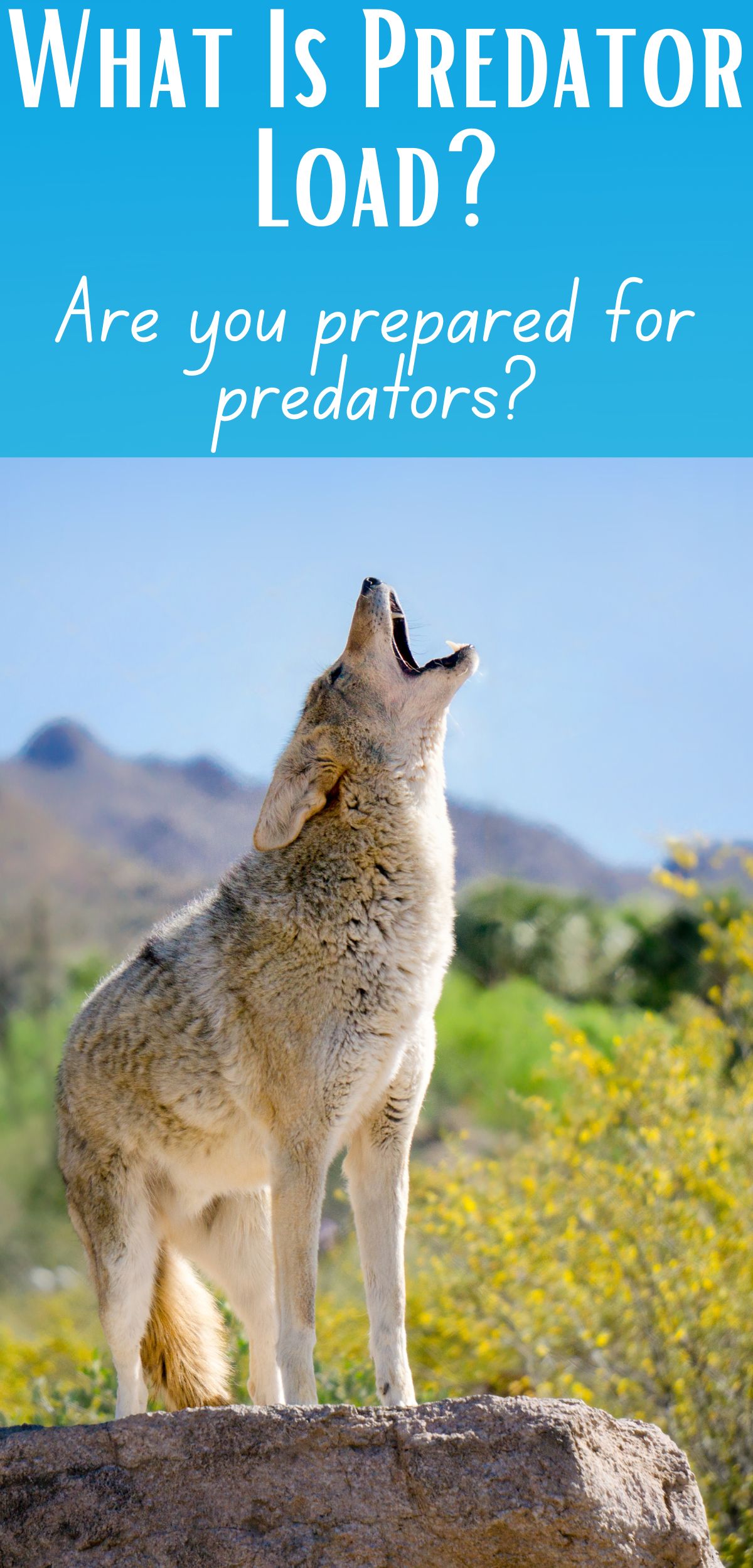
What Is Predator Load

September 14, 2024 by Leigh 6 Comments

Up till recently, we have been very lucky when it comes to predators. In our immediate area, we have a couple coyote dens on the surrounding properties and the typical skunks, opossum, fox and minx. We also have a couple of bears and bobcat, too. But what is a homestead predator, what is predator load and why is it important?

The Ultimate Homesteader’s Starter Bundle – Only $47!

Get the tools you need to stay organized, track profits, and manage your homestead with ease!

Includes:
✅ Schedule F Tracker – Simplify tax prep
✅ Profit Calculator – Track earnings
✅ Hay Calculator – Plan livestock feed
✅ Garden Journal – Digital & printable
✅ Herd Health Tracker – Monitor animal care
✅ Simple Budget – Manage finances
✅ Backyard Homestead eBook – Essential tips

$99 value – now just $47! Start your homesteading journey today!

Buy Now

Let’s First Answer: What is a predator?

A predator is simply any creature that wishes, is programmed and is able to do harm. That is a very broad definition right? But the reality is that anything could be a predator. The rabbit in your garden is a predator because it wants to harm (eat) your plants. A chicken is a predator to plants and bugs, sometimes each other.

Large black, white and brown goat

It’s natural to think that predators are only big, scary animals with bigger teeth and claws. And while that is correct, you also have to broaden your definitions when you homestead or care for any kind of livestock. And, it’s not just other animals you have to be careful of. Humans are just as bad, if not worse predators.

What is Predator Load?

By definition, predator load is the amount of predators that come through your property or surrounding area. It could be high, moderate, or low and it can be seasonal as well. If you don’t know your predator load, I would start talking to your neighbors, local extension office, or Google. I would also do this prior to getting livestock.

Want the Ultimate Bug Out Bag? Enjoy the ultimate tactical backpack for an insanely cheap price

Just by knowing our neighbors and having their phone numbers, we have successfully avoided several attacks. We alert our neighbors, or they alert us, and we get outside with our animals or put them up.

If you don’t have access to those things, I would hold off on getting any livestock until you have a better understanding on what other animals live in your area. The last thing you want is to pick up an amazing herd only to have it torn apart by bears that you didn’t know lived in your area.

Why is knowing your predator load important?

Once you know what is going to actively try and kill your animals (besides your goats trying to kill themselves), you can start planning steps to fix problems before they arise. For example; I stated above that we have coyote, bear, bob cat, minx, skunk, and opossum as our homestead predators. This tells me that I need to make sure that I have secured my chicken coop at night. It also tells me that I need to put my goats up at night too. But my day time problems, shouldn’t be too bad.

Black rooster and several chickens

Next, you need to start researching various predator deterrents. There are several non lethal methods but at the end of the day, you have to decide how you are going to protect the animals in your care. Whether that is trapping and releasing, SSS (Shoot, Shovel, Shut Up), or hoping that they decide to leave a free buffet alone. Otherwise, you’ll need to mark off a section of your property for your animal cemetery.

You can also check out this from Redfin article as well! “Whether you’re planning to raise chickens at home in Asheville, NC, Eugene, OR, or Burlington, VT, check out this Redfin article we were featured in on 5 Chicken Coop Ideas For A Thriving Flock.” The big thing to remember when it comes to deterring predators is your enclosures.

The Ultimate Homesteader’s Starter Bundle – Only $47!

Get the tools you need to stay organized, track profits, and manage your homestead with ease!

Includes:
✅ Schedule F Tracker – Simplify tax prep
✅ Profit Calculator – Track earnings
✅ Hay Calculator – Plan livestock feed
✅ Garden Journal – Digital & printable
✅ Herd Health Tracker – Monitor animal care
✅ Simple Budget – Manage finances
✅ Backyard Homestead eBook – Essential tips

$99 value – now just $47! Start your homesteading journey today!

Buy Now

How We Handle Predator Load

One of the first things we did, when it started getting cooler, was to start working on our goat barn. We knew that the coyotes were going to start coming up into the yard to find food. I was not going to risk my goats lives because I didn’t want to build them a secure enclosure for night.

https://www.wickedgoodcupcakes.com/shop-online/thinking-of-you-boxes

Another thing we did was order these. They are predator lights. We have them all over the property to help deter predators. It’s not foolproof but it does help. We’ve got them in the garden, around the chicken coop, goat barn, etc.

We also have huge dogs that we have praised for alerting us since we got them. Bear is our smallest at 75# and Kodi is our biggest at a skinny 140#, we are working to put more weight on him. This helps because most predators are not going to come into the yard of dogs that are 2-3x the size of them. We also rotate dogs in and out of the house so there is always a dog outside during the day. You can read more about how we train our farm dogs here.

kids with their XXL dogs

Lastly, we practice SSS. I really struggle with this because I don’t want to harm another animal. Especially one that is doing what it is supposed to be doing. I struggle when we butcher meat chickens. But at the same time, when I bought animals, I took on the responsibility of keeping them safe. I take that very seriously. Not just in terms of predators but also educating myself on the best possible practices for their care.

Tractor Supply

I tell you all this because we have officially lost our first chicken to a fox. I was at work and Jared sent me a text saying that our favorite chicken was killed by a fox. When I was able to call him, I got the recap. Apparently, the fox was chasing our ducks and chickens around the house before he finally caught one. Jared was too far away from the rifle and by the time he got to it, the chicken was dead and the fox was enjoying his meal. We have since beefed up our protection measures and hopefully, won’t lose anymore chickens, ducks, or goats.

Blonde and black dog

Predators No One Wants To Talk About

Lastly, I wanted to talk about the predators that no one wants to talk about. There are two; humans and their dogs. Now, this may never be a problem for you. You may never have to deal with neighbors intentionally harming your animals. But those people are out there. We have been beyond blessed that our neighbors are amazing. But on the next mountain over? That’s a different story entirely. So how do you protect your animals from humans? Honestly, cameras are going to be your best course for any sort of legal action. Because livestock is expensive.

As for dogs? This is a lot harder. Dogs can climb fencing or dig under it. We had an incident where our neighbors dog would come over and eat our ducks and chickens. I wasn’t mad about it, per se. The dog was doing what her breed is supposed to do. But it was a frustrating. Luckily, our neighbors are awesome and he fixed the problem on his side and we fixed it on ours. But not everyone is that lucky.

I am here to tell you that for any predator on your property, you have to make the decision on what YOU are comfortable with. If you aren’t comfortable with SSS, then you are going to go the extra length to secure your animals. If you can’t, then maybe don’t get animals. Dealing with predators comes down to your personal ethics and answering the question; is my stuff more valuable than the predator?

So before you get livestock, save yourself some heartache and do some research. Not just on the types of animals, breeds, and their care. Research the predator load in your area, how to handle it, and how you are going to deal with the predator that maims or kills your favorite chicken.

If you like the content I put out, feel free to buy us a coffee! It helps keep this site running, marketing and the goats in grain!

Buy me a coffee

If you like this post, feel free to share it and follow us below on our social media accounts!

  • Facebook
  • Pinterest
  • Instagram
  • YouTube
  • TikTok
  • Spotify
  • Threads

Filed Under: Animals, Chickens, Farm Dogs, Goats, Homestead Planning, Our Homestead, Pigs Tagged With: Chickens, Eggs, Goats, Homestead

JOIN TO OUR MAILING LIST!

Leave us your email to receive new posts and special offers for members only! Don't miss a thing!

Recent Posts

  • Fall Garden Guide
  • Top Mistakes With Goats
  • How To Bond With Your Goats

Should You Get A Goat

September 10, 2024 by Leigh Leave a Comment

Yes, yes you should. That’s the whole post! I wish it were that simple, but it’s not. Goats are not beginner livestock. They actively try to kill themselves and will test your fences and patience. But they are by far my favorite livestock. Their antics, sweetness and desire to be around you, make them great for small farms and homesteads. You should absolutely get a goat, or twenty…

Before you go out and get a goat, check out my Goat Crash Course: Goat 101 below. There is a ton of valuable information in there because I think there are some very important things you need to consider. Like do you have the space? Are you going to milk? What is your predator load? Are you willing to put in the time to educate yourself?

goat kidding

Before we get too far into this, I have a great course on the basics of goat care. I call it Goat Crash Course: Goat 101. In this course, I explain things like types of shelter, types of feeds and hays, basic assessments and so much more! Check it out!

Buy Now
Save on Seeds

Things To Consider Before Getting A Goat

I go over a lot of this information, more in depth, in Goat 101. But there are a lot of things that you should consider before getting goats. To start, do you have enough space for goats? While they don’t require a ton of space, you do still need to be prepared if you do or don’t have enough. Another thing to consider is breed. Do you want big or small goats? Are you going to have them only for milk? Do you want meat? All of these things are important to know before you start getting goats.

Finally, do you have enough time? Goats are not terribly time consuming creatures, but they can be. And while goats may not take up a lot of your time, learning about them can take up a fair amount of your time.

Do you have enough space for a goat?

It is recommended that you have approximately 30 to 60 SQ Ft of space per goat of pasture. I disagree on both of those points. One, goats don’t need pasture, they need browse. Goats are considered Br-azers, meaning that they will consume weeds, grass, trees, etc. Putting goats on grass only will end up giving you problems with worms, too rich of grass, and similar issues.

If you only have grass, consider getting sheep or a milk cow.

The second problem is that square footage. I’m here to tell you that even 60 sq ft per goat will not last you long, let alone for a year. We had four goats in 100ft x100ft area. The briars, trees, and other weeds were over 6ft high. This should have lasted them a long time. It lasted about a month. The 2nd pasture we put them in was a tiny bit smaller but crammed full of ruffage for them. They cleared it in a little over two months.

So if you only have 60 sq ft per goat, you can absolutely still have goats, but you need to be prepared to supplement with hay, grain and pellets.

Before we get too far into this, I have a great course on the basics of goat care. I call it Goat Crash Course: Goat 101. In this course, I explain things like types of shelter, types of feeds and hays, basic assessments and so much more! Check it out!

Buy Now

Milking Goats

Let me tell you, milking goats is not for the faint of heart. You don’t get to just buy a goat and milk her. I mean, yes, you could. I would not advise it though. You have to make sure she has plenty of space and feed, gets pregnant, delivers and is healthy. Then you have to make sure that she nurses her babies for about two weeks before you start “goat sharing”.

Then you have to be careful of a kicking goat that is going to knock over your milk bucket, jump off the milk stand, or produce so little milk, that it is not worth the effort. Some goats will not let you milk them, no matter how much grain, treats, and scratches you give them. Here’s looking at you, Champ.

If you are looking to sell raw goat milk, you need to check your state regulations. In Georgia, you can sell raw, unpasteurized goat milk for human consumption but there are a TON of regulations. So make sure you know what you are allowed to do in terms of selling that milk. As of right now, we are not looking to sell goat milk. That may change in the future.

Which Goat Breed?

There are a ton of different goat breeds out there. While that is great, it also comes with a problem…. which one do you pick? For us, we really liked mini Nubians. They have great butter fat in their milk. But as we have had goats, we realized that we really wanted to have meat too. So this has caused us to move away from mini Nubians and move towards full size Nubians.

For you and your farm, you may not be able to have full size or large goats. They’re just too big for you. That’s totally okay! You can have a tiny little goat that produces a gallon of milk a day. That’s our Bella. Or you could have a huge goat that produces a tiny amount of milk, that was Stella.

One of the things I really want to more people to understand is that goats are not pets. Sure, they can be pets, but if you bought your goats for a specific purpose and they are not meeting those goals, it is okay to replace that animal. Don’t get hung up on an animal just because you feel like it’s a pet.

Predator Load

There are some other considerations to thing about when dealing with goats and really any livestock and that’s what is your predator load. It’s not just about coyote, bears, etc. What about people? Are you in an area were your goats are safe from people who want to steal them or hurt them? We are lucky in that regard. But what about neighborhood dogs, wild dogs, etc? While we don’t necessarily have a people problem, but we have a decent predator load.

What do we have? Coyotes, bears, fox, and minx. Since we have mini Nubians, the fox and minx shouldn’t give us many problems. But they could be drawn to the property because of the chicken and ducks. Then they could find the goat kids. So they are something we prepare for.

Some of the ways we have handled the predator load is with my .22 rifle and these. The idea of these boxes is to make it look like a bigger predator is standing there. So far *knock on wood* it has been working. It also is a great thing in the garden as well.

Education

I will say it again and again. Goats try to kill themselves every day. They are incredibly smart but curiosity will kill the goat. They cannot eat everything. No, they cannot eat a tin can. You know how babies put everything in their mouth? Goats are the same. They are exploring their environment with their mouth so yea, they will try to eat anything.

Tractor Supply

The best thing you can do for yourself is to study up on different blogs and figure out what your goats can eat, not eat. You need to make sure that you know what to do if they get ahold of something they shouldn’t. What happens when they get their horns stuck in a fence? They break a horn, a leg?

Should You Get A Goat

Yes. You really should. Because they are amazing creatures that have filled my life with joy. When I’m having a bad day, I go out and sit with my goats. When I am frustrated, upset, or just feeling meh, I go and play with my babies. They are seriously the best.

Yes, they are hard work. Yes, they want to escape. But I wouldn’t trade them for the world.

If you like the content I put out, feel free to buy us a coffee! It helps keep this site running, marketing and the goats in grain!

Buy me a coffee

If you like this post, feel free to share it and follow us below on our social media accounts!

  • Facebook
  • Pinterest
  • Instagram
  • YouTube
  • TikTok
  • Spotify
  • Threads

Filed Under: Animals, Goats, How To's Tagged With: Goats, Homestead

JOIN TO OUR MAILING LIST!

Leave us your email to receive new posts and special offers for members only! Don't miss a thing!

Recent Posts

  • Fall Garden Guide
  • Top Mistakes With Goats
  • How To Bond With Your Goats

Homestead Lessons: We Learn The Hard Way

August 24, 2024 by Leigh 7 Comments

Originally, this post was about the all the homestead lessons we learned the first year. But you never stop learning, especially when you homestead. So I wanted to go over all the homestead lessons we have picked up along the way. And the list keeps growing and growing.

The Ultimate Homesteader’s Starter Bundle – Only $47!

Get the tools you need to stay organized, track profits, and manage your homestead with ease!

Includes:
✅ Schedule F Tracker – Simplify tax prep
✅ Profit Calculator – Track earnings
✅ Hay Calculator – Plan livestock feed
✅ Garden Journal – Digital & printable
✅ Herd Health Tracker – Monitor animal care
✅ Simple Budget – Manage finances
✅ Backyard Homestead eBook – Essential tips

$99 value – now just $47! Start your homesteading journey today!

Buy Now

Homestead Lessons:

The Animals

Goats are not entry level animals. Seriously, wait until you have good fencing, a good vet, and patience!

Goats eat WAY more than you think they do.

Goat math is a thing. I’m still confused how our numbers jumped from 2 to 7….. Now, we are hovering around 15.

Chickens are cool, roosters are not. I threaten George with the stock pot daily.

Learn how to butcher and process your own animals. But also give yourself grace because you don’t know how.

If you don’t have a solid plan for pigs, don’t even bother. They will destroy your gardens, pens, and sanity. Sure, sometimes they’re fine. But these are also not beginner animals.

Be prepared for a ton of clean up after processing those animals.

Chicken poop is slippery on concrete. Be careful when you start chasing chickens through your basement.

Animals will die. Yes, it’s hard. No, it doesn’t get any easier.

Building

Build it right the first time. I cannot tell you the amount of times we have had to rebuild fences.

But also understand that you will rebuild things. It’s inevitable.

Don’t let the husband borrow your tools. Ever. Seriously, don’t do it. This man has broken more tape measures….

You are way more capable than you think you are. So is your spouse.

Regardless if it’s going to take longer, get your kids involved with projects. They need to learn how to do this stuff too.

Budget for a project, and then double it. If you think it’s going to cost $400 to build a fence, make sure you’ve got at least $800 set aside.

Garden

Find a local farm stand. Even if you have a garden. It’s better to know where to get fresh produce if the garden fails…. or the chickens, goats or pigs wreck it.

Canning is addictive. Get more jars than you think you will ever need, then double it.

Enjoy the abundance, even when you are drowning in cucumbers.

Learn to start your own plants. It’s WAY cheaper.

Give your garden and yourself grace! You can’t know everything about every plant!

Keep a garden journal!

Buy the seeds…. yes, all of them.

Try new varieties. Even if you have ones you love, try different ones.

Plant the flowers. Yes, all of them.

Plant ALL the plants. Even if you think it’s too many. You would be surprised what can happen in a season…. Plus that’s extra for the animals.

Also, plant for your animals too. You may not have enough to sustain them, but any discount on my feed bill makes me happy.

Planning

Have a plan A, B, C, D and E. Maybe go ahead and plan for F, G and H too. Just to be safe.

Estimate how much firewood you will use, and then double it. Maybe triple if you live in a crazy weather state like Georgia.

Go ahead and stock up on the things you think you need. Not only is it cheaper in the long run, if you need to pull off your supply in an emergency, you will be glad you have it.

Patience is the biggest lesson you will learn.

An emergency fund is going to be your saving grace when you buy a house. But when you buy a homestead? You should probably triple the amount you think you’ll need.

You are going to blow through that emergency fund when your goats get sick, dog needs surgery, well pump goes out and water heater explodes all in one month.

Understand things are going to happen that are beyond your control. Roll with it. A good attitude will get you through it.

Start a blog to detail the antics and chaos of your life. In a year, you will look back and laugh.

Learn to say no. Especially to your husband when he says goats would be a great idea 2 months into owning your homestead.

You are living the life you always wanted in a way you never dreamed. You are blessed beyond measure.

A homestead is what you make it. It starts with HOME for a reason. Enjoy it.

Bear the freeloader

Since buying our homestead, I have learned so much. These are just a few of the homestead lessons we have picked up along the way. I could write 100 more and still not be at the end of my list. But it has been worth every single penny, sleepless night, and fight. I would not trade my life for the world and all the money. Here’s to the next year on the homestead. May it be as entertaining and interesting as the last.

If you like the content I put out, feel free to buy us a coffee! It helps keep this site running, marketing and the goats in grain!

Buy me a coffee

If you like this post, feel free to share it and follow us below on our social media accounts!

  • Facebook
  • Pinterest
  • Instagram
  • YouTube
  • TikTok
  • Spotify
  • Threads

Filed Under: Animals, Canning, Chickens, Goats, How To's, Our Homestead, Pigs, Projects Tagged With: Chickens, Goats, Homestead, Projects, Welcome

JOIN TO OUR MAILING LIST!

Leave us your email to receive new posts and special offers for members only! Don't miss a thing!

Recent Posts

  • Fall Garden Guide
  • Top Mistakes With Goats
  • How To Bond With Your Goats

Pros And Cons Of Disbudding Goats

August 17, 2024 by Leigh Leave a Comment

There is a ton of information about disbudding goats and everyone has an opinion. I’m a big fan of laying out the information and letting you make the decision that is best for you. There are a ton of pros and cons of disbudding goats. There’s also a ton for leaving the horns intact. At the end of the day, it’s your homestead, your rules.

Before we get too far into this, I have a great course on the basics of goat care. I call it Goat Crash Course: Goat 101. In this course, I explain things like types of shelter, types of feeds and hays, basic assessments and so much more! Check it out!

Buy Now

What Is Disbudding

Disbudding is simply removing the horn buds of a goat kid. There are several ways to do this but the two main ones are a disbudding iron and disbudding paste.

Disbudding Iron

The iron works pretty similarly to a branding iron and cauterizes around the horn buds. This stops growth and seals off the area to help prevent infection. By doing this it kills the horn producing cells and prevents new horn growth. The procedure will generally look like this: shave the area around the buds, place the kid in a disbudding box, while holding their head/ears apply the iron and rock back and forth for 5 seconds. Scrape the cap away and apply blue-kote to the area. Bucks will generally require another application called a figure 8.

Disbudding Paste

Disbudding paste is a caustic substance that slowly burns away at the horn and down to the skull. It will then destroy the horn creating cells. This can take 6 or more hours depending on the goat, horns, and more.

The general procedure looks something like clean the area and dry. Using gloves, apply paste to horns and place duct tape over the area. Monitor kid and be careful of letting him around other animals/ livestock. They could get this paste on them which could burn the other animal.

After 6 hours, check the site. If the tape comes off easily, wipe off left over paste and allow to dry completely before going back to mom. The biggest draw back is how the paste works. If you get this extremely caustic substance on you, you will have a chemical burn. Period. If this stuff gets on momma it will burn her, too.

With either process you can have scurs which is when not all the cells were killed and the goat grows a horn anyways. Most of the time it’s just a tiny piece of horn. Sometimes it continues to grow and can cause issues.

Pros And Cons Of Disbudding Goats

Like I said above, I’m not going to tell you one way or another which camp you should stay in. If you want to keep your goats horns intact, by all means. If you want to disbud, you could do that, too. Despite what both camps say, there is absolutely no right or wrong here.

Save on Seeds

Pros of Disbudding

Less chances of injury to self, humans, or other goats. I recently got a goat horn to the mouth while attempting to get Bella onto the milking stand. I thought she knocked out a tooth. Instead, I walked away with a good size bruise on my top lip. Bella’s horns are also the reason why we only got one doeling from Champ instead of three.

Bella rammed, flipped, and rolled Champ while she was pregnant. Champ ended up going into labor the next day and the first and third babies where not in the proper position. After talking with another breeder and the vet, they also believe that is why the kids died.

I’ve also heard stories of breaking horns off with fighting, mating, and just general goat antics. When the horn gets broken off, a lot of times it will open into the sinus cavity. This invites all sorts of bacteria into the cavity which is really, really close to the brain.

Logo 468x60

Less chance of them getting their horns hung into fencing, trees, and other impossible things that goats shouldn’t get into but do anyways. Listen, goats try to off themselves daily. If you think I’m joking, ask any goat owner the amount of times they’ve had to rescue their goat from something stupid. When you add horns into the mix, it is just easier for them to die.

Bella has gotten her horns hung up in the hay bag/net thing so many times, she has finally figured out how to get herself out. It took her two days to figure out how to get her head in and out of the fencing. But if a coyote was around when she actually got stuck in fencing, she would have been a sitting duck… well goat.

If you are looking to show your goats, they have to be disbudded.

Logo 468x60

Cons of Disbudding

Bella is the easiest goat to catch because she has a collar AND handles. But like a bicycle, those handles will hurt when jammed into your face.

Goat horns are awesome looking. As a matter of fact, I have a goat skull on my wish list and it wouldn’t look nearly as cool without the horns.

Another big con is that the horns protect from predators. Well, that and they have to have enough attitude to use those horns against a predator…. Which Bella does.

Bellatrix and Voldemort

The disbudding can cause rejection. While this doesn’t happen a lot, it can happen. When Finn and Bash were disbudded, Oakley rejected Finn and we had to take care of him for several days before she finally took him back. The burning of the horns and hair can cause rejection because the baby no longer smells like her kid.

It’s traumatic for the baby and for the humans. The reality is that you are taking a hot iron and pressing it into the skull of that baby. One slip and that baby can die. One jerk and you have 3rd degree burns. Not to mention screaming kid. It’s hard to handle.

Lastly and probably the most important, disbudded goats don’t cool down as well as horned goats. The horns have blood vessels that help keep the goats cool in the summer. We live in Georgia where it is hot and humid 7 months out of the year. I fill waterers several times a day because they go through it.

We Disbudded…. Until We Didn’t Anymore

When we got into goats, we drank the kool aide when it came to disbudding. It’s safer. It doesn’t hurt them. It’s fine.

But I really struggled with watching my babies in that box, panicking and screaming. Before I made the decision to “let them” keep their horns, I really paid attention to Bella. The arguments of horns getting stuck, while valid, hasn’t been a problem. The argument about safety? Yes, I’ve been popped by a goat horn…. a lot. It hurts, but not enough to relive the disbudding box.

The risk of serious injury or death from disbudded babies is a real thing. The shock of it can kill a goat kid. If you go too deep, you can puncture the skull.

The reality is that we aren’t going to be showing our goats. They are for milk, pets, and a way to make an income. That’s it. Plus I really like the way horned goats look.

https://www.wickedgoodcupcakes.com/shop-online/thinking-of-you-boxes

Pros And Cons Of Disbudding Goats

At the end of the day, you have to make the right decision for you and your herd. There is no right or wrong answer here. I do think that disbudding paste is more dangerous than a disbudding iron but again the choice is yours. All I ask is that you make the decision based on facts. There are a ton of pros and cons to both sides and you have to live with those choices. The 104 Homestead has this to say when it comes to disbudding.

Subscribe to Craft Beer Club Today!

But please, please remember that these are YOUR animals and YOU are their shepherd. You have to make the decisions you feel best for your herd. I won’t disbud my goats, but I have made that decision based on facts and experience. I hope you do the same.

If you like the content I put out, feel free to buy us a coffee! It helps keep this site running, marketing and the goats in grain!

Buy me a coffee

If you like this post, feel free to share it and follow us below on our social media accounts!

  • Facebook
  • Pinterest
  • Instagram
  • YouTube
  • TikTok
  • Spotify
  • Threads

Filed Under: Goats Tagged With: disbudding, goat kids, Goats, Homestead

JOIN TO OUR MAILING LIST!

Leave us your email to receive new posts and special offers for members only! Don't miss a thing!

Recent Posts

  • Fall Garden Guide
  • Top Mistakes With Goats
  • How To Bond With Your Goats

Homestead Daily Schedule

August 13, 2024 by Leigh Leave a Comment

On our homestead, this looks a little different than most. Due to our work schedules, one of us is gone 48 of 72 hours. Sometimes more. However, the goats still need to be milked, fed and let out. Chickens and ducks still need feed, water, and be let out. Dogs are also hungry and need to go to the bathroom. And all the other chores need to be done. So regardless of who is home, the daily schedule looks pretty much the same.

The Ultimate Homesteader’s Starter Bundle – Only $47!

Get the tools you need to stay organized, track profits, and manage your homestead with ease!

Includes:
✅ Schedule F Tracker – Simplify tax prep
✅ Profit Calculator – Track earnings
✅ Hay Calculator – Plan livestock feed
✅ Garden Journal – Digital & printable
✅ Herd Health Tracker – Monitor animal care
✅ Simple Budget – Manage finances
✅ Backyard Homestead eBook – Essential tips

$99 value – now just $47! Start your homesteading journey today!

Buy Now

What Is Our Homestead Daily Schedule?

As I mentioned above, our days are set up on a 3 day rotation. On the first day, I go to work and Jared is the responsible party until he goes to work the next day. Day 2 is when I come home and handle my portion of the homestead chores. On day 3 we are both home and try to squeak out as much time together as possible.

Day 1 Daily Schedule

This is my work day, so Jared is home with the boys. He usually gets up with me and we drink coffee and hang out for a few minutes before I head to work. Sometimes, he will tell me about what he has planned for the day. But more often then not, I don’t really care per say. The way I see it, he is a grown ass man and knows what he needs to do for the day. Unless there is something pressing, I don’t worry too much about what he’s doing.

That being said, most of the time he is working on whatever project we are doing. In the summer, it’s usually firewood. In the winter, it’s usually household projects. Spring is reserved for garden projects and fall is for yard clean up.

He also makes sure that the boys are doing their school work and the house doesn’t burn down.

Day 2 Daily Schedule

This is the day that he goes to work and I am coming home. Normally, I get home a little later in the morning. After getting myself cleaned up and my stuff put away, I get the boys started on their school work and I start working on whatever inside projects need to be handled. Sometimes this is blog or household work. Other times this could be getting seeds together and planted. It really depends on what the season is.

But I can tell you that the day after a 24 hour shift is left really loose. I have run calls all night and come home with a pile of chores that HAVE to get done and it’s awful. Instead, we give ourselves and each other grace when it comes to the day after shift. We just don’t put a lot of stuff on ourselves.

That being said, the goats still need to be checked and fed. Chickens and ducks still need to be fed and let out. The garden still needs to be harvested, planted or maintained. But we don’t stress about getting the to do list done.

Day 3 Daily Schedule

For me, the day starts around 8am. Blu gets her morning meds and mom needs coffee. The first set of dogs are let out and showers start. I will usually start a load of laundry and work on it throughout the day.

If I have goats in milk, my day starts a little earlier so that I can get them milked before they are screaming for their food and to be let out. I also do a quick glance at the herd to make sure everyone is healthy and happy.

After I get the goats done, I am in the garden first thing to beat the heat. I try to get things harvested before the heat of the day really hits. I will also try to get the first batches of preservation going. Whether it’s dehydrating tomatoes or squash or getting a canner filled. Depending on the season, I may be planting more in the garden.

I will also start the boys on their homeschool stuff for the day. As the day heats up, I scramble into the house to keep from overheating (y’all the Georgia heat is no joke!). I will work on the blog or general household tasks until it cools down enough to be able to go back outside.

Then it’s dinner time. After dinner, the boys take care of their chores. I finish up laundry and head to bed, where I read for about 4 hours.

Homesteading Daily Schedule With Kids

One of the biggest issues that I see new homesteaders, and hell even parents, making is that they don’t give their kids chores. You will overwhelm yourself and your partner if you do not let those kids earn their keep. We have a pay to play rule which means that if you want to play video games, watch TV or do what YOU want to do, you have to “pay” for that by doing your chores, school work, etc. So make sure that your kiddos are helping.

After everyone is done and animals are fed, we start working on school work, this is usually around 930-10. Jared and I have different views on this. Usually I let them unschool and Jared is more structured. Unschooling is when the child directs what they would like to learn about. I feel like this gives them the opportunity to learn about the things that interest them and helps them learn better. Jared prefers to help them with “normal” school work.

Neither way is wrong and the boys seem to enjoy having the flexibility. Win Win.

We get them involved with various aspects of homesteading to not only teach them how to do things that are necessary for survival if the SHTF but also because this is invaluable information. And this still counts as their schooling since they are learning things like how to follow the instructions on how to put together a metal shed. Or how much firewood makes a cord and then measuring the stack that they’ve made. They also get crash courses in animal husbandry if an animal gets sick and needs medications. They’ve also been a huge help in the garden and ask a ton of great questions. Most that I don’t have an answer to, so we ask google a lot of questions.

Don’t Beat Yourself Up

One of the things that I see a lot of new homesteaders do, especially those of us that work off farm, is that they feel like they have to do ALL the things, RIGHT NOW! That can’t be further from the truth. In fact, the opposite is more true; you have time. I talk about homesteading goals and preparation here, but the short version is figure out where you want to be, and take small actionable steps to get there.

Homesteading, while hard work, should NOT be so stressful that you don’t want or can’t do it. You don’t have to get everything done right now! Take a breath and give yourself kindness and grace to make at a reasonable pace. You don’t need to burn yourself out within the first year.

If you like the content I put out, feel free to buy us a coffee! It helps keep this site running, marketing and the goats in grain!

Buy me a coffee

If you like this post, feel free to share it and follow us below on our social media accounts!

  • Facebook
  • Pinterest
  • Instagram
  • YouTube
  • TikTok
  • Spotify
  • Threads

Filed Under: Animals, Canning, Chickens, Garden, Goats, Homeschool, How To's, Our Homestead, Pigs, Projects Tagged With: Canning, cast iron, Chickens, Chicks, cooking, Eggs, Goats, Homestead, kitchen, Welcome

JOIN TO OUR MAILING LIST!

Leave us your email to receive new posts and special offers for members only! Don't miss a thing!

Recent Posts

  • Fall Garden Guide
  • Top Mistakes With Goats
  • How To Bond With Your Goats

Can Homesteading Save Money

August 6, 2024 by Leigh 2 Comments

We can answer this right now, no. Homesteading will not save you money. In fact, homesteading will cost you money. A lot of money. In the first year we were on our homestead we exhausted our emergency fund four separate times. Can homesteading save money? No. Not at first. But in the long run, it will absolutely save you money. Just maybe not in the ways your expecting. Be sure to read to the end for the “pay offs” I’m talking about.

The Ultimate Homesteader’s Starter Bundle – Only $47!

Get the tools you need to stay organized, track profits, and manage your homestead with ease!

Includes:
✅ Schedule F Tracker – Simplify tax prep
✅ Profit Calculator – Track earnings
✅ Hay Calculator – Plan livestock feed
✅ Garden Journal – Digital & printable
✅ Herd Health Tracker – Monitor animal care
✅ Simple Budget – Manage finances
✅ Backyard Homestead eBook – Essential tips

$99 value – now just $47! Start your homesteading journey today!

Buy Now

Why Should You Homestead Then?

Homesteading is not necessarily about saving money. Sure, there are somethings that we have saved a ton of money on like eggs, milk, and chicken.

We no longer buy eggs because our chickens have solved that problem. We don’t have to buy chicken at the grocery store because we butcher our own. We don’t buy milk from the store unless we run out. But when you look at the $100/month we have saved by how much we have spent? We are solidly in the red.

Spend More To Make More?

Because the farm is an LLC, which I highly recommend you do, we are able to write off a lot for taxes. That being said, our first year’s return was eye opening. We spent over $3,000 in vet bills and another $5,000 on feed. That was only in six months. The following year we doubled that. That doesn’t include the well pump that went out, or the water heater. Or all the fencing and structures for the goats and chickens.

But homesteading is not about saving money. It’s about living off the land, having livestock, learning new skills, and being self sufficient. Of course homesteading means different things for different people.

The Ultimate Homesteader’s Starter Bundle – Only $47!

Get the tools you need to stay organized, track profits, and manage your homestead with ease!

Includes:
✅ Schedule F Tracker – Simplify tax prep
✅ Profit Calculator – Track earnings
✅ Hay Calculator – Plan livestock feed
✅ Garden Journal – Digital & printable
✅ Herd Health Tracker – Monitor animal care
✅ Simple Budget – Manage finances
✅ Backyard Homestead eBook – Essential tips

$99 value – now just $47! Start your homesteading journey today!

Buy Now

Homesteading Is A Long Game When It Comes To Saving Money

What I have found is that homesteading is a long term goal and commitment. You are probably not going to save money your first or your second year. If you are starting your homestead from the ground up, you will probably not see a positive until year five. But it really depends on your goals. If you want your homestead completely self sufficient but you are starting from scratch, it will take time. If you came into a property that has fencing, a barn, and garden. You are probably already ahead of the game.

Why Homesteading Doesn’t Save Money?

The reality is that you are going to spend money at first. Rarely, though it does happen, are you going to stumble onto a property that is absolutely perfect for you. You are going to have to spend money to make that property the way you want it.

I preach the importance of setting goals and figuring out your WHY. But probably the most important thing is to define what your vision of a successful homestead is. This is no different. When you are trying to set up your homestead, you want to make sure that you aren’t wasting money on things that don’t matter in the long run.

While you may not see a big financial gain, you will see the “pay off” in other areas.

When Does Homesteading “Pay Off”?

For us, homesteading started to pay off within the first year. But it’s probably not the way you’re thinking. When we bought our property, we defined, very quickly, what a successful homestead meant, and then wrote down our year one, five and ten year goals. That’s when we started to see the “pay off.”

Chickens Doing Double Duty

The pay off was a significant decrease in fleas and ticks. This was because the chickens free ranged and took care of those bugs. That meant that Jared and Jaxson weren’t being eaten alive. This made them happier and more likely to be outside.

The chickens also helped break up the compacted soil in the garden spaces. They ate the grubs and bugs that could destroy the next years crops. They’re manure became compost for the next years garden.

Their eggs are SO much better than anything you can get from the store. Bright orange yolks mean very healthy and happy chickens. But it also means that egg is packed with nutrients.

Another great thing about chickens is that we can incubate the eggs because we have a rooster. That means that technically, we never have to buy another batch of chickens. Which of course means that we will buy more chickens because… chicken math is a thing.

cropped-3.jpg

Are you looking for garden journal prompts, but aren’t interested in a weekly email? Check out our 365 Garden Journal Prompts! This is an amazing, all in one, yearly product that you only pay for once.

Buy Now!

Goats Earning Their Keep

Initially, we bought the goats to be long term lawn mowers. But after falling in love with these creatures, we started breeding and milking them. Their pay off has been a little slower because they are expensive creatures to maintain. But I realized very quickly that I could tolerate their milk.

Their pay off is in my health. For the first time in years, I am able to consume milk with pain. While I am not lactose intolerant, I do have issues with gut health. Their milk has helped ease that pain and has increased the good bacteria in my gut. Not to mention, I know exactly what is in their feed, hay, treats, etc.

Before we get too far into this, I have a great course on the basics of goat care. I call it Goat Crash Course: Goat 101. In this course, I explain things like types of shelter, types of feeds and hays, basic assessments and so much more! Check it out!

Buy Now

The Garden Producing

Gardening is probably the biggest way that we save money on the homestead. But again, not at first and not in the way you are probably thinking. Our big garden is getting a face lift in 2024 and that means a TON of money is getting dumped into it.

Like the budget for it is about $10,000 and includes the orchard, chicken runs, fencing, the gazebo and more. That’s okay, though. Because the amount of money it saves us isn’t about the weekly or monthly dollars saved at the grocery store.

It’s about the health benefits of the garden.

We do not spray our gardens with ANYTHING. There are no pesticides, herbicides or fertilizers used…. at all. It’s grown in soil that comes from our neighbors horse manure and our own animals bedding. Neither one of us deworm or use chemicals our animals unless absolutely necessary.

That means that our food from the garden is literally the healthiest thing we can consume on the planet. This pays off HUGE because we are filling our plates with food that is so nutrient dense, that it helps ward off sickness, disease and other issues that are common for people who eat the standard American diet.

goat kidding

Before we get too far into this, I have a great course on the basics of goat care. I call it Goat Crash Course: Goat 101. In this course, I explain things like types of shelter, types of feeds and hays, basic assessments and so much more! Check it out!

Buy Now

No, homesteading probably won’t save you money

But what homesteading will do is shorten your supply train. Homesteading will reduce your need on the grocery store. It will make you healthier, even if it’s only because you are more active. There are so many other pay offs when it comes to homesteading that it’s okay that it doesn’t save you a ton of money at first.

It will pay off in the end.

If you like the content I put out, feel free to buy us a coffee! It helps keep this site running, marketing and the goats in grain!

Buy me a coffee

If you like this post, feel free to share it and follow us below on our social media accounts!

  • Facebook
  • Pinterest
  • Instagram
  • YouTube
  • TikTok
  • Spotify
  • Threads

Filed Under: Animals, Canning, Chickens, Goats, How To's, Our Homestead, Pigs, Projects Tagged With: Canning, cast iron, Chickens, Chicks, cooking, Eggs, Goats, Homestead, kitchen, Welcome

JOIN TO OUR MAILING LIST!

Leave us your email to receive new posts and special offers for members only! Don't miss a thing!

Recent Posts

  • Fall Garden Guide
  • Top Mistakes With Goats
  • How To Bond With Your Goats
  • « Go to Previous Page
  • Page 1
  • Page 2
  • Page 3
  • Page 4
  • Page 5
  • Page 6
  • Go to Next Page »
  • Animals
    • Chickens
    • Farm Dogs
    • Goats
  • Garden
    • Compost
    • Garden Projects
    • Seeds and Plants
    • Garden Journal
    • Working With Food
      • Recipes
      • Freezing Foods
      • Dehydrating Foods
      • Canning Tips And Tricks
        • Canning Inventory Sheets
  • Helpful Info
    • Welcome to the Homestead!
    • Emergency Preparedness
    • Frequently Asked Questions
    • Goal Setting
    • Project List
    • Shop Digital Products
      • Hay Calculator
      • Farm Expense And Income Tracker
      • Goat Crash Course: 101
      • Garden Journal Prompts
      • Schedule C Tracker
      • Schedule C Tracker
      • The Homestead Bundle
  • The Truths
  • Episode List
  • Start Here
    • Privacy Policy
    • Affiliate Disclosure
    • Let’s Get in Touch
    • Members Only Library
    • Welcome To Our Homestead

Footer

  • Email
  • Facebook
  • Instagram
  • Pinterest

COME AND GET IT!

Leave us your email to receive new posts and special offers for members only! Don't miss a thing!

· Midnight Theme

Copyright © 2026 · Midnight Theme on Genesis Framework · WordPress · Log in