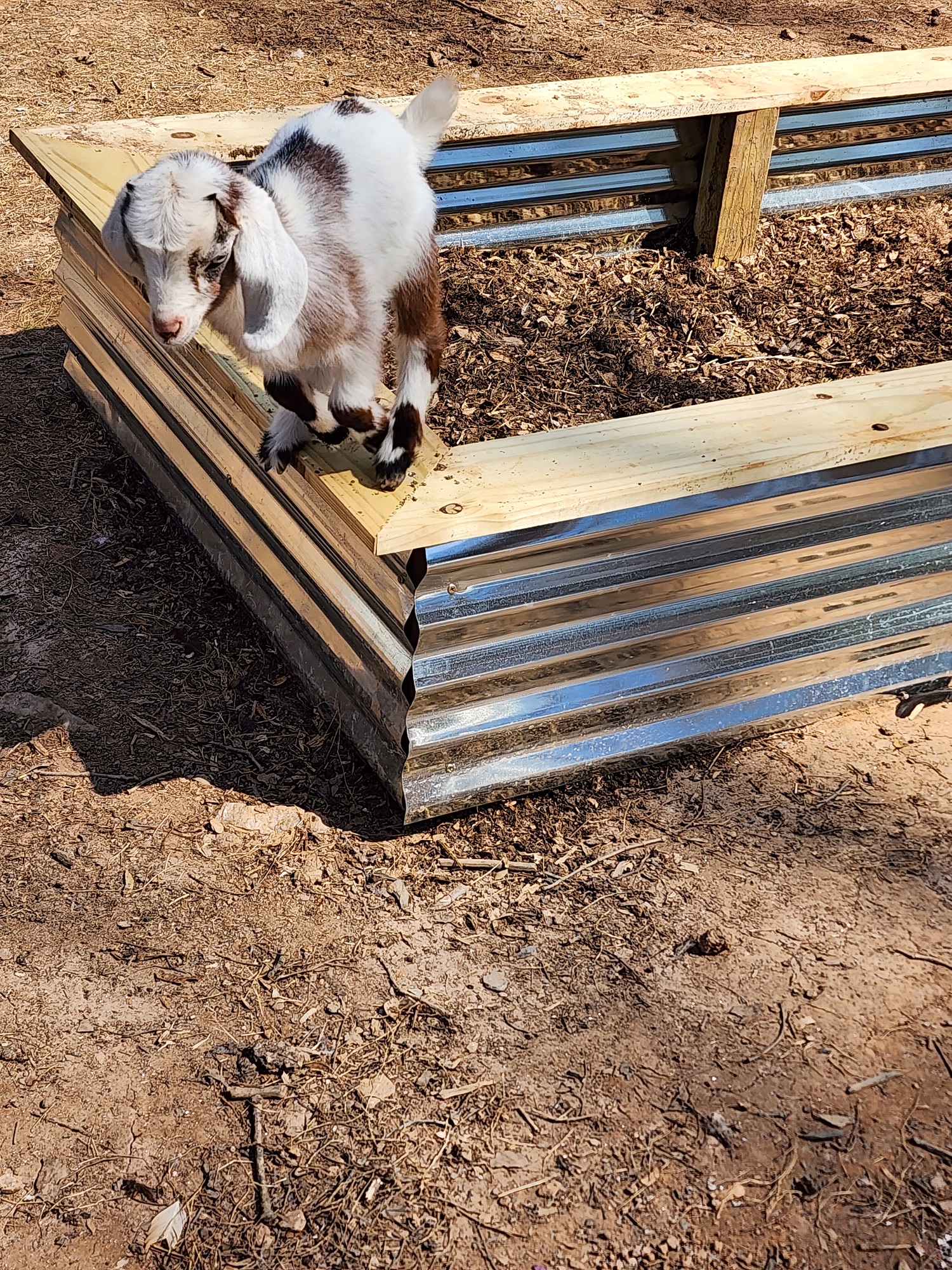
• Skip to primary navigation
  • Skip to main content
  • Skip to footer

Steel Raven Farms

Where muck boots meet ground.

  • Animals
    • Chickens
    • Farm Dogs
    • Goats
  • Garden
    • Compost
    • Garden Projects
    • Seeds and Plants
    • Garden Journal
    • Working With Food
      • Recipes
      • Freezing Foods
      • Dehydrating Foods
      • Canning Tips And Tricks
        • Canning Inventory Sheets
  • Helpful Info
    • Welcome to the Homestead!
    • Emergency Preparedness
    • Frequently Asked Questions
    • Goal Setting
    • Project List
    • Shop Digital Products
      • Hay Calculator
      • Farm Expense And Income Tracker
      • Goat Crash Course: 101
      • Garden Journal Prompts
      • Schedule C Tracker
      • Schedule C Tracker
      • The Homestead Bundle
  • The Truths
  • Episode List
  • Start Here
    • Privacy Policy
    • Affiliate Disclosure
    • Let’s Get in Touch
    • Members Only Library
    • Welcome To Our Homestead

Goats

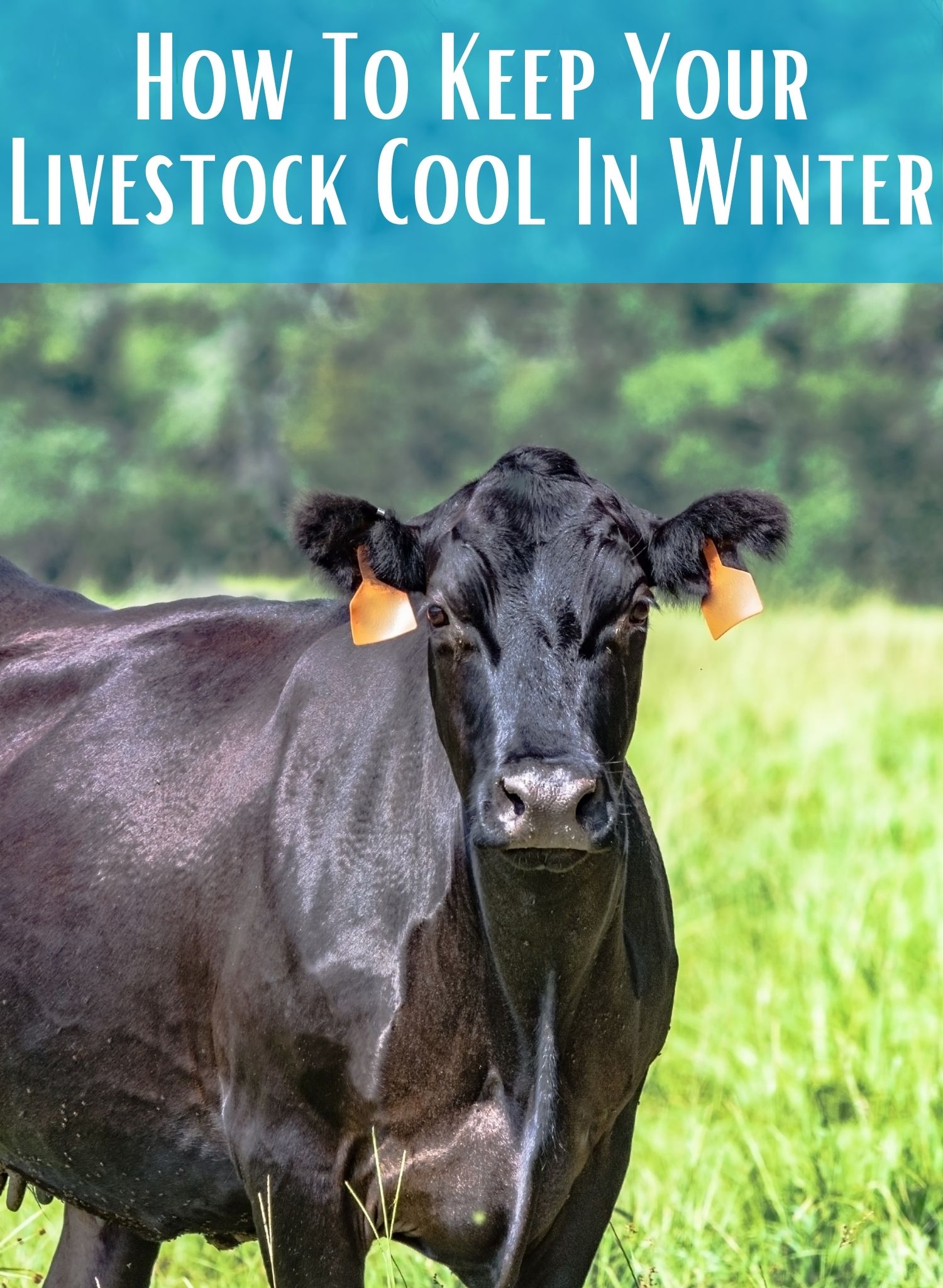
How To Keep Your Livestock Cool In Summer

April 30, 2024 by Leigh 7 Comments

It’s hot, humid and over all icky to be outside in Georgia right now. I’m pretty sure it’s the same everywhere, but I feel like Georgia slowed down to pass the state trooper and decided to “open ‘er up” once it was clear. It went from comfortable mid to upper 70’s to devil’s armpit in less than 24 hours. Not to mention we came back from Yellowstone where it was a balmy 40*! We were a little climate shocked to say the lest. Oh, and our AC doesn’t work, so we are having to use fans and window units. But what do you do with the animals that can’t come inside? How do you keep your livestock cool in summer?
Before we get too far into this, I have a great course on the basics of goat care. I call it Goat Crash Course: Goat 101. In this course, I explain things like types of shelter, types of feeds and hays, basic assessments and so much more! Check it out!

Buy Now

Keeping Your Livestock Cool In Summer

It doesn’t really matter if you have cattle, sheep, goats, chickens or just dogs and cats. There are universal truths about how to keep your livestock cool in summer that can actually keep them alive. Some are basic “Duh’s” but some of these may be new to you.

Clean Water

Every single day, multiple times a day, you need to be out there checking to make sure that they have plenty of cool water. Depending on your watering system this may just be a couple buckets in the shade. Or maybe a water trough that has a frozen gallon milk jug in it.

Regardless, it needs to be clean and fresh every single day. We have these 5 gallon buckets for our goats and we have four of them throughout the pastures and fill them on average 3x a day. On the super hot or humid days we will fill the buckets part of the way with ice to help keep the water cool. We are also planning on getting a 50 gal stock tank once the current kids are a little bigger.

Shade

It is so important for any animal or human to have access to shade when they are outside. Nothing will dehydrate an animal (including humans) quicker than being stuck in the hot sun with no shade. If you don’t have access to shade for your animals, or their shelter is in the sun, you can grab a couple of shade canopies for less than $40 depending on the sizes you choose.

We are lucky enough that all three pastures have a ton of shade so we don’t need the canopy but I would definitely look into it if you don’t.

    Electrolytes

    All animals require electrolytes, but in the summer it is especially important to have more on hand. We buy these, but have also bought Bounce Back, and Electrolytes Plus. Remember that not all electrolytes are equal. I use Bounce Back as my standard and as long as the other brands are close, I’ll buy it in a pinch.

    I will say, right now Bounce Back is expensive on Amazon but pretty affordable at Tractor Supply. Also, as a side note, Electrolyte Plus WILL FIZZ! You have been warned. I still have orange goat-r-aid on my ceiling.

    We usually will put a 5 gallon bucket out of electrolytes and then another with regular water. As we refill buckets throughout the day, we don’t add anymore electrolytes and let it get watered down. The next day we dump and refill

    Keep Their Coats Clean

    Much like with dogs, if their coat is matted, clumped, or dirty, they will have a hard time staying cool. The breeze, if there is one, can not get through to their skin. That will trap heat and cause them to get or stay hot. We brush out their winter coats, if they haven’t already blown them, when the weather maintains 70*. We also give their hooves a good trimming as well. This is also the time that they get any meds, copper bolus’, and vaccines.

    Be careful when using water to cool your animals! I know they seem hot, but when you get their coats wet, it will trap all that body heat to them.

    Also, unless your animals needs to be sheared, do not shave your animal! It doesn’t matter if it is a dog, cat, cattle, etc I have found it does more harm than good. I’ve got dogs with double coats and yes, I see them panting, but I know that the minute they get shaved, they have lost the ability to regulate their temperatures.

      Air Flow

      We all know that when it gets hot, we just want a breeze to blow through to cool us off. If you live in an area that doesn’t get a lot of wind or air movement, consider getting a solar powered fan. You can pick the size that you need but the end result is the same, get the air moving. If you’ve got electricity in your barn, then get a bigger fan. Your goats will thank you.

      Cold Treats!

      We freeze fruit and veggies in muffin tins with water. This gives them a cold treat on hot days. We have also frozen whole watermelons, cantaloupes, etc. We do this mostly for chickens but the goats love them too.

      Make sure whatever you are giving you animal, they are allowed to eat!

        But what if they get too hot?

        Much like dogs, goats will pant when they get too hot. Unlike dogs, however, this is kind of a last ditch effort in cooling themselves down. If they are panting, you need to start working to get them cooled down, right now.

        What are some signs and symptoms of a hot goat? Panting or labored breathing, poor FAMACHA, lethargic, high temperature, etc.

        In the post about what to have on hand for goats, you need to first get a rectal temperature. Their temps should be between 101-102ish. A little higher or lower is not a big deal but more than a degree in either direction needs to be monitored. More than 2 degrees and you need to start warming or cooling.

        Then check their FAMACHA. The card below will show you how to do it and what the color is. The FAMACHA tells you if they are anemic or not. If they are anemic, they do not have the blood volume necessary to handle stress well. If they can’t handle stress, like a heat emergency, they are less likely to bounce back. There is MUCH more to a FAMACHA than this, but for the sake of this post, a score under 3 is going to require a lot more care to get them healthy.

        FAMACHA Card

        Next, get bottoms of their legs in some cool (not cold) water. We don’t want to shock their system but we need to get them cooling down quickly. But do not lay them down in the water. The problem is that their fur will act like a wet blanket and keep all that heat inside. Instead, only put cool water on “bare” skin like the utters, belly, or behind their knees. All areas were their coat should be thinner.

        I bring cold, hot, or otherwise sick goats in the house. My house is relatively comfortable, despite the lack of an HVAC system. This will passively cool them. You can also put them in your bath tub to ensure they are getting cool water in a place that is designed to get wet.

        Tractor Supply

        Also, try to get some cold water into them, if they won’t drink it then you need to drench them. Recheck their temperature every five minutes or so to make sure they are cooling down. We don’t want that temperature to go too low because then we have to start warming them back up.

        Keep at it until their temperature comes down. And it should come down. Hot things will generally cool off when cold things are put on them. The most important thing is to move with a purpose but without shocking the goat.

        If you like the content I put out, feel free to buy us a coffee! It helps keep this site running, marketing and the goats in grain!

        Buy me a coffee

        If you like this post, feel free to share it and follow us below on our social media accounts!

        • Facebook
        • Pinterest
        • Instagram
        • YouTube
        • TikTok
        • Spotify
        • Threads

        Filed Under: Animals, Chickens, Goats, How To's, Pigs Tagged With: Chickens, Goats, Summer

        JOIN TO OUR MAILING LIST!

        Leave us your email to receive new posts and special offers for members only! Don't miss a thing!

        Recent Posts

        • Fall Garden Guide
        • Top Mistakes With Goats
        • How To Bond With Your Goats

        Goats Are Not Beginner Livestock

        March 9, 2024 by Leigh Leave a Comment

        I have recently been asked “If you love goats so much, why do you tell people not to get them?” The answer is simple, if more people would educate themselves before buying animals, I wouldn’t tell them not to buy goats. Most people do not do the research, and they end up getting a bunch of animals that they are not prepared to care for. But the reality is that goats are not for the feint of heart and they are not beginner livestock.

        goat kidding

        Before we get too far into this, I have a great course on the basics of goat care. I call it Goat Crash Course: Goat 101. In this course, I explain things like types of shelter, types of feeds and hays, basic assessments and so much more! Check it out!

        Buy Now

        Goats are NOT beginner livestock

        I wrote my post about goats coming to the homestead and I will be honest, I left a lot of information out. Mainly because it was a piece designed to give a brief snap shot of why and how we have come to love our goats. But I feel, especially after what I said above, that I needed to be a little more clear about why I feel this way.

        The plan truth is that it is easier to kill a goat than keep it alive when you are just starting out. When we first bought Bella and Voldemort, we knew that he had worms. But we had absolutely no idea what that actually meant. If a dog has worms, you give it a pill and repeat again in a week. After that you should be good to go. With goats it’s not that easy. In fact, goats will easily die from worms and quickly.

        Banner 468x60

        Goats Die Easily

        There is a treatment protocol that is now in place because farmers have overtreated for parasites and it has caused resistance to these dewormers. Instead of two doses of one dewormer, it is multiple doses of several dewormers over several days/weeks. If you don’t know these things, you will lose goats before you are ever really comfortable with them.

        Banner 468x60

        Then there are plants are toxic that can kill them or the predators out there. Or that if their rumen gets out of whack, they could die. I have an entire book of treatment protocols that I have gone over with my vet to make sure I am doing the right thing.

        That being said, once you understand what you are doing and why, it is extremely easy to keep them going. With regular herd checks and individual checks, your herd can thrive. We’ve had some touch and go moments since owning goats and we have managed to pull most of them through.

        goat kidding

        Before we get too far into this, I have a great course on the basics of goat care. I call it Goat Crash Course: Goat 101. In this course, I explain things like types of shelter, types of feeds and hays, basic assessments and so much more! Check it out!

        Buy Now

        Having Medications On Hand

        Unlike your dog, cat or even chickens, you need to have medications on hand for goats and know how to use them. Goats can take Aspirin, but if you don’t know how often or the dosage you could kill them. You need to have antibiotics on hand for things like pneumonia, antitoxin for injuries, thermometers for temp checks and minerals for their general health.

        Good luck finding a vet that will treat your goat. Seriously, we got incredibly lucky that not only does our vet treat ALL of our animals, they are goat owners themselves. So they know how to take care of small ruminants, which is huge when figuring out how to take care of these creatures.

        I have a tool box that I carry when doing herd checks. It is packed to the brim and a binder that lists medications, FAMACHA scores, weights and much more. I conduct herd checks weekly to make sure that we catch any possible illness before they happen. Even with all that, we ended up with two pregnant goats that we didn’t catch until a few weeks before delivery.

        But once you learn what you need to do to care for them appropriately, they are worth it. Every time they bleat when you come into their pen. Their antics when they are playing fighting, and more is so worth every ounce of heartbreak when you lose one.

        Goat People vs Everyone Else

        There are two types of people when it comes to goats. There are people who have goats and people who love their goats. I know many people who have goats and they are just that, a goat. Goat people truly love their goats. I have chickens, I like them and they’re pretty cool but I don’t love them. I am not a chicken person. I’m not going to snuggle my chickens. I’m not going to check on them constantly. If one goes missing? I’m not going to be upset.

        Save on Seeds

        My goats? I cried when we lost Voldemort and Texas. My kids bawled with Texas. I refused to entertain the notion of another goat after that for about 5 minutes because I love these goats. I am a goat person. I have spent untold hours researching everything I can about them. I have spent more money on them then I care to admit, but they are my babies.

        So No Goats are NOT beginner livestock

        They just aren’t. But that is coming from a goat person. Someone who truly loves these animals and wants you to love them too. So if you want goats, by all means, get goats. They are really cool critters that have absolutely stolen my heart. But understand what you are getting into. It’s not all sunshine and roses.

        goat kidding

        Before we get too far into this, I have a great course on the basics of goat care. I call it Goat Crash Course: Goat 101. In this course, I explain things like types of shelter, types of feeds and hays, basic assessments and so much more! Check it out!

        Buy Now

        Sometimes it’s recognizing that your goat isn’t acting right and getting in there with a thermometer, FAMACHA chart and figuring it out. Or collecting poop and storing it in your fridge until you can get it to the vet. It’s keeping goats in your house because they could die at any minute and you need to be there to try and stop it. It’s realizing that despite your best efforts some may die and there’s not a lot you can do to stop it.

        But it’s also having your goats sing to you as you come down your driveway- RIP Texas

        It’s getting snuggles from your best girl- Champ

        It’s playing, getting headbutts, and dodging a buck in full rut- Midas

        It’s slowly, so slowly winning the affection of Queen Bee- Bella

        It’s watching two girls grow and start to play and call out for you- Oakley and Bailey

        It’s helping deliver the first goat born on your homestead- Stella

        It’s wethering your first buck- BeeBee

        It’s being surprised by a new kid on the ground and not realizing your girl was that close- Bailey and Sebastian

        It’s doctoring a sore shoulder because he jumped off a log- Finnegan

        It’s listening to a tiny bleat from a huge goat with a comb over- Spike

        It’s watching 2 little girls melt my husbands heart with every whiny bleat and nibble- Jade and Sapphire

        Logo 468 x 60

        So while they may not be beginner livestock, they are absolutely worth the time, energy, effort and money that goes into their care and keeping.

        If you like the content I put out, feel free to buy us a coffee! It helps keep this site running, marketing and the goats in grain!

        Buy me a coffee

        If you like this post, feel free to share it and follow us below on our social media accounts!

        • Facebook
        • Pinterest
        • Instagram
        • YouTube
        • TikTok
        • Spotify
        • Threads

        Filed Under: Animals, Goats, How To's, Our Homestead Tagged With: Chickens, Goats, Homestead

        JOIN TO OUR MAILING LIST!

        Leave us your email to receive new posts and special offers for members only! Don't miss a thing!

        Recent Posts

        • Fall Garden Guide
        • Top Mistakes With Goats
        • How To Bond With Your Goats

        How Much Hay Does Your Goat Need?

        March 2, 2024 by Leigh Leave a Comment

        No matter where you live, there’s a really good chance that you will need to feed your goats hay to get them through winter. If you live in the south, you probably won’t need a ton. But if you have an actual winter, you probably want to make sure you have enough. To figure out how much hay you need, we’ll need to ask some questions first.

        goat kidding

        Before we get too far into this, I have a great course on the basics of goat care. I call it Goat Crash Course: Goat 101. In this course, I explain things like types of shelter, types of feeds and hays, basic assessments and so much more! Check it out!

        Buy Now

        Questions to ask yourself

        How many goats do you have? How long do you need to hay your goat? Are you breeding your goats? What kind of storage do you have for hay?

        I wish it was a simple equation but the reality is you don’t want to find out you were wrong in the middle of a snow storm. But I am going to give you the high points and what we do with our goats. By the end of this post, you can go into fall and winter with a rough idea of how much hay you’ll need.

        Oakley and Bailey the goats
        Oakley and Bailey

        Before we get started I want to address something. Yes, I am writing this post in March. Why am I writing a post about how much hay you need for winter in the spring? Because being prepared is key for getting your livestock through winter. It doesn’t matter if you are in a mild winter climate like Georgia, or being buried in feet of snow every winter like Alaska. Knowing how much hay your goats need will get your goats through winter without losing body condition or worst case, a goat.

        Save on Seeds

        How Many Goats Do You Have? And Are You Breeding?

        The key to successfully getting your animals through winter is know how many mouths you are feeding and how much they should eat. While this may seem like a no brainer, you must also consider how many additional animals may be coming to your homestead. We ended up picking up two more goats in January, had we not planned for extra hay, we would have been short because we now have two more mouths to feed.

        Bella scratching her side because her pregnant belly gets in the way

        You also need to consider if any of your does are pregnant, or could become pregnant. If you only get the minimum needed for each goat, and now your doe needs more hay because she is pregnant, you will be short. Or worse case, you don’t have enough for when the babies are ready to eat.

        Logo 468x60

        How Long Is Your Winter? Where Are You Storing Your Hay?

        In Georgia, we have an extremely mild winter. Sure it gets cold and wet, but it doesn’t snow a lot and we usually have some sort of greenery for goats to eat. It is certainly not enough for them to eat throughout winter, but we do have some grasses that will grow year round here. When we start figuring up how much hay we need, we look at how much we got last year, and how long that lasted us. We also figure up how many months we will use hay.

        For us, we want the ability to start giving them hay by mid to end October and have enough to carry them to the end of April. Now, we don’t start getting cold enough for our pastures to start hibernating until probably November. Our grass also usually starts growing in March, but having that extra cushion allows us to not worry if we get a freak snow storm in March, which has happened.

        Jared also built a hay barn that is about fifty feet from our goat barn. While that is certainly a pain some days, especially when it is raining. It adds a layer of security that if the hay catches fire, which it’s prone to doing, our goats are safe. We tweaked his original design so that it’s easier to load. He’s also going to make an opening so that the goats can still get hay if they run out.

        So How Much Hay Do You Need?

        The general rule of thumb is 2-4 pounds of hay per day per goat. Or if you know their weight, 2-4% of their weight per day. Before we start looking at how much hay you need, I have a hay calculator in our general store that will make all this math a LOT easier. All you have to do is put the weight of your animal (estimating is fine), the percentage you want to feed per day and the amount of days you want to feed for. On the second page, there is a hay tracker that allows you to see where you bought your hay previously, how much you bought, how much you spent and so on.

        The Hay Calculator:

        If you aren’t math-y (don’t worry I’m not either), check out our Hay Calculator. It literally does ALL of the math for you and gives you totals based on what you want your goals.

        On the second page, you can track where you’ve bought hay, what you spent and how long it lasted.

        Buy the Hay Calculator

        So let’s crunch some numbers. When we ordered our hay this year we got fescue/ Bermuda mix and we got two strand square bales. We had four goats, but our Texas died before we actually started using the hay. But we figured that each goat weighed 50# and we wanted to make sure that we had plenty of hay. So our equation looked like this

        50# x .04= 2#/ day

        2#x4 goats= 8#/ day

        30 days in a month x 8 months= 240 days

        8#x 240 days=1920# of hay

        Tractor Supply

        I know two tons of hay sounds like a lot, and it is. But if we had minimized what we needed:

        30# x .02= .6#/ day

        .6#x4 goats= 2.4#/ day

        30 days in a month x 8 months= 240 days

        2.4#x 240 days=576# of hay

        We would have run out of hay in December. Let’s not mention that we wouldn’t have had enough to feed the two new goats we got in January. So knowing these figures allowed us to figure out how much hay we needed and we actually rounded down to about 1600# of hay.

        The Hay Calculator:

        If you aren’t math-y (don’t worry I’m not either), check out our Hay Calculator. It literally does ALL of the math for you and gives you totals based on what you want your goals.

        On the second page, you can track where you’ve bought hay, what you spent and how long it lasted.

        Buy the Hay Calculator

        Now the second question of where to put the hay comes into question. Because we didn’t have a place to put a round bale of hay, nor anyway to move it into the pens, we opted for 2 strand square bales. Not only did we not have space, but putting all our eggs in that basket seemed like a bad idea. If any portion of that round bale molded and we fed it to the goats, they could all die. So we went with square bales.

        Jared built our hay barn so that we could house the hay without it getting wet but still had plenty of ventilation, which decreases the chances of it molding, composting, or any other nasty that would make it unusable. When we ordered our hay we ordered 28 bales of hay to get everyone though winter. That’s about 1600# and we only paid $200 for it.

        Tractor Supply

        This year we will have twelve goats to get through winter and we have been seeding our pasture to make sure they had plenty of options, especially in winter. To give you a break down of how much hay we are planning for and the corresponding math.

        Our seven girls total weight= approximately 525#

        Our five bucks/wether= approximately 600#

        1125# goat x .04 & .02= 45# of hay/ day or 22# of hay/day

        30 days x 45 (and 22)= 1350# or 660#

        Logo 468x60

        Long feed (September to April) X High Weight= 10,800#

        Long Feed X Low Weight=5280#

        Short Feed (November to March) X High Weight=6750#

        Short Feed X Low Weight=3330#

        If all of that is just a lot of information and hard to keep up with? Just head over to our hay calculator and you can purchase the much easier version.

        Save on Seeds

        Now we average the highest number and the lowest number: 10,800# and 3,300#= 7,050# of hay.

        Why do we average it? Because they aren’t only going to eat hay. They get alfalfa pellets and grain as well. Plus they will eat branches, dead leaves, etc. So they won’t need the full 45# of hay per day. But they might. And as I said before, I would rather have too much than not enough. And let’s face it, they are going to waste a fair amount of it.

        Is there an easier way to do this? Absolutely. I could just multiply by .03 instead but I like having the high and low numbers. If I am aiming for 10k # of feed and only hit 5k #, then I know I will have to buy extra grain, alfalfa pellets, or beet pulp.

        So how much hay do you need to get through winter? Use the formula above to figure it out and remember, it is better to have too much than not enough.

        If that was a little too much to handle, don’t forget you can use the hay calculator to make it a TON easier

        The Hay Calculator:

        If you aren’t math-y (don’t worry I’m not either), check out our Hay Calculator. It literally does ALL of the math for you and gives you totals based on what you want your goals.

        On the second page, you can track where you’ve bought hay, what you spent and how long it lasted.

        Buy the Hay Calculator

        If you like the content I put out, feel free to buy us a coffee! It helps keep this site running, marketing and the goats in grain!

        Buy me a coffee

        If you like this post, feel free to share it and follow us below on our social media accounts!
        • Facebook
        • Pinterest
        • Instagram
        • YouTube
        • TikTok
        • Spotify
        • Threads

        Filed Under: Animals, Frequently Asked Questions, Goats Tagged With: Goats, hay, Homestead

        JOIN TO OUR MAILING LIST!

        Leave us your email to receive new posts and special offers for members only! Don't miss a thing!

        Recent Posts

        • Fall Garden Guide
        • Top Mistakes With Goats
        • How To Bond With Your Goats

        What Does Homestead Mean?

        February 27, 2024 by Leigh Leave a Comment

        There is no hard fast definition for what homestead means. For some people a homestead means completely off grid with no reliance on anyone but themselves. Others believe that homesteading means growing their own vegetables. But as time goes on, the meaning changes for those people as well. Regardless of what this means to others, I am going to tell you what homesteading means to me and what it has come mean as well.

        The Ultimate Homesteader’s Starter Bundle – Only $47!

        Get the tools you need to stay organized, track profits, and manage your homestead with ease!

        Includes:
        ✅ Schedule F Tracker – Simplify tax prep
        ✅ Profit Calculator – Track earnings
        ✅ Hay Calculator – Plan livestock feed
        ✅ Garden Journal – Digital & printable
        ✅ Herd Health Tracker – Monitor animal care
        ✅ Simple Budget – Manage finances
        ✅ Backyard Homestead eBook – Essential tips

        $99 value – now just $47! Start your homesteading journey today!

        Buy Now

        What Does Homestead Mean

        Well, the formal definition of homestead I pulled from Oxford Dictionary is:

        “A house, especially farm, and outbuildings.”

        The good thing about that definition is that it’s as broad and vague as how homesteaders, or aspiring homesteaders define homesteading.

        Really, any piece of property can be a homestead! You don’t HAVE to have hundreds of acres. You can homestead on a city lot or out in the country.

        What Does Homestead Mean To Me?

        At first, homesteading meant a way to take care of my family without relying so much on others. The thought of being at the mercy of grocery stores to have my food was slightly worrisome. If we couldn’t get food, where would we be? Not having access meat, veggies, fruit, dog or cat food, has the potential for disaster. There were a ton of holes in our food security.

        It meant learning skills and building a legacy for my children. Things like building barns, fences, and gardens. It meant learning how to cook from scratch.

        Delicious biscuits

        Learning Skills Ma Ingle Would Have Been Proud Of

        From scratch cooking is surprisingly easy. I wonder if we were raised to believe that it was so much harder so that there was more reliance on boxed and canned meals. Since being on the homestead, we have learned a ton when it comes to cooking, canning, and other food related skills.

        Homesteading can mean bringing animals into this world, learning how to milk and make cheese and processing animals. It means learning to depend on yourself in ways that you never really valued or thought you could do.

        I learned that if I can raise my own hens, I can get eggs that I don’t have to go to the store for. I could raise my own meat birds and rabbits to help save on meat costs. Also, I learned that if I learn to preserve those things, I can have them on stand by and make everything easier.

        Save on Seeds

        Sometimes meanings change

        But as time has gone by and the continued strain on our supply chain, homestead has come to mean other things as well. It means being prepared and stocking up on items that we use a lot of: coffee, tea, noodles, canning jars and lids, and other necessities. Making sure that we have enough supplies if another snow storm hits. Will we have plenty of firewood, canned food, and fuel for the chainsaws and other equipment?

        If you are a farmer/ homesteader and looking for a way to track your income and expenses, I highly recommend our Schedule F Tracker! We have been using it for years and it is the easiest, fastest and best way that we have found to keep track of the money spent on the homestead.

        Buy Now

        Homesteading means community. We realize that we are stronger together and we stand with our neighbors when times are good and we help pick them up when they have hard times. It’s knowing that they will stand with us in our hard times too.

        Logo 468x60

        It has also come to mean finding random eggs in the hay barn, playing with goats, and impatiently awaiting the arrival of Champ’s babies.

        Update: She gave us a beautiful doeling that we named Stella.

        It means caring for the new chicks that will not only give us eggs but also lay our next meat chickens. Homesteading means learning new skills, facing challenges, and not giving up. It means doing the things you thought you couldn’t, only to realize that you are more than capable of building fences, buildings, and fixing all the things.

        Poor Champ is uncomfortable as she comes to the end of her pregnancy.

        What Homesteading Doesn’t Mean

        I can tell you that homesteading doesn’t mean judging others. Whether you have a quarter acre in the city or a hundred acres in the country, you are still homesteading regardless of if you purchase your food from a grocery store or farmers market, or if you grow your own.

        It doesn’t mean being unaffected when creatures die or need to be butchered. For some people, taking the life of a chicken is okay, but it still affects them in some way, even if it’s only gratitude.

        The Hay Calculator:

        If you aren’t math-y (don’t worry I’m not either), check out our Hay Calculator. It literally does ALL of the math for you and gives you totals based on what you want your goals.

        On the second page, you can track where you’ve bought hay, what you spent and how long it lasted.

        Buy the Hay Calculator

        Homesteading doesn’t mean easy. There is no part of this life that is easy. If you are hauling lumber for a barn or feed to your animals, homesteading is hard work. It can be heart and back breaking when you have to put down your favorite bottle baby because she got sick.

        You can’t be lazy and a homesteader. There is simply too much to do. Gardening, canning, working with livestock and more, there is not a ton of downtime. But when you see the fruits of your labor? It’s worth every aching joint, pulled muscle, cut and bruise.

        New Chicks

        What Does Homestead Mean?

        I don’t know that homesteading has a meaning. I think homesteading is a spirit. It’s the spirit of being less dependent on the power grids, grocery stores, and other commodities. These people who want to homestead do it because they want to be independent. Whether that is a completely or partially independent, is not the point. Homesteaders simply want to take care of themselves and their community. Which is what homestead means to us.

        Banner 468x60

        I think that as long as people want to take ownership of their little plot of land, we will keep the spirit of homesteading alive. I think as long as people desperately want to learn the skills of their ancestors, they will lead a full and productive life. And I think that as long as we are here fighting for our community and independence, we will see the resurgence of a way of life that mixes the old with the new. And we will be better for it.

        What does homesteading mean to you?

        If you like the content I put out, feel free to buy us a coffee! It helps keep this site running, marketing and the goats in grain!

        Buy me a coffee

        If you like this post, feel free to share it and follow us below on our social media accounts!
        • Facebook
        • Pinterest
        • Instagram
        • YouTube
        • TikTok
        • Spotify
        • Threads

        Filed Under: Animals, Canning, Chickens, Garden, Goats, How To's, Our Homestead, Pigs Tagged With: Animals, Homestead

        JOIN TO OUR MAILING LIST!

        Leave us your email to receive new posts and special offers for members only! Don't miss a thing!

        Recent Posts

        • Fall Garden Guide
        • Top Mistakes With Goats
        • How To Bond With Your Goats

        Bringing Goats to the Homestead

        February 24, 2024 by Leigh Leave a Comment

        I could write a million blog posts on my goats. In fact, I have an entire category created for them, including our breeding pages. They are amazing creatures that really do make everything better. When I am stressed, upset, or just need a breather, I head to our goat pens and just hang out with them. They are seriously my favorite critter on the homestead. But it wasn’t always the case. Bringing goats to the homestead wasn’t my first choice, but I’m really glad we did it.

        goat kidding

        Before we get too far into this, I have a great course on the basics of goat care. I call it Goat Crash Course: Goat 101. In this course, I explain things like types of shelter, types of feeds and hays, basic assessments and so much more! Check it out!

        Buy Now

        Before Goats Came To The Homestead

        When we were set to actually close on our homestead, we knew we wanted to raise rabbits, chickens, maybe a pig or two. But I had done some research on goats and I was pretty resistant to the idea. I’m sure anyone that wants to homestead has heard that goats are escape artists. They will find the smallest of holes and your entire herd is gone. We have heard that they eat everything and are hard to kill. Or my personal favorite, goats are entry level livestock. Uh, no. This is wrong. Except the escape artist part.

        Save on Seeds

        After all of that research, I quickly realized that goats were a lot more work than I wanted to start with on the homestead. We would need to have two because they get lonely. They cannot eat everything, in fact more things will make them sick then they can actually eat! The fencing had to be waterproof and even then they would still get out. This is not how I want to start this adventure.

        Bellatrix and Voldemort

        But Jared Wanted Goats

        While we were working on clearing fencing and brush, Jared says, “Let’s get goats. They will be like long term lawn mowers.” After the research I had done, I really didn’t want to. But I really dislike telling Jared no. So off we went to get goats.

        If you are a farmer/ homesteader and looking for a way to track your income and expenses, I highly recommend our Schedule F Tracker! We have been using it for years and it is the easiest, fastest and best way that we have found to keep track of the money spent on the homestead.

        Buy Now

        We got two mini Nubians simply because we liked the way they looked. But we had absolutely no clue what we were doing. We wanted animals that were going to eat brush and very low maintenance. That is not what we got.

        Not Entry Level Livestock

        Voldemort came to us loaded with worms. The guy we got him from said they treated him and said he would be fine. We got Bella and V on July 4th and by end of July, he was dead. When we took him to the vet the day prior, she said she had never seen a worm load as high as his was. We were told to prepare for him to die.

        Barber pole worms attach to the lining of the intestines so when the worms died off, there was a very high chance that he would bleed out internally. If that didn’t kill him, the dewormer we were forced to use, may kill him. He died the next day.

        Since goats are herd animals, they will escape to find a new herd. Bella was without a friend for four days. In those four days, I was scrambling to find a new goat, she escaped three separate times. But, I found three new goats to bring to the homestead. Midas came first but he was a Drama King! Seriously, he was a nightmare for a brand new goat owner!

        Drama King

        Then Champion and Texas came the day after Midas. We were doing okay at that point. We got everyone together after a quarantine, which I didn’t know was a thing until Midas’ breeder told us. Que a hasty fence build. But we were getting there. We were learning and I was doing all the research I could on them. I had officially fallen in love with them!

        What we learned about goats:

        That day at the vet, we learned all about FAMACHA scores, dewormer resistance, and basic care of goats. But I was heartbroken. Bella was, and still is extremely skittish, but V? He wanted all the love. He was so sweet. When we lost him, I told Jared that I wanted to sell Bella. I couldn’t stand the heartbreak of losing another goat. But he wanted to keep trying.

        Tractor Supply

        Then tragedy struck again. Texas got really sick. We had no idea. I posted on one of my Facebook groups about how he was fading and I didn’t know what to do. Unfortunately, we were not prepared and we lost him the next morning.

        Education is king

        Since then, I have turned into a goat nerd and have read every thing I can get my hands on about goats. I am part of several goat groups on Facebook and we have an amazing vet. Now, I feel like I have a better handle on what is going on with these babies. At least now I have people and resources that I can use to help keep my babies healthy.

        Save on Seeds

        I don’t think anyone can learn all there is about goats. They like to create new ways of un-aliving themselves. Jade just learned that she can jump on top of our propane tank. Finn learned the hard way that jumping off of things leads to hurt shoulders.

        goat kidding

        Before we get too far into this, I have a great course on the basics of goat care. I call it Goat Crash Course: Goat 101. In this course, I explain things like types of shelter, types of feeds and hays, basic assessments and so much more! Check it out!

        Buy Now

        Since bringing home our first goats, our herd has grown to 12. Here in a few months we will be welcoming two new does to start our meat goat program. We have also fought off six different cases of mountain laurel poisoning.

        We came through all of this because we learned.

        Banner 468x60

        A Year Later

        In the year since owning goats, we have learned a ton. I have helped pull two of the four kids born on the farm. We learned how to train goats on a milk stand. How to flip dominant goats to make sure they don’t hurt you. We’ve also learned that giving goats injections is totally different than giving them to humans. We learned how to castrate.

        We’ve learned how much hay we need, what kind of foods they love, how to tell if they’re in labor and so much more.

        Goats are seriously amazing and I do highly encourage people to get them. They are really cool critters that have amazing personalities. But they are not entry level livestock. They will escape. Goats die WAY easier than anyone lets on. But man they are so much fun!

        The Hay Calculator:

        If you aren’t math-y (don’t worry I’m not either), check out our Hay Calculator. It literally does ALL of the math for you and gives you totals based on what you want your goals.

        On the second page, you can track where you’ve bought hay, what you spent and how long it lasted.

        Buy the Hay Calculator

        If you like the content I put out, feel free to buy us a coffee! It helps keep this site running, marketing and the goats in grain!

        Buy me a coffee

        If you like this post, feel free to share it and follow us below on our social media accounts!
        • Facebook
        • Pinterest
        • Instagram
        • YouTube
        • TikTok
        • Spotify
        • Threads

        Filed Under: Goats Tagged With: Goats, hay calculator

        JOIN TO OUR MAILING LIST!

        Leave us your email to receive new posts and special offers for members only! Don't miss a thing!

        Recent Posts

        • Fall Garden Guide
        • Top Mistakes With Goats
        • How To Bond With Your Goats

        What Do I Do With Bucks?

        January 30, 2024 by Leigh Leave a Comment

        Depending on how you run your homestead, you may start to realize that your male livestock and poultry don’t have a long life span. Or, maybe you aren’t used to the livestock way of life and are really struggling with the idea of butchering the males. Either way, you are probably asking yourself, “What do I do with bucks?” And the real answer is one that you may not like or it may not fit with your ideals. But I’m going to tell you what I do with my bucks.

        What do I do with Bucks

Two goat kids in a field
        goat kidding

        Before we get too far into this, I have a great course on the basics of goat care. I call it Goat Crash Course: Goat 101. In this course, I explain things like types of shelter, types of feeds and hays, basic assessments and so much more! Check it out!

        Buy Now

        What Do I Do With Bucks?

        Well, this entirely depends on your homestead goals, philosophies and needs. And that is something that you need figure out BEFORE you start breeding. Seriously, don’t get livestock or poultry and then not know what you are going to do with the animals. You will end up in a world of hurt. Ask me how I know.

        Some of the ways that we handle the bucks on our farm is selling, castrating, and butchering.

        Selling Bucks

        We always try to sell any bucks that we don’t need for next seasons breeding cycles. But there are two very important criteria that have to be met before selling an uncastrated buckling. One, he has to come from good, hardy, proven lines. Two, he has to have good conformation, size, and disposition. If he doesn’t meet those criteria, he is castrated.

        We do everything in our power to only sell uncastrated males that hit those criteria. The reason why those criteria are so important to us is the heavy losses we have sustained on our farm due to unhealthy kids and weak genetics. We don’t want to spread that to other farms. It has taken years for us to finally get our herd genetics figured out and sending out weak goats isn’t something I’m interested in.

        If for some reason, we cannot sell a solid and healthy buckling by ten weeks, he is castrated.

        goat kidding

        Before we get too far into this, I have a great course on the basics of goat care. I call it Goat Crash Course: Goat 101. In this course, I explain things like types of shelter, types of feeds and hays, basic assessments and so much more! Check it out!

        Buy Now

        Castrating Bucks

        If we cannot use a buck on our farm, we cannot sell him, or he doesn’t meet our criteria, he is castrated. We do this by banding around ten to twelve weeks and putting him in the buck pen. If he met our criteria but we couldn’t sell him, then we attempt to sell him as a wether or pet. Unfortunately, bucks and wethers are not as sought after as does. So this happens a lot.

        I don’t want to sell any inferior goats. Goats have become increasingly fragile for a lot of reasons like; overbreeding, poor genetics, breeders just trying to make a dollar, and overuse of medical interventions. Because of all these things, it’s really hard to guarantee the health of a goat. Weak goats don’t make it through winter and you are stuck digging a hole in the frozen ground.

        So to keep from spreading weak genetics, we are very strict when it comes to who is leaving our farm.

        Butchering Bucks

        Unfortunately, we cannot afford to feed a bunch of goats that don’t have a purpose. It’s the reality of farm life. And it HURTS! I didn’t grow up like this and I still struggle with the idea of culling members of the herd. But it’s part of responsible breeding and, PLEASE, breed responsibly. Goats are so fragile to start with and irresponsible breeders are out there just selling kids to make a dollar. That’s not doing anything to improve the situation.

        When it comes to deciding who gets butchered and who stays, we have made it easy on ourselves. Well, as easy as this decision can be. If the buck doesn’t meet our criteria, he is castrated and will be butchered. If we are not using him for breeding, he gets sold. If we can’t sell him by ten to twelve weeks, he is castrated. If we cannot sell him as a wether, he is butchered.

        Unfortunately, this is the life we lead.

        The Ultimate Homesteader’s Starter Bundle – Only $47!

        Get the tools you need to stay organized, track profits, and manage your homestead with ease!

        Includes:
        ✅ Schedule F Tracker – Simplify tax prep
        ✅ Profit Calculator – Track earnings
        ✅ Hay Calculator – Plan livestock feed
        ✅ Garden Journal – Digital & printable
        ✅ Herd Health Tracker – Monitor animal care
        ✅ Simple Budget – Manage finances
        ✅ Backyard Homestead eBook – Essential tips

        $99 value – now just $47! Start your homesteading journey today!

        Buy Now

        Our Does Get The Same Treatment

        And just so everyone is clear, this is the same criteria we use for our does. Just without the castration part. If a doe requires deworming, we don’t breed her and she will go to the butcher. If she is sickly, she gets butchered. We don’t try to sell our does as a rule. The main reason is we want the milk.

        If she doesn’t fit our requirements, there’s a really good chance she isn’t a solid goat and we don’t want to put out inferior goats. Maybe in a few years, when we have our established lines and have enough milk goats, we will think about selling our does. But for right now, we are standing by our standards.

        Dealing With The Emotions Of These Decisions

        I will say it again, we didn’t grow up like this. We were taught from a young age that you care for animals. You don’t kill them because they don’t “meet your criteria“. You get your meat from the grocery store like everyone else. I talked extensively about livestock are not pets in this blog post, and it’s very hard to stand by these criteria and make these decisions.

        This whole situation and subsequent conversations, can create a very difficult and emotional rollercoaster ride. But I have found that when you pick a goal, set perimeters for that goal, and measure EVERYTHING against that goal? It makes these decisions a LOT easier.

        But don’t get it twisted, it’s still hard.

        If you are new to heating with firewood and are looking to master the finer points of it. We’ve got a great eBook that goes in depth of what tools you should consider, how and where to stack, how to build a fire and so much more!

        Buy Now

        Since getting into goats, we lost at least two goats a year until we implemented this criteria. We lost beloved pets because we didn’t want to make the hard decisions. We bred for milk, not for healthy kids. We thought overusing medical interventions was normal.

        We did it wrong

        Since making the decision that we were going to breed for hardiness first, then milk, then meat, we have had a lot less death on the homestead. We have placed beloved goats on the cull list, and it’s a hard decision to make. It feels terrible to take them to the slaughter house, but I will NOT sell inferior goats. Because I will not be part of the problem.

        What’s more heartbreaking? Losing a goat to the cold because she wasn’t strong enough to survive it or butchering a goat that was raised in a healthy, happy, loving environment?

        Is it better to perpetuate a vicious cycle of over deworming or only breed hardy, parasite resistant goats?

        Is it better to make a dollar on any kid, or only produce top notch animals that don’t require medical intervention?

        These are all decisions that you will HAVE to make if you are getting into livestock that will have a purpose. I’m not going to say that either side is right or wrong. I AM going to say that when we are making decisions on our farm, these are some of the questions we ask ourselves.

        Because we are tired of sickly goats that don’t survive winter. We are tired of digging new holes in the pet cemetery.

        If you like the content I put out, feel free to buy us a coffee! It helps keep this site running, marketing and the goats in grain!

        Buy me a coffee

        If you like this post, feel free to share it and follow us below on our social media accounts!

        • Facebook
        • Pinterest
        • Instagram
        • YouTube
        • TikTok
        • Spotify
        • Threads

        Filed Under: Animals, Goats, Homestead Planning Tagged With: Butchering, Freezer, Goats, Homestead, meat goat

        JOIN TO OUR MAILING LIST!

        Leave us your email to receive new posts and special offers for members only! Don't miss a thing!

        Recent Posts

        • Fall Garden Guide
        • Top Mistakes With Goats
        • How To Bond With Your Goats

        Episode 14- Questions To Ask Before You Get Goats

        December 23, 2023 by Leigh Leave a Comment

        You should never jump into getting ANY animal without asking a few questions. These are the questions I ask before getting goats.

        Hey Guys! It’s Leigh with Steel Raven Farms! On this podcast, we talk about all the trial and error, successes and wins on the homestead. We have been homesteading for the last several years and I have been a gardener and canner for over a decade. But as always, I am still learning and I want to take you along with me on that journey. 

        Think of me as your partner in crime, co-chaos creator, ear to listen, and never, ever the voice of reason. 

        Don’t forget to sign up for our newsletter here: Steel Raven Farms Newsletter

        Sign up for our newsletter: Steel Raven Farms Newsletter https://steel-raven-farms-llc.ck.page/7edda2c83c

        Find our blog here: www.steelravenfarms.com 

        Homepage

        Our Patreon here: Steel Raven Farms Patreon 

        http://patreon.com/SteelRavenFarms

        Follow us on Instagram: Steel Raven Farms Instagram 

        https://instagram.com/steelravenfarms

        Shop our Amazon Store: Steel Raven Farms Amazon Store 

        Our YouTube Channel: https://www.youtube.com/channel/UCPCZe-TWXhVSEZ4iR_1o5Yw

        Filed Under: Goats, Podcast Episodes Tagged With: Goats, Homestead

        JOIN TO OUR MAILING LIST!

        Leave us your email to receive new posts and special offers for members only! Don't miss a thing!

        Recent Posts

        • Fall Garden Guide
        • Top Mistakes With Goats
        • How To Bond With Your Goats

        What Is Goat Math?

        December 12, 2023 by Leigh Leave a Comment

        We talked about chicken math here, but did you know there is such a thing as goat math? And you will become a victim of it SO much faster than chickens! But to stay on topic as much as possible, I’m going to tell you what goat math is, how it happens, why it happens and what you can do about it…. of course that is assuming you don’t want to be a victim of goat math. But if I’m being honest, I’m a proud victim of goat math…

        goat kidding

        Before we get too far into this, I have a great course on the basics of goat care. I call it Goat Crash Course: Goat 101. In this course, I explain things like types of shelter, types of feeds and hays, basic assessments and so much more! Check it out!

        Buy Now

        Is Goat Math A Thing?

        Uh, yes, goat math is absolutely a thing. It may not be as wide spread as chicken math because there are people who don’t like goats… Yea, I know, I couldn’t believe it either. But those people do exist and I am not their friend.

        What Is Goat Math?

        Goat math is very similar to chicken math if only because you’re not really sure how it happens. But that’s where the similarities end. In chicken math, you end up getting more chickens because you want to meet your egg needs. Or maybe, you need a couple more because your flock is getting older. Maybe you wanted to incubate a couple eggs to see what it was like. Your numbers could explode.

        With goat math, the animal and by extension bill is much more expensive.

        Before we get too far into this, I have a great course on the basics of goat care. I call it Goat Crash Course: Goat 101. In this course, I explain things like types of shelter, types of feeds and hays, basic assessments and so much more! Check it out!

        Buy Now

        How Does Goat Math Happen?

        Goat math is an all or nothing thing type of math, because it is 100% controllable. If you only purchase does, and never use a buck? Goat math doesn’t apply. Or if you only purchase wethers or bucks, you won’t have to worry about goat math. But if you ever decide to you want milk? You are screwed.

        Sure, goat math could apply if you decide to bring one more goat onto the property, then another, and another. But it’s not like getting suckered at Tractor Supply. You don’t hear those baby goats bleating at TSC!

        Goat math also happens because you are aiming for a goal like, only drinking goat milk or eating goat cheese. Well, you have to breed to get milk! So now, you have a couple goat kids. Then you want to keep one, then another, and another and BAM you’ve got 20 goats!

        Ask me how I know.

        Why Does Goat Math Happen?

        Goat math happens because you get attached to these adorable creatures. I don’t know anyone that doesn’t melt when goat kids start jumping around and acting crazy. Again, if you don’t, I don’t know if we can be friends. Because it is freaking adorable!

        But because we get attached, it’s harder and harder to not get more! Or at least keep one or two from that year’s kidding season.

        Save on Seeds

        Again, the why to goat math is answered exclusively by being a mere mortal and unable to say no to more goats. Because honestly, how in the world do you say no to a baby goat!

        How To Combat Goat Math

        There are several ways to not be a victim of goat math:

        1. Never buy a buck
        2. Never buy a doe
        3. Probably best to never buy a goat, at all.
        4. Don’t breed.

        Pretty simple, right?

        But it’s really not that simple. I absolutely love my goats. And while I don’t think they are beginner livestock, I do think they are a great animal to get for those city kids that moved to the country…. *raises hand*

        goat kidding

        Before we get too far into this, I have a great course on the basics of goat care. I call it Goat Crash Course: Goat 101. In this course, I explain things like types of shelter, types of feeds and hays, basic assessments and so much more! Check it out!

        Buy Now

        They are a million times easier to raise than pigs and easier to keep track of than chickens.

        Major Issues With Goats

        I talked above about goats not being beginner livestock, and they are easier to raise than just about other animals if you stay on top of their care. But goats can be relatively fragile unless you get lucky with a Bella.

        Skittish Goats

        Goats for the most part are extremely friendly, especially if they have been raised by someone who truly cares about their goats. With a little bonding time, you can have an animal that is dog-like with their affection.

        But if you acquire goats from less than ideal situations, you may end up with goats that will never come around. Just like dogs, goats raised on poor husbandry farms will probably always mistrust humans. Sure, you can get them to come around a bit, like we have with Bella, but they will probably never be truly comfortable with humans. Which breaks my heart.

        Most Goats Aren’t Hardy

        Due to constant, monthly worming, goats have become reliant on these medications to survive. When we bought Champ, she came from a place were she was wormed monthly. She is not a hardy goat. In fact, we have to baby her almost every winter.

        Logo 468x60

        We don’t worm monthly, in fact, we rarely worm our animals. We want them to be hardy and we are getting there. One of Champ’s daughters, Stella, has only been wormed 5 times in the 2.5yrs since she was born.

        Our herd health bundle helps you keep track of your herd’s health. Includes the goat assessment, herd check sheets AND Herd Health Tracker!

        Buy Now

        But if we don’t “force” the hardiness, the goats will not thrive.

        Kidding Season

        This is probably the most obvious reason for goat math issues. Kidding season is, normally, a happy time. But sometimes, you will have issues with miscarried babies, stuck kids, and stillborns. Sometimes, after kids are born, they aren’t hardy and they are more likely to die.

        Check out our Microgreens at True Leaf Market

        We learned the hard way that any babies born from May to August don’t survive the worm blooms. We lost 2 bucklings to high worm loads and not being hardy enough to handle the cold. There’s more to it than that, but we realized that any babies born in those months tend to die very easily. But all the babies born at other times have thrived.

        Goat Math Survivors

        Now, that I have my established herd of does, I usually only retain one or two does every year. Normally, I will sell any that aren’t producing the amount of milk we need. We have also made the decision that we will keep 100% of Bella’s doelings. At least until we don’t have the room to keep more.

        But remember, just because you’ve made plans and decisions, doesn’t mean that you won’t have brushes with goat math and watch those plans go right out the window.

        How do you handle goat math?

        If you like the content I put out, feel free to buy us a coffee! It helps keep this site running, marketing and the goats in grain!

        Buy me a coffee

        If you like this post, feel free to share it and follow us below on our social media accounts!

        • Facebook
        • Pinterest
        • Instagram
        • YouTube
        • TikTok
        • Spotify
        • Threads

        Filed Under: Animals, Goats Tagged With: Goats, Homestead

        JOIN TO OUR MAILING LIST!

        Leave us your email to receive new posts and special offers for members only! Don't miss a thing!

        Recent Posts

        • Fall Garden Guide
        • Top Mistakes With Goats
        • How To Bond With Your Goats

        How To Tell If Your Goat Is Healthy

        October 20, 2023 by Leigh Leave a Comment

        This is a loaded question because if you are not completely aware of how goats act and behave, you may not know what is normal or healthy. Then again, you could have a goat that is totally healthy but doesn’t bounce around like you think they should. So here is my best tips for being able to tell if your goat is healthy.

        goat kidding

        Before we get too far into this, I have a great course on the basics of goat care. I call it Goat Crash Course: Goat 101. In this course, I explain things like types of shelter, types of feeds and hays, basic assessments and so much more! Check it out!

        Buy Now

        If you are looking for an audio version of this post, check out out below

        First Step To Tell If Your Goat Is Healthy

        First thing first, you need to have a routine of how you assess your goat. Now, I am a paramedic in real life, so I have a system of how I treat EVERY SINGLE patient, EVERY SINGLE time. It always starts with a scene size up. That means that as I am walking up to a car accident or into a home, I’m looking around. I want to make sure it’s safe, but also what do I see? Is the patient crushed inside a car? Is the patient gasping for air?

        Next comes the ABC’s. Airway, Breathing, Circulation. Is the patient’s airway open? Are they breathing? Is their skin normal? Is there blood?

        Tractor Supply

        After those first two things, we start to treat based off our findings. If we didn’t find any life threats, we continue on with our assessment. These things are based on the problems we see or the complaint of the patient.

        Goat Assessment

        When it comes to goats, it’s really no different. Except that they can’t talk to you. You have to get all of this information based solely on what you see and find during your assessment. Which is why learning how to tell if your goat is healthy NOW, when they are healthy is SO important.

        If you haven’t already, sign up above to receive our goat assessment worksheet. It is incredibly easy to use but as we go through the rest of this post, we will be using that sheet. I also use my Herd Check Sheet when I am doing my weekly herd checks to make sure I check EVERY goat. I also to write down any concerns or findings I may have on this Herd Check Sheet.

        I’m not going to go super in depth about how to treat any illnesses here. The whole point around this blog post is for you to learn HOW to do an assessment. I want you to start getting into the routine of doing this assessment while your animals are healthy before we go down a rabbit hole of treatment.

        goat kidding

        Before we get too far into this, I have a great course on the basics of goat care. I call it Goat Crash Course: Goat 101. In this course, I explain things like types of shelter, types of feeds and hays, basic assessments and so much more! Check it out!

        Buy Now

        Goat Size Up

        The Goat Scene Size Up is very, very simple. As you walk up to your goat, do they look at you? Are their eyes bright and alert? Are their ears erect and moving? Do you see an injury? Do you see fluids around them? Are they jumping around like a jumping bean? Are they playing or fighting with other goats? Are they screaming at you to bring them food? What are they doing?

        ABC’s

        Human ABC’s are the same as Goat ABC’s. Is their airway open? Are they choking or not moving air well? Are they breathing normally? Does it seem fast or slow? Do they have a cough? Are they bleeding? What is their heart rate? Is it fast or slow?

        The Head To Toe….Hooves

        Once you are past the life threatening concerns like what would be seen on a scene size up or ABC’s, it’s time to move on to your head to hoof assessment. It is exactly what it sounds like, we are starting from the top and working down.

        Head- Check eyes, ears, nose, mouth, and FAMACHA. We are always looking for something “off”. Blood, mucus, fluids, swelling, broken teeth, FAMACHA score.

        Body- This is a large part of the animal but we are still looking for all the same things. Do you see blood? Is there an injury? Bodily fluids? Body condition? Fur and skin healthy and intact? Legs in good shape? Temperature? Are they chewing their cud? Do you hear rumen sounds? Does the left (THEIR left) side of their belly seem swollen or bloated?

        Tractor Supply

        Hooves- Are their hooves normal? Do the hooves stink? Do you see abscesses? Are their hooves sound? Are they limping? Do they need a hoof trim?

        What To Do With The Information

        Well, that all depends on what you found on your assessment. But I will tell you to head over to one of these 3 Facebook groups:

        Goat Emergency Team

        Successful Goating With Rosie

        The Holistic Goat

        These are the goat groups that I have been apart of for YEARS! They have pulled several of our goats through in those first couple years. Plus there is always a moderator that can help no matter if it’s day or night.

        Treatment Protocols

        Once you can do your assessments correctly and quickly, now we can start diving into treatment protocols. However, I do want to caution you. You need to have a vet or mentor on stand by. Even if it’s only a basic relationship. You never know when you are going to need help and it’s better to know where to find that help before you need it.

        Treatment protocols are basically a set of things to do IF your goat meets these certain criteria. For example: I would only follow a worming protocol if I had a positive fecal because I don’t deworm preventively. Another example would be using antibiotics for a cough. I don’t believe in just giving antibiotics for any reason. That doesn’t meant I won’t give it, but it’s not my first line treatment.

        Tractor Supply

        If you look through those 3 pages, especially Goat Emergency Team and Successful Goating with Rosie, you will see the treatment protocols that they actually use. Those are very close to the protocols I use on my farm.

        Remember To Be Kind

        As you are on your goating journey, you need to remember one thing. Be kind to yourself. You are learning. Yes, you will have animals die on you. Yes, it will break your heart and you will want to give up. You will beat yourself up because you didn’t catch something.

        Save on Seeds

        But remember what the ole timers say, “If you haven’t lost a goat, you haven’t owned one long enough.”

        It’s the truth. These are not extremely hearty creatures to start with. They can be indestructible like Bella or fragile like Champ. But at the end of the day, everything will die. We just don’t want that to happen too soon.

        If you like this post, feel free to share it and follow us below on our social media accounts!

        • Facebook
        • Pinterest
        • Instagram
        • YouTube
        • TikTok
        • Spotify
        • Threads

        Filed Under: Animals, Goats Tagged With: goat assessment, goat protocols, Goats

        JOIN TO OUR MAILING LIST!

        Leave us your email to receive new posts and special offers for members only! Don't miss a thing!

        Recent Posts

        • Fall Garden Guide
        • Top Mistakes With Goats
        • How To Bond With Your Goats

        How To Bottle Feed Goat Kids

        September 17, 2023 by Leigh Leave a Comment

        Whether you have a surprise goat kid or trying to help a momma out, if you own goats you will probably, at some point, end up bottle feeding goats. This may come in a variety of forms, like getting suckered into bottle babies at an auction, a sudden loss of a doe, or maybe on purpose. But the reality is that there are times when it will happen and if you aren’t prepared, you may struggle to get calories into that goat kid. Let’s not wait till last minute to figure out how to bottle feed goat kids.

        Before we get too far into this, I have a great course on the basics of goat care. I call it Goat Crash Course: Goat 101. In this course, I explain things like types of shelter, types of feeds and hays, basic assessments and so much more! Check it out!

        Buy Now

        When To Bottle Feed Goat Kids

        First and foremost, we really, REALLY want a kid to stay on mom for as long as possible. There’s a couple of reasons for this but the biggest is that the milk from momma is the best for them. Period. Yes, bottle babies can do well being bottle raised, but the reality is that they do much better with momma. Momma’s milk is specifically designed for THOSE kids. Removing those kids from her can lead to unthrifty kids. We don’t want that.

        BUT there are situations were you need to bottle feed babies. And that’s okay. I liken it to the argument of breast is best vs formula fed babies. At the end of the day, the only thing that REALLY matters is that the kid (human or goat) is fed. So if you have to bottle feed a baby, no worries. I’m going to help you through this.

        Tractor Supply

        Too Many Kids

        One of the situations that you may encounter that has you asking, “Should I bottle feed these kids?” is too many kids. Your goat only has two teats. Therefore only two kids can nurse at a time. If you have triplets, quads or quints? You may need to seriously consider bottle feeding a couple of them.

        There are plenty of does that can handle trips or quads. In fact, Bella is helping to feed quads right now…. And three are not even hers!

        However, Bailey is not a doe that can handle a lot of babies, at least not yet. A couple of weeks ago Bella gave birth to twin girls but we lost June to Bacon the AGH. Three days later, Bailey dropped her triplets. Now, Bailey is not a fantastic milker. She produces, but not a whole lot and now she’s trying to produce for trips? Well, we decided to help supplement her milk with Bella’s milk.

        I really wish we had grafted one of the trips but I wasn’t exactly expecting triplets from Bailey!

        Not Gaining Enough Weight

        Sometimes momma just doesn’t make enough milk. While this can be because of too many kids, it’s not always. After every birth, you should get a weight on every kid that is born. This will show you if the kids are gaining weight. If they aren’t, you may need to supplement milk because momma isn’t making enough.

        Usually, this isn’t a problem unless you have multiples. But again, it does happen.

        Rejection

        Some mommas will just never take care of their babies. Usually, this is because they are young or they’re babies have always been taken from them. Other times, momma knows the baby is weak. Finally, they could reject the baby because the sky is the wrong shade of blue.

        If the momma rejects the baby, you have a couple of choices. You can try like hell to get momma to accept the baby, or you can just take the baby and bottle feed. Bottle feeding is a last resort for me. I want that baby to stay with momma for as long as possible. So I will try and try to get momma to accept the baby. If it doesn’t happen, okay. But I’m going to try.

        Injury or Illness

        If one of those kids is born with a defect, is ill, or has something going on that makes them fragile, I would highly consider bottle feeding. If June had survived Bacon, she would have been one that we bottle fed because her jaw was broken in multiple places. Sometimes it’s as “simple” as a kid not being able to maintain temperature.

        Like I said, sometimes these things happen, and you have to be prepared to step in and start bottle feeding.

        Tractor Supply

        Hacks For Bottle Feeding Goat Kids

        Everyone has a different way of bottle feeding. Some swear that you can only use a teat nipple like this. Others, like me, say fed is best so they get whatever they will eat. I use regular baby bottles. It works great and I can get them literally anywhere.

        If the kid just won’t latch, try different nipples. Just like with human kids, they may not be able to work the nipple right. It happens.

        Sometimes you need to cover their eyes so they think they are up against mom. We have also found success with rubbing a stuffed animal all over momma to get the scent and then holding that over the kid’s head while holding the bottle upside down.

        Other times, the kid may want to be held while they feed. Samantha is like this. She will drink about an ounce or two and then walk away. If we hold her, she will gobble down the whole bottle.

        Another thing you can try is to put a little bit of honey or molasses on the nipple and see if the kid will take the bottle that way.

        If the kid still won’t latch, you may have to put a stomach tube in and force it. This is usually the last ditch effort.

        Tractor Supply

        How Much To Feed Your Kid?

        According to the internet, it’s all over the map. Since I try my damnest to keep my kids on their momma, I don’t have a hard fast true rule to give you. BUT this is what I have found that works well for us. You should keep an eye on your kids for signs of overfeeding (lethargic, floppy, grinding teeth, head thrown back, etc).

        You want to start with colostrum only for the first 24 hours. Hopefully, you have colostrum from a healthy goat you can use. If not, replacer will work but it’s not as good.

        Save on Seeds

        After that first day, start with 2-4oz every 3-4 hours for the first couple of days. Then, I increase to 4-6oz about 4-5x a day for a couple of weeks. Then I move to 6-8oz 3x a day for a couple of weeks. They should be eating hay and drinking water at this point.

        Then I move them to 8-12oz 1-2x a day until they are at least two months old.

        I would only deviate from this if 1) my vet said to or 2) the kid wasn’t gaining weight. They should be gaining about 5-10#/ month depending on breed. If they are not on pace with that, I would up their feeding SLOWLY to avoid overfeeding.

        Tractor Supply

        What To Feed Them?

        The goal would be only fresh goat milk. But if you don’t have access to that, the next best thing would be whole cow milk from the grocery store.

        Goat milk replacer really isn’t that good. In fact, most goat kids just don’t do well on it. They have issues with bloating, lethargy, and just generally not doing great. It could be that particular goats genetics, but I’ve heard of more problems with the replacers than just using cows milk.

        We are lucky to have Bella. She may be a total pain in the butt but she has single handedly supplied us with milk for over a year AND provided milk for her own babies. Plus Bailey’s babies.

        is homesteading hard

        I’m also really happy that she gave me a girl! Fingers crossed Ursula is just as amazing of a mother and milker as Bella.

        If you like this post, feel free to share it and follow us below on our social media accounts!

        • Facebook
        • Pinterest
        • Instagram
        • YouTube
        • TikTok
        • Spotify
        • Threads

        Filed Under: Animals, Goats

        JOIN TO OUR MAILING LIST!

        Leave us your email to receive new posts and special offers for members only! Don't miss a thing!

        Recent Posts

        • Fall Garden Guide
        • Top Mistakes With Goats
        • How To Bond With Your Goats
        • « Go to Previous Page
        • Page 1
        • Interim pages omitted …
        • Page 3
        • Page 4
        • Page 5
        • Page 6
        • Go to Next Page »
        • Animals
          • Chickens
          • Farm Dogs
          • Goats
        • Garden
          • Compost
          • Garden Projects
          • Seeds and Plants
          • Garden Journal
          • Working With Food
            • Recipes
            • Freezing Foods
            • Dehydrating Foods
            • Canning Tips And Tricks
              • Canning Inventory Sheets
        • Helpful Info
          • Welcome to the Homestead!
          • Emergency Preparedness
          • Frequently Asked Questions
          • Goal Setting
          • Project List
          • Shop Digital Products
            • Hay Calculator
            • Farm Expense And Income Tracker
            • Goat Crash Course: 101
            • Garden Journal Prompts
            • Schedule C Tracker
            • Schedule C Tracker
            • The Homestead Bundle
        • The Truths
        • Episode List
        • Start Here
          • Privacy Policy
          • Affiliate Disclosure
          • Let’s Get in Touch
          • Members Only Library
          • Welcome To Our Homestead

        Footer

        • Email
        • Facebook
        • Instagram
        • Pinterest

        COME AND GET IT!

        Leave us your email to receive new posts and special offers for members only! Don't miss a thing!

        · Midnight Theme

        Copyright © 2026 · Midnight Theme on Genesis Framework · WordPress · Log in