• Skip to primary navigation
  • Skip to main content
  • Skip to primary sidebar
  • Skip to footer

Steel Raven Farms

Where muck boots meet ground.

  • Animals
    • Chickens
    • Farm Dogs
    • Goats
  • Garden
    • Compost
    • Garden Projects
    • Seeds and Plants
    • Garden Journal
    • Working With Food
      • Recipes
      • Freezing Foods
      • Dehydrating Foods
      • Canning Tips And Tricks
        • Canning Inventory Sheets
  • Helpful Info
    • Welcome to the Homestead!
    • Emergency Preparedness
    • Frequently Asked Questions
    • Goal Setting
    • Project List
    • Shop Digital Products
      • Hay Calculator
      • Farm Expense And Income Tracker
      • Goat Crash Course: 101
      • Garden Journal Prompts
      • Schedule C Tracker
      • Schedule C Tracker
      • The Homestead Bundle
  • The Truths
  • Episode List
  • Start Here
    • Privacy Policy
    • Affiliate Disclosure
    • Let’s Get in Touch
    • Members Only Library
    • Welcome To Our Homestead

Animals

Can Homesteading Save Money

August 6, 2024 by Leigh 2 Comments

We can answer this right now, no. Homesteading will not save you money. In fact, homesteading will cost you money. A lot of money. In the first year we were on our homestead we exhausted our emergency fund four separate times. Can homesteading save money? No. Not at first. But in the long run, it will absolutely save you money. Just maybe not in the ways your expecting. Be sure to read to the end for the “pay offs” I’m talking about.
The Ultimate Homesteader’s Starter Bundle – Only $47!

Get the tools you need to stay organized, track profits, and manage your homestead with ease!

Includes:
✅ Schedule F Tracker – Simplify tax prep
✅ Profit Calculator – Track earnings
✅ Hay Calculator – Plan livestock feed
✅ Garden Journal – Digital & printable
✅ Herd Health Tracker – Monitor animal care
✅ Simple Budget – Manage finances
✅ Backyard Homestead eBook – Essential tips

$99 value – now just $47! Start your homesteading journey today!

Buy Now

Why Should You Homestead Then?

Homesteading is not necessarily about saving money. Sure, there are somethings that we have saved a ton of money on like eggs, milk, and chicken.

We no longer buy eggs because our chickens have solved that problem. We don’t have to buy chicken at the grocery store because we butcher our own. We don’t buy milk from the store unless we run out. But when you look at the $100/month we have saved by how much we have spent? We are solidly in the red.
Spend More To Make More?

Because the farm is an LLC, which I highly recommend you do, we are able to write off a lot for taxes. That being said, our first year’s return was eye opening. We spent over $3,000 in vet bills and another $5,000 on feed. That was only in six months. The following year we doubled that. That doesn’t include the well pump that went out, or the water heater. Or all the fencing and structures for the goats and chickens.

But homesteading is not about saving money. It’s about living off the land, having livestock, learning new skills, and being self sufficient. Of course homesteading means different things for different people.

The Ultimate Homesteader’s Starter Bundle – Only $47!

Get the tools you need to stay organized, track profits, and manage your homestead with ease!

Includes:
✅ Schedule F Tracker – Simplify tax prep
✅ Profit Calculator – Track earnings
✅ Hay Calculator – Plan livestock feed
✅ Garden Journal – Digital & printable
✅ Herd Health Tracker – Monitor animal care
✅ Simple Budget – Manage finances
✅ Backyard Homestead eBook – Essential tips

$99 value – now just $47! Start your homesteading journey today!

Buy Now

Homesteading Is A Long Game When It Comes To Saving Money

What I have found is that homesteading is a long term goal and commitment. You are probably not going to save money your first or your second year. If you are starting your homestead from the ground up, you will probably not see a positive until year five. But it really depends on your goals. If you want your homestead completely self sufficient but you are starting from scratch, it will take time. If you came into a property that has fencing, a barn, and garden. You are probably already ahead of the game.
Why Homesteading Doesn’t Save Money?

The reality is that you are going to spend money at first. Rarely, though it does happen, are you going to stumble onto a property that is absolutely perfect for you. You are going to have to spend money to make that property the way you want it.

I preach the importance of setting goals and figuring out your WHY. But probably the most important thing is to define what your vision of a successful homestead is. This is no different. When you are trying to set up your homestead, you want to make sure that you aren’t wasting money on things that don’t matter in the long run.

While you may not see a big financial gain, you will see the “pay off” in other areas.
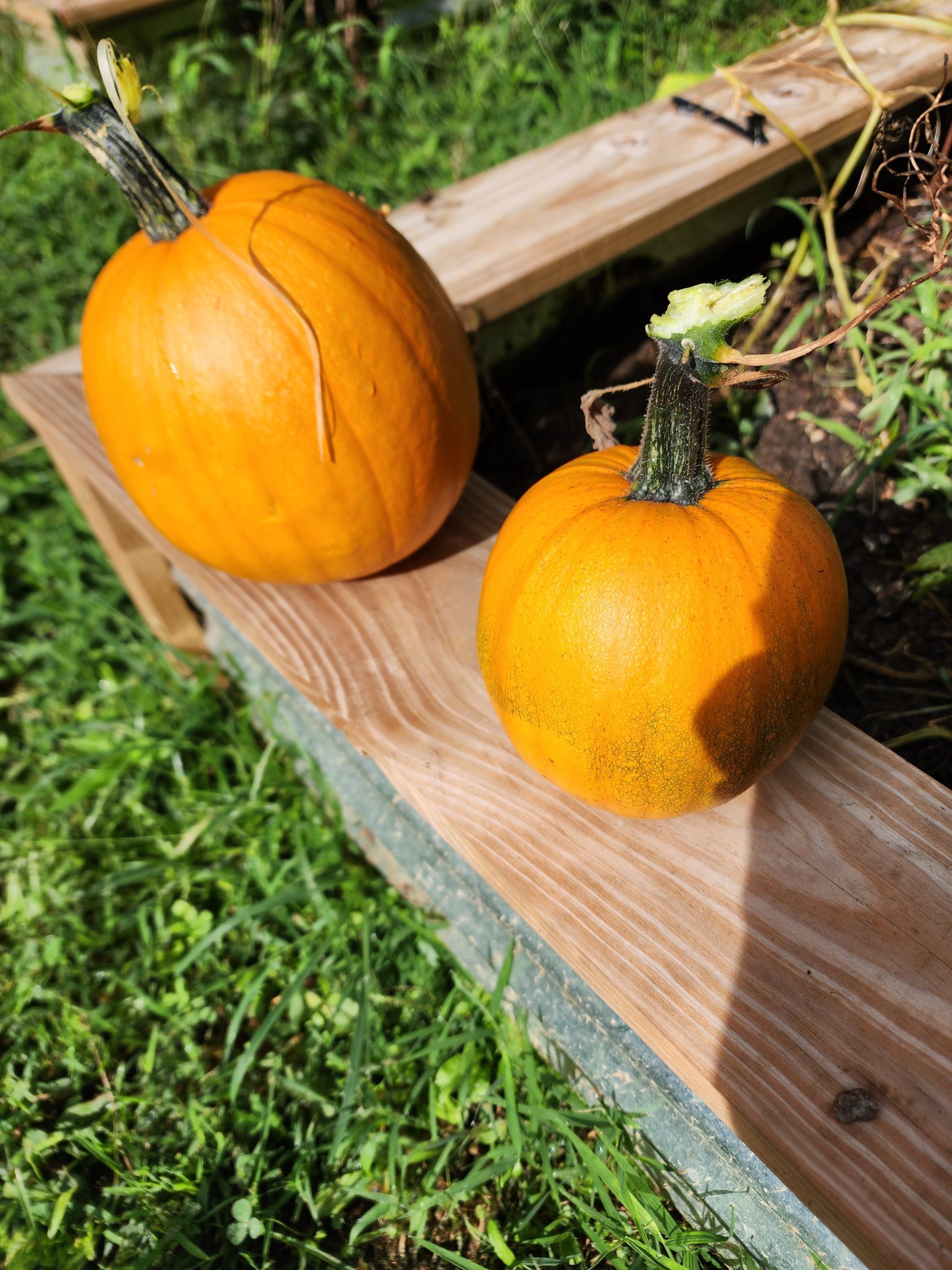
When Does Homesteading “Pay Off”?

For us, homesteading started to pay off within the first year. But it’s probably not the way you’re thinking. When we bought our property, we defined, very quickly, what a successful homestead meant, and then wrote down our year one, five and ten year goals. That’s when we started to see the “pay off.”

Chickens Doing Double Duty

The pay off was a significant decrease in fleas and ticks. This was because the chickens free ranged and took care of those bugs. That meant that Jared and Jaxson weren’t being eaten alive. This made them happier and more likely to be outside.

The chickens also helped break up the compacted soil in the garden spaces. They ate the grubs and bugs that could destroy the next years crops. They’re manure became compost for the next years garden.

Their eggs are SO much better than anything you can get from the store. Bright orange yolks mean very healthy and happy chickens. But it also means that egg is packed with nutrients.

Another great thing about chickens is that we can incubate the eggs because we have a rooster. That means that technically, we never have to buy another batch of chickens. Which of course means that we will buy more chickens because… chicken math is a thing.

cropped-3.jpg

Are you looking for garden journal prompts, but aren’t interested in a weekly email? Check out our 365 Garden Journal Prompts! This is an amazing, all in one, yearly product that you only pay for once.

Buy Now!

Goats Earning Their Keep

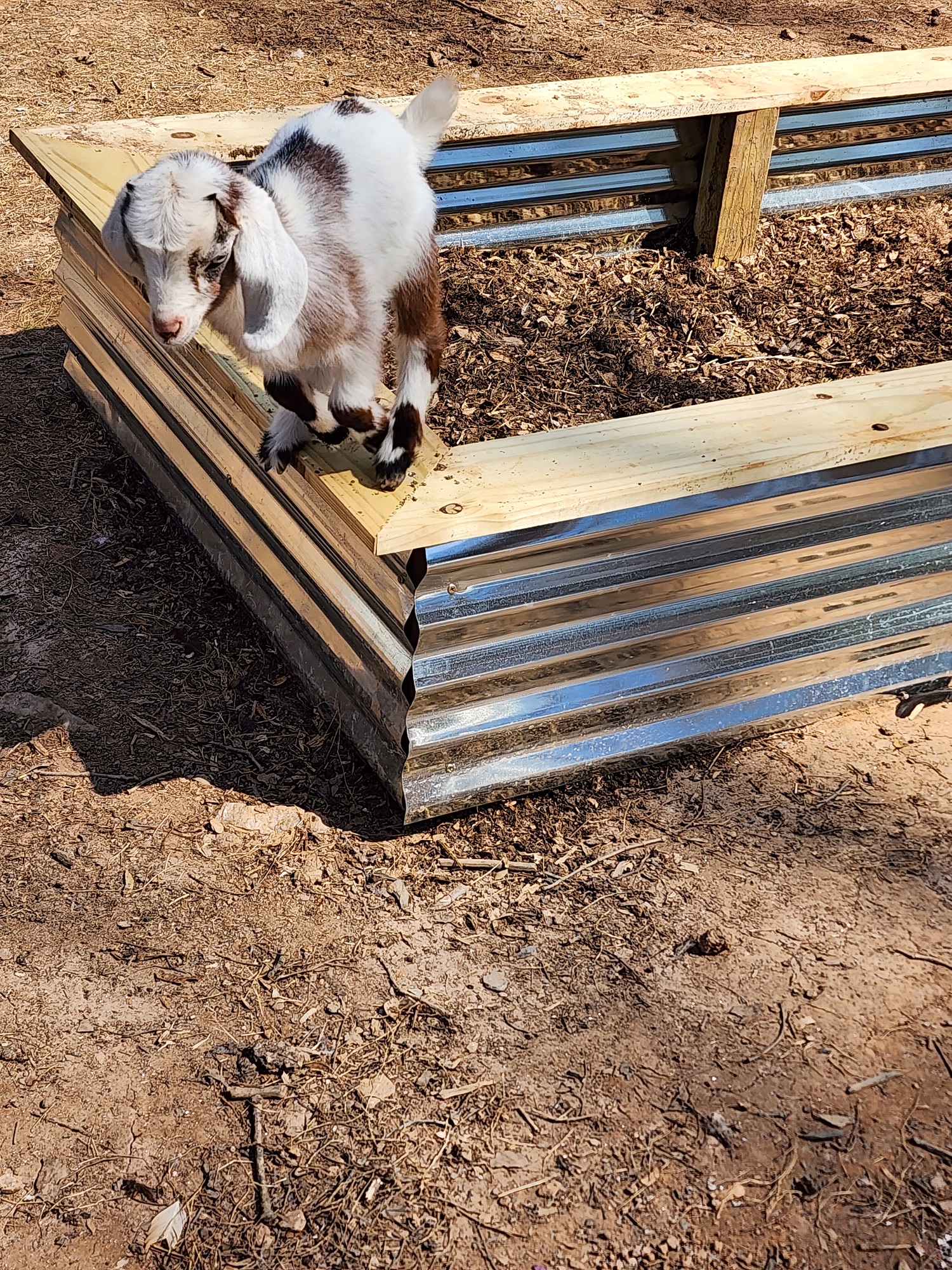
Initially, we bought the goats to be long term lawn mowers. But after falling in love with these creatures, we started breeding and milking them. Their pay off has been a little slower because they are expensive creatures to maintain. But I realized very quickly that I could tolerate their milk.

Their pay off is in my health. For the first time in years, I am able to consume milk with pain. While I am not lactose intolerant, I do have issues with gut health. Their milk has helped ease that pain and has increased the good bacteria in my gut. Not to mention, I know exactly what is in their feed, hay, treats, etc.

Before we get too far into this, I have a great course on the basics of goat care. I call it Goat Crash Course: Goat 101. In this course, I explain things like types of shelter, types of feeds and hays, basic assessments and so much more! Check it out!

Buy Now

The Garden Producing

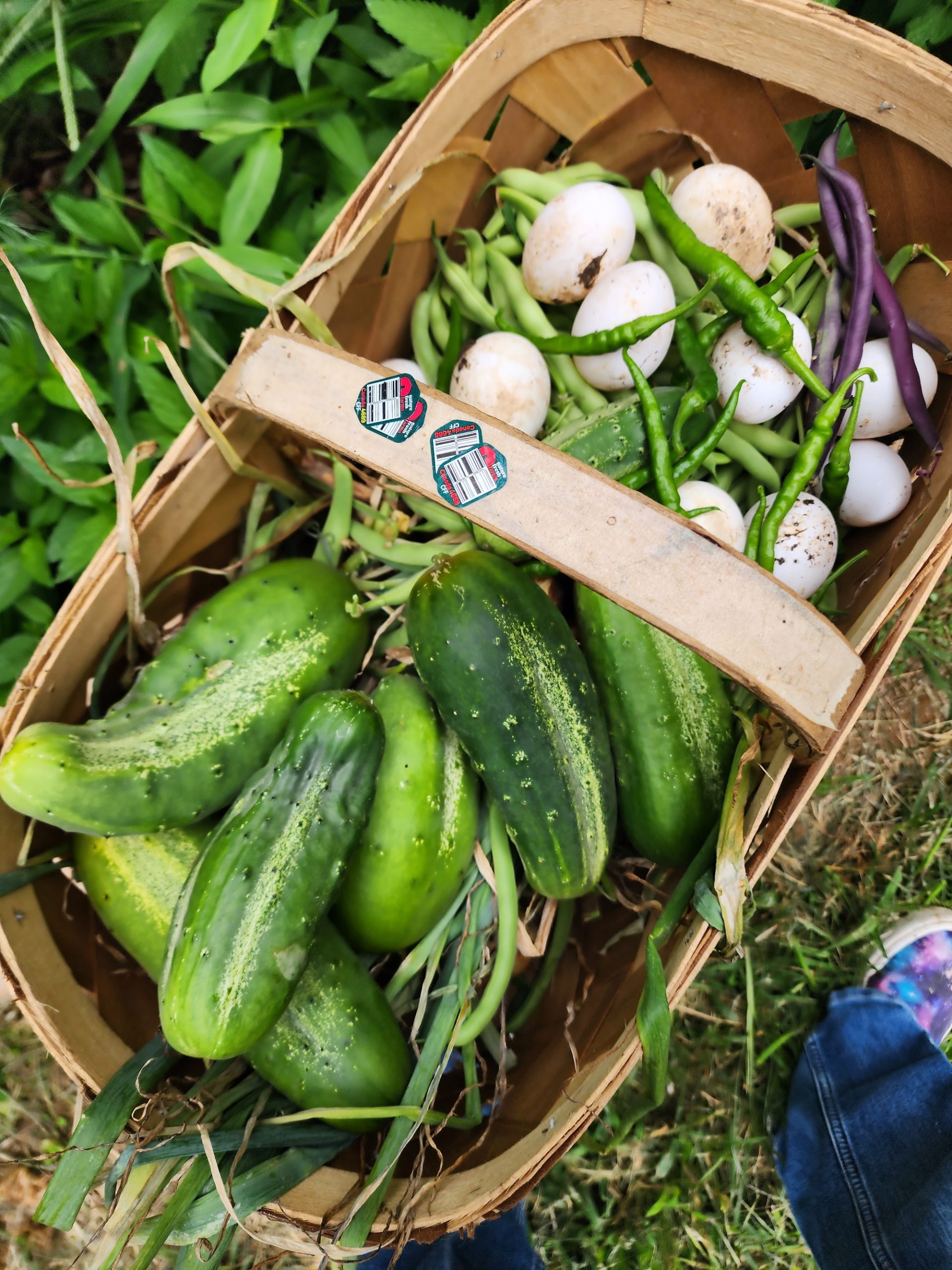
Gardening is probably the biggest way that we save money on the homestead. But again, not at first and not in the way you are probably thinking. Our big garden is getting a face lift in 2024 and that means a TON of money is getting dumped into it.

Like the budget for it is about $10,000 and includes the orchard, chicken runs, fencing, the gazebo and more. That’s okay, though. Because the amount of money it saves us isn’t about the weekly or monthly dollars saved at the grocery store.

It’s about the health benefits of the garden.

We do not spray our gardens with ANYTHING. There are no pesticides, herbicides or fertilizers used…. at all. It’s grown in soil that comes from our neighbors horse manure and our own animals bedding. Neither one of us deworm or use chemicals our animals unless absolutely necessary.

That means that our food from the garden is literally the healthiest thing we can consume on the planet. This pays off HUGE because we are filling our plates with food that is so nutrient dense, that it helps ward off sickness, disease and other issues that are common for people who eat the standard American diet.

goat kidding

Before we get too far into this, I have a great course on the basics of goat care. I call it Goat Crash Course: Goat 101. In this course, I explain things like types of shelter, types of feeds and hays, basic assessments and so much more! Check it out!

Buy Now

No, homesteading probably won’t save you money

But what homesteading will do is shorten your supply train. Homesteading will reduce your need on the grocery store. It will make you healthier, even if it’s only because you are more active. There are so many other pay offs when it comes to homesteading that it’s okay that it doesn’t save you a ton of money at first.

It will pay off in the end.

If you like the content I put out, feel free to buy us a coffee! It helps keep this site running, marketing and the goats in grain!

Buy me a coffee

If you like this post, feel free to share it and follow us below on our social media accounts!

  • Facebook
  • Pinterest
  • Instagram
  • YouTube
  • TikTok
  • Spotify
  • Threads

Filed Under: Animals, Canning, Chickens, Goats, How To's, Our Homestead, Pigs, Projects Tagged With: Canning, cast iron, Chickens, Chicks, cooking, Eggs, Goats, Homestead, kitchen, Welcome

JOIN TO OUR MAILING LIST!

Leave us your email to receive new posts and special offers for members only! Don't miss a thing!

Recent Posts

  • Fall Garden Guide
  • Top Mistakes With Goats
  • How To Bond With Your Goats

What to Plant in Your Vegetable Garden

July 30, 2024 by Leigh Leave a Comment

If you are new to gardening or homesteading, and you’ve been breaking your brain trying to figure out what to plant in your vegetable garden, allow me to help you! The main things I look at when planning a garden is what do I want to eat, how much space do I have, and leave room for experimenting.

cropped-3.jpg

Are you looking for garden journal prompts, but aren’t interested in a weekly email? Check out our 365 Garden Journal Prompts! This is an amazing, all in one, yearly product that you only pay for once.

Buy Now!

What To Plant In Your Gardens

Through the years, various gardens and designs, I have figured out a few things about gardening. The first is to always give more space to fruits and vegetables that you know you like. Next, is to figure out how much space I am willing to give to the stuff I like, but also the things I want to try. Finally, what do I want to try and grow.

I found Southern Dreams Homestead to have a great article for beginners and their gardens. They have a ton of great information and it’s really helpful if you don’t know what you’re doing. Learning and Yearning also has a great article about getting started with organic gardening.

cropped-3.jpg

Are you looking for garden journal prompts, but aren’t interested in a weekly email? Check out our 365 Garden Journal Prompts! This is an amazing, all in one, yearly product that you only pay for once.

Buy Now!

What fruits and vegetables do you like?

This is a very serious question that people usually get tripped up on. I despise raw tomatoes. I do not want it anywhere near my hamburger or salad. BUT I absolutely love salsa, ketchup, BBQ sauce, and more. That means I should probably not plant a ton of slicing tomatoes and plant more sauce or paste tomatoes. While, yes, Jared loves to eat raw tomatoes, he is the only one. So it doesn’t make a lot of sense to plant an entire row of slicers just for him. 

To figure out what to plant in your garden, I would sit down and really think about all the fruits and vegetables you like to eat. Then, I would think about all the cooked versions of those foods you like. Do you like pasta sauce? That’s tomatoes, peppers, onion, garlic, basil, oregano, etc. If you have the space in your garden to grow those things. Then do it!

Another thing to consider is your animals. If you have chickens or goats, you can absolutely grow extra squash for them. As you are figuring out what to plant, also think about all the things you can grow to help off set your feed bills.

Before we get too far into this, I have a great course on the basics of goat care. I call it Goat Crash Course: Goat 101. In this course, I explain things like types of shelter, types of feeds and hays, basic assessments and so much more! Check it out!

Buy Now

How Much to Plant?

Again this one is pretty simple, it comes down to space and what you like. Going back to my tomato example, out of the four of us, Jared is the only one that likes raw tomatoes. I’m not going to take up an entire row of space for slicers. But what I will do is plant a couple slicers and grape tomatoes so that he has something to snack on. The majority of my tomato space will be taken up with beefsteak or slicers.

But how much to plant? This is a varying formula that takes time to dial in. The best way to do this is to figure out how much each plant should produce and then figure out how much you need. As you grow, you will adjust how much you eat/ use but to start figure out how much you think you’ll eat and how much each plant should grow. Below is a how to become a victim of tomato math.

cropped-3.jpg

Are you looking for garden journal prompts, but aren’t interested in a weekly email? Check out our 365 Garden Journal Prompts! This is an amazing, all in one, yearly product that you only pay for once.

Buy Now!

What is tomato math?

Well, it’s the same as chicken and goat math. If I need two eggs a day for breakfast, I need at least ten chickens. That is chicken math. No, it doesn’t make any sense which is the point. Goat math is a little different because you start with two and then end up with nine and I’m still not really sure how that happened.

Tomato math is simply thinking that 25 plants is not nearly enough to sustain my family’s tomato needs and you end up with 150 plants and a ton of tomatoes. Not to mention trying to figure out what your going to do with 1,2000+ pounds of tomatoes.

The best way to figure out how much you need to plant is simple.

Figure out what the average yield for the type of plant: tomatoes are 8-10# per plant, peas are about 30 plants per person, potatoes are 5-10# per plant and so on. Then figure out how many pounds you need. I know we will go through about 100# per person for potatoes per year for cubed, shredded, whole, and fries. So I need 400#.

Then divide the number of pounds the plant yields to the number pounds you need;

Potatoes- 400/5=80 potato plants.

If you don’t know how many pounds you need, estimate and write down what you planted. When you harvest, write down the weight. Keep an eye on how much you are using and when it’s gone, figure up how many days until your next harvest. This is where garden journals are absolutely necessary!

Our herd health bundle helps you keep track of your herd’s health. Includes the goat assessment, herd check sheets AND Herd Health Tracker!

Buy Now

Experimenting With Your Garden

A lot of times, people only grow what they will eat. And that’s great if you are limited on space. But you are missing out on whole other varieties! I did a podcast about trying different varieties here. We didn’t know that we liked cabbage until we had it, same with broccoli, winter squash, radishes, etc.

Don’t be afraid to give some space to other plants in your garden. If you don’t like them, I’m sure your chickens will love them.

Are you getting overwhelmed in the garden? Stressed? Or just not enjoying the garden like you used to? Check out our garden prompts! We send out weekly emails that get you back in the garden and out of your head! Turn the garden back into a place of love and joy instead of frustration and headache!

Subscribe Now!

Try not to get overwhelmed

I know that is way easier said than done. At the end of the day, even planting one tomato plant is better than doing nothing at all. So don’t sweat it, just get out there and start digging in the dirt and enjoy the wonder of growing your own food.

If you decide to start seeds instead of buying plants, which I highly recommend, The Homesteading RD has a great guide for starting pepper plants. Since my own pepper starts didn’t do so well, I will be using some of these tips next year.

You can start big or small, it’s totally up to you. What you need to remember is that just by planting something you are doing something to decrease your dependency on the grocery store. It doesn’t matter that you didn’t harvest thousands of pounds of food. The reality is that you tried.

If your garden doesn’t produce a ton like you wanted it to, try again. I found these articles helpful for fall planting or just helping your soil through fall. Though Georgia doesn’t have much of a fall, more of a HOT, not so hot, freezing, hot…. you get the picture.

The Ultimate Homesteader’s Starter Bundle – Only $47!

Get the tools you need to stay organized, track profits, and manage your homestead with ease!

Includes:
✅ Schedule F Tracker – Simplify tax prep
✅ Profit Calculator – Track earnings
✅ Hay Calculator – Plan livestock feed
✅ Garden Journal – Digital & printable
✅ Herd Health Tracker – Monitor animal care
✅ Simple Budget – Manage finances
✅ Backyard Homestead eBook – Essential tips

$99 value – now just $47! Start your homesteading journey today!

Buy Now

Other Helpful Tips and Tricks

Over at Vintage Homestead, you can figure out how to take a soil samples. This is great for figuring out if you need extra nitrogen, fertilizer, or other materials added to your garden. Once you’ve taken your samples and have your results you can head over to Learning and Yearning to figure out how to add materials to your soil naturally.

If you’re anything like me and you want to know which plants like rhubarb and help them, head over to The Homesteading RD to take a look at what they have to say.

I am guilty of wanting to mulch everything in the garden and Learning and Yearning has a great article on how to avoid those pitfalls that comes with it.

If you like the content I put out, feel free to buy us a coffee! It helps keep this site running, marketing and the goats in grain!

Buy me a coffee

If you like this post, feel free to share it and follow us below on our social media accounts!

  • Facebook
  • Pinterest
  • Instagram
  • YouTube
  • TikTok
  • Spotify
  • Threads

Filed Under: Animals, Canning, Chickens, Garden, Goats, How To's, Pigs, Projects Tagged With: cooking, Homestead, Organic, Plants

JOIN TO OUR MAILING LIST!

Leave us your email to receive new posts and special offers for members only! Don't miss a thing!

Recent Posts

  • Fall Garden Guide
  • Top Mistakes With Goats
  • How To Bond With Your Goats

How To Care For Goats

July 13, 2024 by Leigh 6 Comments

So you’re thinking about getting a goat. You’re doing your research and probably thinking, “Whoa, there’s a lot to learn.” You would be right, but don’t let that stop you. Just by having some basic supplies on hand and a willingness to learn, puts you ahead of the game. Learning how to care for goats is actually pretty simple with the right supplies, resources and attitude. It would be impossible to write one post about caring for goats. It’s simply too much. But this post is a good start and below you can find our goat crash course.

Before we get too far into this, I have a great course on the basics of goat care. I call it Goat Crash Course: Goat 101. In this course, I explain things like types of shelter, types of feeds and hays, basic assessments and so much more! Check it out!

Buy Now

How To Care For Goats

When we first started looking into goats, I was extremely hesitant. I knew from research that they were a ton of work and hard to keep alive, but I didn’t realize how much more there was to learn. I have learned a ton in the years that I’ve been raising and managing goats. From caring for hooves to goat assessments, what medicines to keep on hand, and what goats can eat, the opportunities for education and adventure is never ending with goats.

Our herd health bundle helps you keep track of your herd’s health. Includes the goat assessment, herd check sheets AND Herd Health Tracker!

Buy Now

Medications to keep on hand

This is by no means a comprehensive list or replacement for veterinarian advise or treatment.

Vitamin B Complex is another necessity. When your goat isn’t acting 100%, sometimes it’s simple vitamin deficiency. Other times, their entire system is out of whack and you need to start working to get them back on track. The real need with the B complex is actually the thiamine in it. Goats will usually make their own but when their rumen is out of whack, they can get really sick. If you can get your hands on thiamine from the vet, I highly suggest that you get some.

LA200, Tylan 200 or similar antibiotic. Sometimes your goat will have a cough, gunky eyes or nose, or other infection. Having antibiotics on hand helps save you from a vet visit. As of this revision, you need a vet to get antibiotics. If you have a good relationship with your regular vet, they may be able to help you when it comes to your livestock.

Dewormers- now I could go in depth about the various types of dewormers. Both chemical and natural. But I’m not going to. The reason is because there are so many different types of parasites and treatment protocols for them, it would make this blog post insanely long. What I will say is talk to the person you are getting your goats from and see what they are giving their animals. That will point you in the right direction for care. I do talk in depth about deworming goats here if you are interested in it.

BluKote– This amazing can of awesome has literally saved our goat’s lives. I was told by a farmer once that BluKote is so good, it will regrow legs. And while obviously, that’s not true, it will help keep the leg from rotting off. It’s an antifungal, kind of antibacterial and quick drying agent. Stella got tangled up in sheet metal and sliced up all four legs in various spots. Some deep enough to need sutures. But have you ever tried to suture a goat? We sprayed this on her, kept her contained for a few days and within about 6 hours she had scabs and within about 2 days she was almost completely healed. So no, it won’t regrow legs. But it does protect the ones they have.

Before we get too far into this, I have a great course on the basics of goat care. I call it Goat Crash Course: Goat 101. In this course, I explain things like types of shelter, types of feeds and hays, basic assessments and so much more! Check it out!

Buy Now

Supplies to have on hand to care for goats

A thermometer is number one for a reason. Goats must stay around 101-103. This tells you a lot about what you could be dealing with. Too cold and you need to start actively rewarming them. Too warm and you may have an infection.

Syringes and Needles– Having a variety of different syringes is huge. I’ve got goats that range from 5# to 100# so having everything from 3cc-60cc syringes is extremely helpful. Also make sure that whatever size you get they are Luer Lock! Seriously, you do not want to be sprayed in the face with an antibiotic because the pressure shot off the needle. Yes, it’s happened. With needles, I highly recommend getting 20 ga or 18 ga. Anything smaller than 20 gauge and you will have a really hard time getting medication into a squirming goat. We use 18ga as a rule but we have 20s as well.

Free choice baking soda is a mineral that goats will eat to help soothe their stomach. Goats can bloat or become acidotic and baking soda can help them help themselves.

Free choice minerals is very important in making sure that they have ample minerals that your area may be deficient in. We use these as the goats love them. *** As of this revision (6/24) we use the goat mineral buffet from Avalon Farms and our goats love it. We have seen huge improvements in their health and coats. If you can’t get this or don’t have the “right set up” regular free choice is fine.

All the buckets. When you think you have enough, grab a couple more. We use a 5gal buckets for water and 3gal buckets for feeding. I attach the feed buckets to the fence with strong clips so they have plenty of space for everyone to have something. I also hang a couple of these on the fences to give even more options. It really helps to keep everyone from crowding on each other.

As long as you have plenty of ruffage, you shouldn’t need a lot of feed for them. Bucks, male goats, don’t get grain or at least not a lot. We fed our goats off the land for the first year to help get everything clear. Now we are bringing in pellets and grains to help supplement the hay until our pastures take hold. But really we could put them back in the briars and they would be very happy.

Hoof Trimmers– A couple pairs of hoof trimmers are great. Even better if you can take them apart to sharpen them. We’ve got probably 5 or so pairs around the farm. I like to have extras just in case one set is dull or we need to clean them while trimming hooves.

goat kidding

Before we get too far into this, I have a great course on the basics of goat care. I call it Goat Crash Course: Goat 101. In this course, I explain things like types of shelter, types of feeds and hays, basic assessments and so much more! Check it out!

Buy Now

Other Resources

I would also recommend getting into a couple of different goat groups on Facebook. Most vets do not see livestock and if they do see livestock, they are probably not well versed in goats. That being said, these different groups on Facebook are people with years and years of experience. I have trusted them with my babies on multiple occasions and they have helped me pull my goats through when a vet was clueless. Successful Goating With Rosie and Goat Emergency Team are the two that I recommend.

Lastly, enjoy your goats. Seriously, they are some of the coolest critters and I am so glad that Jared talked me into getting them. When I am stressed to the max with work, the kids, or anything, I go out and sit with my babies. They make all of it go away. How can Midas’ antics not put a smile on your face?

If you like the content I put out, feel free to buy us a coffee! It helps keep this site running, marketing and the goats in grain!

Buy me a coffee

If you like this post, feel free to share it and follow us below on our social media accounts!

  • Facebook
  • Pinterest
  • Instagram
  • YouTube
  • TikTok
  • Spotify
  • Threads

Filed Under: Animals, Goats, How To's Tagged With: Goats, Homestead, Welcome

JOIN TO OUR MAILING LIST!

Leave us your email to receive new posts and special offers for members only! Don't miss a thing!

Recent Posts

  • Fall Garden Guide
  • Top Mistakes With Goats
  • How To Bond With Your Goats

Training Dogs With Livestock

July 2, 2024 by Leigh Leave a Comment

The entire Farm Dog Series revolves around training “normal” dogs to be farm dogs. It doesn’t talk about training specifically bred dogs to do their tasks. Dogs like cattle dogs or livestock guardian dogs require training that I have not personally worked through. My dogs are pound pups and companion dogs. Their only job is my enjoyment AND raising the alarm. If you are in the same boat, then I am here to talk to you about training dogs with livestock, the pitfalls and triumphs. As well as some general how to’s to get you headed in the right direction.

The Ultimate Homesteader’s Starter Bundle – Only $47!

Get the tools you need to stay organized, track profits, and manage your homestead with ease!

Includes:
✅ Schedule F Tracker – Simplify tax prep
✅ Profit Calculator – Track earnings
✅ Hay Calculator – Plan livestock feed
✅ Garden Journal – Digital & printable
✅ Herd Health Tracker – Monitor animal care
✅ Simple Budget – Manage finances
✅ Backyard Homestead eBook – Essential tips

$99 value – now just $47! Start your homesteading journey today!

Buy Now

Training Dogs With Livestock

Training dogs with livestock isn’t really any different than regular introductions with other animals, except some key points. Most livestock is bigger than the dog and poultry is usually much smaller than the dog. Also, most livestock/ poultry are prey animals and most dogs are predators. Those key differences are pretty big. But the introduction phase is still always the same, regardless of the animals being introduced. The tools for introduction need to be on point because you don’t want your dog getting a cow riled up.

But before we get started into training dogs with livestock, I want to quickly mention a few things. First, your dog should already be decently trained. They should be able to walk on a leash without going crazy or dragging you around. They should have bonded with you before and during training to ensure that they will listen to you. Their recall should be damn near perfect. These things are absolutely essential in introducing your farm dog to livestock.

Before we get too far into this, I have a great course on the basics of goat care. I call it Goat Crash Course: Goat 101. In this course, I explain things like types of shelter, types of feeds and hays, basic assessments and so much more! Check it out!

Buy Now

Start With Introductions

As I stated above, your farm dog should be easily controlled. I NEVER recommend introducing animals to other animals without having some measure in place to maintain safety. In this instance, with dogs, the dog needs to be leashed. Period. I don’t care how well they respond t you, other animals or how well trained.

Due to the nature of dogs and livestock, especially large livestock, you should never put your animals in a position where they can get injured or killed. That means that Fido goes on a leash and the livestock is behind a fence. Initial introductions should always be made through a fence or other barrier. This will allow both animals to feel safer.

Once brought to the fence, you should then, keeping your dog calm and focused on you, allow your livestock to sniff or investigate the dog. If the dog feels threatened, then talk to them and work to calm them. You have to remember that a cow, horse, donkey, or other large animal can be absolutely terrifying to your dog. This thing is huge compared to them. Keeping your dog calm and reassured is key.

If the dog and livestock are both calm and neither are acting riled up. You can get the animals closer, and closer and closer until you are in the pen with the livestock. Sometimes, this never happens. Other times, it’s all within the same day or training session. It really depends on the animals involved.

Introductions for any animals should always be done with at least two CALM people. You don’t want to do this with someone, especially kids, that are going to be distracting or freaking out. Make sure that whoever is helping you is going to either control the dog or be with the livestock.

If you are new to heating with firewood and are looking to master the finer points of it. We’ve got a great eBook that goes in depth of what tools you should consider, how and where to stack, how to build a fire and so much more!

Buy Now

Introductions with smaller livestock

I wanted to talk briefly about introducing dogs to smaller livestock or poultry. When you have medium to extra, extra large dogs, you really want to be careful with introductions to other small animals. The biggest concern when introducing larger animals to smaller animals is the fact that the large animal is well…. large. If you don’t think you can control that animal, you do not need to start making introductions at all.

When you are introducing a 75# pound pup to a baby goat, you need to be ready that the dog is going to at a minimum try to play with the goat, at a maximum, try to kill it. We want to make sure that all animals being introduced are safe. So make sure that no matter what, you are able to control the dog.

You need to understand that small animals and poultry sound a lot like squeaky toys to dogs. And most of us have used squeaky toys to work with our dogs. This has taught them that chewing on these toys creates a squeak…. well guess what that dog is going to do with your baby goat, lamb, chicken, etc. So I recommend not introducing dogs, especially puppies, to small livestock or poultry until you have a Leave It command on point and it’s solid.

Our herd health bundle helps you keep track of your herd’s health. Includes the goat assessment, herd check sheets AND Herd Health Tracker!

Buy Now

Introducing Predator To Prey

One of the things that most people have forgotten is that their dog is a predator. I know, it’s shocking. But your dog is descendant of a wolf. And while we have bred most of those instincts out of them, they are at their core a predator. But as we start letting our dogs be dogs, you are going to find that your normally docile apartment dog is now chasing chickens. This is totally normal. Please don’t get mad at your dog because they are doing exactly what they should be doing. They are dogs and dogs are predators.

But most dogs don’t want to eat chickens, baby goats, and other animals. To be honest, every time Blu would catch a chicken, she would kind of freak out because she didn’t know what to do with it once she caught it! Most dogs are like that. They aren’t trying to hurt the creature, they were trying to play with it. But they do because they don’t know any better.

The best thing that you can do is to make introductions. Then make those introductions as stress free as possible for everyone, yourself included. The best way to do this is to teach your commands and basic obedience with your dog. The next step is make introductions through a barrier and with leashes. After that, start working on getting those two animals close to each other and let your dog know to leave it alone.

The Ultimate Homesteader’s Starter Bundle – Only $47!

Get the tools you need to stay organized, track profits, and manage your homestead with ease!

Includes:
✅ Schedule F Tracker – Simplify tax prep
✅ Profit Calculator – Track earnings
✅ Hay Calculator – Plan livestock feed
✅ Garden Journal – Digital & printable
✅ Herd Health Tracker – Monitor animal care
✅ Simple Budget – Manage finances
✅ Backyard Homestead eBook – Essential tips

$99 value – now just $47! Start your homesteading journey today!

Buy Now

Tools And Training Dogs With Livestock

I talked in depth about the tools to needed to train your dogs here. That list is full of all the things that I use to train my dogs. Since we are talking about potentially dangerous situations, I would hold off on all introductions with livestock until you get to the point that your dog is trained on an ecollar. The reason is that we want to protect our livestock. If for some reason everything goes to hell in a hand basket, that ecollar may be the only thing that keeps your goat or chicken alive.

Personally, I would not let any dog meet any livestock until they are damn near perfect on their recall, leash work, and your bond. Also, I wouldn’t let Fido anywhere near livestock until you have safe, effective fencing or barriers for your livestock/poultry.

In real life, I am a paramedic so that means that I meet a lot of dogs. And the vast majority of the time, every pet owner will say something along the lines of “Oh, he’s friendly. He doesn’t bite.” And my response is always the same…. “Maybe, but today could be the day.” That being said, your dog may be the friendliest dog out there, until there is a baby goat running around screaming and jumping. Even the best trained dog is going to be freaked out until they know what this thing is.

I am going to repeat what I said before. When it comes to training dogs with livestock, you first have to have adequate control and protection over both animals, dog and livestock. Then you start with introductions through the fence. Then you bring them closer and closer and closer until they can safely meet face to face. Provide tons of reassurance and praise when everyone is happy. Don’t be afraid to correct if either of the animals starts showing out.

Finally, patience. This training doesn’t need to happen in a day. If it takes a year to get your dog comfortable with livestock, then it takes a year. Period. Both animal’s safety is more important.

Before we get too far into this, I have a great course on the basics of goat care. I call it Goat Crash Course: Goat 101. In this course, I explain things like types of shelter, types of feeds and hays, basic assessments and so much more! Check it out!

Buy Now

Farm Dog Series

If you liked this post and want to read the rest of our farm dog series you can check those out here.

Other Posts From Training A Farm Dog Series

How I Train My Farm Dogs

How To Train Farm Dogs

Tips, Tools and Hacks For Training Farm Dogs

Best Breeds For Farm Dogs

Commands For Training Farm Dogs

If you like the content I put out, feel free to buy us a coffee! It helps keep this site running, marketing and the goats in grain!

Buy me a coffee

If you like this post, feel free to share it and follow us below on our social media accounts!
  • Facebook
  • Pinterest
  • Instagram
  • YouTube
  • TikTok
  • Spotify
  • Threads

Filed Under: Animals, Farm Dogs, How To's

JOIN TO OUR MAILING LIST!

Leave us your email to receive new posts and special offers for members only! Don't miss a thing!

Recent Posts

  • Fall Garden Guide
  • Top Mistakes With Goats
  • How To Bond With Your Goats

Breeding Goats Without A Buck

June 29, 2024 by Leigh Leave a Comment

I’m sure you’ve heard the horror stories of keeping a buck on the property with your does. You’ve probably heard that they stink to high heaven. Or that they will breed through fences… or say what fence. I’ve kept bucks since the beginning of our goating journey and while I don’t mind them, I can totally understand why people wouldn’t want to keep a buck. But if you are looking to breed for milk or meat or for whatever reason you decide, how do you go about breeding goats without a buck?

goat kidding

Before we get too far into this, I have a great course on the basics of goat care. I call it Goat Crash Course: Goat 101. In this course, I explain things like types of shelter, types of feeds and hays, basic assessments and so much more! Check it out!

Buy Now

Breeding Goats Without A Buck

First and foremost, breeding goats without a buck will not happen. You absolutely can’t do it. Basic biology says that you have to have sperm and an egg to make a fetus. BUT if you are not wanting to house bucks on your property long term, you do have some options. The 3 big ones are driveway breeding, seasonal bucks, or stud rentals….

Before we get into those ways of breeding without a buck, first I want to touch on why some people may not want a buck full time. I’ll tell you our experience with keep bucks full time so you can get a more rounded picture.

Why Not Keep A Buck Full Time

There are a lot of reasons not to keep a buck on your property full time. The first would be feeding. Bucks can consume a TON of food. And considering that for most farms or homesteads, they only have one purpose, to breed. So keeping around a buck that is going to eat a lot but only reproduce? That’s a tall order.

Another reason people don’t want to keep bucks is because they stink. Now, they only really stink during rut, but rut can last a long time. Rut is when bucks will fight other males, pee on their faces, and be a general nuisance.

cropped-3.jpg

Are you looking for garden journal prompts, but aren’t interested in a weekly email? Check out our 365 Garden Journal Prompts! This is an amazing, all in one, yearly product that you only pay for once.

Buy Now!

Fence jumping or fence breeding is another big concern with keeping bucks full time. We have had several very stubborn does that were going to get their man when they came in heat. Short of tethering those does, they were going to get bred through the fence. However, it was not uncommon for the bucks to jump fences to get to the girls.

Now that we’ve covered why not to have bucks, let’s talk about ways to breed without keeping a buck full time.

Our herd health bundle helps you keep track of your herd’s health. Includes the goat assessment, herd check sheets AND Herd Health Tracker!

Buy Now

Driveway Breeding

This option is exactly what it sounds like. You contact someone like me, who offers stud services, and tell them that you would like to use their buck to your does. This can be done in one of two ways. You bring your girls to the stud and let them do their thing in the driveway. Or they come to your does. Either way, the goal is the same, the hook up happens in the driveway.

There are some drawbacks to this option. The first is that if you missed your does heat cycle, you waste everyone’s time and stress the goats. The second is that if it doesn’t take, you have to do it again. Finally, trying to line up schedules to make sure that the goats get together at the right time can be a pain.

However, there are some pros to this style of stud service. Things like having full control over when babies are born, exactly what genetics you are adding to your herd, and not having the added expense and chores of a separated buck.

Before we get too far into this, I have a great course on the basics of goat care. I call it Goat Crash Course: Goat 101. In this course, I explain things like types of shelter, types of feeds and hays, basic assessments and so much more! Check it out!

Buy Now

Seasonal Bucks

Another great option, and the one most similar to what we use, is seasonal bucks. This is when you purchase a buck for the season and then either sell him at the end of your season or send him to freezer camp. I like this option the best because you don’t have to worry about trying to keep someone else’s buck alive for the season. This is your buck, not someone else’s.

Another reason why this is a good option is because you don’t have to keep a buddy for him. Remember, I told you here that goats are herd animals. That means that if you keep a buck full time and don’t keep your herd together at all times, you will have to have a wether for your buck to keep him company. But if you buy a buck in September for breeding spring and fall babies, and butcher in November, you don’t have to keep a wether.

The downside to this is the expense of purchasing a buck every year and then figuring out what to do with them afterwards. Especially, if you aren’t interested in sending it to freezer camp. I’ll tell you right now, it is extremely hard to sell bucks.

The Ultimate Homesteader’s Starter Bundle – Only $47!

Get the tools you need to stay organized, track profits, and manage your homestead with ease!

Includes:
✅ Schedule F Tracker – Simplify tax prep
✅ Profit Calculator – Track earnings
✅ Hay Calculator – Plan livestock feed
✅ Garden Journal – Digital & printable
✅ Herd Health Tracker – Monitor animal care
✅ Simple Budget – Manage finances
✅ Backyard Homestead eBook – Essential tips

$99 value – now just $47! Start your homesteading journey today!

Buy Now

Stud Rentals

This is something that we have done a few times with our bucks with mix results. Basically, you would contact your local goat or livestock group and ask if anyone rents out their bucks. You would select your buck, set terms like amount of time the buck will be at your homestead, any testing you would like done or have results for, and how much your willing to pay.

It’s not uncommon for stud rentals to be about $100/mo depending on what you are looking for. A show quality buck with all biosecurity testing could be upwards of $500/mo depending on your area. A registered buck could be a couple hundred. It really depends. Also, there is usually a contract of some sort that says if you break it, you buy it. Which is totally fair.

I think this could be the most bang for your buck if you know that you can’t send the buck to the freezer at the end of the season.

goat kidding

Before we get too far into this, I have a great course on the basics of goat care. I call it Goat Crash Course: Goat 101. In this course, I explain things like types of shelter, types of feeds and hays, basic assessments and so much more! Check it out!

Buy Now

Our Experience With Keeping Bucks

We have kept bucks full time from day one. I didn’t want the added expense and headache of trying to find stud services and constantly switch out bucks. There are some things of note that we have found work well for us.

We leap frog our bucks, getting a new one every year and sending the 2 or 3 year old buck to the freezer. Midas will be going to the butcher in November (2024) because he has fathered too many of our retained does. Maverick is our next herd sire, he will be allowed to hang with Midas and learn the ropes before it’s “his turn”. Then during kidding season (Early 2025), we will pick another buckling to be the following year’s herd sire. Maverick will have until November 2026 before he goes to freezer camp.

Our herd health bundle helps you keep track of your herd’s health. Includes the goat assessment, herd check sheets AND Herd Health Tracker!

Buy Now

Letting Bucks Be Bucks

Another thing we have found is that when we allow a buck to stay with his girls, he isn’t solely focused on breeding. In fact, he becomes a herd protector and has ran off coyotes and other predators. Is it full proof? No. But allowing animals to follow their natural instincts is amazing to watch.

We have found that if we keep our bucks separate from the girls, they are far stinky-er than if just leave them with the girls. So we will let the buck stay with his group of girls 24/7 and he doesn’t need to compete with the other bucks. However, they will absolutely pee all over themselves and get rowdy. But it’s not nearly as bad as when we have separated them.

I enjoy having the ease of keeping bucks on the farm. We will always have bucks here, especially because they will keep the girls in check and protected. That’s a win in my book.

If you like the content I put out, feel free to buy us a coffee! It helps keep this site running, marketing and the goats in grain!

Buy me a coffee

If you like this post, feel free to share it and follow us below on our social media accounts!

  • Facebook
  • Pinterest
  • Instagram
  • YouTube
  • TikTok
  • Spotify
  • Threads

Filed Under: Animals, Breeding, Goats Tagged With: Goats, Homestead

JOIN TO OUR MAILING LIST!

Leave us your email to receive new posts and special offers for members only! Don't miss a thing!

Recent Posts

  • Fall Garden Guide
  • Top Mistakes With Goats
  • How To Bond With Your Goats

Traveling When You Homestead

June 22, 2024 by Leigh Leave a Comment

As I sit here writing this, I am supposed to be packing, cleaning and getting ready to hit the road in two days. We are going out of town for the Homesteaders Of America Conference in Virginia this weekend. Instead of packing and getting last minute chores done, I sit here thinking about all the things I need to do, but I am obviously not doing… Thanks ADD. But all of this did get me thinking that brand new homesteaders may be struggling with the logistics of traveling when you homestead.

The Ultimate Homesteader’s Starter Bundle – Only $47!

Get the tools you need to stay organized, track profits, and manage your homestead with ease!

Includes:
✅ Schedule F Tracker – Simplify tax prep
✅ Profit Calculator – Track earnings
✅ Hay Calculator – Plan livestock feed
✅ Garden Journal – Digital & printable
✅ Herd Health Tracker – Monitor animal care
✅ Simple Budget – Manage finances
✅ Backyard Homestead eBook – Essential tips

$99 value – now just $47! Start your homesteading journey today!

Buy Now

Traveling When You Homestead

When most people travel, they have to find someone to watch their dogs, cats, maybe a snake or lizard. Usually, it is not a big deal. But when you have gardens that need to be harvested, animals that need to be fed and watered, medications to be given, sometimes finding someone is extremely difficult.

Tractor Supply

I’m not going to lie, traveling when you homestead can be a logistical nightmare. It’s not as easy as it was pre homestead. But your days of traveling aren’t over, they just look a little different now. Some homesteaders rarely leave their property. Others will only travel a certain distance away. Still others will globe trot in the winter. There is no right or wrong answer to traveling and homesteading. It’s all about logistics.

goat kidding

Before we get too far into this, I have a great course on the basics of goat care. I call it Goat Crash Course: Goat 101. In this course, I explain things like types of shelter, types of feeds and hays, basic assessments and so much more! Check it out!

Buy Now

Our Travels

Pre-homestead, we just needed to find someone that could either stay at the house with our four dogs, two cats and three bearded dragons or at least let dogs out to go to the bathroom and feed them. Heading out for a quick overnight or weekend trip was as simple as calling one of Jared’s buddies from the fire department to have them do a drive by the house and let the dogs out. Rarely was it a big deal.

Post- homestead? There’s a lot more.

The first time we went out of town, we went to Yellowstone for a week. One of my friends from work was willing to stay the week and hang out with the animals. She had a crash course in goats and we prefilled their foods, medications and anything else we could to make her life easier. She did fantastic and I am extremely grateful for her.

The second trip is to Virginia for the conference. We were lucky that our neighbor is willing to help us out since he will be home all weekend. But how do you travel when you are knee deep in kidding season, or canning season?

Below is how I get prepared to leave the homestead for a few days.

If you are new to heating with firewood and are looking to master the finer points of it. We’ve got a great eBook that goes in depth of what tools you should consider, how and where to stack, how to build a fire and so much more!

Buy Now

Getting A Farm Sitter

The first thing to do is to line up your farm sitter for your trip. If you’ve got friends or family that is willing to help out, all the better. But if not, check with your local 4-H or FFA. There are a ton of kids that are well versed in farming and would love to make some money. You could also get in touch with your local feed store and see if they know of anyone that would be willing to come out and help.

There are a ton of people out there that are willing to help out if the pay is right. There is no set rate for this, either. Some people who only have a few chickens and need someone to harvest the garden is going to charge less than someone you load chores on.

Logo 468x60

Have your farm sitter come out to the farm to go over everything with you. I leave a typed list of all the things that need to be done in order of animals. So goats have their own list, dogs, chickens, etc.

If you have a friend coming over and they know nothing about feeding animals, go ahead and pre-fill buckets or jars with feed, so all they have to do is dump and go.

Save on Seeds

Clean Up Before You Go

This isn’t just cleaning your house. It’s mucking out the stalls, barns and coops and laying fresh bedding. Move chicken tractors, electric netting, etc. so that they don’t have to mess with it. It’s fresh sheets on the bed if they are spending the night. Make sure that they do not have to do that stuff while your gone.

When we leave, we make sure that the only thing they have to do is feed and water animals, let out dogs, and collect eggs.

Harvesting The Garden

First, let me just say this, planning a vacation in July/ August, is not the best possible scenario. Can it be done? Absolutely. But if there is a choice, maybe not go during peak harvest time.

If you are in mid swing with canning and harvesting the garden, life just got a little harder. But it’s still not impossible. When we went to Yellowstone, we told my friend, you can keep anything the garden produces and any eggs the hens lay. If you don’t want it, throw it to the chickens.

But if it’s the middle of August and you are harvesting the garden every day, that’s a lot of produce to “lose”. Here are some quick tips:

The farm sitter can have anything the garden produces.

Peppers can be frozen, tomatoes too.

Cucumbers and summer squash can go to the goats, chickens and pigs.

Watermelons can stay on the vine for a few days extra.

Look into other ways your produce can be saved until you get back and have your farm sitter do that.

goat kidding

Before we get too far into this, I have a great course on the basics of goat care. I call it Goat Crash Course: Goat 101. In this course, I explain things like types of shelter, types of feeds and hays, basic assessments and so much more! Check it out!

Buy Now

Other Random Chores

Sometimes you have to leave and you have a goat in milk. Or sometimes you had an accidental breeding and now you are going on vacation when your favorite doe is going to kid. You’ve got eggs in the incubator or you’ve got chicks in the brooder. Maybe you have a last minute trip and need to butcher chickens. Or you have a sick animal that needs medications.

All of these things happen. A good farm sitter is invaluable. In theory, you should find someone that is comfortable doing all of those things. The reality is Prior Proper Planning Prevents Piss Poor Performance. That’s not to say that anyone is at fault, quite the opposite. If you can plan around your vacation, and prepare your farm sitter, everything will be fine.

Tractor Supply

In the situation of a goat in milk, see if your farm sitter is comfortable milking. If not, try drying her up before you leave. If that won’t work, think about putting her baby back with her while you’re gone. Another option is to see if you have a goat friend that would be willing to keep her while you’re gone.

Prepare

The best thing you can do when you are preparing for travel is to be as prepared as possible. Our vet has our credit card on file so that if anything happens, we are good to go. We have lists for the farm sitter. Our neighbors are willing to help out and, not only do they have knowledge of animals but have actually met our animals.

Logo 468x60

Having a good infrastructure in place is also key to making sure that you are good to go. Setting up your farm to be automated, like automatic waterers for the garden and animals, helps tremendously.

Enjoy

Lastly, enjoy your trip! Seriously, you have probably earned it. Especially in the fall/ winter when everything is buttoned up for the season and it’s time to relax and plan for spring.

If you like the content I put out, feel free to buy us a coffee! It helps keep this site running, marketing and the goats in grain!

Buy me a coffee

If you like this post, feel free to share it and follow us below on our social media accounts!

  • Facebook
  • Pinterest
  • Instagram
  • YouTube
  • TikTok
  • Spotify
  • Threads

Filed Under: Animals, Chickens, Goats, How To's, Our Homestead, Pigs Tagged With: Eggs, Goats, Homestead, traveling

JOIN TO OUR MAILING LIST!

Leave us your email to receive new posts and special offers for members only! Don't miss a thing!

Recent Posts

  • Fall Garden Guide
  • Top Mistakes With Goats
  • How To Bond With Your Goats

What I Learned During My First Goat Kidding

June 4, 2024 by Leigh Leave a Comment

******Contains graphic images!!******

Imagine being pregnant with your first child or your partner is. You are worried about the labor and everything is a sign that labor is imminent. That twinge in the back? Must be labor. If you have ever been in labor, and now you are watching for your goat to be in labor, it is completely different. Welcome to the “other side” were you are now a spectator and hopefully not a participant. The unbelievable experience of watching your first goat kidding is amazing, terrifying and one of the coolest experiences.

goat kidding
goat kidding

Before we get too far into this, I have a great course on the basics of goat care. I call it Goat Crash Course: Goat 101. In this course, I explain things like types of shelter, types of feeds and hays, basic assessments and so much more! Check it out!

Buy Now

My First Goat Kidding

We started baby watch with Champ on March 21st. I started my checks earlier because I had no idea what I was doing or looking for. Checking ligaments became a multiple times a day thing. Taking a peak to see if any discharge was showing up. I called the vet who explained all the different things that need to happen in the weeks leading up to birthing, including not eating. Two weeks of stressing about my best girl and she was finally in labor!

She’s in labor!!

I texted our breeder because she’s been waiting just as much as I have and got together all my stuff. Now, I’m pretty extra when it comes to my babies. They get everything I can possibly give them when they are in situations like this. I grabbed molasses water to help with her energy levels. She had fresh grain and alfalfa pellets, and hay. I also had tons of towels, puppy pads and other stuff just in case.

Save on Seeds

The Kidding

The first baby’s front and back leg came out. I had to attempt to reposition and by the time she came out she was stillborn. The second baby was Stella, and she came out perfect. I had to help just a little bit and then dry her off. The third baby was one hoof, then the 2nd but the head was back. I fought for 20 minutes trying to reposition this baby to get her out and just couldn’t.

I tried resuscitating the first and third babies but they were too far gone. It was one of the hardest things I’ve ever done as a homesteader. As much as I wanted those babies to live, it was probably better for Champ that they didn’t. We would have had to pull at least one to raise as a bottle baby and she would never had produced enough milk for them.

Logo 468x60

In the end, we had three gorgeous doelings but Stella was the only one to live. We think that when our other goat Bella, rammed and then rolled Champ it moved the babies and started her labor early. But we will never know.

Stella is great and has been gaining weight like a champ. Champ has also been gaining a ton of weight which is fantastic because we were really worried about her. Her milk has come in and she really is a good momma.

So What Did I Learn About Goat Kidding?

  • More towels are always better. Seriously, I used 10 towels for three babies…..
  • Puppy pads are great if they doe actually stays on them.
  • Get a pull chain. My fingers are too big for both my fingers and the baby’s head to come through the birth canal.
  • Don’t panic. It will ultimately be okay, even if it doesn’t seem like it.
  • Watch ALL the difficult kidding videos. It could save your doe and kids life.
  • Not all labors go the same. The vet said she would stop eating and she ate between pushing.
  • Discharge may not start until just before labor and not 12-24hrs in advanced. Try like two hours.

But I wouldn’t change a bit of it. I love my goats and Champ and Stella are the best girls!

Future Goat Kidding

I could go in depth about the various times that my girls have gone into labor. If you are interested in how to tell if your goat is in labor, I have a post here that could help. I could tell you all the things I think you need when during your goat kidding. But the reality is that it’s not going to help a lot when your in the trenches. The biggest take away is to stay calm and be ready to intervene. That’s how I have gotten through the years of goats being born on the farm.

But I’ve also got some tips to help you BEFORE your doe kids. I call them safe breeding techniques.

Before we get too far into this, I have a great course on the basics of goat care. I call it Goat Crash Course: Goat 101. In this course, I explain things like types of shelter, types of feeds and hays, basic assessments and so much more! Check it out!

Buy Now

Safe Breeding Techniques

One of the things I come back to, year after year, is that livestock (for the most part) don’t need help laboring IF you practice safe breeding techniques. Things like matching your buck to doe and not breeding young does. These are very important and while normally it’s okay, sometimes it’s not.

For example, breeding a full size Nubian buck to a small Nigerian doe is going to cause a problem. This is going to cause the kid/s to be WAY too big for the doe to successfully push out. Can they do it? Sure, it happens. But the risk isn’t worth the reward.

Another example is not breeding too young does. This comes down to a lot of factors and your own philosophies. I do not intentionally breed does that are younger than 1 year old or below 80% of their full weight/size. I say intentionally because fence breeding can and does happen. When it does, you need to either be ready to terminate the pregnancy or prepare for a c section.

We have been very lucky that our bucks are happy to not go after our does even in the height of rut as long as we keep everyone fed and entertained. We’ve had a couple fence breedings though so it’s not foolproof. Thankfully, it was due to a horny nanny goat and not because of a jumped fence.

Our herd health bundle helps you keep track of your herd’s health. Includes the goat assessment, herd check sheets AND Herd Health Tracker!

Buy Now

Practicing Safe Breeding Techniques PRIOR

When you are starting to purchase your herd, make sure that you are paying attention to what you are buying. I’ve said it before, and I will say it again and again, livestock are not pets. While most of us have a soft spot for our animals (no matter if they are hooved, clawed, feathered or furred), when you are purchasing livestock, don’t just purchase to purchase.

This means that if you are breeding for milk, you purchase strong milk lines. If you are breeding for meat, you purchase strong meat lines. Don’t just purchase goats and expect them to be great milkers or for meat.

Purchasing goats from auction can almost guarantee that those goats are, at best not what you are looking for and at worse not healthy (there are exceptions to the rule). Your heart got in the way of your head and now you have a goat that can’t live without constant care. That’s what we had with Champ.

My best piece of advise for new goat owners is to set out your goals for those goats and only get goats that fit within those goals. I’m not saying don’t save that goat, I’m saying if your goal is to have milk, don’t purchase goats that can’t meet your needs.

For example, we are currently working on building our own homesteading lines. The goal is goats that are hardy and can produce milk, meat, and money. That means that we are purchasing does that have the ability to produce a gallon of milk a day. A buck that can produce stout kids that can will get at least 75# of meat at one year.

Our herd health bundle helps you keep track of your herd’s health. Includes the goat assessment, herd check sheets AND Herd Health Tracker!

Buy Now

If you like the content I put out, feel free to buy us a coffee! It helps keep this site running, marketing and the goats in grain!

Buy me a coffee
  • Facebook
  • Pinterest
  • Instagram
  • YouTube
  • TikTok
  • Spotify
  • Threads

Filed Under: Animals, Goats, How To's Tagged With: Goats, Homestead, Welcome

JOIN TO OUR MAILING LIST!

Leave us your email to receive new posts and special offers for members only! Don't miss a thing!

Recent Posts

  • Fall Garden Guide
  • Top Mistakes With Goats
  • How To Bond With Your Goats

Meet The New Goats

June 1, 2024 by Leigh Leave a Comment

I’m here to tell you, goats are addicting. What started as “long term lawn mowers” has turned into so much more. Goats are seriously the most entertaining critter on our homestead. They jump, play, and get into trouble. While they are not beginner livestock, they are totally worth it. On Sunday we brought 3 more new goats to the homestead.

goat kidding

Before we get too far into this, I have a great course on the basics of goat care. I call it Goat Crash Course: Goat 101. In this course, I explain things like types of shelter, types of feeds and hays, basic assessments and so much more! Check it out!

Buy Now

Bringing New Goats To The Homestead

Bringing new goats the homestead can be a stressful event. It’s not just getting them and bringing them home that can be an undertaking. In fact, getting them loaded up and to the homestead is sometimes the easiest part. Bonding with them, quarantine, and learning them is up there with the hardest parts.

The New Goats

We are slowly but surely working our way into the dairy goat business. In the mean time, we are building our herd with genetics that will make us successful. Crooked Oak Farm of SC hooked us up with two gorgeous doelings and a BIG buck.

Of course within 24 hours of them being on the homestead, they ended up ingesting mountain laurel and we had to bring them into the living room to nurse them through it. I swear, if it’s not one thing it’s another with these animals. But we got them through it and they are in their respective pens.

Spike is our new buck. We decided that we wanted to have the ability to retain doelings that caught our fancy. The problem is that I can’t breed the doe back to her father. I mean I could, but the chances of there being problems is high and I don’t want that.

Jade and Sapphire are our 8 week old, blue eyed doelings. They are adorable and full of piss and vinegar which I love. The first night we had them, they screamed the entire night because they wanted their momma back. The second night they were in my living room fighting off toxemia. The third night they were back to screaming their heads off. My poor neighbors must hate us.

The best part of the last four days is that Champ had her baby! So I ran a pool for how many she would have. I got guesses all over as well as different dates. Since she decided it kid a full week after her due date, the dates didn’t matter. But I guessed that she would have three babies and she did! Unfortunately, only one of them lived. We are not 100% the cause but we have our suspicions. But Stella was born and started screaming at me within about 10 seconds.

Champ is seriously the best momma. I was concerned at first because Champ didn’t seem to want anything to do with Stella, but over the last several days she has really become an awesome momma. Stella has blue eyes like her momma and I am absolutely thrilled to have her.

Tractor Supply

We are still on baby watch for Bella but she isn’t showing any signs of having those babies so I guess we’ll see what she does over the next week or so. We also think that Bailey and Oakley may be pregnant which would be awesome since they are just now big enough that I’m not super worried about the kidding.

So that brings our count to nine goats…. I think.

Update: Bella had her baby

Bella gave us a cute little buckling that we named BeBe (Bella’s Baby). He was retained for meat. Over the last couple years since the original post, she has given us a total of 4 gorgeous babies that all look exactly like her… Except Maverick, he doesn’t look much like her but he’s equally adorable.

Stella is doing amazing and has grown into a really beautiful goat and good mama too. She gave us two doelings that were absolutely adorable! Unfortunately, the were born in June and didn’t make it through our summer and parasite loads, despite throwing everything we had at them.

Bringing New Goats To The Homestead

This year, 2024, we had plans to bring new meat goats to the homestead. But we decided to switch gears and work on our pastures instead. That means that we are potentially holding off on new goats until our pastures are better equipped to handle them.

My hope is that by the end of 2024, we will have a flourishing herd of hardy, milk and meat goats.

If you like the content I put out, feel free to buy us a coffee! It helps keep this site running, marketing and the goats in grain!

Buy me a coffee

If you like this post, feel free to share it and follow us below on our social media accounts!

  • Facebook
  • Pinterest
  • Instagram
  • YouTube
  • TikTok
  • Spotify
  • Threads

Filed Under: Animals, Breeding, Goats Tagged With: Goats, Homestead, Welcome

JOIN TO OUR MAILING LIST!

Leave us your email to receive new posts and special offers for members only! Don't miss a thing!

Recent Posts

  • Fall Garden Guide
  • Top Mistakes With Goats
  • How To Bond With Your Goats

How To Set Homestead Goals

May 28, 2024 by Leigh Leave a Comment

We all know the saying “A goal is a dream with a deadline.” — Napoleon Hill. We also know that when you break that goal down into steps it becomes a plan. Then when you take action, you can make those dreams come true. You can think it’s a load of goat shit but it really is true. We had a dream of owning a homestead, we added a deadline, made a plan, and when we followed through. Our dream became reality. If your goal is similar to ours, or if you already have a homestead and you are trying to figure out your next steps, this is how to set homestead goals.

The Ultimate Homesteader’s Starter Bundle – Only $47!

Get the tools you need to stay organized, track profits, and manage your homestead with ease!

Includes:
✅ Schedule F Tracker – Simplify tax prep
✅ Profit Calculator – Track earnings
✅ Hay Calculator – Plan livestock feed
✅ Garden Journal – Digital & printable
✅ Herd Health Tracker – Monitor animal care
✅ Simple Budget – Manage finances
✅ Backyard Homestead eBook – Essential tips

$99 value – now just $47! Start your homesteading journey today!

Buy Now

First Step For How To Set Homestead Goals

The first thing you need to do is dream. If you’re anything like me, that’s absolutely not a problem. I am a daydreamer at heart. But thankfully, I’m also a planner so getting down to the nitty gritty is also easy. But if you struggle with dream, I’ve got an exercise for you.

Daydreaming Exercise

Go out into nature. It can be a park, your yard, whatever. Take your shoes off and put your feet on the ground. This is called grounding. Take a couple of big, deep breaths. Close your eyes (as long as it’s safe!) and allow your mind to wander. Don’t think of all the responsibilities you have, allow yourself to dream.

Flush out that dream in your meditative state. Do you see animals? A huge garden? A greenhouse? What is the finished product of your goal?

Write it down

Our dream is to make the homestead as self sustaining and self funding as possible. We want to be able to pay off our mortgage in 15 years. We want our animals to not only provide food for us, but also an income. Lastly, we want the land to produce enough food and firewood that we decrease our dependency on outside sources by 75% in 5 years.

That’s a large order, right? But it’s really not when you add a deadline like 15 years for the mortgage or 5 years for independence. It is overwhelming when you stop and consider how much work, money, and time it’s going to take. But again, bite size steps or actions can really make a difference.

Logo 468x60

Setting Your Homestead Goals

These are the big goals inside our dream

  • Pay off mortgage in 15 years
  • Self sustaining and self funding
  • Animals provide food and income
  • Land produces enough food, and water and firewood to decrease dependency by 75% in 5 years.

Be sure to list out those big goals from your daydreaming. These high point/ big goals are your starting point.

Logo 468x60

By having clear and measurable goals you can then start brainstorming on what you can do to hit those goals. But the goals listed above are long term goals. And while maintaining a big picture is always a good thing, small steps are what we are after.

My list of 2022 homestead goals are:

  • Garden/ orchard
  • Goat breeding program/ goat dairy
  • Poultry
  • Remodel master bedroom/bathroom/ hall
  • Water Collection system

These small goals will help us reduce dependency, and start making a dent in our budget to allow us to put more money towards the mortgage or back into the farm.

Save on Seeds

Brainstorming or Brain Dumping

I like to list out all the possible things we can do to hit these goals. No matter how big or small, ridiculous, or crazy, I want to know what I can do to make sure we can get achieve our dreams. Get creative here.

  • Pick up extra shifts at work
  • Sell ducklings
  • Sell goat butter
  • Buy/plant fruit trees
  • Pay extra on mortgage
  • Stud out buck
  • Sell Goat Pages
  • Sell cut flowers
  • Sell eggs
  • Sell goat kids
  • Buy/ plant nut trees
  • Sell goat milk
  • Set up roach colony for dragons
  • Farmers Market
  • Stop spending so much money at Lowes
  • Sell chicks
  • Sell goat cheese
  • Plant extra in the gardens
  • Bigger salad bar for dragons
  • Sell the actual kids
  • Sell bearded dragons
  • Goat Ultrasound
goat kidding

Before we get too far into this, I have a great course on the basics of goat care. I call it Goat Crash Course: Goat 101. In this course, I explain things like types of shelter, types of feeds and hays, basic assessments and so much more! Check it out!

Buy Now

Setting The Goals With A Deadline

Setting a deadline puts your brain in motion. Your brain is going to start thinking of ways to hit those goals. And each time you mark off one of those goals, your brain releases a small hit of dopamine and serotonin which are the happy chemicals that will keep you going when you are struggling through that extra shift.

Some examples of goals with a deadline is:

  • I will install our kitchen garden by March of 2023.
  • The greenhouse will be finished by January 2024.
  • We will get and be proficient with an ultrasound machine by 2025.

Keeping goals simple will make them easier to achieve. If you have never run a marathon, it may not be the most attainable to say you are going to run a marathon in three months. Could you do it? Sure, but the chances are that you are not going to be successful without a lot of hard work.

Just because this says for a homestead, doesn’t mean it’s only for a homestead. This same theory can be used for absolutely anything.

Understanding Homestead Flexibility

There is a fine line between homestead flexibility and abandoning your goals because they are too hard or you lose interest.

At the end of the day, you have to remember that all of your goals may be amazing, achievable, S.M.A.R.T, etc. But if you don’t have the flexibility to understand that life is going to pop up and change things? Your homestead could come to a grinding halt. So make sure you are allowing for plenty of time to achieve your goals. I wrote an entire post about homestead flexibility that you can find here.

The flip side is that you have to make sure that you are staying the course. You don’t want to get distracted and end up spending more time and money on projects that aren’t worth your time and money. So make sure that while you’re dreaming, you are also keeping in mind what your definition of success is.

If you like the content I put out, feel free to buy us a coffee! It helps keep this site running, marketing and the goats in grain!

Buy me a coffee

If you like this post, feel free to share it and follow us below on our social media accounts!

  • Facebook
  • Pinterest
  • Instagram
  • YouTube
  • TikTok
  • Spotify
  • Threads

Filed Under: Animals, Canning, Garden, How To's, Our Homestead, Pigs, Projects Tagged With: cast iron, Chickens, Chicks, cooking, Goats, Homestead, kitchen, Welcome

JOIN TO OUR MAILING LIST!

Leave us your email to receive new posts and special offers for members only! Don't miss a thing!

Recent Posts

  • Fall Garden Guide
  • Top Mistakes With Goats
  • How To Bond With Your Goats

Can Goats Eat….Yellow Squash?

May 25, 2024 by Leigh Leave a Comment

Yes, along with many other things. But they can’t eat everything. There is a huge myth out there that goats can eat anything and they can’t. In fact goats are incredibly picky eaters and they can/will eat a lot of different types of food. They have a type of sixth sense that tells them not to eat certain foods. However, if it’s in the pasture and they are hungry, they will eat it. Can goats eat yellow squash? Yup, and they love it.

can goats eat yellow squash

Before we get too far into this, I have a great course on the basics of goat care. I call it Goat Crash Course: Goat 101. In this course, I explain things like types of shelter, types of feeds and hays, basic assessments and so much more! Check it out!

Buy Now

Before We Get Into What Goats Can Eat

This is not a complete list of every single thing they can eat. Nor should it take the place of your vets advise. When it doubt, contact your vet. Also, when introducing a new food to your goat, keep an eye on them for allergic reactions, choking, etc. Midas absolutely loves cantaloupe rinds but I didn’t chop them small enough, he almost choked in his gusto to eat them before everyone else could.

So when it comes to the question; can a goat eat…. the answer is maybe.

What Grasses Can Goats Eat

Alfalfa

Clover

Timothy

Bahiagrass

Fescue

Bermuda

Bromegrass

Millet

Ryegrass

Orchard

Goats will eat grass, but when given an option between grass and weeds, they will go to the weed. That is because they are browsers and not so much grazers. Our pastures are mostly grasses with a ton of briars, poke berries, and other weeds that they love.

I’ve been hearing more and more that goats are “growse-rs”. Basically what that means is that they will browse on weeds and woody stemmed plants but also graze grasses and other low laying plants. And it’s true, they are “growse-rs but I don’t think it’s because they are supposed to be. I think because they have been in human care for so long they have adapted to grasses and hays.

Our herd health bundle helps you keep track of your herd’s health. Includes the goat assessment, herd check sheets AND Herd Health Tracker!

Buy Now

Which Fruits Are Safe

Apples

Banana and peels

Cantaloupe and rinds

Honey Dew and rinds

Plum- no pits

Grapefruit and peel

Kiwi

Mango

Oranges

Peaches- No Pits

Pineapple and rinds

Blueberries

Raspberries

Watermelon and rinds

Grapes

Apricots

Fruit should be fed in small quantities as well as in small pieces. Don’t let your goats gorge on it. That being said, goats can eat apples, cantaloupe, and really any fruit. But make sure you cut it small enough and remove any pits or seeds.

To expand a little further on whether a goat can eat fruit, I would say that for the most part goats can eat just about any of them. My concern is more the pits and seeds. If the pit or seed is too big, they probably shouldn’t eat it.

Veggies They Can Eat

Turnip- They like the greens vs the actual turnip

Green Beans

Zucchini

Carrots

Pumpkin

Summer Squash

Corn

Squash

Garlic- small amounts. Can also help with worms

My goats get about 20% of the garden waste when the garden is in full production. Usually they end up with the scraps from squash, cucumbers, etc. But at the end of the season, we will usually let the goats into the gardens for a couple of days for them to nom nom anything that is left over. They save us a ton of labor tearing out plants and money because we don’t have to feed them.

I will say that the only thing we have noticed when it comes to potato leaves is they will get loose stool occasionally. It could be from the potato leaves or because the sky was a weird shade of blue. Goats can be very finicky health wise so it’s always good to err on the side of caution. So we don’t intentionally feed them potato leaves anymore.

But that doesn’t mean that they don’t get into them.

goat kidding

Before we get too far into this, I have a great course on the basics of goat care. I call it Goat Crash Course: Goat 101. In this course, I explain things like types of shelter, types of feeds and hays, basic assessments and so much more! Check it out!

Buy Now

Horse Quality Hay

Alfalfa

Timothy

Orchard

Bermuda

Tall Fescue

When purchasing hay for goats, they can eat the same as the grasses above. But we really want to make sure that it’s good quality hay. Some people do not get quality hay for their goats and instead get cheap hay. Don’t do this.

Goats can get really sick from moldy hay. When you see “last year’s hay, good for mulch, bedding or goats” run for the hills. You will have more headache from that hay then it is worth.

Also, understand that when it comes to hay, your goat may absolutely love Brome but hate Orchard. Our girls loved Timothy but refused Brome. Or my personal favorite, they will eat Orchard grass but refuse Orchard hay… Go figure.

The Ultimate Homesteader’s Starter Bundle – Only $47!

Get the tools you need to stay organized, track profits, and manage your homestead with ease!

Includes:
✅ Schedule F Tracker – Simplify tax prep
✅ Profit Calculator – Track earnings
✅ Hay Calculator – Plan livestock feed
✅ Garden Journal – Digital & printable
✅ Herd Health Tracker – Monitor animal care
✅ Simple Budget – Manage finances
✅ Backyard Homestead eBook – Essential tips

$99 value – now just $47! Start your homesteading journey today!

Buy Now

Can Goats Have Grain

Grain is great for pregnant or lactating goats. I’ve written up an entire post about grain and it’s place in your goats diet.

Another thing is that grain should only make up maybe 5-10% of their diet. In fact, goats don’t need grain at all. The only time we feed them grain is when they are pregnant, lactating, or we need to hold them still for hoof trims and to give medications.

can goats eat yellow squash

We exclusively feed Tucker Mill Dairy Goat. It’s in the pink bag and we have seen an incredible turn around in the condition of our thinner goats. We also will give grain to our boys when in full rut. The reason is because some boys will stop eating when they go into rut. And our bucks definitely will. We want to make sure that they have access to as much food as possible.

Weeds To Plant Or Protect

Briars- I am the crazy lady that went and replanted all the briars from the property and replanted them in the goat pastures.

Poke Berries

Multiflora Rose

Ragweed

Crabgrass

Chicory

Kudzu

Sericea Lespedeza- If you can get your hands on this seed do it! Seriously, this has been studied extensively had has been proven to be a natural dewormer.

Goats are technically browsers and they will eat themselves out of a job if you let them. Now, I am not saying that you need to plant weeds in your pasture. But I am saying that if you end up falling in love with your goat ***raises hand****, you will end up planting weeds in your pasture.

Our herd health bundle helps you keep track of your herd’s health. Includes the goat assessment, herd check sheets AND Herd Health Tracker!

Buy Now

Supplements

Loose minerals

BOSS- Black Oil Sunflower Seeds

Nutridrench

Baking Soda

Goat Probiotics

Salt

Electrolytes

Copper Bolus– We take them out of the capsules to prevent choke

Can Goats Eat… Yellow Squash?

At the end of the day, you have to figure out what is best for your goats. We feed our goats scraps from the garden based off this list. When the green beans come in and we start processing, they get a pile of ends and dropped pieces. Same with our chickens.

I would say that a goat can eat a ton of different foods, but there are a lot of foods that can make them very sick. The best thing you can do is make sure that you give small amounts and see.

If you are concerned about what your goats are eating or what they can have, contact your small rumen vet and see what they say.

If you like the content I put out, feel free to buy us a coffee! It helps keep this site running, marketing and the goats in grain!

Buy me a coffee

If you like this post, feel free to share it and follow us below on our social media accounts!

  • Facebook
  • Pinterest
  • Instagram
  • YouTube
  • TikTok
  • Spotify
  • Threads

Filed Under: Animals, Garden, Goats Tagged With: Goats, Homestead

JOIN TO OUR MAILING LIST!

Leave us your email to receive new posts and special offers for members only! Don't miss a thing!

Recent Posts

  • Fall Garden Guide
  • Top Mistakes With Goats
  • How To Bond With Your Goats
  • « Go to Previous Page
  • Page 1
  • Page 2
  • Page 3
  • Page 4
  • Page 5
  • Page 6
  • Page 7
  • Go to Next Page »

Primary Sidebar

WELCOME

WELCOME

My name is Leigh and I am the lead chaos creator here at Steel Raven Farms. You will see throughout this blog that I am the crazy goat lady.

I am married to my high school sweetheart, Jared and we have two amazing boys.

FOLLOW ME

  • Amazon
  • Facebook
  • Instagram
  • Pinterest
  • TikTok

GET UPDATES!

Leave us your email to receive new posts and special offers for members only! Don't miss a thing!

In all the years that I’ve been growing a garden, the fall garden has steadily remained my favorite. Which is funny because I don’t really like any of the brassicas, which is what most people know the fall garden for. I prefer the root vegetables and cool air. But I have learned over the years…

Read More

  • Animals
    • Chickens
    • Farm Dogs
    • Goats
  • Garden
    • Compost
    • Garden Projects
    • Seeds and Plants
    • Garden Journal
    • Working With Food
      • Recipes
      • Freezing Foods
      • Dehydrating Foods
      • Canning Tips And Tricks
        • Canning Inventory Sheets
  • Helpful Info
    • Welcome to the Homestead!
    • Emergency Preparedness
    • Frequently Asked Questions
    • Goal Setting
    • Project List
    • Shop Digital Products
      • Hay Calculator
      • Farm Expense And Income Tracker
      • Goat Crash Course: 101
      • Garden Journal Prompts
      • Schedule C Tracker
      • Schedule C Tracker
      • The Homestead Bundle
  • The Truths
  • Episode List
  • Start Here
    • Privacy Policy
    • Affiliate Disclosure
    • Let’s Get in Touch
    • Members Only Library
    • Welcome To Our Homestead

Footer

  • Email
  • Facebook
  • Instagram
  • Pinterest

COME AND GET IT!

Leave us your email to receive new posts and special offers for members only! Don't miss a thing!

· Midnight Theme

Copyright © 2026 · Midnight Theme on Genesis Framework · WordPress · Log in