• Skip to primary navigation
  • Skip to main content
  • Skip to primary sidebar
  • Skip to footer

Steel Raven Farms

Where muck boots meet ground.

  • Animals
    • Chickens
    • Farm Dogs
    • Goats
  • Garden
    • Compost
    • Garden Projects
    • Seeds and Plants
    • Garden Journal
    • Working With Food
      • Recipes
      • Freezing Foods
      • Dehydrating Foods
      • Canning Tips And Tricks
        • Canning Inventory Sheets
  • Helpful Info
    • Welcome to the Homestead!
    • Emergency Preparedness
    • Frequently Asked Questions
    • Goal Setting
    • Project List
    • Shop Digital Products
      • Hay Calculator
      • Farm Expense And Income Tracker
      • Goat Crash Course: 101
      • Garden Journal Prompts
      • Schedule C Tracker
      • Schedule C Tracker
      • The Homestead Bundle
  • The Truths
  • Episode List
  • Start Here
    • Privacy Policy
    • Affiliate Disclosure
    • Let’s Get in Touch
    • Members Only Library
    • Welcome To Our Homestead

Animals

Our Goats Are Pregnant

May 21, 2024 by Leigh Leave a Comment

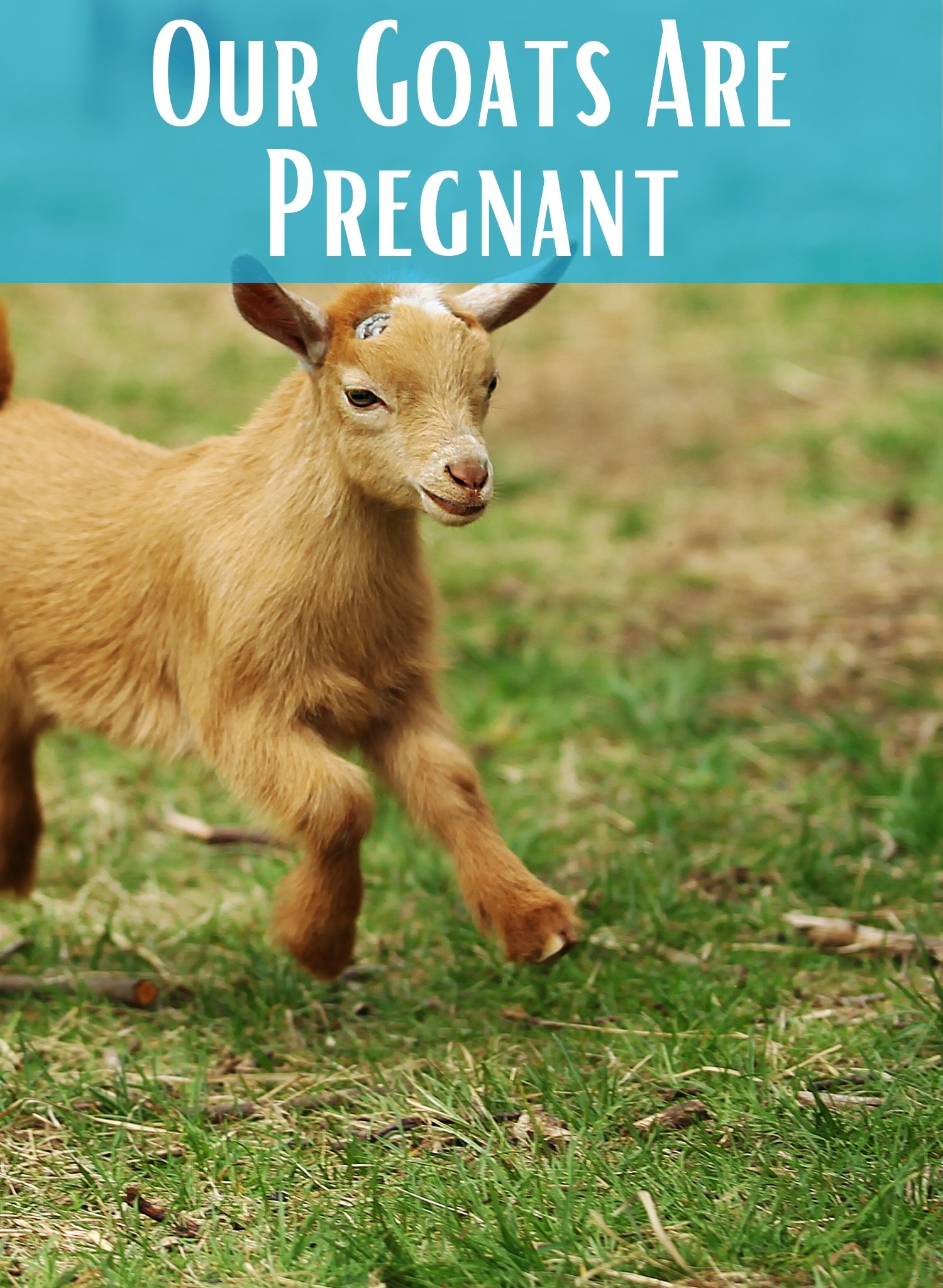
Well, Midas isn’t because he’s a buck. Oakley and Bailey are possibly pregnant but Champ and Bella sure are! I guess I could reword the title to say Champ and Bella are pregnant. Meh. Either way, I am ridiculously excited for some goat kids on the homestead!
goat kidding

Before we get too far into this, I have a great course on the basics of goat care. I call it Goat Crash Course: Goat 101. In this course, I explain things like types of shelter, types of feeds and hays, basic assessments and so much more! Check it out!

Buy Now

Let’s Go Back

In October, I watched Midas do his business with his girls. At the time we only had Champ and Bella. About a month later we had the vet come out to do a herd check and see if the girls were pregnant. The vet did an ultrasound both girls and didn’t find anything. She said that Midas was too young to get the job done. Well, someone forgot to tell Midas that.

Over the next several months we noticed that both girls were getting heavier and were excited because they were pretty thin going into winter despite how much we fed them and negative fecals.

They’re Not Fat… They’re Pregnant!

One day I went out to hang out with my goats and bam! Champ’s udders had gotten huge and her vulva was pretty swollen. If you don’t know anything about goats, these are pretty solid indicators that they are pregnant and close to delivery. I posted a picture on one of the pages I’m apart of on Facebook, and every single person came back and said, she’s pregnant. They also said we probably only had a few weeks before delivery.

Instant panic! I had no idea they were even pregnant and now we are weeks from birthing. So we have been prepping for the birthing and Jared has been building kidding pens. Constantly checking ligaments and making sure they get enough grain. Midas was not impressed that he is not allowed to have all the grain.

Our herd health bundle helps you keep track of your herd’s health. Includes the goat assessment, herd check sheets AND Herd Health Tracker!

Buy Now

With all the panic, the wonderful lady I am buying our two new doelings from has been amazing and answering all the questions I have. She has talked me off the ledge a couple of times without her even realizing she did. She’s also been very helpful when Oakley (brown and white goat) got really sick.

Today, March 20th, starts our baby watch for Champ and Bella. We are hoping for a safe delivery for both girls. As for the kids? We don’t care if they are boys or girls, as long as they are healthy and thrive.

Oakley and Bailey are possibly pregnant but it’s hard to tell because it’s so soon for them. We may have the vet do an ultrasound on them when they come out to disbud the new babies, but we shall see.

We will follow with an update when they are born and everyone pulls through *fingers crossed*

The Long Awaited Update

So this post was written on 3/20/21…. As of this update, the original post is 3 years old. Man, time flies! A lot has changed with our goat herd and both life and death has occurred on the farm.

I am pleased to say that all four girls, Bella, Champ, Oakley and Baily were pregnant. Bella gave us a healthy buckling named Be Be (or Bella’s Baby). Champ gave us three doelings but only Stella was born alive. Oakley and Bailey both gave us beautiful bucklings.

Unfortunately, we lost Oakley and Bailey’s bucklings due to worms that fall. BeBe was sent to freezer camp this past January. And Champ died this past winter at the ripe “old” age of 9 years old. While we know that death is a part of life, especially on the homestead, it still hurts.

However, Bella has given us 3 more babies over the years, as have Oakley and Bailey. Our herd has grown from 5 to 14, healthy, happy bouncing goats. We have learned a ton about goats, raising babies, and cooking goat meat.

goat kidding

Before we get too far into this, I have a great course on the basics of goat care. I call it Goat Crash Course: Goat 101. In this course, I explain things like types of shelter, types of feeds and hays, basic assessments and so much more! Check it out!

Buy Now

Maintaining Flexiblity

I mentioned homestead flexibility in this post, and it is a skill that is absolutely necessary when you are learning how to grow food, raise animals and be good stewards. Our original plan for the goat herd was to sell registered goats. But as time has gone on, we shifted our focus from breeding registered goat stock, to breeding for hardiness and milk.

We have learned when to breed and when to hold back. We’ve learned more tried and true methods to tracking pregnancy and how to raise bottle babies.

I think the most important shift that we have come to accept is that we just can’t keep all the goats. That sometimes, they will need to go to freezer camp (slaughter) and that’s okay. And yes, it’s hard. I’ve got three kids that we are raising for that purpose right now. We can’t keep all of them because our livestock are not pets.

If you like the content I put out, feel free to buy us a coffee! It helps keep this site running, marketing and the goats in grain!

Buy me a coffee

If you like this post, feel free to share it and follow us below on our social media accounts!

  • Facebook
  • Pinterest
  • Instagram
  • YouTube
  • TikTok
  • Spotify
  • Threads

Filed Under: Animals, Goats Tagged With: Goats, Homestead

JOIN TO OUR MAILING LIST!

Leave us your email to receive new posts and special offers for members only! Don't miss a thing!

Recent Posts

  • Fall Garden Guide
  • Top Mistakes With Goats
  • How To Bond With Your Goats

Should You Deworm Your Goats?

May 4, 2024 by Leigh Leave a Comment

There is no simple answer to this. Some farmers will deworm monthly. Others, like me, only deworm when there is a positive fecal or other significant signs or symptoms of needing dewormer. Answering the question should you deworm your goats, isn’t one that is easy to answer. Instead, I’ll tell you what we do and some options that you can use for your goats and farm.

goat kidding

Before we get too far into this, I have a great course on the basics of goat care. I call it Goat Crash Course: Goat 101. In this course, I explain things like types of shelter, types of feeds and hays, basic assessments and so much more! Check it out!

Buy Now

Does Your Goat Have Worms?

Every goat has worms. Period. It is not necessarily a bad thing for goats to have them. The issue is when the goat becomes stressed like with labor, travel or when you are in a high parasite area. Georgia has an insane parasite load, especially in the summer and worms will kill your goat. So then you have to deworm and the vicious cycle starts all over.

Our Main Parasites

The main parasites in my area, and we deal with commonly, are Barber Pole, Coccidia, and lung worms. What happens is that the worm or eggs are shed when the goat poops. It then attaches to grass and when the goat eats the grass, they get re-infected with worms.

Goats will naturally not eat grass or browse that is too short unless there is no other option. They usually eat down to about 4-6 inches and then will move on. This will expose the worm larvae and the sun should kill it.

Unfortunately, if you are not rotating your pastures often enough or feeding on the ground, you will get your goats sick. The sun will not have enough time to kill the larvae or worms themselves and you will end up back in the same boat you were in before.

So the best way to stop this cycle is to allow 90 days between each pasture to allow the grass or browse to get tall enough for the goats to eat it. Sometimes this isn’t possible but do the best you can, even if it’s just between two pastures.

Why you shouldn’t deworm your goats every month

Just like with antibiotics, you should only use dewormers if necessary. The more you use antibiotics, whether for yourself or your livestock, the less likely they are to work. Every sniffle doesn’t require antibiotics. It’s the same way with dewormers.

If you over use a dewormer, the dewormer simply will not work as effectively as before… And they aren’t making new dewormers! Since so many goat farmers have overused dewormer, we are already at the point where dewormers aren’t working. Now, we have to use two different dewormers over the course of several days or weeks to get the same results.

Our herd health bundle helps you keep track of your herd’s health. Includes the goat assessment, herd check sheets AND Herd Health Tracker!

Buy Now

We use cydectin and safe guard at the same time, and have had good results. But again, I will treat for worms with a positive fecal. Or whenever their FAMACHA is low, poor body condition, or other sign that the goats need dewormer. But I try really hard to only do deworm with fecals.

There will come a time when those dewormers are no longer effective. I’ve actually talked to some goat people in other parts of the country that have said that those dewormers are not longer effective for them either.

Holistic Care VS Deworming Your Goat

There are quite a few other things that can be done to help manage parasite loads. The first is pasture management. We touched on pasture rotation above, but it goes far beyond that. Pasture management is also making sure that your pasture isn’t being used by too many animals for too long, or not being taken care of between rotations. Only you will know if you have too many animals for too long on YOUR pasture. But if you are not rotating your pasture at all, expect to have issues with parasites.

Another way to help control parasites holistically is to feed or plant things that are known to kill parasites. Pumpkin seeds are high in tannins which are a natural dewormer. Same with garlic, oregano, clove, turmeric, cayenne pepper, and copper bolus.

If you can get your hands on it, seeding your pastures with some Sericea Lespedeza. This is a natural dewormer that has been studied extensively by Fort Valley State University. They have found that goats that ingest this plant regularly have virtually zero parasites…. Which is amazing!

The Ultimate Homesteader’s Starter Bundle – Only $47!

Get the tools you need to stay organized, track profits, and manage your homestead with ease!

Includes:
✅ Schedule F Tracker – Simplify tax prep
✅ Profit Calculator – Track earnings
✅ Hay Calculator – Plan livestock feed
✅ Garden Journal – Digital & printable
✅ Herd Health Tracker – Monitor animal care
✅ Simple Budget – Manage finances
✅ Backyard Homestead eBook – Essential tips

$99 value – now just $47! Start your homesteading journey today!

Buy Now

Breeding For Hardiness

I’m going to step up on my soap box for a minute here…. As someone who screwed up myself.

Another thing that you should be doing is breeding for hardiness. Especially in high parasite areas like the southeast. Sure, that blue eyed beauty is great, but if you are having to deworm her constantly, is she really that great?

I know this is a sore subject for a lot of goat owners, and probably not something that you want to hear…. BUT. Breeding for hardiness is what will save the future of these goats.

Before you think I’m being preach-y, I did it too! I wanted beautiful, blue eyed mini Nubians throughout my herd… Until I noticed that I was having to deworm those goats constantly. Every summer. But those mutt goats? Thrived! I have never HAD to deworm those mutts. Why? Because they were genetically hardy.

So really think about what you are purchasing, breeding and allowing to keep breeding. Because at the end of the day, livestock are not pets and should not always be treated that way.

***Steps off the soapbox****

So What Do We Do?

The best thing that we could possibly do is stop the unnecessary use of dewormers. Stop deworming every single month and start running fecals to see if your herd truly needs to be dewormed. Our fecals run us $22 for a herd fecal through the vet.

If your comfortable with a microscope, eager to learn, or got some cash to burn you can get a microscope, mcmaster slides, solution, and 1cc syringes for about $220 depending on where you are. There is also a really in depth video on YouTube that is pretty informative.

Also, learn how to do herd checks and FAMACHA tests to make sure they are healthy. When you are used to seeing them “normal” it is very easy to tell when they are sick. We have a book that we keep updated with any treatments done, fecals and results and more.

goat kidding

Before we get too far into this, I have a great course on the basics of goat care. I call it Goat Crash Course: Goat 101. In this course, I explain things like types of shelter, types of feeds and hays, basic assessments and so much more! Check it out!

Buy Now

You can see the pages that we use here on our product page. This really helps us keep up with who is gaining/losing weight, when vaccines are due, and so much more. We keep it in our livestock binder to keep everything on hand.

At the end of the day, you have to choose what is right for your animal. I am not here to tell you otherwise. I just want to tell you what we do and why we do it. I strongly disagree with the overuse of medication of any form, however, I am not afraid to use it when necessary. Necessary being the key and most important word.

If you like the content I put out, feel free to buy us a coffee! It helps keep this site running, marketing and the goats in grain!

Buy me a coffee

If you like this post, feel free to share it and follow us below on our social media accounts!

  • Facebook
  • Pinterest
  • Instagram
  • YouTube
  • TikTok
  • Spotify
  • Threads

Filed Under: Animals, Goats Tagged With: Goats, Homestead, Livestock Medications

JOIN TO OUR MAILING LIST!

Leave us your email to receive new posts and special offers for members only! Don't miss a thing!

Recent Posts

  • Fall Garden Guide
  • Top Mistakes With Goats
  • How To Bond With Your Goats

How To Keep Your Livestock Cool In Summer

April 30, 2024 by Leigh 7 Comments

It’s hot, humid and over all icky to be outside in Georgia right now. I’m pretty sure it’s the same everywhere, but I feel like Georgia slowed down to pass the state trooper and decided to “open ‘er up” once it was clear. It went from comfortable mid to upper 70’s to devil’s armpit in less than 24 hours. Not to mention we came back from Yellowstone where it was a balmy 40*! We were a little climate shocked to say the lest. Oh, and our AC doesn’t work, so we are having to use fans and window units. But what do you do with the animals that can’t come inside? How do you keep your livestock cool in summer?

Before we get too far into this, I have a great course on the basics of goat care. I call it Goat Crash Course: Goat 101. In this course, I explain things like types of shelter, types of feeds and hays, basic assessments and so much more! Check it out!

Buy Now

Keeping Your Livestock Cool In Summer

It doesn’t really matter if you have cattle, sheep, goats, chickens or just dogs and cats. There are universal truths about how to keep your livestock cool in summer that can actually keep them alive. Some are basic “Duh’s” but some of these may be new to you.

Clean Water

Every single day, multiple times a day, you need to be out there checking to make sure that they have plenty of cool water. Depending on your watering system this may just be a couple buckets in the shade. Or maybe a water trough that has a frozen gallon milk jug in it.

Regardless, it needs to be clean and fresh every single day. We have these 5 gallon buckets for our goats and we have four of them throughout the pastures and fill them on average 3x a day. On the super hot or humid days we will fill the buckets part of the way with ice to help keep the water cool. We are also planning on getting a 50 gal stock tank once the current kids are a little bigger.

Shade

It is so important for any animal or human to have access to shade when they are outside. Nothing will dehydrate an animal (including humans) quicker than being stuck in the hot sun with no shade. If you don’t have access to shade for your animals, or their shelter is in the sun, you can grab a couple of shade canopies for less than $40 depending on the sizes you choose.

We are lucky enough that all three pastures have a ton of shade so we don’t need the canopy but I would definitely look into it if you don’t.

    Electrolytes

    All animals require electrolytes, but in the summer it is especially important to have more on hand. We buy these, but have also bought Bounce Back, and Electrolytes Plus. Remember that not all electrolytes are equal. I use Bounce Back as my standard and as long as the other brands are close, I’ll buy it in a pinch.

    I will say, right now Bounce Back is expensive on Amazon but pretty affordable at Tractor Supply. Also, as a side note, Electrolyte Plus WILL FIZZ! You have been warned. I still have orange goat-r-aid on my ceiling.

    We usually will put a 5 gallon bucket out of electrolytes and then another with regular water. As we refill buckets throughout the day, we don’t add anymore electrolytes and let it get watered down. The next day we dump and refill

    Keep Their Coats Clean

    Much like with dogs, if their coat is matted, clumped, or dirty, they will have a hard time staying cool. The breeze, if there is one, can not get through to their skin. That will trap heat and cause them to get or stay hot. We brush out their winter coats, if they haven’t already blown them, when the weather maintains 70*. We also give their hooves a good trimming as well. This is also the time that they get any meds, copper bolus’, and vaccines.

    Be careful when using water to cool your animals! I know they seem hot, but when you get their coats wet, it will trap all that body heat to them.

    Also, unless your animals needs to be sheared, do not shave your animal! It doesn’t matter if it is a dog, cat, cattle, etc I have found it does more harm than good. I’ve got dogs with double coats and yes, I see them panting, but I know that the minute they get shaved, they have lost the ability to regulate their temperatures.

      Air Flow

      We all know that when it gets hot, we just want a breeze to blow through to cool us off. If you live in an area that doesn’t get a lot of wind or air movement, consider getting a solar powered fan. You can pick the size that you need but the end result is the same, get the air moving. If you’ve got electricity in your barn, then get a bigger fan. Your goats will thank you.

      Cold Treats!

      We freeze fruit and veggies in muffin tins with water. This gives them a cold treat on hot days. We have also frozen whole watermelons, cantaloupes, etc. We do this mostly for chickens but the goats love them too.

      Make sure whatever you are giving you animal, they are allowed to eat!

        But what if they get too hot?

        Much like dogs, goats will pant when they get too hot. Unlike dogs, however, this is kind of a last ditch effort in cooling themselves down. If they are panting, you need to start working to get them cooled down, right now.

        What are some signs and symptoms of a hot goat? Panting or labored breathing, poor FAMACHA, lethargic, high temperature, etc.

        In the post about what to have on hand for goats, you need to first get a rectal temperature. Their temps should be between 101-102ish. A little higher or lower is not a big deal but more than a degree in either direction needs to be monitored. More than 2 degrees and you need to start warming or cooling.

        Then check their FAMACHA. The card below will show you how to do it and what the color is. The FAMACHA tells you if they are anemic or not. If they are anemic, they do not have the blood volume necessary to handle stress well. If they can’t handle stress, like a heat emergency, they are less likely to bounce back. There is MUCH more to a FAMACHA than this, but for the sake of this post, a score under 3 is going to require a lot more care to get them healthy.

        FAMACHA Card

        Next, get bottoms of their legs in some cool (not cold) water. We don’t want to shock their system but we need to get them cooling down quickly. But do not lay them down in the water. The problem is that their fur will act like a wet blanket and keep all that heat inside. Instead, only put cool water on “bare” skin like the utters, belly, or behind their knees. All areas were their coat should be thinner.

        I bring cold, hot, or otherwise sick goats in the house. My house is relatively comfortable, despite the lack of an HVAC system. This will passively cool them. You can also put them in your bath tub to ensure they are getting cool water in a place that is designed to get wet.

        Tractor Supply

        Also, try to get some cold water into them, if they won’t drink it then you need to drench them. Recheck their temperature every five minutes or so to make sure they are cooling down. We don’t want that temperature to go too low because then we have to start warming them back up.

        Keep at it until their temperature comes down. And it should come down. Hot things will generally cool off when cold things are put on them. The most important thing is to move with a purpose but without shocking the goat.

        If you like the content I put out, feel free to buy us a coffee! It helps keep this site running, marketing and the goats in grain!

        Buy me a coffee

        If you like this post, feel free to share it and follow us below on our social media accounts!
        • Facebook
        • Pinterest
        • Instagram
        • YouTube
        • TikTok
        • Spotify
        • Threads

        Filed Under: Animals, Chickens, Goats, How To's, Pigs Tagged With: Chickens, Goats, Summer

        JOIN TO OUR MAILING LIST!

        Leave us your email to receive new posts and special offers for members only! Don't miss a thing!

        Recent Posts

        • Fall Garden Guide
        • Top Mistakes With Goats
        • How To Bond With Your Goats

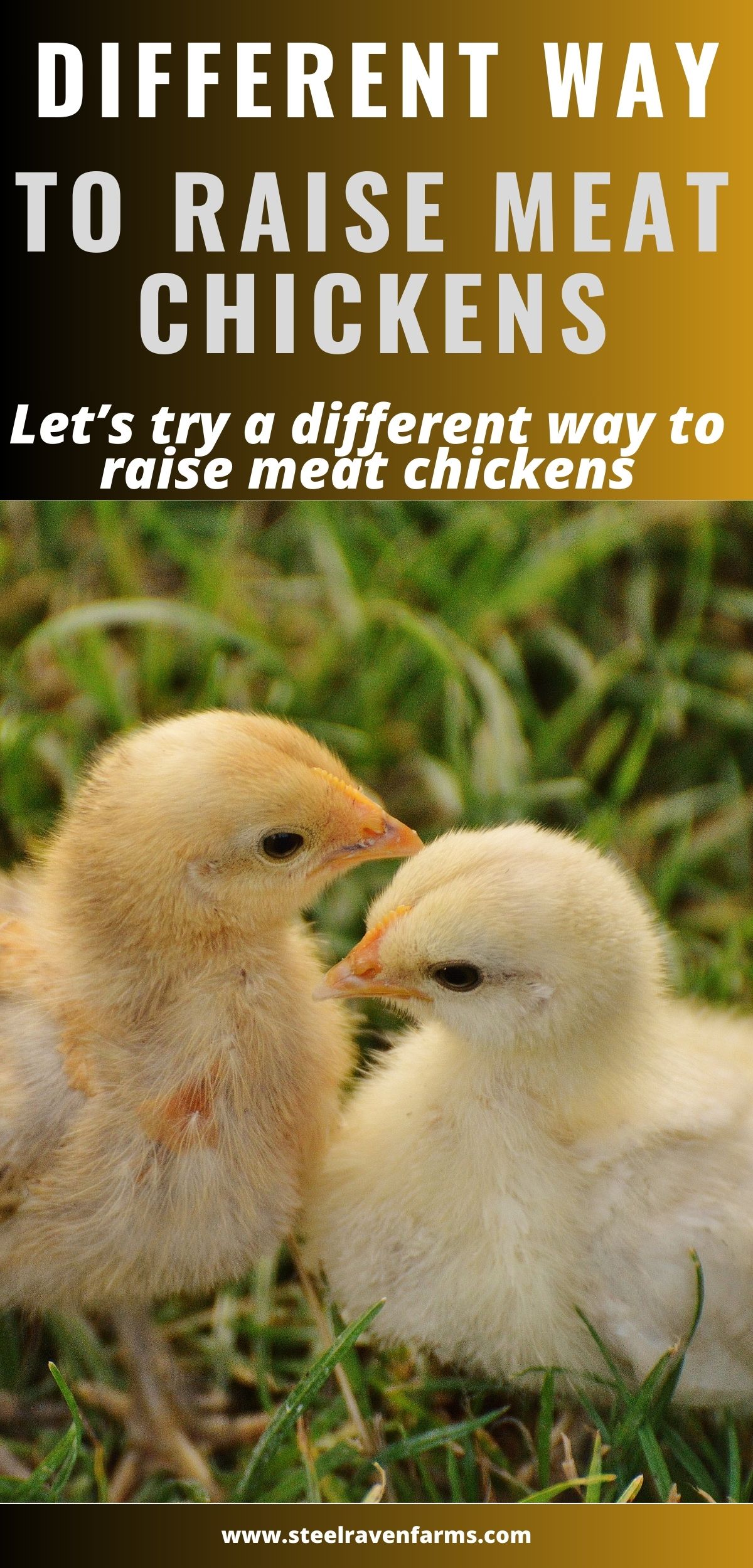
        A More Realistic Way To Raise Meat Chickens

        April 27, 2024 by Leigh Leave a Comment

        If you have watched any YouTube-r, TikTok-er, or other social media influencer, you’ve probably seen them butcher and process 50-100 chickens in one shot. Maybe you tried that and it didn’t work. Or maybe you are currently doing that but it’s just not working well for you, your family and your schedule. You are not alone. So how do we raise meat chickens?

        How We Used To Raise Meat Chickens

        Before we bought our property, we researched like crazy. We wanted to be as prepared as possible. Also, we knew that there was going to be a ton of trial and error. That was okay. We were learning as we went and are still learning. But one of the biggest lessons we learned on the homestead was that raising meat chickens 50-100 at a time, simply doesn’t work for us.

        Tractor Supply

        I talked about a lot of the things we did in our post about Raising Meat Chickens Humanely. There were somethings that I didn’t mention in that post though. The first is that butchering out 50 chickens in one shot is freaking hard. We only had 25 that made it out of our first batch, and I’m not going to lie, I won’t do that again.

        Another thing that we learned was that the space that 25, 50 or 100 chickens take up is a lot. If you don’t have that space, then this may not be a good option. And it’s not just freezer space. If you aren’t going to free range them, you have to have a ton of tractors which means moving them a lot. If you do free range them and put them up at night? It’s still a lot of space for you to find.

        Processing them is another issue when it comes to space. You’ve got to have a ton of coolers or other ways to store the meat until it’s ready for the freezer. If you’re going to freeze them whole? That’s another huge space taker. Parting the chicken out is good and will save space, but not a lot.

        How Do We Raise Meat Chickens Now?

        We purchase our chicks from McMurrary Hatchery and we’ve gone with their Big Red Broilers. We still purchase 100 chicks at a time and it can be a ton of work. But we have found that we don’t always get 100 chickens in our freezer. Sometimes that because of predators or sickness. Other times we recruit help or put on a class and give some of those chickens away.

        When it comes to the decision on which chickens to raise for meat, it will always come down to your preference and your farm needs. I’ll dive more into that in a second.

        On our farm, the best part about the Big Red Broilers is that they take longer to get to weight and they don’t all get to weight at the same time. This sounds counter productive, right? YouTube University says that you should get the Cornish Cross so that all the chickens are ready to go at 8 weeks. But this doesn’t work for us.

        Because of our work schedules, we cannot devote an entire weekend to butchering 50-100 chickens. We just can’t. It would involve taking time off work and that’s more counter productive.

        Our Butchering Day

        Our butchering day isn’t an actual day… it’s weeks. Again, this may seem counter productive to some but if we can’t get time off work or if not all of our chickens are ready at the same time, we can’t do them all on one day.

        So what we do is set up our butchering area (which is on our driveway) and leave it set up for a couple of weeks. We will find the chickens that are at butchering weight and we will butcher them that day. This is usually 5-10 depending on what all we have going on that day, how many chickens are ready, etc. We put them in coolers full of salt and ice water. Then we will part them out into thighs, breasts, legs, and wings. After we have gotten what we need, we take the chicken back and put it on the stove for bone broth.

        Everything is cleaned up and “put away” in the butchering area until we have another 5-10 that are ready to go. This will go on until all the chickens are butchered. Usually, it only takes a couple weeks to get every chicken done and in the freezer.

        While this may not seem ideal to many, it works well for us.

        Why Does This Work So Well For Us?

        The reason we love the Big Red Broilers is because the meat is much more tender and tastes better. Another reason is because they have more time to get to weight. Usually, they hit weight around 12-16wks. This gives us a whole month to butcher them.

        Again, for someone (like myself) that will work themselves into the ground to get a job done, this isn’t ideal. But one of the lessons I have learned with homesteading is that you don’t have to do everything in one day, season or year. Working yourself into the ground is not ideal, especially when you are dealing with sharp knives and lives.

        It’s okay for it to take weeks to butcher the chickens.

        Have you ever tried to make 100 chickens worth of bone broth? Have you ever tried to pluck 100 chickens in one day? Do you know what to do with 100 chickens worth of blood? PS, that’s about 5 gallons of blood.

        Because we have tried it, and it just doesn’t work for us.

        Getting Help Or Giving A Class

        Sometimes, you HAVE to butcher 20-50 in one day. There’s no way around it. Everyone is ready and you’ve got to get it done. When this happens, we recruit help or put on a class. Keep in mind the difference between the two things though.

        Putting on a class means that you are teaching people how to butcher a chicken. This means that you have to walk people through the steps one by one. And it takes time! People have questions and they want to make sure they are dispatching animals as humanely as possible. I’m all about it! But when I have to get it done, the last thing I want to do is teach.

        Recruiting help means that the people that are coming know how to butcher chickens and are going to help you do it. I don’t have to make sure they know what their doing.

        Both of these things have their purpose and I love teaching people. But when we have 50 chickens that are ready to go and I need to get them in the freezer, that is not the right time to put on a class.

        So make sure that when you are reaching out for help, you are getting help. And give them a couple chickens for their help!

        Raise Meat Chickens The Way YOU Want To

        Whether you raise a years worth of chickens and butcher them in one shot, or you spread it out like we do, the most important thing is that you do it humanely and in a way this is right for you. The greatest thing about homesteading is that there is no right or wrong way. You can have livestock or not. You could love cattle and not chickens.

        If you dread processing day because it’s a multi day affair? Try doing smaller batches. Or raise two batches of meat chickens a year. Hell, do four batches if it make sense for you!

        Regardless of how you do it, just know that you are feeding your family the best possible chicken you can.

        If you like the content I put out, feel free to buy us a coffee! It helps keep this site running, marketing and the goats in grain!

        Buy me a coffee

        If you like this post, feel free to share it and follow us below on our social media accounts!

        • Facebook
        • Pinterest
        • Instagram
        • YouTube
        • TikTok
        • Spotify
        • Threads

        Filed Under: Animals, Chickens, How To's Tagged With: Chickens, Chicks, meat chickens

        JOIN TO OUR MAILING LIST!

        Leave us your email to receive new posts and special offers for members only! Don't miss a thing!

        Recent Posts

        • Fall Garden Guide
        • Top Mistakes With Goats
        • How To Bond With Your Goats

        Using A Metal Shed For A Chicken Coop

        April 16, 2024 by Leigh

        I have been browsing the internet for weeks trying to figure out something for a new coop. We’ve got more chicks and ducks coming and nowhere to put them. So I started researching the different types of chicken coops and I couldn’t find anything I really liked. And to be honest, the wood coop that we have now, is starting to really stink, even after we clean it really well. I think using a metal shed for a chicken coop may work. Maybe.

        Why We Chose A Metal Shed For A Chicken Coop

        ***Make sure to read the updates at the bottom to see how it’s actually working***

        We have seriously out grown our old coop. When we bought it, we weren’t really planning on having a ton of chickens. Our thought was, chickens are pretty easy so let’s get a couple. By a couple I mean 15 but only 9 survived. After offering our extra eggs for sale and current state of the supply chain, we have decided to grow our flock. We are hoping that this will allow us to make a little bit of money but also sustain us food wise. You can read about our new flock here. 

        Since, we will also be getting 20 ducks around the end of March AND the 36 chickens, we want to make sure there is plenty of room for all of them. I think this 8×10 metal shed will work great. It’s got plenty of space and if we can hang the new laying boxes and roosting bars, there will be plenty of room for the ducks to nest.

        Also since we allow them to free range throughout the day, there shouldn’t be any problems with space during the day.

        Now before anyone gets all up in arms about it, we know some of the problems with a shed like this as well as ducks and chickens in the same coop. First, we will be installing gables and vents to make sure that the heat can escape in the summer. They will also have frozen bottles on the ground to keep cool. Not to mention we made sure that the coop is in a shady area.

        Save on Seeds

        We will also be adding boards and hardware cloth to the bottoms to ensure it as predator proof as possible. The ducks and chickens can cohabitate in the same coop as long as they have their own spaces. The ducks will be on one side and the chickens on the other. I’m sure we will find more problems as we go but we will see.

        Jared working on the new Coop

        We will always be as transparent with our readers. In that vein, we want to make sure that you don’t make the same mistakes we have. Or if you decide to make the mistake, at least do it differently.

        You can also check out this from Redfin article as well! “Whether you’re planning to raise chickens at home in Asheville, NC, Eugene, OR, or Burlington, VT, check out this Redfin article we were featured in on 5 Chicken Coop Ideas For A Thriving Flock“

        Summer Update

        So this coop was built in the spring before it got really hot. What we have found is that the coop does not get super hot at night like we thought. Since we allow them to free range throughout the day and only put them inside the coop at night when the sun has gone down. We have not noticed a HUGE temperature increase.

        Don’t get me wrong, it’s still hot at night and it’s warm in the coop, but I was thinking like fatally hot and it’s not. We have been averaging 80* nights and the coop is 90* but also has fans blowing the hot air out.

        One of the things we have noticed is that NONE of the animals want to go in their respective houses at night. That includes the goats. I think a lot of it is that it’s just too hot. When they are outside they can move around and find cool ground.

        The chickens and ducks seem to prefer being outside during the summer and that’s fine. We have predator lights up around the property and so far we haven’t seen any signs of them being taken in the night.

        I’ll update back after winter and let you know how that goes. But for right now the coop is working.

        Winter Update

        We have moved the chickens and ducks back into the red coop. The metal shed has turned into a flop…. Well, not completely. The shed rusted from the ground up. No matter how much pine shavings we added, the odor was completely foul. The chickens also didn’t seem as healthy either. It seemed to take them longer to get through molt and they stopped laying eggs way sooner than they should have.

        When we moved them back to the red coop, their feathers seemed to get brighter and they seemed happier. Now, this is all speculation and we don’t have scientific proof, but I feel like the shed was not a good option for long term keeping.

        We plan to convert the shed back into a shed and just put our various building materials in it. I would suggest looking into different types of chicken coops and leave the metal shed alone.

        Using A Metal Shed For A Chicken Coop…. The Final Update

        As of this writing (2024), we have turned this shed into a home for broody hens and a brood coop for new chicks. For this purpose, the metal shed has turned out to be excellent. We went through and painted all the rust, patched holes, and general upkeep of the shed. We noticed that the broody hens and new chicks all thrived.

        I think the main problem with using a metal coop as a permanent coop is the severe lack of air flow, extremely low light, and everything tends to stay damp without a good heat source. Since we fixed everything and have made it a temporary home for these chicks/ hens, it has turned out VERY well and is something we will continue to do.

        If you like this post, feel free to share it and follow us below on our social media accounts!

        • Facebook
        • Pinterest
        • Instagram
        • YouTube
        • TikTok
        • Spotify
        • Threads

        Filed Under: Animals, Chickens, How To's, Projects Tagged With: chicken coop, Chickens, Chicks, Ducks, Eggs, Homestead, metal coop

        JOIN TO OUR MAILING LIST!

        Leave us your email to receive new posts and special offers for members only! Don't miss a thing!

        Recent Posts

        • Fall Garden Guide
        • Top Mistakes With Goats
        • How To Bond With Your Goats

        Commands To Teach Farm Dogs

        April 9, 2024 by Leigh Leave a Comment

        Everyone is different on how they train dogs. Some are highly intense and want to teach their dogs commands with hand signals, a clicker, and all the things. Others are so laid back that they barely train their dogs. Then you have those in the middle (myself) that really just want my dogs to have some simple, basic commands that are easy to train and follow. But when you start teaching your new farm dog commands, it may mean life or death. Because I don’t know where you are in your journey, I am going to give you my commands to teach farm dogs and how to actually teach them.

        The Ultimate Homesteader’s Starter Bundle – Only $47!

        Get the tools you need to stay organized, track profits, and manage your homestead with ease!

        Includes:
        ✅ Schedule F Tracker – Simplify tax prep
        ✅ Profit Calculator – Track earnings
        ✅ Hay Calculator – Plan livestock feed
        ✅ Garden Journal – Digital & printable
        ✅ Herd Health Tracker – Monitor animal care
        ✅ Simple Budget – Manage finances
        ✅ Backyard Homestead eBook – Essential tips

        $99 value – now just $47! Start your homesteading journey today!

        Buy Now

        Commands To Teach Farm Dogs

        I am going to make a lot of assumptions here because if I don’t, this is going to take FOREVER to explain. Besides my attention span being short, I have other things to do. Like train my own dogs, plant, milk, etc. So in effort to keep this as basic, short and simple as possible we are going to assume some things.

        One, you have some basic idea of how to train a dog. This means that you understand that if you are training to get your dog to learn sit, you know that you will have to gently (but firmly) push their butt down as you say sit, then give the treat. If you don’t know how to do those things, I suggest highly that you save this post, and go watch YouTube videos on how to train a dog to sit. Then come back for the rest of this post.

        Two, we are going to assume that you know that when you and/or the dog has had enough training. If you are getting frustrated, they are not going to work with you. Dogs are incredibly smart creatures and they are more in tune with you than you realize. So if you are frustrated or pissed off, that is going to come through and the dog will thin you are frustrated or pissed off at it.

        Three, you understand that working WITH your dog is more important than being the master of your dog. You will get more out of your dog by asking instead of demanding. Unless it is a true life or death situation, you do not need to dominate your dog to get your point across.

        Four, I don’t know why I even need to bring this up, but again, your bond is the most important thing you can have with your dog. Don’t ruin your bond because you are not getting your way.

        Fifth, we are assuming you have already been working with the dog on their name, learning their behaviors, etc.

        Tools For Training

        You do not have to go all out when training dogs. I talked about the various tools that I use when training farm dogs here. But some other tools that you would probably want to have on hand are below:

        Training Pouch– This thing is absolutely necessary, especially if you are working from the ground up. I used to carry a bunch of treats in my pocket, and sometimes still do, but if I am doing a serious training session, I pull out the pouch.

        Training Treats– Now, I am ALL about using dog food as treats because it works really well. Honestly, you may not need treats or food at all depending on your dogs needs. Some dogs prefer treats, others want praise and still others want a toy. So figure out what reward they want and use it. But when I am training my dogs, I use training treats because we are past the dog food as a reward stage.

        That’s really it for a lot of these commands. I don’t train them to go to a board or place.

        Let’s get to training!

        Are you getting overwhelmed in the garden? Stressed? Or just not enjoying the garden like you used to? Check out our garden prompts! We send out weekly emails that get you back in the garden and out of your head! Turn the garden back into a place of love and joy instead of frustration and headache!

        Subscribe Now!

        My favorite commands and how I teach them

        Sit, Stay And Down

        I know, you came to learn about training farm dogs! This is basics! But let me tell you about the phase, “Paramedics save lives, EMT’s save Paramedics”. The idea behind this phrase is that I can do ALL these things to save your life, but if I don’t go back to the basics of care, none of it matters. For example, I am trained to defibrillate your heart should it stop beating. But that part doesn’t matter if I can’t breathe for you and get your heart pumping manually.

        So we start with the basics.

        Teaching your dog to sit, down and stay are the most basic and most important commands because if you can get your dog to sit and trust you enough to stay, they get all the good things. If they can’t lay down and rest for a minute, they are going to end up getting hurt or hurting someone else. The very first thing I teach every single dog that comes into my home is how to sit and down. Stay is a take or leave command for me. Rarely do I need my dogs to stay put. If I do, I just put them in the house or their crates.

        I’m not going to bore you with how to teach sit because again, we are assuming you know how to get your dog to sit. If not, go to YouTube and come back.

        Come

        If you are teaching your dog to be off leash like I teach at the end of this blog post, you are already teaching your dog to come. But to be honest, I don’t have an actual command for getting them to come to me. Though, I guess you could say that the know the word or maybe it’s the tone. Usually, when it’s time to go back in the house, I yell out some version of “Come on, guys.” And the dogs all race to house.

        Whatever command you are going to use to get your dogs to come to you, make sure you stick with it. This is the command that your dogs will associate with great things like coming inside, getting on the couch or bed, and generally being with you.

        The Ultimate Homesteader’s Starter Bundle – Only $47!

        Get the tools you need to stay organized, track profits, and manage your homestead with ease!

        Includes:
        ✅ Schedule F Tracker – Simplify tax prep
        ✅ Profit Calculator – Track earnings
        ✅ Hay Calculator – Plan livestock feed
        ✅ Garden Journal – Digital & printable
        ✅ Herd Health Tracker – Monitor animal care
        ✅ Simple Budget – Manage finances
        ✅ Backyard Homestead eBook – Essential tips

        $99 value – now just $47! Start your homesteading journey today!

        Buy Now

        Bed

        Giving your dog their own space is incredibly important, especially when you have multiple dogs. Our dogs go into crates when we feed them, when we leave the house, or when we have company over. This one can take a while to learn because some dogs have never been crated. Kodi cannot be crated because he absolutely refuses to crate. We’ve tried everything. Short of shoving his 130# butt into the crate, he’s not going. So he stays loose with Bear, but they still have a “bed” and they go there when it’s time to settle.

        To teach Bed (or whatever name you want to give the crate), I simply put their food in the crate and say go to Bed. They have to go into the crate to get their breakfast or dinner, and as time goes on, they learn that the crate is a great place.

        Also, don’t underestimate the value of other dogs knowing their crates. I did not teach Fenrir Bed. He picked it up from Blu and us placing his food bowl in the crate.

        Leave It

        This command is the second most important command on a farm. When your dog is locked in on something, like a chicken, it is important that you can get their attention away from that object. Or if they are digging to China, you to be able to get them to stop.

        The way I teach this command is actually pretty simple and it’s a daily training thing.

        First, I take the dog outside and let it play. When the dog locks onto something, I call their name. When they look at me, I praise the hell out of them. After a few times, I will say something like, “Blu, Leave It“. This introduces the command. Then rinse and repeat. This can take a few times for them to really understand what you are wanting and you should be prepared to intervene if necessary.

        If they don’t respond when I call their name, I will usually do something to get their attention. Something like a gentle tug on the leash (attached to their prong collar because we are training) or throw a stick, ball, toy, etc near them to break their concentration. When they look at me, I praise them. Then I will slowly start to introduce their name and the command Leave It.

        Check out our Microgreens at True Leaf Market

        Quiet

        This is one that has been freestyled (which I go over at the bottom) because I can’t stand barking dogs. If the dog has something to bark about, ok. But barking to bark drives me insane. So I accidentally, on purpose, taught the dogs that when I get up to check to see what they are barking at, if it’s nothing (or I can’t see anything) I will tell them to Quiet.

        If I see something, I tell them good job and then go sit down. They are still barking like crazy because there is something there, but at least they warned me. Which is all I want them to do.

        Before we get too far into this, I have a great course on the basics of goat care. I call it Goat Crash Course: Goat 101. In this course, I explain things like types of shelter, types of feeds and hays, basic assessments and so much more! Check it out!

        Buy Now

        Drop It

        We have all had the situation where the dog has something you do not want them to have. Whether it’s a ball for playing fetch, or a dead animal, we want them to spit out what’s in their mouth. On a farm, it is even more important because there are a bunch of things it could be. Last year, the dogs found the hole that contained the pig head…. Do we need to talk about the absolute horror of watching your dog carry around a pig head?

        How to teach Drop It? With great patience.

        Actually, the trick is offer a higher value treat as a trade. The other trick is to not treat it like a game. Which is weird because that’s how we are going to train it.

        The easiest way to teach Drop It is by teaching the dog to play fetch. We start with a reward, most often a ball but Blu prefers sticks, and we shake it in front of them to get them excited, and then throw it just far enough for them to be able to get it while still on leash. Or further if they are allowed off leash. When they bring it back, a lot of people just yank the ball or stick out of the dogs mouth.

        I’m sorry, but my dogs have very large teeth, and while I’m not opposed to shoving my hand down their throat if the situation calls for it, I am not doing that for a ball. So I teach Drop It, by putting them in a sit and then telling them to Drop It. Telling the dog to sit signals that you need their attention. This is when I will either take it from them, gently, or I will throw another ball or stick. It really depends on the dog.

        Save on Seeds

        This particular command takes time because you have to figure out how YOUR dog will actually drop that high value treat or toy.

        In the case of the pigs head, we tried various ways to get them to drop the head, but nothing worked. We had to wait until they lost interest enough that we could call them into the house. Then we disposed of the head deeper in the ground, much further away.

        Easy

        This is a very important command that all dogs should know, regardless of type of dog, where you live, etc. It is invaluable to be able to put your dog at ease in stressful situations. Unfortunately, the only way to really teach Easy is to put in action. This is going to be an on going thing that will change and adapt based on your dog.

        If you are new to heating with firewood and are looking to master the finer points of it. We’ve got a great eBook that goes in depth of what tools you should consider, how and where to stack, how to build a fire and so much more!

        Buy Now

        The reason why this command is so important is because your dog simply does not understand what is happening. Imagine with me that you are going to a new country with completely different customs than yours. No one speaks your language and you don’t speak theirs. You have fallen and broken your leg. How absolutely frustrating, terrifying, and nerve wracking would it be to try and navigate care?

        This is every single day with your dog. They do not understand what you are wanting and every new experience can be absolutely terrifying. Not to mention there is this big goon trying to communicate with you.

        So I teach Easy in a very soothing, laid back way. If I see my dog starting to get amped up, or freaked out, everything stops. I go to the dog and love on them and whisper Easy. Once they have calmed down, we will either return to what we were doing, or we will take a break.

        An example of using it would be taking the dog to the vet. You know that you have an appointment in 3 months. So one of the ways that you could do this is by getting the dog in the car now. You notice the dog getting anxious, give them some love and a treat and say Easy as they start to calm down. Once the car has been mastered, and they can be trusted, take them to a pet friendly store and just walk with them. Anytime you see them getting worked up, stop and love on them. Whisper Easy to them and give them treats (or other rewards) until they calm.

        Tractor Supply

        Unfortunately, we don’t always know what is going to set a dog off. But if we can build a solid bond and then work through that bond, you will see your dog start to turn to you before they even get freaked out.

        To give a real life example, all of the dogs hate when we go down to the range for practice. In fact, the only dog that will tolerate it is Bear, everyone else has to be put in crates. Bear knows that he will get his ear muffs put on, with a neck gator over the muffs and his head. Then we all walk down the range. He’s nervous and already shaking but he desperately wants to go with us. He will cry, howl, and go nuts if we leave him. So we keep working with him on it. While down at the range, someone is in charge of Bear. They love on him and give him treats and when he has had enough, he goes back up to the house.

        There are voluntary and involuntary situations that you and your dog are going to find yourselves in. But having a command that the dog knows will comfort them? Man, that has made all the difference with our dogs. I could ask Bear to do ANYTHING and he would do it because I have worked with him and comforted him every time he gets worked up.

        The Ultimate Homesteader’s Starter Bundle – Only $47!

        Get the tools you need to stay organized, track profits, and manage your homestead with ease!

        Includes:
        ✅ Schedule F Tracker – Simplify tax prep
        ✅ Profit Calculator – Track earnings
        ✅ Hay Calculator – Plan livestock feed
        ✅ Garden Journal – Digital & printable
        ✅ Herd Health Tracker – Monitor animal care
        ✅ Simple Budget – Manage finances
        ✅ Backyard Homestead eBook – Essential tips

        $99 value – now just $47! Start your homesteading journey today!

        Buy Now

        Freestyling Commands

        One last thing to be aware of is that you will end freestyling a lot of your training. You can read every training blog or book and watch all of the videos. But at the end of the day, I have found most of my training is freestyle.

        What is freestyle training? It is simply telling your dog what to do, over time, and them doing it.

        For example, we can nudge the dog three times on the bed and they know to get down.

        Another example is when we are standing around talking or whatever. All of our dogs will come up, sit down, and place their head against our hip to be loved on. We never taught them that.

        We taught them to not to go out an open door just by making them sit at the door to go outside. If they don’t sit, they don’t go outside. This has morphed into being able to leave the door open and them not going outside because we didn’t let them out. It’s the weirdest thing.

        You don’t have to use my commands to teach farm dogs

        You may have a totally different idea for leave it, drop it, sit, down, stay, etc. Use whatever works for you. But always keep it simple. If you can pronounce the word or change the word constantly, your dog is going to get really confused.

        Keeping commands simple and easy to follow will always be the most successful.

        Also don’t worry if it takes your dog longer to learn something. Just stay with it.

        Lastly! Make sure that whatever commands you teach, your entire family uses! I can’t tell you how many times Jared or the boys would irritated that the dog wasn’t doing what it was told, only to find out they used the wrong word.

        Other Posts From Training A Farm Dog Series

        How I Train My Farm Dogs

        How To Train Farm Dogs

        Tips, Tools and Hacks For Training Farm Dogs

        Best Breeds For Farm Dogs

        Commands For Training Farm Dogs

        If you like the content I put out, feel free to buy us a coffee! It helps keep this site running, marketing and the goats in grain!

        Buy me a coffee

        If you like this post, feel free to share it and follow us below on our social media accounts!

        • Facebook
        • Pinterest
        • Instagram
        • YouTube
        • TikTok
        • Spotify
        • Threads

        Filed Under: Animals, Farm Dogs Tagged With: dogs, farm dogs, homestead dogs, training dogs, training farm dogs

        JOIN TO OUR MAILING LIST!

        Leave us your email to receive new posts and special offers for members only! Don't miss a thing!

        Recent Posts

        • Fall Garden Guide
        • Top Mistakes With Goats
        • How To Bond With Your Goats

        Best Farm Dog Breeds

        April 6, 2024 by Leigh Leave a Comment

        We have covered a lot of topics in the Training Farm Dogs series, but we haven’t covered what to do if you don’t have a dog yet. Or, maybe, you are looking to bring a new doggo to your farm. There are a ton of dogs out there that are looking for new homes, and I will always recommend rescues 99% of the time, but farm dogs are a little different. Today, we are going to cover the best farm dog breeds, but also what to look for in dogs if you are looking to rescue instead of purchase.

        The Ultimate Homesteader’s Starter Bundle – Only $47!

        Get the tools you need to stay organized, track profits, and manage your homestead with ease!

        Includes:
        ✅ Schedule F Tracker – Simplify tax prep
        ✅ Profit Calculator – Track earnings
        ✅ Hay Calculator – Plan livestock feed
        ✅ Garden Journal – Digital & printable
        ✅ Herd Health Tracker – Monitor animal care
        ✅ Simple Budget – Manage finances
        ✅ Backyard Homestead eBook – Essential tips

        $99 value – now just $47! Start your homesteading journey today!

        Buy Now

        What are the best farm dog breeds?

        But before we get into the breeds, let’s talk about temperament first. Even if you get a dog that is from a great working line, if that dog doesn’t have the temperament, drive or desire to do the work you want them to do, it’s going to be an uphill battle.

        As we have covered in previous blog posts, I firmly believe that any dog can be a farm dog with the right training. The training doesn’t have to be labor intensive, but working against a dog’s natural instincts can be a very frustrating, and for some dogs, near impossible. So making sure that you are picking the right breed AND the right temperament is, hands down, the best way to insure success with the least amount of frustration.

        I have broken down the best farm dog breeds by their “purpose” to make it a little easier to distinguish which ones work for what. Some examples are working dogs, Livestock Guardian Dogs (LGD), herding dogs, and other dogs that I think would be a good fit for a farm. I KNOW that there are more categories, but these are the breeds I think you will have the best luck with on a farm.

        Also, I am going to give you the dogs that I have actual experience with, either because I have owned one, know farmers who have them or have seen them work. I don’t want to give you a false impression of not having had these dogs/ breeds.

        Tractor Supply

        Determining The Temperament Of Your Future Farm Dog

        This one is going to be hard to figure out if you are getting a rescue. The reality is that dogs at a shelter are not going to show you their true colors until they are in your home. Shelters are extremely stressful environments and it takes time for your new doggo to become comfortable. It’s the same way for puppies, though obviously not to the same extent.

        To determine the temperament of your potential new dog, start with putting your hands on them. If it’s a puppy, flip it on to it’s back (like a baby) and see how they respond. Are they comfortable? Are they freaking out? If they are calm, they are likely to be more submissive and trusting. If they are freaking out, they are likely to be more dominate and have a higher drive.

        You can tug on their ears or tail and see how they react. And I’m not talking about tugging so hard we hurt the pup/ dog. We are just applying enough pressure to see a reaction. Do they want to play or are they angry? Can you touch their paws and nails without them panicking? Are they friendly or are they stand offish?

        These are important factors in figuring out their temperament. If they are laid back and easy going, they will be less likely to chase chickens and goats… though not always. If they are active but not aggressive, they will likely require more working hours to keep them happy.

        Are you getting overwhelmed in the garden? Stressed? Or just not enjoying the garden like you used to? Check out our garden prompts! We send out weekly emails that get you back in the garden and out of your head! Turn the garden back into a place of love and joy instead of frustration and headache!

        Subscribe Now!

        Working Line Breeds

        German Shepherd Dog

        The German Shepherd has made a recent resurgence in the public eye. While I don’t disagree that these are absolutely fantastic dogs, you do need to be extremely careful when it comes to the farm. Depending on the bloodlines of your specific dog, you may have a dog that is better worked as a military/LEO dog. Or you may have a couch potato. Or something in between.

        The GSD is a fantastic dog for those that want a dog that doesn’t think a whole lot. What I mean is that GSD’s are GREAT with training and doing exactly what their owners ask of them. But they tend to get into trouble when they have to think for themselves. I say this as someone who has owned several GSD’s over the years. They are all incredibly smart…. except that they don’t think very well.

        Save on Seeds

        If you choose to get a GSD for your farm, understand that it WILL chase your livestock and poultry. At least until it’s old enough to know and DO better. Blu still chases chickens and she’s 3…. and knows better. The GSD, from a non working line, is a better companion to the farmer than the farm.

        Leonberger

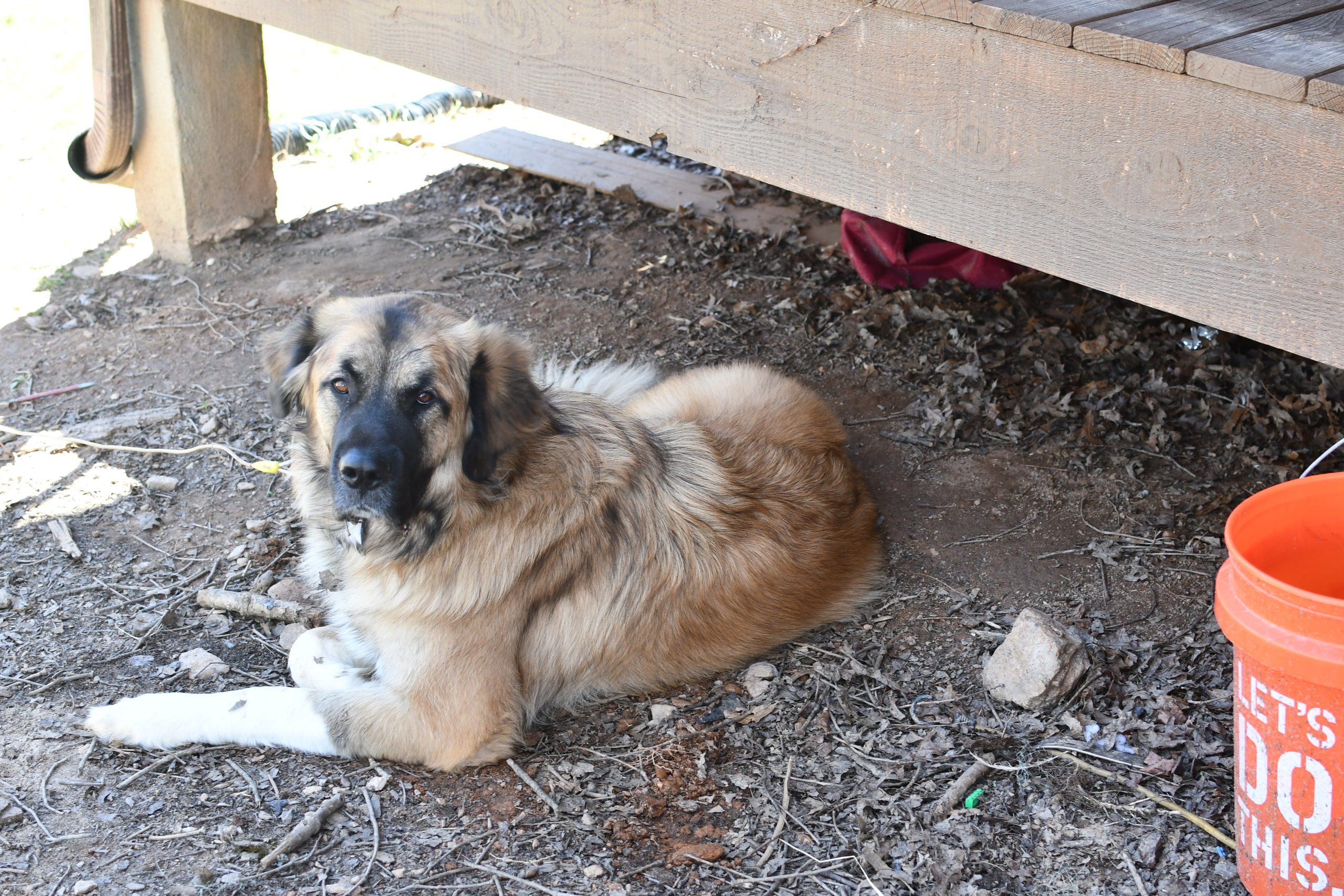
        If I’m being totally honest, this may be my new favorite dog breed. Or maybe I just got really lucky with Kodi. I don’t have a ton of experience with the breed, but I do have a ton of experience with Kodi and he fits everything I’ve read about the Leo. Plus, the various breeders I’ve contacted have all confirmed what I’m about to tell you.

        First and foremost, training a Leo is not for the feint of heart. In fact, I would go so far as to say good luck training this dog. This is a dog who actually THINKS, which is absolutely remarkable. But it also incredibly frustrating. This is the dog version of the kid who always asks “Why?” I ask him to sit, and he just looks at me. I offer a treat for sitting, and he just looks at me. He knows exactly what I am asking him to do, but if he doesn’t want to do what I’ve asked, he’s just not going to do it.

        If you are new to heating with firewood and are looking to master the finer points of it. We’ve got a great eBook that goes in depth of what tools you should consider, how and where to stack, how to build a fire and so much more!

        Buy Now

        They are runners. Even with the best of fences, training (yea, right) and collars, Kodi has zero desire to stay close. And if there’s water around (we have a giant pond on the property), they are going to go to the water every time. Can’t find the dog? Find the water, he’s splashing around in it.

        Second, if you want a clean house, a Leo is not for you. I have found Kodi slime on EVERYTHING! I was recently dusting off the ceiling fan and found his slobber on the light and blades. HOW?! We carry bandannas in our pockets, not to wipe our hands or wipe our sweat. NO! It’s to wipe off all the drool! Do you remember that seen in Beethoven (1992) when he slings his head around and slobber goes everywhere? Yea, that is a daily occurrence here.

        Save on Seeds

        Not to mention that this dog is incredibly furry, so you will never have a fur free home. And while you may THINK this isn’t a big deal, trust me when I tell you it is. Like, I budget for two vacuums a year because we burn them up…. big deal. And no amount of brushing is going to fix that problem.

        St. Bernard’s, Bernese Mountain Dogs, Mastiffs, etc are all going to fall into this category with the Leo.

        Livestock Guardian Dogs

        I need to be 100% honest, I do not have an LGD. It’s on the list of priorities, but I just don’t have the time right now to devote to a LGD. But I am going to give you my research as well as second hand information that I have gotten from other farmers with LGD’s.

        When you are trying to figure out which breed of LGD you are looking for, I would start with a list of qualifications you want it to have. For us that list is: low maintenance, low roaming, low barking, handle big threats (200-300# black bears and HUGE packs of coyotes), dog and people friendly (to a point), doesn’t attack without cause, and needs to be able to think independently.

        Before we get too far into this, I have a great course on the basics of goat care. I call it Goat Crash Course: Goat 101. In this course, I explain things like types of shelter, types of feeds and hays, basic assessments and so much more! Check it out!

        Buy Now

        Then you need to marry that list up with the qualifications of these different breeds. Just because you can find a breed for $500 doesn’t mean it’s going to be a good fit for you. Better to get a dog that fits your expectations than to get a dog because it’s what you could find. For example, if I was to just research which breeds were available in my area, I would end up with a Great Pyrenes. That breed is a barker, high roamer, high maintenance, and will go after a threat despite property lines.

        When the time comes we will be getting a Spanish Mastiff. This breed tends to not wander off like the Great Pyrenes, Anatolians, etc. They are also not big barkers, though they can and will. We’ve got coyotes and bears up here that like to get a little too close for comfort.

        Also, be leery of rescue groups or someone selling their adult LGD. Usually, it’s a failed farm dog or LGD that has ended up at the rescue.

        Tractor Supply

        While I would love to go in depth here about best farm dog breeds, LGD’s don’t really fit into this space and it really deserves it’s own post. And realistically, I am not qualified to write at this time.

        Herding Dogs

        This falls in line with the LGD in that I don’t have a ton of personal experience with these dogs. I don’t know that I’ve ever truly had a herding dog. Sure, I rescue most of my dogs and there could have been herding genetics in there, but most of my dogs have never really herded.

        Herding breeds are going to be dogs like Blue/Red heelers, Australian shepherds, Border Collies, etc. And yes, technically the German Shepherd fits in this category, but with all the breeding of this dog, I don’t think they really fit into this category any more.

        Herding dogs on a farm is a fantastic way to gather up animals and herd them into a different place. But read that sentence again. And maybe one more time. This breed will chase your chickens, goats, cattle, etc. And if they try to chase them and are successful, they may end up on the wrong side of a cow. So be aware of how you are training these dogs. Also, be aware of potential vet visits not only for the dog but for the livestock on the other end of those teeth.

        If you are a farmer/ homesteader and looking for a way to track your income and expenses, I highly recommend our Schedule F Tracker! We have been using it for years and it is the easiest, fastest and best way that we have found to keep track of the money spent on the homestead.

        Buy Now

        The flip side to this is that if you are going to get a Heeler because they are cute, remember that if they don’t have something to herd, they will herd you or your kids.

        These are incredibly smart dogs and I have seen them do incredible work. But if you are not ready for that kind of dog, don’t get it.

        Other Dogs For Farm Work

        Hold on tight because this is where I have the most experience.

        Pit bulls have to be my favorite farm dog. Period. Blog post done.

        To be fair, pit bulls are my favorite dog. For the most part, this breed checks every single one of my boxes:

        Loyal, friendly, protective, couch potato, laid back, extremely trainable, sweet, affectionate, highly intelligent, and more.

        Seriously, I will sing the praises of this breed until the day I die. I have had so many wonderful pitties that I will always have one as a foot warmer and companion. Now, just like any other breed, you will have some that are more dominate and aggressive. You will have others that are complete and total couch potatoes that you have to poke with a stick to see if they are still alive.

        But I have found that even the most aggressive pit bull comes around with solid training and a loving home.

        The Ultimate Homesteader’s Starter Bundle – Only $47!

        Get the tools you need to stay organized, track profits, and manage your homestead with ease!

        Includes:
        ✅ Schedule F Tracker – Simplify tax prep
        ✅ Profit Calculator – Track earnings
        ✅ Hay Calculator – Plan livestock feed
        ✅ Garden Journal – Digital & printable
        ✅ Herd Health Tracker – Monitor animal care
        ✅ Simple Budget – Manage finances
        ✅ Backyard Homestead eBook – Essential tips

        $99 value – now just $47! Start your homesteading journey today!

        Buy Now

        Bear is my current pound special and I know he’s probably got pit in him because he is literally the best companion pet I could have ever asked for. When I’m in the garden, he finds a spot to lay down and snoozes while I plant, prune, weed or harvest. If I’m in bed, he’s snuggled up next to me. When it’s nap time, he’s either the little spoon or on my feet.

        He is well behaved but aware. If we go to tractor supply and he is watching someone, I am watching them too. If he doesn’t want a treat, I tell the person no. Is he amazing because I’ve had him so long or because he’s just a good dog? Who knows.

        Labradors and retrievers are another good option for farm dogs, again as long as the training is on point.

        Breeds I would not recommned

        This is a hard thing to answer simply due to all the variables that come with your farm, your land, your livestock, etc. But I think there are a few breeds that I would stay away from no matter what. At least when it comes to farm dogs.

        The first would be a Malinois. This dog is on crack ALL THE TIME! I would not recommend this type of dog to anyone that isn’t willing and able to devote several hours a day to training, mental stimulation, and exercise.

        The second would be a hound of any breed. I’m not saying they don’t have their place, but I’m not sure a farm would be a great fit. They are loud, stinky and have their own mind, which would be fine if they weren’t loud, stinky and energetic.

        cropped-3.jpg

        Are you looking for garden journal prompts, but aren’t interested in a weekly email? Check out our 365 Garden Journal Prompts! This is an amazing, all in one, yearly product that you only pay for once.

        Buy Now!

        Third, I would be highly cautious of herding breeds if you are not ACTIVELY using them for work. If you are not well versed in training a herding dog, they will absolutely chase and maul your chickens. They will even possibly hurt/ maim your goats or sheep. Especially if you are not able to train them correctly. Again, use caution here.

        Fourth, hunting breeds. This would be breeds like a Jack Russel, Great Dane, Labradors, Dobermans, Rottweilers, etc. These breeds were trained to have a high prey drive and to hunt. Sure, you may have a Lab that is a couch potato, but put a squeaky toy that actually runs and squeaks on it’s own and see if those instincts kick in.

        Any dog can be a farm dog with the right training

        I will say it again and again. I truly believe that any dog can be a good farm dog with the right training. There are no best farm dog breeds because there are so many variables that will shape if that breed is a good fit for your farm.

        My hope is that you take a solid look at what you have going on, the goals and priorities for your farm, and the type of training you can ACTUALLY do before you start looking at various breeds.

        As always I hope this helps to point you in the right direction!

        Other Posts In This Series

        How I Trained My Farm Dogs

        How To Train Farm Dogs

        Tips, Tools, and Hacks For Training Farm Dogs

        If you like the content I put out, feel free to buy us a coffee! It helps keep this site running, marketing and the goats in grain!

        Buy me a coffee

        If you like this post, feel free to share it and follow us below on our social media accounts!
        • Facebook
        • Pinterest
        • Instagram
        • YouTube
        • TikTok
        • Spotify
        • Threads

        Filed Under: Animals, Farm Dogs Tagged With: dogs, farm dogs, homestead dogs, training farm dogs

        JOIN TO OUR MAILING LIST!

        Leave us your email to receive new posts and special offers for members only! Don't miss a thing!

        Recent Posts

        • Fall Garden Guide
        • Top Mistakes With Goats
        • How To Bond With Your Goats

        Hacks, Tips and Tools For Training Farm Dogs

        April 2, 2024 by Leigh Leave a Comment

        In the Training Farm Dogs series, we’ve talked about my pack and qualifications. We’ve talked about the universal truths for successfully training farm dogs. Today, we are going to talk about all of my hacks, tips and tools for training farm dogs. This is an affiliate link heavy post, especially when it comes to the tools section. If you would like to review our affiliate disclosure, you can do so here.

        Are you getting overwhelmed in the garden? Stressed? Or just not enjoying the garden like you used to? Check out our garden prompts! We send out weekly emails that get you back in the garden and out of your head! Turn the garden back into a place of love and joy instead of frustration and headache!

        Subscribe Now!

        Do You Need Hacks, Tips and Tools For Training Farm Dogs?

        Well, to be completely honest, you don’t. You could absolutely work your way through this with your dogs and probably do just fine. But since you clicked on my post, you are looking for pointers on how to get your dog to be the best version of themselves. Plus, who wouldn’t want to give their dog the freedom of being off leash and out of confinement?!

        We moved out to the middle of nowhere to be able to live life the way we wanted. We homeschool our boys to give them the best chance of being well rounded adults that know how to THINK. We want the same for our dogs. So no, you don’t need my hacks, tips and tools for train farm dogs. But if it helps ONE person and their dog work together, I’m all about it.

        Before we get too far into this, I have a great course on the basics of goat care. I call it Goat Crash Course: Goat 101. In this course, I explain things like types of shelter, types of feeds and hays, basic assessments and so much more! Check it out!

        Buy Now

        Hacks And Tips For Training Farm Dogs

        I wish there was a magic pill, potion or spell to be able to understand dogs and them to understand us. It would make training SO much easier. But at this point in my life, there is no such thing, so I will continue to use my instincts, reasoning, and knowledge to work with dogs. And I’m going to share all of that with you.

        Hack #1: The fastest way to train your dog is with a reward that THEY want. If your dog is toy driven, use toys to train. If they don’t like treats, don’t give them treats! Blu responds best to praise. Kodi will only sit for treats. Bear just wants to be left alone so training has to be fast. Fenrir is a puppy who doesn’t have a clue what he wants.

        Hack #2: No two dogs are alike, don’t train every dog the same. You will set them up for failure. You will learn how to train your dog by building a bond with them first… See Hack #3.

        Hack #3: Build the bond/ relationship with your dog FIRST! Training comes after the bond is solid. The reason why the bond comes before the training is because if you start working a dog that you don’t know, you have NO idea what will work for them. Bear used to be treat driven, now he’s 11 and doesn’t care about treats, toys, or praise. He wants to hang out. But because our bond is solid, we both know that the training is going to be short, sweet and to the point…. and it’s not going to happen that often because he’s damn near perfect.

        Hack #4: If you need total obedience from your dog, you are on the wrong blog…. Probably should have put that one first. Farm dogs need to be able to THINK and that comes from building your bond with the dog AND their training.

        PS: if you have never watched a dog work through a problem on their own, I highly recommend watching videos on watching cattle dogs actually working or a LGD guarding. It is amazing.

        The Ultimate Homesteader’s Starter Bundle – Only $47!

        Get the tools you need to stay organized, track profits, and manage your homestead with ease!

        Includes:
        ✅ Schedule F Tracker – Simplify tax prep
        ✅ Profit Calculator – Track earnings
        ✅ Hay Calculator – Plan livestock feed
        ✅ Garden Journal – Digital & printable
        ✅ Herd Health Tracker – Monitor animal care
        ✅ Simple Budget – Manage finances
        ✅ Backyard Homestead eBook – Essential tips

        $99 value – now just $47! Start your homesteading journey today!

        Buy Now

        Tip #1: Don’t be afraid to ask for help! I have been training dogs for a long time, but when Blu was giving us problems as a pup, I wasn’t afraid to reach out when I had exhausted every thing I knew.

        Tip #2: Negative reinforcement is a tool that is 100% necessary when it comes to training and protecting your dog. Use it wisely. I talk about life and death training and negative reinforcement more here.

        Tip #3: Learn your dogs boundaries (or crazy) and work within those boundaries. Learn WHEN to push those boundaries and when to let that boundary lie. Sometimes managing the crazy is better than breaking the bond.

        Tip #4: Train your dogs separately. Do not think for one second that because all but one of your dogs know STAY, you will successfully get them to ALL do it while your training the last dog. Seriously, save yourself the frustration and train separately. Once everyone is trained, you can absolutely bring them together and work them. But don’t do it to start.

        Tip #5: Overcoming the pack mentality is HARD. Just for clarification, when I say the pack mentality, I mean when all of your dogs are together. To give you an example of this, Kodi does not chase chickens. But Blu does. When Blu breaks her training and chases after a chicken, Kodi and Fenrir are right there with her. Bear is looking on like, “Y’all are a bunch of idiots” and goes back to sleep.

        As of this writing, it’s the same with the goats. Kodi and Blu do not chase the goats, but Fenrir does. When Fenrir goes after the babies, Blu and Kodi will SOMETIMES get riled up. This is quickly squashed but it is something that we are working on with Fenrir. This is part of Fenrir’s training and he is doing VERY well with it.

        Tip #5: Do not train the bark or growl from your dog. I don’t know why people do this but there are people out there that actively train their dogs not to bark or growl. When they do that, they are encouraging the dog to bite. Then they are going to wonder WHY their dog bit them or their kids.

        Because I am specifically talking about training farm dogs, I am going to keep this advice related to the farm. That being said, your dog barking is telling you that there is a problem. This could be the mailman coming into the driveway or this could be a freaking BEAR! Do NOT tell your dog to stop barking without getting up to first check what they are barking at.

        Also pay attention to HOW they are barking. Just like with babies, you can tell the difference between the barks. The happy bark means Jared or the mailman is here (our UPS guy gives the dogs treats). The snapping/snarling bark means predators. The chuffing bark means there’s something out there but I don’t know what.

        I teach the Quiet command to my dogs. I look at what they are barking about, if I can’t see what they are barking about, I will say Quiet. If they are still going, I will LEASH them and go see what it is.

        Tip #6: Teach your dog to NICELY take treats from you. This is a general dog tip not necessarily a farm dog thing but I can tell you that it has saved my fingers over the years. Even Diesel, my most food aggressive dog, would take food so sweetly.

        To give you some context as to why this command is literally the FIRST thing I teach my dogs is because my dogs are huge and I have kids:

        Dodger, my very first dog, was a Great Dane/ Lab mix who weighed a whooping 120#.

        Next was Sammy, a Malinois/ Shepherd who weighed in at 80#.

        Then Lexi, a Great Dane/ Lab at 110#.

        Diesel was about 100#.

        Shiloh was about 130# in the winter and 115# in the summer. Malamutes are no joke with that coat.

        Blu is 110#

        Kodi is 120#

        Fenrir is 80#

        Bear is 75#

        Since my dogs have always been, and will probably always be huge dogs, I didn’t want them to snatch food from my kids as they walked by. I also didn’t want them to bite my kids hands off.

        Tractor Supply

        To teach this command, all you do is cover most of the treat with your hand or fingers. Yes, they are probably going to chomp on your fingers, but hold steady. Do NOT let them have the treat until they gently take it from you. Give the command, “Nice” as they are taking the treat. If they are too rough, you take the treat back and give them your no command. My “No” is some version of AH-AH.

        I have been known to pry open the dog’s mouth and grab that treat back if they aren’t nice enough. Dogs usually catch on pretty quickly to the nice command and it’s a good safe guard if little ones are around.

        Tools For Training Farm Dogs

        First and foremost, I do not recommend things that I do not purchase, use, or like without telling you first. This goes for books, homesteading, gardening, companies, you name it. If for some reason I am recommend something that I have not purchased, used, or like, I am going to tell you that the recommendation came from X person and here are their credentials.

        Let’s start with the second most controversial thing….

        The E Collar

        The reason that this is the second most controversial tool is because so many people have misused it. But I absolutely LOVE e collars. We rarely use the shock feature and only as a last resort. This is the one that we have used for the last two years and the one I will continue to purchase. I love the fact that this particular collar reports to have a range of about 3,300 feet. I can confirm 2,000 feet. The battery lasts weeks as long as you don’t stick it on a charger over night. Usually, it’s charged up in less than 30 minutes.

        The trick with the e collar is have solid training done FIRST and then bring in the collar. When teaching recall, always start with the dog leashed. The very last thing you need is the dog panicking and taking off.

        The Prong Collar

        THIS is the most controversial tool on this list and, again, it’s because it has misused. Prong collars are not to be used as a dog’s every day collar. It is a training tool. This is the collar that I use when I am teaching leash manners or we are doing training.

        Save on Seeds

        Again, I have huge dogs. Dogs that can absolutely mangle you, me, or any animal if they so choose. I also have goats, ducks, and chickens. I need that dog to be perfect on leash to protect them, my family and my animals. This is life or death. So, while we are teaching them to walk on leash, we use a prong collar.

        My dogs know that it is time for training when the collar is on. I have their undivided attention and that is key to successful training.

        The trick with the prong collar is NOT to yank them around by the collar or leash. This will hurt them. We don’t want that. We use gentle pressure to get them to do what we want and we PRAISE them when they do it. I can hook any leash to any of my dogs with a prong and get them to do whatever I want without ever hurting them.

        Leashes

        While this may seem like a no brainer, you would be surprised how many people are clueless when it comes to what kind of leashes to use. Now, the goal is off leash while ON property. But there are going to be times when the dog has to be leashed. Things like a trip to Tractor Supply or the vet require leashes. Teaching off leash training requires leashes.

        So what kind of leashes do you need? Well, to be honest, a few different kinds.

        Normal, every day leash. I believe that every leash should be at least 1 inch wide. I don’t care the size of the dog, I want as much strength in that leash as possible. Depending on the size of the dog or the training that is happening, will determine the length that you need.

        Long line training leash– Again, I want this to be as thick as possible because if that dog starts running, I want to be able to stop them. I have a couple different lengths depending on the type of training we are doing. I recommend 15ft for the start of off leash training. Side note: do not EVER use a prong collar when doing long line training. If that dog takes off running and that leash “catches” them, you will have a dead dog.

        cropped-3.jpg

        Are you looking for garden journal prompts, but aren’t interested in a weekly email? Check out our 365 Garden Journal Prompts! This is an amazing, all in one, yearly product that you only pay for once.

        Buy Now!

        Leash for teaching walking– This is really going to depend on your height and your dogs height. I am 5’8 and all of my dogs come up to about mid thigh to mid hip on me. So these short leashes are perfect. I use these leashes with the prong collar when I am teaching them how to walk with me. Or if we are going out in public, I will use these with a prong to keep the dogs with me and not have to have 5 feet of leash to keep up with.

        No No Leashes:

        Do not, I repeat DO NOT! EVER put your dog on a retractable leash. Those things snap and your dog is gone. These leashes work by having a small, thin cord that retracts or releases….. Imagine this scenario with me; you have your dog on a retractable leash and they are relatively well behaved. You are walking Fido and have him extended about 20 feet. He gets a little too close to the neighbors cow and you can’t pull him back because the reel has jammed. The cow kicks him…. Fido is, best case stunned or a little injured. Worse case, Fido is mangled or dead.

        Bungee Leashes…. I’m sorry, but why even bother with a leash? You have limited control over your dog with a bungee leash. Now, I have one and I HATE it. I bought it because a friend who runs with their dog recommended it….. Let me tell you, that was the most frustrating run me AND Shiloh ran. He would go just far enough that it would yank me or him back to the other. Or I had to pull the “slack” out of the bungee to get him to come back. Just don’t bother.

        Tractor Supply

        Collars

        We’ve already talked about prong collars but I wanted to talk about the various types of collars that you could have for your dogs on farm.

        First, and my favorite, is a handled collar. Again, all of my dogs are huge and come up about mid thigh to mid hip on me, that means that the collar is right at hand level for me. There have been a surprising amount of times that I have had to snag collars on my dogs over the years and having that handle has been GREAT!

        When it comes to collars, I don’t necessarily have any other ones that I like or don’t like. Instead, I’m going to give you what I look for in collars and why to help you make your decisions.

        Never, ever, ever a plastic closure. Sure, small dogs may not have to worry about the closure snapping, but I will NOT have a plastic closure for my dogs.

        Again, nothing less than 1″ wide. I want to grab a collar and know it’s going to hold.

        One more thought on closures, I don’t necessarily mind the belt buckle type closure like this one. But like most belts, the holes stretch out with use. So keep that in mind when you are picking up collars. Also, the seatbelt style (like the handle collar linked above) have worked great for me over the years. I really like them. But it’s not a make or break choice when it comes to the collar.

        Lastly, metal leash hooks. Plastic breaks. Don’t get plastic ANYTHING when it comes to dogs.

        Are you getting overwhelmed in the garden? Stressed? Or just not enjoying the garden like you used to? Check out our garden prompts! We send out weekly emails that get you back in the garden and out of your head! Turn the garden back into a place of love and joy instead of frustration and headache!

        Subscribe Now!

        Electric Fences, Halo Collar, And Other Similar Containment Systems

        I would be remise if I did not mention containment systems and I am nothing if not thorough. Here are my thoughts on containment systems: I don’t have them and don’t use them… for my dogs. That being said, I am not opposed to them. My dogs are indoor dogs unless we are outside, where they are off leash. We have too many animals and too many predators to leave my dogs outside unattended. But that is my personal thing.

        But if I were to choose a containment system for them, I would definitely look at the HALO system. Yes, it is incredibly expensive. BUT it doesn’t rely on power or mobile networks to work. So even up here, where cell service is spotty at best, it works. Even if the power goes out or the mobile network goes down, my dogs still have a fence.

        Basically, it uses satellites to create a fence for your dog. So even if your power goes out, your fence is still up. You can read all about the Halo system here. It uses various alerts (voice, vibrate, chimes, beeps, etc) to let your dog know they are getting too close to the fence. If the dog goes over the boundary, it doesn’t punish them for coming back over (which is a major con to most electric fences). And it can sense the direction they are traveling, so if the dog starts to come back home, it “lessens” the commands for coming home. If the dog changes directions to go away from home, it changes the command to tell them to come back. If the dog REALLY takes off, it uses satellites to track them so you can find them.

        But that price tag ($700+ subscription fees) is hard to justify. Especially with 4 mostly well trained dogs.

        If you are new to heating with firewood and are looking to master the finer points of it. We’ve got a great eBook that goes in depth of what tools you should consider, how and where to stack, how to build a fire and so much more!

        Buy Now

        I hope this post helps you and your dog on the road to off leash and out of confinement life! Be sure to check out the other posts in the Training Farm Dogs Series!

        Other Posts In The Farm Dog Series:

        How I Trained My Farm Dogs

        How To Successfully Train Farm Dogs

        If you like the content I put out, feel free to buy us a coffee! It helps keep this site running, marketing and the goats in grain!

        Buy me a coffee

        If you like this post, feel free to share it and follow us below on our social media accounts!
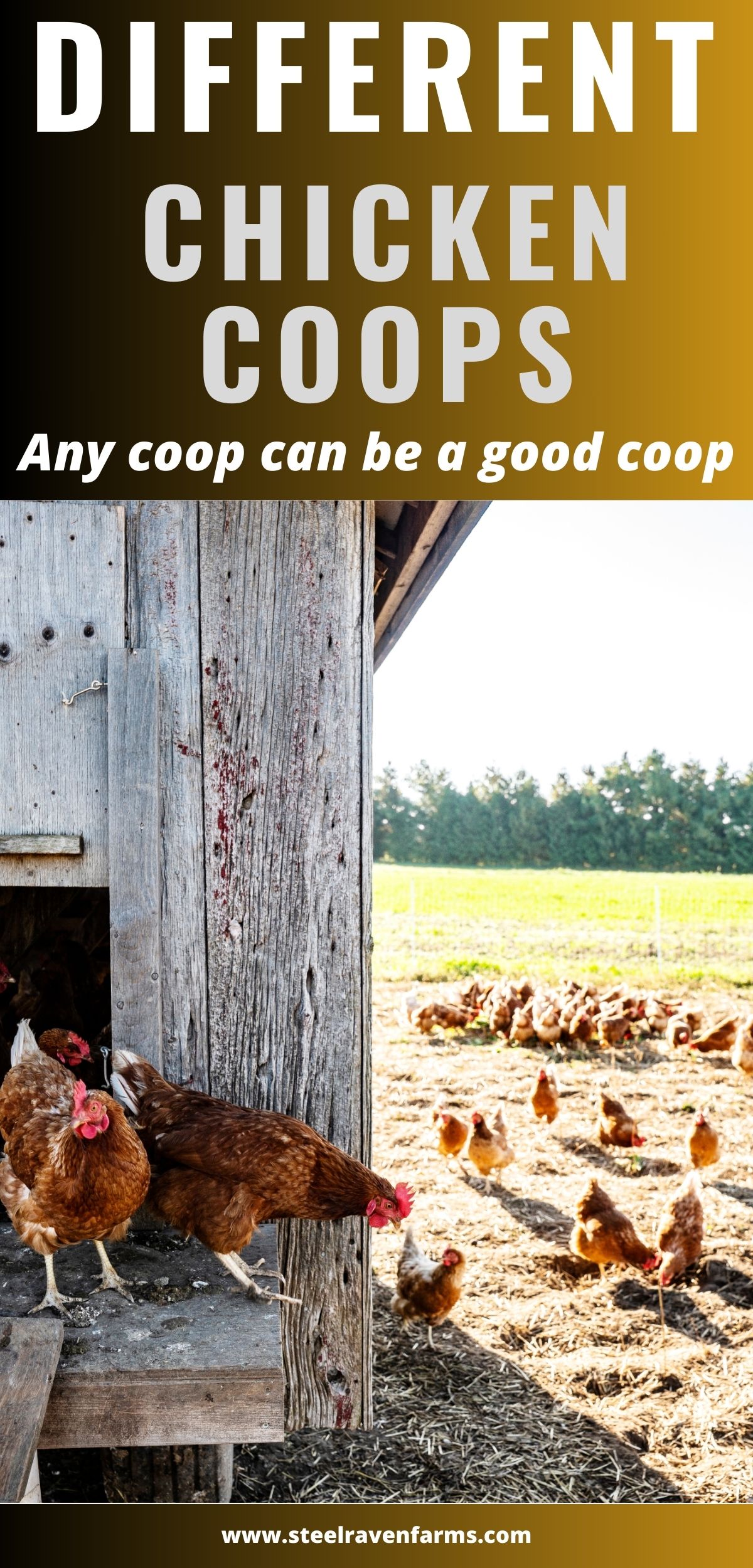
        • Facebook
        • Pinterest
        • Instagram
        • YouTube
        • TikTok
        • Spotify
        • Threads

        Filed Under: Animals, Farm Dogs Tagged With: dogs, farm dogs, Homestead, training farm dogs

        JOIN TO OUR MAILING LIST!

        Leave us your email to receive new posts and special offers for members only! Don't miss a thing!

        Recent Posts

        • Fall Garden Guide
        • Top Mistakes With Goats
        • How To Bond With Your Goats

        How To Successfully Train Farm Dogs

        March 30, 2024 by Leigh Leave a Comment

        First, I want to preface this entire series with the understanding that I am not a dog training expert. I didn’t go to school for it, it’s not my career, and I am not a professional. BUT I do have four dogs that I have successfully trained on my farm and I have trained dogs most of my life. So while I am not an expert, I feel like I’ve got a pretty good handle on training dogs and dispensing tips and tricks on how to successfully train farm dogs.

        The Ultimate Homesteader’s Starter Bundle – Only $47!

        Get the tools you need to stay organized, track profits, and manage your homestead with ease!

        Includes:
        ✅ Schedule F Tracker – Simplify tax prep
        ✅ Profit Calculator – Track earnings
        ✅ Hay Calculator – Plan livestock feed
        ✅ Garden Journal – Digital & printable
        ✅ Herd Health Tracker – Monitor animal care
        ✅ Simple Budget – Manage finances
        ✅ Backyard Homestead eBook – Essential tips

        $99 value – now just $47! Start your homesteading journey today!

        Buy Now

        How To Successfully Train Farm Dogs

        There are a ton of ways to train farm dogs but I think there are some universal truths to keep in mind. Not all farm dogs can be trusted with all animals. Patience will make or break you and/or your dog. Negative reinforcement is a good thing. Perfect recall is a MUST.

        Personally, I think the most important of all is understanding your dog’s boundaries. As always, I’m going to explain more about boundaries below but the fast answer is you have to be able to manage that dog’s crazy. If you can’t, then you need to figure out what your next steps will be.

        So let’s get into these universal truths so that I can give you some training tips.

        Not All Dogs Can Handle Animals

        Some dog’s prey drive is simply too high to handle being around small animals. This can include cats, chickens, goats, ferrets, etc. It doesn’t matter what you do, that dog is stuck on go. Now, you can train that dog and you can get that drive mostly under control. But at the end of the day, you are going to have to manage that boundary.

        Blu is a fantastic example of this. 99.9% of the time, she is absolutely fine around the livestock. And she won’t chase every chicken, every time. But that .1%? She is going to chase a chicken. She can’t help herself. BUT we have worked with her and she will pull off the chicken when we tell her to leave it.

        Fenrir can’t handle the goats. Well, he can handle the big goats because they will defend themselves. But the babies? He has absolutely no idea why they are screaming at him. He’s still a pup and he’s learning but I know that one misstep and he will hurt a baby. Not because he’s trying to hurt them, but because they sound like squeaky toys and they are freaking him out.

        Have Some Patience

        This applies not only to your dog, but also for you, your family and your farm. As they say, Rome wasn’t built in a day. Explaining to the child, and reminding yourself, that we don’t need to reprimand the dog for every infraction can be frustrating. Consistency when there are other people in the house who have contact with the dog is frustrating. When the dog is more interested in sniffing everything than training, you will want to pull your hair out.

        But the biggest mistake that I see being made is that people who have never allowed their dog to dog are suddenly frustrated and angry because their dog is not dogging. To give you an example, your dog has been living in a fenced in yard his whole life. You’ve never really had to work on recall because he doesn’t escape his yard. But now, you don’t have a fenced in yard and you want to let him run on your property. Well, you can’t just let him run loose because he’s never done that before.

        The Ultimate Homesteader’s Starter Bundle – Only $47!

        Get the tools you need to stay organized, track profits, and manage your homestead with ease!

        Includes:
        ✅ Schedule F Tracker – Simplify tax prep
        ✅ Profit Calculator – Track earnings
        ✅ Hay Calculator – Plan livestock feed
        ✅ Garden Journal – Digital & printable
        ✅ Herd Health Tracker – Monitor animal care
        ✅ Simple Budget – Manage finances
        ✅ Backyard Homestead eBook – Essential tips

        $99 value – now just $47! Start your homesteading journey today!

        Buy Now

        That means working with him on his recall and a long line. It also means that after graduating from a long line, he get’s an e-collar. I talk more about e-collars in my tips, tricks and hacks post here (coming soon) so don’t get up in arms about it yet. After a couple of weeks on a long line and e-collar, we start working off leash. But ONLY if his recall is on point. (I go over how to train recall at the end of this post)

        Another thing I’ve noticed when it comes to dogs, specifically Blu, is that she gets extremely nervous and anxious when she is learning a new task and doesn’t understand what you are wanting. That sucks because I tend to get frustrated because she isn’t listening. The first few times it happened, I just couldn’t understand why the dog was being a dumbass…. But it was me. I was the problem and the dumbass. So I stepped back and figured out how to break down what I wanted her to do in more manageable pieces and BAM the dog figured out in one training session how to “Switch”. This is were she is walking on one side of me and I tell her to switch to the other side.

        Remember the number one rule of horsemanship…. It’s never the horse’s fault. This holds true for 100% of animals. It is NOT THEIR FAULT! You have the bigger brain and higher reasoning, they don’t. They are just animals. So make sure that when you start a training session, you are in a good headspace.

        And when you start to notice that you are getting frustrated, END THE SESSION! There will be no more good that comes out of that session because the dog knows you are upset. They will get anxious and stressed and it just becomes a vicious circle. So throw the ball with them instead.

        Negative Reinforcement Can Be A Good Thing

        I know, I know. You’ve been told that only positive reinforcement is acceptable. You’ve probably been told that hitting a dog is absolutely wrong. And it is! But let’s talk about what negative reinforcement is from a dog training angle. It is simply a tool and when it is used as a tool, it works extremely well. Negative reinforcement is just using something that a dog doesn’t like to get them to do the thing you want.

        For example, Kodi HATES the vibrate button on his e collar. That is negative reinforcement. It doesn’t involve us hitting him or yelling at him. It is a simple, but effective TOOL to get him to stop doing what he is doing and come to me.

        Another example is Bear hates a stern voice. All I have to do is give him “the voice” and he realizes that I don’t like whatever it is that he did. Blu HATES being swatted, and I’m not talking about hitting her. I’m talking a gentle swat to the butt to get her to move out of the way will send her into a tizzy. Fenrir hates being ignored.

        If you are new to heating with firewood and are looking to master the finer points of it. We’ve got a great eBook that goes in depth of what tools you should consider, how and where to stack, how to build a fire and so much more!

        Buy Now

        The key to negative reinforcement is to know when to use it. Remember, it is a tool. We don’t use a hammer when a screw driver is needed. We aren’t going to use negative reinforcement every time the dog is doing something “wrong”.

        I don’t need to use Kodi’s hatred for the vibrate feature on his e collar to cow him. Nor do I want to. I want a relationship with my dogs because we are a team. They have a job to do, and I want them to trust me. I need them to raise the alarm to tell me when the predators come into the yard. I need them to round up the chickens (this is where we use Blu’s tendency to chase and redirect it into something better).

        And I would normally agree that negative reinforcement is not necessary for “regular dogs”. When teaching Fido to sit, stay, down, sure, use only positive reinforcement. But when you are teaching Fido life or death lessons, things that could kill Fido if he doesn’t listen, yea, I’m going to use negative reinforcement.

        Why Recall Is The Most Important Thing To Teach A Farm Dog

        The reason I believe perfect, or near perfect recall is so important requires a story. When Blu was a puppy (about 9 months old) she was already 75 pounds, and not spayed since we try to wait as long as possible to allow their bones to grow. About every 6 days, the coyotes come through the property on their loop through the area. While we were outside putting up animals, the coyotes started to call to her.

        You could tell her by her body language that she was getting ready to go after them. Whether to mate or attack is not important. The important thing is that she was getting ready to go to them and we were about to have a really big issue. If Blu’s recall had not been perfect, we would have had a HUGE mess on our hands. That is life or death to a farm dog.

        Perfect recall ties into negative reinforcement and those life or death lessons. When you are on a farm, perimeter fencing gets really expensive, and honestly unnecessary. You need to know that your dog will come when they are called. When you tell them to “leave it”, they need to leave whatever it is alone.

        Country and farm life can kill an animal. Tractors don’t care if the dog doesn’t know not to get under the tires. Cows don’t care if Fido isn’t trained to handle them. Coyotes, mountain lions, and bears don’t care if Blu is trying to protect her land. Neighbors don’t care if your dog is really friendly, they are going to protect their chickens, goats, and sheep.

        goat kidding

        Before we get too far into this, I have a great course on the basics of goat care. I call it Goat Crash Course: Goat 101. In this course, I explain things like types of shelter, types of feeds and hays, basic assessments and so much more! Check it out!

        Buy Now

        Understanding Your Dog’s Boundaries

        I left this one for last, even though it is the most important. To successfully train farm dogs, you must first have a bond/ relationship. Then you have to have patience as you work through their training. Teaching recall can be a nerve racking experience. But all of that will be for naught if you do not understand your dogs boundaries.

        Now, I call it managing their crazy because it is much more accurate, but less fair to the dog. But there are some things that your dog just won’t be able to do successfully. Kodi will never want to stay close. Bear will never raise the alarm. Blu will never stop barking. And Fenrir? He will constantly be a management case because of his hips. I am very familiar with their boundaries. I know when I can push them, I know when I can’t.

        Our old dogs Shiloh and Diesel are prime examples of knowing and respecting a dog’s boundaries. Shiloh had to be crated if we left because he would absolutely destroy the house. Diesel would guard his food to the point of showing teeth. We managed their crazy by making sure that we ALWAYS had a crate for Shiloh. We taught our boys from an early age (they were 3 and 1 when we got Diesel) NEVER touch the dogs food once it was in the bowl. In fact, the kid got “punished” for touching the dog’s food bowl before the dog ever got “punished”. Why? Because the end result could have been catastrophic for the dog AND the child.

        If your dog is not ready to be off leash, DO NOT force it. That dog is telling you they have a boundary. Kodi can be off leash but only with someone watching him. That’s okay.

        If your dog is food reactive? DO NOT TOUCH their food! You are giving them reason after reason not to trust you because you are taking their food from them.

        If your dog is destroying the house? Crate them!

        It is our job as their caretakers to make sure that they are given tools for success. It is our job to protect them, even from themselves.

        If you like the content I put out, feel free to buy us a coffee! It helps keep this site running, marketing and the goats in grain!

        Buy me a coffee

        If you like this post, feel free to share it and follow us below on our social media accounts!
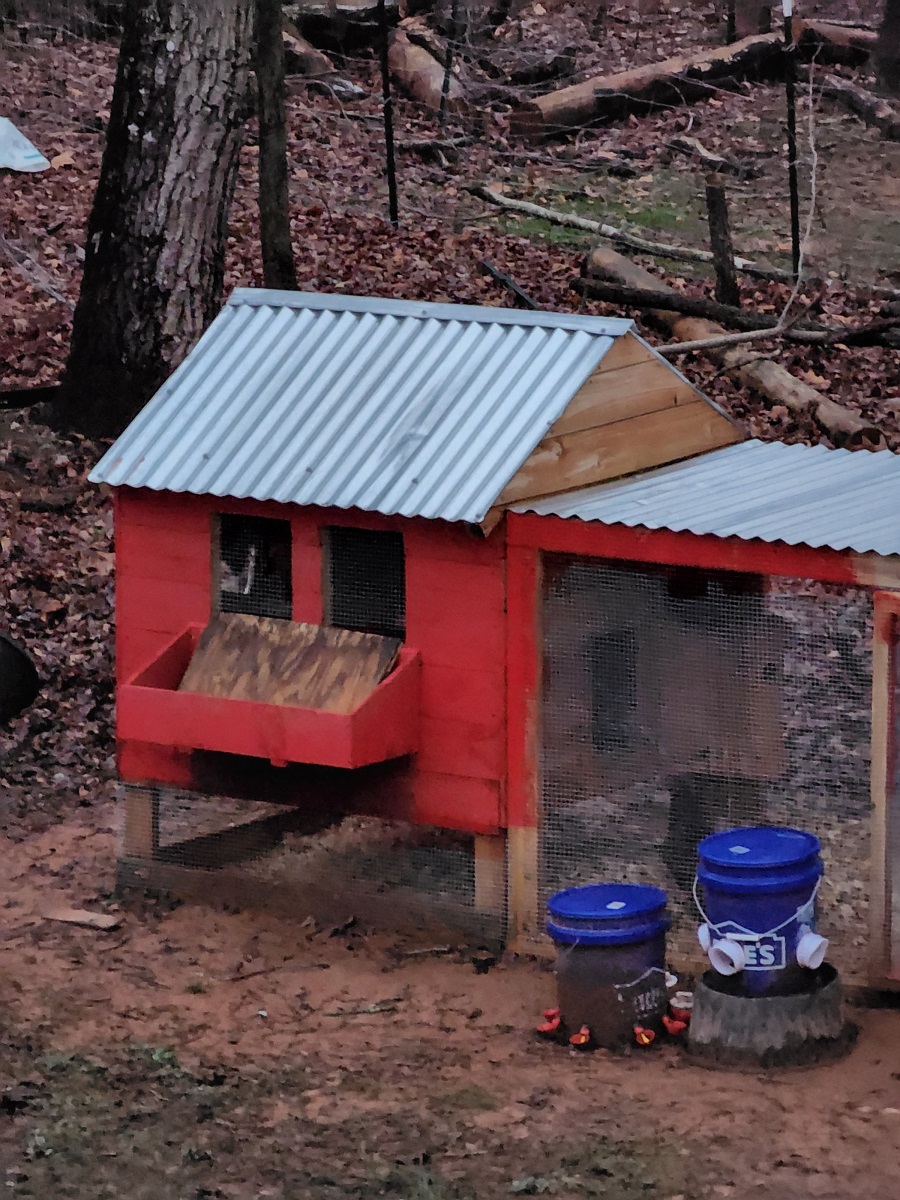
        • Facebook
        • Pinterest
        • Instagram
        • YouTube
        • TikTok
        • Spotify
        • Threads

        Filed Under: Animals, Farm Dogs Tagged With: farm dogs, farm life, Homestead, training dogs

        JOIN TO OUR MAILING LIST!

        Leave us your email to receive new posts and special offers for members only! Don't miss a thing!

        Recent Posts

        • Fall Garden Guide
        • Top Mistakes With Goats
        • How To Bond With Your Goats

        How I Train My Farm Dogs

        March 26, 2024 by Leigh Leave a Comment

        I was going to tell you all the tips and tricks that I have learned raising dogs and training farm dogs first. But as I started writing I realized that you probably don’t me, my farm or my dogs. So instead of starting with all the tips, tricks and things that you should do, I’m going to tell you how I trained my farm dogs, show you my pack, tell you how I trained them and some stories. As this series goes on, I am going to go more in depth about everything I know from successfully training your farm dog to best breeds, tools, hacks, and the actual training of dogs. So make sure to sign up for our newsletter to be alerted to those posts!

        The Ultimate Homesteader’s Starter Bundle – Only $47!

        Get the tools you need to stay organized, track profits, and manage your homestead with ease!

        Includes:
        ✅ Schedule F Tracker – Simplify tax prep
        ✅ Profit Calculator – Track earnings
        ✅ Hay Calculator – Plan livestock feed
        ✅ Garden Journal – Digital & printable
        ✅ Herd Health Tracker – Monitor animal care
        ✅ Simple Budget – Manage finances
        ✅ Backyard Homestead eBook – Essential tips

        $99 value – now just $47! Start your homesteading journey today!

        Buy Now

        How I Train My Farm Dogs: Some Details First

        There are a ton of people moving to the country and purchasing property right now. They are getting into homesteading and gardening. Which is awesome! Except they don’t really know what to do with their dogs. Most city rules don’t apply in the country and it can be a hard transition. But one of the big things I see a lot is people thinking their dog can’t become a farm dog. That’s simply not true. It’s not hard to train farm dogs but it does take a far amount of work.

        I am going to introduce you to my pack, then I’m going to tell you about some of our difficulties, and finally I’m going to talk about some of the tools that we use to work with our dogs and get their training up to speed.

        What Is A Farm Dog

        There is a huge difference between a city dog and a country dog. Just like there is a difference between a country dog and a farm dog. Then the biggest difference is between a farm dog and a livestock guardian dog (LGD). But at the end of the day, any dog can be a farm dog with the right training.

        A farm dog is really just a dog that can live on a farm. They don’t have to be working dogs. And they don’t have to be GREAT with livestock or poultry but they can’t harm them. They need to be able to be off leash/ lead and I’ll explain more why that is important below. For some dogs, that’s an easy bar to hit. Other dogs, that may seem absolutely impossible.

        Putting Titles On Your Dog

        As of this writing, I have four farm dogs. I make the distinction between a working dog, farm dog, livestock dog and “regular” dog because they are all totally different. A “regular” dog is the dog you have in your backyard. They are a companion animal and rarely anything more.

        But when you start putting titles on your dog and expecting them to do a job, you need to make sure that dog is equipped to handle it. For example, if you get a Heeler and don’t give it a job, it can become a disaster. But at the same time, if you have a couch potato breed like an English Bulldog, and expect it to round up your cattle? Equally as disappointing.

        The Ultimate Homesteader’s Starter Bundle – Only $47!

        Get the tools you need to stay organized, track profits, and manage your homestead with ease!

        Includes:
        ✅ Schedule F Tracker – Simplify tax prep
        ✅ Profit Calculator – Track earnings
        ✅ Hay Calculator – Plan livestock feed
        ✅ Garden Journal – Digital & printable
        ✅ Herd Health Tracker – Monitor animal care
        ✅ Simple Budget – Manage finances
        ✅ Backyard Homestead eBook – Essential tips

        $99 value – now just $47! Start your homesteading journey today!

        Buy Now

        My dogs all have different titles and roles on the farm. Each dog does something really well, others not so much. I call it managing their crazy. I know that Fenrir cannot be put in the goat pen alone, so I don’t put him in the goat pen alone. Blu cannot handle being unsupervised with the poultry, so we don’t let her stay outside alone. You just have to manage their crazy and see where you can push their boundaries without breaking them.

        How I Train My Farm Dogs

        The Bear Bear

        Bear is the oldest at 11 and has been raised as a city dog his whole life. He is, what I call, a pound special. We have absolutely no idea what he is mixed with, though we can guess. He took to farm life like everything else we have thrown at him. There was no running away, his recall is damn near perfect and he doesn’t care about livestock or poultry coming up to him. He is my definition of a perfect dog.

        Training Bear was really easy because I have spent the last 11 years telling him exactly what I wanted him to do. From the time we brought him home from the pound at 6 weeks old, he took to training beautifully. When we moved to the farm, he already knew my “no” commands. He knew how to sit, down, and stay. So all I really needed to do was get him to come when I called him.

        At this point in Bear’s life, I am not super worried about him not coming immediately when I call him. I trust that he isn’t going to run off, hurt the animals, etc. He’s 11 years old, all he wants to is hangout with me and sleep in the sun.

        Training Blu

        Next is Blu. She is a German Shepherd/ Great Pyrenees cross and she is 3. She is the first female dog I have had in a decade…. and she will be the last. While she is a damn good dog, she has been extra challenging to raise up. Part of that is the shepherd, part is the Pyrenees, and the last part is because she came to us at 4 weeks old. To this day, she chases chickens but her recall is just about perfect and she can be trusted with the goats.

        The day we moved to the farm, I went and picked up Blu. Her breeder wanted the pups gone by 4 weeks old which is absolutely not ideal. In fact, dogs really should be with mom until 12 weeks old, but it is what it is.

        Her training consisted of her becoming our shadow on the farm. That meant that she was leashed to us when we went outside or on the lead/ long line if we needed to be able to move around without her tripping us up. Once she learned recall, we put her on an e collar. It took her a while to full learn recall by the chime on the collar but eventually she did. Unfortunately, Blu is extremely stubborn and we have had to use the electric feature (always as a last resort) to pull her off the chickens.

        Also, I knew that we were going to have chickens and ducks. But when she was about 12 weeks old, we brought goats to the farm. She learned a very valuable lesson when she started barking and growling at Bella. Bella rammed and rolled her. While I didn’t love it, and I knew that it could cause a fear response in Blu towards the goats, it worked exactly how I wanted. Because Bella rammed and rolled Blu, she taught Blu a lesson that we just couldn’t: sometimes the prey fights back. Blu is significantly more leery of the goats.

        Are you getting overwhelmed in the garden? Stressed? Or just not enjoying the garden like you used to? Check out our garden prompts! We send out weekly emails that get you back in the garden and out of your head! Turn the garden back into a place of love and joy instead of frustration and headache!

        Subscribe Now!

        Training Kodiak

        Then we have Kodi (or Kodiak). This is Chase’s dog, my favorite Grand-pup and the largest of all the dogs. Kodi came from the pound and was labeled a St. Bernard. He’s actually a Leonberger and is fantastic with literally anyone that comes to the farm. He’s great with the goats and poultry. In fact the only “downside” about him is that he is a runner. Which is how we got him from the pound in the first place.

        Kodi’s training was longer in some areas but was lightening fast in others. For example, he was immediately great with the animals and livestock. But his off leash training is still a work in progress 2 years later. He’s got great recall about 99% of the time. But that 1%? He’s gone.

        But I can take him into the goat pens without a single worry. Baby goats absolutely love him and he loves them. In fact, I asked Chase (it’s his dog after all) if he would be willing to let Kodi stay outside and be an LGD… But he said no.

        Training Fenrir

        Lastly, we have my beloved Fenrir. Fen is new to the farm. We got him in August of 2023 and he has become an absolutely amazing farm dog. I have a tendency to find and fall in love with rescues, which can lead to really big issues on a farm. Fortunately, Blu and Fenrir are best buddies and he follows her around. This is great when it comes to recall but kind of sucks because he shares her tenacity to chase chickens.

        Unfortunately, Fenrir has really, REALLY bad hips. He has pretty severe hip dysplasia. The kind where no matter how careful we are with keeping his weight under control, exercise in moderation, supplements, etc he could jump off the couch and break his hip.

        As far as his training, we are focusing on his animal training right now. He is okay around the big goats because they will ram him when he gets too close or rowdy. The babies are squeaky toys so when they start bouncing and screaming, it freaks him out. So I take him into the goat pens and just hang out with him. By keeping everything calm, he gets to become familiar with the baby goats and everything stays positive. The chickens will take longer but ultimately a firm “No” when he starts chasing is all he needs.

        Bringing City Dogs To The Farm

        Bear is not the only dog that we brought to the farm when we first bought the property. We also had Diesel and Shiloh. Diesel was Chase’s dog. Diesel loved everyone, but he was Chase’s dog. Those two were thick as thieves. He was a rescue that was so sweet and gentle despite the fact that he was 100+ pounds.

        Shiloh was a German Shepherd/ Alaskan Malamute cross. He was my baby and he got me through some REALLY hard times. We would go hiking all the time and I was so excited to bring him to the mountains that we so loved. He was my soul dog. The first dog in my entire life that I felt so connected to it was ridiculous. But within 3 days of bringing them to the farm they ran away, never to be seen again.

        Bringing city dogs to the farm is usually not going to be a problem. But sometimes, you just have dogs that are not well suited for this life. Diesel would have killed every single animal that we brought to the property. Shiloh would never have learned recall. While it hurts like hell that we lost them, they were not suited to this life.

        While I stand firmly by my statement that any dog can be a farm dog, some dogs will take WAY more effort to train up.

        Training My Farm Dogs To Go Off Leash

        Before I end this post, I wanted to give you one my tips on how to start training your dog off leash. First and foremost, your dog needs to be “trained” with animals. Because the reality is that if your dog is not good with livestock, the very last thing they need to have is off leash training around livestock. So if Fido won’t “leave” the chickens alone, being off leash just means you have ZERO control over the situation.

        Now, assuming that your dog is great with livestock (or you don’t have livestock yet), off leash training starts with your bond with the dog. If your dog isn’t happy to see you, receive love from you, want your attention, etc, it’s going to be really hard to get them to come to you.

        If you and your dog are bonded, we start on a long line like this, start with about 15ft. The goal here is to allow them to have enough “rope” to keep the leash slack and then you call the dog. When the dog comes to you, praise them, give them treats and love. Make it a big deal! Then do it again, and again, and again, until the dog comes to you every single time. Then graduate them to a longer line, 30-50ft. And do it again, and again, and again.

        The Ultimate Homesteader’s Starter Bundle – Only $47!

        Get the tools you need to stay organized, track profits, and manage your homestead with ease!

        Includes:
        ✅ Schedule F Tracker – Simplify tax prep
        ✅ Profit Calculator – Track earnings
        ✅ Hay Calculator – Plan livestock feed
        ✅ Garden Journal – Digital & printable
        ✅ Herd Health Tracker – Monitor animal care
        ✅ Simple Budget – Manage finances
        ✅ Backyard Homestead eBook – Essential tips

        $99 value – now just $47! Start your homesteading journey today!

        Buy Now

        Once you are comfortable with their level of recall, graduate them to an e collar. I’m going to offer some advice with the e collars. I do NOT encourage the use of the shock setting. In fact, with Kodi, I don’t think I’ve ever had to use it. But there are situations in which using the shock setting is necessary. Like your dog attacking an animal, about to get hit by a car, or other life or death situations, which I talk about in this post. If you feel it necessary to use the shock feature, start at the lowest setting and work your way up. We aren’t trying to hurt them, just break their attention off the thing and on to you.

        This is the collar that we use for our dogs. Now is the time to be extremely patient. Some dogs don’t care about beeping, other dogs will panic. Same thing with the vibrate and shock. How I train my dogs on the e collar is to work on a long line (30ft) and continue work on their recall. I will recall and do the beep. When they come to me, I praise like crazy. And then do it again, and again, and again.

        Tip: If they play fetch, this is the PERFECT time to work with the e collar because they are getting rewarded every time they hear the beep.

        Once they have perfect, or near perfect recall, I will take off the leash. I will not them get more then 5ft away before recalling them. And then praise, give treats, a toy, whatever they want. And then do it again and again and again. Once they come back, I graduate their “invisible” leash around me. I let them go 10ft, 15ft, and so on until they come back EVERY TIME. This can be nerve racking but trust the process.

        If the dog panics with the beep button, I just talk to them and work through the fear. Or, I will change the tone of the beep to something softer. Which is why I really like the e collar I linked above. It has a range of settings to fit the dog. Normally, the beeping or vibrate is just scary because it’s new. After a little bit, they won’t mind it so much.

        I really hope this helps you and your dog become successful on your farm. Just remember, every dog can be a farm dog as long as you are willing to put in the work.

        Other Posts From Training A Farm Dog Series

        How I Train My Farm Dogs

        How To Train Farm Dogs

        Tips, Tools and Hacks For Training Farm Dogs

        Best Breeds For Farm Dogs

        Commands For Training Farm Dogs

        If you like the content I put out, feel free to buy us a coffee! It helps keep this site running, marketing and the goats in grain!

        Buy me a coffee

        If you like this post, feel free to share it and follow us below on our social media accounts!
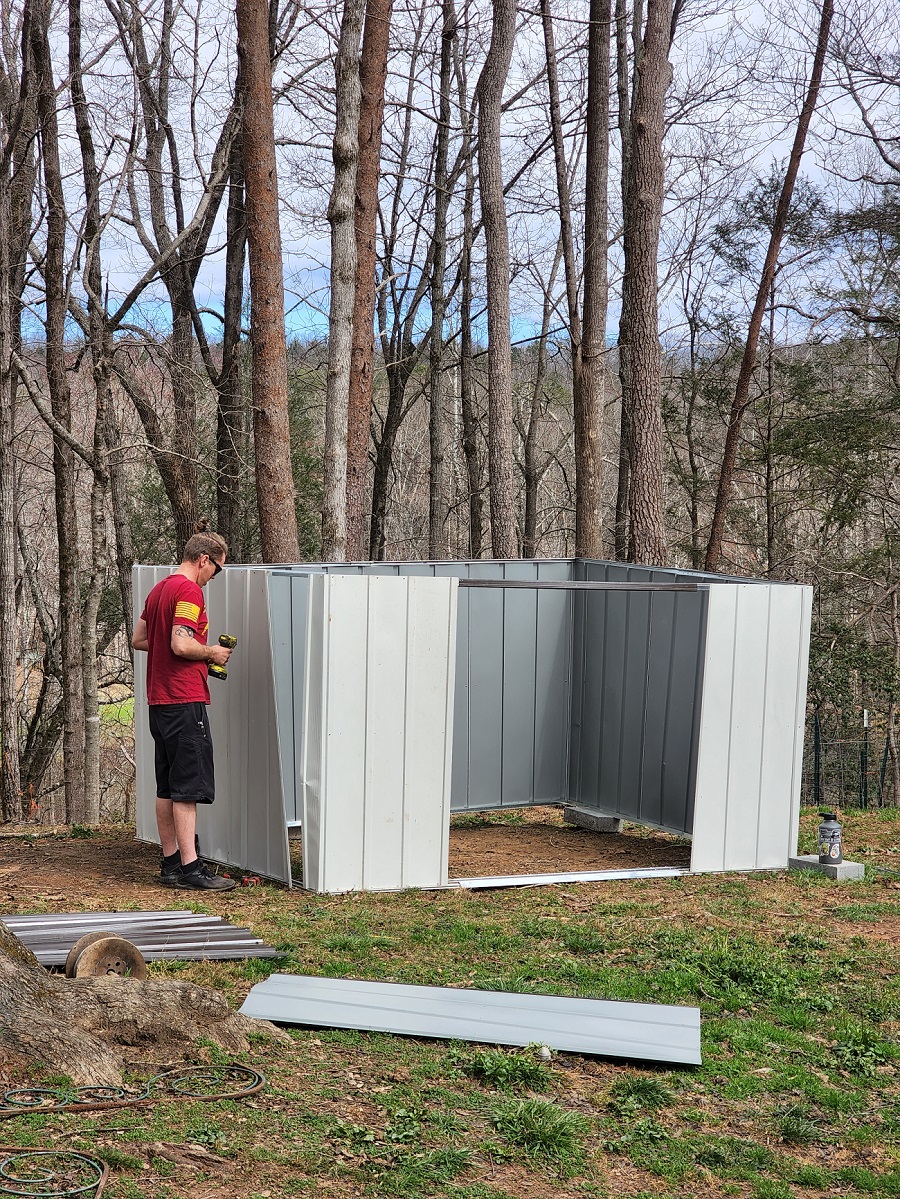
        • Facebook
        • Pinterest
        • Instagram
        • YouTube
        • TikTok
        • Spotify
        • Threads

        Filed Under: Animals, Farm Dogs Tagged With: dog training, dogs, farm dogs, farm life, Homestead

        JOIN TO OUR MAILING LIST!

        Leave us your email to receive new posts and special offers for members only! Don't miss a thing!

        Recent Posts

        • Fall Garden Guide
        • Top Mistakes With Goats
        • How To Bond With Your Goats
        • « Go to Previous Page
        • Page 1
        • Interim pages omitted …
        • Page 3
        • Page 4
        • Page 5
        • Page 6
        • Page 7
        • Go to Next Page »

        Primary Sidebar

        WELCOME

        WELCOME

        My name is Leigh and I am the lead chaos creator here at Steel Raven Farms. You will see throughout this blog that I am the crazy goat lady.

        I am married to my high school sweetheart, Jared and we have two amazing boys.

        FOLLOW ME

        • Amazon
        • Facebook
        • Instagram
        • Pinterest
        • TikTok

        GET UPDATES!

        Leave us your email to receive new posts and special offers for members only! Don't miss a thing!

        In all the years that I’ve been growing a garden, the fall garden has steadily remained my favorite. Which is funny because I don’t really like any of the brassicas, which is what most people know the fall garden for. I prefer the root vegetables and cool air. But I have learned over the years…

        Read More

        • Animals
          • Chickens
          • Farm Dogs
          • Goats
        • Garden
          • Compost
          • Garden Projects
          • Seeds and Plants
          • Garden Journal
          • Working With Food
            • Recipes
            • Freezing Foods
            • Dehydrating Foods
            • Canning Tips And Tricks
              • Canning Inventory Sheets
        • Helpful Info
          • Welcome to the Homestead!
          • Emergency Preparedness
          • Frequently Asked Questions
          • Goal Setting
          • Project List
          • Shop Digital Products
            • Hay Calculator
            • Farm Expense And Income Tracker
            • Goat Crash Course: 101
            • Garden Journal Prompts
            • Schedule C Tracker
            • Schedule C Tracker
            • The Homestead Bundle
        • The Truths
        • Episode List
        • Start Here
          • Privacy Policy
          • Affiliate Disclosure
          • Let’s Get in Touch
          • Members Only Library
          • Welcome To Our Homestead

        Footer

        • Email
        • Facebook
        • Instagram
        • Pinterest

        COME AND GET IT!

        Leave us your email to receive new posts and special offers for members only! Don't miss a thing!

        · Midnight Theme

        Copyright © 2026 · Midnight Theme on Genesis Framework · WordPress · Log in