• Skip to primary navigation
  • Skip to main content
  • Skip to primary sidebar
  • Skip to footer

Steel Raven Farms

Where muck boots meet ground.

  • Animals
    • Chickens
    • Farm Dogs
    • Goats
  • Garden
    • Compost
    • Garden Projects
    • Seeds and Plants
    • Garden Journal
    • Working With Food
      • Recipes
      • Freezing Foods
      • Dehydrating Foods
      • Canning Tips And Tricks
        • Canning Inventory Sheets
  • Helpful Info
    • Welcome to the Homestead!
    • Emergency Preparedness
    • Frequently Asked Questions
    • Goal Setting
    • Project List
    • Shop Digital Products
      • Hay Calculator
      • Farm Expense And Income Tracker
      • Goat Crash Course: 101
      • Garden Journal Prompts
      • Schedule C Tracker
      • Schedule C Tracker
      • The Homestead Bundle
  • The Truths
  • Episode List
  • Start Here
    • Privacy Policy
    • Affiliate Disclosure
    • Let’s Get in Touch
    • Members Only Library
    • Welcome To Our Homestead

Goats

Can Homesteading Save Money

August 6, 2024 by Leigh 2 Comments

We can answer this right now, no. Homesteading will not save you money. In fact, homesteading will cost you money. A lot of money. In the first year we were on our homestead we exhausted our emergency fund four separate times. Can homesteading save money? No. Not at first. But in the long run, it will absolutely save you money. Just maybe not in the ways your expecting. Be sure to read to the end for the “pay offs” I’m talking about.
The Ultimate Homesteader’s Starter Bundle – Only $47!

Get the tools you need to stay organized, track profits, and manage your homestead with ease!

Includes:
✅ Schedule F Tracker – Simplify tax prep
✅ Profit Calculator – Track earnings
✅ Hay Calculator – Plan livestock feed
✅ Garden Journal – Digital & printable
✅ Herd Health Tracker – Monitor animal care
✅ Simple Budget – Manage finances
✅ Backyard Homestead eBook – Essential tips

$99 value – now just $47! Start your homesteading journey today!

Buy Now

Why Should You Homestead Then?

Homesteading is not necessarily about saving money. Sure, there are somethings that we have saved a ton of money on like eggs, milk, and chicken.

We no longer buy eggs because our chickens have solved that problem. We don’t have to buy chicken at the grocery store because we butcher our own. We don’t buy milk from the store unless we run out. But when you look at the $100/month we have saved by how much we have spent? We are solidly in the red.
Spend More To Make More?

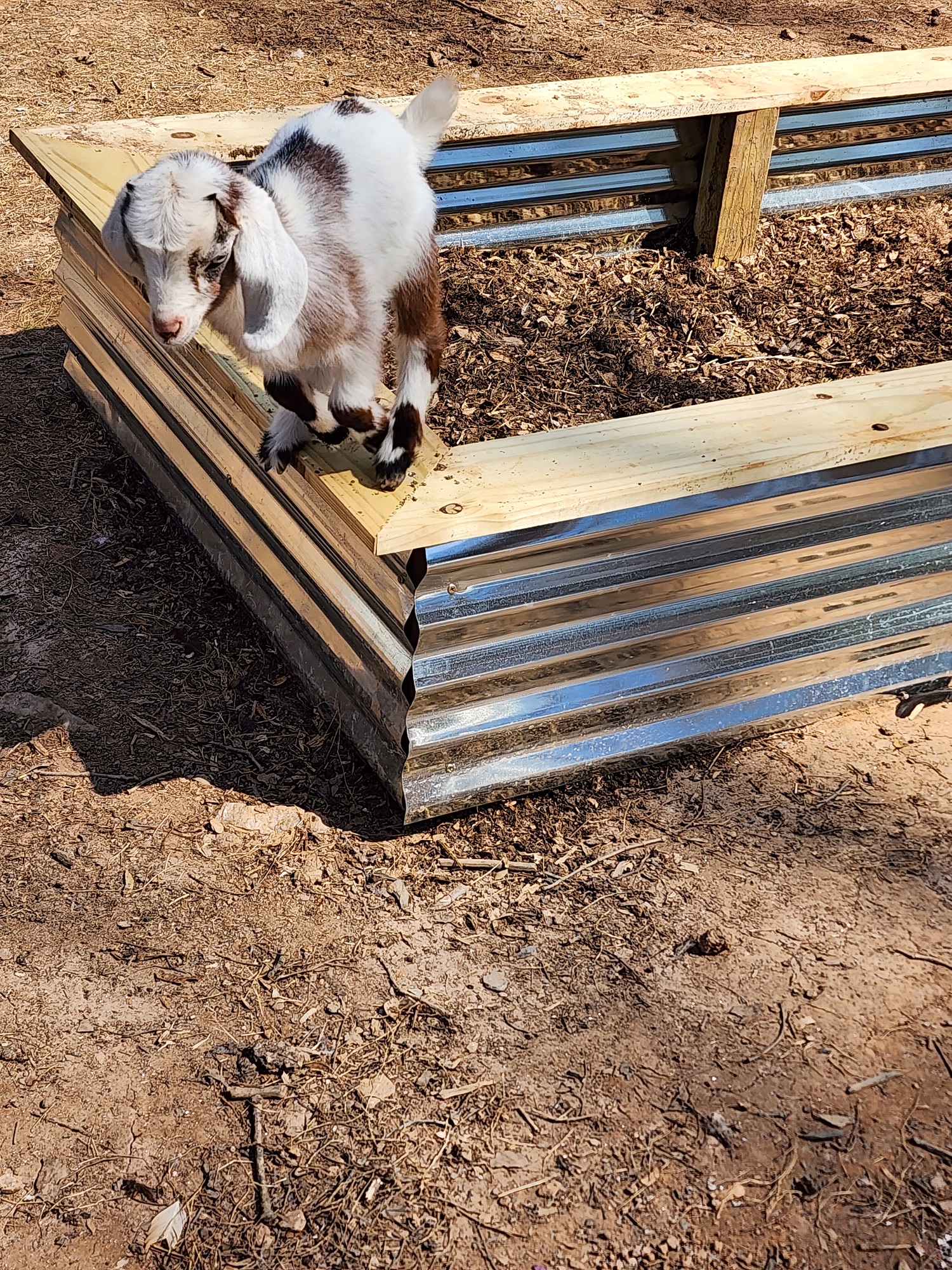
Because the farm is an LLC, which I highly recommend you do, we are able to write off a lot for taxes. That being said, our first year’s return was eye opening. We spent over $3,000 in vet bills and another $5,000 on feed. That was only in six months. The following year we doubled that. That doesn’t include the well pump that went out, or the water heater. Or all the fencing and structures for the goats and chickens.

But homesteading is not about saving money. It’s about living off the land, having livestock, learning new skills, and being self sufficient. Of course homesteading means different things for different people.

The Ultimate Homesteader’s Starter Bundle – Only $47!

Get the tools you need to stay organized, track profits, and manage your homestead with ease!

Includes:
✅ Schedule F Tracker – Simplify tax prep
✅ Profit Calculator – Track earnings
✅ Hay Calculator – Plan livestock feed
✅ Garden Journal – Digital & printable
✅ Herd Health Tracker – Monitor animal care
✅ Simple Budget – Manage finances
✅ Backyard Homestead eBook – Essential tips

$99 value – now just $47! Start your homesteading journey today!

Buy Now

Homesteading Is A Long Game When It Comes To Saving Money

What I have found is that homesteading is a long term goal and commitment. You are probably not going to save money your first or your second year. If you are starting your homestead from the ground up, you will probably not see a positive until year five. But it really depends on your goals. If you want your homestead completely self sufficient but you are starting from scratch, it will take time. If you came into a property that has fencing, a barn, and garden. You are probably already ahead of the game.
Why Homesteading Doesn’t Save Money?

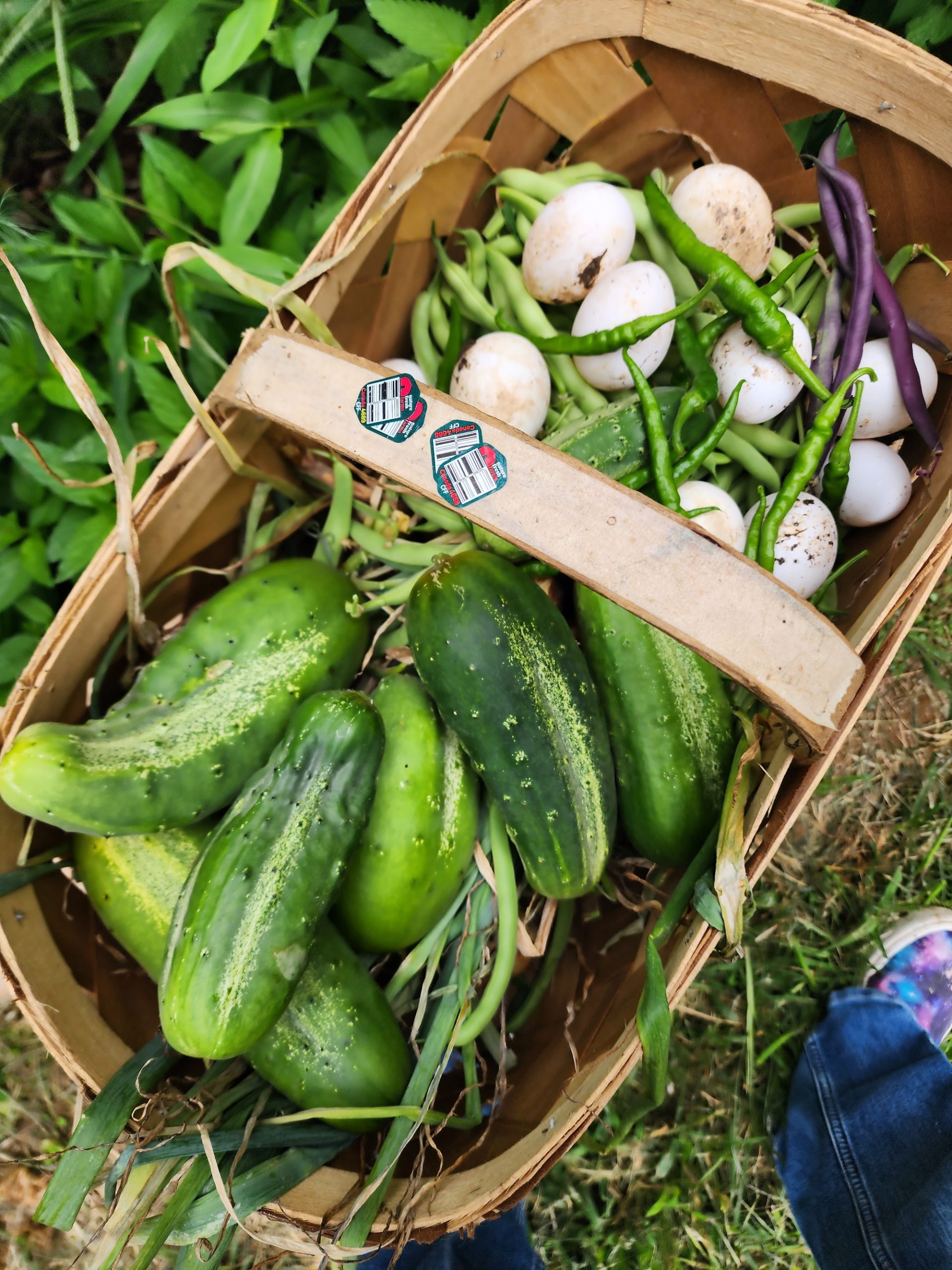
The reality is that you are going to spend money at first. Rarely, though it does happen, are you going to stumble onto a property that is absolutely perfect for you. You are going to have to spend money to make that property the way you want it.

I preach the importance of setting goals and figuring out your WHY. But probably the most important thing is to define what your vision of a successful homestead is. This is no different. When you are trying to set up your homestead, you want to make sure that you aren’t wasting money on things that don’t matter in the long run.

While you may not see a big financial gain, you will see the “pay off” in other areas.
When Does Homesteading “Pay Off”?

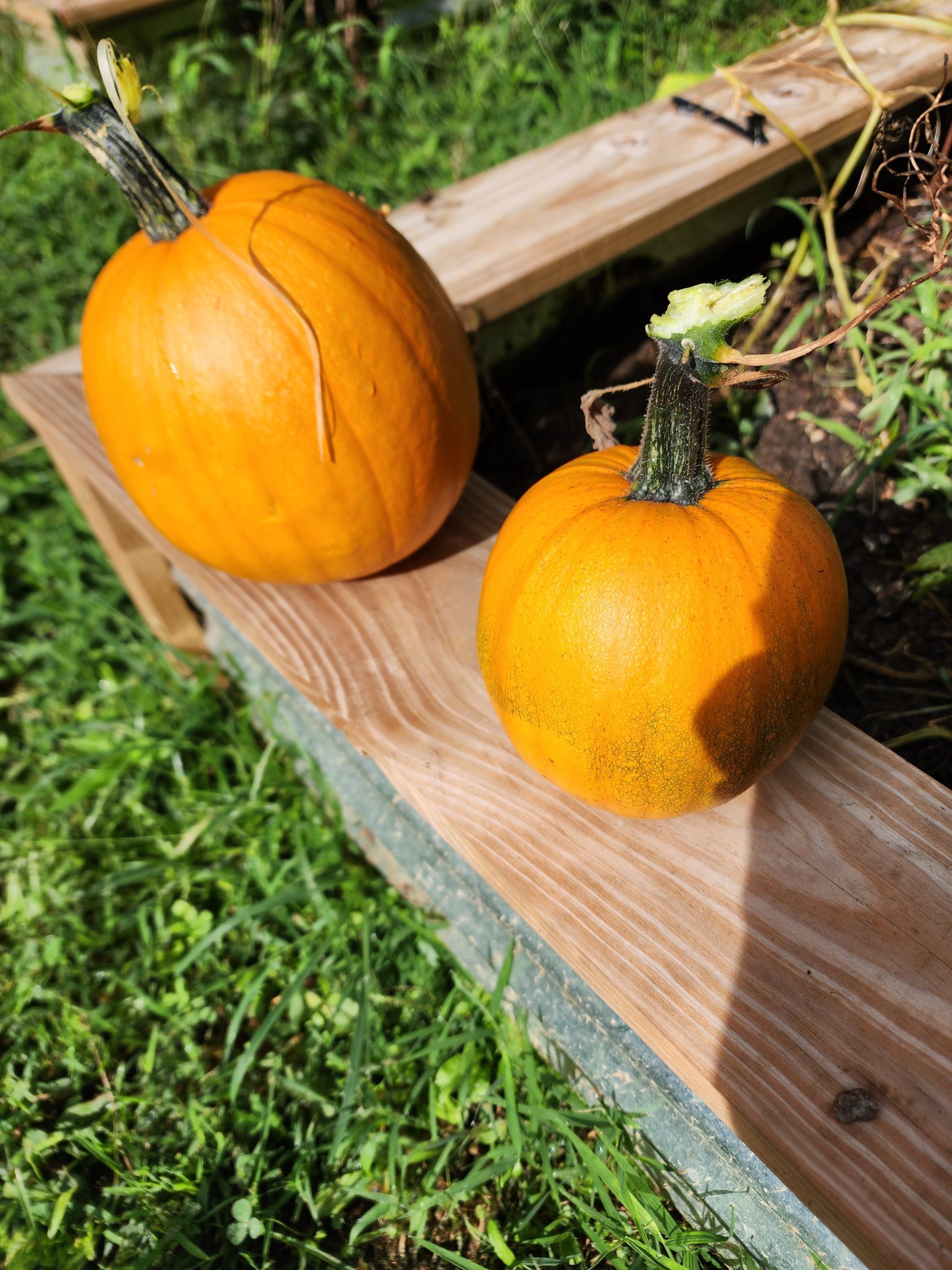
For us, homesteading started to pay off within the first year. But it’s probably not the way you’re thinking. When we bought our property, we defined, very quickly, what a successful homestead meant, and then wrote down our year one, five and ten year goals. That’s when we started to see the “pay off.”

Chickens Doing Double Duty

The pay off was a significant decrease in fleas and ticks. This was because the chickens free ranged and took care of those bugs. That meant that Jared and Jaxson weren’t being eaten alive. This made them happier and more likely to be outside.

The chickens also helped break up the compacted soil in the garden spaces. They ate the grubs and bugs that could destroy the next years crops. They’re manure became compost for the next years garden.

Their eggs are SO much better than anything you can get from the store. Bright orange yolks mean very healthy and happy chickens. But it also means that egg is packed with nutrients.

Another great thing about chickens is that we can incubate the eggs because we have a rooster. That means that technically, we never have to buy another batch of chickens. Which of course means that we will buy more chickens because… chicken math is a thing.

cropped-3.jpg

Are you looking for garden journal prompts, but aren’t interested in a weekly email? Check out our 365 Garden Journal Prompts! This is an amazing, all in one, yearly product that you only pay for once.

Buy Now!

Goats Earning Their Keep

Initially, we bought the goats to be long term lawn mowers. But after falling in love with these creatures, we started breeding and milking them. Their pay off has been a little slower because they are expensive creatures to maintain. But I realized very quickly that I could tolerate their milk.

Their pay off is in my health. For the first time in years, I am able to consume milk with pain. While I am not lactose intolerant, I do have issues with gut health. Their milk has helped ease that pain and has increased the good bacteria in my gut. Not to mention, I know exactly what is in their feed, hay, treats, etc.

Before we get too far into this, I have a great course on the basics of goat care. I call it Goat Crash Course: Goat 101. In this course, I explain things like types of shelter, types of feeds and hays, basic assessments and so much more! Check it out!

Buy Now

The Garden Producing

Gardening is probably the biggest way that we save money on the homestead. But again, not at first and not in the way you are probably thinking. Our big garden is getting a face lift in 2024 and that means a TON of money is getting dumped into it.

Like the budget for it is about $10,000 and includes the orchard, chicken runs, fencing, the gazebo and more. That’s okay, though. Because the amount of money it saves us isn’t about the weekly or monthly dollars saved at the grocery store.

It’s about the health benefits of the garden.

We do not spray our gardens with ANYTHING. There are no pesticides, herbicides or fertilizers used…. at all. It’s grown in soil that comes from our neighbors horse manure and our own animals bedding. Neither one of us deworm or use chemicals our animals unless absolutely necessary.

That means that our food from the garden is literally the healthiest thing we can consume on the planet. This pays off HUGE because we are filling our plates with food that is so nutrient dense, that it helps ward off sickness, disease and other issues that are common for people who eat the standard American diet.

goat kidding

Before we get too far into this, I have a great course on the basics of goat care. I call it Goat Crash Course: Goat 101. In this course, I explain things like types of shelter, types of feeds and hays, basic assessments and so much more! Check it out!

Buy Now

No, homesteading probably won’t save you money

But what homesteading will do is shorten your supply train. Homesteading will reduce your need on the grocery store. It will make you healthier, even if it’s only because you are more active. There are so many other pay offs when it comes to homesteading that it’s okay that it doesn’t save you a ton of money at first.

It will pay off in the end.

If you like the content I put out, feel free to buy us a coffee! It helps keep this site running, marketing and the goats in grain!

Buy me a coffee

If you like this post, feel free to share it and follow us below on our social media accounts!

  • Facebook
  • Pinterest
  • Instagram
  • YouTube
  • TikTok
  • Spotify
  • Threads

Filed Under: Animals, Canning, Chickens, Goats, How To's, Our Homestead, Pigs, Projects Tagged With: Canning, cast iron, Chickens, Chicks, cooking, Eggs, Goats, Homestead, kitchen, Welcome

JOIN TO OUR MAILING LIST!

Leave us your email to receive new posts and special offers for members only! Don't miss a thing!

Recent Posts

  • Fall Garden Guide
  • Top Mistakes With Goats
  • How To Bond With Your Goats

What Is Full Sun

August 3, 2024 by Leigh Leave a Comment

Recently, I saw a meme on social media that had a cartoon picture of a garden where the plants were wilted and either steaming or smoking and the sun was shining bright. The caption read, “Full Sun doesn’t mean full sun in Georgia.” and man, that couldn’t have been more accurate. But it got me thinking about all the new gardeners out there that have no idea what the difference is between full sun, partial sun, and shade AND how it relates to their own climate. So today we are going to go over what is full sun but also what it means if you live in a HOT place.

cropped-3.jpg

Are you looking for garden journal prompts, but aren’t interested in a weekly email? Check out our 365 Garden Journal Prompts! This is an amazing, all in one, yearly product that you only pay for once.

Buy Now!

What IS Full Sun

Full sun is an area that receives direct sun for at least six hours. But there is so much more to it than that. Just because a plant label or seed packet says it requires full sun doesn’t mean that you need to plant it in the brightest part of your garden or yard. There’s also partial sun and shade labels. But the most important part of those labels isn’t necessarily full sun, partial sun or shade, it’s YOUR climate in relation to those labels.

The Ultimate Homesteader’s Starter Bundle – Only $47!

Get the tools you need to stay organized, track profits, and manage your homestead with ease!

Includes:
✅ Schedule F Tracker – Simplify tax prep
✅ Profit Calculator – Track earnings
✅ Hay Calculator – Plan livestock feed
✅ Garden Journal – Digital & printable
✅ Herd Health Tracker – Monitor animal care
✅ Simple Budget – Manage finances
✅ Backyard Homestead eBook – Essential tips

$99 value – now just $47! Start your homesteading journey today!

Buy Now

All Full Sun Is Not The Same

I’m pretty sure that those plant labels are for people that live in climates that don’t feel like Satan’s armpit during the summer. I feel like they are probably for people that live in climates that have all four seasons. Not those of us who live in the south. Because full sun in Pennsylvania is not the same as full sun in Georgia or Texas. To be honest, Texas full sun and Georgia full sun are totally different.

To give you an example, we planted 4 4x20ft beds with tomatoes. One of those beds is in full direct sun for about 8 hours. Those plants are scorched and the beds require more water than any of the others. Another bed is about 15 ft away, and only a 8ft section receives full sun, the rest is shaded for most of the day. That 8ft section is totally scorched. But the plants that are right next to those scorched plants in the shade? Growing beautifully.

Why? Because in the south, we get a lot more direct sun because of angle of the Earth in relation to the sun. We may not get the same amount of sun, but we do get more of a direct hit. There’s whole science behind it, but in the end the important thing to know is that our summers are hotter because our section of the planet is angled towards the sun.

Are you getting overwhelmed in the garden? Stressed? Or just not enjoying the garden like you used to? Check out our garden prompts! We send out weekly emails that get you back in the garden and out of your head! Turn the garden back into a place of love and joy instead of frustration and headache!

Subscribe Now!

Understanding Full Sun

No matter where you live, you could be dealing with scorched plants if you aren’t paying attention to your labels. I once put a Boston Fern in my greenhouse and forgot about it. Needless to say, I no longer have a Boston Fern.

But one of the biggest misconceptions about full sun is that you need 6 hours of direct sun… in a row. This is not the case. In fact, this couldn’t be further from the truth. Unless otherwise noted on those labels, ambient sunlight is more than sufficient for many plants. And 2 hours in the morning and then another 4 in the evening is perfectly fine for most full sun plants, if you live in a really hot place.

Off the top of my head, the only plants that I know can handle full sun would be peppers, okra, and corn. Beyond that, if you don’t give other plants some sort of shade they will scorch.

goat kidding

Before we get too far into this, I have a great course on the basics of goat care. I call it Goat Crash Course: Goat 101. In this course, I explain things like types of shelter, types of feeds and hays, basic assessments and so much more! Check it out!

Buy Now

Creating Shade

Creating shade is a necessary evil for a lot of us. We are lucky that we have a ton of trees in and around our gardens. This allows for most of our beds to be in shade or ambient sunlight. But those few beds that are in full sun? We have to create shade for them.

Shade cloths are a great way to reduce the amount of sun your plants are getting. They come in a variety of different sizes and strengths. This shade cloth is 40% and great for things that require “full sun” but you live in an oven. You can get other percentages up to 90% depending on what you are dealing with. I recommend 90% for things that are sun fragile like beans, some squashes, flowers, and the like. But any shade will be better than none.

cropped-3.jpg

Are you looking for garden journal prompts, but aren’t interested in a weekly email? Check out our 365 Garden Journal Prompts! This is an amazing, all in one, yearly product that you only pay for once.

Buy Now!

Why Watering Doesn’t Always Help

For most plants, animals and people, it doesn’t matter how much water you give them, too much sun is too much sun. So while you may think “It’s fine, I’ll just water extra”, remember that it may not be enough. We water those super sunny beds every other day or every day if necessary and they still wilt and die.

Also, pay attention to your rain cycles to know how often to water your plants and when to water your plants. In Georgia, we cannot water our plants in the morning because they will scorch. Specifically for us, we can’t water overnight because we will get mildew, rot, or other fungus. Really the only time we can safely water is in the evening when the sun is starting to go down but it’s still warm.

Are you getting overwhelmed in the garden? Stressed? Or just not enjoying the garden like you used to? Check out our garden prompts! We send out weekly emails that get you back in the garden and out of your head! Turn the garden back into a place of love and joy instead of frustration and headache!

Subscribe Now!

Understanding Your Climate

If you live in an area that gets hot, I suggest very highly, that you carefully consider your garden placement. You do not need to put your garden in the sunniest spot in the garden if you live in an area where you don’t get a ton of rain, clouds, or it feels like Satan’s armpit from May to September.

Instead, pay attention to what your weather looks like. For example, Florida, Arizona, New Mexico, Texas, and other super hot places, garden in the winter because it is just too hot to grow anything in the summer.

If you are interested in learning more about my favorite garden planner. I highly recommend Seedtime! This planner has been instrumental in helping me plan out my gardens with WAY more efficiency than I could ever expect! It has also reduced overwhelm, stress, and calmed my ADD/ADHD!

More Info!

What Is Full Sun For You

At the end of the day, full sun is not the same for everyone. The angle of the Earth, the direction of the sun, and your specific location all matter in determining if your plants, on YOUR property, will get too much or too little sun.

So if you haven’t set up your gardens yet, I would recommend putting one of these outdoor thermometers and set it to where you want your gardens. See how hot it actually gets and figure out if that is too much or too little heat in that area.

But the reality is that it may be easier to get a couple of plants and put them in that area. If they scorch, wilt or don’t do well, that may be too much sun for that area. It’s not a deal breaker to put a garden there, but you need to be ready to install shade cloths or consider planting trees around that area.

If you like the content I put out, feel free to buy us a coffee! It helps keep this site running, marketing and the goats in grain!

Buy me a coffee

If you like this post, feel free to share it and follow us below on our social media accounts!

  • Facebook
  • Pinterest
  • Instagram
  • YouTube
  • TikTok
  • Spotify
  • Threads

Filed Under: Garden Tagged With: full sun, Garden, Goats, vegetables

JOIN TO OUR MAILING LIST!

Leave us your email to receive new posts and special offers for members only! Don't miss a thing!

Recent Posts

  • Fall Garden Guide
  • Top Mistakes With Goats
  • How To Bond With Your Goats

Is My Goat In Labor?

July 16, 2024 by Leigh Leave a Comment

I have been a paramedic long enough to know that nothing ever happens when we WANT it to or are waiting for it. I also know that baby is coming when it wants to, not when the goat or I do. Until then, I can only take the things I have learned into account. But like any mammal, if you have to ask, is my goat in labor? They’re probably not “pooping out a baby” as my youngest once said. If you’ve got some of these signs and symptoms, and something important planned off farm? You may have a goat in labor.

goat kidding

Before we get too far into this, I have a great course on the basics of goat care. I call it Goat Crash Course: Goat 101. In this course, I explain things like types of shelter, types of feeds and hays, basic assessments and so much more! Check it out!

Buy Now

My Ways Of Telling If My Goat Is In Labor

As the years have progressed and I’ve gotten more comfortable with goat kidding, there is a lot more that I have learned and I wanted to pass that along to you. It is incredibly rare that your very first kidding will result in 2 stillborn babies like Champ’s first kidding. In fact, I would say that you will probably find a baby hanging out with mom before you ever realize that she was in labor.

Due to the nature of my full time job, I am home a lot more someone who works full time and homesteads. So I have had the pleasure of watching most of my girls labor and successfully kid. There have been a few glitches in the matrix but for the most part, it’s been normal. But I wanted to address some other concerns that I wish I had known prior to dealing with those glitches.

Before we get too far into this, I have a great course on the basics of goat care. I call it Goat Crash Course: Goat 101. In this course, I explain things like types of shelter, types of feeds and hays, basic assessments and so much more! Check it out!

Buy Now

Is She Pregnant?

This is the first question that needs to be asked. Is there ANY way that she could have gotten pregnant? If you don’t have a buck on site, then she probably isn’t pregnant and just has great body condition. But stranger things have happened.

A couple years ago, we didn’t even know our girls were pregnant. The vet came out towards the end of November and told us they weren’t pregnant based on ultrasound. Color all of us surprised when, towards the end of February both Bella and Champ suddenly had big ole belly’s AND a positive pooch test. In fact, we don’t usually know that are girls are successfully bred until we feel the kids moving.

Our herd health bundle helps you keep track of your herd’s health. Includes the goat assessment, herd check sheets AND Herd Health Tracker!

Buy Now

Kid Moving

When babies start moving and kicking, you usually have about a month or so before they are born. This is usually the first indicator that your doe is pregnant if you choose not to do blood tests or ultrasounds. You should feel this on the right side of their abdomen just past their ribs, her right side, not yours. At first it may feel like the rumen moving, but as time progresses you will feel a hoof, shoulder, or head.

When do you decide you need to start checking for movement? If your buck lives with your girls 24/7, then I would look at the pooch test. If not, you can start checking around month 3-4 from the time you think they got bred. You should feel the baby moving but don’t panic if you don’t. Like human babies, the goat kids will sleep or just not move around a lot. I will jiggle their belly and see if I can “wake up” the baby and get it moving. Of course the girls hate it, but oh well.

I also notice that as the babies get closer to delivery, they don’t move as much. To the point were I was second guessing myself on whether they were pregnant or not.

Before we get too far into this, I have a great course on the basics of goat care. I call it Goat Crash Course: Goat 101. In this course, I explain things like types of shelter, types of feeds and hays, basic assessments and so much more! Check it out!

Buy Now

Bagging Up And Vulva Swelling

As your doe progresses through her pregnancy, and you are coming up to the end, you will notice teat and udder development. This will look different for every single doe and every single pregnancy. Sometimes they don’t “bag up” until right before labor or right after. But the big thing to watch for is the development. Especially for first time fresheners (first time mommas).

Another thing that you will notice is that her vulva will start to swell and get pretty saggy looking. This is very progressive and will usually happen over the last few weeks. I take pictures of the back end of my goat to track progress. I pity the person who goes through my camera roll.

Our herd health bundle helps you keep track of your herd’s health. Includes the goat assessment, herd check sheets AND Herd Health Tracker!

Buy Now

Ligaments

One of the best ways to tell if your doe is getting close to laboring is to check their tail ligaments. But I don’t think it is a sign that is well explained, especially for first time owners. I am religious about checking ligaments once I feel the babies moving. I do this, even knowing I have a month or 2 until labor because I want to be able to track changes.

Now, I have had laboring goats on my farm for a couple years and it wasn’t until this summer, when Stella had her twins that I figured out what loose ligaments were actually supposed to feel like right before kidding. When people tell you that the ligaments will be soft and squishy 12-24 hours before labor. It should feel like someone stuffed a water balloon in her pelvis, right at her tail and hips.

As your goat progresses through pregnancy, you should start checking her tail webbing so you can get an idea of what it’s supposed to feel like. Telling you how to do with in writing is pretty difficult but you can YouTube how to check goat ligaments and a million videos will pop up. But again, without seeing/feeling it first hand, it’s incredibly difficult to explain.

goat kidding

Before we get too far into this, I have a great course on the basics of goat care. I call it Goat Crash Course: Goat 101. In this course, I explain things like types of shelter, types of feeds and hays, basic assessments and so much more! Check it out!

Buy Now

False Labor

You will be tricked into thinking your goat is in labor pretty often. It happens to the best of us. I did a TikTok about Bella being in labor…. She wasn’t. That’s okay. But goats will have braxton hicks, false labor, or even start pushing and there’s nothing there. I wish I could say you’ll know the difference, and you will, once that baby hits the ground.

Discharge

This one is usually a last sign right before labor. It is entirely possible that you will see a “slime trail” as we call it and next thing you see is a bulging water sack and feet coming. Other times you may see her discharging for days before giving birth.

This is another sign that you may never see. In my experience, once you see the slime trail, she is in labor. None of my girls have ever had a slime trail more than a few hours before labor.

Other Ways To Tell Your Goat Is In Labor

These are all antidotal but they are worth mentioning if you know your doe is close to labor.

She may paw at the ground a lot. Not all of my girls do this, in fact most didn’t. But Bella is a digger and you can tell that she’s very uncomfortable. But she doesn’t do it because she’s in labor… if that makes any sense.

She may yawn…. a lot. This is coined the silent scream because they are not actually yawning. You will know when you see it that labor is approaching or occurring right now.

Another thing to look for is your doe constantly getting up and down. Much like pregnant women, they are so uncomfortable that they are constantly shifting and moving. Plus, there is an elbow, hoof, head or 3 of them shoved into this tiny space. It’s got to be uncomfortable.

Before we get too far into this, I have a great course on the basics of goat care. I call it Goat Crash Course: Goat 101. In this course, I explain things like types of shelter, types of feeds and hays, basic assessments and so much more! Check it out!

Buy Now

Get Ready

Start getting your supplies ready for when your goat is in labor. I have a 5 gallon bucket that has shears, exam gloves, puppy pads and more ready to go. This helps because I can have one of the kids go grab it and not individual things.

Be ready to pull kids if they are stuck or momma is tired. Be ready to milk out momma if a kid isn’t doing well or if momma rejects it.

But most importantly? Be ready for the most amazing and adorable thing you have ever seen.

You can see Bella’s most recent birth by clicking this link. It’s to our YouTube channel and it’s pretty graphic.

Champ and Stella

If you like the content I put out, feel free to buy us a coffee! It helps keep this site running, marketing and the goats in grain!

Buy me a coffee

If you like this post feel free to share it on your social media and follow us on the social medial links below! And don’t forget to subscribe to stay up to date on all our posts!

If you like this post, feel free to share it and follow us below on our social media accounts!

  • Facebook
  • Pinterest
  • Instagram
  • YouTube
  • TikTok
  • Spotify
  • Threads

Filed Under: Goats Tagged With: Goats, Homestead, Labor

JOIN TO OUR MAILING LIST!

Leave us your email to receive new posts and special offers for members only! Don't miss a thing!

Recent Posts

  • Fall Garden Guide
  • Top Mistakes With Goats
  • How To Bond With Your Goats

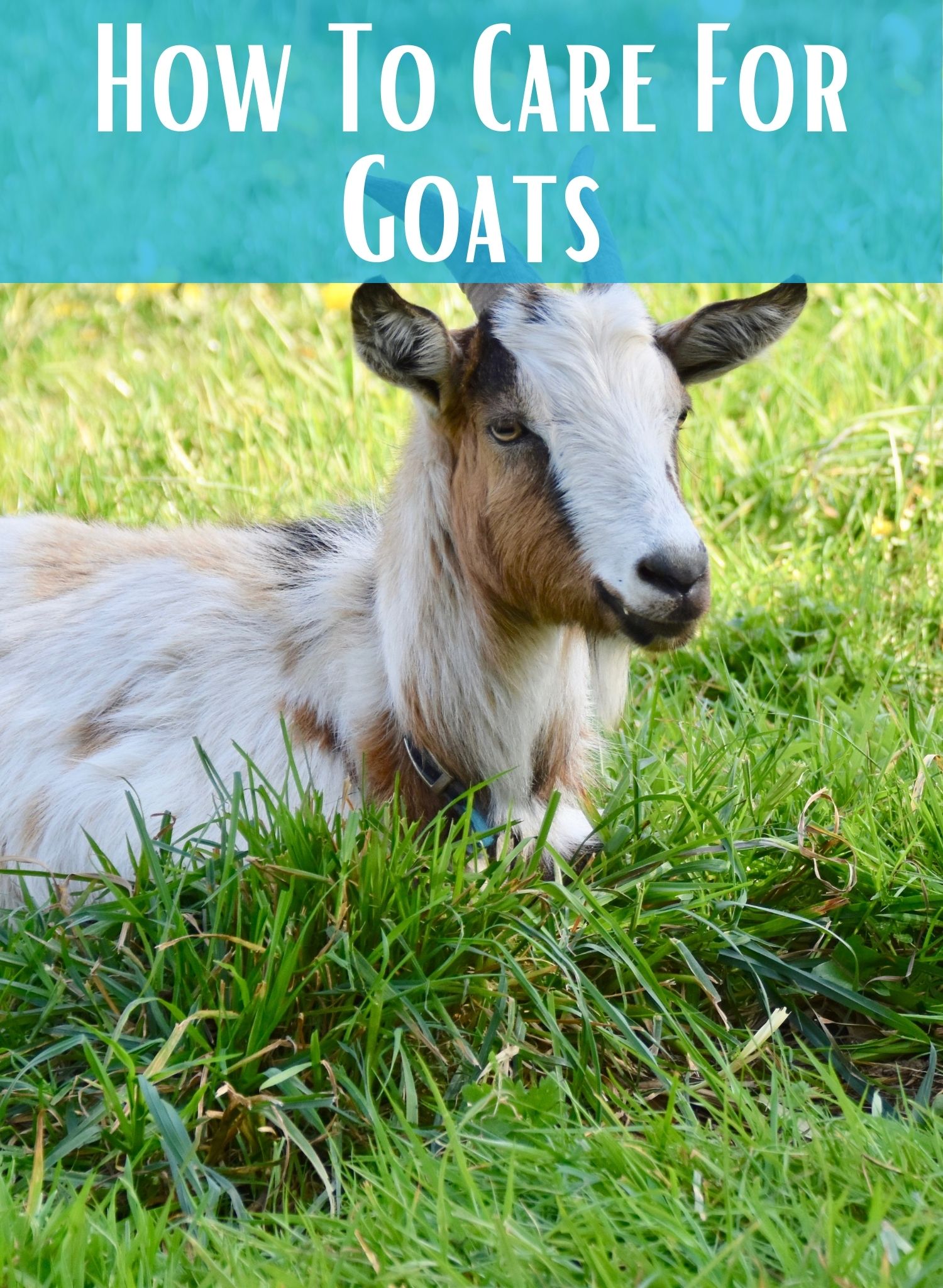
How To Care For Goats

July 13, 2024 by Leigh 6 Comments

So you’re thinking about getting a goat. You’re doing your research and probably thinking, “Whoa, there’s a lot to learn.” You would be right, but don’t let that stop you. Just by having some basic supplies on hand and a willingness to learn, puts you ahead of the game. Learning how to care for goats is actually pretty simple with the right supplies, resources and attitude. It would be impossible to write one post about caring for goats. It’s simply too much. But this post is a good start and below you can find our goat crash course.

Before we get too far into this, I have a great course on the basics of goat care. I call it Goat Crash Course: Goat 101. In this course, I explain things like types of shelter, types of feeds and hays, basic assessments and so much more! Check it out!

Buy Now

How To Care For Goats

When we first started looking into goats, I was extremely hesitant. I knew from research that they were a ton of work and hard to keep alive, but I didn’t realize how much more there was to learn. I have learned a ton in the years that I’ve been raising and managing goats. From caring for hooves to goat assessments, what medicines to keep on hand, and what goats can eat, the opportunities for education and adventure is never ending with goats.

Our herd health bundle helps you keep track of your herd’s health. Includes the goat assessment, herd check sheets AND Herd Health Tracker!

Buy Now

Medications to keep on hand

This is by no means a comprehensive list or replacement for veterinarian advise or treatment.

Vitamin B Complex is another necessity. When your goat isn’t acting 100%, sometimes it’s simple vitamin deficiency. Other times, their entire system is out of whack and you need to start working to get them back on track. The real need with the B complex is actually the thiamine in it. Goats will usually make their own but when their rumen is out of whack, they can get really sick. If you can get your hands on thiamine from the vet, I highly suggest that you get some.

LA200, Tylan 200 or similar antibiotic. Sometimes your goat will have a cough, gunky eyes or nose, or other infection. Having antibiotics on hand helps save you from a vet visit. As of this revision, you need a vet to get antibiotics. If you have a good relationship with your regular vet, they may be able to help you when it comes to your livestock.

Dewormers- now I could go in depth about the various types of dewormers. Both chemical and natural. But I’m not going to. The reason is because there are so many different types of parasites and treatment protocols for them, it would make this blog post insanely long. What I will say is talk to the person you are getting your goats from and see what they are giving their animals. That will point you in the right direction for care. I do talk in depth about deworming goats here if you are interested in it.

BluKote– This amazing can of awesome has literally saved our goat’s lives. I was told by a farmer once that BluKote is so good, it will regrow legs. And while obviously, that’s not true, it will help keep the leg from rotting off. It’s an antifungal, kind of antibacterial and quick drying agent. Stella got tangled up in sheet metal and sliced up all four legs in various spots. Some deep enough to need sutures. But have you ever tried to suture a goat? We sprayed this on her, kept her contained for a few days and within about 6 hours she had scabs and within about 2 days she was almost completely healed. So no, it won’t regrow legs. But it does protect the ones they have.

Before we get too far into this, I have a great course on the basics of goat care. I call it Goat Crash Course: Goat 101. In this course, I explain things like types of shelter, types of feeds and hays, basic assessments and so much more! Check it out!

Buy Now

Supplies to have on hand to care for goats

A thermometer is number one for a reason. Goats must stay around 101-103. This tells you a lot about what you could be dealing with. Too cold and you need to start actively rewarming them. Too warm and you may have an infection.

Syringes and Needles– Having a variety of different syringes is huge. I’ve got goats that range from 5# to 100# so having everything from 3cc-60cc syringes is extremely helpful. Also make sure that whatever size you get they are Luer Lock! Seriously, you do not want to be sprayed in the face with an antibiotic because the pressure shot off the needle. Yes, it’s happened. With needles, I highly recommend getting 20 ga or 18 ga. Anything smaller than 20 gauge and you will have a really hard time getting medication into a squirming goat. We use 18ga as a rule but we have 20s as well.

Free choice baking soda is a mineral that goats will eat to help soothe their stomach. Goats can bloat or become acidotic and baking soda can help them help themselves.

Free choice minerals is very important in making sure that they have ample minerals that your area may be deficient in. We use these as the goats love them. *** As of this revision (6/24) we use the goat mineral buffet from Avalon Farms and our goats love it. We have seen huge improvements in their health and coats. If you can’t get this or don’t have the “right set up” regular free choice is fine.

All the buckets. When you think you have enough, grab a couple more. We use a 5gal buckets for water and 3gal buckets for feeding. I attach the feed buckets to the fence with strong clips so they have plenty of space for everyone to have something. I also hang a couple of these on the fences to give even more options. It really helps to keep everyone from crowding on each other.

As long as you have plenty of ruffage, you shouldn’t need a lot of feed for them. Bucks, male goats, don’t get grain or at least not a lot. We fed our goats off the land for the first year to help get everything clear. Now we are bringing in pellets and grains to help supplement the hay until our pastures take hold. But really we could put them back in the briars and they would be very happy.

Hoof Trimmers– A couple pairs of hoof trimmers are great. Even better if you can take them apart to sharpen them. We’ve got probably 5 or so pairs around the farm. I like to have extras just in case one set is dull or we need to clean them while trimming hooves.

goat kidding

Before we get too far into this, I have a great course on the basics of goat care. I call it Goat Crash Course: Goat 101. In this course, I explain things like types of shelter, types of feeds and hays, basic assessments and so much more! Check it out!

Buy Now

Other Resources

I would also recommend getting into a couple of different goat groups on Facebook. Most vets do not see livestock and if they do see livestock, they are probably not well versed in goats. That being said, these different groups on Facebook are people with years and years of experience. I have trusted them with my babies on multiple occasions and they have helped me pull my goats through when a vet was clueless. Successful Goating With Rosie and Goat Emergency Team are the two that I recommend.

Lastly, enjoy your goats. Seriously, they are some of the coolest critters and I am so glad that Jared talked me into getting them. When I am stressed to the max with work, the kids, or anything, I go out and sit with my babies. They make all of it go away. How can Midas’ antics not put a smile on your face?

If you like the content I put out, feel free to buy us a coffee! It helps keep this site running, marketing and the goats in grain!

Buy me a coffee

If you like this post, feel free to share it and follow us below on our social media accounts!

  • Facebook
  • Pinterest
  • Instagram
  • YouTube
  • TikTok
  • Spotify
  • Threads

Filed Under: Animals, Goats, How To's Tagged With: Goats, Homestead, Welcome

JOIN TO OUR MAILING LIST!

Leave us your email to receive new posts and special offers for members only! Don't miss a thing!

Recent Posts

  • Fall Garden Guide
  • Top Mistakes With Goats
  • How To Bond With Your Goats

Breeding Goats Without A Buck

June 29, 2024 by Leigh Leave a Comment

I’m sure you’ve heard the horror stories of keeping a buck on the property with your does. You’ve probably heard that they stink to high heaven. Or that they will breed through fences… or say what fence. I’ve kept bucks since the beginning of our goating journey and while I don’t mind them, I can totally understand why people wouldn’t want to keep a buck. But if you are looking to breed for milk or meat or for whatever reason you decide, how do you go about breeding goats without a buck?

goat kidding

Before we get too far into this, I have a great course on the basics of goat care. I call it Goat Crash Course: Goat 101. In this course, I explain things like types of shelter, types of feeds and hays, basic assessments and so much more! Check it out!

Buy Now

Breeding Goats Without A Buck

First and foremost, breeding goats without a buck will not happen. You absolutely can’t do it. Basic biology says that you have to have sperm and an egg to make a fetus. BUT if you are not wanting to house bucks on your property long term, you do have some options. The 3 big ones are driveway breeding, seasonal bucks, or stud rentals….

Before we get into those ways of breeding without a buck, first I want to touch on why some people may not want a buck full time. I’ll tell you our experience with keep bucks full time so you can get a more rounded picture.

Why Not Keep A Buck Full Time

There are a lot of reasons not to keep a buck on your property full time. The first would be feeding. Bucks can consume a TON of food. And considering that for most farms or homesteads, they only have one purpose, to breed. So keeping around a buck that is going to eat a lot but only reproduce? That’s a tall order.

Another reason people don’t want to keep bucks is because they stink. Now, they only really stink during rut, but rut can last a long time. Rut is when bucks will fight other males, pee on their faces, and be a general nuisance.

cropped-3.jpg

Are you looking for garden journal prompts, but aren’t interested in a weekly email? Check out our 365 Garden Journal Prompts! This is an amazing, all in one, yearly product that you only pay for once.

Buy Now!

Fence jumping or fence breeding is another big concern with keeping bucks full time. We have had several very stubborn does that were going to get their man when they came in heat. Short of tethering those does, they were going to get bred through the fence. However, it was not uncommon for the bucks to jump fences to get to the girls.

Now that we’ve covered why not to have bucks, let’s talk about ways to breed without keeping a buck full time.

Our herd health bundle helps you keep track of your herd’s health. Includes the goat assessment, herd check sheets AND Herd Health Tracker!

Buy Now

Driveway Breeding

This option is exactly what it sounds like. You contact someone like me, who offers stud services, and tell them that you would like to use their buck to your does. This can be done in one of two ways. You bring your girls to the stud and let them do their thing in the driveway. Or they come to your does. Either way, the goal is the same, the hook up happens in the driveway.

There are some drawbacks to this option. The first is that if you missed your does heat cycle, you waste everyone’s time and stress the goats. The second is that if it doesn’t take, you have to do it again. Finally, trying to line up schedules to make sure that the goats get together at the right time can be a pain.

However, there are some pros to this style of stud service. Things like having full control over when babies are born, exactly what genetics you are adding to your herd, and not having the added expense and chores of a separated buck.

Before we get too far into this, I have a great course on the basics of goat care. I call it Goat Crash Course: Goat 101. In this course, I explain things like types of shelter, types of feeds and hays, basic assessments and so much more! Check it out!

Buy Now

Seasonal Bucks

Another great option, and the one most similar to what we use, is seasonal bucks. This is when you purchase a buck for the season and then either sell him at the end of your season or send him to freezer camp. I like this option the best because you don’t have to worry about trying to keep someone else’s buck alive for the season. This is your buck, not someone else’s.

Another reason why this is a good option is because you don’t have to keep a buddy for him. Remember, I told you here that goats are herd animals. That means that if you keep a buck full time and don’t keep your herd together at all times, you will have to have a wether for your buck to keep him company. But if you buy a buck in September for breeding spring and fall babies, and butcher in November, you don’t have to keep a wether.

The downside to this is the expense of purchasing a buck every year and then figuring out what to do with them afterwards. Especially, if you aren’t interested in sending it to freezer camp. I’ll tell you right now, it is extremely hard to sell bucks.

The Ultimate Homesteader’s Starter Bundle – Only $47!

Get the tools you need to stay organized, track profits, and manage your homestead with ease!

Includes:
✅ Schedule F Tracker – Simplify tax prep
✅ Profit Calculator – Track earnings
✅ Hay Calculator – Plan livestock feed
✅ Garden Journal – Digital & printable
✅ Herd Health Tracker – Monitor animal care
✅ Simple Budget – Manage finances
✅ Backyard Homestead eBook – Essential tips

$99 value – now just $47! Start your homesteading journey today!

Buy Now

Stud Rentals

This is something that we have done a few times with our bucks with mix results. Basically, you would contact your local goat or livestock group and ask if anyone rents out their bucks. You would select your buck, set terms like amount of time the buck will be at your homestead, any testing you would like done or have results for, and how much your willing to pay.

It’s not uncommon for stud rentals to be about $100/mo depending on what you are looking for. A show quality buck with all biosecurity testing could be upwards of $500/mo depending on your area. A registered buck could be a couple hundred. It really depends. Also, there is usually a contract of some sort that says if you break it, you buy it. Which is totally fair.

I think this could be the most bang for your buck if you know that you can’t send the buck to the freezer at the end of the season.

goat kidding

Before we get too far into this, I have a great course on the basics of goat care. I call it Goat Crash Course: Goat 101. In this course, I explain things like types of shelter, types of feeds and hays, basic assessments and so much more! Check it out!

Buy Now

Our Experience With Keeping Bucks

We have kept bucks full time from day one. I didn’t want the added expense and headache of trying to find stud services and constantly switch out bucks. There are some things of note that we have found work well for us.

We leap frog our bucks, getting a new one every year and sending the 2 or 3 year old buck to the freezer. Midas will be going to the butcher in November (2024) because he has fathered too many of our retained does. Maverick is our next herd sire, he will be allowed to hang with Midas and learn the ropes before it’s “his turn”. Then during kidding season (Early 2025), we will pick another buckling to be the following year’s herd sire. Maverick will have until November 2026 before he goes to freezer camp.

Our herd health bundle helps you keep track of your herd’s health. Includes the goat assessment, herd check sheets AND Herd Health Tracker!

Buy Now

Letting Bucks Be Bucks

Another thing we have found is that when we allow a buck to stay with his girls, he isn’t solely focused on breeding. In fact, he becomes a herd protector and has ran off coyotes and other predators. Is it full proof? No. But allowing animals to follow their natural instincts is amazing to watch.

We have found that if we keep our bucks separate from the girls, they are far stinky-er than if just leave them with the girls. So we will let the buck stay with his group of girls 24/7 and he doesn’t need to compete with the other bucks. However, they will absolutely pee all over themselves and get rowdy. But it’s not nearly as bad as when we have separated them.

I enjoy having the ease of keeping bucks on the farm. We will always have bucks here, especially because they will keep the girls in check and protected. That’s a win in my book.

If you like the content I put out, feel free to buy us a coffee! It helps keep this site running, marketing and the goats in grain!

Buy me a coffee

If you like this post, feel free to share it and follow us below on our social media accounts!

  • Facebook
  • Pinterest
  • Instagram
  • YouTube
  • TikTok
  • Spotify
  • Threads

Filed Under: Animals, Breeding, Goats Tagged With: Goats, Homestead

JOIN TO OUR MAILING LIST!

Leave us your email to receive new posts and special offers for members only! Don't miss a thing!

Recent Posts

  • Fall Garden Guide
  • Top Mistakes With Goats
  • How To Bond With Your Goats

What To Do With Squash

June 25, 2024 by Leigh Leave a Comment

Squash is a very prolific plant for us. We don’t have a ton of pressure from squash bugs, though we do have them. But it doesn’t take long before we are drowning in squash. If you have squash coming out of your ears, you have probably asked the magical Google what to do with squash. I’ve compiled a list of the various things we do with squash that not only feed us but our animals. Plus a bonus on what we do with winter squash.

The Ultimate Homesteader’s Starter Bundle – Only $47!

Get the tools you need to stay organized, track profits, and manage your homestead with ease!

Includes:
✅ Schedule F Tracker – Simplify tax prep
✅ Profit Calculator – Track earnings
✅ Hay Calculator – Plan livestock feed
✅ Garden Journal – Digital & printable
✅ Herd Health Tracker – Monitor animal care
✅ Simple Budget – Manage finances
✅ Backyard Homestead eBook – Essential tips

$99 value – now just $47! Start your homesteading journey today!

Buy Now

What To Do With Squash

Squash is one of the most versatile veggies in the garden. Probably second only to tomatoes and potatoes. It’s a fast growing and productive plant, that if you can keep healthy, will out produce EVERY plant in the garden. But when even you are rebelling against eating one more sauteed squash for dinner, it can be overwhelming.

There are two types of squash; summer and winter. Depending on where you live, you may be able to keep your winter squash without having to do anything with it. I’ll go over more on how to keep winter squash at the bottom of this post. But unless otherwise stated, this post is focused more on summer squash.

But I wanted to go over some of the ways that we use our squash so that we aren’t just throwing out moldy squash. There are three big things that we do with squash, besides fresh eating; freeze it, dehydrate it or give it to our animals.

Before we get too far into this, I have a great course on the basics of goat care. I call it Goat Crash Course: Goat 101. In this course, I explain things like types of shelter, types of feeds and hays, basic assessments and so much more! Check it out!

Buy Now

Freezing Squash

Freezing squash is a great way to extend the shelf life of this beloved veggie. Though there are some considerations. First is that very few things have the best texture when coming out of the freezer. So if that is going to be a problem, then don’t put your entire harvest in the freezer. Also make sure that you are washing your produce before you put it in the freezer!

When we put squash in the freezer, we usually slice it into half inch medallions and lay them on a tray with either parchment paper or silicone mats. This allows the squash to freeze separately before going in a bag. You don’t have to, but it makes thawing a lot easier. We will also cube it or grate it and store depending on what we need it for.

Squash will hold it’s shape well when thawing but it is usually going to taste better in soups, stews, or mashed up. We will use it in stir fry’s and have enjoyed it, but again, remember texture will be a thing.

Lastly, be aware that the more stuff you put in your freezer, the harder it will be to find it later. No matter how well you keep your freezers organized, it’s only a matter of time before you find a 6 year old bag of squash at the bottom of your freezer.

If you are new to heating with firewood and are looking to master the finer points of it. We’ve got a great eBook that goes in depth of what tools you should consider, how and where to stack, how to build a fire and so much more!

Buy Now

Dehydrating It

This is hands down my favorite way to store squash. It takes up less space and uses zero electricity to store. I also love the fact that I can set it and forget it, in the dehydrator. It’s not like it’s going to spoil sitting in a running dehydrator. I use this dehydrator and absolutely love it! Also, I go more in depth about dehydrating foods here.

I will chunk up several trays worth of various squash to put in the dehydrator. Then I turn it on to veggie and let it run until I remember it’s been going for 3 days…oops. Once it’s done, or I remember it exists, I will pump them into half gallon mason jars like this and store.

Now, you can and probably should put oxygen absorbers in there, but usually I don’t. I haven’t found any issues with not doing it. You can also use mylar bags, but I have found that keeping everything in jars is better for my set up. The reason I don’t bother with oxygen absorbers and bags is because I’m not usually storing for more than a year.

Are you getting overwhelmed in the garden? Stressed? Or just not enjoying the garden like you used to? Check out our garden prompts! We send out weekly emails that get you back in the garden and out of your head! Turn the garden back into a place of love and joy instead of frustration and headache!

Subscribe Now!

When it comes to using dehydrated squash, I usually throw it in soups and stews for extra veggies. It also helps absorb any extra water and flavoring.

To reconstitute dehydrated squash, I will fill the bottom of a bowl with however much I needed, then add boiling hot water over the top, covering the squash with several inches of water. If I need more water, I’ll add more as the squash absorbs it. But again, usually my dehydrated squash is going into soup.

Give Squash To Your Animals

Most animals can eat most squashes without worry. Yes, there will be outliers that can’t handle squash, but for the most part, squash is perfectly safe for animals to eat. But if you have questions, reach out to a vet. That being said, we will gladly give our animals excess squash.

Our chicken’s run is right next to the garden so when I fill my basket with squash, I will chuck whatever is ready but I can’t use over the fence to them. They love it! Plus this helps reduce our feed bill which is always a win win.

Also, the seeds from squash can act as a natural dewormer for your animals, so win, win, win.

When we feed squash to the goats, we do it in moderation AND we cut it into smaller pieces. Their mouths are not very big and we don’t want to cause them to choke.

goat kidding

Before we get too far into this, I have a great course on the basics of goat care. I call it Goat Crash Course: Goat 101. In this course, I explain things like types of shelter, types of feeds and hays, basic assessments and so much more! Check it out!

Buy Now

Storing Winter Squash

Finally, when it comes to winter squash, there are a few more things to consider. First and foremost, winter squash is grown for storage. The skin of it is thicker and able to withstand storage. Usually, you can store winter squash for about 3 months in ideal situations. This means a cool, dark place with good air flow.

The problem with that is I don’t really have an ideal place to store winter squash, whole. Come end of harvest season, my canning shelves are crammed with jars of food, storage items, potatoes, and other random bits. So my favorite way to store winter squash is to either can it or freeze it.

Usually, I will peel the squash, scoop the seeds and cube it. I will either flash freeze it (freezing on silicone mats or parchment paper) and put it into bags. Or I will go ahead and can it. I don’t usually dehydrate winter squash because it takes so long, but I’m not opposed to it either. It really depends on my mood and what I have going on at the time.

cropped-3.jpg

Are you looking for garden journal prompts, but aren’t interested in a weekly email? Check out our 365 Garden Journal Prompts! This is an amazing, all in one, yearly product that you only pay for once.

Buy Now!

I hope this helps you figure out what all you can do with your squash!

If you like the content I put out, feel free to buy us a coffee! It helps keep this site running, marketing and the goats in grain!

Buy me a coffee

If you like this post, feel free to share it and follow us below on our social media accounts!

  • Facebook
  • Pinterest
  • Instagram
  • YouTube
  • TikTok
  • Spotify
  • Threads

Filed Under: Dehydrating Food, Freezing, Garden, Working With Food Tagged With: Chickens, dehydrating, Eggs, food, freezing, Garden, Goats

JOIN TO OUR MAILING LIST!

Leave us your email to receive new posts and special offers for members only! Don't miss a thing!

Recent Posts

  • Fall Garden Guide
  • Top Mistakes With Goats
  • How To Bond With Your Goats

Traveling When You Homestead

June 22, 2024 by Leigh Leave a Comment

As I sit here writing this, I am supposed to be packing, cleaning and getting ready to hit the road in two days. We are going out of town for the Homesteaders Of America Conference in Virginia this weekend. Instead of packing and getting last minute chores done, I sit here thinking about all the things I need to do, but I am obviously not doing… Thanks ADD. But all of this did get me thinking that brand new homesteaders may be struggling with the logistics of traveling when you homestead.

The Ultimate Homesteader’s Starter Bundle – Only $47!

Get the tools you need to stay organized, track profits, and manage your homestead with ease!

Includes:
✅ Schedule F Tracker – Simplify tax prep
✅ Profit Calculator – Track earnings
✅ Hay Calculator – Plan livestock feed
✅ Garden Journal – Digital & printable
✅ Herd Health Tracker – Monitor animal care
✅ Simple Budget – Manage finances
✅ Backyard Homestead eBook – Essential tips

$99 value – now just $47! Start your homesteading journey today!

Buy Now

Traveling When You Homestead

When most people travel, they have to find someone to watch their dogs, cats, maybe a snake or lizard. Usually, it is not a big deal. But when you have gardens that need to be harvested, animals that need to be fed and watered, medications to be given, sometimes finding someone is extremely difficult.

Tractor Supply

I’m not going to lie, traveling when you homestead can be a logistical nightmare. It’s not as easy as it was pre homestead. But your days of traveling aren’t over, they just look a little different now. Some homesteaders rarely leave their property. Others will only travel a certain distance away. Still others will globe trot in the winter. There is no right or wrong answer to traveling and homesteading. It’s all about logistics.

goat kidding

Before we get too far into this, I have a great course on the basics of goat care. I call it Goat Crash Course: Goat 101. In this course, I explain things like types of shelter, types of feeds and hays, basic assessments and so much more! Check it out!

Buy Now

Our Travels

Pre-homestead, we just needed to find someone that could either stay at the house with our four dogs, two cats and three bearded dragons or at least let dogs out to go to the bathroom and feed them. Heading out for a quick overnight or weekend trip was as simple as calling one of Jared’s buddies from the fire department to have them do a drive by the house and let the dogs out. Rarely was it a big deal.

Post- homestead? There’s a lot more.

The first time we went out of town, we went to Yellowstone for a week. One of my friends from work was willing to stay the week and hang out with the animals. She had a crash course in goats and we prefilled their foods, medications and anything else we could to make her life easier. She did fantastic and I am extremely grateful for her.

The second trip is to Virginia for the conference. We were lucky that our neighbor is willing to help us out since he will be home all weekend. But how do you travel when you are knee deep in kidding season, or canning season?

Below is how I get prepared to leave the homestead for a few days.

If you are new to heating with firewood and are looking to master the finer points of it. We’ve got a great eBook that goes in depth of what tools you should consider, how and where to stack, how to build a fire and so much more!

Buy Now

Getting A Farm Sitter

The first thing to do is to line up your farm sitter for your trip. If you’ve got friends or family that is willing to help out, all the better. But if not, check with your local 4-H or FFA. There are a ton of kids that are well versed in farming and would love to make some money. You could also get in touch with your local feed store and see if they know of anyone that would be willing to come out and help.

There are a ton of people out there that are willing to help out if the pay is right. There is no set rate for this, either. Some people who only have a few chickens and need someone to harvest the garden is going to charge less than someone you load chores on.

Logo 468x60

Have your farm sitter come out to the farm to go over everything with you. I leave a typed list of all the things that need to be done in order of animals. So goats have their own list, dogs, chickens, etc.

If you have a friend coming over and they know nothing about feeding animals, go ahead and pre-fill buckets or jars with feed, so all they have to do is dump and go.

Save on Seeds

Clean Up Before You Go

This isn’t just cleaning your house. It’s mucking out the stalls, barns and coops and laying fresh bedding. Move chicken tractors, electric netting, etc. so that they don’t have to mess with it. It’s fresh sheets on the bed if they are spending the night. Make sure that they do not have to do that stuff while your gone.

When we leave, we make sure that the only thing they have to do is feed and water animals, let out dogs, and collect eggs.

Harvesting The Garden

First, let me just say this, planning a vacation in July/ August, is not the best possible scenario. Can it be done? Absolutely. But if there is a choice, maybe not go during peak harvest time.

If you are in mid swing with canning and harvesting the garden, life just got a little harder. But it’s still not impossible. When we went to Yellowstone, we told my friend, you can keep anything the garden produces and any eggs the hens lay. If you don’t want it, throw it to the chickens.

But if it’s the middle of August and you are harvesting the garden every day, that’s a lot of produce to “lose”. Here are some quick tips:

The farm sitter can have anything the garden produces.

Peppers can be frozen, tomatoes too.

Cucumbers and summer squash can go to the goats, chickens and pigs.

Watermelons can stay on the vine for a few days extra.

Look into other ways your produce can be saved until you get back and have your farm sitter do that.

goat kidding

Before we get too far into this, I have a great course on the basics of goat care. I call it Goat Crash Course: Goat 101. In this course, I explain things like types of shelter, types of feeds and hays, basic assessments and so much more! Check it out!

Buy Now

Other Random Chores

Sometimes you have to leave and you have a goat in milk. Or sometimes you had an accidental breeding and now you are going on vacation when your favorite doe is going to kid. You’ve got eggs in the incubator or you’ve got chicks in the brooder. Maybe you have a last minute trip and need to butcher chickens. Or you have a sick animal that needs medications.

All of these things happen. A good farm sitter is invaluable. In theory, you should find someone that is comfortable doing all of those things. The reality is Prior Proper Planning Prevents Piss Poor Performance. That’s not to say that anyone is at fault, quite the opposite. If you can plan around your vacation, and prepare your farm sitter, everything will be fine.

Tractor Supply

In the situation of a goat in milk, see if your farm sitter is comfortable milking. If not, try drying her up before you leave. If that won’t work, think about putting her baby back with her while you’re gone. Another option is to see if you have a goat friend that would be willing to keep her while you’re gone.

Prepare

The best thing you can do when you are preparing for travel is to be as prepared as possible. Our vet has our credit card on file so that if anything happens, we are good to go. We have lists for the farm sitter. Our neighbors are willing to help out and, not only do they have knowledge of animals but have actually met our animals.

Logo 468x60

Having a good infrastructure in place is also key to making sure that you are good to go. Setting up your farm to be automated, like automatic waterers for the garden and animals, helps tremendously.

Enjoy

Lastly, enjoy your trip! Seriously, you have probably earned it. Especially in the fall/ winter when everything is buttoned up for the season and it’s time to relax and plan for spring.

If you like the content I put out, feel free to buy us a coffee! It helps keep this site running, marketing and the goats in grain!

Buy me a coffee

If you like this post, feel free to share it and follow us below on our social media accounts!
  • Facebook
  • Pinterest
  • Instagram
  • YouTube
  • TikTok
  • Spotify
  • Threads

Filed Under: Animals, Chickens, Goats, How To's, Our Homestead, Pigs Tagged With: Eggs, Goats, Homestead, traveling

JOIN TO OUR MAILING LIST!

Leave us your email to receive new posts and special offers for members only! Don't miss a thing!

Recent Posts

  • Fall Garden Guide
  • Top Mistakes With Goats
  • How To Bond With Your Goats

Homesteading On A Budget

June 18, 2024 by Leigh Leave a Comment

This blog has been up and running for several years now and one of the topics that I don’t usually cover is finances. There’s a lot of reason for that, but one of the biggest is that I don’t feel overly qualified to offer a lot of financial advise. I can’t tell you who you should invest your money with or the best way to raise your credit score. But I do feel qualified to tell you how we do things here on our homestead. So here is how we have tackled homesteading on a budget.

The Ultimate Homesteader’s Starter Bundle – Only $47!

Get the tools you need to stay organized, track profits, and manage your homestead with ease!

Includes:
✅ Schedule F Tracker – Simplify tax prep
✅ Profit Calculator – Track earnings
✅ Hay Calculator – Plan livestock feed
✅ Garden Journal – Digital & printable
✅ Herd Health Tracker – Monitor animal care
✅ Simple Budget – Manage finances
✅ Backyard Homestead eBook – Essential tips

$99 value – now just $47! Start your homesteading journey today!

Buy Now

Homesteading On A Budget

First and foremost, you should absolutely have a budget. Not just for your regular finances, but also for any projects or animals you have. One of the things I have seen over and over, and fell victim to ourselves, is not having a solid budget. Next, you should always plan for failure. While it may seem counter productive, it’s always better to be ready for failure than caught with your pants down. Finally, you should never, ever rely on new income sources to cover something.

This isn’t an end all be all list of homesteading on a budget. But it is a place to start.

Start With A Budget

It is shocking to me that even now, in 2024, people still don’t have or know how to budget. This is so weird to me because we’ve always had a budget. It’s a product of growing up poor and staying poor for a long time. Hell, having a budget is what eased us out of poverty and into solidly middle income.

When it comes to homesteading, you should have your regular budget for paying bills and getting food, gas, clothing, etc. But you should also be budgeting what projects, animals or other “add ons” you will be adding to your homestead.

A prime example of this was the greenhouse. We knew that we wanted a greenhouse and that we did not want a kit greenhouse. So we had to figure out how to build it, draw it up, purchase materials and begin. The problem with any project like this is that you are going to forget something. So making sure to have an extra buffer built into your budget is a great way to not get stuck.

The Ultimate Homesteader’s Starter Bundle – Only $47!

Get the tools you need to stay organized, track profits, and manage your homestead with ease!

Includes:
✅ Schedule F Tracker – Simplify tax prep
✅ Profit Calculator – Track earnings
✅ Hay Calculator – Plan livestock feed
✅ Garden Journal – Digital & printable
✅ Herd Health Tracker – Monitor animal care
✅ Simple Budget – Manage finances
✅ Backyard Homestead eBook – Essential tips

$99 value – now just $47! Start your homesteading journey today!

Buy Now

Types of Budgets

It doesn’t necessarily matter what kind of budget you use. This post from Nerd Wallet is a great place to get started if you need a little more help figuring out what kind of budget will work for you. It could be a zero budget, where every penny of income is accounted for and you zero out your bank account every month. It could be the 50/30/20 budget were 20% goes to savings, 30% goes to wants, and 50% goes to necessities. Or a pay yourself first budget that focuses on savings first.

We follow a mix of these budgets. Because I am a spender and Jared is a saver, we use that to our advantage. Basically, just enough money goes into our main account to pay bills, take care of the homestead and some “fun” money. Then the rest goes into his savings to cover bigger projects for the homestead, putting money back for big purchases like purchasing a whole cow or into our emergency fund.

The most important thing is to have a budget and that it accounts for everything. A budget that doesn’t account for chicken feed isn’t going to do you any favors if you are constantly having to dip into other funds to pay for your chicken feed.

Before we get too far into this, I have a great course on the basics of goat care. I call it Goat Crash Course: Goat 101. In this course, I explain things like types of shelter, types of feeds and hays, basic assessments and so much more! Check it out!

Buy Now

Planning For Failure

I wrote a blog post about planning for failure here, but it’s mostly geared towards earning an income from the farm. It doesn’t really talk about planning for failure on plain ole homestead. So I wanted to touch on what planning for failure means to your budget and homestead.

Planning for failure on the homestead really revolves around having back up plans. It’s the same idea that you won’t start an emergency garden in the middle of an emergency. You should start it when you don’t HAVE to rely on it to feed you. That way you can learn and grow that muscle first.

Planning for failure looks like having 2 proven milk goats if you are trying to move away from store bought milk and cheese. Because if one of those goats goes down, you have a back up. It’s better to have to figure out what to do with too much milk, than not enough.

But when it comes to finances, it means that a $1,000 emergency fund is not enough. To be honest, regardless if you homestead or not, that is a tiny emergency fund to start with, especially with inflation. But on a homestead, it’s WAY too small. If your well pump goes out, that can be a $3,000 fix. A call and visit to the vet can easily rack up thousands of dollars.

As you are setting up your budget, make sure that you are taking into account what will happen if your garden fails and you don’t get a lot of food. Take into account a freezer failing at any point. Make sure that you have back up plans.

Are you getting overwhelmed in the garden? Stressed? Or just not enjoying the garden like you used to? Check out our garden prompts! We send out weekly emails that get you back in the garden and out of your head! Turn the garden back into a place of love and joy instead of frustration and headache!

Subscribe Now!

Never Count Chickens Before They Are Sold

Everyone is guilty of expecting one thing to happen, and then it either doesn’t or something worse happens. It’s equally true here. In fact, this saying exemplifies homesteading. Do not expect that 50 tomato plants will produce enough for your family until you have consistently maxed those plants production.

If you are working on a new income stream, like a farmers market, don’t rely 100% on that to feed your family. You should absolutely hustle like it’s the only income you’ll have, but you should plan that it won’t. Just in case.

If I had quit my job to focus on the farmers market, we would have been sunk. If I had quit my job to focus on this blog, we would have been sunk. And yes, you should go at every new venture as if your life depends on it, but in these crazy times, I’m not willing to risk my family, finances, and farm to rash decisions.

The Ultimate Homesteader’s Starter Bundle – Only $47!

Get the tools you need to stay organized, track profits, and manage your homestead with ease!

Includes:
✅ Schedule F Tracker – Simplify tax prep
✅ Profit Calculator – Track earnings
✅ Hay Calculator – Plan livestock feed
✅ Garden Journal – Digital & printable
✅ Herd Health Tracker – Monitor animal care
✅ Simple Budget – Manage finances
✅ Backyard Homestead eBook – Essential tips

$99 value – now just $47! Start your homesteading journey today!

Buy Now

How Homesteading On A Budget Works For Us

I’ve mentioned in various points how we do it, but I will condense it down all right here for you.

First, we work full time jobs and that pays our bills, projects, and other homestead stuff. We are not at a point where the farm can sustain us. Plus, we really like our jobs.

Second, we try to only take on projects that can be self sustaining. That means that we don’t want to have to work our asses off off farm, to pay for the farm. So little to no inputs to keep that project running. For example, we don’t feed a lot of feed to our chickens. They get kitchen scraps, from home and work, and forage for bugs and grass.

Third, we use our financial habits to our advantage. Jared saves money, I don’t. So I’m not in charge of saving money. I get the bills paid, food/feed bought, and plan projects. Jared saves every penny so that when the time comes, we can build the new decks, purchase meat animals, etc.

Fourth, we account for EVERYTHING and plan for failure. This helps keep things from popping up. And while there are still surprises, it’s not as terrifying because we have back up plans to the back up plans.

Fifth, we have monthly, quarterly and yearly finance meetings were we sit down and actually go through our finances and figure out what is happening, is it working and where we want to go from here. I am a firm believer in money talks with the whole family, but specifically your spouse.

Finally, while we hold each other accountable, we also give grace. Life is hard, there is not reason to make it harder by constantly arguing with your person about money. So keeping accountability is important, but so is kindness and grace.

If you like the content I put out, feel free to buy us a coffee! It helps keep this site running, marketing and the goats in grain!

Buy me a coffee

If you like this post, feel free to share it and follow us below on our social media accounts!

  • Facebook
  • Pinterest
  • Instagram
  • YouTube
  • TikTok
  • Spotify
  • Threads

Filed Under: Frequently Asked Questions, Homestead Planning Tagged With: budget, Goats, homesteading

JOIN TO OUR MAILING LIST!

Leave us your email to receive new posts and special offers for members only! Don't miss a thing!

Recent Posts

  • Fall Garden Guide
  • Top Mistakes With Goats
  • How To Bond With Your Goats

Making Homestead Changes

June 15, 2024 by Leigh Leave a Comment

Sometimes, and I would say with regularly, your life will change. It could be massive changes that totally rip your world apart, taking your sense of stability, safety and self away. Or it could be tiny, miniscule changes that feel good that you realize actually help you. And we all know that change is hard. Sometimes those changes make you feel like a failure, especially when it comes to your hopes and dreams. But I wanted to give you some examples of making homestead changes that we have made over the last year. I want to give you our reasoning, thoughts and how it’s working out. So that maybe, you won’t be so overwhelmed or frustrated with your own changes.

The Ultimate Homesteader’s Starter Bundle – Only $47!

Get the tools you need to stay organized, track profits, and manage your homestead with ease!

Includes:
✅ Schedule F Tracker – Simplify tax prep
✅ Profit Calculator – Track earnings
✅ Hay Calculator – Plan livestock feed
✅ Garden Journal – Digital & printable
✅ Herd Health Tracker – Monitor animal care
✅ Simple Budget – Manage finances
✅ Backyard Homestead eBook – Essential tips

$99 value – now just $47! Start your homesteading journey today!

Buy Now

Making Homestead Changes Is Hard

We have had to step back and really look at not only our homestead goals but also our family and financial goals. We had to really look at what we were spending money on and if those things really served our end financial goal. And we looked at what these things were doing to our family and if that was how we wanted to live.

We had to be really honest with ourselves and our family and make some hard decisions. And I like to think that after making these changes, we will start moving in a better and more peaceful direction.

We sold half our goat herd

This decision was a really hard one. I love my goats, all of them, but we were running into issues with hay and feed. We could afford it, but it was taking money away from other projects and savings. To feed all 15 goats for the month, I was having to spend about $1,000. That is insane.

We had to figure out who to sell and who to keep. It was an easy choice for the babies because only Goose and Maverick were being retained, all other babies were sold. Then we looked at our adults and decided that we couldn’t keep low producing mommas. So that meant that Oakley and Bailey were up. Then we looked at our bucks. Midas has been a proven breeder of healthy kids so we decided to keep him.

The goats went to a wonderful home were they get to jump and play and get all the snuggles. So I’m not terribly upset.

But making this change was important to keeping money on the farm. We are working towards retirement, not spend every penny on animals. Not to mention that it was getting overwhelming with trying to manage 15 goats plus work full time, and and and. We are down to 9 now and it’s much more manageable now.

goat kidding

Before we get too far into this, I have a great course on the basics of goat care. I call it Goat Crash Course: Goat 101. In this course, I explain things like types of shelter, types of feeds and hays, basic assessments and so much more! Check it out!

Buy Now

We decided to hold off on the farmers market this year

We paid to be apart of a locals farmers market this year and I prepped everything to center around it. As we were coming closer and closer to it, I realized that we had nothing to sell. Our chickens still weren’t producing eggs, our garden had just been put in, and I had absolutely NOTHING made to sell.

Not to mention that for us to actually make it to the market, one of us would have to be off work. Because it’s not as easy as just showing up. You’ve got to pick and wash produce, collect, wash and package eggs, load up the truck, unload the truck, and then hope that there are people at the market.

While that’s not really a big deal for most farmers, it is for us. Due to our schedules, we could really only make one market every week if we pushed it. I sat down with planners to try and figure out how we would get there and what we would sell and I just couldn’t figure out how to make it work.

Not to mention we got a late start on the garden, again. So after talking to Jared, we decided that we wouldn’t do the market just yet. We still had too many projects and things on the homestead that needed to get done. Plus, it’s easier for us to pick up shifts than to gamble that the market will pay us what we could have worked in overtime.

The Ultimate Homesteader’s Starter Bundle – Only $47!

Get the tools you need to stay organized, track profits, and manage your homestead with ease!

Includes:
✅ Schedule F Tracker – Simplify tax prep
✅ Profit Calculator – Track earnings
✅ Hay Calculator – Plan livestock feed
✅ Garden Journal – Digital & printable
✅ Herd Health Tracker – Monitor animal care
✅ Simple Budget – Manage finances
✅ Backyard Homestead eBook – Essential tips

$99 value – now just $47! Start your homesteading journey today!

Buy Now

We decided to let ourselves “play”

We all know the saying all work and no play makes Jack a dull boy. Well, one of the things about homesteading is that it tends to take over your entire life. And that’s not necessarily a bad thing. There is an immense amount of joy and pride that comes from planting and harvesting your garden, storing food and raising animals.

But the cool thing about being an adult, is that you get to have several, totally different hobbies. I’m not just a homesteader. I’m an avid reader and love tinkering on projects. I enjoy learning new things. I love to write and LOVE renovating my home. All of these things have gotten pushed to the back burner for the last several years in effort to get the homestead running.

After talking to Jared about these various things, we decided that maybe it wouldn’t be such a bad idea to start leaning into our other hobbies. He loves to work on engines. I love to make things. Why can’t we do those things too? And what does that look like?

Because I’m going to tell you, you will absolutely burnout on homesteading if all you do is eat, breathe and sleep homesteading. You should take a break to enjoy the things that you love that don’t have anything to do with homesteading.

And it’s hard. Because it takes money away from the homestead. But your mental health and wellbeing is WAY more important than making sure that you sink every ounce of energy and dollar into your homestead.

We decided not to do meat chickens this year

Well, that’s not entirely true. We are still going to do meat chickens. But instead of doing a hundred, doing classes, etc. We decided that we were just going to get a couple. We don’t eat that much chicken because we order whole cows and hogs. Plus, we don’t really like chicken.

Our original plan was that we were going to order 150 chicks, raise them and then offer classes every other weekend until they were all butchered. While we may still do that, it will be on a much smaller scale. Because raising, moving, and feeding that many chicks is expensive and hard work.

It puts a lot of strain on Jaxson (our youngest) because he is the keeper of the chickens. We help him out, but ultimately, he is responsible for making sure that they are fed, watered and moved. He asked if we could do less this year and we absolutely agreed.

The Ultimate Homesteader’s Starter Bundle – Only $47!

Get the tools you need to stay organized, track profits, and manage your homestead with ease!

Includes:
✅ Schedule F Tracker – Simplify tax prep
✅ Profit Calculator – Track earnings
✅ Hay Calculator – Plan livestock feed
✅ Garden Journal – Digital & printable
✅ Herd Health Tracker – Monitor animal care
✅ Simple Budget – Manage finances
✅ Backyard Homestead eBook – Essential tips

$99 value – now just $47! Start your homesteading journey today!

Buy Now

Making Your Homestead Changes

I’ve talked a lot about homestead goals, how to deal with overwhelm, how to work full time and homestead, and so much more on this blog. And I’ve always said that if you get overwhelmed take a step back and evaluate what you are doing. If you are burning out, look at what you can change to stop it.

And making those changes looks good on paper. I was so excited about not being so stressed about the goats, only to feel the emotional tug of having them leave the farm. I was so relived that we decided to limit the amount of chickens we raised, only to get gut punched at the financial issues of not putting on those classes. And I am so excited to get my motorcycle and “play time”, but not prepared for the guilt of “taking” my own money.

I can’t help you with making homestead changes. Those are things that you have to really look at and decide if making those changes will satisfy you. You have to look at your goals and your big picture and do a lot of introspection.

But I can tell you this, while the changes are hard, if you have really thought about what you are going to do and why? It’s a lot easier to make a change.

If you like the content I put out, feel free to buy us a coffee! It helps keep this site running, marketing and the goats in grain!

Buy me a coffee

If you like this post, feel free to share it and follow us below on our social media accounts!
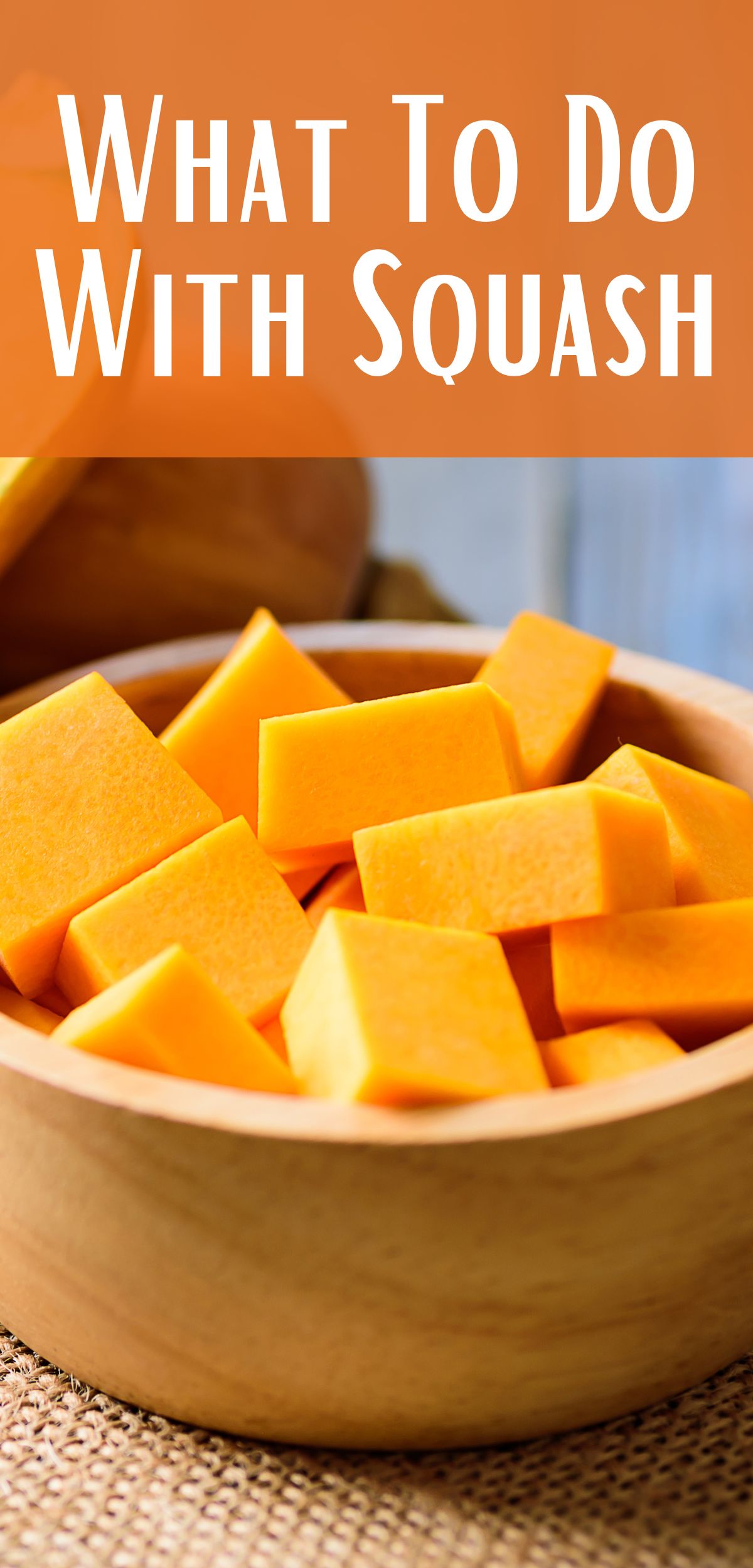
  • Facebook
  • Pinterest
  • Instagram
  • YouTube
  • TikTok
  • Spotify
  • Threads

Filed Under: Garden, Homestead Planning, How To's Tagged With: goals, Goats, Homestead, Pigs

JOIN TO OUR MAILING LIST!

Leave us your email to receive new posts and special offers for members only! Don't miss a thing!

Recent Posts

  • Fall Garden Guide
  • Top Mistakes With Goats
  • How To Bond With Your Goats

What I Learned During My First Goat Kidding

June 4, 2024 by Leigh Leave a Comment

******Contains graphic images!!******

Imagine being pregnant with your first child or your partner is. You are worried about the labor and everything is a sign that labor is imminent. That twinge in the back? Must be labor. If you have ever been in labor, and now you are watching for your goat to be in labor, it is completely different. Welcome to the “other side” were you are now a spectator and hopefully not a participant. The unbelievable experience of watching your first goat kidding is amazing, terrifying and one of the coolest experiences.

goat kidding
goat kidding

Before we get too far into this, I have a great course on the basics of goat care. I call it Goat Crash Course: Goat 101. In this course, I explain things like types of shelter, types of feeds and hays, basic assessments and so much more! Check it out!

Buy Now

My First Goat Kidding

We started baby watch with Champ on March 21st. I started my checks earlier because I had no idea what I was doing or looking for. Checking ligaments became a multiple times a day thing. Taking a peak to see if any discharge was showing up. I called the vet who explained all the different things that need to happen in the weeks leading up to birthing, including not eating. Two weeks of stressing about my best girl and she was finally in labor!

She’s in labor!!

I texted our breeder because she’s been waiting just as much as I have and got together all my stuff. Now, I’m pretty extra when it comes to my babies. They get everything I can possibly give them when they are in situations like this. I grabbed molasses water to help with her energy levels. She had fresh grain and alfalfa pellets, and hay. I also had tons of towels, puppy pads and other stuff just in case.

Save on Seeds

The Kidding

The first baby’s front and back leg came out. I had to attempt to reposition and by the time she came out she was stillborn. The second baby was Stella, and she came out perfect. I had to help just a little bit and then dry her off. The third baby was one hoof, then the 2nd but the head was back. I fought for 20 minutes trying to reposition this baby to get her out and just couldn’t.

I tried resuscitating the first and third babies but they were too far gone. It was one of the hardest things I’ve ever done as a homesteader. As much as I wanted those babies to live, it was probably better for Champ that they didn’t. We would have had to pull at least one to raise as a bottle baby and she would never had produced enough milk for them.

Logo 468x60

In the end, we had three gorgeous doelings but Stella was the only one to live. We think that when our other goat Bella, rammed and then rolled Champ it moved the babies and started her labor early. But we will never know.

Stella is great and has been gaining weight like a champ. Champ has also been gaining a ton of weight which is fantastic because we were really worried about her. Her milk has come in and she really is a good momma.

So What Did I Learn About Goat Kidding?

  • More towels are always better. Seriously, I used 10 towels for three babies…..
  • Puppy pads are great if they doe actually stays on them.
  • Get a pull chain. My fingers are too big for both my fingers and the baby’s head to come through the birth canal.
  • Don’t panic. It will ultimately be okay, even if it doesn’t seem like it.
  • Watch ALL the difficult kidding videos. It could save your doe and kids life.
  • Not all labors go the same. The vet said she would stop eating and she ate between pushing.
  • Discharge may not start until just before labor and not 12-24hrs in advanced. Try like two hours.

But I wouldn’t change a bit of it. I love my goats and Champ and Stella are the best girls!

Future Goat Kidding

I could go in depth about the various times that my girls have gone into labor. If you are interested in how to tell if your goat is in labor, I have a post here that could help. I could tell you all the things I think you need when during your goat kidding. But the reality is that it’s not going to help a lot when your in the trenches. The biggest take away is to stay calm and be ready to intervene. That’s how I have gotten through the years of goats being born on the farm.

But I’ve also got some tips to help you BEFORE your doe kids. I call them safe breeding techniques.

Before we get too far into this, I have a great course on the basics of goat care. I call it Goat Crash Course: Goat 101. In this course, I explain things like types of shelter, types of feeds and hays, basic assessments and so much more! Check it out!

Buy Now

Safe Breeding Techniques

One of the things I come back to, year after year, is that livestock (for the most part) don’t need help laboring IF you practice safe breeding techniques. Things like matching your buck to doe and not breeding young does. These are very important and while normally it’s okay, sometimes it’s not.

For example, breeding a full size Nubian buck to a small Nigerian doe is going to cause a problem. This is going to cause the kid/s to be WAY too big for the doe to successfully push out. Can they do it? Sure, it happens. But the risk isn’t worth the reward.

Another example is not breeding too young does. This comes down to a lot of factors and your own philosophies. I do not intentionally breed does that are younger than 1 year old or below 80% of their full weight/size. I say intentionally because fence breeding can and does happen. When it does, you need to either be ready to terminate the pregnancy or prepare for a c section.

We have been very lucky that our bucks are happy to not go after our does even in the height of rut as long as we keep everyone fed and entertained. We’ve had a couple fence breedings though so it’s not foolproof. Thankfully, it was due to a horny nanny goat and not because of a jumped fence.

Our herd health bundle helps you keep track of your herd’s health. Includes the goat assessment, herd check sheets AND Herd Health Tracker!

Buy Now

Practicing Safe Breeding Techniques PRIOR

When you are starting to purchase your herd, make sure that you are paying attention to what you are buying. I’ve said it before, and I will say it again and again, livestock are not pets. While most of us have a soft spot for our animals (no matter if they are hooved, clawed, feathered or furred), when you are purchasing livestock, don’t just purchase to purchase.

This means that if you are breeding for milk, you purchase strong milk lines. If you are breeding for meat, you purchase strong meat lines. Don’t just purchase goats and expect them to be great milkers or for meat.

Purchasing goats from auction can almost guarantee that those goats are, at best not what you are looking for and at worse not healthy (there are exceptions to the rule). Your heart got in the way of your head and now you have a goat that can’t live without constant care. That’s what we had with Champ.

My best piece of advise for new goat owners is to set out your goals for those goats and only get goats that fit within those goals. I’m not saying don’t save that goat, I’m saying if your goal is to have milk, don’t purchase goats that can’t meet your needs.

For example, we are currently working on building our own homesteading lines. The goal is goats that are hardy and can produce milk, meat, and money. That means that we are purchasing does that have the ability to produce a gallon of milk a day. A buck that can produce stout kids that can will get at least 75# of meat at one year.

Our herd health bundle helps you keep track of your herd’s health. Includes the goat assessment, herd check sheets AND Herd Health Tracker!

Buy Now

If you like the content I put out, feel free to buy us a coffee! It helps keep this site running, marketing and the goats in grain!

Buy me a coffee
  • Facebook
  • Pinterest
  • Instagram
  • YouTube
  • TikTok
  • Spotify
  • Threads

Filed Under: Animals, Goats, How To's Tagged With: Goats, Homestead, Welcome

JOIN TO OUR MAILING LIST!

Leave us your email to receive new posts and special offers for members only! Don't miss a thing!

Recent Posts

  • Fall Garden Guide
  • Top Mistakes With Goats
  • How To Bond With Your Goats
  • « Go to Previous Page
  • Page 1
  • Interim pages omitted …
  • Page 3
  • Page 4
  • Page 5
  • Page 6
  • Page 7
  • Interim pages omitted …
  • Page 10
  • Go to Next Page »

Primary Sidebar

WELCOME

WELCOME

My name is Leigh and I am the lead chaos creator here at Steel Raven Farms. You will see throughout this blog that I am the crazy goat lady.

I am married to my high school sweetheart, Jared and we have two amazing boys.

FOLLOW ME

  • Amazon
  • Facebook
  • Instagram
  • Pinterest
  • TikTok

GET UPDATES!

Leave us your email to receive new posts and special offers for members only! Don't miss a thing!

In all the years that I’ve been growing a garden, the fall garden has steadily remained my favorite. Which is funny because I don’t really like any of the brassicas, which is what most people know the fall garden for. I prefer the root vegetables and cool air. But I have learned over the years…

Read More

  • Animals
    • Chickens
    • Farm Dogs
    • Goats
  • Garden
    • Compost
    • Garden Projects
    • Seeds and Plants
    • Garden Journal
    • Working With Food
      • Recipes
      • Freezing Foods
      • Dehydrating Foods
      • Canning Tips And Tricks
        • Canning Inventory Sheets
  • Helpful Info
    • Welcome to the Homestead!
    • Emergency Preparedness
    • Frequently Asked Questions
    • Goal Setting
    • Project List
    • Shop Digital Products
      • Hay Calculator
      • Farm Expense And Income Tracker
      • Goat Crash Course: 101
      • Garden Journal Prompts
      • Schedule C Tracker
      • Schedule C Tracker
      • The Homestead Bundle
  • The Truths
  • Episode List
  • Start Here
    • Privacy Policy
    • Affiliate Disclosure
    • Let’s Get in Touch
    • Members Only Library
    • Welcome To Our Homestead

Footer

  • Email
  • Facebook
  • Instagram
  • Pinterest

COME AND GET IT!

Leave us your email to receive new posts and special offers for members only! Don't miss a thing!

· Midnight Theme

Copyright © 2026 · Midnight Theme on Genesis Framework · WordPress · Log in