• Skip to primary navigation
  • Skip to main content
  • Skip to primary sidebar
  • Skip to footer

Steel Raven Farms

Where muck boots meet ground.

  • Animals
    • Chickens
    • Farm Dogs
    • Goats
  • Garden
    • Compost
    • Garden Projects
    • Seeds and Plants
    • Garden Journal
    • Working With Food
      • Recipes
      • Freezing Foods
      • Dehydrating Foods
      • Canning Tips And Tricks
        • Canning Inventory Sheets
  • Helpful Info
    • Welcome to the Homestead!
    • Emergency Preparedness
    • Frequently Asked Questions
    • Goal Setting
    • Project List
    • Shop Digital Products
      • Hay Calculator
      • Farm Expense And Income Tracker
      • Goat Crash Course: 101
      • Garden Journal Prompts
      • Schedule C Tracker
      • Schedule C Tracker
      • The Homestead Bundle
  • The Truths
  • Episode List
  • Start Here
    • Privacy Policy
    • Affiliate Disclosure
    • Let’s Get in Touch
    • Members Only Library
    • Welcome To Our Homestead

Garden

When To Plant A Garden

August 27, 2024 by Leigh Leave a Comment

Have you ever wondered when to plant a garden? If you live and breathe based on your zones, you could also be in for a world of hurt. But there are a lot of nuances to planting a garden that may make you freeze up and think, I can’t start a garden right now. But you CAN start a garden right now, you just need some insights to do it “right”. So when do you plant a garden? Let’s talk about it.

If you are interested in learning more about my favorite garden planner. I highly recommend Seedtime! This planner has been instrumental in helping me plan out my gardens with WAY more efficiency than I could ever expect! It has also reduced overwhelm, stress, and calmed my ADD/ADHD!

More Info!

When To Plant A Garden

To start with there are several different zones, frost dates, and ole timers that all say something different. But how do you know which is right for you? If you are new to gardening and don’t really have any experience or are just new to your area and aren’t sure about your specific growing climate, I suggest using your frost dates. I’m going to walk you through my entire system and how and when I actually plant my spring, summer and fall gardens.

Are you getting overwhelmed in the garden? Stressed? Or just not enjoying the garden like you used to? Check out our garden prompts! We send out weekly emails that get you back in the garden and out of your head! Turn the garden back into a place of love and joy instead of frustration and headache!

Subscribe Now!

Frost Dates

First thing first, you need to look up your frost dates. This is as simple as Googling “What are the frost dates for X city.” PS: X city is your city. Google may not be able to give you an answer for your specific zip code, so you may end up having to figure out your next closest city and use those frost dates. My first frost date is October 31st and my last frost is April 15th.

Next, grab a pocket calendar from your local dollar store or order one like this off Amazon. Put your dates in the calendar. You can use whatever calendar you have but it does need to be something that you are going to keep track of. We don’t want to put this much work into a planner to never touch it again….. Guilty.

Finally, you are going to count back from your first frost to your last frost. Google makes this really easy. Simply type “How many days from X date to X date.” Google will spit out the answer. You can also search for a week count that tells you how many weeks from this date to that date. I like to use days so that I can figure out how many days the plant needs vs how many day the plant will get.

cropped-3.jpg

Are you looking for garden journal prompts, but aren’t interested in a weekly email? Check out our 365 Garden Journal Prompts! This is an amazing, all in one, yearly product that you only pay for once.

Buy Now!

Tips For Frost Dates

Depending on what season you are in and your dates, there is usually something that you can plant year round. If you live far north or in extreme climates, you need to pay more attention to what you are planting and when, but for us that isn’t a problem.

Also, remember that just because your frost date is closing in, doesn’t mean that you can’t plant something. You may end up with plenty of time to plant extra plants. Or you may just need to take some precautions. If you wanted to plant some squash but you know you are going to be pushing close to your frost date, through a sheet or blanket over the plant at night time.

For example, I want to plant squash but I know I’m close to my frost date, I would look at my seed packet to see how many days to maturity. Summer squash usually takes 40-60 days. But the fruit doesn’t get to edible size until about 2-3 weeks later. So to make sure that I have plenty of days, I will assume that it will take 90 days from seed to table. That means that, for my first frost date of Oct 31st, I need to plant by August 2nd. But if I miss that date, and I plant summer squash on September first, I may have to protect that plant for a couple of weeks.

If you are interested in learning more about my favorite garden planner. I highly recommend Seedtime! This planner has been instrumental in helping me plan out my gardens with WAY more efficiency than I could ever expect! It has also reduced overwhelm, stress, and calmed my ADD/ADHD!

More Info!

Planting A Spring Garden

For us, a spring garden isn’t really “smart”. I do it anyways because come February I am begging to play in the dirt. The reason that a spring garden isn’t “smart” is because it tends to be a waste of time and seeds. Our springs in Georgia flip flop worse than a politician during election season. You will have an 80* day and a 25* night and the next day will be 40*. Then next day will be 80* again. You’ll have torrential downpours that turn to ice overnight. It’s insanity.

To plant my spring gardens, I check my calendar and see when my last frost is. Again, for me, it’s mid April. I know that come end of April to beginning of May, my summer gardens are going in so I don’t want to take up space in my gardens for things that aren’t going to be ready to go by then. Usually, I will start my spring stuff in January and put them in the greenhouse and plant in end of February to beginning of March. Usually, the weather has started to stabilize a bit and it’s not too crazy.

I don’t plant a ton of things because again, most of this stuff is going to bolt before I ever get a chance to harvest. This is almost exclusively for fresh eating and seed saving.

If you live in a climate similar to ours, where it goes from winter to summer in .388393 seconds, AND you have limited space, feel free to skip the spring garden.

The Ultimate Homesteader’s Starter Bundle – Only $47!

Get the tools you need to stay organized, track profits, and manage your homestead with ease!

Includes:
✅ Schedule F Tracker – Simplify tax prep
✅ Profit Calculator – Track earnings
✅ Hay Calculator – Plan livestock feed
✅ Garden Journal – Digital & printable
✅ Herd Health Tracker – Monitor animal care
✅ Simple Budget – Manage finances
✅ Backyard Homestead eBook – Essential tips

$99 value – now just $47! Start your homesteading journey today!

Buy Now

Planting A Summer Garden

Every gardener loves the summer garden…. at least at first. My summer gardens start in February when I start about 60% of my seeds. As the months go on, I start the rest of my seeds so that I have wave after wave of plants that will be going into the garden. Some things like melons, pumpkins, cucumbers, beans, etc can go in mid April. But there are some things that can’t go in until the threat of frost has completely past. This is stuff like tomatoes, peppers, okra, and other heat loving things.

As I stated above, I will start planting things mid April, pending the weather. This means that if I don’t have a 10 day stretch of non freezing nights, I don’t plant. If one night is less than 35*, I don’t plant. If I have one day that is less than 65*, I don’t plant. The 10 day stretch gets restarted until I have a whole stretch were the temps are at least above 35* and 65* respectively.

There are two really important things to remember when planting in the south. First, never rely on one set of crops if you are planning to put up your harvest. You will want to continue to succession sow until you have run out of days. The reason for this is because we have a ton of bugs here. Between the Japanese beetles and squash bugs, you will absolutely lose your harvest before you ever get the full bounty of that fruit.

The second most important thing to remember is that full sun in the south is not full sun anywhere else. Because we get more direct sun, you will absolutely scorch your garden if you are not careful. This means constant watering or even having to put up shade cloth. I talk more about the effects of full sun in the blog post above.

If you are interested in learning more about my favorite garden planner. I highly recommend Seedtime! This planner has been instrumental in helping me plan out my gardens with WAY more efficiency than I could ever expect! It has also reduced overwhelm, stress, and calmed my ADD/ADHD!

More Info!

Planting A Fall Garden

If I’m being really honest, this is my favorite garden. While I love most of the produce that comes out of the summer garden, the fall garden is hands down my favorite. I love kohlrabi, carrots, peas, cabbage, and broccoli. I love the fact that I am not going to have to worry as much about heat stroke. It’s an easier garden to tend and it’s not as fussy as the summer garden. That being said, it’s still a timing issue to get my plants in the ground.

Usually, I start my seeds for the fall garden mid August. I start them in the house where it’s cooler and then move them to the greenhouse after a few weeks. Once the temps drop to not Satan’s armpit, I will start planting. This is usually mid September.

Also, I will take down our cattle panels for the tomatoes, and use those to help create covers over the beds in case we get a light frost. Most brassicas and other cool loving crops can handle a light frost. In fact, carrots will taste better after a few frosts. But as we creep closer to December, we start getting pretty chilly nights that are closer to or at freezing.

cropped-3.jpg

Are you looking for garden journal prompts, but aren’t interested in a weekly email? Check out our 365 Garden Journal Prompts! This is an amazing, all in one, yearly product that you only pay for once.

Buy Now!

When To Plant A Garden

At the end of the day, you are going to have to look at your frost dates and experiment. We learned that planting in mid April is risky but not impossible, we just have to check the weather. We’ve learned that we can easily grow throughout winter, as long as we keep an eye on the weather and plant damage.

But that knowledge comes with experience for our area and our gardens. If you are new to the world of gardening, you will struggle. It’s just the reality. But paying attention to your frost dates and Googling “How many days till X date” or “How many days from X date to X date” will allow you to figure out how many days you plant needs to mature and produce a good harvest and how much time you actually have.

I hope this helps you figure out when to plant a garden and I hope that you look forward to your next planting season!

If you like the content I put out, feel free to buy us a coffee! It helps keep this site running, marketing and the goats in grain!

Buy me a coffee

If you like this post, feel free to share it and follow us below on our social media accounts!
  • Facebook
  • Pinterest
  • Instagram
  • YouTube
  • TikTok
  • Spotify
  • Threads

Filed Under: Garden Tagged With: Eggs, Garden, Goats, Homestead, vegetables, veggie garden

JOIN TO OUR MAILING LIST!

Leave us your email to receive new posts and special offers for members only! Don't miss a thing!

Recent Posts

  • Fall Garden Guide
  • Top Mistakes With Goats
  • How To Bond With Your Goats

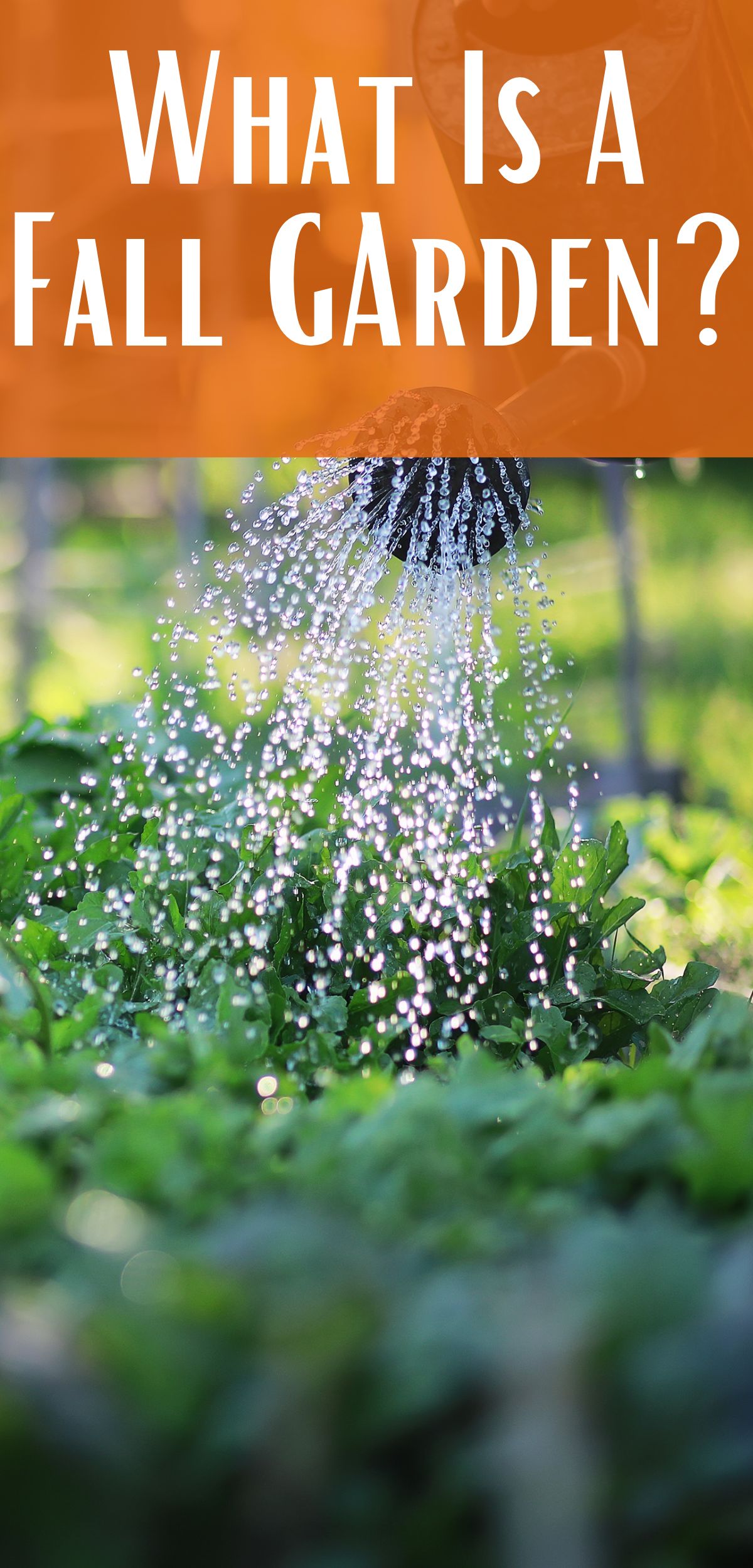
What Is A Fall Garden

August 10, 2024 by Leigh Leave a Comment

A fall garden is exactly what it sounds like, a garden that you grow in the fall. For those of us with extremely hot summers and no spring to speak of, fall is when we grow our cold/cool weather crops. Our winters aren’t as harsh so we can feasibly grow throughout the winter if we take some extra precautions. If you are looking to grow a fall garden, keep reading!

cropped-3.jpg

Are you looking for garden journal prompts, but aren’t interested in a weekly email? Check out our 365 Garden Journal Prompts! This is an amazing, all in one, yearly product that you only pay for once.

Buy Now!

What Is A Fall Garden?

Here in Georgia, our spring is not really spring. It’s a constant fluctuation between summer and winter… Most likely all four season in one day. From March until about mid May, we are struggling to figure out how to dress. Jeans, sweatshirt and boots in the morning, then tank tops and shorts in the afternoon, and back to winter clothes in evening/ night. It’s ridiculous. But in the fall, it is a mostly gradual decline in temperatures.

That means that we can actually get a cool weather garden in and will continue to produce, even into winter.

What To Plant In A Fall Garden

All cool weather things get planted in a fall garden. Brassicas like cabbage, cauliflower, broccoli, and brussel sprouts are great for fall gardens because you are less likely to have them bolt before they are ready.

Next are your root vegetables. These are things like carrots, radishes, turnips, beets, rutabagas and kohlrabi are fantastic in the fall garden. Not only do they grow well, but they taste better after a few frosty nights. I also like to plant leeks in the fall because they are hardy enough to handle the temps but they also taste a lot better too.

Finally, everything else. This includes greens like lettuce, kale, spinach, etc. Then you’ve got peas and some green bean varieties.

cropped-3.jpg

Are you looking for garden journal prompts, but aren’t interested in a weekly email? Check out our 365 Garden Journal Prompts! This is an amazing, all in one, yearly product that you only pay for once.

Buy Now!

When To Start A Fall Garden

This is really going to depend on your climate and what you are looking to plant. For our first frost dates (Oct 31 to Nov 15), we will plug in “how many days till (date)” into Google to see how many days we have.

For example, if we are wanting to start our seeds on August 15th, I would type into Google “How many days from August 15 2024 to November 15 2024?” Google spits out the answer of 92 days. Then I can start figuring out how many days each vegetable needs to get to harvest size. I put those dates and vegetables in my calendar.

If you don’t want to deal with all that, seedtime.com is a great way to put in what you want to grow, your frost dates and it will give you all the information you need.

If you are interested in learning more about my favorite garden planner. I highly recommend Seedtime! This planner has been instrumental in helping me plan out my gardens with WAY more efficiency than I could ever expect! It has also reduced overwhelm, stress, and calmed my ADD/ADHD!

More Info!

Starting To Rotate Out The Summer Garden

One of the hardest things to figure out is how in the world you are going to start taking down old plants and putting in your fall garden. It’s hard to cut down old plants to put in your winter garden. But it still needs to be done, especially if you have limited space.

I have a few guidelines for taking down plants that may help you. First is figuring out if the plant is healthy. If not, it’s got to go. Second, have I harvested all I need from that plant. When you are drowning in tomatoes, squash, cucumbers and put up all you need for winter, go ahead and pull the plant. Third, is what I am planting going to be “better” than what I’ve already got.

That last one is a little harder to figure out. You’ve got to make the decision on whether or not planting a cabbage plant is worth pulling tomatoes. Well, if you have put up all the tomatoes you need, or are over eating fresh tomatoes, then yea, pulling the tomato plant would be worth it. While tomatoes may be good right now, cabbage will be better in 60-120 days. So you’ve got to weigh what you have now vs what you will need in a few months.

Are you getting overwhelmed in the garden? Stressed? Or just not enjoying the garden like you used to? Check out our garden prompts! We send out weekly emails that get you back in the garden and out of your head! Turn the garden back into a place of love and joy instead of frustration and headache!

Subscribe Now!

When To Start Seeds/ Plants

One of the biggest issues you are going to have as a fall gardener is finding plants. Your best bet is to order seeds now (in July/ August) for fall starts. It is not likely that your local big box store is going to have many, if any, transplants come September.

For my climate and frost dates, I usually start my seeds around August 15th. This gives them plenty of time to get first leaves and grow a bit before I put them in the ground. Usually, mid to end September is fall garden planting for us so that gives those seeds about 6 weeks to really get going.

Also, really think about what you are purchasing if you manage to find a store that is selling plant starts. You can purchase a head of cabbage from the store for around $3. But a plant start is going to be around $5 for the plant. That doesn’t even make financial sense. Especially when you can purchase a pack of cabbage seeds for $3-4 and get about 30 or more plants.

If you are looking for a great way to keep track of your gardens for years to come, check out our Digital Garden Journal. It’s a digital spreadsheet that helps you manage not only your seedlings but also your seed inventories, soil testing, orchard, harvests and so much more.

Buy Now

When To Plant A Fall Garden

Planting a fall garden is going to rely heavily on your climate and garden. For us, seedlings started plants in August is a no no. They will bolt before they ever really get going. Or they will stunt because it’s still so hot. But I can direct seed after August 15th and by the time those plants germinate and start really going, we will cool down.

Just like in the summer garden, we have to watch the weather to make sure that we aren’t jumping the gun. It is a gamble to plant too early and risk everything dying because of the heat. A started plant won’t go in the ground until we are regularly under 80*, preferably under 75*. Shade cloths are a great way to help with this.

For us, this generally looks like starting seeds in August and planting mid to end September.

The Ultimate Homesteader’s Starter Bundle – Only $47!

Get the tools you need to stay organized, track profits, and manage your homestead with ease!

Includes:
✅ Schedule F Tracker – Simplify tax prep
✅ Profit Calculator – Track earnings
✅ Hay Calculator – Plan livestock feed
✅ Garden Journal – Digital & printable
✅ Herd Health Tracker – Monitor animal care
✅ Simple Budget – Manage finances
✅ Backyard Homestead eBook – Essential tips

$99 value – now just $47! Start your homesteading journey today!

Buy Now

Precautions For A Fall Garden

Precautions can look very different for everyone and even different for different parts of your garden. Some of the precautions we take is making sure to start seeds indoors until they have sprouted. Then we put them in a shady, cool area in the greenhouse. This sucks because the whole purpose of the greenhouse is to keep plants safe from Blu and Fenrir. But if it’s too hot, they won’t germinate. So into the house they come until it’s safe to put them outside.

Another precaution we take is watching the weather like a hawk. We look at 10 and 30 day forecasts to help make the best judgements on when to direct sow and when to transplant. Now, we live in Georgia so the weather is unpredictable, till it’s not. We know that summer is hot and winter is cold. But spring and fall are the wild cards. We could have a 90* day in November or a snow storm on March 1st.

If you did mess up your dates, or the weather didn’t cooperate, and you end up with super hot days, or freezing temps, don’t fret. At least not yet. You can mulch to help keep the ground cool and water plentiful. You can also water more often to help keep plants healthy. Another option is putting up shade cloth. This will help make sure that the plants don’t get scorched by the heat.

If it’s supposed to freeze or frost, and you have some plants that are a little too tender for that, you can throw sheets or blankets over the plants to help insulate them. I’ve used gallon jugs filled with water and set them between plants with a blanket over them to help keep them freezing. It works well for nights were we are going to get under freezing. But it’s not foolproof and you may still end up with damage.

I hope this helps!

Fall is the best time to garden because you have the ability to actually enjoy the garden without dying of heatstroke, getting eaten alive by bugs, or worrying about scorching your garden. So don’t forget about the fall garden!

If you like the content I put out, feel free to buy us a coffee! It helps keep this site running, marketing and the goats in grain!

Buy me a coffee

If you like this post, feel free to share it and follow us below on our social media accounts!

  • Facebook
  • Pinterest
  • Instagram
  • YouTube
  • TikTok
  • Spotify
  • Threads

Filed Under: Garden Tagged With: compost, Fall, fall garden, Garden, Homestead

JOIN TO OUR MAILING LIST!

Leave us your email to receive new posts and special offers for members only! Don't miss a thing!

Recent Posts

  • Fall Garden Guide
  • Top Mistakes With Goats
  • How To Bond With Your Goats

What Is Full Sun

August 3, 2024 by Leigh Leave a Comment

Recently, I saw a meme on social media that had a cartoon picture of a garden where the plants were wilted and either steaming or smoking and the sun was shining bright. The caption read, “Full Sun doesn’t mean full sun in Georgia.” and man, that couldn’t have been more accurate. But it got me thinking about all the new gardeners out there that have no idea what the difference is between full sun, partial sun, and shade AND how it relates to their own climate. So today we are going to go over what is full sun but also what it means if you live in a HOT place.

cropped-3.jpg

Are you looking for garden journal prompts, but aren’t interested in a weekly email? Check out our 365 Garden Journal Prompts! This is an amazing, all in one, yearly product that you only pay for once.

Buy Now!

What IS Full Sun

Full sun is an area that receives direct sun for at least six hours. But there is so much more to it than that. Just because a plant label or seed packet says it requires full sun doesn’t mean that you need to plant it in the brightest part of your garden or yard. There’s also partial sun and shade labels. But the most important part of those labels isn’t necessarily full sun, partial sun or shade, it’s YOUR climate in relation to those labels.

The Ultimate Homesteader’s Starter Bundle – Only $47!

Get the tools you need to stay organized, track profits, and manage your homestead with ease!

Includes:
✅ Schedule F Tracker – Simplify tax prep
✅ Profit Calculator – Track earnings
✅ Hay Calculator – Plan livestock feed
✅ Garden Journal – Digital & printable
✅ Herd Health Tracker – Monitor animal care
✅ Simple Budget – Manage finances
✅ Backyard Homestead eBook – Essential tips

$99 value – now just $47! Start your homesteading journey today!

Buy Now

All Full Sun Is Not The Same

I’m pretty sure that those plant labels are for people that live in climates that don’t feel like Satan’s armpit during the summer. I feel like they are probably for people that live in climates that have all four seasons. Not those of us who live in the south. Because full sun in Pennsylvania is not the same as full sun in Georgia or Texas. To be honest, Texas full sun and Georgia full sun are totally different.

To give you an example, we planted 4 4x20ft beds with tomatoes. One of those beds is in full direct sun for about 8 hours. Those plants are scorched and the beds require more water than any of the others. Another bed is about 15 ft away, and only a 8ft section receives full sun, the rest is shaded for most of the day. That 8ft section is totally scorched. But the plants that are right next to those scorched plants in the shade? Growing beautifully.

Why? Because in the south, we get a lot more direct sun because of angle of the Earth in relation to the sun. We may not get the same amount of sun, but we do get more of a direct hit. There’s whole science behind it, but in the end the important thing to know is that our summers are hotter because our section of the planet is angled towards the sun.

Are you getting overwhelmed in the garden? Stressed? Or just not enjoying the garden like you used to? Check out our garden prompts! We send out weekly emails that get you back in the garden and out of your head! Turn the garden back into a place of love and joy instead of frustration and headache!

Subscribe Now!

Understanding Full Sun

No matter where you live, you could be dealing with scorched plants if you aren’t paying attention to your labels. I once put a Boston Fern in my greenhouse and forgot about it. Needless to say, I no longer have a Boston Fern.

But one of the biggest misconceptions about full sun is that you need 6 hours of direct sun… in a row. This is not the case. In fact, this couldn’t be further from the truth. Unless otherwise noted on those labels, ambient sunlight is more than sufficient for many plants. And 2 hours in the morning and then another 4 in the evening is perfectly fine for most full sun plants, if you live in a really hot place.

Off the top of my head, the only plants that I know can handle full sun would be peppers, okra, and corn. Beyond that, if you don’t give other plants some sort of shade they will scorch.

goat kidding

Before we get too far into this, I have a great course on the basics of goat care. I call it Goat Crash Course: Goat 101. In this course, I explain things like types of shelter, types of feeds and hays, basic assessments and so much more! Check it out!

Buy Now

Creating Shade

Creating shade is a necessary evil for a lot of us. We are lucky that we have a ton of trees in and around our gardens. This allows for most of our beds to be in shade or ambient sunlight. But those few beds that are in full sun? We have to create shade for them.

Shade cloths are a great way to reduce the amount of sun your plants are getting. They come in a variety of different sizes and strengths. This shade cloth is 40% and great for things that require “full sun” but you live in an oven. You can get other percentages up to 90% depending on what you are dealing with. I recommend 90% for things that are sun fragile like beans, some squashes, flowers, and the like. But any shade will be better than none.

cropped-3.jpg

Are you looking for garden journal prompts, but aren’t interested in a weekly email? Check out our 365 Garden Journal Prompts! This is an amazing, all in one, yearly product that you only pay for once.

Buy Now!

Why Watering Doesn’t Always Help

For most plants, animals and people, it doesn’t matter how much water you give them, too much sun is too much sun. So while you may think “It’s fine, I’ll just water extra”, remember that it may not be enough. We water those super sunny beds every other day or every day if necessary and they still wilt and die.

Also, pay attention to your rain cycles to know how often to water your plants and when to water your plants. In Georgia, we cannot water our plants in the morning because they will scorch. Specifically for us, we can’t water overnight because we will get mildew, rot, or other fungus. Really the only time we can safely water is in the evening when the sun is starting to go down but it’s still warm.

Are you getting overwhelmed in the garden? Stressed? Or just not enjoying the garden like you used to? Check out our garden prompts! We send out weekly emails that get you back in the garden and out of your head! Turn the garden back into a place of love and joy instead of frustration and headache!

Subscribe Now!

Understanding Your Climate

If you live in an area that gets hot, I suggest very highly, that you carefully consider your garden placement. You do not need to put your garden in the sunniest spot in the garden if you live in an area where you don’t get a ton of rain, clouds, or it feels like Satan’s armpit from May to September.

Instead, pay attention to what your weather looks like. For example, Florida, Arizona, New Mexico, Texas, and other super hot places, garden in the winter because it is just too hot to grow anything in the summer.

If you are interested in learning more about my favorite garden planner. I highly recommend Seedtime! This planner has been instrumental in helping me plan out my gardens with WAY more efficiency than I could ever expect! It has also reduced overwhelm, stress, and calmed my ADD/ADHD!

More Info!

What Is Full Sun For You

At the end of the day, full sun is not the same for everyone. The angle of the Earth, the direction of the sun, and your specific location all matter in determining if your plants, on YOUR property, will get too much or too little sun.

So if you haven’t set up your gardens yet, I would recommend putting one of these outdoor thermometers and set it to where you want your gardens. See how hot it actually gets and figure out if that is too much or too little heat in that area.

But the reality is that it may be easier to get a couple of plants and put them in that area. If they scorch, wilt or don’t do well, that may be too much sun for that area. It’s not a deal breaker to put a garden there, but you need to be ready to install shade cloths or consider planting trees around that area.

If you like the content I put out, feel free to buy us a coffee! It helps keep this site running, marketing and the goats in grain!

Buy me a coffee

If you like this post, feel free to share it and follow us below on our social media accounts!

  • Facebook
  • Pinterest
  • Instagram
  • YouTube
  • TikTok
  • Spotify
  • Threads

Filed Under: Garden Tagged With: full sun, Garden, Goats, vegetables

JOIN TO OUR MAILING LIST!

Leave us your email to receive new posts and special offers for members only! Don't miss a thing!

Recent Posts

  • Fall Garden Guide
  • Top Mistakes With Goats
  • How To Bond With Your Goats

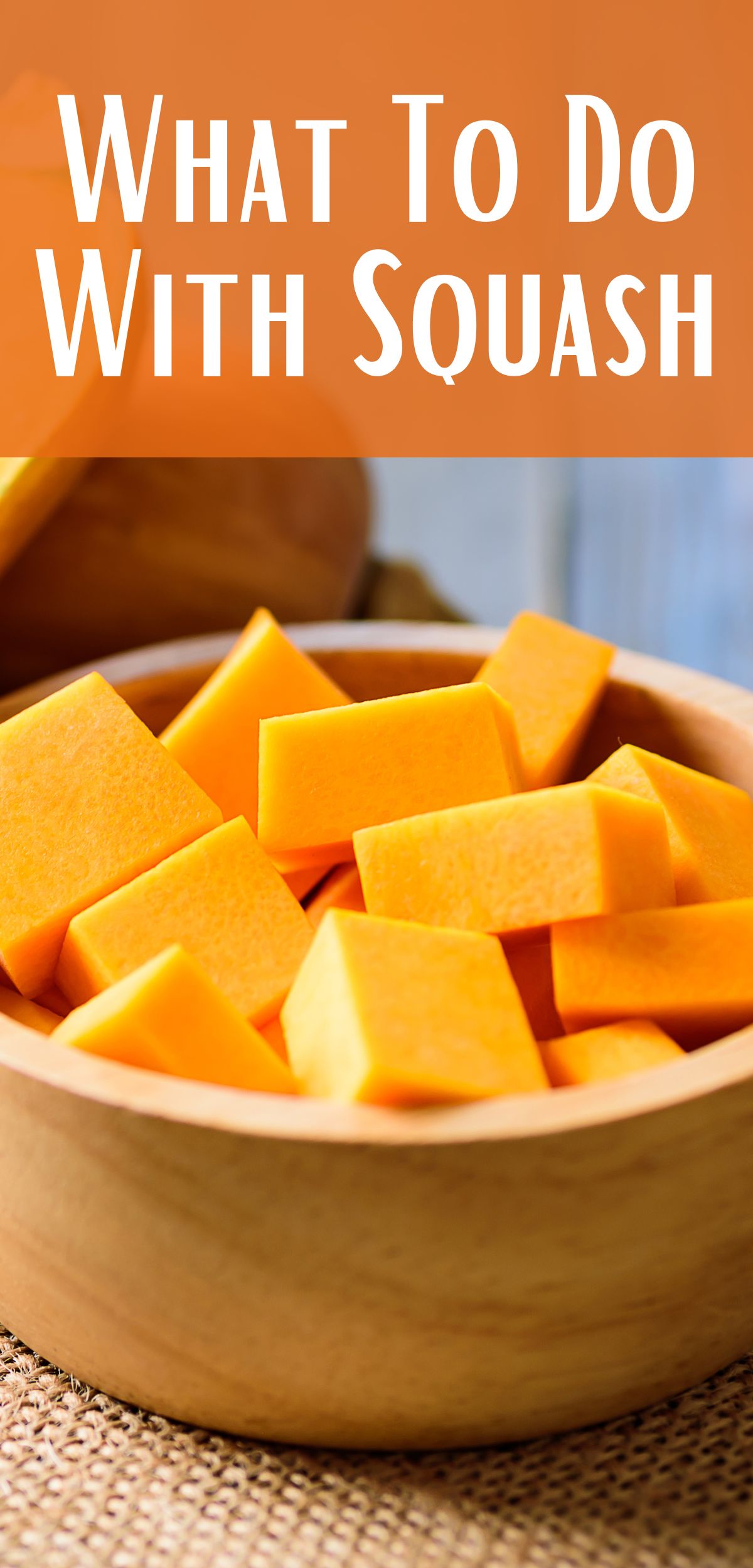
What To Do With Squash

June 25, 2024 by Leigh Leave a Comment

Squash is a very prolific plant for us. We don’t have a ton of pressure from squash bugs, though we do have them. But it doesn’t take long before we are drowning in squash. If you have squash coming out of your ears, you have probably asked the magical Google what to do with squash. I’ve compiled a list of the various things we do with squash that not only feed us but our animals. Plus a bonus on what we do with winter squash.

The Ultimate Homesteader’s Starter Bundle – Only $47!

Get the tools you need to stay organized, track profits, and manage your homestead with ease!

Includes:
✅ Schedule F Tracker – Simplify tax prep
✅ Profit Calculator – Track earnings
✅ Hay Calculator – Plan livestock feed
✅ Garden Journal – Digital & printable
✅ Herd Health Tracker – Monitor animal care
✅ Simple Budget – Manage finances
✅ Backyard Homestead eBook – Essential tips

$99 value – now just $47! Start your homesteading journey today!

Buy Now

What To Do With Squash

Squash is one of the most versatile veggies in the garden. Probably second only to tomatoes and potatoes. It’s a fast growing and productive plant, that if you can keep healthy, will out produce EVERY plant in the garden. But when even you are rebelling against eating one more sauteed squash for dinner, it can be overwhelming.

There are two types of squash; summer and winter. Depending on where you live, you may be able to keep your winter squash without having to do anything with it. I’ll go over more on how to keep winter squash at the bottom of this post. But unless otherwise stated, this post is focused more on summer squash.

But I wanted to go over some of the ways that we use our squash so that we aren’t just throwing out moldy squash. There are three big things that we do with squash, besides fresh eating; freeze it, dehydrate it or give it to our animals.

Before we get too far into this, I have a great course on the basics of goat care. I call it Goat Crash Course: Goat 101. In this course, I explain things like types of shelter, types of feeds and hays, basic assessments and so much more! Check it out!

Buy Now

Freezing Squash

Freezing squash is a great way to extend the shelf life of this beloved veggie. Though there are some considerations. First is that very few things have the best texture when coming out of the freezer. So if that is going to be a problem, then don’t put your entire harvest in the freezer. Also make sure that you are washing your produce before you put it in the freezer!

When we put squash in the freezer, we usually slice it into half inch medallions and lay them on a tray with either parchment paper or silicone mats. This allows the squash to freeze separately before going in a bag. You don’t have to, but it makes thawing a lot easier. We will also cube it or grate it and store depending on what we need it for.

Squash will hold it’s shape well when thawing but it is usually going to taste better in soups, stews, or mashed up. We will use it in stir fry’s and have enjoyed it, but again, remember texture will be a thing.

Lastly, be aware that the more stuff you put in your freezer, the harder it will be to find it later. No matter how well you keep your freezers organized, it’s only a matter of time before you find a 6 year old bag of squash at the bottom of your freezer.

If you are new to heating with firewood and are looking to master the finer points of it. We’ve got a great eBook that goes in depth of what tools you should consider, how and where to stack, how to build a fire and so much more!

Buy Now

Dehydrating It

This is hands down my favorite way to store squash. It takes up less space and uses zero electricity to store. I also love the fact that I can set it and forget it, in the dehydrator. It’s not like it’s going to spoil sitting in a running dehydrator. I use this dehydrator and absolutely love it! Also, I go more in depth about dehydrating foods here.

I will chunk up several trays worth of various squash to put in the dehydrator. Then I turn it on to veggie and let it run until I remember it’s been going for 3 days…oops. Once it’s done, or I remember it exists, I will pump them into half gallon mason jars like this and store.

Now, you can and probably should put oxygen absorbers in there, but usually I don’t. I haven’t found any issues with not doing it. You can also use mylar bags, but I have found that keeping everything in jars is better for my set up. The reason I don’t bother with oxygen absorbers and bags is because I’m not usually storing for more than a year.

Are you getting overwhelmed in the garden? Stressed? Or just not enjoying the garden like you used to? Check out our garden prompts! We send out weekly emails that get you back in the garden and out of your head! Turn the garden back into a place of love and joy instead of frustration and headache!

Subscribe Now!

When it comes to using dehydrated squash, I usually throw it in soups and stews for extra veggies. It also helps absorb any extra water and flavoring.

To reconstitute dehydrated squash, I will fill the bottom of a bowl with however much I needed, then add boiling hot water over the top, covering the squash with several inches of water. If I need more water, I’ll add more as the squash absorbs it. But again, usually my dehydrated squash is going into soup.

Give Squash To Your Animals

Most animals can eat most squashes without worry. Yes, there will be outliers that can’t handle squash, but for the most part, squash is perfectly safe for animals to eat. But if you have questions, reach out to a vet. That being said, we will gladly give our animals excess squash.

Our chicken’s run is right next to the garden so when I fill my basket with squash, I will chuck whatever is ready but I can’t use over the fence to them. They love it! Plus this helps reduce our feed bill which is always a win win.

Also, the seeds from squash can act as a natural dewormer for your animals, so win, win, win.

When we feed squash to the goats, we do it in moderation AND we cut it into smaller pieces. Their mouths are not very big and we don’t want to cause them to choke.

goat kidding

Before we get too far into this, I have a great course on the basics of goat care. I call it Goat Crash Course: Goat 101. In this course, I explain things like types of shelter, types of feeds and hays, basic assessments and so much more! Check it out!

Buy Now

Storing Winter Squash

Finally, when it comes to winter squash, there are a few more things to consider. First and foremost, winter squash is grown for storage. The skin of it is thicker and able to withstand storage. Usually, you can store winter squash for about 3 months in ideal situations. This means a cool, dark place with good air flow.

The problem with that is I don’t really have an ideal place to store winter squash, whole. Come end of harvest season, my canning shelves are crammed with jars of food, storage items, potatoes, and other random bits. So my favorite way to store winter squash is to either can it or freeze it.

Usually, I will peel the squash, scoop the seeds and cube it. I will either flash freeze it (freezing on silicone mats or parchment paper) and put it into bags. Or I will go ahead and can it. I don’t usually dehydrate winter squash because it takes so long, but I’m not opposed to it either. It really depends on my mood and what I have going on at the time.

cropped-3.jpg

Are you looking for garden journal prompts, but aren’t interested in a weekly email? Check out our 365 Garden Journal Prompts! This is an amazing, all in one, yearly product that you only pay for once.

Buy Now!

I hope this helps you figure out what all you can do with your squash!

If you like the content I put out, feel free to buy us a coffee! It helps keep this site running, marketing and the goats in grain!

Buy me a coffee

If you like this post, feel free to share it and follow us below on our social media accounts!

  • Facebook
  • Pinterest
  • Instagram
  • YouTube
  • TikTok
  • Spotify
  • Threads

Filed Under: Dehydrating Food, Freezing, Garden, Working With Food Tagged With: Chickens, dehydrating, Eggs, food, freezing, Garden, Goats

JOIN TO OUR MAILING LIST!

Leave us your email to receive new posts and special offers for members only! Don't miss a thing!

Recent Posts

  • Fall Garden Guide
  • Top Mistakes With Goats
  • How To Bond With Your Goats

Best Food Preservation Methods

June 8, 2024 by Leigh Leave a Comment

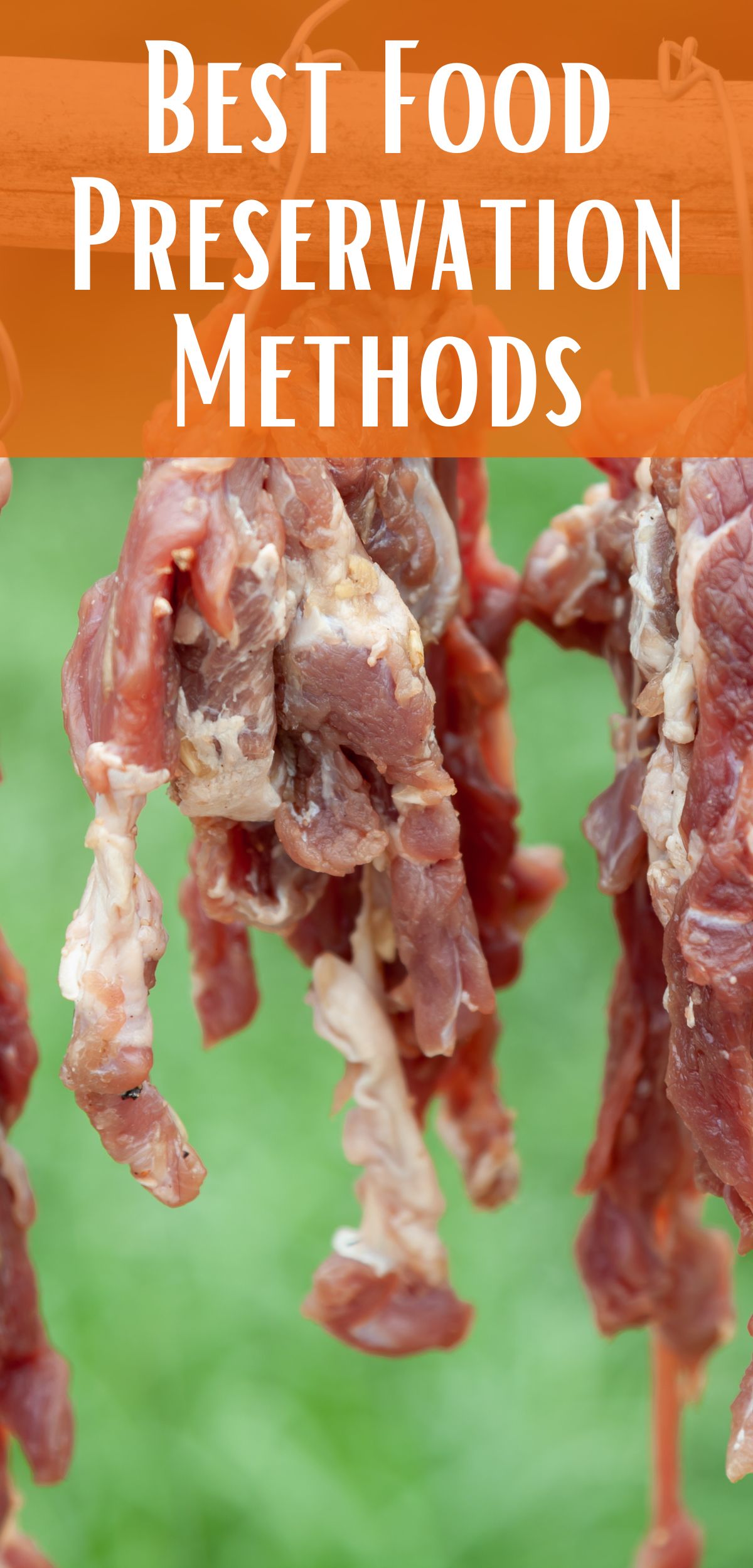
As we start working our way through spring and into summer, we need to start thinking about the best food preservation methods. There are many different ways to preserve your harvest and they are all great. If you follow the FDA and USDA guides, you’ll find that preserving your harvest may not be possible and freezing is your best bet. If you are a rebel, like myself, you may find that pressure canning is the saving grace to all that hard work. Regardless the question will eventually arise “what is the best way to preserve this?” While the answer is totally up to you, I will give you my reasons why I choose to can the majority of my garden harvest.

The Ultimate Homesteader’s Starter Bundle – Only $47!

Get the tools you need to stay organized, track profits, and manage your homestead with ease!

Includes:
✅ Schedule F Tracker – Simplify tax prep
✅ Profit Calculator – Track earnings
✅ Hay Calculator – Plan livestock feed
✅ Garden Journal – Digital & printable
✅ Herd Health Tracker – Monitor animal care
✅ Simple Budget – Manage finances
✅ Backyard Homestead eBook – Essential tips

$99 value – now just $47! Start your homesteading journey today!

Buy Now

Best Food Preservation Methods

There are 3 main types of preservation and obviously many sub categories. The 3 big ones are freezing, canning, or dehydrating. Each one of these methods have pros and cons. Each food that you are looking to preserve will have better results depending on your methods. While I am very much a rebel when it comes to how I preserve my foods, it all comes down to two main considerations, texture and safety.

Freezing

I have two huge chest freezers and one upright freezer, which sounds like a lot. But it’s not when you purchase whole hogs and cows and butcher 100+ meat chickens every year. A whole cow will overflow an entire 18cu ft chest freezer. And even breaking down chickens still takes up a ton of space. Despite great organization, those freezers are crammed to the max with various meats.

But there are certain things that we are just going to freeze instead of canning. Things like green beans, corn on the cob, shredded potatoes, and the over abundance of tomatoes.

We are at the point were we are going to have to get a third chest freezer to handle all of the produce and meat we consume every year.

The biggest downsides to freezing is space, texture and power outages.

The Ultimate Homesteader’s Starter Bundle – Only $47!

Get the tools you need to stay organized, track profits, and manage your homestead with ease!

Includes:
✅ Schedule F Tracker – Simplify tax prep
✅ Profit Calculator – Track earnings
✅ Hay Calculator – Plan livestock feed
✅ Garden Journal – Digital & printable
✅ Herd Health Tracker – Monitor animal care
✅ Simple Budget – Manage finances
✅ Backyard Homestead eBook – Essential tips

$99 value – now just $47! Start your homesteading journey today!

Buy Now

Canning

I am a rebel so I will can pretty much anything. There are certain things that I will absolutely pressure can vs waterbath. There are also things that I will freeze over can. The big one is meat. Canned meat just doesn’t suit our tastebuds. I have some and let’s just say, it’s not pretty. The ground beef taste like cat food looks. The chicken looks nasty and to be honest, I don’t know if I can bring myself to try it.

But there are many, many things that I choose to can for the ease and space saving. Things like corn, green beans, soups, potatoes, beans, and the like.

But I don’t can things like squash, green beans, peas, and meats. I can’t stand the texture of these foods canned. Though I will can French cut green beans occasionally.

I have found that canning is a huge space saver when it comes to freezer space but it has it’s own draw backs. Storage becomes a hassle if you don’t have the ability to dedicate a space to storing jars, canners, lids, etc.

Another big draw bag is the time it takes to prep for canning. While I don’t babysit my canners when they are working, I do stick close because I don’t want to risk the canner stopping or running out of propane.

goat kidding

Before we get too far into this, I have a great course on the basics of goat care. I call it Goat Crash Course: Goat 101. In this course, I explain things like types of shelter, types of feeds and hays, basic assessments and so much more! Check it out!

Buy Now

Dehydrating

This is probably my favorite way to preserve foods. It is very hands off and I don’t need to worry as much about setting timers, checking propane or making sure I have enough space in the freezers. I just fill my trays, pop them in the dehydrator and hope I remember them in a day or two.

I love to puree tomatoes and then dehydrate the crap out of them. Skin and all. When it’s finally dry, usually two days, I throw it in my blender and now I have tomato flakes. I can reconstitute it for paste, sauce, or added flavor in soups.

I’ve also done the same thing with left over mashed potatoes. Throw it in a silicone liner, pop it in the dehydrator and then blend. Now, I’ve got instant potato flakes that I can just add warm milk or water to.

I love the minimal waste of a dehydrator too. If I don’t need a whole onion, I can chop up the rest of it and put it in the dehydrator and now I’ve got a shelve stable product that will take years to go bad.

Dehydrating is the most versatile of all the options. But it can take forever.

I have this dehydrator as well as a DIY one that we found at Habitat For Humanity. I would recommend going as big as you can afford and store if you have a good size garden. You would be surprised at how much you can fit in a dehydrator but it also really isn’t that much either. So make sure that you go bigger than you need.

cropped-3.jpg

Are you looking for garden journal prompts, but aren’t interested in a weekly email? Check out our 365 Garden Journal Prompts! This is an amazing, all in one, yearly product that you only pay for once.

Buy Now!

But What’s The Best Food Preservation Method?

That is really going to depend on you, what you are preserving and what you have at your disposal. If you don’t have a ton of space for extra freezers, then freezing isn’t going to be a good option. Or if you don’t have a basement that you can put in shelves, canning may not be a good option either. Finally, if you are looking for good emergency preparedness options, adding foods that need water to reconstitute isn’t a great option either.

For me and my family, I choose to do a mix of all three methods. I enjoy having my meats and some veggies in the freezer. I prefer to have soups canned and ready to go to take to work or on nights that I just don’t feel like cooking. I love the versatility of dehydrated veggies in soups to help soak up the water and add some heartiness.

The best food preservation method is the one that works for you, your family and your situation. If you can’t stand the texture of frozen strawberries, then dehydrate them. If you don’t have the space for hundreds of jars of food, look into freezing.

Are you getting overwhelmed in the garden? Stressed? Or just not enjoying the garden like you used to? Check out our garden prompts! We send out weekly emails that get you back in the garden and out of your head! Turn the garden back into a place of love and joy instead of frustration and headache!

Subscribe Now!

Try Different Methods

I love a good experiment and luckily, if we don’t like something, we can feed it to the chickens. I froze a bunch of strawberries I had gotten at half price and when I went to use them, I couldn’t stand the texture. So they got put in to mix drinks, got used as ice, or just got thrown to the chickens. But I also dehydrated a bunch and they were a decent snack.

I canned a bunch of dried beans because I never remember to soak or have time to make them on the go. The beans were okay and I’d do it again, but I wouldn’t go out of my way to make cases and cases like I did. If my instapot broke, I would definitely do it again though.

Don’t be afraid of trying a few of these methods and figure out what you like. I didn’t know that I loved green beans until I had them fresh from the garden. Go figure.

If you like this post feel free to share it on your social media and follow us on the social medial links below!

If you like the content I put out, feel free to buy us a coffee! It helps keep this site running, marketing and the goats in grain!

Buy me a coffee

If you like this post, feel free to share it and follow us below on our social media accounts!
  • Facebook
  • Pinterest
  • Instagram
  • YouTube
  • TikTok
  • Spotify
  • Threads

Filed Under: Canning, Freezing, Working With Food Tagged With: Canning, dehydrating, freezing, Garden, Homestead

JOIN TO OUR MAILING LIST!

Leave us your email to receive new posts and special offers for members only! Don't miss a thing!

Recent Posts

  • Fall Garden Guide
  • Top Mistakes With Goats
  • How To Bond With Your Goats

How To Set Up A Garden Journal

April 23, 2024 by Leigh Leave a Comment

Much like everything else that is homestead related, there is no one size fits all approach to a garden journal. I wish there was because it would make it easier to just have someone tell you what to do and it work 100% of the time. Unfortunately, that’s not the case. The next best thing that we can do is try different things until something works. Today, I’m going to show you how I set up a garden journal and give you the high points of how to start yours.

garden journal

Before we get too far into this post, I wanted to give a suggestion about keeping a garden journal. A digital garden journal is a fantastic way to keep track of past, present and future gardens. Our Digital Garden Journal is a great way to keep up with everything without getting too overwhelmed.

Buy Now

What Is A Garden Journal

A garden journal is exactly what it sounds like. It’s a journal that details your gardens throughout the years. Yes, years. In the first year, you may notice a high infestation of Japanese beetles. In your journal you would make note of the beetles, an estimate of how many beetles, when you first noticed them, what plants they were attracted to, any treatments you did to get rid of them, etc. The next year as you look through your journal, you remember that you had a problem last year, and you can be proactive this year.

How To Set Up A Garden Journal

Everyone will have a different set up based on what they are growing, where they live, and so on. But here are some starting points. If you aren’t sure where to start, you can purchase my garden journal printable in our general store.

The Binder

I think that the best thing you could do is to purchase a binder for your garden journal. I use this binder because I like that it doesn’t take up a lot of space on my desk. Plus, when I am out in the greenhouse working on seeds or out in the garden, it’s not this huge bulky thing. I also like using a binder because I can move pages around from year to year.

I have a bullet journal and while I love it, it is hard to find what I am looking for since it is chronologically done. Not a bad thing, but if I can’t remember when I did something, it was lost. Being able to look back and see that last year I planted 100 tomato seeds and only 80 germinated tells me a lot about the seeds, soil, watering, etc if I have that information available.

The Dividers

I have a TON of dividers in my garden journal, but again, I want simple and easy to find. I use these mini dividers to match my mini binder. For your dividers, you need to think about the things that you want to track. Do you want to track how many seedlings you bought? Or are you planting your own seeds? Do you want to keep track of your soil tests? What about expenses? These are all things that you need to think about so that you can keep track accordingly.

I like to know what seeds I started and when. Then I want to know my soil tests, pests and what seeds I saved. When our orchard stops getting attacked by goats, I would like to know when I pruned, harvested, and more.

Loose Paper

I use loose leaf sheets to take notes, brainstorm, etc. I get the college rule and blank to make sure that if I want to design a garden bed, I can design it on a blank sheet and write on the lined sheets. I store all the excess paper in the back of the binder. I also use sheet protectors on the important pages.

cropped-3.jpg

Are you looking for garden journal prompts, but aren’t interested in a weekly email? Check out our 365 Garden Journal Prompts! This is an amazing, all in one, yearly product that you only pay for once.

Buy Now!

For example: If I go into the greenhouse and I am working on transplants, I don’t want the pages to get dirty. Or if I have designed a garden bed, I want to be able to take that page out of the binder and take it with me to the bed. By having a sheet protector on it, I don’t have to worry as much about it getting destroyed.

Using Your Garden Journal

After getting your journal set up, you should start filling it out with the information you have. In your soil test section, you should fill out previous years soil test results. Be sure to separate years with a line or something so that you don’t get confused. If you don’t have that information anymore? Or this is your first garden? No worries, do the best you can.

When you start your seedlings, be sure to write where you purchased your seeds from. This will help you decide if that was a good buy. If you buy seeds, make sure to put where you bought them from. In your Pest section, make sure to keep track of what pests came when and how you treated for them. This will help you because next year, you can say, “In 2022, the Japanese beetles came in April and only hit the apple trees.” In 2023, you can make sure to have beetle traps or other treatments already in place.

Tractor Supply

I am the type that will write down everything because I will forget it. We had a great pepper harvest last year, but I know it could have been better if I had known only water them every 4-6 days. Because of my garden journal, I know not to water the peppers as often.

Another cool thing about my garden journal is that I have a harvest/ preservation section. This section tells me how much food I need to harvest and preserve from my gardens. I know that we eat a TON of green beans. Like, I can 100 quart jars of green beans and it’s usually gone by April. That tells me that I need to harvest at least 200# of green beans. Because I know these things, I know I need to plant a minimum of 200 pole bean plants. Same with corn and peas.

If you are looking for a great way to keep track of your gardens for years to come, check out our Digital Garden Journal. It’s a digital spreadsheet that helps you manage not only your seedlings but also your seed inventories, soil testing, orchard, harvests and so much more.

Buy Now

Lastly, in my garden journal, I have a list of monthly chores that I need to do. This helps me stay on track with the needs of my garden. Because our goal is to reduce our grocery bill by 75% in 5 years and our feed bill by 80% in 2 years, I need all the help I can get. It not only tracks the weeding, watering and planting, but it also tells me when exactly when to do those things. In April I have final fill of the garden beds, lay final layer of compost, plant after April 15th, weed weekly until seedlings are established, and so on. That way there is no guess work about what I need to do.

If you haven’t checked it out yet, you can find my garden journal printable in our general store here. There are a ton of different planners on the internet but none of them fit the style that I was going for, so I created my own.

Are you getting overwhelmed in the garden? Stressed? Or just not enjoying the garden like you used to? Check out our garden prompts! We send out weekly emails that get you back in the garden and out of your head! Turn the garden back into a place of love and joy instead of frustration and headache!

Subscribe Now!

If you like the content I put out, feel free to buy us a coffee! It helps keep this site running, marketing and the goats in grain!

Buy me a coffee

If you like this post, feel free to share it and follow us below on our social media accounts!

  • Facebook
  • Pinterest
  • Instagram
  • YouTube
  • TikTok
  • Spotify
  • Threads

Filed Under: Garden Tagged With: Canning, Garden, Gardening, Homestead, kitchen, veggies

JOIN TO OUR MAILING LIST!

Leave us your email to receive new posts and special offers for members only! Don't miss a thing!

Recent Posts

  • Fall Garden Guide
  • Top Mistakes With Goats
  • How To Bond With Your Goats

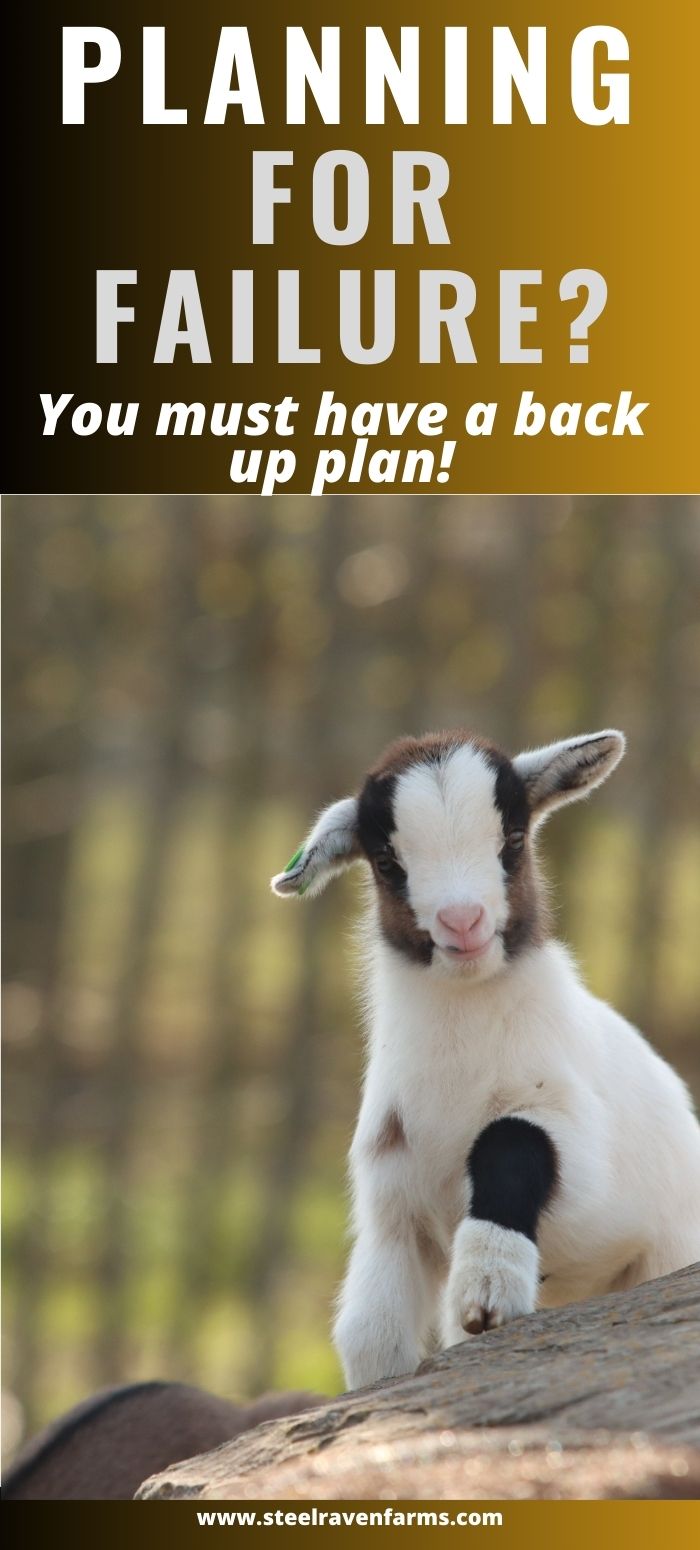
Planning For Failure

March 16, 2024 by Leigh Leave a Comment

When you are doing anything in life, you are never going to get it 100% right. It’s just part of the learning process. Whether you are learning a new skill, hobby, or job, you will screw something up. Even when you are a “professional”, you will probably screw something up eventually. And that is OKAY! While absolutely frustrating, it is also totally normal. But there are ways to get around it, and it’s called planning for failure. Everyone can benefit from planning for failure.

Before we get too far into this, I have a great course on the basics of goat care. I call it Goat Crash Course: Goat 101. In this course, I explain things like types of shelter, types of feeds and hays, basic assessments and so much more! Check it out!

Buy Now

What Is Planning For Failure?

This may seem counter productive, right? It may even seem like you are “borrowing trouble” as my aunt would say. But there are a lot of times were you should ABOSLUTELY be planning for failure. Life isn’t easy, nor is is cut and dry. You can do everything 100% right and still fail.

While we don’t want to anticipate failure, you need to be ready and have back up plans…. and then more back up plans. I talked about Semper Gumby in my post about homestead flexibility, and it is no different when it comes to bringing an income to the farm. In fact, when you are relying on nature for your income, you should have plans coming out of your ears.

Today, I want to talk more about planning for failure when it comes to earning money on the homestead. For example, you should plan for crop failure, animals not producing, and market failures. Then I want to talk about how to build your back up plans. Now, everyone can benefit from these things, but this post is more geared for those that are looking to start marketing their homestead.

If you are interested in learning more about my favorite garden planner. I highly recommend Seedtime! This planner has been instrumental in helping me plan out my gardens with WAY more efficiency than I could ever expect! It has also reduced overwhelm, stress, and calmed my ADD/ADHD!

More Info!

Planning For Crop Failure

On this topic, planning for failure starts at the seed level. If you are growing produce for market, you should be starting your own seeds. There are a ton of reasons for this that I go over in this blog post. But in that post, I don’t really talk about starting seeds for market. The reason is because that post is for a first time gardener/ seed starter. Not for someone looking to break into the farmer’s market side of farming.

When it comes to seed starting, I’m not necessarily talking about live plant sales here, though the principle is the same. Start more seeds than you think you’ll need. You will have seed failure. It may be because you watered too much or too little. Too much light or not enough. Or because you looked at the seed wrong…. Either way, because you started WAY more than you needed, a couple of cups that didn’t start isn’t going to derail your entire crop.

As you move into planting/ growing season, always make sure that you are looking at possibilities for failure. When we start pruning our tomatoes and peppers, we take the cuttings and put them in water. Once they have sprouted roots, we put them back into the soil. This helps not only save on seeds, but also weeks or months of growth. The reason for this is because you will have plants that stunt, get damaged or diseased, or some other issue that you didn’t even think to plan against. But you DID plan for failure and now you have a back up plan.

Are you getting overwhelmed in the garden? Stressed? Or just not enjoying the garden like you used to? Check out our garden prompts! We send out weekly emails that get you back in the garden and out of your head! Turn the garden back into a place of love and joy instead of frustration and headache!

Subscribe Now!

Planning For Animals Not Producing

When you have animals for market, no matter the animal or the market, you HAVE to plan for livestock to be livestock. This means that you may have goats that abort and you have lost not only the kids, but milk, meat AND money. Or your pig got pneumonia and you had to give antibiotics. Now, they can’t be sold as organic, antibiotic free.

At the end of the day, on my farm, an animal is the focus of every single thing we do. When we do our farm days, where photographers come out with their clients, we explain that if the goat isn’t feeling it, you don’t get to have pictures with the goat. Same thing with mommas and kids. If that momma is raising hell because you have her baby? You aren’t getting her baby. Period. Yes, it can a loss of income but that animal is more important.

All of these things happen and if you are not prepared, it could absolutely devastate your bottom line. But there are some things that you can do to prevent these failures. Things like good animal husbandry, rotational grazing, etc will help make sure that your animals are in peak condition and able to weather those storms. But sometimes, it still happens. So look at your operation and see where you can add some buffers. I’ll go into more detail below about my buffers for our animals.

Save on Seeds

Planning For Market Failures

There will absolutely be some catastrophe that happens when you are growing for market. It maybe a pest or disease that takes out your entire crop of green beans. It could be coccidiosis that stunts kids for market. Or it could be that the market doesn’t effectively market and no one shows up.

Some of these things you can’t do anything about. But there are things that you can do to make sure that you don’t get stuck holding the bag. To give you an example, we do not disbud our goats. We also no not necessarily take deposits on kids. However, if you decide you want one of my kids and you want it disbudded? You will be paying a full price, non refundable deposit for that kid.

Can you do that with farmer’s markets? Not really, but you can make sure to do your homework before signing up with that market.

Logo 468x60

When it comes to animals, it’s practicing good husbandry to ensure that you have done everything you can to prevent stunting or other poor growth.

Back Up Plans And Buffers

Sometimes, even the best laid plans go to hell in a hand basket. Make sure you have a back up plan. But what do those back up plans look like? How do you build in buffers? What in the world is a buffer?!

Have A Back Up Plan

For every situation, you should have a plan if things go sideways. Let’s take our last green bean crop as an example. Every year, we deal with Japanese beetles that absolutely LOVE our green beans. To ensure that we have plenty of green beans for ourselves and market, we plant green beans in 4 different locations on the property. Is it a pain in the ass? YES! But I would rather have 4 separate crops that I can get something out of than 1 main crop that gets nothing.

This year, we had 3 out of 5 does, abort. That means that I do not have goat kids or meat to sell. I do not have a back up plan for them. But my bottom line does not hang on the goat kids or meat. That is “extra” money. Because livestock is livestock. You cannot make huge decisions on a small herd. If we had a huge herd, then yes, we could make plans and have back up plans.

Save on Seeds

What Is A Buffer?

There are various ways to create buffers on your farm and the best one is diversification. Monocropping is for people with hundreds of acres. It is not for us that are on small acreage. That being said, don’t put all of your eggs in a produce basket. Or even a meat market basket. Make sure that you have plenty of ways for your farm to earn money.

One of the ways we do this is by offering Farm Days. This is our program that allows photographers to come to the farm, with their clients, and use the garden and greenhouse for photos. We charge per hour or per day. We also offer animals as add ons. This requires very little from us, unless animals are added to their day. And this allows us to make money even if our market crops don’t do well.

Another way that we diversify is by selling cut flowers. We sell cut flowers at markets, to florists, and offer to ship. We are not a florist, but it has done pretty well for us. Again, it doesn’t take a lot of extra work for us because I plant flowers all over the property. I love them. Plus, it brings pollinators to the farm.

Building Your Buffers

This is going to look vastly different for everyone. If you don’t want to sell cut flowers, that can’t be a buffer for you. If you don’t want to have people on your property, don’t host farm days. But think about all the different things you do that you could sell. This could be offering classes or starting a few more seeds to sell as plant starts.

Before we get too far into this, I have a great course on the basics of goat care. I call it Goat Crash Course: Goat 101. In this course, I explain things like types of shelter, types of feeds and hays, basic assessments and so much more! Check it out!

Buy Now

Brainstorm the things you know how to do and figure out a way to monetize that. Do you take pictures? Sell digital prints on Etsy. Are you a pro at butchering chickens? Offer a class on it. Can you run a pressure canner with your eyes closed? Make a couple videos and offer a course.

Or offer coaching services! You have knowledge that other homesteaders are looking for!

Lastly, Plan For Bad Press

One more thing that could affect your ability to earn an income is bad press. Now, you won’t please everyone and no, the customer isn’t always right. You will have someone that has a problem with you, your product or your farm. But there are somethings that you can do about it.

First and foremost, be friendly! People are willing to overlook mistakes when you are not a total scrouge. Second, be honest and open. When you start trying to hide behind a facade of “I know everything“, people are going to see right through it. And third, communicate! Seriously, if you have a disastrous year for green beans, and you tell your customers that, they are going to understand.

cropped-3.jpg

Are you looking for garden journal prompts, but aren’t interested in a weekly email? Check out our 365 Garden Journal Prompts! This is an amazing, all in one, yearly product that you only pay for once.

Buy Now!

But sometimes, you are going to get someone who just wants to complain and nothing you do is going to matter. I will tell you this from experience in my real job, as well as literally every interaction I have ever had with the public: your reputation is EVERYTHING. One of my bosses at my real job has said on many occasions, to me and others about me, that I am so honest that I will tell on myself. He knows that, no matter how uncomfortable it is, I will always tell the truth.

Because of my reputation, I have the backing of my department. Because of my reputation, I am making a name for myself in the homesteading world. I will be the first to tell you, this may not be the “right” way, but this is how I do it. This is what has gone wrong, and this is what has gone right. And I’m always willing to hear you out.

When it comes to your farm, you will make your own name for yourself and hopefully, it’s a good one.

Let me know how you plan for failures

If you like the content I put out, feel free to buy us a coffee! It helps keep this site running, marketing and the goats in grain!

Buy me a coffee

If you like this post, feel free to share it and follow us below on our social media accounts!

  • Facebook
  • Pinterest
  • Instagram
  • YouTube
  • TikTok
  • Spotify
  • Threads

Filed Under: Homestead Planning Tagged With: Eggs, Garden, Goats, income, market

JOIN TO OUR MAILING LIST!

Leave us your email to receive new posts and special offers for members only! Don't miss a thing!

Recent Posts

  • Fall Garden Guide
  • Top Mistakes With Goats
  • How To Bond With Your Goats

March Garden Chores

March 1, 2024 by Leigh Leave a Comment

Y’all!!! Spring is here! Well, that depends on which meteorological or astronomical seasons. But regardless, spring is either here or coming up soon! Can you tell I’m excited? The spring garden doesn’t usually do well for us here in the Southeastern US. But there is still a ton of stuff to do and I’m here to give you my March garden chores so that you can prepare your garden.

Are you getting overwhelmed in the garden? Stressed? Or just not enjoying the garden like you used to? Check out our garden prompts! We send out weekly emails that get you back in the garden and out of your head! Turn the garden back into a place of love and joy instead of frustration and headache!

Subscribe Now!

March Garden Chores

March starts the crazy season for us on the homestead. But the March garden chores can be broken down into 3 main categories: seeding the garden, cultivating the beds, and building the garden. This is also the same time that I am still gathering any tools that I may need that I didn’t get in February. While that may seem kind of lame after I just said it’s a crazy season, but keep reading and I’ll explain.

Seeding The Garden

This is hands down the most time consuming thing when it comes to the garden. Not only does it take a lot of time, it also takes a lot of mental energy. You’ve got to figure out how many seeds you are going to start, how many cups you have, how much space you have, etc.

For me, I use Seedtime to help me figure out exactly how many seeds to plant and when to start them. Seedtime has definitely made my weekly garden task list easier to manage and less of a guessing game. The garden planning feature is great on it’s own, but I tend to throw my plan out the window during the height of planting….. It’s something I’m working on.

If you are interested in learning more about my favorite garden planner. I highly recommend Seedtime! This planner has been instrumental in helping me plan out my gardens with WAY more efficiency than I could ever expect! It has also reduced overwhelm, stress, and calmed my ADD/ADHD!

More Info!

The other big part about seeding the garden is making sure that I actually have plenty of stuff to start seeds. This year, we are selling plant starts, so not only am I starting all of our seeds for our family and farmer’s market produce, but I’m also starting seeds for plant sales.

That means I need to make sure that I have plenty of pots, trays, seeds, soil, and compost. I use these seed trays, these pots, and these carry trays from Bootstrap Farmer for our personal plants and farmer’s market produce. I use these pots from Grower’s Solution for all of our plant starts that we are selling.

Logo 468x60

Cultivating Garden Beds

This is going to look different from year to year depending on your own beds. This year, we completely changed our big garden. We are installing raised beds throughout the garden to help build the soil faster. There were a lot of reasons that went into building raised beds, but at the end of the day, we now have to cultivate them.

What is cultivating? In short, it’s just preparing the beds for planting. That may look like breaking the soil just enough to be able to get your plants in there, pulling weeds, or amending beds.

In the kitchen garden, cultivating looks like taking a couple loads of goat bedding and soil to each bed and filling them up a bit more.

In the big garden, we won’t start cultivating beds until closer to April. This is mostly due to the fact that we haven’t gotten them built yet…. oops.

But the biggest part about cultivating is making sure that all the weeds are out, leaves from fall are moved to the compost pile, and you are ready to plant.

cropped-3.jpg

Are you looking for garden journal prompts, but aren’t interested in a weekly email? Check out our 365 Garden Journal Prompts! This is an amazing, all in one, yearly product that you only pay for once.

Buy Now!

Building The Garden

If you are in March, your garden should already be built. BUT if you’re anything like us, you are probably still building your garden because the timeline got pushed until the breaking point. In our defense, we both work full time jobs, homeschool and February-April is kidding season. So we are slammed trying to get everything done.

We start planting our gardens around April 15th, pending a frost free 10 day forecast, which means every single bed must be built, filled and prepped by April 1st. If we are not building beds, like in our kitchen garden, it looks like repairs, cleaning up, adding compost, soil, or animal bedding.

Building the garden also looks like fencing, gates, seating areas, trellising, and other supports. So even if you aren’t building beds, you may need to be thinking about and sourcing these items. We may not be able to get the gates installed, so we will end up falling back on using pallets. That means that I need to get ahold of pallets and gate hardware. Or figuring out how to get cattle panels to the farm and then up up for trellising.

Our big garden is also getting a gazebo/ pergola this year. In fact, we can’t even finish building the back left side of the garden until the gazebo is built. We are doing this to make sure that we have PLENTY of space between beds and aren’t trying to squeeze things where they don’t fit.

Gathering Tools

Everyone is different when it comes to their planting times. That means that you may not be ready to start seeds yet. But you still need to start gathering up any tools, pots, soil, compost, seeds, etc. If you are a new gardener, you may not know exactly what tools you need. Or maybe you’re not ready to start your own seeds. That’s totally cool.

The main tools that you will need are a good set of pruners (I prefer Fiskars brand). There are a ton of different kinds of pruners, but getting a small and larger set will get you started. I would also suggest getting at least two… you will lose them.

I would also suggest a good set of hand tools. I’m not saying you should get this set, but I would suggest that you get at least the hand trowel, cultivator and large trowel.

March Garden Chores: Planting!

For us, we are usually able to start planting stuff in March. I’ll be planting carrots, broccoli, cabbage and cauliflower around the first of the month. Hopefully, our cool nights will allow us to actually get a harvest….

What are your March garden chores?

If you like the content I put out, feel free to buy us a coffee! It helps keep this site running, marketing and the goats in grain!

Buy me a coffee

If you like this post, feel free to share it and follow us below on our social media accounts!
  • Facebook
  • Pinterest
  • Instagram
  • YouTube
  • TikTok
  • Spotify
  • Threads

Filed Under: Garden Tagged With: Canning, compost, Garden, seeds

JOIN TO OUR MAILING LIST!

Leave us your email to receive new posts and special offers for members only! Don't miss a thing!

Recent Posts

  • Fall Garden Guide
  • Top Mistakes With Goats
  • How To Bond With Your Goats

Pre-Planting Checklist For The Garden

February 6, 2024 by Leigh Leave a Comment

If you are a gardener, you are chomping at the bit for spring. Trust me, you are absolutely not alone. I am impatiently waiting for the day that I can put my seeds in the ground…. plus I am taking off a whole month between mid April to mid May from my “real” job. But until then I’ve got my pre-planting checklist for the garden ready to go. And I’m going to share it with you.

cropped-3.jpg

Are you looking for garden journal prompts, but aren’t interested in a weekly email? Check out our 365 Garden Journal Prompts! This is an amazing, all in one, yearly product that you only pay for once.

Buy Now!

Pre-Planting Checklist For The Garden

For every gardener, the finer details of this list is could look different. But I feel like despite your growing zone, frost dates, etc. The list is still the same. I’m going to go more in depth below, but to get the check list out of the way now. You’ll need amendments, soil tester, irrigation, quality soil or compost, tools, journal, plants/ seeds and their needs, and chairs.

Checklist For Amendments

Now, every gardener has a different philosophy and definition when it comes to amendments. To me, an amendment is something that added to the soil or seedling to encourage growth, improve soil structure, and water holding capacity. That being said, once my plants are in the ground, the only amendments I add to the soil is animal bedding and mulch. Because of that, I make sure that my soil is as top notch.

Some amendments I like to have on hand are:

Pine shavings or perlite: I personally prefer pine shavings as it will break down over time and feed the soil and soil biome as it does. Perlite doesn’t break down at all. While that isn’t necessarily a bad thing, it’s not what I’m looking for in my soil.

Peat Moss: I love peat moss! When I can get my hands on good quality, organic peat moss, I have noticed a HUGE improvement in water retention.

The Ultimate Homesteader’s Starter Bundle – Only $47!

Get the tools you need to stay organized, track profits, and manage your homestead with ease!

Includes:
✅ Schedule F Tracker – Simplify tax prep
✅ Profit Calculator – Track earnings
✅ Hay Calculator – Plan livestock feed
✅ Garden Journal – Digital & printable
✅ Herd Health Tracker – Monitor animal care
✅ Simple Budget – Manage finances
✅ Backyard Homestead eBook – Essential tips

$99 value – now just $47! Start your homesteading journey today!

Buy Now

Worms: When I am building a raised bed, I will add worms to to the bed. It seems odd, but I don’t want to wait for them to come on their own. I will usually add one bait cup to each bed to encourage them to start working.

Fertilizers: Now, I’m not big on adding fertilizer to my plants after they are in the ground. BUT sometimes it’s necessary. Usually, I will use fertilizers on seedlings and then once or twice after transplanting. I only use OMRI grade, natural fertilizers like Fox Farm Big Bloom, Grow Big and Tiger Bloom. The goal is for my soil to be so great that I don’t need any fertilizers.

Checklist For Soil Tests

If you already have beds or rows done, getting a soil test will help you figure out exactly what kind of amendments you need. I would not go adding a ton of amendments to your soil without a test. You don’t want to end up adding a bunch of nitrogen and end up with a huge plant that isn’t producing fruits. This is the testing kit we use.

Are you getting overwhelmed in the garden? Stressed? Or just not enjoying the garden like you used to? Check out our garden prompts! We send out weekly emails that get you back in the garden and out of your head! Turn the garden back into a place of love and joy instead of frustration and headache!

Subscribe Now!

That being said, I don’t do soil tests every year. And I don’t do tests on brand new beds. Usually, because we are pushing right into planting time and I just don’t have the time to send off and wait for results. But on my established beds, I will do a soil test every other year or so. Unless my harvest for the year was terrible.

Another soil tester that I like to have on hand is this guy. This soil tester is amazing because I can test pH and moisture easily. I can then make minute adjustments based on what I’m seeing right then. But again, this isn’t something I use regularly because I can see my plants and soil to make a lot of those decisions.

If you are interested in learning more about my favorite garden planner. I highly recommend Seedtime! This planner has been instrumental in helping me plan out my gardens with WAY more efficiency than I could ever expect! It has also reduced overwhelm, stress, and calmed my ADD/ADHD!

More Info!

Irrigation Checklist

Making sure that you have water to your garden may sound like a “Duh”. But you would be surprised how many people, myself included, forget about how we are going to water our gardens! Or wait until plants are in the ground before we remember we don’t have enough drip tape, sprinklers, or hose to reach those beds….

So make sure that you have your irrigation figured out. That may look like planning out your drip irrigation or making sure that you have enough connectors. In our case, we have to make sure we have enough hose to reach the big garden, then make sure we have enough pressure and sprinklers to reach the far back of the garden. There are plans to get a yard hydrant out to the garden but until that happens, I’m stuck hauling hoses.

I highly, HIGHLY recommend having your irrigation on a timer. I am notorious for forgetting to water the garden…. or starting to water and then forgetting to turn it off. Having a timer really helps to make sure that even if I forget, it still gets done.

Checklist For Soil And Compost

I use Fox Farm Potting Soil for seed starts. This stuff is amazing! There is a ton of nutrients to help those seeds grow big and strong. I would highly recommend using caution when using a seed starting mix like this. The main reason is because it’s sterile. That means it has no nutrients in it. You will have to add SOMETHING to it to make sure your plants can grow.

cropped-3.jpg

Are you looking for garden journal prompts, but aren’t interested in a weekly email? Check out our 365 Garden Journal Prompts! This is an amazing, all in one, yearly product that you only pay for once.

Buy Now!

Sourcing compost is going to be the next part of your checklist. Now, you HAVE to be careful when sourcing animal manure compost. A lot of the times, animals are eating hay that has been sprayed with herbicides or pesticides. The animals that eat that hay are not going to be able to absorb those chemicals so it will be pushed out in their feces. That means that you will end up with those herbicides and pesticides in your garden. So source your compost carefully.

The other way around that is to make your own. I use my kitchen scraps, animal bedding, leaf litter and sticks to start making compost. This isn’t ideal if you are starting a garden from scratch because you could need a TON of compost and soil. But starting your own compost area isn’t that hard.

Great Tools For The Garden

Shears/ Pruners: I recommend a couple sets of really good pruners. I say a couple because you will lose them and then find them, only to lose them again. I really like the Fiskars brand.

Hand Tools: I love having hand tools in the garden. I normally grab tools form my local Habitat For Humanity or thrift store because I know I am going to lose these tools. But I recommend getting something similar to these.

Bigger Tools: These are your typical tools like shovels, hoes, rakes, etc. I don’t use these much in the garden after planting. Well, I spread mulch with a shovel and by hand but for the most part, once my plants are in the ground, I’m on to hand tools.

Make Sure To Grab A Journal

I’ve talked repeatedly about the need for a garden journal. It’s not just for mental health and, in this case, hugely important for tracking your gardens progress throughout the year. This is my favorite journal but really anything that will get you writing your garden’s progress is key. I also have a digital garden journal that I update a couple times a year. The digital journal is more utilitarian and not for the beauty of the garden.

If you are looking for a great way to keep track of your gardens for years to come, check out our Digital Garden Journal. It’s a digital spreadsheet that helps you manage not only your seedlings but also your seed inventories, soil testing, orchard, harvests and so much more.

Buy Now

I also recommend a check registry… I know it’s weird but hear me out. Using a registry is a great way to list out what seeds you have on hand before ordering new ones! I’ve got a digital inventory that I also use, but I have found that using the registry helps me keep track better.

Seeds Or Plants Checklist

What is a garden without plants to go in it! This is going to be completely dependent on you, your growing season and your garden size. But, again, you can’t have a garden without plants. I talked here about the benefits of seed starting but if the only thing you have access to is a nursery or big box store, do you what you’ve got to do.

If you are looking to start your own seeds I recommend buying your seeds from True Leaf Market, Eden Brothers, and Territorial Seed Company. That doesn’t mean that you can’t purchase seeds elsewhere, I just really like their seeds. I’ve had really good luck with them and the price is great.

Save on Seeds

Logo 468x60

Another thing to consider when you are starting your own seeds is what pots to use. I love Bootstrap Farmer! I use these pots and these trays. They have really held up over time and I am not gentle on them. The trays are stout and can be carried, fully loaded, with one hand and not break.

A Place To Sit

One of my favorite YouTuber’s, Jessica Sowards, says it the best, “The best medicine for the garden, is the gardener.” That means having a place to sit when you’re tired, either from the garden or life. It’s pretty amazing to be able to just sit and relax in the garden.

Each of my gardens, the kitchen and big gardens, have a ton of chairs. We move them around so we can sit in the shade or in the sun. I’ve picked them up from thrift stores, Habitat For Humanity and various yard sales. I paint them, replace cushions and put them outside. It’s been the best medicine for this gardener.

Other Possible Needs

Shade cloth: You may or may not need shade cloth. But if you live where it is incredibly hot, giving your plants some shade from the sun is a must. We have lost more than our far share of plants that require full sun….to the sun.

Plant Tape: I have used various ways to secure plants to trellis, fencing, etc and sometimes it works great, others not so much. I recently found this plant tape and I really like it. It doesn’t hurt the plants and is completely reusable.

Sprayer: I only use these sprayers when the seeds are watering or fertilizer. If I need to spray fertilizer on the garden, I use one like this that attaches to the hose.

What other items are on your checkist?

If you like the content I put out, feel free to buy us a coffee! It helps keep this site running, marketing and the goats in grain!

Buy me a coffee

If you like this post, feel free to share it and follow us below on our social media accounts!

  • Facebook
  • Pinterest
  • Instagram
  • YouTube
  • TikTok
  • Spotify
  • Threads

Filed Under: Garden Tagged With: checklists, Garden, garden start, Homestead, seed

JOIN TO OUR MAILING LIST!

Leave us your email to receive new posts and special offers for members only! Don't miss a thing!

Recent Posts

  • Fall Garden Guide
  • Top Mistakes With Goats
  • How To Bond With Your Goats

Raised Bed Vs Row Gardens

February 3, 2024 by Leigh Leave a Comment

I see this question a lot when I am browsing social media and forums, “which is better, raised bed vs row gardens?” And every time, I answer, “whichever one gets you in the garden is the best.” Seriously, I don’t care what type of garden you have, if you are gardening, that’s a win in my book. But if you clicked on this blog, or read any of my posts, you know I’m not going to stop there. I am going to give you MY reasons for why a raised bed garden is better than a row garden. But I still maintain, that any garden is better than no garden!

Raised beds vs row gardens with a picture of a garden

Are you getting overwhelmed in the garden? Stressed? Or just not enjoying the garden like you used to? Check out our garden prompts! We send out weekly emails that get you back in the garden and out of your head! Turn the garden back into a place of love and joy instead of frustration and headache!

Subscribe Now!

Why Is The Question Raised Bed Vs Row Gardens?

I think the main reason for the question of which one is better is because people want a hard fast, concrete, right or wrong answer before they “waste” their time or money. But I am not one of those people. I want to have a whole conversation about WHY which one is better than the others. Plus, I figure it’s all about perspective anyways.

Benefits Of A Row Garden

Row gardens are exactly what they sound like, rows and rows of plants. Sometimes, there is trellising and stakes and sometimes not. Usually, though not always, there is a lot of tilling involved. This type of garden doesn’t require a ton of soil to be trucked in or building materials to be used. All you really need is a way to get your plants in the ground.

Row gardens can be very cheap to install and maintain because you don’t have to build anything. It’s as simple as digging up the ground enough to get your plants in the ground. It is suggested that you till just enough to get any rocks, weeds, etc out of the garden.

Another great pro to a row garden is that you don’t have to bring a ton of soil into the mix. Now, this assumes that you will be adding compost or organic matter to the bed or that you will be using cover cropping.

cropped-3.jpg

Are you looking for garden journal prompts, but aren’t interested in a weekly email? Check out our 365 Garden Journal Prompts! This is an amazing, all in one, yearly product that you only pay for once.

Buy Now!

Cons Of A Row Garden

There are a few cons to a row garden and number one is weeding! You will be on your hands and knees pulling weeds or using harsh chemicals to kill the weeds before they stunt your plant. Another option is laying a TON of mulch. But honestly, you should be mulching your garden anyways.

Another con to a row garden is going to be pests. Now, there are absolutely pests in raised beds, but they don’t seem to be as bad. Ant hills, spiders, scorpions, etc are all more likely to be found in a row garden than a raised bed. I have noticed that the only critters that are in my raised beds are tiny wolf spiders and Japanese beetles. The row garden? GIANT spiders, scorpions, grasshoppers, a million army worms and two million horn worms.

I don’t know why they don’t touch the raised beds, I just know that they don’t…. at least my beds.

If you are interested in learning more about my favorite garden planner. I highly recommend Seedtime! This planner has been instrumental in helping me plan out my gardens with WAY more efficiency than I could ever expect! It has also reduced overwhelm, stress, and calmed my ADD/ADHD!

More Info!

Benefits Of A Raised Bed Garden

There are a lot of benefits of a raised bed garden and the first is that it can be a back saver! Seriously, not having to kneel down, bend over and reach has been a life saver for my back. It’s has been amazing.

Then there is the fact that I have complete control of the soil? Yea, that’s another win in my book. We have extremely rocky, clay soil that is prone to erosion. Not only that, we live on a mountain so there are a ton of flat spots, steep inclines, etc so it is hard to get a garden to stay put. Every year, I add leaves, sticks, compost and animal bedding to my raised beds and the plants flourish.

Before we get too far into this post, I wanted to give a suggestion about keeping a garden journal. A digital garden journal is a fantastic way to keep track of past, present and future gardens. Our Digital Garden Journal is a great way to keep up with everything without getting too overwhelmed.

Buy Now

Lastly, harvesting has been a snap. While I still lose produce, it’s not nearly as bad as a row garden. Because most everything is at least a mid thigh height for me, I can actually see what needs to be harvested.

Cons of A Raised Bed Garden

Well, the first, and biggest, con to a raised bed garden is the cost. Depending on the size of the bed, materials, prefab-ed, etc, each bed can set you back several hundred dollars. That’s just the materials to build the bed. Then you have to fill the bed with materials and soil. This can ramp up the cost of a raised bed.

Which brings us to our next point. The amount of work to build and maintain raised beds can get both expensive AND labor intensive. The cost may not be a problem for you, but when it comes time to start filling those beds? You are in for a ton of work.

Depending on the size of your bed, you are going to be loading a ton of logs, sticks, leaves, soil, and compost until it’s mostly full. Then you are going to repeat this for several years as that material breaks down and settles.

The Ultimate Homesteader’s Starter Bundle – Only $47!

Get the tools you need to stay organized, track profits, and manage your homestead with ease!

Includes:
✅ Schedule F Tracker – Simplify tax prep
✅ Profit Calculator – Track earnings
✅ Hay Calculator – Plan livestock feed
✅ Garden Journal – Digital & printable
✅ Herd Health Tracker – Monitor animal care
✅ Simple Budget – Manage finances
✅ Backyard Homestead eBook – Essential tips

$99 value – now just $47! Start your homesteading journey today!

Buy Now

Why I Like Raised Beds Over Row Gardens

My personal preference is raised bed gardens. I love the way raised beds look. They are clean cut and help keep the lines of the garden pretty. It also helps with weeding because there just isn’t as many weeds to contend with.

Wear And Tear On My Body

I also really like the fact that I don’t have to kneel down and get on my hands and knees to plant, weed, mulch, etc. I can do it from standing or bending over or I can also sit on the edge of the bed and work. Also, I don’t have to worry as much about pest problems because they just don’t crawl up the beds like the do in the row garden.

When it comes time to harvest, I’m not having to get down on my hands and knees to find produce before it’s overripe. I can also see what is going to be ready for harvest a lot easier and there is a lot less wasted harvest.

Are you getting overwhelmed in the garden? Stressed? Or just not enjoying the garden like you used to? Check out our garden prompts! We send out weekly emails that get you back in the garden and out of your head! Turn the garden back into a place of love and joy instead of frustration and headache!

Subscribe Now!

But Raised Beds Are Expensive

However, there are some pretty major cons. Depending on the size of the bed, each bed costs about $150-$300 to build. Then to fill the bed takes a TON of labor. Now, I’m lucky enough that my boys are always looking for ways to earn extra money. So they are more than happy to do that manual labor for me. But if you don’t have that option, it can be very labor intensive or expensive.

Then there’s the soil cost.

Now, we mostly use logs, sticks and leaves as the foundation to our raised beds and that helps a ton. We usually fill the beds about 3/4 of the way full with woody products. Then we fill the rest with wood shavings or wood chips. After that, we add animal bedding, starting with the chicken bedding and then adding the goats. Then we fill with spent hay. After all that, we add soil.

Usually, our yearly soil cost is about $400-500 for the kitchen garden and another $800 for the big garden. We get our soil from a couple different places. We’ve been lucky that we have a neighbor that has a horse farm. She turns the manure regularly until it’s composted down into black gold. But sometimes, we still have to purchase soil. And it’s expensive.

So Which Is Better? Raised Bed Vs Row Gardens?

For me, a raised bed is better than a row garden. But that doesn’t mean that row gardens don’t have their place. In fact, I would say that if you don’t have a lot of money, row gardens are better. Or if you can’t do a lot of manual labor to set up raised beds, row gardens are better. But if you have access to the money, time and labor to set up a raised bed garden? I think raised beds are better.

cropped-3.jpg

Are you looking for garden journal prompts, but aren’t interested in a weekly email? Check out our 365 Garden Journal Prompts! This is an amazing, all in one, yearly product that you only pay for once.

Buy Now!

But remember, a garden is better than no garden. It doesn’t matter if it is a container garden on your apartment patio, an acre row garden, or 50 60ft long raised beds. A garden that produces food for you is the best garden.

If you like the content I put out, feel free to buy us a coffee! It helps keep this site running, marketing and the goats in grain!

Buy me a coffee

If you like this post, feel free to share it and follow us below on our social media accounts!

  • Facebook
  • Pinterest
  • Instagram
  • YouTube
  • TikTok
  • Spotify
  • Threads

Filed Under: Garden, Garden Projects Tagged With: Garden, Homestead, vegetable, vegetable garden

JOIN TO OUR MAILING LIST!

Leave us your email to receive new posts and special offers for members only! Don't miss a thing!

Recent Posts

  • Fall Garden Guide
  • Top Mistakes With Goats
  • How To Bond With Your Goats
  • « Go to Previous Page
  • Page 1
  • Page 2
  • Page 3
  • Page 4
  • Go to Next Page »

Primary Sidebar

WELCOME

WELCOME

My name is Leigh and I am the lead chaos creator here at Steel Raven Farms. You will see throughout this blog that I am the crazy goat lady.

I am married to my high school sweetheart, Jared and we have two amazing boys.

FOLLOW ME

  • Amazon
  • Facebook
  • Instagram
  • Pinterest
  • TikTok

GET UPDATES!

Leave us your email to receive new posts and special offers for members only! Don't miss a thing!

In all the years that I’ve been growing a garden, the fall garden has steadily remained my favorite. Which is funny because I don’t really like any of the brassicas, which is what most people know the fall garden for. I prefer the root vegetables and cool air. But I have learned over the years…

Read More

  • Animals
    • Chickens
    • Farm Dogs
    • Goats
  • Garden
    • Compost
    • Garden Projects
    • Seeds and Plants
    • Garden Journal
    • Working With Food
      • Recipes
      • Freezing Foods
      • Dehydrating Foods
      • Canning Tips And Tricks
        • Canning Inventory Sheets
  • Helpful Info
    • Welcome to the Homestead!
    • Emergency Preparedness
    • Frequently Asked Questions
    • Goal Setting
    • Project List
    • Shop Digital Products
      • Hay Calculator
      • Farm Expense And Income Tracker
      • Goat Crash Course: 101
      • Garden Journal Prompts
      • Schedule C Tracker
      • Schedule C Tracker
      • The Homestead Bundle
  • The Truths
  • Episode List
  • Start Here
    • Privacy Policy
    • Affiliate Disclosure
    • Let’s Get in Touch
    • Members Only Library
    • Welcome To Our Homestead

Footer

  • Email
  • Facebook
  • Instagram
  • Pinterest

COME AND GET IT!

Leave us your email to receive new posts and special offers for members only! Don't miss a thing!

· Midnight Theme

Copyright © 2026 · Midnight Theme on Genesis Framework · WordPress · Log in