• Skip to primary navigation
  • Skip to main content
  • Skip to footer

Steel Raven Farms

Where muck boots meet ground.

  • Animals
    • Chickens
    • Farm Dogs
    • Goats
  • Garden
    • Compost
    • Garden Projects
    • Seeds and Plants
    • Garden Journal
    • Working With Food
      • Recipes
      • Freezing Foods
      • Dehydrating Foods
      • Canning Tips And Tricks
        • Canning Inventory Sheets
  • Helpful Info
    • Welcome to the Homestead!
    • Emergency Preparedness
    • Frequently Asked Questions
    • Goal Setting
    • Project List
    • Shop Digital Products
      • Hay Calculator
      • Farm Expense And Income Tracker
      • Goat Crash Course: 101
      • Garden Journal Prompts
      • Schedule C Tracker
      • Schedule C Tracker
      • The Homestead Bundle
  • The Truths
  • Episode List
  • Start Here
    • Privacy Policy
    • Affiliate Disclosure
    • Let’s Get in Touch
    • Members Only Library
    • Welcome To Our Homestead

How To's

How To Create A Homestead Vision Board

March 4, 2025 by Leigh Leave a Comment

As we are coming up to the end of the year, I started taking down last year’s vision board. I was able to reflect on all the things we did this year and it was incredible how many goals we hit and surpassed. It was also pretty eye opening how much stuff we just didn’t get around to. In this post I wanted to talk about how to set up a homestead vision board, how to prioritize your goals for your homestead and lastly how to prioritize WHICH goals are best for your homestead.

The Ultimate Homesteader’s Starter Bundle – Only $47!

Get the tools you need to stay organized, track profits, and manage your homestead with ease!

Includes:
✅ Schedule F Tracker – Simplify tax prep
✅ Profit Calculator – Track earnings
✅ Hay Calculator – Plan livestock feed
✅ Garden Journal – Digital & printable
✅ Herd Health Tracker – Monitor animal care
✅ Simple Budget – Manage finances
✅ Backyard Homestead eBook – Essential tips

$99 value – now just $47! Start your homesteading journey today!

Buy Now

Setting Up Your Homestead Vision Board

First thing is first, you need a board. I use a cork board like this one but you can use a poster board or whatever you have on hand. I like using the cork board because it doesn’t erase like a white board and it doesn’t put holes in my walls.

Next, you need to figure out your goals for the year. I’ve talked pretty in depth about the importance of infrastructure, our infrastructure goals, as well as how to set up homesteading goals in the links created. One of the ways that Jared and I set up goals is for each one of us to have 3 goals that we must hit for the year. Then we have another 5 “would be nice if” goals. The would be nice goals are simply ones that are important enough to write down but if we don’t hit them, the world won’t end. This is where homestead flexibility comes into play.

Homestead Vision Board

Since that piece of paper above has all of our goals on it, I will sit down and type up each goal individually, print them out and put them on my board. The original list will get pinned beneath the board so that I can cross that off as we get things done. Sometimes I just write them down on their own pieces of paper and put them on the board. It really depends on how crafty I feel when I put together my board.

Once we have those goals printed out and pinned to the board, I will find pictures of the items we want like the tractor, UTV/ATV, dream kitchens, etc and print those out. I will also have little sticky notes attached on the board to find the lists associated with each project. So for the outdoor kitchen, there would be a sticky note that said “see infrastructure list for more info”. This helps so that when we are ready to tackle a project, we know where to look.

If you are new to heating with firewood and are looking to master the finer points of it. We’ve got a great eBook that goes in depth of what tools you should consider, how and where to stack, how to build a fire and so much more!

Buy Now

Layout For Your Homestead Vision Board

There is no one size fits all approach to your vision board. It’s yours to do however you want. But I do have some suggestions. If you look at the list above you will see J Top 3 and L Top 3. Those are the most important and must do of all of the goals. Those need to be highlighted so they are completed first. So I will usually make those bigger and with a different font than the would be nice if goals. I will also print those out on different colored paper to make sure they stand out.

Laying out your board is another way that you can prioritize your goals on the vision board. You can put the most important goals in the middle, or even do a flowchart style layout. But select a space that is just for those goals. In years past I have put the most important goals in the middle and on bright card stock. Then I would put the less important goals around it or on the edges, on regular paper, to show that these weren’t as important.

Another important part of laying out your homestead vision board is decorate it. Now, I’m not talking about getting out the glitter. But the purpose of a vision board is to clearly lay out the vision you have for the year. But if it is boring, are you going to want to look at it every day? If it isn’t eye catching, are you going to remember that you have a goal of setting up your chicken coop and run? So make sure to decorate it in a way that is eye catching for each goal without being either overwhelming and hidden.

The Ultimate Homesteader’s Starter Bundle – Only $47!

Get the tools you need to stay organized, track profits, and manage your homestead with ease!

Includes:
✅ Schedule F Tracker – Simplify tax prep
✅ Profit Calculator – Track earnings
✅ Hay Calculator – Plan livestock feed
✅ Garden Journal – Digital & printable
✅ Herd Health Tracker – Monitor animal care
✅ Simple Budget – Manage finances
✅ Backyard Homestead eBook – Essential tips

$99 value – now just $47! Start your homesteading journey today!

Buy Now

How To Prioritize Your Homestead Goals

I wanted to add in ways to set up your goals for your homestead. Since every homestead is different, I can’t tell you what how exactly to prioritize your goals. Plus, you may have different goals or priorities than your significant other. That’s okay. But in an effort of accountability, BOTH of you need to write down your goals for the year and put them on your vision board.

There are also two kinds of goal setters. Those that reach for the stars and are okay with landing on the moon. Then the rest of us who set realistic goals and want to surpass them. Either one is fine as long as you are getting it done. Jared’s goal of infrastructure is pretty lofty considering the infrastructure list is 8 typed pages. But that’s what he wants, so ok. One of my goals is to start the process of replacing our off farm income with on farm income.

Before we get too far into this, I have a great course on the basics of goat care. I call it Goat Crash Course: Goat 101. In this course, I explain things like types of shelter, types of feeds and hays, basic assessments and so much more! Check it out!

Buy Now

Most Important Goals First

While this may seem obvious, you need to remember to write down the most important things you want to accomplish first. This is going to help you when you get distracted by something equally as important. For example, we do not have a working HVAC system. Also it’s not on my list of priorities to fix or replace it. But if I don’t stay on track with my goals, and it is mid August and 110* with 99% humidity? You can bet your last dollar I will want to repair that unit to get some relief.

If you are interested in learning more about my favorite garden planner. I highly recommend Seedtime! This planner has been instrumental in helping me plan out my gardens with WAY more efficiency than I could ever expect! It has also reduced overwhelm, stress, and calmed my ADD/ADHD!

More Info!

Finish Line Goals

Every year I set Finish Line Goals or FLG’s. These are goals that are easy to hit and mark off the list. Things like: cleaning the bathroom, stacking firewood, cleaning off the front porch, or organizing one space in 10 minutes. These goals are crucial for getting motivated to tackle those big goals. They also help you slow down when you are getting overwhelmed and need something small to give you a break.

Even the best of us goal setters are overwhelmed with the need to mark off the next item. But FLG’s are a great way to get moving.

The Ultimate Homesteader’s Starter Bundle – Only $47!

Get the tools you need to stay organized, track profits, and manage your homestead with ease!

Includes:
✅ Schedule F Tracker – Simplify tax prep
✅ Profit Calculator – Track earnings
✅ Hay Calculator – Plan livestock feed
✅ Garden Journal – Digital & printable
✅ Herd Health Tracker – Monitor animal care
✅ Simple Budget – Manage finances
✅ Backyard Homestead eBook – Essential tips

$99 value – now just $47! Start your homesteading journey today!

Buy Now

Grace Is Key

You are probably not going to hit every single goal. Life is going to happen and every plan you had may go out the window with job loss, sickness, injury or other emergency. But if you give yourself grace, kindness and understanding? You will find that while you didn’t hit the mac daddy goal of replacing your off farm income with farmer’s market sales, it’s okay.

I hope this helps you figure out how to set up your homestead vision board as well as work on setting goals for your homestead. For us, it’s important to know what we are doing, when and why. This keeps all of us on track so that we don’t end up working on something that we don’t need to.

If you like the content I put out, feel free to buy us a coffee! It helps keep this site running, marketing and the goats in grain!

Buy me a coffee

If you like this post, feel free to share it and follow us below on our social media accounts!

  • Facebook
  • Pinterest
  • Instagram
  • YouTube
  • TikTok
  • Spotify
  • Threads

Filed Under: How To's, Our Homestead Tagged With: Canning, Chickens, cooking, goal, Homestead, kitchen

JOIN TO OUR MAILING LIST!

Leave us your email to receive new posts and special offers for members only! Don't miss a thing!

Recent Posts

  • Fall Garden Guide
  • Top Mistakes With Goats
  • How To Bond With Your Goats

How To Handle Power Outages

February 25, 2025 by Leigh Leave a Comment

With the state of our electrical grids, weather and rolling black outs, knowing how to handle power outages is a big deal. If you live in an area prone to outages, you may be a little more well versed in this. If you deal with winter storms that take out the power, you are probably okay. But what happens if you aren’t equipped to handle power outages? Today, I want to show you what we do to prepare for those outages and some things you can do too.

cropped-3.jpg

Are you looking for garden journal prompts, but aren’t interested in a weekly email? Check out our 365 Garden Journal Prompts! This is an amazing, all in one, yearly product that you only pay for once.

Buy Now!

Preparing For Power Outages

When the power goes out, it causes massive issues. Not just on a local or state level, but inside your home can turn to complete chaos if you are not prepared. We know that a power outage doesn’t have to be storm related. Sometimes it’s rolling blackouts or the power grid became overwhelmed. Or you simply forgot to pay the bill…. guilty.

By no means is this an exhaustive list. You need to make sure that you’re prepared. This means getting whatever medications you need, food, and more. But there are somethings you can do to prepare for when you lose power.

The Ultimate Homesteader’s Starter Bundle – Only $47!

Get the tools you need to stay organized, track profits, and manage your homestead with ease!

Includes:
✅ Schedule F Tracker – Simplify tax prep
✅ Profit Calculator – Track earnings
✅ Hay Calculator – Plan livestock feed
✅ Garden Journal – Digital & printable
✅ Herd Health Tracker – Monitor animal care
✅ Simple Budget – Manage finances
✅ Backyard Homestead eBook – Essential tips

$99 value – now just $47! Start your homesteading journey today!

Buy Now

Food

I am a big believer in being prepared. Food is a big one for me. You should have two weeks per person of food stored in cases of emergency. There’s a ton of different options for this. For us, we choose to can, dehydrate, and freeze our food. But there are really great emergency food companies that have freeze dried food that will last for 25+ years.

We will get a freeze dryer at some point, but today is not that day.

Food Equipment

There is nothing worse than thinking you are prepared to handle power outages, only to realize that the only can opener you have, is electric. So do yourself a favor and make sure that you have manual tools and know how to use them! I am a big fan of learning out to do things manually and then introducing the electric version later when I know how to do something.

I wrote a whole blog post about cooking during a power outage that you can look at here.

Blankets

I’m not talking about regular blankets here, either. Blankets not only come in handy during winter outages, they can also be used to insulate.

We have these blankets after a move from Texas back to Georgia. These are great to have on hand for many reasons. We use them to wrap up freezers. They are a little pricey but if they keep my freezers from defrosting? I’m game.

They are also great to hang on entry ways and windows. This will help keep warm air where it needs to be.

Coolers

I’m not talking about the itty bitty coolers here, but they will definitely work. You really want to keep your freezers closed and insulated as much as you can during an outage. But if you are on day 5 of a power outage? That top layer of food is going to go defrost and quickly if you are constantly going into them.

When we have a power outage, we will pull a couple of days worth of meat or veg out of the freezers and put them in the fridge. Then leave the freezers alone. We have a bunch of these little thermometers to tell us if the freezers or fridge are getting too warm. They have been a lifesaver when it comes to seeing if the food has gone bad.

If you are to the point where need the coolers, you’ve got a couple options. You can either plan to eat that food first, can it (not always possible), or throw it in a cooler with ice. You can then wrap that cooler in blankets to try and keep it insulated. This can buy you a little more time depending on how thawed, cold, or hot everything is.

Tractor Supply

Firewood/ Fireplace

Always, and I repeat, ALWAYS have a way to heat your home if you have no power. If the temperatures dip too low for too long, you will freeze to death. No amount of blankets will save you when it’s -20 and you are without heat. In fact, in a lot of places, if the temperatures drop to freezing, communities will set up warming shelters. These shelters are not just for the homeless, but for anyone without heat.

We heat solely with firewood, so we don’t need the heaters. But we make sure to have about a cord of firewood off the ground and dry every winter. I wrote a couple posts about firewood here and here. Since we heat with wood only, we try to make sure that we start winter with at least 5 cords of wood and then we continue to chop as we go throughout winter. We may not be able to use that wood that winter, but we can at least get started for next year.

If you are new to heating with firewood and are looking to master the finer points of it. We’ve got a great eBook that goes in depth of what tools you should consider, how and where to stack, how to build a fire and so much more!

Buy Now

Heaters

If the power goes out, you aren’t going to be able to heat unless you have a wood stove. BUT if your stove relies on a blower to move that warm air around? It’s not going to keep your house warm. My suggestion is a propane heater like this one. We also have one like this, it works pretty well but not great in large spaces.

Save on Seeds

Some words of warning. You need to have a working carbon monoxide/ smoke detector and good air flow. You don’t want to be one of those people that catch their house on fire because these things can be dangerous if not used correctly. Or worse, die from carbon monoxide poisoning because you didn’t let vent properly.

Fans

Whether your power goes out in summer or winter, having fans actually helps a lot. Yes, I know it’s weird. But in the winter, if you are using a fireplace, wood stove, etc, you need to get the air from the heat source to the rest of the house. We don’t want to move it quickly, just enough to get air moving.

We like these fans because they are rechargeable and are not that expensive. AND it’s got a lamp, so it’s a two birds, one stone thing which I really like. It will last from 6-36hrs. Of course, if you’ve got it on high with the highest setting lamp, it’s only going to last the 6 hours but still that’s a lot.

Logo 468x60

I feel like I don’t need to explain the need for a fan in the middle of summer when the power goes out.

Well Pump

While some of you may not have this problem, having water is vital to all living things. If your house runs on a well, having a way to pump that water is a must if your power goes out. This manual hand pump is great for emergency situations where you must have water, and you can’t get it.

There are many, many different ones you can get but my suggestion is to get one that is manual and not solar powered. If you run into a situation where you can’t get power for many days, and it’s raining? Your solar powered pump isn’t going to work, either.

Logo 468x60

Water Jug Dispenser

When it comes to water, you can never, ever have enough. The general rule of thumb is 1 gallon per person per day for drinking. Or about 5 gallons for daily use. Livestock need about 5 gallons a day depending on the size of your livestock, obviously. For us, that would mean 20 gallons of water per day for our family and another 70 gallons for all of our animals per day.

That’s a lot of water and if you don’t have IBC’s or other water retention devices, you could be in trouble.

We have a bunch of 5gal jugs that we keep filled and in rotation. Then we use this dispenser to get the water out. It’s a great little pump that works pretty well.

One of the other ways we make sure that we have enough water stored is to fill our canning jars with water when not in use. The way I see it is this, empty jars take up as much space as a jar filled with water. So why not fill that empty jar with water and store it? If you choose to go this route, you should filter or boil the water before use, just to be safe.

Power Banks

Another great way to ensure that you can handle power outages is to have power banks. There are a ton of different options to get and any of them will work well. I do recommend making sure that you have a couple that are solar like these. You want to make sure that you have the ability to recharge them if you run out of power.

Tractor Supply

Handling Power Outages

A power outage is usually more mentally draining than physically, as long as nothing goes wrong. Preparing for emergencies doesn’t have to come from a place of fear, either. Make sure you’ve got some relaxing things to do to keep your mind off being without power. Take care of your animals and enjoy being unplugged.

If you like the content I put out, feel free to buy us a coffee! It helps keep this site running, marketing and the goats in grain!

Buy me a coffee

If you like this post, feel free to share it and follow us below on our social media accounts!

  • Facebook
  • Pinterest
  • Instagram
  • YouTube
  • TikTok
  • Spotify
  • Threads

Filed Under: How To's, Our Homestead

JOIN TO OUR MAILING LIST!

Leave us your email to receive new posts and special offers for members only! Don't miss a thing!

Recent Posts

  • Fall Garden Guide
  • Top Mistakes With Goats
  • How To Bond With Your Goats

Has Free Ranging The Goats Worked?

February 22, 2025 by Leigh Leave a Comment

We officially started free ranging our goats on August 1, 2022. This was an experiment and, I would say that THIS year, it has gone pretty well. We have had some hiccups in the matrix, but nothing that was so bad that I wouldn’t free range them again. But I wanted to discuss the how’s, why’s and maybe do this next year if you are thinking about free ranging goats on your homestead.

Before we get too far into this, I have a great course on the basics of goat care. I call it Goat Crash Course: Goat 101. In this course, I explain things like types of shelter, types of feeds and hays, basic assessments and so much more! Check it out!

Buy Now

The Real Side Of Free Ranging Goats

There are a lot of good things that have come out of free ranging the goats on our 8.5 acres. But there has also been some bad. And while the good definitely out weigh the bad for us, it may not be the case on your homestead.

Tractor Supply

Our first full year goating, we spent thousands of dollars on hay, alfalfa and grain for the goats. We battled high parasite loads and constant diarrhea. The amount of money we wasted on pasture seed is incredible. But when we started allowing them to free range there were some fantastic results.

Finances

I mentioned above that we have spent thousands of dollars on hay and such. But that’s only a part of it. Not only have we spent money on food, we have also spent a lot on vet bills, fencing, and feed troughs. While that is definitely part of raising any livestock, this has been a lot higher than we want it to be.

Free ranging the goats allows them to do what goats do best, search for their food. It keeps them from eating food off the ground and picking up more parasites. By eating the browse, they are helping us not have to rent bush hogs and other equipment to clear these areas. Which was their original purpose according to Jared.

Body Condition

Champ, who has never had a FAMACHA better than a 3, is now at a 1 and has stayed there. Her body condition, that we could NEVER get better than a 2, is now a 4-4.5.

Logo 468x60

They have an established herd queen now (Champ) who is actually looking after her girls. By not having them fenced in, we are allowing their natural instincts to kick in and they are actually looking out for each other. This really helps because when we need to put hands on them, we just have to find Champ.

We also noticed that the babies were better able to fight off various infections, parasites, etc, simply because they were allowed to be free. This is in essence the process of rotational grazing…. just without fencing.

Before we get too far into this, I have a great course on the basics of goat care. I call it Goat Crash Course: Goat 101. In this course, I explain things like types of shelter, types of feeds and hays, basic assessments and so much more! Check it out!

Buy Now

Predator Control

Yard clean up is virtually non existent. We were trying to figure out how to battle the weeds, brambles, and briars when we first moved in. Now? The goats move through the property and eat all of it down. How does this help with predator control? Well, by having the goats free range, they have eaten down a lot of the areas that the predators would live in. And when we see them running back to the house or their barn, we know somethings up and we start looking.

We now have a clear line of sight to the various areas of the property because they have come through and eaten everything.

We do worry about the goats and the babies coming across a fox or coyote den, we only free range them during the day when someone is home. This minimizes the risks. Since we really only free range between spring, summer and fall, we are almost always outside anyways.

Parasite Control

Parasites are pretty much cured…. Well, kinda. It is totally normal, and completely fine for your livestock to have worms. In fact, we want them to have some worms because it aids in digestion and other good things for the goats. But you should never have an uncontrolled parasite problem. When you don’t utilize pasture rotation, you will have parasite blooms and your livestock will suffer.

Since we refuse to deworm monthly, we have to make sure that we are on our game with pasture rotation. Deworming every month as a preventative causes resistance and they aren’t making new dewormers.

goat kidding

Before we get too far into this, I have a great course on the basics of goat care. I call it Goat Crash Course: Goat 101. In this course, I explain things like types of shelter, types of feeds and hays, basic assessments and so much more! Check it out!

Buy Now

Cons?

Well, there is poop everywhere. While it doesn’t stink, it is a pain when you step in it and don’t realize it.

They’ve eaten the house plants on my front porch. ALL OF THEM.

They broke a board on the back deck and think the flight of stairs is a great place to jump from.

They have eaten ALL of my fruit trees.

Bucks chase does, so they have to stay penned up.

They will break into your gardens. The good news is that they will find the weak spot for you to fix. Just ask them.

As you can see, there aren’t many deal breaker cons for me. The trees sucked and I will be fencing in the area so that the goats won’t eat them next time. The poop is easily swept up too. Overall, we will free range them again and again. They are much healthier and happier.

Free Ranging Goats: Update 2023

As we move into fall this year, I wanted to give you guys some latest updates on how free ranging is working for us. We still absolutely free range the goats. But there are some new concerns this year that we didn’t have last year and I wanted you to be aware of them.

The coolest part of free ranging is that we have successfully trained all the goats, including this year’s kids, to come when they are called. All I have to do is yell, “Come here, girls!” and they come running.

Lack Of Browse

When we first moved onto this property, there were a ton of briars, weeds, etc. Out of 8.5 acres there was probably only about 1 or 2 acres that weren’t completely covered in weeds/ brush. Since the goats have been doing an excellent job of clearing it out, it’s not coming back as hardy. Next year, it probably won’t come back at all.

If you are only getting goats to clear land and have every intention on selling them after their job is done, then this doesn’t really apply to you. If you have fallen in love with these creatures, you are going to have a bit of a problem. There are a couple options that we are exploring for this winter but they are expanding their nom nom zones and that can be a problem. The goats have migrated to the neighbors property and up the mountain. Neither of those are a problem…. yet.

Injuries

We have noticed an increase in injuries since free ranging. While only one of them have been severe injuries, they have still gotten hurt so I think it’s worth mentioning. In their search for food, they become a little more pushy when it comes to food. This makes sense because all animals do this. But when they ram each other and one falls? They are going to limp for a minute.

Or in the case of Stella, she was so hellbent that she was going to break into the chicken tractors that she got herself wedge between 2 of them…. were the tin roofing is. She sliced all 4 of her legs and it was pretty nasty. But she actually did herself and her babies a favor because she got put into the kidding stall for a couple days to allow the blukote to work. Now she is paying more attention to her babies and letting them nurse soooooooo.

Getting Into Trouble

These goats are testing my patience this year and while that is fine, I still want to throttle them. I said before that they will find the weak spot in the fences. Well, I wasn’t aware that potato leaves were considered toxic to goats….. in large quantities. I’ve given them potato leaves and never had a problem. But when they break into a garden and gorge themselves? Apparently that is a problem.

They have found every single hole in the yard and hurt themselves.

Or that time they pulled all my clothes off the clothesline and the pigs rolled all over them.

And then there was the time that the broke into the brooding/nursery were they stepped on 6 out of 10 chicks and caused the mommas to “attack” the goats.

So while free ranging goats is worth it for their health. It can be frustrating to deal with.

If you like the content I put out, feel free to buy us a coffee! It helps keep this site running, marketing and the goats in grain!

Buy me a coffee

If you like this post, feel free to share it and follow us below on our social media accounts!

  • Facebook
  • Pinterest
  • Instagram
  • YouTube
  • TikTok
  • Spotify
  • Threads

Filed Under: Animals, Goats, How To's, Our Homestead Tagged With: free ranging, Goats, Homestead

JOIN TO OUR MAILING LIST!

Leave us your email to receive new posts and special offers for members only! Don't miss a thing!

Recent Posts

  • Fall Garden Guide
  • Top Mistakes With Goats
  • How To Bond With Your Goats

Spring To Do List For Homesteaders

February 18, 2025 by Leigh Leave a Comment

As winter comes to a close, homesteaders and farmers brace for the spring race. The sunshine lasts a little longer each day. Livestock is giving birth. Chicks are in the stores. Plants are ready to be put in the ground. All of this means that homesteaders have a spring to do list that is a mile long. But instead of being overwhelmed by it, we are going to eat an elephant one bite at a time.

The Ultimate Homesteader’s Starter Bundle – Only $47!

Get the tools you need to stay organized, track profits, and manage your homestead with ease!

Includes:
✅ Schedule F Tracker – Simplify tax prep
✅ Profit Calculator – Track earnings
✅ Hay Calculator – Plan livestock feed
✅ Garden Journal – Digital & printable
✅ Herd Health Tracker – Monitor animal care
✅ Simple Budget – Manage finances
✅ Backyard Homestead eBook – Essential tips

$99 value – now just $47! Start your homesteading journey today!

Buy Now

The Spring To Do List

The goal of our spring to do list is prepping for summer, but also deal with all the things that come with spring itself. The reality is that we are just not going to be able to get to some things done once the garden is in full swing. That means that we have to get as much of this list marketed off. But what should YOUR list look like? Below is how we break down our spring to do list into categories.

  • Garden
  • Livestock
  • Poultry
  • Clean/ Organize

Everyone’s to do list for spring is different because every homestead is different. Some people focus on firewood during spring, others their garden is their only focus. But everyone can agree, spring is a busy time for any homestead.

The Ultimate Homesteader’s Starter Bundle – Only $47!

Get the tools you need to stay organized, track profits, and manage your homestead with ease!

Includes:
✅ Schedule F Tracker – Simplify tax prep
✅ Profit Calculator – Track earnings
✅ Hay Calculator – Plan livestock feed
✅ Garden Journal – Digital & printable
✅ Herd Health Tracker – Monitor animal care
✅ Simple Budget – Manage finances
✅ Backyard Homestead eBook – Essential tips

$99 value – now just $47! Start your homesteading journey today!

Buy Now

Spring To Do List: Garden

For us, putting in the garden is the highest priority every year. The first summer we were on our property we couldn’t get a garden in. We just had so many other things going on that it just wasn’t feasible. Last year, we got our garden in, but even with the woven ground cover, there was a ton of weeds. Which is scary because what would it have looked like without it?

We are expanding our gardens this year to include a kitchen garden. The original garden was great and produced a surprising amount of food, but it just wasn’t was I expected. The tomatoes we had just didn’t wow us with big tomatoes or even a decent harvest. BUT we did grow tomatoes which is always awesome. This spring we will be installing our kitchen garden and turning the original garden into our “bulk” garden.

The biggest project for spring in the gardens (after installing the kitchen garden) is to get the pigs and chickens in the gardens and let them root, till, and poop in the gardens. We are hoping that will boost our harvests and keep down the weeds.

We are also going to be starting all of our own seedlings this year. Which is going to be intense and we will probably run out of room in the basement, but that’s ok. We built a greenhouse to hold all the seeds. To put that into prospective, we plan on starting at least 100 tomato plants. Yes, 100. That may seem like a lot, but we eat tomato sauce in some form at least once a week. Then there’s ketchup, BBQ sauce, sloppy joes, etc. We need a ton of tomatoes.

If you haven’t already, I suggest getting your seeds now. You can order online or you can stop by pretty much any big box store and get your seeds from them. Personally, I order my seeds from Territorial Seed Company and Baker Creek. I have also ordered from other sites but I prefer these two.

Logo 468x60

Spring To Do List: Livestock

Kidding season for the goats is pretty intense. Mainly because I am a nervous wreck. These girls are my favorite and I don’t want anything to happen to them. Plus, getting to see new favorite creatures born is amazing. But to prepare for it takes some effort. On my list is making sure that their birthing kits are ready and I have everything I need.

If anyone is interested, we filmed our most recent kidding. Be warned, it’s a goat giving birth so it’s pretty graphic. Bella gave us two beautiful babies; Mavrick and Goose. We will be retaining both of them and I’m so excited!

Spring To Do List: Poultry

Chickens, ducks and turkeys get their own category because we are placing a HUGE order this spring. We are talking 60 laying hens, 100 meat chickens and 15 turkeys. Why?

****Spoiler alert**** There are cons to raising chickens…. Just so you know.

We have had a lot of issues free ranging the chickens. The chickens will wonder off or we can’t find their eggs. It’s been one thing after the other. My previous flock of 60 chickens and 25 ducks is now down to 16 chickens and 9 ducks. Though we did butcher 6 meat ducks. So I have to get the various brooders ready to go for them.

I’m going to do a blog post on why free ranging the chickens didn’t work for us and what we plan to do different this time. But the reality is that true free ranging has cost us a TON of money. Between the initial costs of buying the chicks and then having to rebuy plus the lost income of selling eggs and chicks? It’s sickening how much money was spent or lost. So we are working on some strategies to stop the bleed.

Banner 468x60

Because we are raising some chicken for friends and family, we are going to be raising 100 Freedom Rangers. We realized with our last batch of crosses that we just weren’t feeding them enough which led to them not gaining enough weight. That led to us having to wait to butcher them, making the meat tougher. This time we plan on moving them to a different area that is full of bugs, grass, and other yummy treats as well as feeding them all the feed they want.

The goal is to get all of this done before summer really kicks in but we will see what happens.

Save on Seeds

Finally, We Clean and Organize

This is another long spring to do list for our homestead. We have slowly but surely been working on getting the property cleaned up and things moved around. It’s been a long process. We usually wait until fall/ winter to start working on the outside because the weeds and grass will hide a lot of the debris. When all the grasses die back, we can find these things and get them in the pile for trash.

Come spring, it’s the final push to get the unusable stuff off the property. Also on our spring to do list is gutting the basement to allow us to get our food storage room built and the rest of the animal storage done. It’s a tall order.

Also, I am a terrible cleaner. I have ADD and I go through crazy, spastic cleaning urges and everything MUST BE CLEAN. And then I squirrel out or get too busy and the house cleaning falls apart. Every late winter/ early spring, I try to get as much of the house cleaned and organized. I know as soon as summer hits, I’m going to be in the garden.

These are just some of the things we are doing this spring on the homestead. I would love to hear about what you are doing!

If you like the content I put out, feel free to buy us a coffee! It helps keep this site running, marketing and the goats in grain!

Buy me a coffee

If you like this post, feel free to share it and follow us below on our social media accounts!

  • Facebook
  • Pinterest
  • Instagram
  • YouTube
  • TikTok
  • Spotify
  • Threads

Filed Under: Animals, Canning, Chickens, Garden, Goats, How To's, Our Homestead, Pigs Tagged With: Chickens, Chicks, cooking, Goats, Homestead, kitchen

JOIN TO OUR MAILING LIST!

Leave us your email to receive new posts and special offers for members only! Don't miss a thing!

Recent Posts

  • Fall Garden Guide
  • Top Mistakes With Goats
  • How To Bond With Your Goats

How To Create A Digital Seed Inventory

February 8, 2025 by Leigh Leave a Comment

Every year, it’s the same problem, “What seeds did I buy last year?” I have yet to meet a person that only buys exactly what they need. But most people forget what they purchased last year, if they liked it, how much they still have, etc. Every gardener, farmer, or homesteader, needs a seed inventory. There are about a million ways to create a seed inventory, from paper to digital to mental. But at the end of the day, it doesn’t really matter HOW you keep track of your seeds, as long as you do it. Today, I want to show you how and why I have a digital seed inventory and how you can do it too.

Before we get too far into this post, I wanted to give a suggestion about keeping a garden journal. A digital garden journal is a fantastic way to keep track of past, present and future gardens. Our Digital Garden Journal is a great way to keep up with everything without getting too overwhelmed.

Buy Now

Why Have A Seed Inventory

I want to say this first, you don’t have to have a digital seed inventory. In fact, if you want to keep it old school with a pen and paper? Go right ahead. I’m not here to judge. I just want you to be able to keep track of your seeds. In my garden planner, I’ve got several charts that help me track everything from seeds/seedlings, orchard information, pests, and more. This is my printed planner that helps me keep track when out in the garden. But I prefer my digital seed inventory for a lot of reasons.

First, when I order seeds, I am on my computer. Rarely, if ever, do I go into a store and buy seeds that I NEED. Those seeds are the seeds I saw and thought, “Hmm, that looks interesting.” And they get thrown in my cart. The seeds I need for my garden are bought online. That’s because I know exactly what I need, the amount I need, and I can usually get better deals that way.

Second, it helps me save a TON of money. I am an impulse buyer. No matter what I try to do to stop that, I am going to see something and snatch it up because it looks cool, could solve my problem and so much more. But the reality is that having a digital seed inventory on my phone tells me EXACTLY what I have on hand, and which storage bin it’s in.

Third, it helps me keep track of start times, harvests, and more. I enjoy being able to quickly look back at a seed in my inventory and see that it germinated well, produced a ton, and, probably most importantly, how many seeds I have on hand right NOW.

One of our five year goals is to feed ourselves and animals 75% from our land. That’s a ton of food. But to get to that goal, I need to make sure that I am only buying or saving the seeds that I know will work.

If you are interested in learning more about my favorite garden planner. I highly recommend Seedtime! This planner has been instrumental in helping me plan out my gardens with WAY more efficiency than I could ever expect! It has also reduced overwhelm, stress, and calmed my ADD/ADHD!

More Info!

Creating A Digital Seed Inventory

A simple spreadsheet is really all you need. It can be as fancy and in depth or as simple as you want. My physical garden planner is pretty in depth because I want to make sure that I can track as much information as possible. But sometimes there is a need for simplicity and I that is where my garden journal comes in.

If you are choosing to start your own digital seed inventory, then you need to write down the things that you want to track. Do you care what color the pepper is? Do you care if it’s a transplant or direct sow? Where you bought the seeds?

Logo 468x60

You also need to think about how you are going to access it when the time comes. Are you only going to use it at home? Then it probably doesn’t need to be web based. Are you looking for seeds from a local farmers market? Probably should be web based like Google Sheets.

Make sure that the things you want to know are easily accessible within that spreadsheet.

If you aren’t quite sure what you want in your spreadsheet, I have my digital seed inventory that you can purchase in our general store. This is the same one I use. The cool thing about it, is that while it is in depth, you can delete the things that you don’t want or need.

Logo 468x60

Need Help Organizing Your Seeds?

In my digital seed inventory, the first column is “location”. Pro tip? Get yourself a couple of photo storage bins like this and put your seeds in it! This is seriously the best garden purchase I have made to date. These storage bins have 18 4×6 storage containers.

On the outside of the bin, I write which bin it is A, B, C, etc. On the inside 4×6 bins, I write A1, A2, A3, etc of the corresponding bin. This way when I look at my inventory, I can see that corn seeds are in bins C12-C18. That way when I go to plant that corn, I don’t have to go find it, lug out a million seed packets, and risk losing a couple packets. This has been my hack for the last 10 years and I will always use it.

Using Your Digital Seed Inventory

One of the things I do every year, usually in July and December, is figure out how many seeds I actually have on hand. This really helps to make sure that I have plenty of seeds for the growing season. The hardest part of having a digital seed inventory (or really any inventory) is making sure that you are consistently updating the inventory.

No matter if you are using a box to store your seeds, a pen and paper to keep track of how many seeds you have, or going all digital and super organized. The reality is that if you are buying seeds, using them and growing food? You’re doing pretty amazing!

If you like the content I put out, feel free to buy us a coffee! It helps keep this site running, marketing and the goats in grain!

Buy me a coffee

If you like this post, feel free to share it and follow us below on our social media accounts!

  • Facebook
  • Pinterest
  • Instagram
  • YouTube
  • TikTok
  • Spotify
  • Threads

Filed Under: Garden, How To's, Seeds and Plants Tagged With: Fodder, Garden, veggies

JOIN TO OUR MAILING LIST!

Leave us your email to receive new posts and special offers for members only! Don't miss a thing!

Recent Posts

  • Fall Garden Guide
  • Top Mistakes With Goats
  • How To Bond With Your Goats

Infrastructure And Self Reliance

January 21, 2025 by Leigh Leave a Comment

When Jared and I sat down to go over our infrastructure for 2025; the projects, plans, and goals, we really wanted to get us to a place were the projects were done. That way we could focus our finances in other areas. Now, we all know that projects on the homestead are never truly done. But if we can get some of these bigger projects out of the way? We will be well on our way to self reliance and that is huge.

The Ultimate Homesteader’s Starter Bundle – Only $47!

Get the tools you need to stay organized, track profits, and manage your homestead with ease!

Includes:
✅ Schedule F Tracker – Simplify tax prep
✅ Profit Calculator – Track earnings
✅ Hay Calculator – Plan livestock feed
✅ Garden Journal – Digital & printable
✅ Herd Health Tracker – Monitor animal care
✅ Simple Budget – Manage finances
✅ Backyard Homestead eBook – Essential tips

$99 value – now just $47! Start your homesteading journey today!

Buy Now

What Does Self Reliance Look Like To Us

The best way to set up goals is to ask yourself some questions. Like WHY do you want to be self reliant? What does self reliance look like to you? How are you going to become self reliant? These questions will have answers, but more often than not, they lead to more questions. But to give you our starting off point, we see self reliance as a way to decrease spending, reduce off farm hours, and create a eco-system here on the farm.

The more we become self reliant, the less we will spend at the feed and grocery store. The less money we spend at the grocery and feed store, the quicker we can pay off the farm and any debt we have. The quicker we pay off our debts, the more we can reduce off farm hours. If we can create an eco-system where our garden and land feed our livestock, and we can harvest our garden and livestock. Then we will be back to reducing our need for the feed and grocery store.

This symbiotic relationship with our land and livestock are paramount in not only becoming self reliant, but being good stewards to our land and shepherds to our herds.

If you are new to heating with firewood and are looking to master the finer points of it. We’ve got a great eBook that goes in depth of what tools you should consider, how and where to stack, how to build a fire and so much more!

Buy Now

Setting Up Our Infrastructure

As I’m sure you can tell, Self Reliance is the keyword for our lives for the next few years. It is the cornerstone of every single thing we are doing and planning. So we are starting the first year with infrastructure. I talked in depth about what infrastructure is in this blog post. But the point of that post was to get you to think about your own infrastructure and what that means for your homestead.

When it comes to our homestead, we are really trying to focus on self reliance. Keeping in mind that the 3 big dreams are spending less money, reducing off farm hours, and creating an eco-system are the most important things. We created our infrastructure list and plans around that.

The goal of the year is to set up the homestead with those three big dreams in mind. For example: we have made the hard decision that if we can’t sell our bucklings, they will become meat goats. We’ve also made the decision that we will no longer buy chickens because we like the way they look, or how many eggs they lay. All chickens will be a meat variety instead of dual purpose. The gardens are going to go be overhauled into a “bulk garden” and a “kitchen” garden. We are going to start working on water movement so that we are no longer laying hoses throughout the property to get water to animals and gardens.

Meat

Then there’s closing the holes in our food security. One of the things we decided was to focus on heritage breeds. While they take more time to mature, they are more efficient with what they eat. We recently purchased 2 American Guinea Hogs so that we can stop relying on other farms for our pork. We are also going to be purchasing several Bourbon Red turkeys to further reduce our dependance on the grocery store or other farms.

The caveat to these animals is that we are also only going to buy animals that can work as well. One of the things that we learned at the HOA conference in Virginia, was that the animals should work for you too. Pasture rotation is a thing we knew about, but when listening to the lectures, we learned about what pigs can do for revitalizing the soil.

goat kidding

Before we get too far into this, I have a great course on the basics of goat care. I call it Goat Crash Course: Goat 101. In this course, I explain things like types of shelter, types of feeds and hays, basic assessments and so much more! Check it out!

Buy Now

Gardens

Our gardens are going to look very different then they did last year. We are going to bring the pigs and chickens into our side yard and allow them to root, scratch and poop on that area and will turn it into another garden. That garden will hold all of our squash, cucumber, melon, herbs, etc. Then we will turn our old garden into the “bulk” garden for corn, tomatoes, peppers and food for the animals.

We are making lists of what we buy at the grocery store and of that, what can we grow? One of the things we can grow to spend less money growing cumin. We use a TON of cumin and at $20 a container, that’s a lot of money every year. It’s the same thing with lettuces. We feed our bearded dragons mustard, turnip, collard greens. At $4 a bag, and we by 4 bags a month? That’s a huge savings if we grow those things ourselves. Not to mention, that the pigs will eat the excess turnips.

If you are interested in learning more about my favorite garden planner. I highly recommend Seedtime! This planner has been instrumental in helping me plan out my gardens with WAY more efficiency than I could ever expect! It has also reduced overwhelm, stress, and calmed my ADD/ADHD!

More Info!

Animals

We already discussed the hogs, turkeys and chickens. But to go a little more in depth, every single animal on our homestead is going to have a purpose. And if they require additional feed that the farm can’t produce? That is something we need to look at or they aren’t going to stay long. This has led to some hard decisions when it comes to our personal animals.

We aren’t going to just get rid of them. But this thought process has shown us the amount of money spent on the dogs, cats, dragons and snakes for pleasure, hurts our bottom line of spending less. That means 1) no new animal will be brought to the homestead unless it serves a purpose and the farm can sustain it. And 2) has made us really look into how we can feed animals alternatively without affecting their health.

Another point with the animals is keeping around animals that are not producing. The animal lover in me struggles with the idea of just butchering an animal because it is no longer useful. But the homesteader in me says, but that’s their job. It’s very conflicting and confusing.

goat kidding

Before we get too far into this, I have a great course on the basics of goat care. I call it Goat Crash Course: Goat 101. In this course, I explain things like types of shelter, types of feeds and hays, basic assessments and so much more! Check it out!

Buy Now

Permaculture And Self Reliance

This word has been rattling around my head for the better part of a month. One of the things we have been talking about pre-conference was that while we could afford our $600/mo feed bill, we didn’t want to. After the conference, we realized that we could grow most of the food our animals need without having to use as much feed. This lead us to the idea of permaculture.

The plan, and resulting infrastructure, is that we are going to use electric netting to rotate the pigs and chickens throughout the property. We’ve had a lot of predator problems with our chickens and we are hoping that by giving them a safe space, with electrified netting, this will keep the predators down. For the pigs, we are planning on giving them a large space to root and poop in hopes that they will break the soil and allow the good things to get into the soil.

After they have worked the soil in that area, we will move them to the next area and let them continue through the property. The area that they worked will be seeded with a variety of grasses, legumes, and other plants that will help the soil and feed the livestock.

While I love my compost, and we will always have and use it, the idea of schlepping wheelbarrows up hill and all over the property is not my idea of a good time. BUT I can take bedding waste, wasted hay, and other compostable-s and just put it in where the chickens are. They can spread it around and the soil can break it down there. I talked here about other uses for goat bedding and we are doing that as well.

Another part of permaculture is instead of ripping out gardens when they are done, we can put the pigs, chickens or goats in there and let them “rip out” the garden. This will reduce our work load, feed them, and put them to work. That seems like a win to me.

If you are interested in learning more about my favorite garden planner. I highly recommend Seedtime! This planner has been instrumental in helping me plan out my gardens with WAY more efficiency than I could ever expect! It has also reduced overwhelm, stress, and calmed my ADD/ADHD!

More Info!

Bringing Self Reliance Into The House

While at the HOA conference, we were told that the house is not as important as the land. I, wholeheartedly, disagree. While the personal how’s and why’s of that is not important, what is important is that having a safe, secure, and comfortable home, is just as important as the land. And yes, part of it is vanity on my end. While I don’t want the best of the best and need designer things. I do need my home to be safe, secure, and comfortable.

We have to update our electrical panel, breakers, and some wiring. We need to take down some trees that would absolutely demolish our home if they fell. Then there’s the fire safety aspect of putting in tile accents in front of the fire place. We have to paint the exterior of our home because cedar siding will be damaged if it is not taken care of property. Oh, and our back deck is about to fall of the house. So while yes, the land is important so is the house.

I understand what these other homesteaders were talking about in regards to making sure that the land is the priority. But at the same time, so is the home. I know that they don’t mean, “Don’t worry about the electrical panel! You need to put pasture rotation into effect first.” But at the same time, me being comfortable in my home is equally as important as the land. And to be honest, we can do both.

The Ultimate Homesteader’s Starter Bundle – Only $47!

Get the tools you need to stay organized, track profits, and manage your homestead with ease!

Includes:
✅ Schedule F Tracker – Simplify tax prep
✅ Profit Calculator – Track earnings
✅ Hay Calculator – Plan livestock feed
✅ Garden Journal – Digital & printable
✅ Herd Health Tracker – Monitor animal care
✅ Simple Budget – Manage finances
✅ Backyard Homestead eBook – Essential tips

$99 value – now just $47! Start your homesteading journey today!

Buy Now

The Food Storage Room

One of the other ways we are going to work on our self reliance is to finish up our food storage room. While most will call this a pantry, it’s going to be much more than that. In this storage room, we will have all of our canned goods, garden harvests, coffees, etc. It will also have a dehumidifier and vents on a thermometer to help control the temperatures. It will be insulated and have a door to keep animals out. We will also be storing our crockpots, stock pots, and other larger kitchen appliances in there so that we can reduce the amount of space they take up in the kitchen.

So I will be working on making the house comfortable for my family, while Jared is out there cutting down trees and replacing the electrical panel. I may even help him paint the house.

The Ultimate Homesteader’s Starter Bundle – Only $47!

Get the tools you need to stay organized, track profits, and manage your homestead with ease!

Includes:
✅ Schedule F Tracker – Simplify tax prep
✅ Profit Calculator – Track earnings
✅ Hay Calculator – Plan livestock feed
✅ Garden Journal – Digital & printable
✅ Herd Health Tracker – Monitor animal care
✅ Simple Budget – Manage finances
✅ Backyard Homestead eBook – Essential tips

$99 value – now just $47! Start your homesteading journey today!

Buy Now

What Is Your Self Reliance Infrastructure

At the end of the day, you have to do what is right for your family, your land and your animals. It’s not about them or me. It’s about you and what you are trying to accomplish with your life. I hope this post has opened your eyes to what you want to do with your homestead.

If you like the content I put out, feel free to buy us a coffee! It helps keep this site running, marketing and the goats in grain!

Buy me a coffee

If you like this post, feel free to share it and follow us below on our social media accounts!

  • Facebook
  • Pinterest
  • Instagram
  • YouTube
  • TikTok
  • Spotify
  • Threads

Filed Under: Animals, Canning, Chickens, Goats, How To's, Our Homestead, Pigs, Projects Tagged With: Chickens, Goats, Homestead

JOIN TO OUR MAILING LIST!

Leave us your email to receive new posts and special offers for members only! Don't miss a thing!

Recent Posts

  • Fall Garden Guide
  • Top Mistakes With Goats
  • How To Bond With Your Goats

How To Deal With Cabin Fever

January 18, 2025 by Leigh Leave a Comment

The days are short, the nights are cold, and you are probably bored out of your skull. If you are like many new homesteaders, you are chomping at the bit for spring and summer. There is no big garden harvests and sunlight is at a premium. But there are a ton of ways to deal with cabin fever as we wait for spring and summer.

The Ultimate Homesteader’s Starter Bundle – Only $47!

Get the tools you need to stay organized, track profits, and manage your homestead with ease!

Includes:
✅ Schedule F Tracker – Simplify tax prep
✅ Profit Calculator – Track earnings
✅ Hay Calculator – Plan livestock feed
✅ Garden Journal – Digital & printable
✅ Herd Health Tracker – Monitor animal care
✅ Simple Budget – Manage finances
✅ Backyard Homestead eBook – Essential tips

$99 value – now just $47! Start your homesteading journey today!

Buy Now

What Is Cabin Fever

My definition of cabin fever is simply being stuck at home, inside for too long. For someone more outgoing, it’s probably spending a day or two at home unable to leave. For those of us at prefer to be home, it’s usually the boredom that comes with winter. There’s not a whole lot to do in the winter because winter is a time of rest.

If you think about the seasons, spring is the season of new beginnings. Livestock is laboring. Plants are starting to sprout. We are ALMOST ready to put the gardens in. Summer is the season of rush, rush, RUSH. There’s gardens to plant, fertilize, harvest, and preserve. Animals are getting fat for butchering. Fall is the mad dash to get everything finished up. Livestock is being butchered. Gardens are in their final stages before buttoning them up for winter. Kitchens are completely taken over by canning supplies, produce, and complete insanity. Firewood is being stacked for the cold months ahead.

Save on Seeds

But winter? That is the time to sit back and reflect. It’s the time to sit in front of the fire and enjoy time with your family. It’s the time to enjoy the fruits of your labor.

It’s also the time where I am ready to go insane. I am a very type A person and I don’t do well with idle time. I always want to be doing something. So I decided to share the things I do to deal with cabin fever in hope that you can take advantage of them and not go insane.

Logo 468x60

How To Prevent Or Deal With Cabin Fever

Plan

I am a planner. I love to sit down, organize my thoughts and goals. I like to use Bullet Journals to keep me on track with what I’m doing. Since they are fully customizable, they are the only planner that I use. That way when spring comes around, I can just start doing. This is also the time that I start looking back at my garden journal to see what did well, what didn’t and so on.

Also, I will start looking at various seed companies like Territorial Seed Company and Eden Brother’s to see what seeds they have, and when to order. I will also make lists of things that need to be done, things that worked or didn’t, and all the other type A planning that goes with a homestead.

Interior Projects

Since winter is the best time to do in home projects, I start looking at our infrastructure list and see what I can work on. Usually it has something to do with filling cracks in the paneling and painting, though this year it’s probably going to be flooring. Another project that we will be working on is organizing the basement… again…. yay…. I’m not super excited about that one.

Livestock

At this point in the year, I usually have several goats that are pregnant. So I hang out with them and make sure they are doing ok. This really helps to deal with cabin fever simply because they are amazing and are very expensive therapy. I also check on their hay levels and our feed stores. Since I’ve been tracking how much hay they have used, I can start planning on what they will need for next year. I will also keep an eye on their bedding and pine shaving stores to see how much we are going through.

Organize

I try really hard to keep everything organized throughout the year but let’s be real, the only downtime I have is winter and the first part of spring so I usually organize the house and declutter sometime in December and again in March. I call it my winter and spring cleaning.

This is also when I put up or bring out the flannel sheets, heavier blankets/ curtains, etc. Another thing I do is organize my deep freezers so that I know how much meat we have, used, and how much more we need for the following year. Lastly, I go through my canning jars and supplies to start looking at what was eaten, how much and how many jars I have left.

Canning

Lastly, I can to help pass the time. Usually I will get about 50# of beans and can them so that I don’t have to mess with them later. Since dried beans are shelf stable on their own, I don’t have to worry about them in the height of canning season (July through September). I will also can soup left overs so that I have extras on hand. And I work on breaking down any bulk purchases of flour, sugar, mesa and rice.

I don’t push canning hard throughout the winter. It’s mostly to help myself out come summer when the very last thing I want to do is deal with what to make for dinner.

Hobbies

One of the best ways to reduce boredom that comes with cabin fever is to work on your hobbies. I am a reader and consume (physical, eBook, and audio books) about 300 books a year. During the spring and summer, I’m not reading as much unless I’m at work or listening to books while in the garden. But come winter? My butt is planted on the couch and I’m reading like crazy.

I also crochet during the winter to keep my hands busy to give my eyes a rest if I’ve been reading a ton. Plus, who wants to be under a huge blanket in the heat of summer…. not me.

If you don’t have a hobby, I highly suggest getting one. It’s not healthy for your entire personality to be a homesteader. Trust me.

Whatever you do to deal with cabin fever, just remember it’s temporary. The spring and summer rush will come and you will be praying for the boredom of winter. Be sure to leave a comment below about how you deal with cabin fever!

If you like the content I put out, feel free to buy us a coffee! It helps keep this site running, marketing and the goats in grain!

Buy me a coffee

If you like this post, feel free to share it and follow us below on our social media accounts!

  • Facebook
  • Pinterest
  • Instagram
  • YouTube
  • TikTok
  • Spotify
  • Threads

Filed Under: How To's, Our Homestead Tagged With: Canning, Chickens, cooking, Goats, Homestead, kitchen

JOIN TO OUR MAILING LIST!

Leave us your email to receive new posts and special offers for members only! Don't miss a thing!

Recent Posts

  • Fall Garden Guide
  • Top Mistakes With Goats
  • How To Bond With Your Goats

Can You Free Range Goats

January 14, 2025 by Leigh Leave a Comment

The short answer is no…. ish. I say ish because we are able to free range our goats, but it’s not something that I would recommend for most people. In fact, I would say the rule is that you can’t, but the exception is that you can try. I know, I know, that’s clear as mud. But let’s talk more about how we free range goats, and what you could do to see if it works for you.

Before we get too far into this, I have a great course on the basics of goat care. I call it Goat Crash Course: Goat 101. In this course, I explain things like types of shelter, types of feeds and hays, basic assessments and so much more! Check it out!

Buy Now

Our Free Range Goats

As you can see, our goats are obviously not in their fence. The reason was because they ran out of grass in their pastures and feed is expensive. And to be honest, I couldn’t fathom spending hundreds of dollars a month of grain, pellets, and hay when we have an emerald forest full of tasty and delicious browse for them.

But getting to this point was a huge stress for Jared. We all know how much I love the goats? Well, he is Papa Bear when it comes to these creatures. He was so freaked out at the thought of them being outside the fence, that he would stand and watch them for hours…. Y’all, HOURS. Man, I need you to do chores, not watch the goats!

Free Range Goats

But the reality was that because he watched the goats, he was able to direct them and keep them on the property. So okay fine.

How Did We Get Them To Successfully Free Range?

First and foremost, it was accidently on purpose. Yes, I know. But there was never ANY intention on free ranging these goats. Jared wanted long term lawn mowers but after figuring out that we were going to have to fence them, that idea went out the window. We simply can’t afford to fence in our entire property. So we fenced in three pastures and seeded them for grass. Well, that grass didn’t take very well and the grass that did? They don’t really eat it.

Tractor Supply

When we realized how poor Champs body condition was just prior to her kidding, we started giving grains and alfalfa pellets. But that shot our feed bill to over $600 a month. Which may not seem like a lot for some farmers, but that’s a lot for us. I started brainstorming on all the things I could do to get them out of the pastures and eating the weeds, briars and other yummy things that they love.

Our herd health bundle helps you keep track of your herd’s health. Includes the goat assessment, herd check sheets AND Herd Health Tracker!

Buy Now

Electric fencing?

At first I thought our magic bullet would be electric netting like this. I’ve heard great reviews on it and a lot of fellow farmers swear by it. But it’s also expensive and some of the areas we would put them doesn’t get a lot of sunlight for a solar energizer and is too far away to run electricity. We had a poultry net and I figured, let’s try that. It didn’t really work. The goats chewed a few of the strains and effectively shorted out a $250 fence. Thanks guys.

Tractor Supply

At this point, I was/am milking every morning and the goats have learned that when Mom comes out? She usually has yummy things, and it’s usually in a bucket. Without even trying I started training them to come when I shook a feed bucket. This really helped because they would come when “called”.

Once I figured out that they were following me around because I had feed or they thought I had feed, a lightbulb went off. If they come when I have a feed bucket.

Free Range Goats

Maybe I can let them run loose?

Enter Champion and Stella. These two girls are my most friendly. Jade and Sapphire are friendly, but Champ and Stella seek me out. So I said, screw it and let them out one day. Then the next, I let out Champ, Stella, Jade and Sapphire. A couple days later, I let out those four plus Oakley, Bailey, Bash and Finn. By the end of that week, I had 12 goats running loose on the property and coming when I shook the feed bucket.

Thankfully, Jared was at work because when he came home? He threw a fit when he saw his girls running a muck in the yard. He wouldn’t come inside unless they were back in the safety of the fence.

It has taken about a month or so for him to finally be okay with the girls running loose. The emerald forest, what we call the briar and weed choked property, has never looked better.

We have never looked back. Now, they have run of the property from sun up to sun down.

So Can You Free Range Goats?

Uh, maybe? I would definitely not go into purchasing goats with the expectation of free ranging them. The biggest thing I noticed with our goats is they want our attention and food. If we had a herd of Bella’s, this would be laughable. She is still extremely skittish and the only reason why she free ranges now is because all of the other goats are able to free range. Since goats are herd animals, they will follow the leader (Champ) where ever she goes. Including Bella.

Save on Seeds

Potential Steps To Take

I’m not saying that these steps will work. What I am saying is that this is what we did and it worked for us. The key here is making sure that your herd is capable of free ranging. If they are going to take off and never come back? I don’t know that anything on this list will work. But we have worked hard to make our homestead a place were animals don’t want to leave. But that doesn’t mean that the urge to take off will go away.

  1. Make sure they know where their barn is. If they know their safe place is in that barn, when the spook they will run to the barn. Same thing with their fencing. This will take time!
  2. Start making noise with that grain bucket and “make” them come to you. I say make, but really goats do what they want. The grain just helps things along.
  3. Bond with your goat! I am 100% positive, with proof, that if you take the time to bond with your goat and they are happy to see you, there is a chance you can let them free range. My proof is Bella. We have had her from the beginning and if the other goats had not bonded to us, she would have run off the first time we let her out. But because we have bonded with Champ, Stella, Oakley, Bailey, Jade, and Sapphire, they will come when we call them.
  4. Get to know your goats, preferably over winter. This goes along with bonding, but timing is important. If you spend time with them throughout the winter, giving them hay, grain and other yummy things, come spring they know that you are the bringer of yummy things. They will follow you into the gates of hell…. But only for yummy things.
  5. Do not let any new to the farm goats out of the fence until they are 100% accepted into the herd and listen to your established herd queen. This is really important because if your herd queen will follow you or come to you, this will show the other goats that they need to do the same thing. Bella will follow the herd and the herd follows Champ.
  6. Do NOT let your bucks loose. They will either get into your doe pen or they will take off to find girls of their own. Maybe once they are out of rut it could be okay. The caveat to this is that our bucks also love us and want yummy things. In the height of rut, we cannot let them loose. But when they are allowed to be with their girls over winter? They can all free range together.
  7. Predator load is also very important here. If you have an extremely high predator load? This is probably not a good option for you. While our load is mild, we only let them out when we are home. If we are going to be gone, they are locked in their pen.
  8. Probably the most important on this list, make sure that anything that could un-alive these goats is put up. Nails, paint, loose deck boards, you name it, they will try to die from it.

Since we sit on 8 acres and that bucket doesn’t make a ton of noise. I started working on training them to a dinner bell. Weird, I know. But if I ring the bell when they are close and give them a feed bucket, in theory, they should come to expect feed when that bell is rung. It worked for Pavlov’s dog right? Well, it’s also working for the goats. They usually haul ass to use when the hear that bell because they know mom’s got nom noms.

If you like the content I put out, feel free to buy us a coffee! It helps keep this site running, marketing and the goats in grain!

Buy me a coffee

If you like this post, feel free to share it and follow us below on our social media accounts!
  • Facebook
  • Pinterest
  • Instagram
  • YouTube
  • TikTok
  • Spotify
  • Threads

Filed Under: Animals, Goats, How To's, Our Homestead Tagged With: Goats, Homestead

JOIN TO OUR MAILING LIST!

Leave us your email to receive new posts and special offers for members only! Don't miss a thing!

Recent Posts

  • Fall Garden Guide
  • Top Mistakes With Goats
  • How To Bond With Your Goats

How To Build Raised Garden Beds

December 28, 2024 by Leigh Leave a Comment

While it’s definitely easier to just buy a raised garden bed, kits or other premade/ prefabricated beds, I do think that building them from scratch is a great way to go. I’ll explain why in a minute. The idea of using raised beds was, at first, a ridiculous idea to me. I’ve got great soil, why do I need a bed? But after our first garden flopped, maybe learning how to build raised garden beds is a better idea.

cropped-3.jpg

Are you looking for garden journal prompts, but aren’t interested in a weekly email? Check out our 365 Garden Journal Prompts! This is an amazing, all in one, yearly product that you only pay for once.

Buy Now!

What are raised garden beds?

Simply put, it is a structure that sits on the ground that you add soil, compost and other organic material to grow things. That’s it. But it is definitely more than that. You see, our soil in Georgia is usually red clay. But there’s a reason why Georgia is a huge agricultural state, we can grow just about anything in this soil. That also means that our weeds are super plants, too.

A raised bed is a great way to keep weeds from growing and stealing water and other nutrients from your plants.

Raised beds also help those with ailments or disabilities that can’t be on their knees in a garden.

Also raised beds help create a designated spot for fruits or vegetables that you want to save seeds from.

And they look prettier.

Susan over at Learning and Yearning as a great guide to raised beds. I took a lot of inspiration from her and Kathi over at Oakhill Homestead when I was brainstorming, designing and building our raised garden beds.

Are you getting overwhelmed in the garden? Stressed? Or just not enjoying the garden like you used to? Check out our garden prompts! We send out weekly emails that get you back in the garden and out of your head! Turn the garden back into a place of love and joy instead of frustration and headache!

Subscribe Now!

To Buy Or Build A Raised Bed

Well, that’s the question, isn’t it? There are somethings you need to consider when it comes to building a raised bed. Things like your skill level, cost of materials, and customization. If you are not handy with tools or don’t have any skill, building a raised bed may not be a good option. The cost of lumber is extremely high in some parts of the country and that makes building one out of reach for some people. If you are looking for certain dimensions, building one may be a better option.

When we were looking at raised beds, I wanted to conceal the area in front of our front porch. The gutters get overrun when it rains and creates a lot of issues with run off.

Our dogs like to dig and wreak havoc in the front yard. The goats like to hide under the porch and the chickens like to lay their eggs under there too.

So I wanted to help hide some of this as well as keep creatures out. In front of the front porch is a 12ft section on each side of the stairs. And one side has a walk way to the porch, and the other side is wide open. The raised beds/ planters had to be tall enough to keep goats from walking right up to it. Trying to find something that was prefabricated was going to either be insanely expensive or not the right size.

The Ultimate Homesteader’s Starter Bundle – Only $47!

Get the tools you need to stay organized, track profits, and manage your homestead with ease!

Includes:
✅ Schedule F Tracker – Simplify tax prep
✅ Profit Calculator – Track earnings
✅ Hay Calculator – Plan livestock feed
✅ Garden Journal – Digital & printable
✅ Herd Health Tracker – Monitor animal care
✅ Simple Budget – Manage finances
✅ Backyard Homestead eBook – Essential tips

$99 value – now just $47! Start your homesteading journey today!

Buy Now

It Was Better For Us To Build Raised Garden Beds

We found a couple of prefab’d raised beds like this one, and this one. But those are really expensive and still not the right fit for what we needed. So Jared and I brainstormed what we could do. I told him what I wanted: 2.5-3 feet wide, 12 feet long, and about 24 inches tall. He got to work designing and sketching and handed me a material list.

I went to Home Depot and got 45 dog ear pickets and 6 3x4x 8ft posts and he went to work. We also got some lattice to discourage the critters from going under the deck on the sides that would be open until we could build more beds.

cropped-3.jpg

Are you looking for garden journal prompts, but aren’t interested in a weekly email? Check out our 365 Garden Journal Prompts! This is an amazing, all in one, yearly product that you only pay for once.

Buy Now!

How To Build Raised Garden Beds

It was pretty easy for Jared to build the beds and he got them both done in a day.

He stared with cutting all of the lumber to size.

Cut List

Pickets- cut off the dog ear. Then find your half way point (should be 5′ 5″) and cut there. If you are doing a custom size, cut to that number

3×4- Cut in half

Take your extra pickets (we bought 5 extra) and cut those to 18 inches

Instructions

On a flat and level surface (unless you want your beds to follow the contour of the ground), screw each picket onto a 3×4 timber.

Do this with the front and back of your bed.

Line them up so that you can attach your side picket. Do the same for the other side. You should have a rectangle.

Then start attaching pickets all the way up until you have your desired height. Ours was four pickets high.

Then go in and screw those 18in pickets half way between the 3x4s to help stabilize the pickets to help keep them from bowing when the bed is filled with soil.

Prepping Your Garden Beds

To start, I highly recommend using a liner. Katie over at The Homesteading RD has a great article all about different liners and why you should use them. Now, we didn’t use the cedar like she suggested for two reasons; one, cedar is still pretty expensive and two, because I didn’t to go BACK out to the store. Instead, I used our woven ground cloth.

If you are going to use any kind of plastic or cloth for your beds, I suggest stapling it to the sides of your pickets. But make sure you use plenty of slack in your liner, the weight of the soil, compost and other filler will tear it.

If you are interested in learning more about my favorite garden planner. I highly recommend Seedtime! This planner has been instrumental in helping me plan out my gardens with WAY more efficiency than I could ever expect! It has also reduced overwhelm, stress, and calmed my ADD/ADHD!

More Info!

Filler

Since our beds were 12 feet long, 2.5 feet wide and 2 feet tall, we needed a TON of filler. Now, we could have gone and gotten a bunch of soil, but that’s expensive AND the soil will get compacted over time. That’s not what we want.

About 2 months ago, Jared went through the property and cut down a bunch of mountain laurel. If you don’t know, mountain laurel is extremely toxic to pretty much everything. But our goats didn’t get that memo and without fail someone always eats it and gets sick.

So I had this giant pile of laurel that needed to go. After a ton of research, including calling the Arbor Foundation, I found out that laurel doesn’t leach toxins as it decomposes. Score.

I filled the beds with as much laurel as possible. We cut down big branches and stuffed them in the bed, being careful not to puncture the liner. It took about half the pile but my beds were about 80% full.

I talk here about ways to fill your garden beds for cheap.

Compost

Next, Chase filled the beds with compost. He’s in that wonderful teenage stage where he likes to pick things up and put them down. Repeatedly. But hey, it works for me. He did a fantastic job and the beds were about 90% full….. Or so I thought.

I ordered my soil, peat moss and the rest of the things I needed for finishing off the rest of the area. Including Halloween Decorations.

I wish I would have realized before buying all of this that it was heavy. I knew it was heavy, but I guess I didn’t realize HOW heavy it would be.

Driving home, on curvy mountain roads was a test of not only my driving skills but also my patience. But we all made it home in one piece and nothing fell off the back of the truck. Score.

cropped-3.jpg

Are you looking for garden journal prompts, but aren’t interested in a weekly email? Check out our 365 Garden Journal Prompts! This is an amazing, all in one, yearly product that you only pay for once.

Buy Now!

Soil

What you fill your beds with is totally up to you. As I said above, I would highly recommend using some sort of filler that is decomposable and a liner. When it comes to soil, we used regular top soil since we were adding peat moss and already had compost and the laurel in the beds. Also, since we aren’t 100% sure what we will be planting in these beds long term, I didn’t want to put in something that was going to be highly acidic or alkalotic.

Plants

What does well in raised beds? Literally everything. I want these beds to house our garlic, onion, and carrots. I may even put our regular potatoes and sweet potatoes in there. Again, I’m not entirely sure. But for now, I threw in some great fall plants and we’ll see what they can do.

Our Take Away

We figured out that raised beds are a great way to go to help conceal the disaster of the front porch.

It takes a TON of soil and other filler to fill these beds so take that into consideration when building these things. Not just height but width and length too.

Logo 468x60

Run hardware cloth around the top if you want to keep chickens and goats out.

Do not compact the soil in these beds! As you add soil, spread it around so it can fill holes in your filler but don’t cram it in there.

The beds themselves only cost about $60 each to build but ended up running us about $100 each to fill. Keep that in mind when you start this project.

If you like the content I put out, feel free to buy us a coffee! It helps keep this site running, marketing and the goats in grain!

Buy me a coffee

If you like this post, feel free to share it and follow us below on our social media accounts!
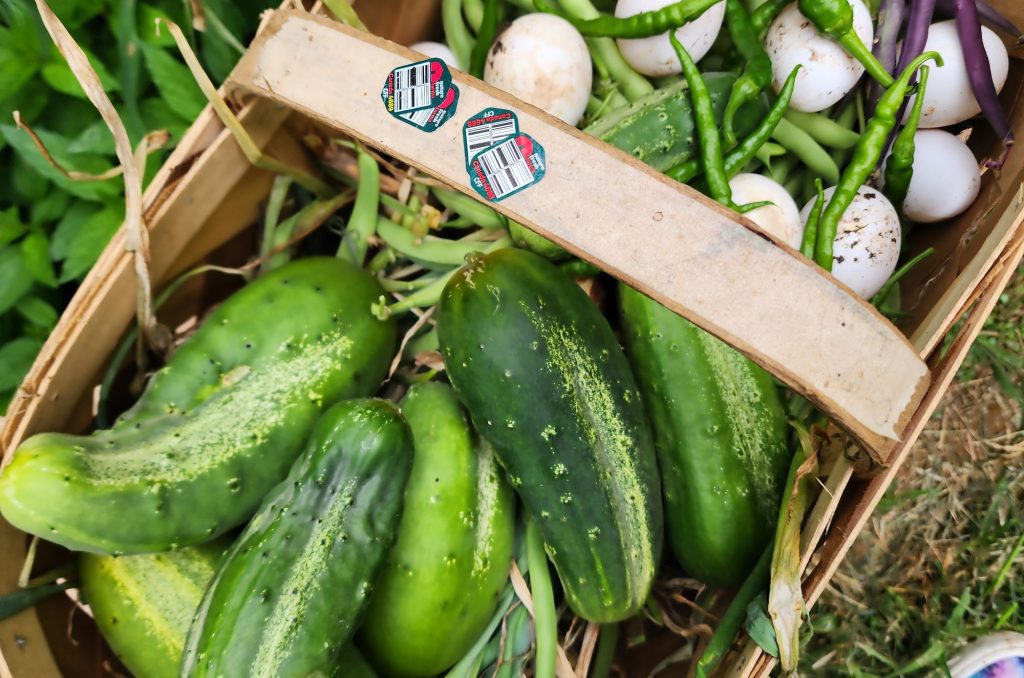
  • Facebook
  • Pinterest
  • Instagram
  • YouTube
  • TikTok
  • Spotify
  • Threads

Filed Under: Garden, How To's, Projects Tagged With: Garden, Goats, Homestead

JOIN TO OUR MAILING LIST!

Leave us your email to receive new posts and special offers for members only! Don't miss a thing!

Recent Posts

  • Fall Garden Guide
  • Top Mistakes With Goats
  • How To Bond With Your Goats

How To Save Money On Livestock Feed

December 7, 2024 by Leigh Leave a Comment

Whether you homestead on a large scale or small, livestock feed is expensive. To be fair, raising livestock in general is expensive. But with the holidays on us, plus supply chain issues and inflation, saving money is becoming more and more important. These tips are how we save money on livestock feed.

How To Save Money On Livestock Feed

  1. Just Add Water
  2. Grow it
  3. Microgreens or Sprouts- Another great way to stretch feed
  4. Buy in bulk
  5. Reduce animal numbers.

You could also make your own, but that is an entire post all on it’s own so make sure you subscribe below to be updated on that post!

Let’s talk about each one of these a little more in depth.

Before we get too far into this, I have a great course on the basics of goat care. I call it Goat Crash Course: Goat 101. In this course, I explain things like types of shelter, types of feeds and hays, basic assessments and so much more! Check it out!

Buy Now

Just Add Water

Soaking feed is number one for a reason. It is hands down the easiest, cheapest and fastest way to stretch your feed. All you need is a 5 gallon bucket with a tight lid for each different feed you plan to soak. For example: I soak/ ferment pig, chicken and goat feed, plus alfalfa and beet pulp, which I do together. So I have 4 buckets.

What’s the difference between soaking and fermenting? Time. If you leave your feed for too long in a bucket it should ferment. And if you leave it too long past that, it will mold. We soak our pig feed and the alfalfa/beet pulp overnight. The chickens and goats get fermented feed that we start 2-3 days prior and then add more as we go.

PS: if you ferment your pig feed for too long, or if there is corn in the feed, you will have drunk pigs…. Don’t ask how I know.

The Hay Calculator:

If you aren’t math-y (don’t worry I’m not either), check out our Hay Calculator. It literally does ALL of the math for you and gives you totals based on what you want your goals.

On the second page, you can track where you’ve bought hay, what you spent and how long it lasted.

Buy the Hay Calculator

Grow It

Right now growing isn’t as easy because it’s winter. But growing crops for your animals is hands down the cheapest way to reduce feed costs. In fact, I would dare say that if you have enough property, or not a lot of animals, you could feasibly never buy a bag of feed. Between grasses for grazing, pasture rotation, and then expanding your garden to grow corn, barley, buckwheat, winter squashes, and more, you could never buy a bag of feed. This could save you thousands of dollars a year for just a few seed packets. You can get almost all of your seeds from Territorial Seed Company or Eden Brothers.

Logo 468x60

What kind of fodder crops should you grow for your animals? That really depends on what animals you have and what they can eat. But corn is a great plant that is easy-ish to grow, store and feed out. Another good plant is pumpkins, and our animals love it. Winter squashes are another really great veggie that does well despite most attempts to kill it. It’s very easy to store and will last a long time in proper conditions. Another good option is putting your animals in your gardens after harvest. They can get all the left over yummies in there and clear your garden at the same time.

cropped-3.jpg

Are you looking for garden journal prompts, but aren’t interested in a weekly email? Check out our 365 Garden Journal Prompts! This is an amazing, all in one, yearly product that you only pay for once.

Buy Now!

Microgreens/ Sprouts

This one can get very in depth and long winded. But to give you the highlights: take a tray, add soil (you don’t have to use soil), add microgreen seeds (densely packed), and then soak. With proper lighting and care you can grow fodder for your chickens and even pigs and goats. The 104 Homestead has a great post on sprouting barley. The Homesteading RD also has a great post on the different microgreens and the process of growing them. Just make sure that your animals can eat the greens. Rainbow Heirloom Seed Co. has some great seeds on Amazon.

What kind and how much to feed? Honestly, we are just starting out with our microgreens and there just isn’t that much information out there on feeding microgreens to livestock. But I will say this, we are growing greens that they can eat the plant or seed of. So if goats can eat broccoli we will feed them half a tray of broccoli microgreens and see what happens. I’ll post more when we know more or find more research of it.

goat kidding

Before we get too far into this, I have a great course on the basics of goat care. I call it Goat Crash Course: Goat 101. In this course, I explain things like types of shelter, types of feeds and hays, basic assessments and so much more! Check it out!

Buy Now

Buy In Bulk

Buying bulk depends completely on two things; your ability to load/unload and your ability to store. When I talk about buying in bulk, I’m talking about half ton totes like these. We have neither the ability to unload or store, so buying in bulk isn’t really a good option for us per se. But we do get a discount on how many pounds of feed we buy at a time. At our feed store if we buy a total of 500# of feed, we get a discount on all of the feed. It doesn’t matter if it’s pig, chicken and goat. I can move and store 10 50# bags of feed, I cannot do that with a ton of pig, a ton of chicken and a ton of goat feed.

What do you need to load/unload and store? Dolly’s to start if you are planning to store in 55gal drums. But if you are buying those big 1 ton totes? You’ll need pallets, pallet jack, and probably a tractor to get it off the delivery truck. There are places that you can go and fill 55 gallon drums but you have to find them first.

Another caveat to this is to shop around. While I absolutely adore Tractor Supply, I cannot afford $25-30 for a 50# bag of chicken feed. Not when I can get a better quality for half the price at my feed store. So ask other homesteaders/farmers in your area where they go for feed.

The other thing that buying in bulk helps with is reducing the amount of feed bags laying around your garage….. Not that I have that problem.

Our herd health bundle helps you keep track of your herd’s health. Includes the goat assessment, herd check sheets AND Herd Health Tracker!

Buy Now

Reduce Your Animal Numbers

No one wants to talk about this, and for good reason. I don’t want to cull, sell or give away any of my animals. On our homestead we can’t keep around animals simply because they are cute. If an animal doesn’t have a purpose, they don’t stay on the farm. The best way to save money on feed is to not have so many animals to feed. It’s just the cold hard truth. If you are trying to reduce your spending, buying feed from the feed store isn’t going to reduce your spending.

If you are having trouble choosing who needs to go, ask your self this: who is the oldest? Who is the meanest? Who is the fattest? Who is the hardest to handle? This should start to help you narrow it down a bit. Again, while not ideal and it breaks my heart, I know who is on the chopping block if we ever get to that point.

Saving Money On Livestock Feed

There are a million different ways to feed your animals. But at the end of the day, feed is an expense that you need to be okay with. If you’re not, then you need to reconsider the amount and type of animals you are getting. Meat chickens require tons of feed but pigs can be maintained on kitchen scraps and good pasture. It’s all in how you want to raise your animals.

If you like the content I put out, feel free to buy us a coffee! It helps keep this site running, marketing and the goats in grain!

Buy me a coffee

If you like this post, feel free to share it and follow us below on our social media accounts!
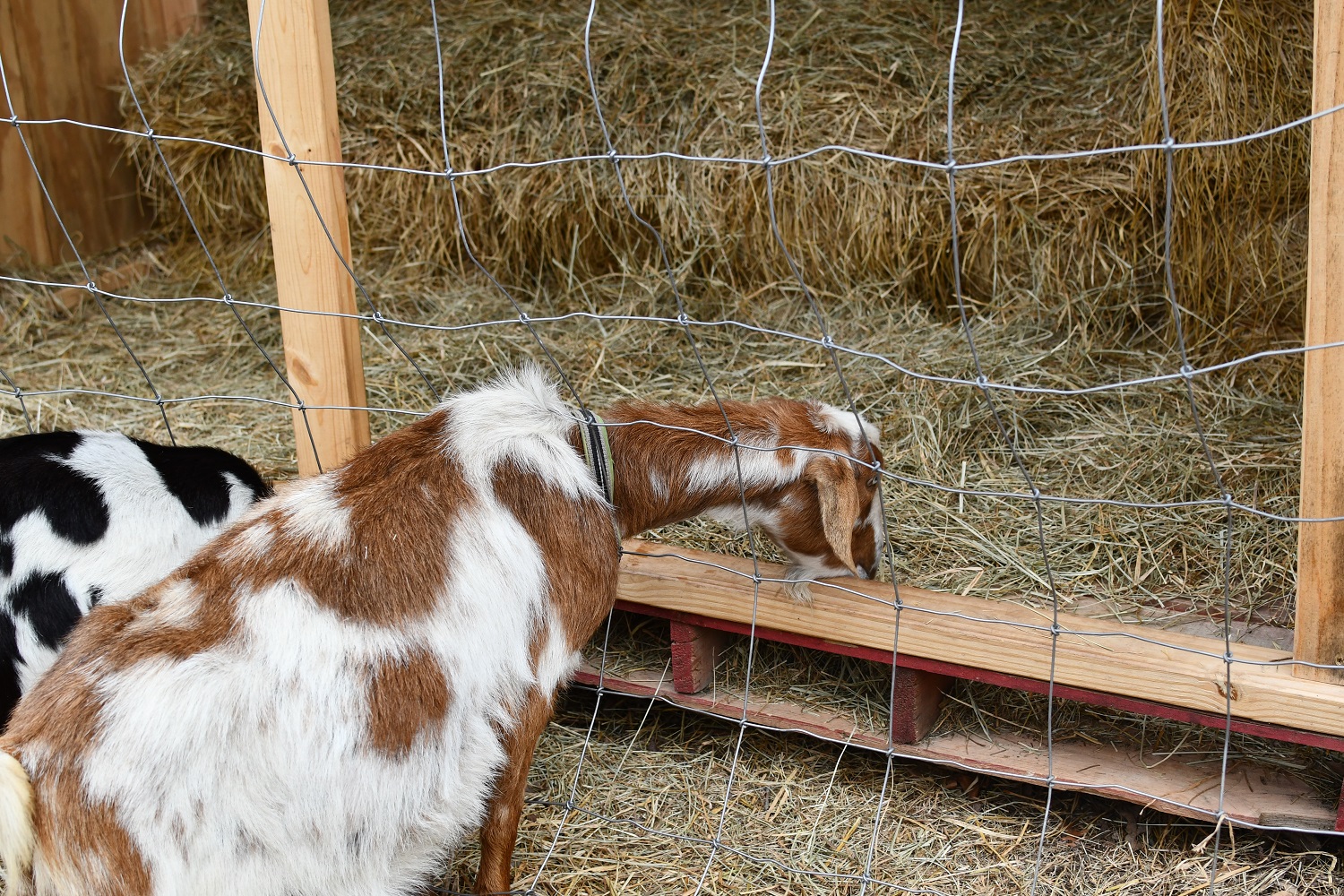
  • Facebook
  • Pinterest
  • Instagram
  • YouTube
  • TikTok
  • Spotify
  • Threads

Filed Under: Animals, Chickens, Goats, How To's, Pigs Tagged With: Chickens, Eggs, feed, Goats, Homestead, Pigs

JOIN TO OUR MAILING LIST!

Leave us your email to receive new posts and special offers for members only! Don't miss a thing!

Recent Posts

  • Fall Garden Guide
  • Top Mistakes With Goats
  • How To Bond With Your Goats
  • « Go to Previous Page
  • Page 1
  • Page 2
  • Page 3
  • Page 4
  • Interim pages omitted …
  • Page 7
  • Go to Next Page »
  • Animals
    • Chickens
    • Farm Dogs
    • Goats
  • Garden
    • Compost
    • Garden Projects
    • Seeds and Plants
    • Garden Journal
    • Working With Food
      • Recipes
      • Freezing Foods
      • Dehydrating Foods
      • Canning Tips And Tricks
        • Canning Inventory Sheets
  • Helpful Info
    • Welcome to the Homestead!
    • Emergency Preparedness
    • Frequently Asked Questions
    • Goal Setting
    • Project List
    • Shop Digital Products
      • Hay Calculator
      • Farm Expense And Income Tracker
      • Goat Crash Course: 101
      • Garden Journal Prompts
      • Schedule C Tracker
      • Schedule C Tracker
      • The Homestead Bundle
  • The Truths
  • Episode List
  • Start Here
    • Privacy Policy
    • Affiliate Disclosure
    • Let’s Get in Touch
    • Members Only Library
    • Welcome To Our Homestead

Footer

  • Email
  • Facebook
  • Instagram
  • Pinterest

COME AND GET IT!

Leave us your email to receive new posts and special offers for members only! Don't miss a thing!

· Midnight Theme

Copyright © 2026 · Midnight Theme on Genesis Framework · WordPress · Log in