• Skip to primary navigation
  • Skip to main content
  • Skip to primary sidebar
  • Skip to footer

Steel Raven Farms

Where muck boots meet ground.

  • Animals
    • Chickens
    • Farm Dogs
    • Goats
  • Garden
    • Compost
    • Garden Projects
    • Seeds and Plants
    • Garden Journal
    • Working With Food
      • Recipes
      • Freezing Foods
      • Dehydrating Foods
      • Canning Tips And Tricks
        • Canning Inventory Sheets
  • Helpful Info
    • Welcome to the Homestead!
    • Emergency Preparedness
    • Frequently Asked Questions
    • Goal Setting
    • Project List
    • Shop Digital Products
      • Hay Calculator
      • Farm Expense And Income Tracker
      • Goat Crash Course: 101
      • Garden Journal Prompts
      • Schedule C Tracker
      • Schedule C Tracker
      • The Homestead Bundle
  • The Truths
  • Episode List
  • Start Here
    • Privacy Policy
    • Affiliate Disclosure
    • Let’s Get in Touch
    • Members Only Library
    • Welcome To Our Homestead

Seeds and Plants

Timing Your Vegetable Garden In Zone 8

March 22, 2025 by Leigh Leave a Comment

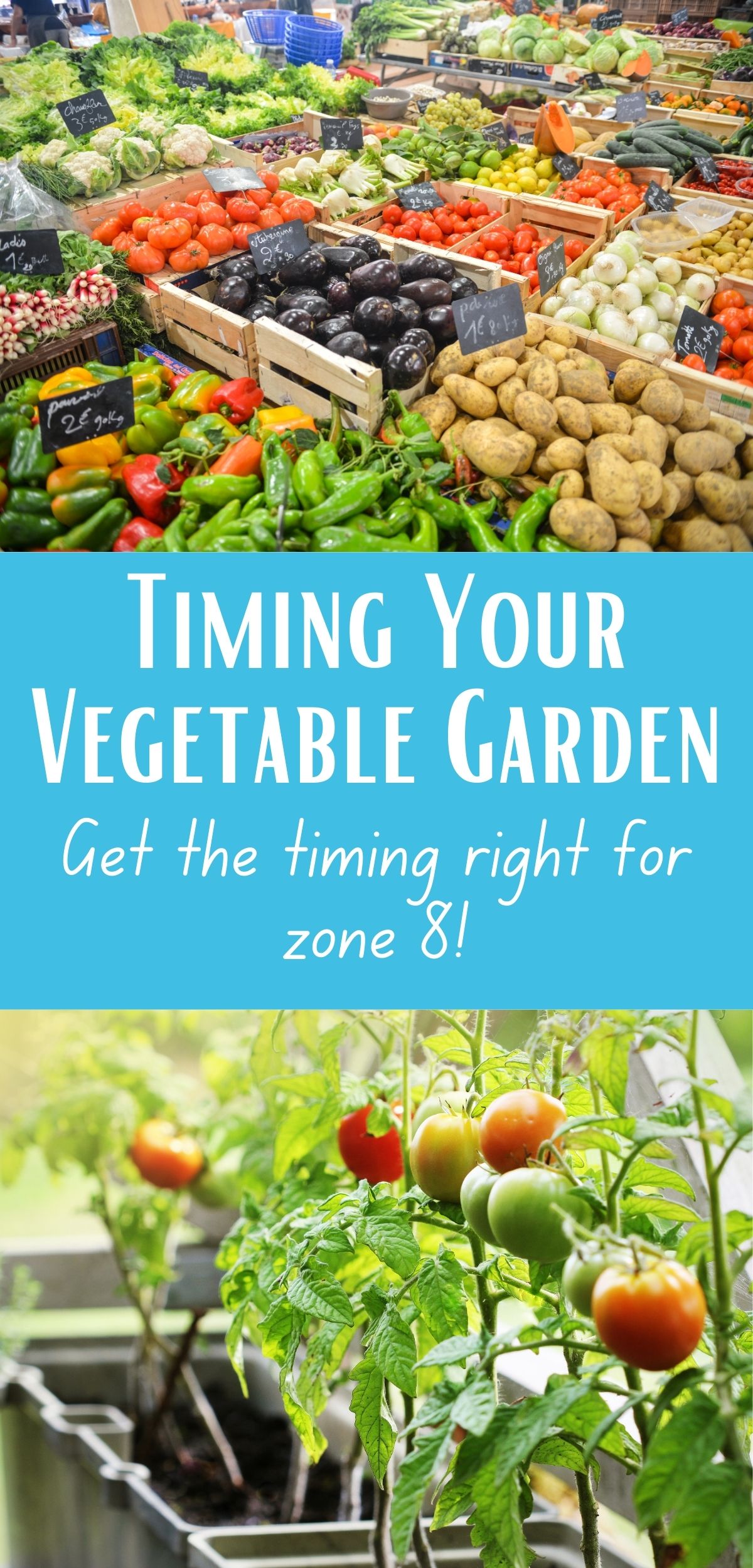
For gardeners in USDA Zone 8, the key to a successful and productive vegetable garden lies in timing. Knowing when to start seeds, when to transplant seedlings, and when to expect your first and last frost dates can mean the difference between a thriving garden and one that struggles. While gardening is often a learning process filled with trial and error, understanding your local climate, frost dates, and microclimate conditions can give you a huge advantage.
timing your vegetable garden
cropped-3.jpg

Are you looking for garden journal prompts, but aren’t interested in a weekly email? Check out our 365 Garden Journal Prompts! This is an amazing, all in one, yearly product that you only pay for once.

Buy Now!

Understanding Your Frost Dates

One of the most crucial pieces of information any gardener needs to know is their region’s first and last frost dates. In Zone 8, the last frost date typically falls around mid to late March, while the first frost usually arrives in early November. These dates are not set in stone, but they provide a useful guideline for when it’s safe to start planting outdoors.

Why does this matter? If you plant too early, a surprise late frost could damage or kill your tender seedlings. On the other hand, waiting too long to plant warm-season crops like tomatoes and peppers could mean they don’t have enough time to reach full maturity before the cooler fall temperatures arrive. By aligning your planting schedule with your frost dates, you maximize your growing season and improve your chances of a bountiful harvest.
If you are interested in learning more about my favorite garden planner. I highly recommend Seedtime! This planner has been instrumental in helping me plan out my gardens with WAY more efficiency than I could ever expect! It has also reduced overwhelm, stress, and calmed my ADD/ADHD!

More Info!

The Role of Local Microclimates

Even within Zone 8, microclimates can significantly impact your garden’s growing conditions. A microclimate is a small area that has slightly different temperature, humidity, and exposure conditions than the surrounding region. Factors like elevation, proximity to bodies of water, and even urban development can create microclimates that either extend or shorten your growing season.

For example, if your garden is in a low-lying area, cold air can settle there, making it more susceptible to frost. Conversely, a garden located against a south-facing brick wall may benefit from extra warmth and an extended growing season. By understanding how your specific microclimate behaves, you can make informed decisions about where to plant certain crops and how to protect them from unexpected weather shifts.

The Ultimate Homesteader’s Starter Bundle – Only $47!

Get the tools you need to stay organized, track profits, and manage your homestead with ease!

Includes:
✅ Schedule F Tracker – Simplify tax prep
✅ Profit Calculator – Track earnings
✅ Hay Calculator – Plan livestock feed
✅ Garden Journal – Digital & printable
✅ Herd Health Tracker – Monitor animal care
✅ Simple Budget – Manage finances
✅ Backyard Homestead eBook – Essential tips

$99 value – now just $47! Start your homesteading journey today!

Buy Now

Choosing the Best Location for Your Vegetable Garden

The location of your vegetable garden plays a significant role in your success as a gardener. Here are some factors to consider when selecting the ideal spot:

1. Sunlight Exposure

Most vegetables need at least 6–8 hours of direct sunlight per day. Warm-season crops like tomatoes, peppers, and squash thrive in full sun, while leafy greens and root vegetables can tolerate a bit more shade. Observe your yard throughout the day to find a location with the best sun exposure.

2. Soil Quality

Healthy soil is the foundation of a productive garden. A well-draining soil rich in organic matter is ideal for vegetable growth. Conduct a soil test to determine the pH and nutrient levels before planting. Amending your soil with compost, aged manure, or organic fertilizers can improve fertility and structure.

3. Drainage and Moisture Levels

Standing water or overly dry soil can both be problematic for vegetable plants. Choose a location with good drainage to prevent root rot, but ensure it retains enough moisture to keep plants hydrated, especially during the hotter months. Raised beds can be a great solution for improving drainage while allowing for better soil control.

4. Wind Protection

Strong winds can damage young plants and dry out the soil quickly. If your garden is in an open area, consider adding windbreaks such as fencing, hedges, or even strategically placed trellises to protect delicate crops.

5. Accessibility to Water

A garden that’s close to a water source is much easier to maintain. Drip irrigation or soaker hoses can be an efficient way to provide consistent moisture while reducing water waste.

If you can’t use or afford drip irrigation or soaker hoses, another really good option is setting up your sprinklers on a timer. While not ideal, if it’s the difference between watering your plants or not, get the timer. 

Before we get too far into this, I have a great course on the basics of goat care. I call it Goat Crash Course: Goat 101. In this course, I explain things like types of shelter, types of feeds and hays, basic assessments and so much more! Check it out!

Buy Now

Timing Your Planting Schedule

Now that we’ve covered the importance of frost dates, microclimates, and garden location, let’s talk about when to plant your vegetables for the best results in Zone 8.

Cool-Season Crops (Fall, Winter, Early Spring)

Cool-season vegetables like broccoli, lettuce, carrots, and peas thrive in the milder temperatures of early spring and fall. These crops can tolerate light frosts, making them ideal for early planting.

  • Start Indoors: Late December – February
  • Direct Sow or Transplant: Late February – Early April
  • Fall Planting: Late August – October

Warm-Season Crops (Late Spring, Summer, Early Fall)

Heat-loving crops like tomatoes, peppers, cucumbers, and squash need warm soil and consistent temperatures above 50°F to grow successfully.

  • Start Indoors: January – March
  • Transplant Outdoors: After last frost (Mid to Late March)
  • Direct Sow: April – June
  • Succession Planting: Continue planting heat-tolerant crops through July for extended harvests

Overwintering Crops

Some vegetables can be planted in late fall and left in the ground over winter for an early spring harvest. Garlic, onions, and some leafy greens like kale and spinach can handle the mild winters of Zone 8 with proper mulching.

Before we get too far into this post, I wanted to give a suggestion about keeping a garden journal. A digital garden journal is a fantastic way to keep track of past, present and future gardens. Our Digital Garden Journal is a great way to keep up with everything without getting too overwhelmed.

Buy Now

Adjusting for Weather Variability

While general guidelines help, weather can be unpredictable. Keeping a gardening journal and tracking your planting dates, weather patterns, and harvest times can provide invaluable insights for future seasons. Investing in season extenders like row covers, cold frames, or greenhouses can also help protect your plants from unexpected temperature drops.

cropped-3.jpg

Are you looking for garden journal prompts, but aren’t interested in a weekly email? Check out our 365 Garden Journal Prompts! This is an amazing, all in one, yearly product that you only pay for once.

Buy Now!

Conclusion

Timing is everything when it comes to a successful vegetable garden in Zone 8. Understanding your frost dates, local microclimate, and choosing the right garden location can make a world of difference. By aligning your planting schedule with the seasons and making small adjustments based on local conditions, you can enjoy a productive and rewarding gardening experience year after year. Whether you’re growing cool-season greens, summer tomatoes, or experimenting with overwintering crops, strategic planning will help you make the most of your garden space and climate.

Happy gardening!

If you like the content I put out, feel free to buy us a coffee! It helps keep this site running, marketing and the goats in grain!

Buy me a coffee

If you like this post, feel free to share it and follow us below on our social media accounts!

  • Facebook
  • Pinterest
  • Instagram
  • YouTube
  • TikTok
  • Spotify
  • Threads

Filed Under: Garden, Seeds and Plants

JOIN TO OUR MAILING LIST!

Leave us your email to receive new posts and special offers for members only! Don't miss a thing!

Recent Posts

  • Fall Garden Guide
  • Top Mistakes With Goats
  • How To Bond With Your Goats

How To Create A Digital Seed Inventory

February 8, 2025 by Leigh Leave a Comment

Every year, it’s the same problem, “What seeds did I buy last year?” I have yet to meet a person that only buys exactly what they need. But most people forget what they purchased last year, if they liked it, how much they still have, etc. Every gardener, farmer, or homesteader, needs a seed inventory. There are about a million ways to create a seed inventory, from paper to digital to mental. But at the end of the day, it doesn’t really matter HOW you keep track of your seeds, as long as you do it. Today, I want to show you how and why I have a digital seed inventory and how you can do it too.

Before we get too far into this post, I wanted to give a suggestion about keeping a garden journal. A digital garden journal is a fantastic way to keep track of past, present and future gardens. Our Digital Garden Journal is a great way to keep up with everything without getting too overwhelmed.

Buy Now

Why Have A Seed Inventory

I want to say this first, you don’t have to have a digital seed inventory. In fact, if you want to keep it old school with a pen and paper? Go right ahead. I’m not here to judge. I just want you to be able to keep track of your seeds. In my garden planner, I’ve got several charts that help me track everything from seeds/seedlings, orchard information, pests, and more. This is my printed planner that helps me keep track when out in the garden. But I prefer my digital seed inventory for a lot of reasons.

First, when I order seeds, I am on my computer. Rarely, if ever, do I go into a store and buy seeds that I NEED. Those seeds are the seeds I saw and thought, “Hmm, that looks interesting.” And they get thrown in my cart. The seeds I need for my garden are bought online. That’s because I know exactly what I need, the amount I need, and I can usually get better deals that way.

Second, it helps me save a TON of money. I am an impulse buyer. No matter what I try to do to stop that, I am going to see something and snatch it up because it looks cool, could solve my problem and so much more. But the reality is that having a digital seed inventory on my phone tells me EXACTLY what I have on hand, and which storage bin it’s in.

Third, it helps me keep track of start times, harvests, and more. I enjoy being able to quickly look back at a seed in my inventory and see that it germinated well, produced a ton, and, probably most importantly, how many seeds I have on hand right NOW.

One of our five year goals is to feed ourselves and animals 75% from our land. That’s a ton of food. But to get to that goal, I need to make sure that I am only buying or saving the seeds that I know will work.

If you are interested in learning more about my favorite garden planner. I highly recommend Seedtime! This planner has been instrumental in helping me plan out my gardens with WAY more efficiency than I could ever expect! It has also reduced overwhelm, stress, and calmed my ADD/ADHD!

More Info!

Creating A Digital Seed Inventory

A simple spreadsheet is really all you need. It can be as fancy and in depth or as simple as you want. My physical garden planner is pretty in depth because I want to make sure that I can track as much information as possible. But sometimes there is a need for simplicity and I that is where my garden journal comes in.

If you are choosing to start your own digital seed inventory, then you need to write down the things that you want to track. Do you care what color the pepper is? Do you care if it’s a transplant or direct sow? Where you bought the seeds?

Logo 468x60

You also need to think about how you are going to access it when the time comes. Are you only going to use it at home? Then it probably doesn’t need to be web based. Are you looking for seeds from a local farmers market? Probably should be web based like Google Sheets.

Make sure that the things you want to know are easily accessible within that spreadsheet.

If you aren’t quite sure what you want in your spreadsheet, I have my digital seed inventory that you can purchase in our general store. This is the same one I use. The cool thing about it, is that while it is in depth, you can delete the things that you don’t want or need.

Logo 468x60

Need Help Organizing Your Seeds?

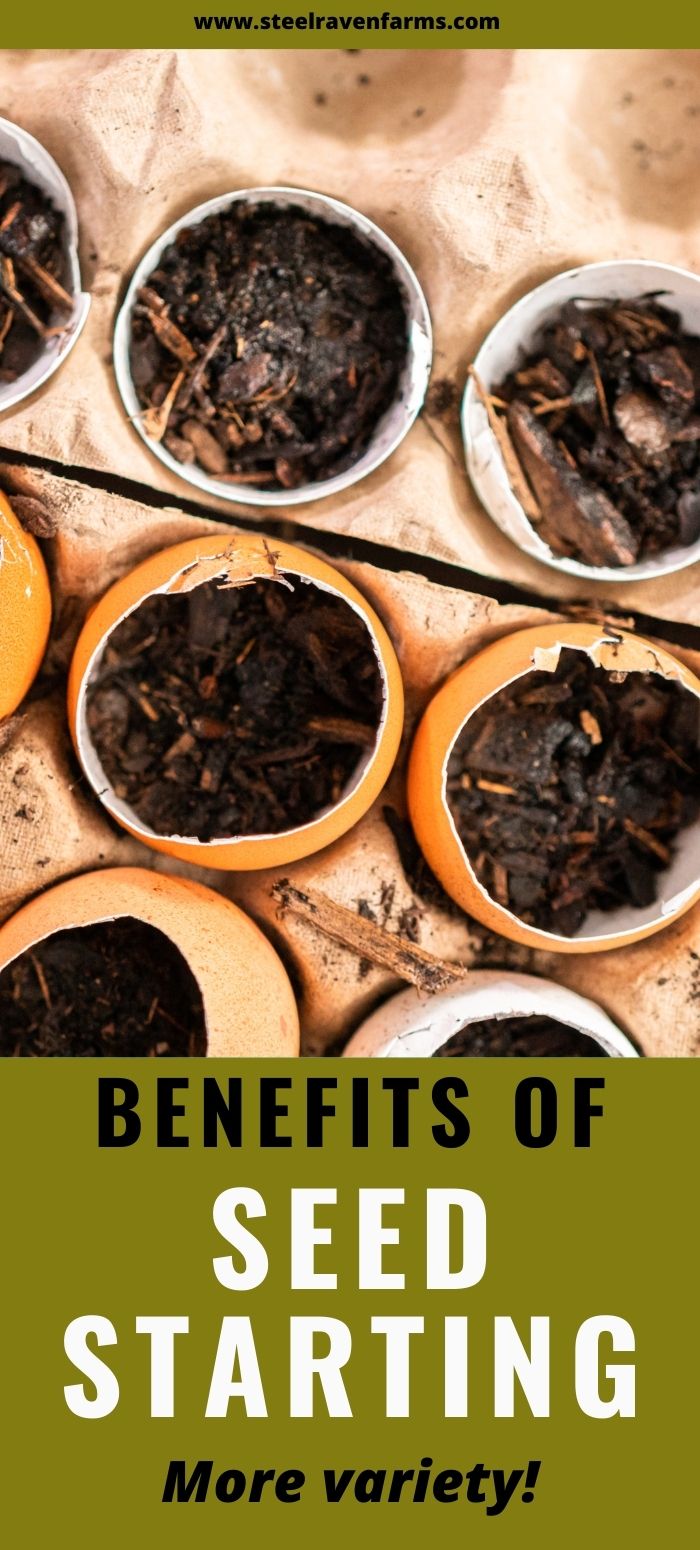
In my digital seed inventory, the first column is “location”. Pro tip? Get yourself a couple of photo storage bins like this and put your seeds in it! This is seriously the best garden purchase I have made to date. These storage bins have 18 4×6 storage containers.

On the outside of the bin, I write which bin it is A, B, C, etc. On the inside 4×6 bins, I write A1, A2, A3, etc of the corresponding bin. This way when I look at my inventory, I can see that corn seeds are in bins C12-C18. That way when I go to plant that corn, I don’t have to go find it, lug out a million seed packets, and risk losing a couple packets. This has been my hack for the last 10 years and I will always use it.

Using Your Digital Seed Inventory

One of the things I do every year, usually in July and December, is figure out how many seeds I actually have on hand. This really helps to make sure that I have plenty of seeds for the growing season. The hardest part of having a digital seed inventory (or really any inventory) is making sure that you are consistently updating the inventory.

No matter if you are using a box to store your seeds, a pen and paper to keep track of how many seeds you have, or going all digital and super organized. The reality is that if you are buying seeds, using them and growing food? You’re doing pretty amazing!

If you like the content I put out, feel free to buy us a coffee! It helps keep this site running, marketing and the goats in grain!

Buy me a coffee

If you like this post, feel free to share it and follow us below on our social media accounts!
  • Facebook
  • Pinterest
  • Instagram
  • YouTube
  • TikTok
  • Spotify
  • Threads

Filed Under: Garden, How To's, Seeds and Plants Tagged With: Fodder, Garden, veggies

JOIN TO OUR MAILING LIST!

Leave us your email to receive new posts and special offers for members only! Don't miss a thing!

Recent Posts

  • Fall Garden Guide
  • Top Mistakes With Goats
  • How To Bond With Your Goats

Benefits Of Seed Starting

January 27, 2024 by Leigh Leave a Comment

A lot of people buy their plant starts from big box stores and I don’t think that is necessarily a bad thing. I purchase plant starts from big box stores and nurseries, but there are so many benefits to starting seeds yourself. I think a lot of people think starting seeds is more labor intensive than they are interested in, and they would be right. Or, and I think this is more accurate, people don’t know HOW to start seeds.

cropped-3.jpg

Are you looking for garden journal prompts, but aren’t interested in a weekly email? Check out our 365 Garden Journal Prompts! This is an amazing, all in one, yearly product that you only pay for once.

Buy Now!

Benefits Of Starting Seeds

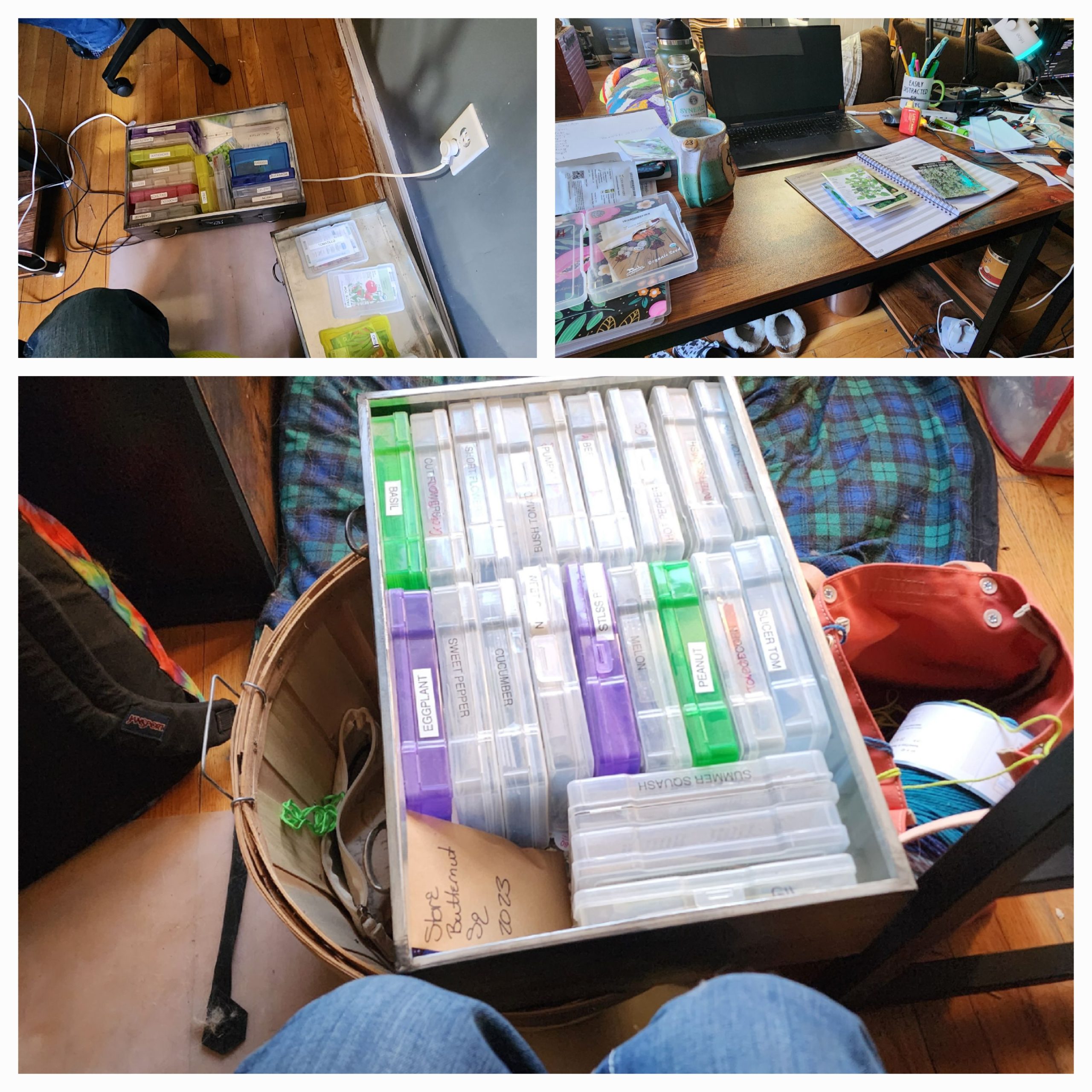
Oh, let me count the benefits of seed starting. But in all seriousness, there are a ton of benefits but I’m going to limit this post to three main areas; varieties, skills and saving money. There are thousands and thousands of varieties out there! Plus, if you learn how to start your own seeds, you will not only save money and build skills, but you also get to try all these amazing varieties!

Trying Different Varieties

Big box stores have to purchase/ sell plants based on what customers will buy. Nurseries start plants based off of what big box stores will buy. Because of that, you are just not going to find the rare, weird or amazing varieties in a store. Sure, some nurseries will start that odd ball tomato variety, but the reality is that you will be limited on what you can choose from.

Save on Seeds

Y’all, there are literally 10,000 varieties of tomato seeds! And you are only getting the choice of maybe 20. Maybe.

Also, when you start your own seeds, you can get local varieties that do well in your location. Some tomato plants don’t do well in the oppressive southern heat but if that’s the only variety available at the big box store? Your tomatoes may shrivel up and die before you ever harvest anything off it.

In my seed inventory, I’ve got about 30 varieties of tomato, 10 variety of cherry tomatoes, 25 different hot peppers, 10 different sweet peppers, and 10 different varieties of corn. That’s just a few of them!

Logo 468x60

Learning New Skills

The benefits of starting seeds isn’t limited to saving money and varieties, it also grows your gardening muscle. I talked about gardening being a skill in this blog post, but it really only talks about growing the garden. There are so many more skills to learn when it comes to gardening and starting seeds is a HUGE skill that a lot of people think they can’t do.

When you take the time to really learn how to grow something from seed, you are taking back more of your independence. And to be honest, starting your own seed really isn’t that hard. Sure, there are more steps that you have to remember and it’s not as easy as dropping a plant in the ground. You’ve got to baby seeds for a little bit.

One of the areas that I have been working hard on is my seed starting and garden planning. I use Seedtime . I’ve been using it to track seed starting, garden plans and more. I’ve really enjoyed using it!

If you are interested in learning more about my favorite garden planner. I highly recommend Seedtime! This planner has been instrumental in helping me plan out my gardens with WAY more efficiency than I could ever expect! It has also reduced overwhelm, stress, and calmed my ADD/ADHD!

More Info!

But it really is as simple as putting seeds in dirt, keeping the soil damp (not drowning) and giving it some light. Everything else just makes it easier.

Saving Money

Now, in theory, you will save a TON of money by starting your own seeds. Unless you are a seed hoarder… In which case, you will still save money, but definitely not as much as you could. But there are tons of ways that starting your own seeds can save you a ton of money. Like the amount of seeds you get in a seed packet is MORE than enough to start a years worth of plants. Or the fact that a single cabbage plant at a box store is going to be $3-5 but only yields one vegetable.

Seed Packets

Seed packets are amazing little gifts that are totally underrated. I would LOVE my entire Christmas/ Birthday presents to be nothing but seed packets. Why? Because it’s literally the gift that keeps on giving. That person is giving me the gift of FOOD, mental health, and building my gardening skills. Plus the ability to feed my family. How awesome is that?!

A standard seed packet is usually 3x4in, holds about 10-100 seeds and is usually around $2-5. The reason for the range totally depends on the seed. I’ve got a pack of tomato seeds that are $7 for 10 seeds. But it’s a variety that does well in cooler weather. Why would I need that? Because I can start it earlier and harvest tomatoes sooner, or I can plant it later and harvest tomatoes into October/ November.

Check out our Microgreens at True Leaf Market

Buying Plant Starts

I’ve bought plant starts and I will probably always buy some starts. There are some plants that are just easier to purchase from a store or nursery. Things like onion, potato, strawberries, garlic, and flowers. But to save money, I start all of my tomatoes, peppers, brassicas, sunflowers, pumpkins, squash, and more.

To give you the best example, at the big box stores a cabbage plant is $3-5 but at the store a cabbage is usually less than $1. That doesn’t make any damn sense. Let’s not mention that the cabbage plant is going to bolt in a matter of weeks because you can’t grow a baby cabbage plant, in May, in the south!

Tractor Supply

But when we are talking about other plants like tomatoes, peppers, pumpkins and squash, you really want to at least TRY to start seeds. If it doesn’t work, go get your starts from the store and try again next year. Again, a seed packet is, on average, $3 and gives you about 30 seeds. Even at 50% germination (and it will probably be more like 99%) you will end up with 15 plants. A big box store will sell those same plants for $5 each. You are saving $72 on 15 plants! But if you get all those seeds to germinate and grow, you are looking at saving $147! That’s just one seed packet.

I know it sounds sales-y but I promise you, if you have good soil, good light and a fair amount of heat, you can save hundreds of dollars on your garden.

Save on Seeds

My Seed Stash

My seed stash is valued somewhere in the ballpark of $1200. That doesn’t count the boxes or other storage. And yes, that is a LOT of money. And NO, you don’t need to invest that kind of money into your seed stash. In fact, with the right discount codes, I could grow my entire 50×100 garden with only $100. But…. my name is Leigh and I am a seed hoarder. Though, I prefer the term seed collector.

Now, I LOVE starting seeds for a lot of reasons. The first is that I get to play in the dirt earlier. I start my cool/cold loving plants in February and put them in my greenhouse. If you don’t have a greenhouse, you can absolutely put them on a shelf next to a window or get yourself some cheap shop lights.

Check out our Microgreens at True Leaf Market

The second reason I love starting seeds is because of variety! When you go to the grocery store, you are getting produce that is grown for a grocery store. That means the variety must grow to consistent size, ship well, and be able to sit on a shelf for a far amount of time. All of these things have a sacrifice and it’s usually flavor.

When you start your own seeds, you get to start the weird varieties. Like a tomato that is all black or a melon that looks like a winter squash and tastes like candy. But more importantly, you get a fruit or vegetable that is packed with flavor.

Logo 468x60

What Are Your Favorite Benefits Of Seed Starting?

I would love to hear from you! Drop your favorite varieties in the comments!

If you like the content I put out, feel free to buy us a coffee! It helps keep this site running, marketing and the goats in grain!

Buy me a coffee

If you like this post, feel free to share it and follow us below on our social media accounts!
  • Facebook
  • Pinterest
  • Instagram
  • YouTube
  • TikTok
  • Spotify
  • Threads

Filed Under: Garden, Seeds and Plants Tagged With: Garden, seed starting, seeds

JOIN TO OUR MAILING LIST!

Leave us your email to receive new posts and special offers for members only! Don't miss a thing!

Recent Posts

  • Fall Garden Guide
  • Top Mistakes With Goats
  • How To Bond With Your Goats

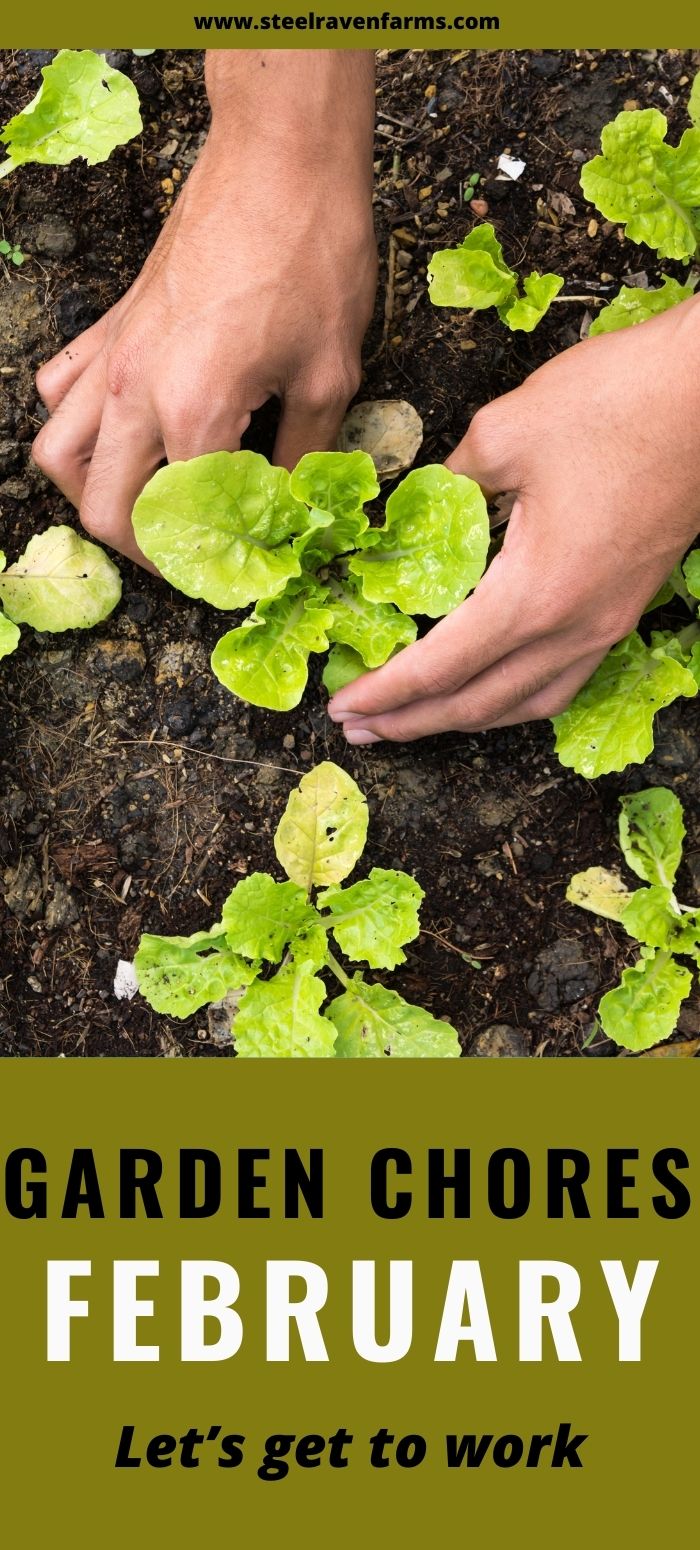
February Garden Chores

January 23, 2024 by Leigh Leave a Comment

This is an exciting time for those of us that are getting ready to start seeds. Steel Raven Farms is located in Northeast Georgia, in the foothills of the Appalachian Mountains. We are in zone 7b, even though I don’t really keep track of that. But this time of year is really when I start working on February garden chores and really start on getting my garden stuff going.

cropped-3.jpg

Are you looking for garden journal prompts, but aren’t interested in a weekly email? Check out our 365 Garden Journal Prompts! This is an amazing, all in one, yearly product that you only pay for once.

Buy Now!

February Garden Chores

First and foremost, there is a never ending list of homestead chores that need to be done. But February is a weird month for us. We’ve got goat kids being born, projects getting finished up and prepping for spring planting. And it’s COLD! The very last thing most people are thinking about is a garden. But I know that in just a few short weeks, the weather will turn and we will start warming up.

As far as February garden chores, we are looking at finalizing garden plans, checking seed inventory, checking our garden stuff, and starting seeds. Some of these things will take place towards the start of the month and others will depend on the weather but for the most part, these are the things we are doing in February.

Finalizing Garden Plans

As we are moving out of January, we are still finalizing garden plans. This looks a little different for everyone depending on how you are planning your garden. But for us, we are still in the process of giving our big garden a facelift. So I don’t want to put a ton of effort into planning a space when I don’t know EXACTLY how much space I’m going to have.

But garden plans are not just the physical structures of the garden, though that is a huge part of garden plans. In this case, I’m talking about what I can put IN those structures. This is the time were I am making sure that I have plenty of space for all of the things I want to plant.

Now, I know that regardless of whether my beds are build or not, there will still be plenty of room to plant all the tomatoes, peppers, squash, and all the other delicious veggies. But I do want to ensure that I have plenty of space, seeds, pots, and other things make this years garden a success.

Checking Seed Inventory

I’ve got a whole blog post/ page on creating a seed inventory. This can look like a notebook or a spreadsheet but it is surprisingly important to have some sort of system that tells you exactly what seeds you have on hand. I’ve created a digital seed inventory that you can purchase here, or you can make your own. But now is not the time to buy seeds!

If you are just starting your gardens, then yes, buy the seeds. But if you have a ton of seeds and you don’t NEED to purchase seeds for this years garden, wait till summer! Most seed companies will start putting their seeds on sale in the middle of summer and that is the time to stock up. Plus, come summer, you will have a better idea of what plants are doing well for you and which aren’t.

All that being said, start looking at what seeds you have on hand and match that up to your garden plans. Do you have enough tomato seeds? Which squash was resistant to bores? Which sweet pepper did you love? All of this information should be either in your seed inventory or your garden journals.

Are you getting overwhelmed in the garden? Stressed? Or just not enjoying the garden like you used to? Check out our garden prompts! We send out weekly emails that get you back in the garden and out of your head! Turn the garden back into a place of love and joy instead of frustration and headache!

Subscribe Now!

Prepping Your Garden Stuff

Again, this looks different for everyone, but February garden chores wouldn’t be complete without checking your supplies. Do you have enough compost, soil or amendments? Do you have a fresh garden journal? Are your tools clean and sharp? Do you have enough pots to start your plants?

You would be surprised to find that you need to start sourcing some of these materials NOW before you get too far into the season.

For me, I am making sure that I have plenty of soil and compost, my pots are clean and sanitized, my greenhouse is ready, and I’m good to go! Jared will usually go through and start sharpening tools, finish any big projects that need to be done in the garden and help me with seeds.

Starting Seeds!

This is it, ya’ll! Every single gardener is chomping at the bit to get their gardens started and I am no different. My last frost is supposed to be around April 15th. But I can go ahead and start a fair amount of cool weather, frost hardy things now! Things like cabbage, broccoli, cauliflower, kohlrabi, etc can all be started in my greenhouse without risk of damage.

But there are some summer things we can start now too! I wait till I’m closer to March before starting too many tomatoes and peppers but I will start a tray and put them in the greenhouse around mid February. This is an experiment more than anything, because I want to see just how well my greenhouse stays warm.

But don’t go too crazy with starting your seeds. If your last frost is around the same time as mine, it’s easy to get caught up in the hype of starting seeds early. But remember, the more you start at once, the less bumper crop you will have later.

Pro Amateur Tips For February Garden Chores

Start A Garden Journal

If you haven’t already, start setting up your garden journal! I’ve talked about the importance of journaling here, but garden journals are a must if you are going to “take your garden seriously”. By that I mean, if you want to learn from your garden and grow your gardening skills, then you should make sure that you are writing down what is happening in your garden.

If you’re not sure what to write about, I’ve got my 365 Day Garden Journal Prompt that you can purchase below!

cropped-3.jpg

Are you looking for garden journal prompts, but aren’t interested in a weekly email? Check out our 365 Garden Journal Prompts! This is an amazing, all in one, yearly product that you only pay for once.

Buy Now!

This is also a great place to write down all the seed varieties you grew for the year and how they did for you. This will keep you from purchasing seeds that don’t work for you or remind you of what did well.

Seed Inventory

I have two different ways I track my seed inventory. One is my digital seed inventory and the other is an account ledger book. The reason is twofold. One, I love redundancy. Two, I love having paper copies. There is something about handwriting something that sticks in my brain better.

But having that digital copy of my seed inventory tells me where I bought the seed and has links which is amazing! So no matter if you are super techy or ole school, (or in my case both), make sure that you’ve got something to help you track your seeds!

Don’t Start A TON Of Summer Seeds Yet

I know it’s tempting to start a ton of seeds because you’ve got your hands in the dirt and it’s exciting! But please! Don’t start all of your peppers, tomatoes, cucumbers, etc all at once!

Space out your plantings by about two weeks. This ensures a longer and more spread out harvest, but also won’t wipe out your seed stash if you get a freak storm.

As always, don’t be afraid to try new varieties and have fun! It’s great being a student of the garden!

If you like the content I put out, feel free to buy us a coffee! It helps keep this site running, marketing and the goats in grain!

Buy me a coffee

If you like this post, feel free to share it and follow us below on our social media accounts!
  • Facebook
  • Pinterest
  • Instagram
  • YouTube
  • TikTok
  • Spotify
  • Threads

Filed Under: Garden, Seeds and Plants Tagged With: by month, Chores, Garden, Homestead, kitchen

JOIN TO OUR MAILING LIST!

Leave us your email to receive new posts and special offers for members only! Don't miss a thing!

Recent Posts

  • Fall Garden Guide
  • Top Mistakes With Goats
  • How To Bond With Your Goats

Primary Sidebar

WELCOME

WELCOME

My name is Leigh and I am the lead chaos creator here at Steel Raven Farms. You will see throughout this blog that I am the crazy goat lady.

I am married to my high school sweetheart, Jared and we have two amazing boys.

FOLLOW ME

  • Amazon
  • Facebook
  • Instagram
  • Pinterest
  • TikTok

GET UPDATES!

Leave us your email to receive new posts and special offers for members only! Don't miss a thing!

In all the years that I’ve been growing a garden, the fall garden has steadily remained my favorite. Which is funny because I don’t really like any of the brassicas, which is what most people know the fall garden for. I prefer the root vegetables and cool air. But I have learned over the years…

Read More

  • Animals
    • Chickens
    • Farm Dogs
    • Goats
  • Garden
    • Compost
    • Garden Projects
    • Seeds and Plants
    • Garden Journal
    • Working With Food
      • Recipes
      • Freezing Foods
      • Dehydrating Foods
      • Canning Tips And Tricks
        • Canning Inventory Sheets
  • Helpful Info
    • Welcome to the Homestead!
    • Emergency Preparedness
    • Frequently Asked Questions
    • Goal Setting
    • Project List
    • Shop Digital Products
      • Hay Calculator
      • Farm Expense And Income Tracker
      • Goat Crash Course: 101
      • Garden Journal Prompts
      • Schedule C Tracker
      • Schedule C Tracker
      • The Homestead Bundle
  • The Truths
  • Episode List
  • Start Here
    • Privacy Policy
    • Affiliate Disclosure
    • Let’s Get in Touch
    • Members Only Library
    • Welcome To Our Homestead

Footer

  • Email
  • Facebook
  • Instagram
  • Pinterest

COME AND GET IT!

Leave us your email to receive new posts and special offers for members only! Don't miss a thing!

· Midnight Theme

Copyright © 2026 · Midnight Theme on Genesis Framework · WordPress · Log in