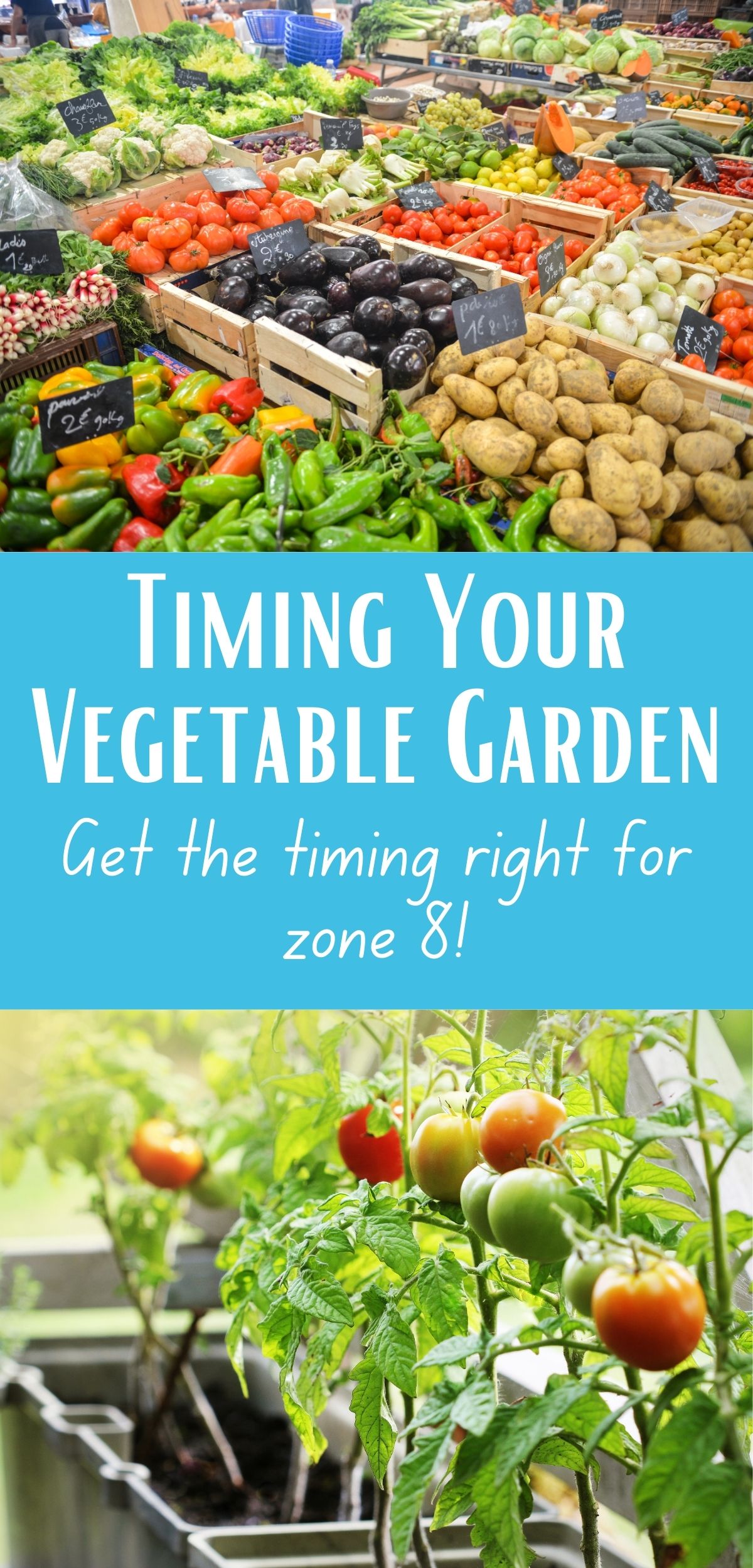
For gardeners in USDA Zone 8, the key to a successful and productive vegetable garden lies in timing. Knowing when to start seeds, when to transplant seedlings, and when to expect your first and last frost dates can mean the difference between a thriving garden and one that struggles. While gardening is often a learning process filled with trial and error, understanding your local climate, frost dates, and microclimate conditions can give you a huge advantage.

Are you looking for garden journal prompts, but aren’t interested in a weekly email? Check out our 365 Garden Journal Prompts! This is an amazing, all in one, yearly product that you only pay for once.
Understanding Your Frost Dates
One of the most crucial pieces of information any gardener needs to know is their region’s first and last frost dates. In Zone 8, the last frost date typically falls around mid to late March, while the first frost usually arrives in early November. These dates are not set in stone, but they provide a useful guideline for when it’s safe to start planting outdoors.
Why does this matter? If you plant too early, a surprise late frost could damage or kill your tender seedlings. On the other hand, waiting too long to plant warm-season crops like tomatoes and peppers could mean they don’t have enough time to reach full maturity before the cooler fall temperatures arrive. By aligning your planting schedule with your frost dates, you maximize your growing season and improve your chances of a bountiful harvest.

If you are interested in learning more about my favorite garden planner. I highly recommend Seedtime! This planner has been instrumental in helping me plan out my gardens with WAY more efficiency than I could ever expect! It has also reduced overwhelm, stress, and calmed my ADD/ADHD!
The Role of Local Microclimates
Even within Zone 8, microclimates can significantly impact your garden’s growing conditions. A microclimate is a small area that has slightly different temperature, humidity, and exposure conditions than the surrounding region. Factors like elevation, proximity to bodies of water, and even urban development can create microclimates that either extend or shorten your growing season.
For example, if your garden is in a low-lying area, cold air can settle there, making it more susceptible to frost. Conversely, a garden located against a south-facing brick wall may benefit from extra warmth and an extended growing season. By understanding how your specific microclimate behaves, you can make informed decisions about where to plant certain crops and how to protect them from unexpected weather shifts.

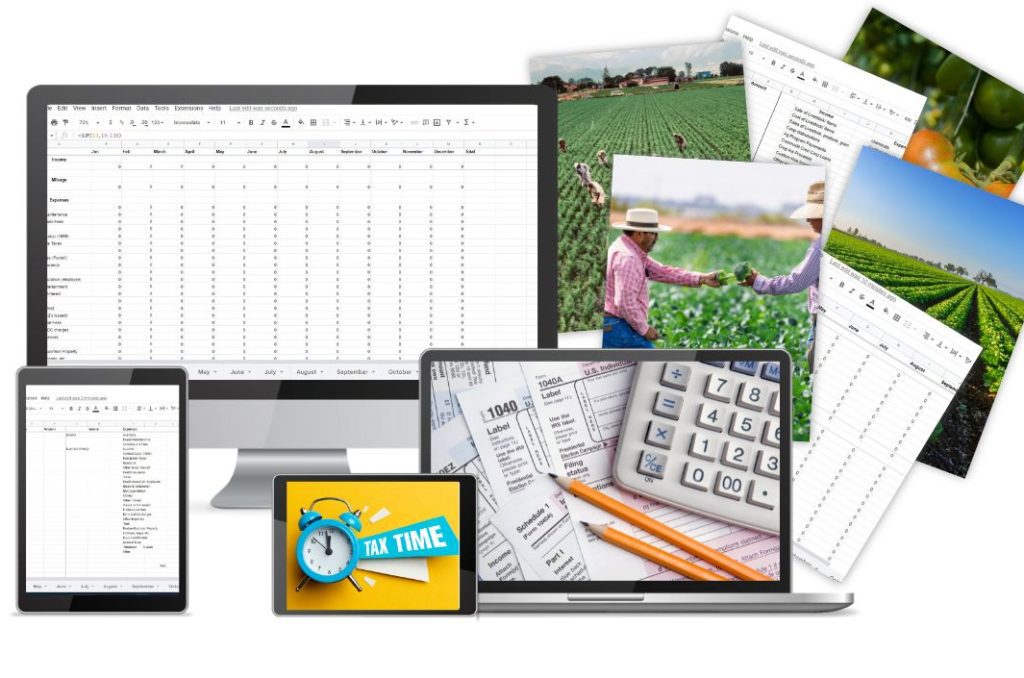
The Ultimate Homesteader’s Starter Bundle – Only $47!
Get the tools you need to stay organized, track profits, and manage your homestead with ease!
Includes:
✅ Schedule F Tracker – Simplify tax prep
✅ Profit Calculator – Track earnings
✅ Hay Calculator – Plan livestock feed
✅ Garden Journal – Digital & printable
✅ Herd Health Tracker – Monitor animal care
✅ Simple Budget – Manage finances
✅ Backyard Homestead eBook – Essential tips
$99 value – now just $47! Start your homesteading journey today!
Choosing the Best Location for Your Vegetable Garden
The location of your vegetable garden plays a significant role in your success as a gardener. Here are some factors to consider when selecting the ideal spot:
1. Sunlight Exposure
Most vegetables need at least 6–8 hours of direct sunlight per day. Warm-season crops like tomatoes, peppers, and squash thrive in full sun, while leafy greens and root vegetables can tolerate a bit more shade. Observe your yard throughout the day to find a location with the best sun exposure.
2. Soil Quality
Healthy soil is the foundation of a productive garden. A well-draining soil rich in organic matter is ideal for vegetable growth. Conduct a soil test to determine the pH and nutrient levels before planting. Amending your soil with compost, aged manure, or organic fertilizers can improve fertility and structure.
3. Drainage and Moisture Levels
Standing water or overly dry soil can both be problematic for vegetable plants. Choose a location with good drainage to prevent root rot, but ensure it retains enough moisture to keep plants hydrated, especially during the hotter months. Raised beds can be a great solution for improving drainage while allowing for better soil control.
4. Wind Protection
Strong winds can damage young plants and dry out the soil quickly. If your garden is in an open area, consider adding windbreaks such as fencing, hedges, or even strategically placed trellises to protect delicate crops.
5. Accessibility to Water
A garden that’s close to a water source is much easier to maintain. Drip irrigation or soaker hoses can be an efficient way to provide consistent moisture while reducing water waste.
If you can’t use or afford drip irrigation or soaker hoses, another really good option is setting up your sprinklers on a timer. While not ideal, if it’s the difference between watering your plants or not, get the timer.

Before we get too far into this, I have a great course on the basics of goat care. I call it Goat Crash Course: Goat 101. In this course, I explain things like types of shelter, types of feeds and hays, basic assessments and so much more! Check it out!
Timing Your Planting Schedule
Now that we’ve covered the importance of frost dates, microclimates, and garden location, let’s talk about when to plant your vegetables for the best results in Zone 8.
Cool-Season Crops (Fall, Winter, Early Spring)
Cool-season vegetables like broccoli, lettuce, carrots, and peas thrive in the milder temperatures of early spring and fall. These crops can tolerate light frosts, making them ideal for early planting.
- Start Indoors: Late December – February
- Direct Sow or Transplant: Late February – Early April
- Fall Planting: Late August – October
Warm-Season Crops (Late Spring, Summer, Early Fall)
Heat-loving crops like tomatoes, peppers, cucumbers, and squash need warm soil and consistent temperatures above 50°F to grow successfully.
- Start Indoors: January – March
- Transplant Outdoors: After last frost (Mid to Late March)
- Direct Sow: April – June
- Succession Planting: Continue planting heat-tolerant crops through July for extended harvests
Overwintering Crops
Some vegetables can be planted in late fall and left in the ground over winter for an early spring harvest. Garlic, onions, and some leafy greens like kale and spinach can handle the mild winters of Zone 8 with proper mulching.

Before we get too far into this post, I wanted to give a suggestion about keeping a garden journal. A digital garden journal is a fantastic way to keep track of past, present and future gardens. Our Digital Garden Journal is a great way to keep up with everything without getting too overwhelmed.
Adjusting for Weather Variability
While general guidelines help, weather can be unpredictable. Keeping a gardening journal and tracking your planting dates, weather patterns, and harvest times can provide invaluable insights for future seasons. Investing in season extenders like row covers, cold frames, or greenhouses can also help protect your plants from unexpected temperature drops.
Are you looking for garden journal prompts, but aren’t interested in a weekly email? Check out our 365 Garden Journal Prompts! This is an amazing, all in one, yearly product that you only pay for once.
Conclusion
Timing is everything when it comes to a successful vegetable garden in Zone 8. Understanding your frost dates, local microclimate, and choosing the right garden location can make a world of difference. By aligning your planting schedule with the seasons and making small adjustments based on local conditions, you can enjoy a productive and rewarding gardening experience year after year. Whether you’re growing cool-season greens, summer tomatoes, or experimenting with overwintering crops, strategic planning will help you make the most of your garden space and climate.
Happy gardening!
If you like the content I put out, feel free to buy us a coffee! It helps keep this site running, marketing and the goats in grain!
Buy me a coffeeIf you like this post, feel free to share it and follow us below on our social media accounts!