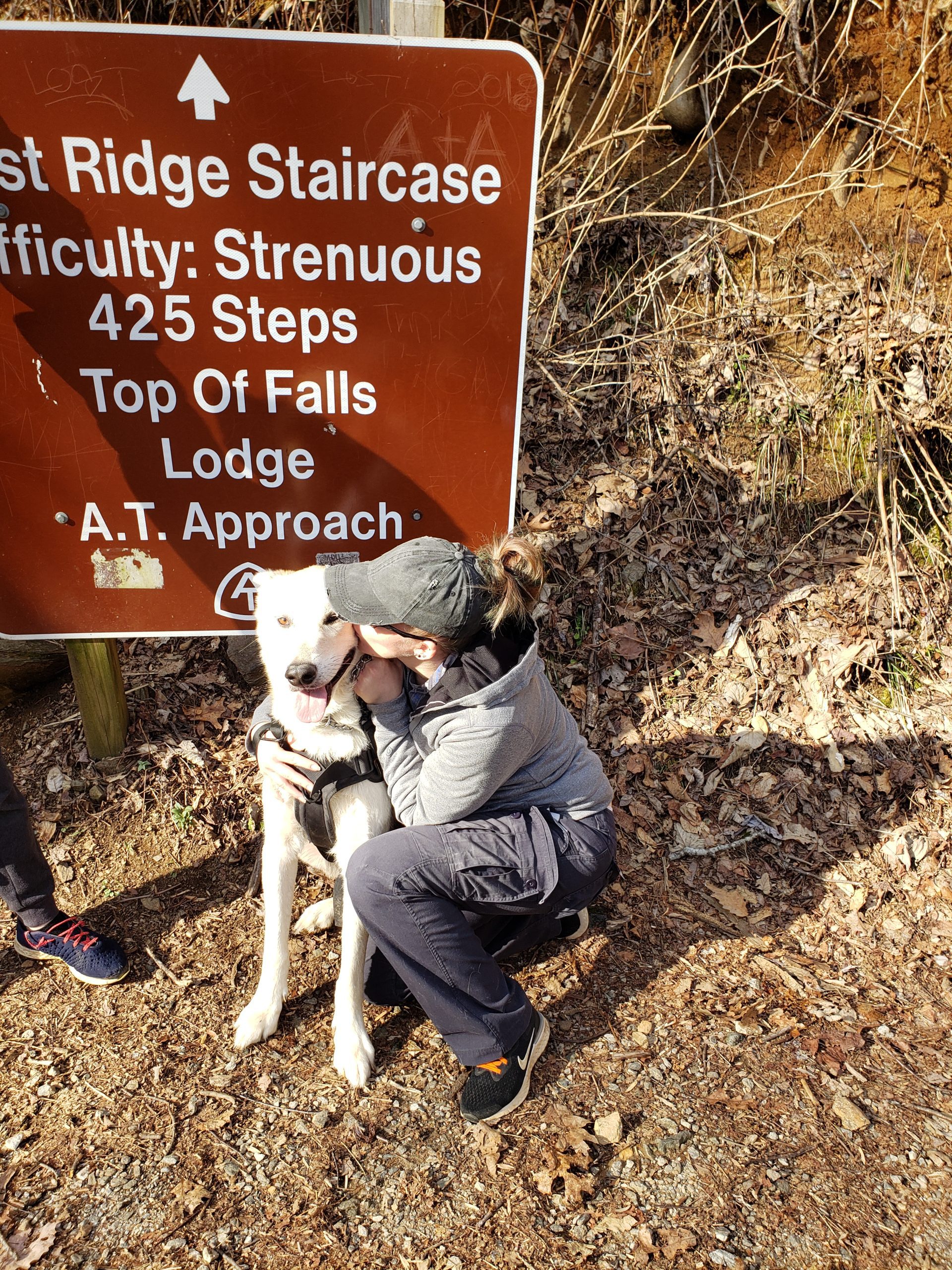
We have covered a lot of topics in the Training Farm Dogs series, but we haven’t covered what to do if you don’t have a dog yet. Or, maybe, you are looking to bring a new doggo to your farm. There are a ton of dogs out there that are looking for new homes, and I will always recommend rescues 99% of the time, but farm dogs are a little different. Today, we are going to cover the best farm dog breeds, but also what to look for in dogs if you are looking to rescue instead of purchase.


The Ultimate Homesteader’s Starter Bundle – Only $47!
Get the tools you need to stay organized, track profits, and manage your homestead with ease!
Includes:
✅ Schedule F Tracker – Simplify tax prep
✅ Profit Calculator – Track earnings
✅ Hay Calculator – Plan livestock feed
✅ Garden Journal – Digital & printable
✅ Herd Health Tracker – Monitor animal care
✅ Simple Budget – Manage finances
✅ Backyard Homestead eBook – Essential tips
$99 value – now just $47! Start your homesteading journey today!
What are the best farm dog breeds?
But before we get into the breeds, let’s talk about temperament first. Even if you get a dog that is from a great working line, if that dog doesn’t have the temperament, drive or desire to do the work you want them to do, it’s going to be an uphill battle.
As we have covered in previous blog posts, I firmly believe that any dog can be a farm dog with the right training. The training doesn’t have to be labor intensive, but working against a dog’s natural instincts can be a very frustrating, and for some dogs, near impossible. So making sure that you are picking the right breed AND the right temperament is, hands down, the best way to insure success with the least amount of frustration.
I have broken down the best farm dog breeds by their “purpose” to make it a little easier to distinguish which ones work for what. Some examples are working dogs, Livestock Guardian Dogs (LGD), herding dogs, and other dogs that I think would be a good fit for a farm. I KNOW that there are more categories, but these are the breeds I think you will have the best luck with on a farm.
Also, I am going to give you the dogs that I have actual experience with, either because I have owned one, know farmers who have them or have seen them work. I don’t want to give you a false impression of not having had these dogs/ breeds.
Determining The Temperament Of Your Future Farm Dog
This one is going to be hard to figure out if you are getting a rescue. The reality is that dogs at a shelter are not going to show you their true colors until they are in your home. Shelters are extremely stressful environments and it takes time for your new doggo to become comfortable. It’s the same way for puppies, though obviously not to the same extent.
To determine the temperament of your potential new dog, start with putting your hands on them. If it’s a puppy, flip it on to it’s back (like a baby) and see how they respond. Are they comfortable? Are they freaking out? If they are calm, they are likely to be more submissive and trusting. If they are freaking out, they are likely to be more dominate and have a higher drive.
You can tug on their ears or tail and see how they react. And I’m not talking about tugging so hard we hurt the pup/ dog. We are just applying enough pressure to see a reaction. Do they want to play or are they angry? Can you touch their paws and nails without them panicking? Are they friendly or are they stand offish?
These are important factors in figuring out their temperament. If they are laid back and easy going, they will be less likely to chase chickens and goats… though not always. If they are active but not aggressive, they will likely require more working hours to keep them happy.

Are you getting overwhelmed in the garden? Stressed? Or just not enjoying the garden like you used to? Check out our garden prompts! We send out weekly emails that get you back in the garden and out of your head! Turn the garden back into a place of love and joy instead of frustration and headache!
Working Line Breeds
German Shepherd Dog
The German Shepherd has made a recent resurgence in the public eye. While I don’t disagree that these are absolutely fantastic dogs, you do need to be extremely careful when it comes to the farm. Depending on the bloodlines of your specific dog, you may have a dog that is better worked as a military/LEO dog. Or you may have a couch potato. Or something in between.
The GSD is a fantastic dog for those that want a dog that doesn’t think a whole lot. What I mean is that GSD’s are GREAT with training and doing exactly what their owners ask of them. But they tend to get into trouble when they have to think for themselves. I say this as someone who has owned several GSD’s over the years. They are all incredibly smart…. except that they don’t think very well.
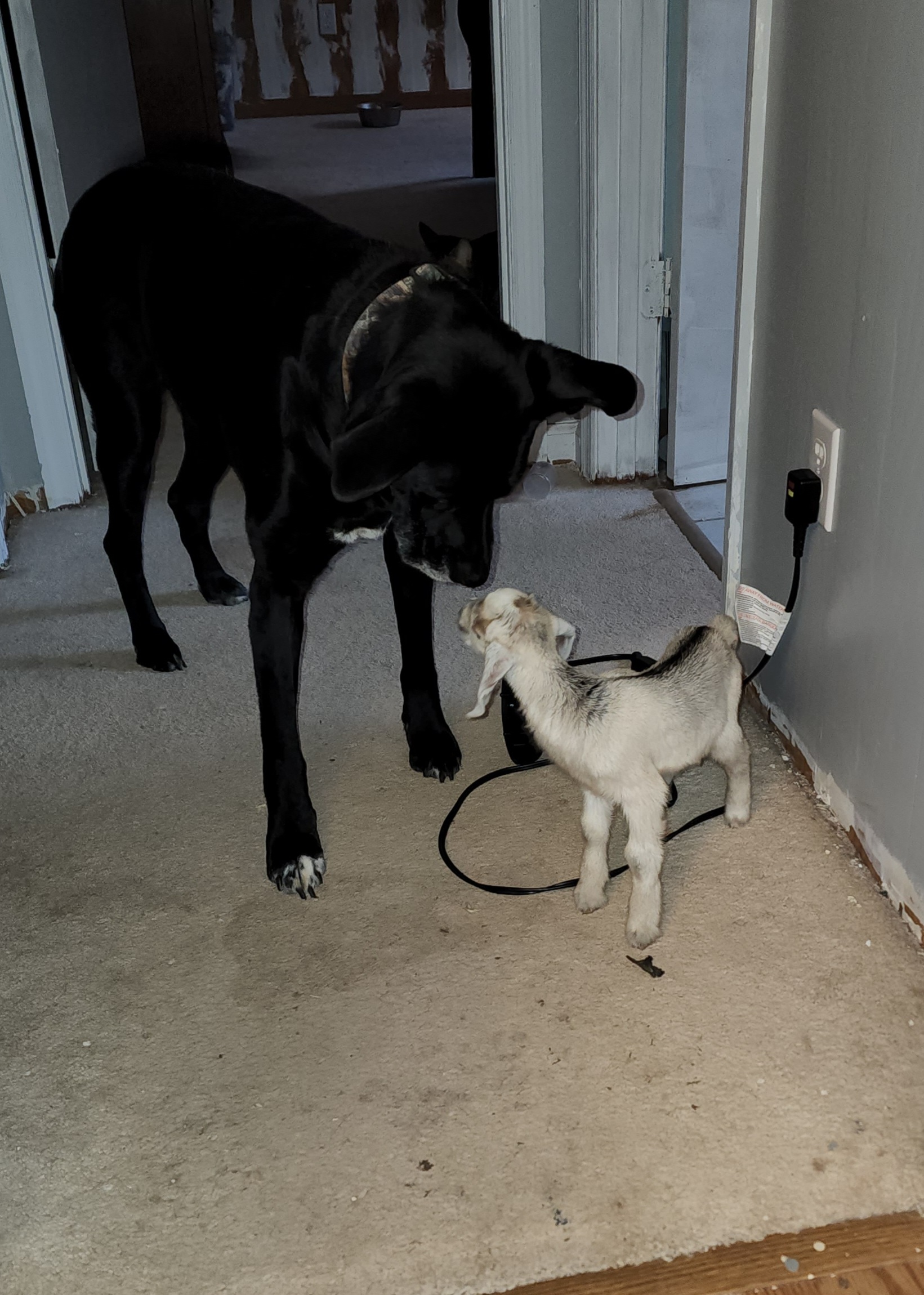
If you choose to get a GSD for your farm, understand that it WILL chase your livestock and poultry. At least until it’s old enough to know and DO better. Blu still chases chickens and she’s 3…. and knows better. The GSD, from a non working line, is a better companion to the farmer than the farm.
Leonberger
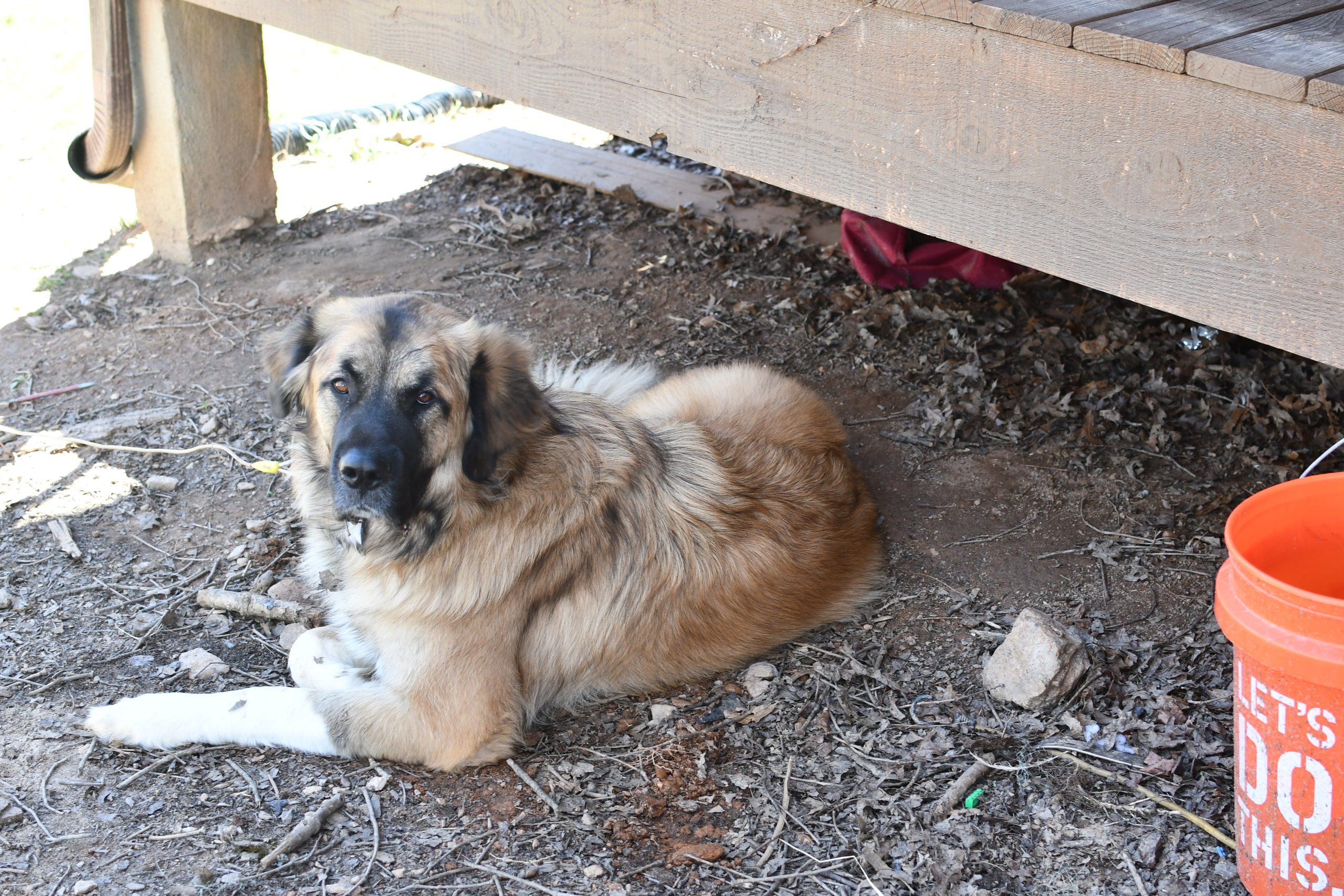
If I’m being totally honest, this may be my new favorite dog breed. Or maybe I just got really lucky with Kodi. I don’t have a ton of experience with the breed, but I do have a ton of experience with Kodi and he fits everything I’ve read about the Leo. Plus, the various breeders I’ve contacted have all confirmed what I’m about to tell you.
First and foremost, training a Leo is not for the feint of heart. In fact, I would go so far as to say good luck training this dog. This is a dog who actually THINKS, which is absolutely remarkable. But it also incredibly frustrating. This is the dog version of the kid who always asks “Why?” I ask him to sit, and he just looks at me. I offer a treat for sitting, and he just looks at me. He knows exactly what I am asking him to do, but if he doesn’t want to do what I’ve asked, he’s just not going to do it.

If you are new to heating with firewood and are looking to master the finer points of it. We’ve got a great eBook that goes in depth of what tools you should consider, how and where to stack, how to build a fire and so much more!
They are runners. Even with the best of fences, training (yea, right) and collars, Kodi has zero desire to stay close. And if there’s water around (we have a giant pond on the property), they are going to go to the water every time. Can’t find the dog? Find the water, he’s splashing around in it.
Second, if you want a clean house, a Leo is not for you. I have found Kodi slime on EVERYTHING! I was recently dusting off the ceiling fan and found his slobber on the light and blades. HOW?! We carry bandannas in our pockets, not to wipe our hands or wipe our sweat. NO! It’s to wipe off all the drool! Do you remember that seen in Beethoven (1992) when he slings his head around and slobber goes everywhere? Yea, that is a daily occurrence here.
Not to mention that this dog is incredibly furry, so you will never have a fur free home. And while you may THINK this isn’t a big deal, trust me when I tell you it is. Like, I budget for two vacuums a year because we burn them up…. big deal. And no amount of brushing is going to fix that problem.
St. Bernard’s, Bernese Mountain Dogs, Mastiffs, etc are all going to fall into this category with the Leo.
Livestock Guardian Dogs
I need to be 100% honest, I do not have an LGD. It’s on the list of priorities, but I just don’t have the time right now to devote to a LGD. But I am going to give you my research as well as second hand information that I have gotten from other farmers with LGD’s.
When you are trying to figure out which breed of LGD you are looking for, I would start with a list of qualifications you want it to have. For us that list is: low maintenance, low roaming, low barking, handle big threats (200-300# black bears and HUGE packs of coyotes), dog and people friendly (to a point), doesn’t attack without cause, and needs to be able to think independently.

Before we get too far into this, I have a great course on the basics of goat care. I call it Goat Crash Course: Goat 101. In this course, I explain things like types of shelter, types of feeds and hays, basic assessments and so much more! Check it out!
Then you need to marry that list up with the qualifications of these different breeds. Just because you can find a breed for $500 doesn’t mean it’s going to be a good fit for you. Better to get a dog that fits your expectations than to get a dog because it’s what you could find. For example, if I was to just research which breeds were available in my area, I would end up with a Great Pyrenes. That breed is a barker, high roamer, high maintenance, and will go after a threat despite property lines.
When the time comes we will be getting a Spanish Mastiff. This breed tends to not wander off like the Great Pyrenes, Anatolians, etc. They are also not big barkers, though they can and will. We’ve got coyotes and bears up here that like to get a little too close for comfort.
Also, be leery of rescue groups or someone selling their adult LGD. Usually, it’s a failed farm dog or LGD that has ended up at the rescue.
While I would love to go in depth here about best farm dog breeds, LGD’s don’t really fit into this space and it really deserves it’s own post. And realistically, I am not qualified to write at this time.
Herding Dogs
This falls in line with the LGD in that I don’t have a ton of personal experience with these dogs. I don’t know that I’ve ever truly had a herding dog. Sure, I rescue most of my dogs and there could have been herding genetics in there, but most of my dogs have never really herded.
Herding breeds are going to be dogs like Blue/Red heelers, Australian shepherds, Border Collies, etc. And yes, technically the German Shepherd fits in this category, but with all the breeding of this dog, I don’t think they really fit into this category any more.
Herding dogs on a farm is a fantastic way to gather up animals and herd them into a different place. But read that sentence again. And maybe one more time. This breed will chase your chickens, goats, cattle, etc. And if they try to chase them and are successful, they may end up on the wrong side of a cow. So be aware of how you are training these dogs. Also, be aware of potential vet visits not only for the dog but for the livestock on the other end of those teeth.

If you are a farmer/ homesteader and looking for a way to track your income and expenses, I highly recommend our Schedule F Tracker! We have been using it for years and it is the easiest, fastest and best way that we have found to keep track of the money spent on the homestead.
The flip side to this is that if you are going to get a Heeler because they are cute, remember that if they don’t have something to herd, they will herd you or your kids.
These are incredibly smart dogs and I have seen them do incredible work. But if you are not ready for that kind of dog, don’t get it.
Other Dogs For Farm Work
Hold on tight because this is where I have the most experience.
Pit bulls have to be my favorite farm dog. Period. Blog post done.
To be fair, pit bulls are my favorite dog. For the most part, this breed checks every single one of my boxes:
Loyal, friendly, protective, couch potato, laid back, extremely trainable, sweet, affectionate, highly intelligent, and more.
Seriously, I will sing the praises of this breed until the day I die. I have had so many wonderful pitties that I will always have one as a foot warmer and companion. Now, just like any other breed, you will have some that are more dominate and aggressive. You will have others that are complete and total couch potatoes that you have to poke with a stick to see if they are still alive.
But I have found that even the most aggressive pit bull comes around with solid training and a loving home.
The Ultimate Homesteader’s Starter Bundle – Only $47!
Get the tools you need to stay organized, track profits, and manage your homestead with ease!
Includes:
✅ Schedule F Tracker – Simplify tax prep
✅ Profit Calculator – Track earnings
✅ Hay Calculator – Plan livestock feed
✅ Garden Journal – Digital & printable
✅ Herd Health Tracker – Monitor animal care
✅ Simple Budget – Manage finances
✅ Backyard Homestead eBook – Essential tips
$99 value – now just $47! Start your homesteading journey today!
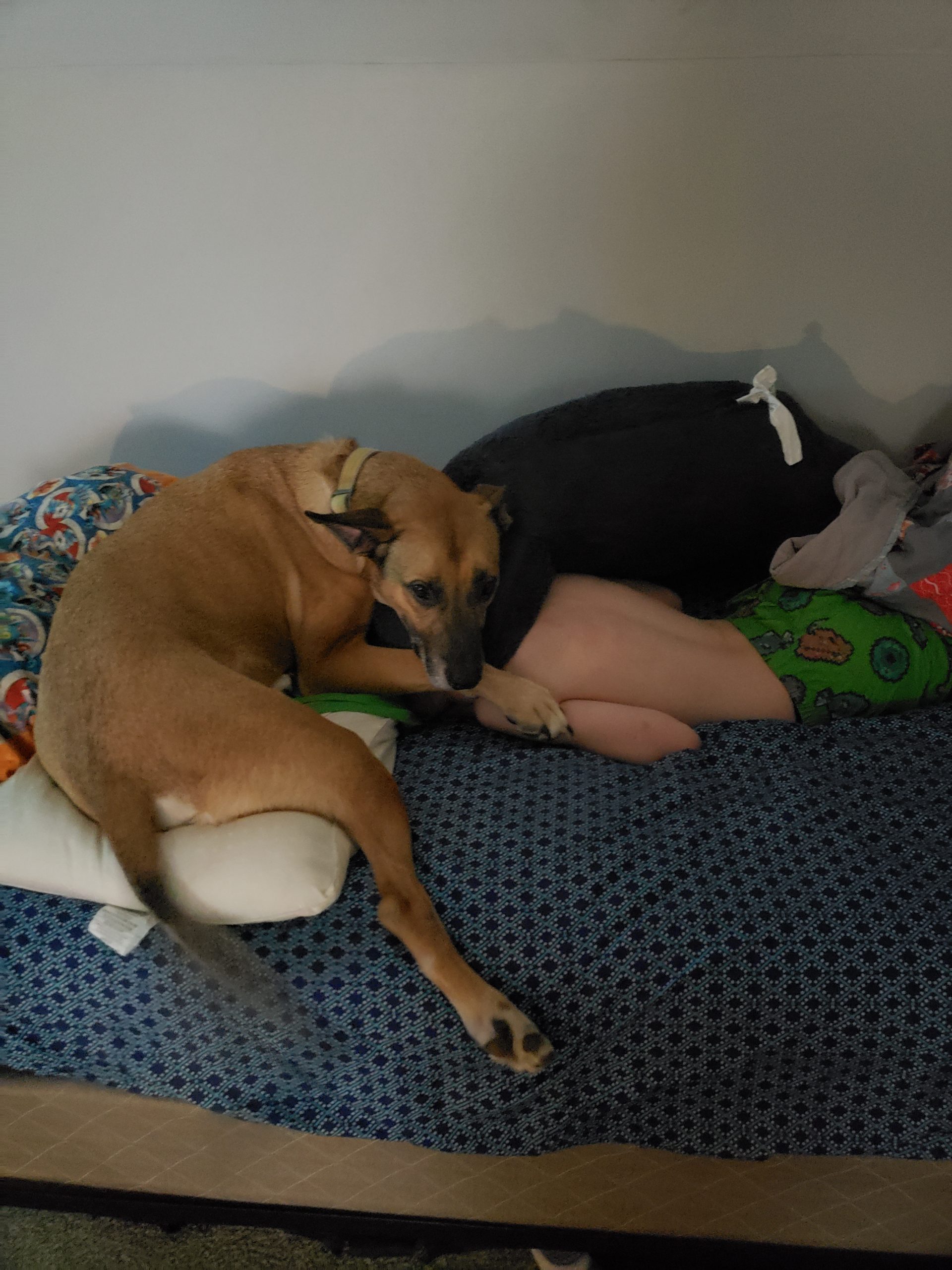
Bear is my current pound special and I know he’s probably got pit in him because he is literally the best companion pet I could have ever asked for. When I’m in the garden, he finds a spot to lay down and snoozes while I plant, prune, weed or harvest. If I’m in bed, he’s snuggled up next to me. When it’s nap time, he’s either the little spoon or on my feet.
He is well behaved but aware. If we go to tractor supply and he is watching someone, I am watching them too. If he doesn’t want a treat, I tell the person no. Is he amazing because I’ve had him so long or because he’s just a good dog? Who knows.
Labradors and retrievers are another good option for farm dogs, again as long as the training is on point.
Breeds I would not recommned
This is a hard thing to answer simply due to all the variables that come with your farm, your land, your livestock, etc. But I think there are a few breeds that I would stay away from no matter what. At least when it comes to farm dogs.
The first would be a Malinois. This dog is on crack ALL THE TIME! I would not recommend this type of dog to anyone that isn’t willing and able to devote several hours a day to training, mental stimulation, and exercise.
The second would be a hound of any breed. I’m not saying they don’t have their place, but I’m not sure a farm would be a great fit. They are loud, stinky and have their own mind, which would be fine if they weren’t loud, stinky and energetic.

Are you looking for garden journal prompts, but aren’t interested in a weekly email? Check out our 365 Garden Journal Prompts! This is an amazing, all in one, yearly product that you only pay for once.
Third, I would be highly cautious of herding breeds if you are not ACTIVELY using them for work. If you are not well versed in training a herding dog, they will absolutely chase and maul your chickens. They will even possibly hurt/ maim your goats or sheep. Especially if you are not able to train them correctly. Again, use caution here.
Fourth, hunting breeds. This would be breeds like a Jack Russel, Great Dane, Labradors, Dobermans, Rottweilers, etc. These breeds were trained to have a high prey drive and to hunt. Sure, you may have a Lab that is a couch potato, but put a squeaky toy that actually runs and squeaks on it’s own and see if those instincts kick in.
Any dog can be a farm dog with the right training
I will say it again and again. I truly believe that any dog can be a good farm dog with the right training. There are no best farm dog breeds because there are so many variables that will shape if that breed is a good fit for your farm.
My hope is that you take a solid look at what you have going on, the goals and priorities for your farm, and the type of training you can ACTUALLY do before you start looking at various breeds.
As always I hope this helps to point you in the right direction!
Other Posts In This Series
Tips, Tools, and Hacks For Training Farm Dogs
If you like the content I put out, feel free to buy us a coffee! It helps keep this site running, marketing and the goats in grain!
Buy me a coffeeIf you like this post, feel free to share it and follow us below on our social media accounts!