• Skip to primary navigation
  • Skip to main content
  • Skip to primary sidebar
  • Skip to footer

Steel Raven Farms

Where muck boots meet ground.

  • Animals
    • Chickens
    • Farm Dogs
    • Goats
  • Garden
    • Compost
    • Garden Projects
    • Seeds and Plants
    • Garden Journal
    • Working With Food
      • Recipes
      • Freezing Foods
      • Dehydrating Foods
      • Canning Tips And Tricks
        • Canning Inventory Sheets
  • Helpful Info
    • Welcome to the Homestead!
    • Emergency Preparedness
    • Frequently Asked Questions
    • Goal Setting
    • Project List
    • Shop Digital Products
      • Hay Calculator
      • Farm Expense And Income Tracker
      • Goat Crash Course: 101
      • Garden Journal Prompts
      • Schedule C Tracker
      • Schedule C Tracker
      • The Homestead Bundle
  • The Truths
  • Episode List
  • Start Here
    • Privacy Policy
    • Affiliate Disclosure
    • Let’s Get in Touch
    • Members Only Library
    • Welcome To Our Homestead

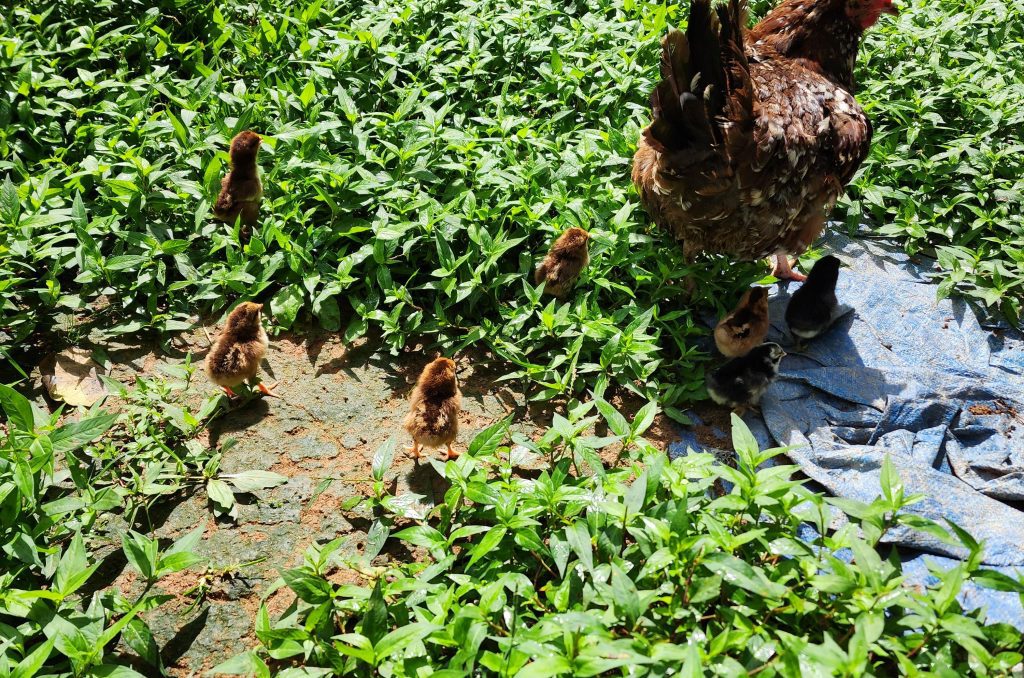
Chicks

7 Most Common Mistakes For New Homesteaders

September 21, 2024 by Leigh 4 Comments

So you’ve bought your property. Congratulations! You have been dreaming, scheming, planning, watching YouTube, and reading blogs like this one to try and figure out all the things you want to do on your homestead. Once you’ve moved in and the dust has settled, you look around and ask, “What now?” If you’re anything like the the rest of us mere mortals, you’re going to jump in with both feet. Now, you are overwhelmed, underprepared and stressed to the max. It’s like I know, right? Welcome to my life for the last year. So here is my list of 7 most common mistakes for new homesteaders, and how to avoid them.

The Ultimate Homesteader’s Starter Bundle – Only $47!

Get the tools you need to stay organized, track profits, and manage your homestead with ease!

Includes:
✅ Schedule F Tracker – Simplify tax prep
✅ Profit Calculator – Track earnings
✅ Hay Calculator – Plan livestock feed
✅ Garden Journal – Digital & printable
✅ Herd Health Tracker – Monitor animal care
✅ Simple Budget – Manage finances
✅ Backyard Homestead eBook – Essential tips

$99 value – now just $47! Start your homesteading journey today!

Buy Now

Mistakes For New Homesteaders and Quick Fixes

Starting Too Big

We all want to hit the ground running when we start our homesteads. Before you know it, you’ve got chickens, ducks, turkey, rabbits, cows, and goats. Your garden is huge but not producing. The goats are sick all the time. You have no time to enjoy the life you are trying so hard to build.

Downsize– Seriously, I know you wanted all the critters when you moved in and the thought of selling or butchering them is abhorrent, but you need to think about where you are and what you are doing. If you are struggling with caring for them, you aren’t giving them their best life. So downsize the herd and move on.

cucumber seedling

Get Help– If you are able to, enlist the help of kids, family or neighbors. Worse case? Hire someone until you get it figured out. This can get expensive, but if you don’t want to downsize, there are plenty of 4H and FFA kids that are looking for farm work.

Pay someone– I know that this seems counterproductive to the whole homesteading thing, but consider it. Jared and I work full time, plus have part time jobs and homeschooling that take up a lot of time. The exterior of our house desperately needs a coat of paint, but we just don’t have the time to do it. So we are hiring it out. It’ll be the same when we put in our property fencing and expand the goat pens. We could absolutely do it, but paying someone else to do it frees up our time to do something else.

Logo 468x60

Not starting at all

Paralysis by analysis is a thing. You want to do all of these things but you get so overwhelmed with choices, decisions and options, that you do nothing. You’ve got a list that is three miles long but you’re not really sure which thing is the best to start with.

Pick one thing– When we first moved in, our list of the things we wanted to do was incredibly long. I had 3 legal pad filled with notes, lists, and more. What made it easy to start was that we prioritized a few things off that list. We got a chicken coop and chicks. We started clearing land and debris. Then we got goats. THEN we got overwhelmed.

two goats

Infrastructure– A lot of people don’t think about infrastructure when they are setting up their homesteads. They have this idea in their head about what they want but no idea how to execute. My suggestion is to come up with your Homestead Infrastructure and then start making plans based on that.

Not having a plan

You jumped in with both feet and no plan. You are stressed, overwhelmed and ready to throw in the towel. You ordered the chicks but don’t have a coop. The seedlings that you planted in January have no home because there is no garden. You lost your plan, your goals, and your mind

Write it down!- I talked about goal setting here. But while goals are great, if you don’t have a plan, they’re not really a goal. It’s a dream. So come up with a big picture goal/ dream and start laying out how to achieve it.

Save on Seeds

Create A Budget– Look into how much those goals, dreams, and plans are going to cost. Then start working it into your budget. This life is expensive, but no one wants to be shocked when they go to start building a barn and end up thousands of dollars in the hole.

Lack of Organization

I have lost two bags of chicken shrink bags. I’ve misplaced my goals list and plan. Don’t even get me started about the basement. If I don’t have a list, things don’t get done. Or I my ADD kicks in and I have cleaned the whole house, but it doesn’t look like it.

Declutter– Yes, I know. You know how to declutter but you just don’t have the time. Well, let me ask you this? How much time have you wasted looking for things? How much money have you wasted reordering things because you can’t find them? Go ahead and declutter.

Make lists– Make the lists, check it twice and then put it on your fridge!

The Ultimate Homesteader’s Starter Bundle – Only $47!

Get the tools you need to stay organized, track profits, and manage your homestead with ease!

Includes:
✅ Schedule F Tracker – Simplify tax prep
✅ Profit Calculator – Track earnings
✅ Hay Calculator – Plan livestock feed
✅ Garden Journal – Digital & printable
✅ Herd Health Tracker – Monitor animal care
✅ Simple Budget – Manage finances
✅ Backyard Homestead eBook – Essential tips

$99 value – now just $47! Start your homesteading journey today!

Buy Now

No Accountability

Let’s be real for a second. We think we want accountability, but we really don’t. But we REALLY do. Most of us are self starters and are excited to work on new projects. But when we get bored, disinterested or defeated, it’s easy to just walk away from it. If we don’t have someone to say no, do not get that herd of twenty goats, you’ll never get ahead.

brooder full of baby ducks and some chicks

Respect the no– When I brought up getting pigs to Jared, he flat out told me no. Not because he doesn’t want them. He does. He said no because we don’t have fencing, a dedicated spot, or anything else. We’ve got two pregnant goats as well as all the chickens. So I respected the no.

Learn to self motivate– While I struggle with wanting everything right now and ADD. Jared struggles with motivation. He has been working on self motivation for a while and is doing better. There are days when he’s just not feeling it. That makes it hard on all of us because he is the main builder and heavy lifter on the farm. Figure out what you can do to motivate yourself and do it, all the time.

Banner 468x60

Education

We all know that education is key to everything. If you don’t know how to do something, life is going to get hard if you’re not willing to learn.

Pick a subject– and become an expert on it. Or at least as much as an expert as you can. If you pick goats, good luck. You will never be an expert. Find someone who is an expert and learn as much as you can from them. Our neighbors have been farmers their entire lives, who better to teach us how to be farmers?

Subscribe to Craft Beer Club Today!

Don’t be afraid to learn as you go– Get a solid base knowledge of your topic and then put it to work. Jared was not a carpenter before this homestead, now? He has built chicken tractors, barns, and so much more. He built my beautiful greenhouse. Don’t be afraid to learn.

Not knowing and using your resources

I am guilty of this one. Our neighbor has goats. Have I ever asked him for help? Nope. Our other neighbor raised meat chickens for years. Did I ask him for help? Nope. It’s a flaw that I’m still working on.

jars of green beans getting ready for the canner

Social media and YouTube are all great resources, but nothing is better than having someone walk you through the process. I can watch something one time and tell you how to do it. But I don’t actually know how to do it, until I’ve done it.

Don’t Get Discouraged

There is a reason you wanted to homestead. Remember that reason at every turn. When things get hard, remember why you chose this life. When the chicken knocks over a $80 bottle of goat antibiotics because your child forgot to shut the garage door? Remember you wanted the chickens…. and the child. As you progress with your homestead and get discouraged about all the things you need to do, look back and see all of the things that you’ve already done. Even if that’s only managing to keep the children alive.

If you like the content I put out, feel free to buy us a coffee! It helps keep this site running, marketing and the goats in grain!

Buy me a coffee

If you like this post, feel free to share it and follow us below on our social media accounts!
  • Facebook
  • Pinterest
  • Instagram
  • YouTube
  • TikTok
  • Spotify
  • Threads

Filed Under: Animals, How To's, Our Homestead, Projects Tagged With: Chicks, cooking, Goats, kitchen, Welcome

JOIN TO OUR MAILING LIST!

Leave us your email to receive new posts and special offers for members only! Don't miss a thing!

Recent Posts

  • Fall Garden Guide
  • Top Mistakes With Goats
  • How To Bond With Your Goats

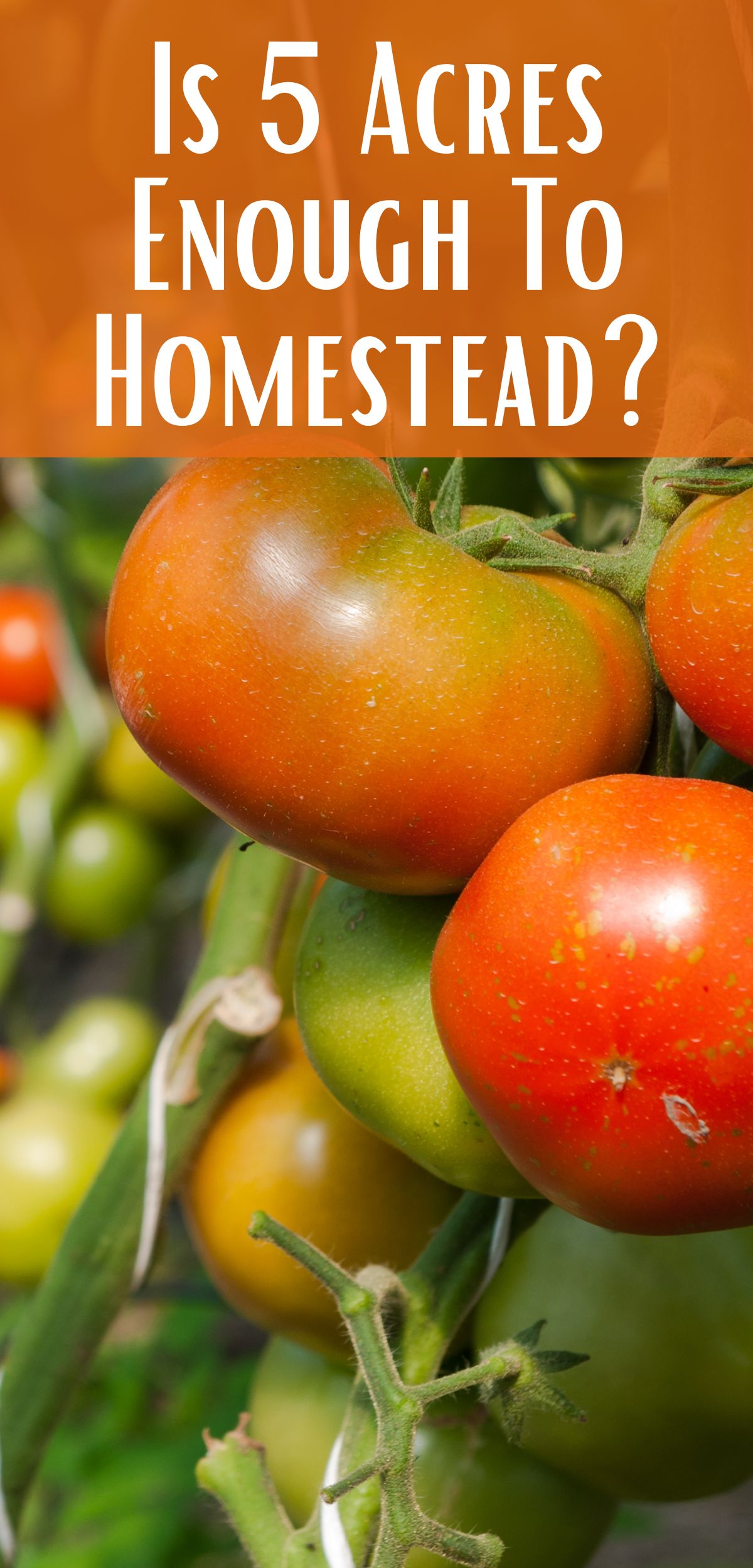
Is 5 Acres Enough For A Homestead?

August 20, 2024 by Leigh Leave a Comment

There has been a self sufficient movement over the last couple of years. More people are wanting to become self sustaining. They want to be able to grow their own food, raise livestock, and be less reliant on others. Personally, I am ecstatic. But how big of a property do you need? 100 acres? 50? At least 20, right? Is 5 acres enough for a homestead? The answer is yes.

The Ultimate Homesteader’s Starter Bundle – Only $47!

Get the tools you need to stay organized, track profits, and manage your homestead with ease!

Includes:
✅ Schedule F Tracker – Simplify tax prep
✅ Profit Calculator – Track earnings
✅ Hay Calculator – Plan livestock feed
✅ Garden Journal – Digital & printable
✅ Herd Health Tracker – Monitor animal care
✅ Simple Budget – Manage finances
✅ Backyard Homestead eBook – Essential tips

$99 value – now just $47! Start your homesteading journey today!

Buy Now

Is 5 Acres Enough For A Homestead

Technically, we have just over 8 acres. But 2 acres of that is a pond, and another 1.5-2 acres is a giant hill that we can’t do a lot with. So, we have 5 usable acres. We have 30ish chickens, 17 ish ducks, and 10 goats that all need a place to live. There is also the garden that needs to go somewhere. Not to mention all the small projects that need land, like the orchard, clothesline, and *fingers crossed* the pool. Or the larger projects like the shop, greenhouse, and granny pods? 5 acres is enough for a homestead.

What Are Your Goals?

Do you want to be totally self sufficient? Is this a hobby? Are you supplementing your income? Why do you want to homestead? What does a successful homestead look like to you? When you can answer those questions you can start crafting your goals. Our goals are: Have the homestead be self sustaining and self funding. Mortgage paid off in less than 15 years. Animals provide food and/ or income. Land produces 75% or more food and 100% of firewood. Yes, 5 acres can do that.

By having clear goals and expectations, it allows you to focus your energy on the things that matter.

Save on Seeds

The Plan

In another post about homesteading, I talked about what homesteading means and starting a homestead. You really need to figure out what it means for you and how you want to make this property work for you.

Before you even decide on a property, or if you already have a property, you need to plan what you want to do with it. Do you want goats? What about chickens? Are you going to try and squeeze a cow or pigs in? What does your property look like? Is it hilly or flat? Do you have access to plenty of water? Are you going to garden for fun or for purpose? These are just some of the questions that you need to answer before you get into the guts of building up your homestead.

If you want goats, do you already have browse for them? Is the fencing goat proof? How long would it take you to put up good fencing and install a good pasture? Do you already have a barn? Is there a predator problem? Do you want to milk them? Breed them? If you can answer these questions you can start to plan.

goat kidding

Before we get too far into this, I have a great course on the basics of goat care. I call it Goat Crash Course: Goat 101. In this course, I explain things like types of shelter, types of feeds and hays, basic assessments and so much more! Check it out!

Buy Now

As a beginning homesteader, you are going to want chickens. At least every beginner that I have met does. But really think about how any eggs you eat. Jared usually eats 3 eggs a day but no one else really does. When we make breakfast for dinner, we normally go through about a dozen eggs. But what about expansion. Do you want to sell eggs? Do you want to sell chicks? Are you going to be a victim of chicken math? Are you going to raise meat birds?

What about raising larger livestock, do you want pigs or cows? With enough pasture land, you can have a cow on an acre. You could have several pigs as well. The key is knowing your space and maximizing it.

Banner 468x60

Get To Work On The Plan

Most people only need a 800 sq ft (or 200 sq ft per person) garden to feed their family of 4 for a year. That’s not really a ton of space when you are talking about having 5 acres. Since we can a ton and give it to family, we decided to triple that. Plus, tomato math is a thing. We also knew that we were going to put in an orchard and decided that strategically planting trees throughout the property would benefit us more than having trees in rows. This would help with shade and keep pests from demolishing the entire crop.

We decided that we wanted to up our egg production for sales as well as reducing our need for chicken at the store. Then we bought more chickens and all of them are dual purpose birds, meaning that they are both egg layers and meat birds. We are also looking into selling any extra chicks.

Then we bought ducks…. Initially, I bought 10 meat ducks and 10 egg ducks. After our losses, I’m pretty sure I now have a total of 17 pet ducks. I’m not sure if I can butcher these guys. The way I see it though, I have 10 production meat ducks and those guys can lay and hatch our meat ducks…. At least that’s what I’m telling myself.

Our goats are for milking and breeding. Goats are a long term investment. If we can keep them alive and healthy, and all our does produce milk and good kids, we are looking at making about $9,000-11,000/ year. Not counting vet, feed, fencing, etc. That’s also not counting cheese, butter, soap or lotion sales.

Stick To Your Plan

We went off plan by getting the goats. They are no where near returning their investment. But they are so damn cute that we let it slide. Unfortunately, we had to put pigs on the back burner because of it. Same with meat rabbits. Homesteading on 5 acres or less is totally doable, but I will say it again and again. Set your goals, prioritize them, and get your plan in motion.

I would love to hear how you are homesteading or planning to homestead your property.

If you like the content I put out, feel free to buy us a coffee! It helps keep this site running, marketing and the goats in grain!

Buy me a coffee

If you like this post, feel free to share it and follow us below on our social media accounts!

  • Facebook
  • Pinterest
  • Instagram
  • YouTube
  • TikTok
  • Spotify
  • Threads

Filed Under: How To's, Our Homestead Tagged With: Chickens, Chicks, Eggs, Goats, Homestead, Welcome

JOIN TO OUR MAILING LIST!

Leave us your email to receive new posts and special offers for members only! Don't miss a thing!

Recent Posts

  • Fall Garden Guide
  • Top Mistakes With Goats
  • How To Bond With Your Goats

Homestead Daily Schedule

August 13, 2024 by Leigh Leave a Comment

On our homestead, this looks a little different than most. Due to our work schedules, one of us is gone 48 of 72 hours. Sometimes more. However, the goats still need to be milked, fed and let out. Chickens and ducks still need feed, water, and be let out. Dogs are also hungry and need to go to the bathroom. And all the other chores need to be done. So regardless of who is home, the daily schedule looks pretty much the same.

The Ultimate Homesteader’s Starter Bundle – Only $47!

Get the tools you need to stay organized, track profits, and manage your homestead with ease!

Includes:
✅ Schedule F Tracker – Simplify tax prep
✅ Profit Calculator – Track earnings
✅ Hay Calculator – Plan livestock feed
✅ Garden Journal – Digital & printable
✅ Herd Health Tracker – Monitor animal care
✅ Simple Budget – Manage finances
✅ Backyard Homestead eBook – Essential tips

$99 value – now just $47! Start your homesteading journey today!

Buy Now

What Is Our Homestead Daily Schedule?

As I mentioned above, our days are set up on a 3 day rotation. On the first day, I go to work and Jared is the responsible party until he goes to work the next day. Day 2 is when I come home and handle my portion of the homestead chores. On day 3 we are both home and try to squeak out as much time together as possible.

Day 1 Daily Schedule

This is my work day, so Jared is home with the boys. He usually gets up with me and we drink coffee and hang out for a few minutes before I head to work. Sometimes, he will tell me about what he has planned for the day. But more often then not, I don’t really care per say. The way I see it, he is a grown ass man and knows what he needs to do for the day. Unless there is something pressing, I don’t worry too much about what he’s doing.

That being said, most of the time he is working on whatever project we are doing. In the summer, it’s usually firewood. In the winter, it’s usually household projects. Spring is reserved for garden projects and fall is for yard clean up.

He also makes sure that the boys are doing their school work and the house doesn’t burn down.

Day 2 Daily Schedule

This is the day that he goes to work and I am coming home. Normally, I get home a little later in the morning. After getting myself cleaned up and my stuff put away, I get the boys started on their school work and I start working on whatever inside projects need to be handled. Sometimes this is blog or household work. Other times this could be getting seeds together and planted. It really depends on what the season is.

But I can tell you that the day after a 24 hour shift is left really loose. I have run calls all night and come home with a pile of chores that HAVE to get done and it’s awful. Instead, we give ourselves and each other grace when it comes to the day after shift. We just don’t put a lot of stuff on ourselves.

That being said, the goats still need to be checked and fed. Chickens and ducks still need to be fed and let out. The garden still needs to be harvested, planted or maintained. But we don’t stress about getting the to do list done.

Day 3 Daily Schedule

For me, the day starts around 8am. Blu gets her morning meds and mom needs coffee. The first set of dogs are let out and showers start. I will usually start a load of laundry and work on it throughout the day.

If I have goats in milk, my day starts a little earlier so that I can get them milked before they are screaming for their food and to be let out. I also do a quick glance at the herd to make sure everyone is healthy and happy.

After I get the goats done, I am in the garden first thing to beat the heat. I try to get things harvested before the heat of the day really hits. I will also try to get the first batches of preservation going. Whether it’s dehydrating tomatoes or squash or getting a canner filled. Depending on the season, I may be planting more in the garden.

I will also start the boys on their homeschool stuff for the day. As the day heats up, I scramble into the house to keep from overheating (y’all the Georgia heat is no joke!). I will work on the blog or general household tasks until it cools down enough to be able to go back outside.

Then it’s dinner time. After dinner, the boys take care of their chores. I finish up laundry and head to bed, where I read for about 4 hours.

Homesteading Daily Schedule With Kids

One of the biggest issues that I see new homesteaders, and hell even parents, making is that they don’t give their kids chores. You will overwhelm yourself and your partner if you do not let those kids earn their keep. We have a pay to play rule which means that if you want to play video games, watch TV or do what YOU want to do, you have to “pay” for that by doing your chores, school work, etc. So make sure that your kiddos are helping.

After everyone is done and animals are fed, we start working on school work, this is usually around 930-10. Jared and I have different views on this. Usually I let them unschool and Jared is more structured. Unschooling is when the child directs what they would like to learn about. I feel like this gives them the opportunity to learn about the things that interest them and helps them learn better. Jared prefers to help them with “normal” school work.

Neither way is wrong and the boys seem to enjoy having the flexibility. Win Win.

We get them involved with various aspects of homesteading to not only teach them how to do things that are necessary for survival if the SHTF but also because this is invaluable information. And this still counts as their schooling since they are learning things like how to follow the instructions on how to put together a metal shed. Or how much firewood makes a cord and then measuring the stack that they’ve made. They also get crash courses in animal husbandry if an animal gets sick and needs medications. They’ve also been a huge help in the garden and ask a ton of great questions. Most that I don’t have an answer to, so we ask google a lot of questions.

Don’t Beat Yourself Up

One of the things that I see a lot of new homesteaders do, especially those of us that work off farm, is that they feel like they have to do ALL the things, RIGHT NOW! That can’t be further from the truth. In fact, the opposite is more true; you have time. I talk about homesteading goals and preparation here, but the short version is figure out where you want to be, and take small actionable steps to get there.

Homesteading, while hard work, should NOT be so stressful that you don’t want or can’t do it. You don’t have to get everything done right now! Take a breath and give yourself kindness and grace to make at a reasonable pace. You don’t need to burn yourself out within the first year.

If you like the content I put out, feel free to buy us a coffee! It helps keep this site running, marketing and the goats in grain!

Buy me a coffee

If you like this post, feel free to share it and follow us below on our social media accounts!

  • Facebook
  • Pinterest
  • Instagram
  • YouTube
  • TikTok
  • Spotify
  • Threads

Filed Under: Animals, Canning, Chickens, Garden, Goats, Homeschool, How To's, Our Homestead, Pigs, Projects Tagged With: Canning, cast iron, Chickens, Chicks, cooking, Eggs, Goats, Homestead, kitchen, Welcome

JOIN TO OUR MAILING LIST!

Leave us your email to receive new posts and special offers for members only! Don't miss a thing!

Recent Posts

  • Fall Garden Guide
  • Top Mistakes With Goats
  • How To Bond With Your Goats

Can Homesteading Save Money

August 6, 2024 by Leigh 2 Comments

We can answer this right now, no. Homesteading will not save you money. In fact, homesteading will cost you money. A lot of money. In the first year we were on our homestead we exhausted our emergency fund four separate times. Can homesteading save money? No. Not at first. But in the long run, it will absolutely save you money. Just maybe not in the ways your expecting. Be sure to read to the end for the “pay offs” I’m talking about.

The Ultimate Homesteader’s Starter Bundle – Only $47!

Get the tools you need to stay organized, track profits, and manage your homestead with ease!

Includes:
✅ Schedule F Tracker – Simplify tax prep
✅ Profit Calculator – Track earnings
✅ Hay Calculator – Plan livestock feed
✅ Garden Journal – Digital & printable
✅ Herd Health Tracker – Monitor animal care
✅ Simple Budget – Manage finances
✅ Backyard Homestead eBook – Essential tips

$99 value – now just $47! Start your homesteading journey today!

Buy Now

Why Should You Homestead Then?

Homesteading is not necessarily about saving money. Sure, there are somethings that we have saved a ton of money on like eggs, milk, and chicken.

We no longer buy eggs because our chickens have solved that problem. We don’t have to buy chicken at the grocery store because we butcher our own. We don’t buy milk from the store unless we run out. But when you look at the $100/month we have saved by how much we have spent? We are solidly in the red.

Spend More To Make More?

Because the farm is an LLC, which I highly recommend you do, we are able to write off a lot for taxes. That being said, our first year’s return was eye opening. We spent over $3,000 in vet bills and another $5,000 on feed. That was only in six months. The following year we doubled that. That doesn’t include the well pump that went out, or the water heater. Or all the fencing and structures for the goats and chickens.

But homesteading is not about saving money. It’s about living off the land, having livestock, learning new skills, and being self sufficient. Of course homesteading means different things for different people.

The Ultimate Homesteader’s Starter Bundle – Only $47!

Get the tools you need to stay organized, track profits, and manage your homestead with ease!

Includes:
✅ Schedule F Tracker – Simplify tax prep
✅ Profit Calculator – Track earnings
✅ Hay Calculator – Plan livestock feed
✅ Garden Journal – Digital & printable
✅ Herd Health Tracker – Monitor animal care
✅ Simple Budget – Manage finances
✅ Backyard Homestead eBook – Essential tips

$99 value – now just $47! Start your homesteading journey today!

Buy Now

Homesteading Is A Long Game When It Comes To Saving Money

What I have found is that homesteading is a long term goal and commitment. You are probably not going to save money your first or your second year. If you are starting your homestead from the ground up, you will probably not see a positive until year five. But it really depends on your goals. If you want your homestead completely self sufficient but you are starting from scratch, it will take time. If you came into a property that has fencing, a barn, and garden. You are probably already ahead of the game.

Why Homesteading Doesn’t Save Money?

The reality is that you are going to spend money at first. Rarely, though it does happen, are you going to stumble onto a property that is absolutely perfect for you. You are going to have to spend money to make that property the way you want it.

I preach the importance of setting goals and figuring out your WHY. But probably the most important thing is to define what your vision of a successful homestead is. This is no different. When you are trying to set up your homestead, you want to make sure that you aren’t wasting money on things that don’t matter in the long run.

While you may not see a big financial gain, you will see the “pay off” in other areas.

When Does Homesteading “Pay Off”?

For us, homesteading started to pay off within the first year. But it’s probably not the way you’re thinking. When we bought our property, we defined, very quickly, what a successful homestead meant, and then wrote down our year one, five and ten year goals. That’s when we started to see the “pay off.”

Chickens Doing Double Duty

The pay off was a significant decrease in fleas and ticks. This was because the chickens free ranged and took care of those bugs. That meant that Jared and Jaxson weren’t being eaten alive. This made them happier and more likely to be outside.

The chickens also helped break up the compacted soil in the garden spaces. They ate the grubs and bugs that could destroy the next years crops. They’re manure became compost for the next years garden.

Their eggs are SO much better than anything you can get from the store. Bright orange yolks mean very healthy and happy chickens. But it also means that egg is packed with nutrients.

Another great thing about chickens is that we can incubate the eggs because we have a rooster. That means that technically, we never have to buy another batch of chickens. Which of course means that we will buy more chickens because… chicken math is a thing.

cropped-3.jpg

Are you looking for garden journal prompts, but aren’t interested in a weekly email? Check out our 365 Garden Journal Prompts! This is an amazing, all in one, yearly product that you only pay for once.

Buy Now!

Goats Earning Their Keep

Initially, we bought the goats to be long term lawn mowers. But after falling in love with these creatures, we started breeding and milking them. Their pay off has been a little slower because they are expensive creatures to maintain. But I realized very quickly that I could tolerate their milk.

Their pay off is in my health. For the first time in years, I am able to consume milk with pain. While I am not lactose intolerant, I do have issues with gut health. Their milk has helped ease that pain and has increased the good bacteria in my gut. Not to mention, I know exactly what is in their feed, hay, treats, etc.

Before we get too far into this, I have a great course on the basics of goat care. I call it Goat Crash Course: Goat 101. In this course, I explain things like types of shelter, types of feeds and hays, basic assessments and so much more! Check it out!

Buy Now

The Garden Producing

Gardening is probably the biggest way that we save money on the homestead. But again, not at first and not in the way you are probably thinking. Our big garden is getting a face lift in 2024 and that means a TON of money is getting dumped into it.

Like the budget for it is about $10,000 and includes the orchard, chicken runs, fencing, the gazebo and more. That’s okay, though. Because the amount of money it saves us isn’t about the weekly or monthly dollars saved at the grocery store.

It’s about the health benefits of the garden.

We do not spray our gardens with ANYTHING. There are no pesticides, herbicides or fertilizers used…. at all. It’s grown in soil that comes from our neighbors horse manure and our own animals bedding. Neither one of us deworm or use chemicals our animals unless absolutely necessary.

That means that our food from the garden is literally the healthiest thing we can consume on the planet. This pays off HUGE because we are filling our plates with food that is so nutrient dense, that it helps ward off sickness, disease and other issues that are common for people who eat the standard American diet.

goat kidding

Before we get too far into this, I have a great course on the basics of goat care. I call it Goat Crash Course: Goat 101. In this course, I explain things like types of shelter, types of feeds and hays, basic assessments and so much more! Check it out!

Buy Now

No, homesteading probably won’t save you money

But what homesteading will do is shorten your supply train. Homesteading will reduce your need on the grocery store. It will make you healthier, even if it’s only because you are more active. There are so many other pay offs when it comes to homesteading that it’s okay that it doesn’t save you a ton of money at first.

It will pay off in the end.

If you like the content I put out, feel free to buy us a coffee! It helps keep this site running, marketing and the goats in grain!

Buy me a coffee

If you like this post, feel free to share it and follow us below on our social media accounts!

  • Facebook
  • Pinterest
  • Instagram
  • YouTube
  • TikTok
  • Spotify
  • Threads

Filed Under: Animals, Canning, Chickens, Goats, How To's, Our Homestead, Pigs, Projects Tagged With: Canning, cast iron, Chickens, Chicks, cooking, Eggs, Goats, Homestead, kitchen, Welcome

JOIN TO OUR MAILING LIST!

Leave us your email to receive new posts and special offers for members only! Don't miss a thing!

Recent Posts

  • Fall Garden Guide
  • Top Mistakes With Goats
  • How To Bond With Your Goats

How To Set Homestead Goals

May 28, 2024 by Leigh Leave a Comment

We all know the saying “A goal is a dream with a deadline.” — Napoleon Hill. We also know that when you break that goal down into steps it becomes a plan. Then when you take action, you can make those dreams come true. You can think it’s a load of goat shit but it really is true. We had a dream of owning a homestead, we added a deadline, made a plan, and when we followed through. Our dream became reality. If your goal is similar to ours, or if you already have a homestead and you are trying to figure out your next steps, this is how to set homestead goals.

The Ultimate Homesteader’s Starter Bundle – Only $47!

Get the tools you need to stay organized, track profits, and manage your homestead with ease!

Includes:
✅ Schedule F Tracker – Simplify tax prep
✅ Profit Calculator – Track earnings
✅ Hay Calculator – Plan livestock feed
✅ Garden Journal – Digital & printable
✅ Herd Health Tracker – Monitor animal care
✅ Simple Budget – Manage finances
✅ Backyard Homestead eBook – Essential tips

$99 value – now just $47! Start your homesteading journey today!

Buy Now

First Step For How To Set Homestead Goals

The first thing you need to do is dream. If you’re anything like me, that’s absolutely not a problem. I am a daydreamer at heart. But thankfully, I’m also a planner so getting down to the nitty gritty is also easy. But if you struggle with dream, I’ve got an exercise for you.

Daydreaming Exercise

Go out into nature. It can be a park, your yard, whatever. Take your shoes off and put your feet on the ground. This is called grounding. Take a couple of big, deep breaths. Close your eyes (as long as it’s safe!) and allow your mind to wander. Don’t think of all the responsibilities you have, allow yourself to dream.

Flush out that dream in your meditative state. Do you see animals? A huge garden? A greenhouse? What is the finished product of your goal?

Write it down

Our dream is to make the homestead as self sustaining and self funding as possible. We want to be able to pay off our mortgage in 15 years. We want our animals to not only provide food for us, but also an income. Lastly, we want the land to produce enough food and firewood that we decrease our dependency on outside sources by 75% in 5 years.

That’s a large order, right? But it’s really not when you add a deadline like 15 years for the mortgage or 5 years for independence. It is overwhelming when you stop and consider how much work, money, and time it’s going to take. But again, bite size steps or actions can really make a difference.

Logo 468x60

Setting Your Homestead Goals

These are the big goals inside our dream

  • Pay off mortgage in 15 years
  • Self sustaining and self funding
  • Animals provide food and income
  • Land produces enough food, and water and firewood to decrease dependency by 75% in 5 years.

Be sure to list out those big goals from your daydreaming. These high point/ big goals are your starting point.

Logo 468x60

By having clear and measurable goals you can then start brainstorming on what you can do to hit those goals. But the goals listed above are long term goals. And while maintaining a big picture is always a good thing, small steps are what we are after.

My list of 2022 homestead goals are:

  • Garden/ orchard
  • Goat breeding program/ goat dairy
  • Poultry
  • Remodel master bedroom/bathroom/ hall
  • Water Collection system

These small goals will help us reduce dependency, and start making a dent in our budget to allow us to put more money towards the mortgage or back into the farm.

Save on Seeds

Brainstorming or Brain Dumping

I like to list out all the possible things we can do to hit these goals. No matter how big or small, ridiculous, or crazy, I want to know what I can do to make sure we can get achieve our dreams. Get creative here.

  • Pick up extra shifts at work
  • Sell ducklings
  • Sell goat butter
  • Buy/plant fruit trees
  • Pay extra on mortgage
  • Stud out buck
  • Sell Goat Pages
  • Sell cut flowers
  • Sell eggs
  • Sell goat kids
  • Buy/ plant nut trees
  • Sell goat milk
  • Set up roach colony for dragons
  • Farmers Market
  • Stop spending so much money at Lowes
  • Sell chicks
  • Sell goat cheese
  • Plant extra in the gardens
  • Bigger salad bar for dragons
  • Sell the actual kids
  • Sell bearded dragons
  • Goat Ultrasound
goat kidding

Before we get too far into this, I have a great course on the basics of goat care. I call it Goat Crash Course: Goat 101. In this course, I explain things like types of shelter, types of feeds and hays, basic assessments and so much more! Check it out!

Buy Now

Setting The Goals With A Deadline

Setting a deadline puts your brain in motion. Your brain is going to start thinking of ways to hit those goals. And each time you mark off one of those goals, your brain releases a small hit of dopamine and serotonin which are the happy chemicals that will keep you going when you are struggling through that extra shift.

Some examples of goals with a deadline is:

  • I will install our kitchen garden by March of 2023.
  • The greenhouse will be finished by January 2024.
  • We will get and be proficient with an ultrasound machine by 2025.

Keeping goals simple will make them easier to achieve. If you have never run a marathon, it may not be the most attainable to say you are going to run a marathon in three months. Could you do it? Sure, but the chances are that you are not going to be successful without a lot of hard work.

Just because this says for a homestead, doesn’t mean it’s only for a homestead. This same theory can be used for absolutely anything.

Understanding Homestead Flexibility

There is a fine line between homestead flexibility and abandoning your goals because they are too hard or you lose interest.

At the end of the day, you have to remember that all of your goals may be amazing, achievable, S.M.A.R.T, etc. But if you don’t have the flexibility to understand that life is going to pop up and change things? Your homestead could come to a grinding halt. So make sure you are allowing for plenty of time to achieve your goals. I wrote an entire post about homestead flexibility that you can find here.

The flip side is that you have to make sure that you are staying the course. You don’t want to get distracted and end up spending more time and money on projects that aren’t worth your time and money. So make sure that while you’re dreaming, you are also keeping in mind what your definition of success is.

If you like the content I put out, feel free to buy us a coffee! It helps keep this site running, marketing and the goats in grain!

Buy me a coffee

If you like this post, feel free to share it and follow us below on our social media accounts!

  • Facebook
  • Pinterest
  • Instagram
  • YouTube
  • TikTok
  • Spotify
  • Threads

Filed Under: Animals, Canning, Garden, How To's, Our Homestead, Pigs, Projects Tagged With: cast iron, Chickens, Chicks, cooking, Goats, Homestead, kitchen, Welcome

JOIN TO OUR MAILING LIST!

Leave us your email to receive new posts and special offers for members only! Don't miss a thing!

Recent Posts

  • Fall Garden Guide
  • Top Mistakes With Goats
  • How To Bond With Your Goats

A More Realistic Way To Raise Meat Chickens

April 27, 2024 by Leigh Leave a Comment

If you have watched any YouTube-r, TikTok-er, or other social media influencer, you’ve probably seen them butcher and process 50-100 chickens in one shot. Maybe you tried that and it didn’t work. Or maybe you are currently doing that but it’s just not working well for you, your family and your schedule. You are not alone. So how do we raise meat chickens?

How We Used To Raise Meat Chickens

Before we bought our property, we researched like crazy. We wanted to be as prepared as possible. Also, we knew that there was going to be a ton of trial and error. That was okay. We were learning as we went and are still learning. But one of the biggest lessons we learned on the homestead was that raising meat chickens 50-100 at a time, simply doesn’t work for us.

Tractor Supply

I talked about a lot of the things we did in our post about Raising Meat Chickens Humanely. There were somethings that I didn’t mention in that post though. The first is that butchering out 50 chickens in one shot is freaking hard. We only had 25 that made it out of our first batch, and I’m not going to lie, I won’t do that again.

Another thing that we learned was that the space that 25, 50 or 100 chickens take up is a lot. If you don’t have that space, then this may not be a good option. And it’s not just freezer space. If you aren’t going to free range them, you have to have a ton of tractors which means moving them a lot. If you do free range them and put them up at night? It’s still a lot of space for you to find.

Processing them is another issue when it comes to space. You’ve got to have a ton of coolers or other ways to store the meat until it’s ready for the freezer. If you’re going to freeze them whole? That’s another huge space taker. Parting the chicken out is good and will save space, but not a lot.

How Do We Raise Meat Chickens Now?

We purchase our chicks from McMurrary Hatchery and we’ve gone with their Big Red Broilers. We still purchase 100 chicks at a time and it can be a ton of work. But we have found that we don’t always get 100 chickens in our freezer. Sometimes that because of predators or sickness. Other times we recruit help or put on a class and give some of those chickens away.

When it comes to the decision on which chickens to raise for meat, it will always come down to your preference and your farm needs. I’ll dive more into that in a second.

On our farm, the best part about the Big Red Broilers is that they take longer to get to weight and they don’t all get to weight at the same time. This sounds counter productive, right? YouTube University says that you should get the Cornish Cross so that all the chickens are ready to go at 8 weeks. But this doesn’t work for us.

Because of our work schedules, we cannot devote an entire weekend to butchering 50-100 chickens. We just can’t. It would involve taking time off work and that’s more counter productive.

Our Butchering Day

Our butchering day isn’t an actual day… it’s weeks. Again, this may seem counter productive to some but if we can’t get time off work or if not all of our chickens are ready at the same time, we can’t do them all on one day.

So what we do is set up our butchering area (which is on our driveway) and leave it set up for a couple of weeks. We will find the chickens that are at butchering weight and we will butcher them that day. This is usually 5-10 depending on what all we have going on that day, how many chickens are ready, etc. We put them in coolers full of salt and ice water. Then we will part them out into thighs, breasts, legs, and wings. After we have gotten what we need, we take the chicken back and put it on the stove for bone broth.

Everything is cleaned up and “put away” in the butchering area until we have another 5-10 that are ready to go. This will go on until all the chickens are butchered. Usually, it only takes a couple weeks to get every chicken done and in the freezer.

While this may not seem ideal to many, it works well for us.

Why Does This Work So Well For Us?

The reason we love the Big Red Broilers is because the meat is much more tender and tastes better. Another reason is because they have more time to get to weight. Usually, they hit weight around 12-16wks. This gives us a whole month to butcher them.

Again, for someone (like myself) that will work themselves into the ground to get a job done, this isn’t ideal. But one of the lessons I have learned with homesteading is that you don’t have to do everything in one day, season or year. Working yourself into the ground is not ideal, especially when you are dealing with sharp knives and lives.

It’s okay for it to take weeks to butcher the chickens.

Have you ever tried to make 100 chickens worth of bone broth? Have you ever tried to pluck 100 chickens in one day? Do you know what to do with 100 chickens worth of blood? PS, that’s about 5 gallons of blood.

Because we have tried it, and it just doesn’t work for us.

Getting Help Or Giving A Class

Sometimes, you HAVE to butcher 20-50 in one day. There’s no way around it. Everyone is ready and you’ve got to get it done. When this happens, we recruit help or put on a class. Keep in mind the difference between the two things though.

Putting on a class means that you are teaching people how to butcher a chicken. This means that you have to walk people through the steps one by one. And it takes time! People have questions and they want to make sure they are dispatching animals as humanely as possible. I’m all about it! But when I have to get it done, the last thing I want to do is teach.

Recruiting help means that the people that are coming know how to butcher chickens and are going to help you do it. I don’t have to make sure they know what their doing.

Both of these things have their purpose and I love teaching people. But when we have 50 chickens that are ready to go and I need to get them in the freezer, that is not the right time to put on a class.

So make sure that when you are reaching out for help, you are getting help. And give them a couple chickens for their help!

Raise Meat Chickens The Way YOU Want To

Whether you raise a years worth of chickens and butcher them in one shot, or you spread it out like we do, the most important thing is that you do it humanely and in a way this is right for you. The greatest thing about homesteading is that there is no right or wrong way. You can have livestock or not. You could love cattle and not chickens.

If you dread processing day because it’s a multi day affair? Try doing smaller batches. Or raise two batches of meat chickens a year. Hell, do four batches if it make sense for you!

Regardless of how you do it, just know that you are feeding your family the best possible chicken you can.

If you like the content I put out, feel free to buy us a coffee! It helps keep this site running, marketing and the goats in grain!

Buy me a coffee

If you like this post, feel free to share it and follow us below on our social media accounts!
  • Facebook
  • Pinterest
  • Instagram
  • YouTube
  • TikTok
  • Spotify
  • Threads

Filed Under: Animals, Chickens, How To's Tagged With: Chickens, Chicks, meat chickens

JOIN TO OUR MAILING LIST!

Leave us your email to receive new posts and special offers for members only! Don't miss a thing!

Recent Posts

  • Fall Garden Guide
  • Top Mistakes With Goats
  • How To Bond With Your Goats

Using A Metal Shed For A Chicken Coop

April 16, 2024 by Leigh

I have been browsing the internet for weeks trying to figure out something for a new coop. We’ve got more chicks and ducks coming and nowhere to put them. So I started researching the different types of chicken coops and I couldn’t find anything I really liked. And to be honest, the wood coop that we have now, is starting to really stink, even after we clean it really well. I think using a metal shed for a chicken coop may work. Maybe.

Why We Chose A Metal Shed For A Chicken Coop

***Make sure to read the updates at the bottom to see how it’s actually working***

We have seriously out grown our old coop. When we bought it, we weren’t really planning on having a ton of chickens. Our thought was, chickens are pretty easy so let’s get a couple. By a couple I mean 15 but only 9 survived. After offering our extra eggs for sale and current state of the supply chain, we have decided to grow our flock. We are hoping that this will allow us to make a little bit of money but also sustain us food wise. You can read about our new flock here. 

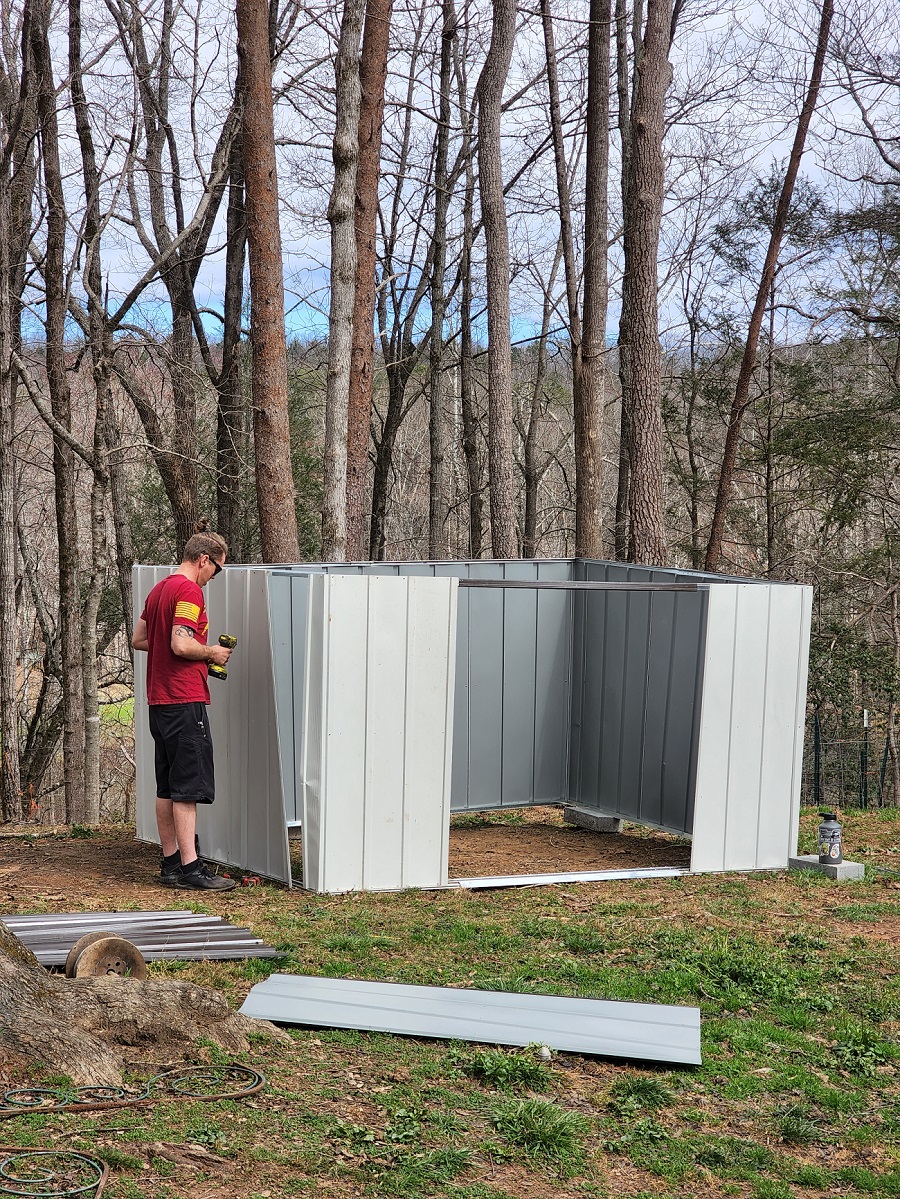
Since, we will also be getting 20 ducks around the end of March AND the 36 chickens, we want to make sure there is plenty of room for all of them. I think this 8×10 metal shed will work great. It’s got plenty of space and if we can hang the new laying boxes and roosting bars, there will be plenty of room for the ducks to nest.

Also since we allow them to free range throughout the day, there shouldn’t be any problems with space during the day.

Now before anyone gets all up in arms about it, we know some of the problems with a shed like this as well as ducks and chickens in the same coop. First, we will be installing gables and vents to make sure that the heat can escape in the summer. They will also have frozen bottles on the ground to keep cool. Not to mention we made sure that the coop is in a shady area.

Save on Seeds

We will also be adding boards and hardware cloth to the bottoms to ensure it as predator proof as possible. The ducks and chickens can cohabitate in the same coop as long as they have their own spaces. The ducks will be on one side and the chickens on the other. I’m sure we will find more problems as we go but we will see.

Jared working on the new Coop

We will always be as transparent with our readers. In that vein, we want to make sure that you don’t make the same mistakes we have. Or if you decide to make the mistake, at least do it differently.

You can also check out this from Redfin article as well! “Whether you’re planning to raise chickens at home in Asheville, NC, Eugene, OR, or Burlington, VT, check out this Redfin article we were featured in on 5 Chicken Coop Ideas For A Thriving Flock“

Summer Update

So this coop was built in the spring before it got really hot. What we have found is that the coop does not get super hot at night like we thought. Since we allow them to free range throughout the day and only put them inside the coop at night when the sun has gone down. We have not noticed a HUGE temperature increase.

Don’t get me wrong, it’s still hot at night and it’s warm in the coop, but I was thinking like fatally hot and it’s not. We have been averaging 80* nights and the coop is 90* but also has fans blowing the hot air out.

One of the things we have noticed is that NONE of the animals want to go in their respective houses at night. That includes the goats. I think a lot of it is that it’s just too hot. When they are outside they can move around and find cool ground.

The chickens and ducks seem to prefer being outside during the summer and that’s fine. We have predator lights up around the property and so far we haven’t seen any signs of them being taken in the night.

I’ll update back after winter and let you know how that goes. But for right now the coop is working.

Winter Update

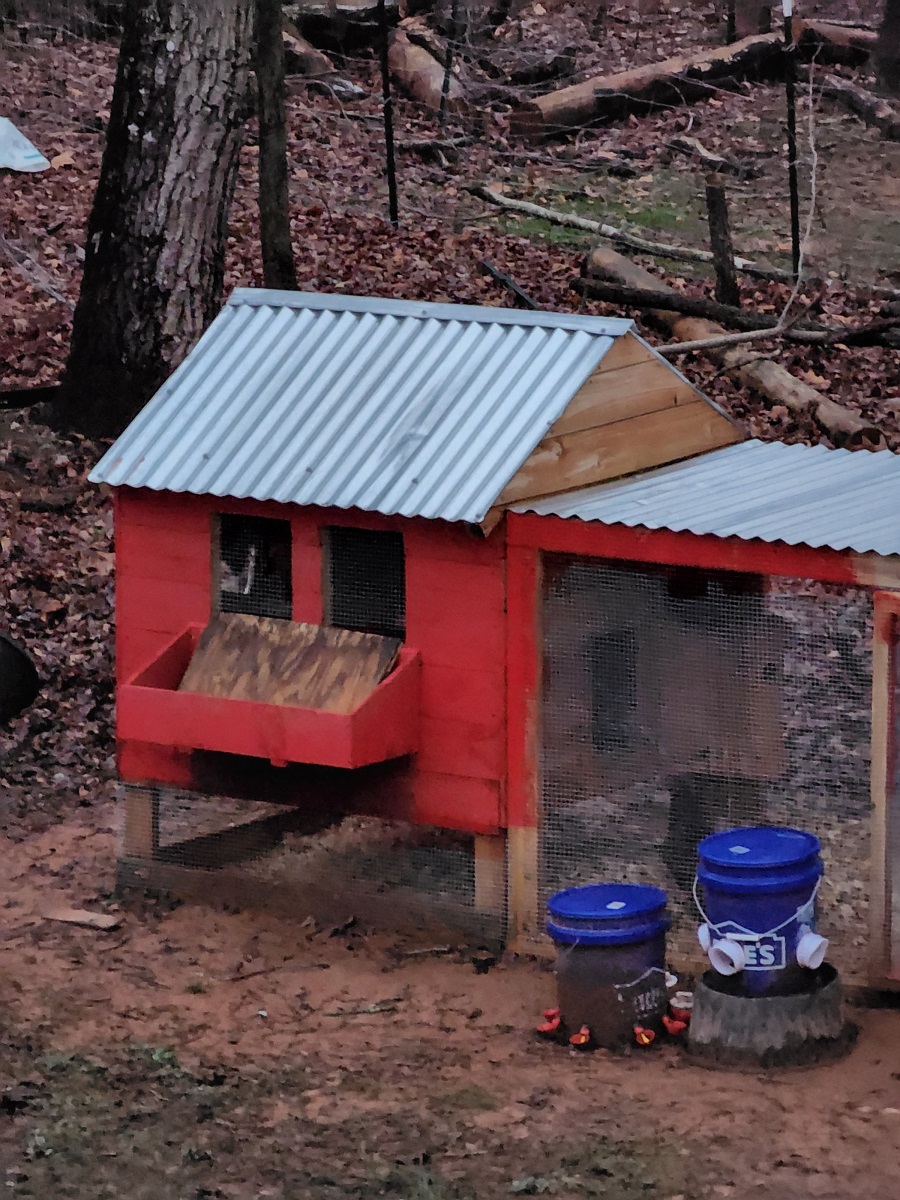
We have moved the chickens and ducks back into the red coop. The metal shed has turned into a flop…. Well, not completely. The shed rusted from the ground up. No matter how much pine shavings we added, the odor was completely foul. The chickens also didn’t seem as healthy either. It seemed to take them longer to get through molt and they stopped laying eggs way sooner than they should have.

When we moved them back to the red coop, their feathers seemed to get brighter and they seemed happier. Now, this is all speculation and we don’t have scientific proof, but I feel like the shed was not a good option for long term keeping.

We plan to convert the shed back into a shed and just put our various building materials in it. I would suggest looking into different types of chicken coops and leave the metal shed alone.

Using A Metal Shed For A Chicken Coop…. The Final Update

As of this writing (2024), we have turned this shed into a home for broody hens and a brood coop for new chicks. For this purpose, the metal shed has turned out to be excellent. We went through and painted all the rust, patched holes, and general upkeep of the shed. We noticed that the broody hens and new chicks all thrived.

I think the main problem with using a metal coop as a permanent coop is the severe lack of air flow, extremely low light, and everything tends to stay damp without a good heat source. Since we fixed everything and have made it a temporary home for these chicks/ hens, it has turned out VERY well and is something we will continue to do.

If you like this post, feel free to share it and follow us below on our social media accounts!
  • Facebook
  • Pinterest
  • Instagram
  • YouTube
  • TikTok
  • Spotify
  • Threads

Filed Under: Animals, Chickens, How To's, Projects Tagged With: chicken coop, Chickens, Chicks, Ducks, Eggs, Homestead, metal coop

JOIN TO OUR MAILING LIST!

Leave us your email to receive new posts and special offers for members only! Don't miss a thing!

Recent Posts

  • Fall Garden Guide
  • Top Mistakes With Goats
  • How To Bond With Your Goats

Best Chickens For A Homestead

March 5, 2024 by Leigh Leave a Comment

You’ve closed on your new homestead and are itching to get your first set of livestock. Or, you have made the determination that you need chickens on the homestead to help close some holes in food security. What are the best chickens for a homestead? The short answer is: that depends. The real question you should be asking yourself is, why do you want chickens on the homestead?

The Ultimate Homesteader’s Starter Bundle – Only $47!

Get the tools you need to stay organized, track profits, and manage your homestead with ease!

Includes:
✅ Schedule F Tracker – Simplify tax prep
✅ Profit Calculator – Track earnings
✅ Hay Calculator – Plan livestock feed
✅ Garden Journal – Digital & printable
✅ Herd Health Tracker – Monitor animal care
✅ Simple Budget – Manage finances
✅ Backyard Homestead eBook – Essential tips

$99 value – now just $47! Start your homesteading journey today!

Buy Now

What Do You Want Out of Your Chickens

If you simply want chickens to have chickens then really any breed will do. It doesn’t matter how many eggs they lay, or if they are good for meat. You could get any breed and be happy with that choice. However, if you are looking for a high producing egg layer that is going to give you a ton of different colored eggs to sell at the farmers market, a Cornish Cross is not your answer. So here are our top favorites for bringing chickens to the homestead.

Best Egg Laying Birds

  • Australorps- Lay large brown eggs and a heritage breed. They will lay about 250-365 eggs a year. They are also considered meat birds which is why our rooster may end up in the stock pot if he doesn’t start being nicer.
  • Black Star- This is not a heritage breed and can’t beat the Australorps with egg production, but they can usually lay about 200 large brown eggs a year. They will hit maturity about 2 weeks faster. They are also a good meat bird.
  • Red Star- The red start is up there with the Australorp when it comes to egg production with the same 250-365 eggs per year. Plus, they reach maturity faster which means faster eggs. And they are a decent meat bird.
  • Rhode Island Red- The RI Red also lays large brown eggs and will lay 250-365 eggs a year. They are also good meat birds.

Banner 468x60

All of these birds are good to free range which means that you can let them run your property and they will probably not run away. That being said, we ordered 15 birds for our first batch, and we only have 9 left.

Best Meat Birds

Before we delve too deep into the world of meat birds there are some things to consider. First, are you ONLY raising these birds for meat? If so, the Cornish Cross or Freedom Ranger are the birds you are looking for. If you are looking for something that will grow slower and you can maybe get some eggs out of? Then a Delaware or Rock may be a better option.

  • Cornish Cross- These are the big white birds that the chicken industry is known for. They mature quickly and hit butcher weight at around 8 weeks old.
  • Freedom Ranger- These are a big red bird that are slower to mature but are said to be more tender. They usually reach butcher weight around 12-15 weeks. We raise these guys for our meat birds.
  • Delaware Broiler- This is one of the better tasting meat birds but tend to be about 3# female and 4# male at 12 weeks old.
  • The Giants- I have to put these guys in here, but I’m not a fan. The meat to feed ratio and meat to bone ratio is WAY off for me. They should reach butcher weight around 20 weeks but because they get so big, their feed bill is as impressive as they are. They lay a decent amount of eggs,150 or so a year, that are large and brown.

Logo 468 x 60

Best Brooding Birds

Brooding hens are chickens that are most likely to sit on eggs. That doesn’t meant that they WILL but they are more likely. I added them to this list because we are moving towards hatching our own chicks and would like to have the birds do the work for us. Especially since unexpected power outages can render those eggs useless.

  • Dark Brahma- These are impressive birds that will fit pretty much any need you have. Unfortunately they are poor free rangers but they are excellent mothers and lay about 150-200 eggs a year.
  • The Cochins- These chickens come in many different colors and sizes but we have the standard black and they are more likely to sit on eggs for us, as well as give us a good amount of them. They are also good for meat with a solid meat to bone ratio.
  • Sussex- We absolutely love the Sussex. Every single one we have went broody and actually hatched out all of their chicks.

Best All Around Birds

  • Australorps- Solid egg production, good meat weights, and foragers. This is a homestead favorite. George is an Australorp and while most of these guys have a great disposition, he does not.
  • Plymouth Rocks- These guys come in several different colors and are great birds. They can usually be butchered around 18-20 weeks. They lay large brown eggs and should lay about 200 or so a year.
  • Sussex- The other two birds on this list are not likely to sit, the Sussex is the most likely to sit and in my opinion is the best chicken for our homestead. They are excellent meat birds, egg layers AND mothers.

If you are new to heating with firewood and are looking to master the finer points of it. We’ve got a great eBook that goes in depth of what tools you should consider, how and where to stack, how to build a fire and so much more!

Buy Now

Things That Most Chickens Are Going To Do

Before you end up thinking “This breed is good for this, and that for that”, here is a list of traits that 99% of chickens have. We call it chickens doing chicken shi…stuff.

  • Scratch and peck- All chickens will forage for bugs, grubs, and greens. They will decrease your bug population by half if you let them. They will also forage on all the goodness around your property and that helps reduce your feed bill.
  • Free range- Yes, technically speaking all chickens will free range. If you have a good rooster, even the worst free ranger will come back home. For all George’s faults, he takes excellent care of his girls. When that changes, he’s going in the stock pot.
  • Make a mess- All chickens are going to wreck havoc on your homestead. They are going to get into to your garage and break a $100 bottle of goat antibiotics. They are going to poop EVERYWHERE. That is the trade off for “free” eggs.
Save on Seeds

On our homestead we absolutely love our chickens. Not to the point that they are pets, but we love that they don’t require a ton of feed because they free range. We love that they are a meat source if necessary. And to be fair, they are pretty cool critters that allow you to hang out with them, if you’ve socialized them.

If you like the content I put out, feel free to buy us a coffee! It helps keep this site running, marketing and the goats in grain!

Buy me a coffee

If you like this post, feel free to share it and follow us below on our social media accounts!
  • Facebook
  • Pinterest
  • Instagram
  • YouTube
  • TikTok
  • Spotify
  • Threads

Filed Under: Animals, Chickens Tagged With: Chickens, Chicks, Eggs, Homestead

JOIN TO OUR MAILING LIST!

Leave us your email to receive new posts and special offers for members only! Don't miss a thing!

Recent Posts

  • Fall Garden Guide
  • Top Mistakes With Goats
  • How To Bond With Your Goats

Our Best Dual Purpose Chickens

February 17, 2024 by Leigh Leave a Comment

When we first brought chickens to the homestead, we started with 25 chicks. As we became victims of chicken math, we have grown our flock to about 50-75…. They are really hard to count. While I don’t LOVE the thought of dual purpose chickens, there is a need to have a good solid laying hen, that can produce good meat animals. So, these are our best dual purpose chicken breeds.

The Ultimate Homesteader’s Starter Bundle – Only $47!

Get the tools you need to stay organized, track profits, and manage your homestead with ease!

Includes:
✅ Schedule F Tracker – Simplify tax prep
✅ Profit Calculator – Track earnings
✅ Hay Calculator – Plan livestock feed
✅ Garden Journal – Digital & printable
✅ Herd Health Tracker – Monitor animal care
✅ Simple Budget – Manage finances
✅ Backyard Homestead eBook – Essential tips

$99 value – now just $47! Start your homesteading journey today!

Buy Now

Why More Chickens?

Bringing more chickens home is a multi-layered answer. First, we sell eggs. That means that we need more eggs than our current eight hens can keep up with. Seriously, I’ve got a wait list going on. Second, we want to be able to hatch chicks and sell those babies to others. Third, and most sensitive to people, we want meat. Having the additional 24 laying hens will up our production in all of those areas. Since the third reason is so controversial I want to briefly touch on it.

We eat meat, as I am sure many of us do. But with the rising prices of everything, the cost of meat is skyrocketing. I don’t know about you but I can’t afford to keep having to fork out hundreds of dollars a month on meat. And going vegetarian is not a viable option either. Let’s not mention the living conditions of some of these chicken houses. You can read more about my choice to raise our own meat chickens here.

But to expand a little more, when you raise meat chickens you normally hear about the Cornish X. These birds are not genetically modified but they have been bred from several other breeds of chickens to get big as fast as possible. That’s fine with me. We raised fifty of them over winter. But I’m not going to lie, they don’t taste good.

I’m not sure if it’s because they were allowed to free range, we waited to butcher a little too long or what, but I’m not a fan of the meat. But to keep with the point, my issue with the Cornish X is: what happens when I can’t order them? I want to close the holes in our food security as much as possible. So having to order them from a hatchery doesn’t make a lot of sense.

Banner 468x60

So we made sure to order chicks that are all dual purpose breeds. We have Dark Brahmas, Sussex, Ancona, Dorking, Black Cochins, and New Hampshire’s. They are also pretty good egg producers with a mix of cream, white, and brown eggs. Lastly, we made sure to get a couple of breeds that are good mothers. We wanted to have the ability to leave the eggs and let them hatch them out.

cropped-3.jpg

Are you looking for garden journal prompts, but aren’t interested in a weekly email? Check out our 365 Garden Journal Prompts! This is an amazing, all in one, yearly product that you only pay for once.

Buy Now!

Our thinking was, if the power goes out for several days (which we are prone to here), we don’t want to rely completely on an incubator. I’ll keep you up to date on how they are doing but for now, they are warm, happy, and loving their box.

Our Best Dual Purpose Chickens

Speckled Sussex- Our Sussex’s have been absolute rockstars when it comes to doing chicken things. They have been fantastic in the garden and have single “winged” taken out about half of our Japanese Beatle population. They are also fantastic mothers. Sussex are a fairly fast growing chicken with good meat to bone ratio. But be forewarned, it takes them about 6-8 months to get to a decent size.

Black Australorp- I have to say, I don’t really care for the Australorp. They are not very friendly and tend to be pretty flighty. But they produce great eggs and hit a good butcher weight faster than the Sussex. Honestly, I would love to get more of these guys, but having them panic and run away from us is a big sticking point for me.

Barred Rock- This is my second favorite dual purpose chicken. The biggest down side is that they really are a laying chicken more than a meat chicken. They take forever to get to a decent butcher weight. But they will absolutely rock it with eggs. Plus they are a classic sight on the farm.

At the end of the day, any animal is a meat animal. The question becomes is it worth it to butcher them? Because if they are laying a ton of eggs but they are tiny? Keep letting them lay eggs. You could get more meals out of the eggs than the meat. But if they are eating a ton of food and only producing a couple eggs a week? It’s to the freezer.

You have to make that distinction.

The Next Generation

Since the original publication of this blog post, all of the girls are doing fantastic. We’ve had a few issues with predators, but nothing since losing our favorite fluffy foot (black cochin). We are starting to get some eggs from them as well.

We’ve also had a lot of success with our incubator and it has yielded us several roosters which will be butchered with the meat ducks… If I can get Jared to do it. If he can’t, I’m not really sure what we are going to do. I guess in the end we will have 10 jumbo pekins that we have to keep a close eye on for health issues.

The best part about this next generation is the peace of mind. I knew what I was trying to do when I ordered them. I wanted to create a system that reduced our dependence not only on the grocery store, but also hatcheries. To see that actually happening is pretty awesome.

The Ultimate Homesteader’s Starter Bundle – Only $47!

Get the tools you need to stay organized, track profits, and manage your homestead with ease!

Includes:
✅ Schedule F Tracker – Simplify tax prep
✅ Profit Calculator – Track earnings
✅ Hay Calculator – Plan livestock feed
✅ Garden Journal – Digital & printable
✅ Herd Health Tracker – Monitor animal care
✅ Simple Budget – Manage finances
✅ Backyard Homestead eBook – Essential tips

$99 value – now just $47! Start your homesteading journey today!

Buy Now

If you have any questions feel free to ask and I’ll get back to you. If you like this post feel free to share it on all your social media.

If you like the content I put out, feel free to buy us a coffee! It helps keep this site running, marketing and the goats in grain!

Buy me a coffee

If you like this post, feel free to share it and follow us below on our social media accounts!
  • Facebook
  • Pinterest
  • Instagram
  • YouTube
  • TikTok
  • Spotify
  • Threads

Filed Under: Animals, Chickens Tagged With: Chickens, Chicks, Eggs, Homestead, kitchen

JOIN TO OUR MAILING LIST!

Leave us your email to receive new posts and special offers for members only! Don't miss a thing!

Recent Posts

  • Fall Garden Guide
  • Top Mistakes With Goats
  • How To Bond With Your Goats

Dealing With Death On The Homestead

February 9, 2024 by Leigh 4 Comments

I really struggled with writing this post. I am the person that takes an animal death way harder than a human one. I don’t know why, maybe it’s my job or that I have attachment issues. But when an animal dies, I am a sobbing mess. It hurts in ways that I can’t describe. If you are reading this post, you probably feel similar. While death is a normal part of life, there is no easy way to handle it. Dealing with death on the homestead for those of us that feel it deeper, it’s a lot harder.

The Ultimate Homesteader’s Starter Bundle – Only $47!

Get the tools you need to stay organized, track profits, and manage your homestead with ease!

Includes:
✅ Schedule F Tracker – Simplify tax prep
✅ Profit Calculator – Track earnings
✅ Hay Calculator – Plan livestock feed
✅ Garden Journal – Digital & printable
✅ Herd Health Tracker – Monitor animal care
✅ Simple Budget – Manage finances
✅ Backyard Homestead eBook – Essential tips

$99 value – now just $47! Start your homesteading journey today!

Buy Now

Dealing With Death On The Homestead

We have lost more than our share of animals on the homestead and it never gets easier. We have lost goats, chickens, our dogs, and today a duckling. To be honest, the duckling was up there with the goats. I have always wanted a duck and now that I finally have 20, it tears my heart to know that she died. But knowing why they died and how to prevent it really helps me heal from it.

Dealing with death on the homestead is understanding that livestock are not pets. But it’s also understanding that animals will die. While that doesn’t absolve the guilt or heartache, understanding that when you farm you are going to do everything you can, and animals will die anyways. But at the same time, knowing that you are going to do everything in your power to help anyways.

goat kidding

Before we get too far into this, I have a great course on the basics of goat care. I call it Goat Crash Course: Goat 101. In this course, I explain things like types of shelter, types of feeds and hays, basic assessments and so much more! Check it out!

Buy Now

Understanding The Role Of Your Animal

While this may seem odd, when you understand the role of your animal, it really helps you plan their existence. For example, when we purchase meat birds, we know that their role is to end up in the freezer. That means that we will do everything in our power to make sure that every single day of their lives are as happy and humane as possible. But we are not going to take a meat animal to the vet and waste resources.

However, our milk goats have a role too. Their role is to provide milk and future meat animals. That means that when they are no longer filling their role, we have to make the decision to sell or butcher. During their time on the homestead, we will take them to the vet as needed and care for them to make sure they are happy, healthy and raised humanely.

Because you understand the role of your animal, it allows you to make decisions based on the role vs your need to care for animals as pets or companion animals. It sounds heartless, but you have to decide if you are a homestead or animal rescue.

Why the Why is so important

When you know why an animal died, not only does it help you from a practical stand point, it also helps you heal. I think that it’s because it can be a learning opportunity or simply because it absolves guilt. Either way I think it helps us heal while dealing with the death of our favorite animals.

Texas was my favorite goat. He was unbelievably vocal and would sing to me every time I came home from literally anywhere. Whether I was gone for a 24hr shift or a ride to the grocery store, it was always the same. He would bleat at me until I came to love on him. That was the best part of coming home.

He died because of polio. Goat polio is different from human polio but basically it is caused by thiamine deficiency or sulfur toxicity. My lack of knowledge and lack of medicines on hand did not help him and killed him. As unfortunate as it was, and as much as I beat myself up about it, there is a bright spot. No other goats will die because I didn’t know what I was doing.

Voldemort was our first goat that died. His was due to an extremely high parasite load. He had an unbelievable amount of barber pole worm, strongyle worms, and coccidia. It took us several days to realize that he was as sick as he was. When we got him to the vet, she told us that he was probably going to die. The worm load was just too high. If he didn’t die from the worm load, the internal bleeding of the worms suddenly being gone would kill him. We did everything we could but he still died.

With both goats, I poured over hundreds of articles, consulted with our vets and came up with a plan for future treatment. It will never bring back our babies, but at least now we know what to do, what to look for, and what to do to keep it from happening.

Learning From Mistakes

We have lost several chickens for several reasons; overcrowding, mareks, and predators. But we are learning how to raise our chickens in the best environment for them. They have plenty of access to open pasture. They are vaccinated from the hatchery for mareks. We keep an eye on their general condition to make sure that we catch potential injury or illness before it becomes a problem.

But today, we lost a duckling. It broke my heart. I tried everything I could think of but it was simply too late. Unfortunately, we don’t know why or how. We’ve got another one that is going down the same path but we are trying everything we can.

This is life though. Even more to the point, this is homestead life. Animals will die. Whether it’s because they are meat or because they are sick, hard labors, failed hatches, and more. It happens and it hurts.

My Advice For Dealing With Death On The Homestead

The best advice I can give you is don’t give up. Yes, it is hard and some days it doesn’t seem worth it. But I promise you it is. It’s worth the heartache for the good days. I would not give up a single second of owning goats because we lost Texas and Voldemort. I will always own dogs, despite having lost so many. The good out weighs the bad, every single time.

My second piece of advise is to honor their life. It doesn’t matter if they are meat animals or a beloved pet. It doesn’t matter if they’ve been with you for twenty years or twenty minutes, that life needs to be honored. If you can, have a cemetery for them. We have an old corral that we will never use and it is perfect. Baby bearded dragons, chicks, goats, and even toads that the dogs have killed go in there and get a flower seed planted with them. That is how I honor them.

goat kidding

Before we get too far into this, I have a great course on the basics of goat care. I call it Goat Crash Course: Goat 101. In this course, I explain things like types of shelter, types of feeds and hays, basic assessments and so much more! Check it out!

Buy Now

If you like the content I put out, feel free to buy us a coffee! It helps keep this site running, marketing and the goats in grain!

Buy me a coffee

If you like this post, feel free to share it and follow us below on our social media accounts!
  • Facebook
  • Pinterest
  • Instagram
  • YouTube
  • TikTok
  • Spotify
  • Threads

Filed Under: Animals Tagged With: Chickens, Chicks, duckling, Goats, Homestead

JOIN TO OUR MAILING LIST!

Leave us your email to receive new posts and special offers for members only! Don't miss a thing!

Recent Posts

  • Fall Garden Guide
  • Top Mistakes With Goats
  • How To Bond With Your Goats
  • « Go to Previous Page
  • Page 1
  • Page 2
  • Page 3
  • Page 4
  • Go to Next Page »

Primary Sidebar

WELCOME

WELCOME

My name is Leigh and I am the lead chaos creator here at Steel Raven Farms. You will see throughout this blog that I am the crazy goat lady.

I am married to my high school sweetheart, Jared and we have two amazing boys.

FOLLOW ME

  • Amazon
  • Facebook
  • Instagram
  • Pinterest
  • TikTok

GET UPDATES!

Leave us your email to receive new posts and special offers for members only! Don't miss a thing!

In all the years that I’ve been growing a garden, the fall garden has steadily remained my favorite. Which is funny because I don’t really like any of the brassicas, which is what most people know the fall garden for. I prefer the root vegetables and cool air. But I have learned over the years…

Read More

  • Animals
    • Chickens
    • Farm Dogs
    • Goats
  • Garden
    • Compost
    • Garden Projects
    • Seeds and Plants
    • Garden Journal
    • Working With Food
      • Recipes
      • Freezing Foods
      • Dehydrating Foods
      • Canning Tips And Tricks
        • Canning Inventory Sheets
  • Helpful Info
    • Welcome to the Homestead!
    • Emergency Preparedness
    • Frequently Asked Questions
    • Goal Setting
    • Project List
    • Shop Digital Products
      • Hay Calculator
      • Farm Expense And Income Tracker
      • Goat Crash Course: 101
      • Garden Journal Prompts
      • Schedule C Tracker
      • Schedule C Tracker
      • The Homestead Bundle
  • The Truths
  • Episode List
  • Start Here
    • Privacy Policy
    • Affiliate Disclosure
    • Let’s Get in Touch
    • Members Only Library
    • Welcome To Our Homestead

Footer

  • Email
  • Facebook
  • Instagram
  • Pinterest

COME AND GET IT!

Leave us your email to receive new posts and special offers for members only! Don't miss a thing!

· Midnight Theme

Copyright © 2026 · Midnight Theme on Genesis Framework · WordPress · Log in