• Skip to primary navigation
  • Skip to main content
  • Skip to footer

Steel Raven Farms

Where muck boots meet ground.

  • Animals
    • Chickens
    • Farm Dogs
    • Goats
  • Garden
    • Compost
    • Garden Projects
    • Seeds and Plants
    • Garden Journal
    • Working With Food
      • Recipes
      • Freezing Foods
      • Dehydrating Foods
      • Canning Tips And Tricks
        • Canning Inventory Sheets
  • Helpful Info
    • Welcome to the Homestead!
    • Emergency Preparedness
    • Frequently Asked Questions
    • Goal Setting
    • Project List
    • Shop Digital Products
      • Hay Calculator
      • Farm Expense And Income Tracker
      • Goat Crash Course: 101
      • Garden Journal Prompts
      • Schedule C Tracker
      • Schedule C Tracker
      • The Homestead Bundle
  • The Truths
  • Episode List
  • Start Here
    • Privacy Policy
    • Affiliate Disclosure
    • Let’s Get in Touch
    • Members Only Library
    • Welcome To Our Homestead

Pigs

Homestead Lessons: We Learn The Hard Way

August 24, 2024 by Leigh 7 Comments

Originally, this post was about the all the homestead lessons we learned the first year. But you never stop learning, especially when you homestead. So I wanted to go over all the homestead lessons we have picked up along the way. And the list keeps growing and growing.
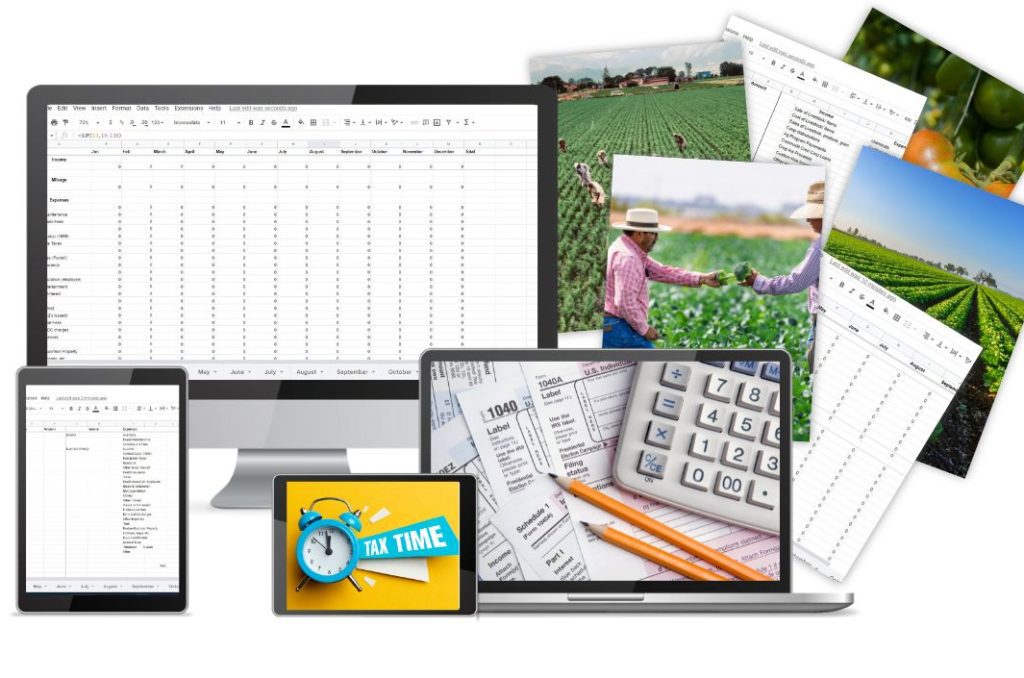
The Ultimate Homesteader’s Starter Bundle – Only $47!

Get the tools you need to stay organized, track profits, and manage your homestead with ease!

Includes:
✅ Schedule F Tracker – Simplify tax prep
✅ Profit Calculator – Track earnings
✅ Hay Calculator – Plan livestock feed
✅ Garden Journal – Digital & printable
✅ Herd Health Tracker – Monitor animal care
✅ Simple Budget – Manage finances
✅ Backyard Homestead eBook – Essential tips

$99 value – now just $47! Start your homesteading journey today!

Buy Now

Homestead Lessons:

The Animals

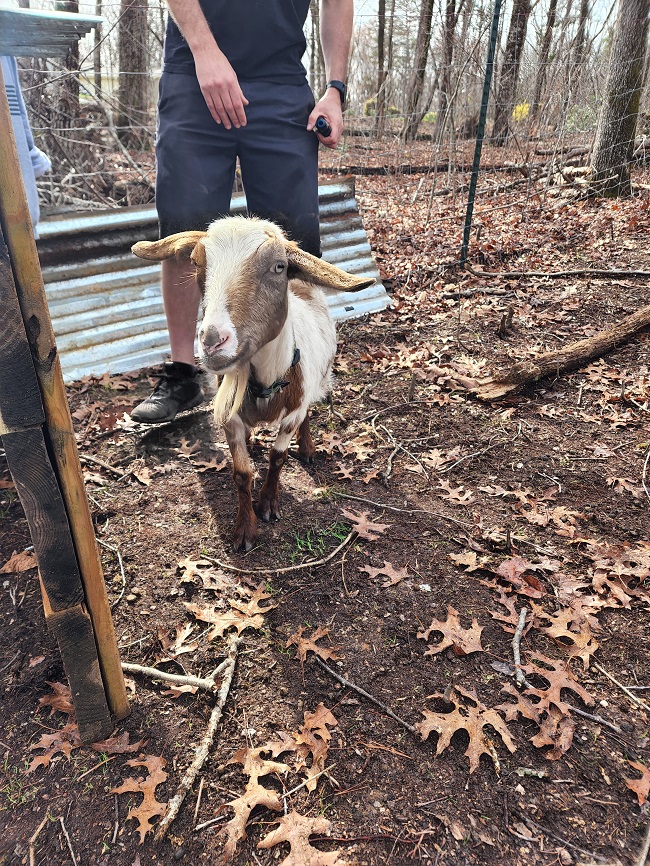
Goats are not entry level animals. Seriously, wait until you have good fencing, a good vet, and patience!

Goats eat WAY more than you think they do.

Goat math is a thing. I’m still confused how our numbers jumped from 2 to 7….. Now, we are hovering around 15.

Chickens are cool, roosters are not. I threaten George with the stock pot daily.

Learn how to butcher and process your own animals. But also give yourself grace because you don’t know how.

If you don’t have a solid plan for pigs, don’t even bother. They will destroy your gardens, pens, and sanity. Sure, sometimes they’re fine. But these are also not beginner animals.

Be prepared for a ton of clean up after processing those animals.

Chicken poop is slippery on concrete. Be careful when you start chasing chickens through your basement.

Animals will die. Yes, it’s hard. No, it doesn’t get any easier.
Building

Build it right the first time. I cannot tell you the amount of times we have had to rebuild fences.

But also understand that you will rebuild things. It’s inevitable.

Don’t let the husband borrow your tools. Ever. Seriously, don’t do it. This man has broken more tape measures….

You are way more capable than you think you are. So is your spouse.

Regardless if it’s going to take longer, get your kids involved with projects. They need to learn how to do this stuff too.

Budget for a project, and then double it. If you think it’s going to cost $400 to build a fence, make sure you’ve got at least $800 set aside.

Garden

Find a local farm stand. Even if you have a garden. It’s better to know where to get fresh produce if the garden fails…. or the chickens, goats or pigs wreck it.

Canning is addictive. Get more jars than you think you will ever need, then double it.

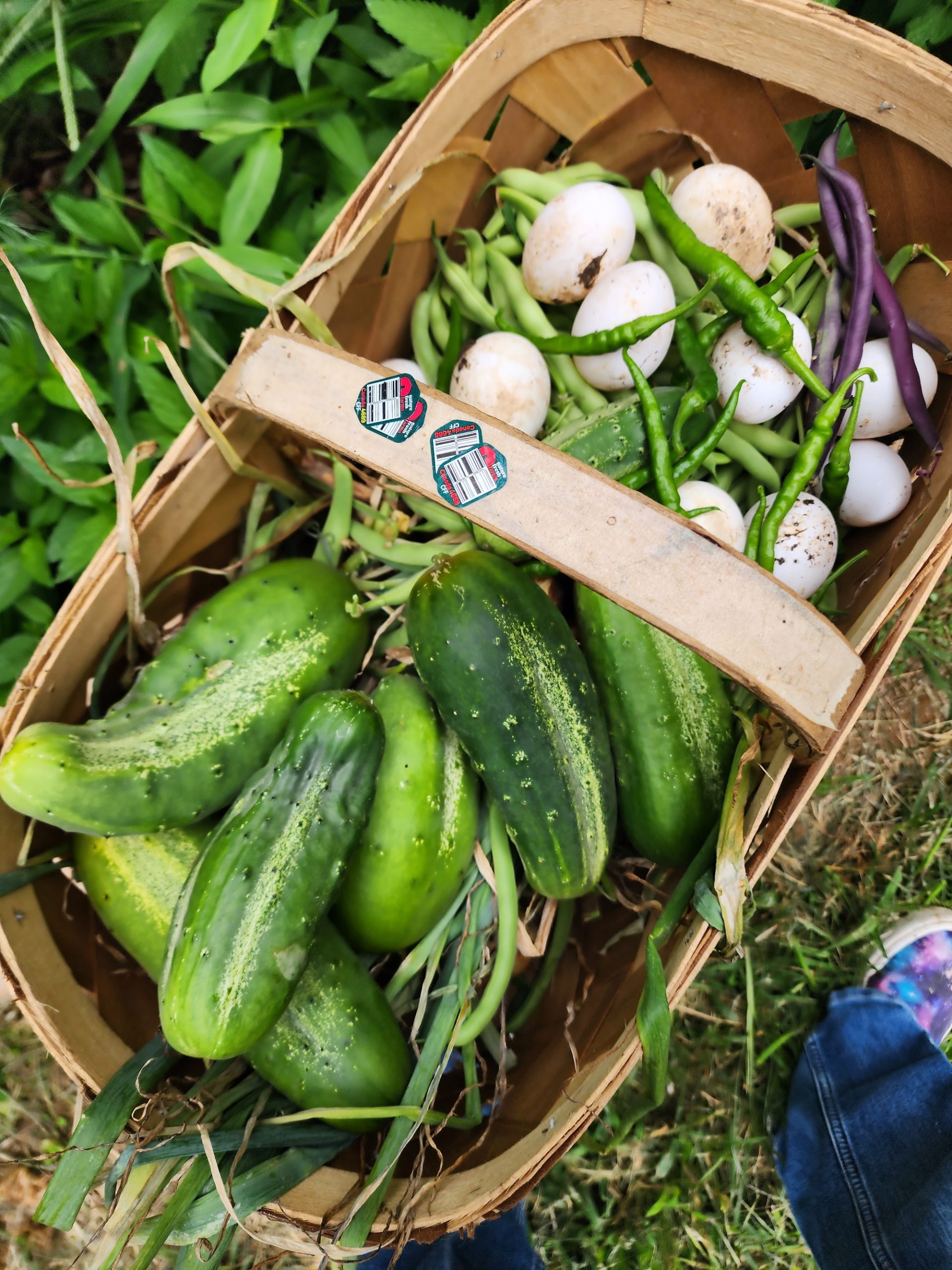
Enjoy the abundance, even when you are drowning in cucumbers.

Learn to start your own plants. It’s WAY cheaper.

Give your garden and yourself grace! You can’t know everything about every plant!

Keep a garden journal!

Buy the seeds…. yes, all of them.

Try new varieties. Even if you have ones you love, try different ones.

Plant the flowers. Yes, all of them.

Plant ALL the plants. Even if you think it’s too many. You would be surprised what can happen in a season…. Plus that’s extra for the animals.

Also, plant for your animals too. You may not have enough to sustain them, but any discount on my feed bill makes me happy.

Planning

Have a plan A, B, C, D and E. Maybe go ahead and plan for F, G and H too. Just to be safe.

Estimate how much firewood you will use, and then double it. Maybe triple if you live in a crazy weather state like Georgia.

Go ahead and stock up on the things you think you need. Not only is it cheaper in the long run, if you need to pull off your supply in an emergency, you will be glad you have it.

Patience is the biggest lesson you will learn.

An emergency fund is going to be your saving grace when you buy a house. But when you buy a homestead? You should probably triple the amount you think you’ll need.

You are going to blow through that emergency fund when your goats get sick, dog needs surgery, well pump goes out and water heater explodes all in one month.

Understand things are going to happen that are beyond your control. Roll with it. A good attitude will get you through it.

Start a blog to detail the antics and chaos of your life. In a year, you will look back and laugh.

Learn to say no. Especially to your husband when he says goats would be a great idea 2 months into owning your homestead.

You are living the life you always wanted in a way you never dreamed. You are blessed beyond measure.

A homestead is what you make it. It starts with HOME for a reason. Enjoy it.

Bear the freeloader

Since buying our homestead, I have learned so much. These are just a few of the homestead lessons we have picked up along the way. I could write 100 more and still not be at the end of my list. But it has been worth every single penny, sleepless night, and fight. I would not trade my life for the world and all the money. Here’s to the next year on the homestead. May it be as entertaining and interesting as the last.

If you like the content I put out, feel free to buy us a coffee! It helps keep this site running, marketing and the goats in grain!

Buy me a coffee

If you like this post, feel free to share it and follow us below on our social media accounts!
  • Facebook
  • Pinterest
  • Instagram
  • YouTube
  • TikTok
  • Spotify
  • Threads

Filed Under: Animals, Canning, Chickens, Goats, How To's, Our Homestead, Pigs, Projects Tagged With: Chickens, Goats, Homestead, Projects, Welcome

JOIN TO OUR MAILING LIST!

Leave us your email to receive new posts and special offers for members only! Don't miss a thing!

Recent Posts

  • Fall Garden Guide
  • Top Mistakes With Goats
  • How To Bond With Your Goats

Homestead Daily Schedule

August 13, 2024 by Leigh Leave a Comment

On our homestead, this looks a little different than most. Due to our work schedules, one of us is gone 48 of 72 hours. Sometimes more. However, the goats still need to be milked, fed and let out. Chickens and ducks still need feed, water, and be let out. Dogs are also hungry and need to go to the bathroom. And all the other chores need to be done. So regardless of who is home, the daily schedule looks pretty much the same.

The Ultimate Homesteader’s Starter Bundle – Only $47!

Get the tools you need to stay organized, track profits, and manage your homestead with ease!

Includes:
✅ Schedule F Tracker – Simplify tax prep
✅ Profit Calculator – Track earnings
✅ Hay Calculator – Plan livestock feed
✅ Garden Journal – Digital & printable
✅ Herd Health Tracker – Monitor animal care
✅ Simple Budget – Manage finances
✅ Backyard Homestead eBook – Essential tips

$99 value – now just $47! Start your homesteading journey today!

Buy Now

What Is Our Homestead Daily Schedule?

As I mentioned above, our days are set up on a 3 day rotation. On the first day, I go to work and Jared is the responsible party until he goes to work the next day. Day 2 is when I come home and handle my portion of the homestead chores. On day 3 we are both home and try to squeak out as much time together as possible.

Day 1 Daily Schedule

This is my work day, so Jared is home with the boys. He usually gets up with me and we drink coffee and hang out for a few minutes before I head to work. Sometimes, he will tell me about what he has planned for the day. But more often then not, I don’t really care per say. The way I see it, he is a grown ass man and knows what he needs to do for the day. Unless there is something pressing, I don’t worry too much about what he’s doing.

That being said, most of the time he is working on whatever project we are doing. In the summer, it’s usually firewood. In the winter, it’s usually household projects. Spring is reserved for garden projects and fall is for yard clean up.

He also makes sure that the boys are doing their school work and the house doesn’t burn down.

Day 2 Daily Schedule

This is the day that he goes to work and I am coming home. Normally, I get home a little later in the morning. After getting myself cleaned up and my stuff put away, I get the boys started on their school work and I start working on whatever inside projects need to be handled. Sometimes this is blog or household work. Other times this could be getting seeds together and planted. It really depends on what the season is.

But I can tell you that the day after a 24 hour shift is left really loose. I have run calls all night and come home with a pile of chores that HAVE to get done and it’s awful. Instead, we give ourselves and each other grace when it comes to the day after shift. We just don’t put a lot of stuff on ourselves.

That being said, the goats still need to be checked and fed. Chickens and ducks still need to be fed and let out. The garden still needs to be harvested, planted or maintained. But we don’t stress about getting the to do list done.

Day 3 Daily Schedule

For me, the day starts around 8am. Blu gets her morning meds and mom needs coffee. The first set of dogs are let out and showers start. I will usually start a load of laundry and work on it throughout the day.

If I have goats in milk, my day starts a little earlier so that I can get them milked before they are screaming for their food and to be let out. I also do a quick glance at the herd to make sure everyone is healthy and happy.

After I get the goats done, I am in the garden first thing to beat the heat. I try to get things harvested before the heat of the day really hits. I will also try to get the first batches of preservation going. Whether it’s dehydrating tomatoes or squash or getting a canner filled. Depending on the season, I may be planting more in the garden.

I will also start the boys on their homeschool stuff for the day. As the day heats up, I scramble into the house to keep from overheating (y’all the Georgia heat is no joke!). I will work on the blog or general household tasks until it cools down enough to be able to go back outside.

Then it’s dinner time. After dinner, the boys take care of their chores. I finish up laundry and head to bed, where I read for about 4 hours.

Homesteading Daily Schedule With Kids

One of the biggest issues that I see new homesteaders, and hell even parents, making is that they don’t give their kids chores. You will overwhelm yourself and your partner if you do not let those kids earn their keep. We have a pay to play rule which means that if you want to play video games, watch TV or do what YOU want to do, you have to “pay” for that by doing your chores, school work, etc. So make sure that your kiddos are helping.

After everyone is done and animals are fed, we start working on school work, this is usually around 930-10. Jared and I have different views on this. Usually I let them unschool and Jared is more structured. Unschooling is when the child directs what they would like to learn about. I feel like this gives them the opportunity to learn about the things that interest them and helps them learn better. Jared prefers to help them with “normal” school work.

Neither way is wrong and the boys seem to enjoy having the flexibility. Win Win.

We get them involved with various aspects of homesteading to not only teach them how to do things that are necessary for survival if the SHTF but also because this is invaluable information. And this still counts as their schooling since they are learning things like how to follow the instructions on how to put together a metal shed. Or how much firewood makes a cord and then measuring the stack that they’ve made. They also get crash courses in animal husbandry if an animal gets sick and needs medications. They’ve also been a huge help in the garden and ask a ton of great questions. Most that I don’t have an answer to, so we ask google a lot of questions.

Don’t Beat Yourself Up

One of the things that I see a lot of new homesteaders do, especially those of us that work off farm, is that they feel like they have to do ALL the things, RIGHT NOW! That can’t be further from the truth. In fact, the opposite is more true; you have time. I talk about homesteading goals and preparation here, but the short version is figure out where you want to be, and take small actionable steps to get there.

Homesteading, while hard work, should NOT be so stressful that you don’t want or can’t do it. You don’t have to get everything done right now! Take a breath and give yourself kindness and grace to make at a reasonable pace. You don’t need to burn yourself out within the first year.

If you like the content I put out, feel free to buy us a coffee! It helps keep this site running, marketing and the goats in grain!

Buy me a coffee

If you like this post, feel free to share it and follow us below on our social media accounts!
  • Facebook
  • Pinterest
  • Instagram
  • YouTube
  • TikTok
  • Spotify
  • Threads

Filed Under: Animals, Canning, Chickens, Garden, Goats, Homeschool, How To's, Our Homestead, Pigs, Projects Tagged With: Canning, cast iron, Chickens, Chicks, cooking, Eggs, Goats, Homestead, kitchen, Welcome

JOIN TO OUR MAILING LIST!

Leave us your email to receive new posts and special offers for members only! Don't miss a thing!

Recent Posts

  • Fall Garden Guide
  • Top Mistakes With Goats
  • How To Bond With Your Goats

Can Homesteading Save Money

August 6, 2024 by Leigh 2 Comments

We can answer this right now, no. Homesteading will not save you money. In fact, homesteading will cost you money. A lot of money. In the first year we were on our homestead we exhausted our emergency fund four separate times. Can homesteading save money? No. Not at first. But in the long run, it will absolutely save you money. Just maybe not in the ways your expecting. Be sure to read to the end for the “pay offs” I’m talking about.

The Ultimate Homesteader’s Starter Bundle – Only $47!

Get the tools you need to stay organized, track profits, and manage your homestead with ease!

Includes:
✅ Schedule F Tracker – Simplify tax prep
✅ Profit Calculator – Track earnings
✅ Hay Calculator – Plan livestock feed
✅ Garden Journal – Digital & printable
✅ Herd Health Tracker – Monitor animal care
✅ Simple Budget – Manage finances
✅ Backyard Homestead eBook – Essential tips

$99 value – now just $47! Start your homesteading journey today!

Buy Now

Why Should You Homestead Then?

Homesteading is not necessarily about saving money. Sure, there are somethings that we have saved a ton of money on like eggs, milk, and chicken.

We no longer buy eggs because our chickens have solved that problem. We don’t have to buy chicken at the grocery store because we butcher our own. We don’t buy milk from the store unless we run out. But when you look at the $100/month we have saved by how much we have spent? We are solidly in the red.

Spend More To Make More?

Because the farm is an LLC, which I highly recommend you do, we are able to write off a lot for taxes. That being said, our first year’s return was eye opening. We spent over $3,000 in vet bills and another $5,000 on feed. That was only in six months. The following year we doubled that. That doesn’t include the well pump that went out, or the water heater. Or all the fencing and structures for the goats and chickens.

But homesteading is not about saving money. It’s about living off the land, having livestock, learning new skills, and being self sufficient. Of course homesteading means different things for different people.

The Ultimate Homesteader’s Starter Bundle – Only $47!

Get the tools you need to stay organized, track profits, and manage your homestead with ease!

Includes:
✅ Schedule F Tracker – Simplify tax prep
✅ Profit Calculator – Track earnings
✅ Hay Calculator – Plan livestock feed
✅ Garden Journal – Digital & printable
✅ Herd Health Tracker – Monitor animal care
✅ Simple Budget – Manage finances
✅ Backyard Homestead eBook – Essential tips

$99 value – now just $47! Start your homesteading journey today!

Buy Now

Homesteading Is A Long Game When It Comes To Saving Money

What I have found is that homesteading is a long term goal and commitment. You are probably not going to save money your first or your second year. If you are starting your homestead from the ground up, you will probably not see a positive until year five. But it really depends on your goals. If you want your homestead completely self sufficient but you are starting from scratch, it will take time. If you came into a property that has fencing, a barn, and garden. You are probably already ahead of the game.

Why Homesteading Doesn’t Save Money?

The reality is that you are going to spend money at first. Rarely, though it does happen, are you going to stumble onto a property that is absolutely perfect for you. You are going to have to spend money to make that property the way you want it.

I preach the importance of setting goals and figuring out your WHY. But probably the most important thing is to define what your vision of a successful homestead is. This is no different. When you are trying to set up your homestead, you want to make sure that you aren’t wasting money on things that don’t matter in the long run.

While you may not see a big financial gain, you will see the “pay off” in other areas.

When Does Homesteading “Pay Off”?

For us, homesteading started to pay off within the first year. But it’s probably not the way you’re thinking. When we bought our property, we defined, very quickly, what a successful homestead meant, and then wrote down our year one, five and ten year goals. That’s when we started to see the “pay off.”

Chickens Doing Double Duty

The pay off was a significant decrease in fleas and ticks. This was because the chickens free ranged and took care of those bugs. That meant that Jared and Jaxson weren’t being eaten alive. This made them happier and more likely to be outside.

The chickens also helped break up the compacted soil in the garden spaces. They ate the grubs and bugs that could destroy the next years crops. They’re manure became compost for the next years garden.

Their eggs are SO much better than anything you can get from the store. Bright orange yolks mean very healthy and happy chickens. But it also means that egg is packed with nutrients.

Another great thing about chickens is that we can incubate the eggs because we have a rooster. That means that technically, we never have to buy another batch of chickens. Which of course means that we will buy more chickens because… chicken math is a thing.

cropped-3.jpg

Are you looking for garden journal prompts, but aren’t interested in a weekly email? Check out our 365 Garden Journal Prompts! This is an amazing, all in one, yearly product that you only pay for once.

Buy Now!

Goats Earning Their Keep

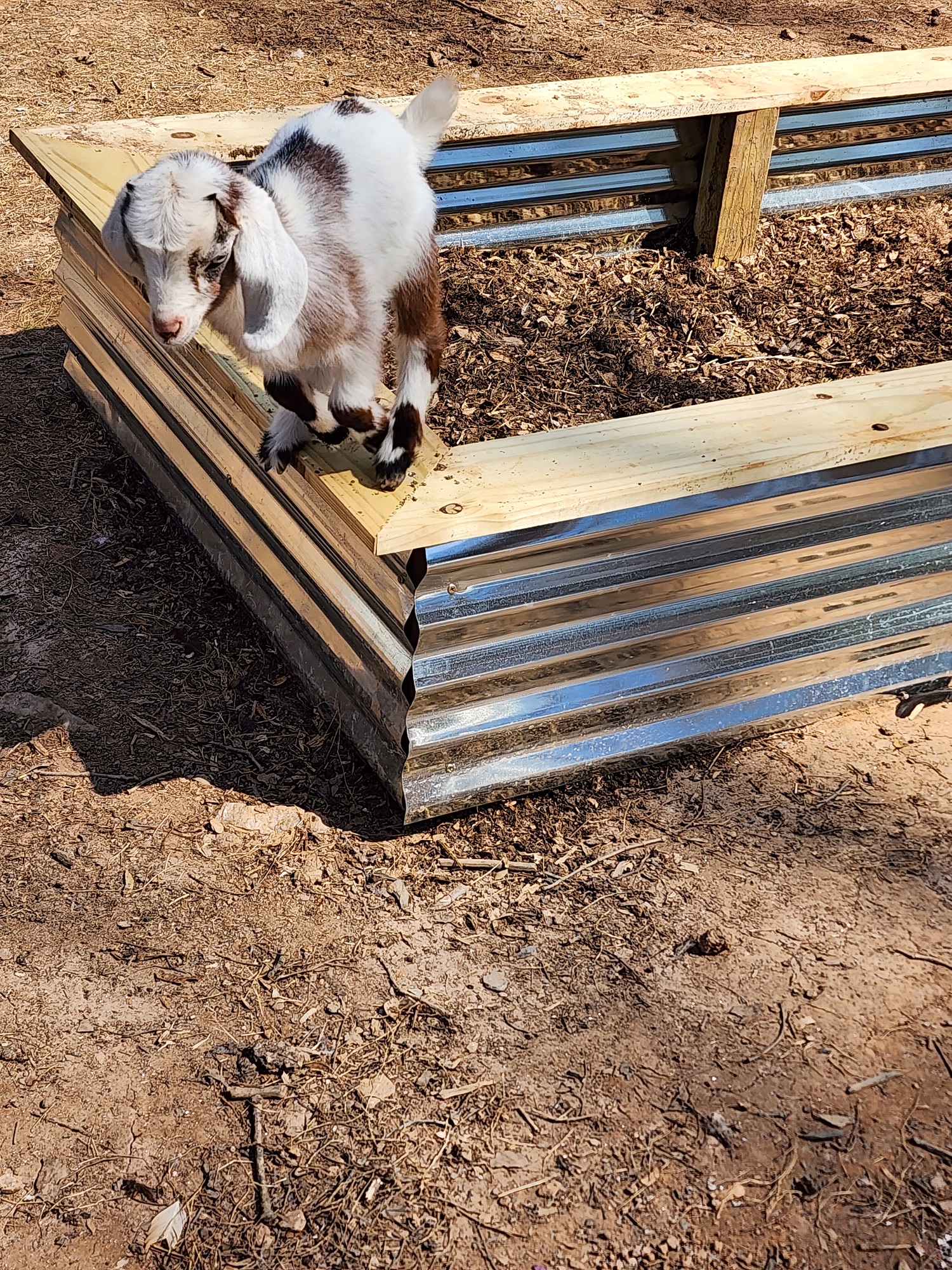
Initially, we bought the goats to be long term lawn mowers. But after falling in love with these creatures, we started breeding and milking them. Their pay off has been a little slower because they are expensive creatures to maintain. But I realized very quickly that I could tolerate their milk.

Their pay off is in my health. For the first time in years, I am able to consume milk with pain. While I am not lactose intolerant, I do have issues with gut health. Their milk has helped ease that pain and has increased the good bacteria in my gut. Not to mention, I know exactly what is in their feed, hay, treats, etc.

Before we get too far into this, I have a great course on the basics of goat care. I call it Goat Crash Course: Goat 101. In this course, I explain things like types of shelter, types of feeds and hays, basic assessments and so much more! Check it out!

Buy Now

The Garden Producing

Gardening is probably the biggest way that we save money on the homestead. But again, not at first and not in the way you are probably thinking. Our big garden is getting a face lift in 2024 and that means a TON of money is getting dumped into it.

Like the budget for it is about $10,000 and includes the orchard, chicken runs, fencing, the gazebo and more. That’s okay, though. Because the amount of money it saves us isn’t about the weekly or monthly dollars saved at the grocery store.

It’s about the health benefits of the garden.

We do not spray our gardens with ANYTHING. There are no pesticides, herbicides or fertilizers used…. at all. It’s grown in soil that comes from our neighbors horse manure and our own animals bedding. Neither one of us deworm or use chemicals our animals unless absolutely necessary.

That means that our food from the garden is literally the healthiest thing we can consume on the planet. This pays off HUGE because we are filling our plates with food that is so nutrient dense, that it helps ward off sickness, disease and other issues that are common for people who eat the standard American diet.

goat kidding

Before we get too far into this, I have a great course on the basics of goat care. I call it Goat Crash Course: Goat 101. In this course, I explain things like types of shelter, types of feeds and hays, basic assessments and so much more! Check it out!

Buy Now

No, homesteading probably won’t save you money

But what homesteading will do is shorten your supply train. Homesteading will reduce your need on the grocery store. It will make you healthier, even if it’s only because you are more active. There are so many other pay offs when it comes to homesteading that it’s okay that it doesn’t save you a ton of money at first.

It will pay off in the end.

If you like the content I put out, feel free to buy us a coffee! It helps keep this site running, marketing and the goats in grain!

Buy me a coffee

If you like this post, feel free to share it and follow us below on our social media accounts!
  • Facebook
  • Pinterest
  • Instagram
  • YouTube
  • TikTok
  • Spotify
  • Threads

Filed Under: Animals, Canning, Chickens, Goats, How To's, Our Homestead, Pigs, Projects Tagged With: Canning, cast iron, Chickens, Chicks, cooking, Eggs, Goats, Homestead, kitchen, Welcome

JOIN TO OUR MAILING LIST!

Leave us your email to receive new posts and special offers for members only! Don't miss a thing!

Recent Posts

  • Fall Garden Guide
  • Top Mistakes With Goats
  • How To Bond With Your Goats

What to Plant in Your Vegetable Garden

July 30, 2024 by Leigh Leave a Comment

If you are new to gardening or homesteading, and you’ve been breaking your brain trying to figure out what to plant in your vegetable garden, allow me to help you! The main things I look at when planning a garden is what do I want to eat, how much space do I have, and leave room for experimenting.

cropped-3.jpg

Are you looking for garden journal prompts, but aren’t interested in a weekly email? Check out our 365 Garden Journal Prompts! This is an amazing, all in one, yearly product that you only pay for once.

Buy Now!

What To Plant In Your Gardens

Through the years, various gardens and designs, I have figured out a few things about gardening. The first is to always give more space to fruits and vegetables that you know you like. Next, is to figure out how much space I am willing to give to the stuff I like, but also the things I want to try. Finally, what do I want to try and grow.

I found Southern Dreams Homestead to have a great article for beginners and their gardens. They have a ton of great information and it’s really helpful if you don’t know what you’re doing. Learning and Yearning also has a great article about getting started with organic gardening.

cropped-3.jpg

Are you looking for garden journal prompts, but aren’t interested in a weekly email? Check out our 365 Garden Journal Prompts! This is an amazing, all in one, yearly product that you only pay for once.

Buy Now!

What fruits and vegetables do you like?

This is a very serious question that people usually get tripped up on. I despise raw tomatoes. I do not want it anywhere near my hamburger or salad. BUT I absolutely love salsa, ketchup, BBQ sauce, and more. That means I should probably not plant a ton of slicing tomatoes and plant more sauce or paste tomatoes. While, yes, Jared loves to eat raw tomatoes, he is the only one. So it doesn’t make a lot of sense to plant an entire row of slicers just for him. 

To figure out what to plant in your garden, I would sit down and really think about all the fruits and vegetables you like to eat. Then, I would think about all the cooked versions of those foods you like. Do you like pasta sauce? That’s tomatoes, peppers, onion, garlic, basil, oregano, etc. If you have the space in your garden to grow those things. Then do it!

Another thing to consider is your animals. If you have chickens or goats, you can absolutely grow extra squash for them. As you are figuring out what to plant, also think about all the things you can grow to help off set your feed bills.

Before we get too far into this, I have a great course on the basics of goat care. I call it Goat Crash Course: Goat 101. In this course, I explain things like types of shelter, types of feeds and hays, basic assessments and so much more! Check it out!

Buy Now

How Much to Plant?

Again this one is pretty simple, it comes down to space and what you like. Going back to my tomato example, out of the four of us, Jared is the only one that likes raw tomatoes. I’m not going to take up an entire row of space for slicers. But what I will do is plant a couple slicers and grape tomatoes so that he has something to snack on. The majority of my tomato space will be taken up with beefsteak or slicers.

But how much to plant? This is a varying formula that takes time to dial in. The best way to do this is to figure out how much each plant should produce and then figure out how much you need. As you grow, you will adjust how much you eat/ use but to start figure out how much you think you’ll eat and how much each plant should grow. Below is a how to become a victim of tomato math.

cropped-3.jpg

Are you looking for garden journal prompts, but aren’t interested in a weekly email? Check out our 365 Garden Journal Prompts! This is an amazing, all in one, yearly product that you only pay for once.

Buy Now!

What is tomato math?

Well, it’s the same as chicken and goat math. If I need two eggs a day for breakfast, I need at least ten chickens. That is chicken math. No, it doesn’t make any sense which is the point. Goat math is a little different because you start with two and then end up with nine and I’m still not really sure how that happened.

Tomato math is simply thinking that 25 plants is not nearly enough to sustain my family’s tomato needs and you end up with 150 plants and a ton of tomatoes. Not to mention trying to figure out what your going to do with 1,2000+ pounds of tomatoes.

The best way to figure out how much you need to plant is simple.

Figure out what the average yield for the type of plant: tomatoes are 8-10# per plant, peas are about 30 plants per person, potatoes are 5-10# per plant and so on. Then figure out how many pounds you need. I know we will go through about 100# per person for potatoes per year for cubed, shredded, whole, and fries. So I need 400#.

Then divide the number of pounds the plant yields to the number pounds you need;

Potatoes- 400/5=80 potato plants.

If you don’t know how many pounds you need, estimate and write down what you planted. When you harvest, write down the weight. Keep an eye on how much you are using and when it’s gone, figure up how many days until your next harvest. This is where garden journals are absolutely necessary!

Our herd health bundle helps you keep track of your herd’s health. Includes the goat assessment, herd check sheets AND Herd Health Tracker!

Buy Now

Experimenting With Your Garden

A lot of times, people only grow what they will eat. And that’s great if you are limited on space. But you are missing out on whole other varieties! I did a podcast about trying different varieties here. We didn’t know that we liked cabbage until we had it, same with broccoli, winter squash, radishes, etc.

Don’t be afraid to give some space to other plants in your garden. If you don’t like them, I’m sure your chickens will love them.

Are you getting overwhelmed in the garden? Stressed? Or just not enjoying the garden like you used to? Check out our garden prompts! We send out weekly emails that get you back in the garden and out of your head! Turn the garden back into a place of love and joy instead of frustration and headache!

Subscribe Now!

Try not to get overwhelmed

I know that is way easier said than done. At the end of the day, even planting one tomato plant is better than doing nothing at all. So don’t sweat it, just get out there and start digging in the dirt and enjoy the wonder of growing your own food.

If you decide to start seeds instead of buying plants, which I highly recommend, The Homesteading RD has a great guide for starting pepper plants. Since my own pepper starts didn’t do so well, I will be using some of these tips next year.

You can start big or small, it’s totally up to you. What you need to remember is that just by planting something you are doing something to decrease your dependency on the grocery store. It doesn’t matter that you didn’t harvest thousands of pounds of food. The reality is that you tried.

If your garden doesn’t produce a ton like you wanted it to, try again. I found these articles helpful for fall planting or just helping your soil through fall. Though Georgia doesn’t have much of a fall, more of a HOT, not so hot, freezing, hot…. you get the picture.

The Ultimate Homesteader’s Starter Bundle – Only $47!

Get the tools you need to stay organized, track profits, and manage your homestead with ease!

Includes:
✅ Schedule F Tracker – Simplify tax prep
✅ Profit Calculator – Track earnings
✅ Hay Calculator – Plan livestock feed
✅ Garden Journal – Digital & printable
✅ Herd Health Tracker – Monitor animal care
✅ Simple Budget – Manage finances
✅ Backyard Homestead eBook – Essential tips

$99 value – now just $47! Start your homesteading journey today!

Buy Now

Other Helpful Tips and Tricks

Over at Vintage Homestead, you can figure out how to take a soil samples. This is great for figuring out if you need extra nitrogen, fertilizer, or other materials added to your garden. Once you’ve taken your samples and have your results you can head over to Learning and Yearning to figure out how to add materials to your soil naturally.

If you’re anything like me and you want to know which plants like rhubarb and help them, head over to The Homesteading RD to take a look at what they have to say.

I am guilty of wanting to mulch everything in the garden and Learning and Yearning has a great article on how to avoid those pitfalls that comes with it.

If you like the content I put out, feel free to buy us a coffee! It helps keep this site running, marketing and the goats in grain!

Buy me a coffee

If you like this post, feel free to share it and follow us below on our social media accounts!
  • Facebook
  • Pinterest
  • Instagram
  • YouTube
  • TikTok
  • Spotify
  • Threads

Filed Under: Animals, Canning, Chickens, Garden, Goats, How To's, Pigs, Projects Tagged With: cooking, Homestead, Organic, Plants

JOIN TO OUR MAILING LIST!

Leave us your email to receive new posts and special offers for members only! Don't miss a thing!

Recent Posts

  • Fall Garden Guide
  • Top Mistakes With Goats
  • How To Bond With Your Goats

Traveling When You Homestead

June 22, 2024 by Leigh Leave a Comment

As I sit here writing this, I am supposed to be packing, cleaning and getting ready to hit the road in two days. We are going out of town for the Homesteaders Of America Conference in Virginia this weekend. Instead of packing and getting last minute chores done, I sit here thinking about all the things I need to do, but I am obviously not doing… Thanks ADD. But all of this did get me thinking that brand new homesteaders may be struggling with the logistics of traveling when you homestead.

The Ultimate Homesteader’s Starter Bundle – Only $47!

Get the tools you need to stay organized, track profits, and manage your homestead with ease!

Includes:
✅ Schedule F Tracker – Simplify tax prep
✅ Profit Calculator – Track earnings
✅ Hay Calculator – Plan livestock feed
✅ Garden Journal – Digital & printable
✅ Herd Health Tracker – Monitor animal care
✅ Simple Budget – Manage finances
✅ Backyard Homestead eBook – Essential tips

$99 value – now just $47! Start your homesteading journey today!

Buy Now

Traveling When You Homestead

When most people travel, they have to find someone to watch their dogs, cats, maybe a snake or lizard. Usually, it is not a big deal. But when you have gardens that need to be harvested, animals that need to be fed and watered, medications to be given, sometimes finding someone is extremely difficult.

Tractor Supply

I’m not going to lie, traveling when you homestead can be a logistical nightmare. It’s not as easy as it was pre homestead. But your days of traveling aren’t over, they just look a little different now. Some homesteaders rarely leave their property. Others will only travel a certain distance away. Still others will globe trot in the winter. There is no right or wrong answer to traveling and homesteading. It’s all about logistics.

goat kidding

Before we get too far into this, I have a great course on the basics of goat care. I call it Goat Crash Course: Goat 101. In this course, I explain things like types of shelter, types of feeds and hays, basic assessments and so much more! Check it out!

Buy Now

Our Travels

Pre-homestead, we just needed to find someone that could either stay at the house with our four dogs, two cats and three bearded dragons or at least let dogs out to go to the bathroom and feed them. Heading out for a quick overnight or weekend trip was as simple as calling one of Jared’s buddies from the fire department to have them do a drive by the house and let the dogs out. Rarely was it a big deal.

Post- homestead? There’s a lot more.

The first time we went out of town, we went to Yellowstone for a week. One of my friends from work was willing to stay the week and hang out with the animals. She had a crash course in goats and we prefilled their foods, medications and anything else we could to make her life easier. She did fantastic and I am extremely grateful for her.

The second trip is to Virginia for the conference. We were lucky that our neighbor is willing to help us out since he will be home all weekend. But how do you travel when you are knee deep in kidding season, or canning season?

Below is how I get prepared to leave the homestead for a few days.

If you are new to heating with firewood and are looking to master the finer points of it. We’ve got a great eBook that goes in depth of what tools you should consider, how and where to stack, how to build a fire and so much more!

Buy Now

Getting A Farm Sitter

The first thing to do is to line up your farm sitter for your trip. If you’ve got friends or family that is willing to help out, all the better. But if not, check with your local 4-H or FFA. There are a ton of kids that are well versed in farming and would love to make some money. You could also get in touch with your local feed store and see if they know of anyone that would be willing to come out and help.

There are a ton of people out there that are willing to help out if the pay is right. There is no set rate for this, either. Some people who only have a few chickens and need someone to harvest the garden is going to charge less than someone you load chores on.

Logo 468x60

Have your farm sitter come out to the farm to go over everything with you. I leave a typed list of all the things that need to be done in order of animals. So goats have their own list, dogs, chickens, etc.

If you have a friend coming over and they know nothing about feeding animals, go ahead and pre-fill buckets or jars with feed, so all they have to do is dump and go.

Save on Seeds

Clean Up Before You Go

This isn’t just cleaning your house. It’s mucking out the stalls, barns and coops and laying fresh bedding. Move chicken tractors, electric netting, etc. so that they don’t have to mess with it. It’s fresh sheets on the bed if they are spending the night. Make sure that they do not have to do that stuff while your gone.

When we leave, we make sure that the only thing they have to do is feed and water animals, let out dogs, and collect eggs.

Harvesting The Garden

First, let me just say this, planning a vacation in July/ August, is not the best possible scenario. Can it be done? Absolutely. But if there is a choice, maybe not go during peak harvest time.

If you are in mid swing with canning and harvesting the garden, life just got a little harder. But it’s still not impossible. When we went to Yellowstone, we told my friend, you can keep anything the garden produces and any eggs the hens lay. If you don’t want it, throw it to the chickens.

But if it’s the middle of August and you are harvesting the garden every day, that’s a lot of produce to “lose”. Here are some quick tips:

The farm sitter can have anything the garden produces.

Peppers can be frozen, tomatoes too.

Cucumbers and summer squash can go to the goats, chickens and pigs.

Watermelons can stay on the vine for a few days extra.

Look into other ways your produce can be saved until you get back and have your farm sitter do that.

goat kidding

Before we get too far into this, I have a great course on the basics of goat care. I call it Goat Crash Course: Goat 101. In this course, I explain things like types of shelter, types of feeds and hays, basic assessments and so much more! Check it out!

Buy Now

Other Random Chores

Sometimes you have to leave and you have a goat in milk. Or sometimes you had an accidental breeding and now you are going on vacation when your favorite doe is going to kid. You’ve got eggs in the incubator or you’ve got chicks in the brooder. Maybe you have a last minute trip and need to butcher chickens. Or you have a sick animal that needs medications.

All of these things happen. A good farm sitter is invaluable. In theory, you should find someone that is comfortable doing all of those things. The reality is Prior Proper Planning Prevents Piss Poor Performance. That’s not to say that anyone is at fault, quite the opposite. If you can plan around your vacation, and prepare your farm sitter, everything will be fine.

Tractor Supply

In the situation of a goat in milk, see if your farm sitter is comfortable milking. If not, try drying her up before you leave. If that won’t work, think about putting her baby back with her while you’re gone. Another option is to see if you have a goat friend that would be willing to keep her while you’re gone.

Prepare

The best thing you can do when you are preparing for travel is to be as prepared as possible. Our vet has our credit card on file so that if anything happens, we are good to go. We have lists for the farm sitter. Our neighbors are willing to help out and, not only do they have knowledge of animals but have actually met our animals.

Logo 468x60

Having a good infrastructure in place is also key to making sure that you are good to go. Setting up your farm to be automated, like automatic waterers for the garden and animals, helps tremendously.

Enjoy

Lastly, enjoy your trip! Seriously, you have probably earned it. Especially in the fall/ winter when everything is buttoned up for the season and it’s time to relax and plan for spring.

If you like the content I put out, feel free to buy us a coffee! It helps keep this site running, marketing and the goats in grain!

Buy me a coffee

If you like this post, feel free to share it and follow us below on our social media accounts!
  • Facebook
  • Pinterest
  • Instagram
  • YouTube
  • TikTok
  • Spotify
  • Threads

Filed Under: Animals, Chickens, Goats, How To's, Our Homestead, Pigs Tagged With: Eggs, Goats, Homestead, traveling

JOIN TO OUR MAILING LIST!

Leave us your email to receive new posts and special offers for members only! Don't miss a thing!

Recent Posts

  • Fall Garden Guide
  • Top Mistakes With Goats
  • How To Bond With Your Goats

How To Set Homestead Goals

May 28, 2024 by Leigh Leave a Comment

We all know the saying “A goal is a dream with a deadline.” — Napoleon Hill. We also know that when you break that goal down into steps it becomes a plan. Then when you take action, you can make those dreams come true. You can think it’s a load of goat shit but it really is true. We had a dream of owning a homestead, we added a deadline, made a plan, and when we followed through. Our dream became reality. If your goal is similar to ours, or if you already have a homestead and you are trying to figure out your next steps, this is how to set homestead goals.

The Ultimate Homesteader’s Starter Bundle – Only $47!

Get the tools you need to stay organized, track profits, and manage your homestead with ease!

Includes:
✅ Schedule F Tracker – Simplify tax prep
✅ Profit Calculator – Track earnings
✅ Hay Calculator – Plan livestock feed
✅ Garden Journal – Digital & printable
✅ Herd Health Tracker – Monitor animal care
✅ Simple Budget – Manage finances
✅ Backyard Homestead eBook – Essential tips

$99 value – now just $47! Start your homesteading journey today!

Buy Now

First Step For How To Set Homestead Goals

The first thing you need to do is dream. If you’re anything like me, that’s absolutely not a problem. I am a daydreamer at heart. But thankfully, I’m also a planner so getting down to the nitty gritty is also easy. But if you struggle with dream, I’ve got an exercise for you.

Daydreaming Exercise

Go out into nature. It can be a park, your yard, whatever. Take your shoes off and put your feet on the ground. This is called grounding. Take a couple of big, deep breaths. Close your eyes (as long as it’s safe!) and allow your mind to wander. Don’t think of all the responsibilities you have, allow yourself to dream.

Flush out that dream in your meditative state. Do you see animals? A huge garden? A greenhouse? What is the finished product of your goal?

Write it down

Our dream is to make the homestead as self sustaining and self funding as possible. We want to be able to pay off our mortgage in 15 years. We want our animals to not only provide food for us, but also an income. Lastly, we want the land to produce enough food and firewood that we decrease our dependency on outside sources by 75% in 5 years.

That’s a large order, right? But it’s really not when you add a deadline like 15 years for the mortgage or 5 years for independence. It is overwhelming when you stop and consider how much work, money, and time it’s going to take. But again, bite size steps or actions can really make a difference.

Logo 468x60

Setting Your Homestead Goals

These are the big goals inside our dream

  • Pay off mortgage in 15 years
  • Self sustaining and self funding
  • Animals provide food and income
  • Land produces enough food, and water and firewood to decrease dependency by 75% in 5 years.

Be sure to list out those big goals from your daydreaming. These high point/ big goals are your starting point.

Logo 468x60

By having clear and measurable goals you can then start brainstorming on what you can do to hit those goals. But the goals listed above are long term goals. And while maintaining a big picture is always a good thing, small steps are what we are after.

My list of 2022 homestead goals are:

  • Garden/ orchard
  • Goat breeding program/ goat dairy
  • Poultry
  • Remodel master bedroom/bathroom/ hall
  • Water Collection system

These small goals will help us reduce dependency, and start making a dent in our budget to allow us to put more money towards the mortgage or back into the farm.

Save on Seeds

Brainstorming or Brain Dumping

I like to list out all the possible things we can do to hit these goals. No matter how big or small, ridiculous, or crazy, I want to know what I can do to make sure we can get achieve our dreams. Get creative here.

  • Pick up extra shifts at work
  • Sell ducklings
  • Sell goat butter
  • Buy/plant fruit trees
  • Pay extra on mortgage
  • Stud out buck
  • Sell Goat Pages
  • Sell cut flowers
  • Sell eggs
  • Sell goat kids
  • Buy/ plant nut trees
  • Sell goat milk
  • Set up roach colony for dragons
  • Farmers Market
  • Stop spending so much money at Lowes
  • Sell chicks
  • Sell goat cheese
  • Plant extra in the gardens
  • Bigger salad bar for dragons
  • Sell the actual kids
  • Sell bearded dragons
  • Goat Ultrasound
goat kidding

Before we get too far into this, I have a great course on the basics of goat care. I call it Goat Crash Course: Goat 101. In this course, I explain things like types of shelter, types of feeds and hays, basic assessments and so much more! Check it out!

Buy Now

Setting The Goals With A Deadline

Setting a deadline puts your brain in motion. Your brain is going to start thinking of ways to hit those goals. And each time you mark off one of those goals, your brain releases a small hit of dopamine and serotonin which are the happy chemicals that will keep you going when you are struggling through that extra shift.

Some examples of goals with a deadline is:

  • I will install our kitchen garden by March of 2023.
  • The greenhouse will be finished by January 2024.
  • We will get and be proficient with an ultrasound machine by 2025.

Keeping goals simple will make them easier to achieve. If you have never run a marathon, it may not be the most attainable to say you are going to run a marathon in three months. Could you do it? Sure, but the chances are that you are not going to be successful without a lot of hard work.

Just because this says for a homestead, doesn’t mean it’s only for a homestead. This same theory can be used for absolutely anything.

Understanding Homestead Flexibility

There is a fine line between homestead flexibility and abandoning your goals because they are too hard or you lose interest.

At the end of the day, you have to remember that all of your goals may be amazing, achievable, S.M.A.R.T, etc. But if you don’t have the flexibility to understand that life is going to pop up and change things? Your homestead could come to a grinding halt. So make sure you are allowing for plenty of time to achieve your goals. I wrote an entire post about homestead flexibility that you can find here.

The flip side is that you have to make sure that you are staying the course. You don’t want to get distracted and end up spending more time and money on projects that aren’t worth your time and money. So make sure that while you’re dreaming, you are also keeping in mind what your definition of success is.

If you like the content I put out, feel free to buy us a coffee! It helps keep this site running, marketing and the goats in grain!

Buy me a coffee

If you like this post, feel free to share it and follow us below on our social media accounts!

  • Facebook
  • Pinterest
  • Instagram
  • YouTube
  • TikTok
  • Spotify
  • Threads

Filed Under: Animals, Canning, Garden, How To's, Our Homestead, Pigs, Projects Tagged With: cast iron, Chickens, Chicks, cooking, Goats, Homestead, kitchen, Welcome

JOIN TO OUR MAILING LIST!

Leave us your email to receive new posts and special offers for members only! Don't miss a thing!

Recent Posts

  • Fall Garden Guide
  • Top Mistakes With Goats
  • How To Bond With Your Goats

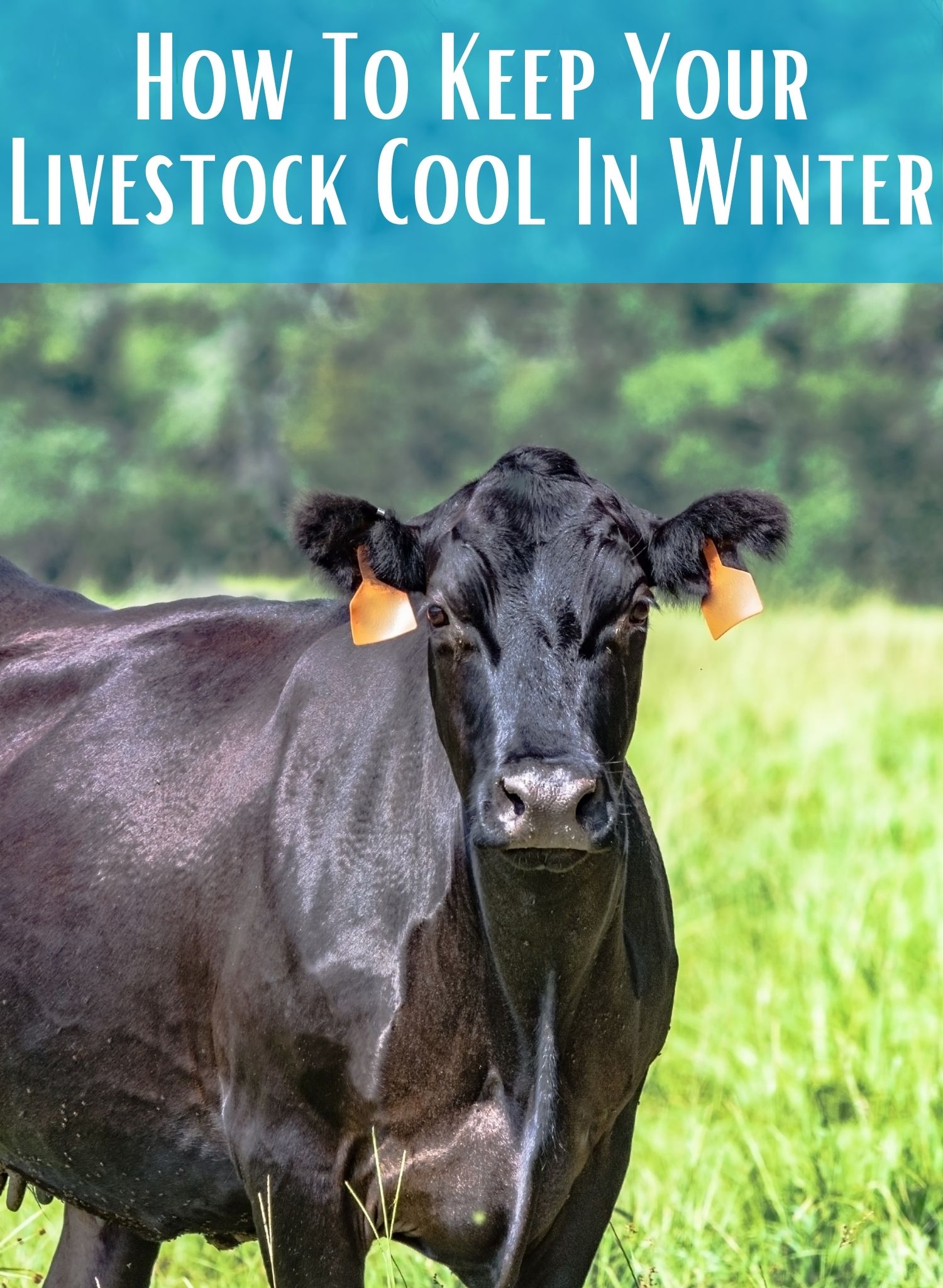
How To Keep Your Livestock Cool In Summer

April 30, 2024 by Leigh 7 Comments

It’s hot, humid and over all icky to be outside in Georgia right now. I’m pretty sure it’s the same everywhere, but I feel like Georgia slowed down to pass the state trooper and decided to “open ‘er up” once it was clear. It went from comfortable mid to upper 70’s to devil’s armpit in less than 24 hours. Not to mention we came back from Yellowstone where it was a balmy 40*! We were a little climate shocked to say the lest. Oh, and our AC doesn’t work, so we are having to use fans and window units. But what do you do with the animals that can’t come inside? How do you keep your livestock cool in summer?

Before we get too far into this, I have a great course on the basics of goat care. I call it Goat Crash Course: Goat 101. In this course, I explain things like types of shelter, types of feeds and hays, basic assessments and so much more! Check it out!

Buy Now

Keeping Your Livestock Cool In Summer

It doesn’t really matter if you have cattle, sheep, goats, chickens or just dogs and cats. There are universal truths about how to keep your livestock cool in summer that can actually keep them alive. Some are basic “Duh’s” but some of these may be new to you.

Clean Water

Every single day, multiple times a day, you need to be out there checking to make sure that they have plenty of cool water. Depending on your watering system this may just be a couple buckets in the shade. Or maybe a water trough that has a frozen gallon milk jug in it.

Regardless, it needs to be clean and fresh every single day. We have these 5 gallon buckets for our goats and we have four of them throughout the pastures and fill them on average 3x a day. On the super hot or humid days we will fill the buckets part of the way with ice to help keep the water cool. We are also planning on getting a 50 gal stock tank once the current kids are a little bigger.

Shade

It is so important for any animal or human to have access to shade when they are outside. Nothing will dehydrate an animal (including humans) quicker than being stuck in the hot sun with no shade. If you don’t have access to shade for your animals, or their shelter is in the sun, you can grab a couple of shade canopies for less than $40 depending on the sizes you choose.

We are lucky enough that all three pastures have a ton of shade so we don’t need the canopy but I would definitely look into it if you don’t.

    Electrolytes

    All animals require electrolytes, but in the summer it is especially important to have more on hand. We buy these, but have also bought Bounce Back, and Electrolytes Plus. Remember that not all electrolytes are equal. I use Bounce Back as my standard and as long as the other brands are close, I’ll buy it in a pinch.

    I will say, right now Bounce Back is expensive on Amazon but pretty affordable at Tractor Supply. Also, as a side note, Electrolyte Plus WILL FIZZ! You have been warned. I still have orange goat-r-aid on my ceiling.

    We usually will put a 5 gallon bucket out of electrolytes and then another with regular water. As we refill buckets throughout the day, we don’t add anymore electrolytes and let it get watered down. The next day we dump and refill

    Keep Their Coats Clean

    Much like with dogs, if their coat is matted, clumped, or dirty, they will have a hard time staying cool. The breeze, if there is one, can not get through to their skin. That will trap heat and cause them to get or stay hot. We brush out their winter coats, if they haven’t already blown them, when the weather maintains 70*. We also give their hooves a good trimming as well. This is also the time that they get any meds, copper bolus’, and vaccines.

    Be careful when using water to cool your animals! I know they seem hot, but when you get their coats wet, it will trap all that body heat to them.

    Also, unless your animals needs to be sheared, do not shave your animal! It doesn’t matter if it is a dog, cat, cattle, etc I have found it does more harm than good. I’ve got dogs with double coats and yes, I see them panting, but I know that the minute they get shaved, they have lost the ability to regulate their temperatures.

      Air Flow

      We all know that when it gets hot, we just want a breeze to blow through to cool us off. If you live in an area that doesn’t get a lot of wind or air movement, consider getting a solar powered fan. You can pick the size that you need but the end result is the same, get the air moving. If you’ve got electricity in your barn, then get a bigger fan. Your goats will thank you.

      Cold Treats!

      We freeze fruit and veggies in muffin tins with water. This gives them a cold treat on hot days. We have also frozen whole watermelons, cantaloupes, etc. We do this mostly for chickens but the goats love them too.

      Make sure whatever you are giving you animal, they are allowed to eat!

        But what if they get too hot?

        Much like dogs, goats will pant when they get too hot. Unlike dogs, however, this is kind of a last ditch effort in cooling themselves down. If they are panting, you need to start working to get them cooled down, right now.

        What are some signs and symptoms of a hot goat? Panting or labored breathing, poor FAMACHA, lethargic, high temperature, etc.

        In the post about what to have on hand for goats, you need to first get a rectal temperature. Their temps should be between 101-102ish. A little higher or lower is not a big deal but more than a degree in either direction needs to be monitored. More than 2 degrees and you need to start warming or cooling.

        Then check their FAMACHA. The card below will show you how to do it and what the color is. The FAMACHA tells you if they are anemic or not. If they are anemic, they do not have the blood volume necessary to handle stress well. If they can’t handle stress, like a heat emergency, they are less likely to bounce back. There is MUCH more to a FAMACHA than this, but for the sake of this post, a score under 3 is going to require a lot more care to get them healthy.

        FAMACHA Card

        Next, get bottoms of their legs in some cool (not cold) water. We don’t want to shock their system but we need to get them cooling down quickly. But do not lay them down in the water. The problem is that their fur will act like a wet blanket and keep all that heat inside. Instead, only put cool water on “bare” skin like the utters, belly, or behind their knees. All areas were their coat should be thinner.

        I bring cold, hot, or otherwise sick goats in the house. My house is relatively comfortable, despite the lack of an HVAC system. This will passively cool them. You can also put them in your bath tub to ensure they are getting cool water in a place that is designed to get wet.

        Tractor Supply

        Also, try to get some cold water into them, if they won’t drink it then you need to drench them. Recheck their temperature every five minutes or so to make sure they are cooling down. We don’t want that temperature to go too low because then we have to start warming them back up.

        Keep at it until their temperature comes down. And it should come down. Hot things will generally cool off when cold things are put on them. The most important thing is to move with a purpose but without shocking the goat.

        If you like the content I put out, feel free to buy us a coffee! It helps keep this site running, marketing and the goats in grain!

        Buy me a coffee

        If you like this post, feel free to share it and follow us below on our social media accounts!

        • Facebook
        • Pinterest
        • Instagram
        • YouTube
        • TikTok
        • Spotify
        • Threads

        Filed Under: Animals, Chickens, Goats, How To's, Pigs Tagged With: Chickens, Goats, Summer

        JOIN TO OUR MAILING LIST!

        Leave us your email to receive new posts and special offers for members only! Don't miss a thing!

        Recent Posts

        • Fall Garden Guide
        • Top Mistakes With Goats
        • How To Bond With Your Goats

        What Does Homestead Mean?

        February 27, 2024 by Leigh Leave a Comment

        There is no hard fast definition for what homestead means. For some people a homestead means completely off grid with no reliance on anyone but themselves. Others believe that homesteading means growing their own vegetables. But as time goes on, the meaning changes for those people as well. Regardless of what this means to others, I am going to tell you what homesteading means to me and what it has come mean as well.

        The Ultimate Homesteader’s Starter Bundle – Only $47!

        Get the tools you need to stay organized, track profits, and manage your homestead with ease!

        Includes:
        ✅ Schedule F Tracker – Simplify tax prep
        ✅ Profit Calculator – Track earnings
        ✅ Hay Calculator – Plan livestock feed
        ✅ Garden Journal – Digital & printable
        ✅ Herd Health Tracker – Monitor animal care
        ✅ Simple Budget – Manage finances
        ✅ Backyard Homestead eBook – Essential tips

        $99 value – now just $47! Start your homesteading journey today!

        Buy Now

        What Does Homestead Mean

        Well, the formal definition of homestead I pulled from Oxford Dictionary is:

        “A house, especially farm, and outbuildings.”

        The good thing about that definition is that it’s as broad and vague as how homesteaders, or aspiring homesteaders define homesteading.

        Really, any piece of property can be a homestead! You don’t HAVE to have hundreds of acres. You can homestead on a city lot or out in the country.

        What Does Homestead Mean To Me?

        At first, homesteading meant a way to take care of my family without relying so much on others. The thought of being at the mercy of grocery stores to have my food was slightly worrisome. If we couldn’t get food, where would we be? Not having access meat, veggies, fruit, dog or cat food, has the potential for disaster. There were a ton of holes in our food security.

        It meant learning skills and building a legacy for my children. Things like building barns, fences, and gardens. It meant learning how to cook from scratch.

        Delicious biscuits

        Learning Skills Ma Ingle Would Have Been Proud Of

        From scratch cooking is surprisingly easy. I wonder if we were raised to believe that it was so much harder so that there was more reliance on boxed and canned meals. Since being on the homestead, we have learned a ton when it comes to cooking, canning, and other food related skills.

        Homesteading can mean bringing animals into this world, learning how to milk and make cheese and processing animals. It means learning to depend on yourself in ways that you never really valued or thought you could do.

        I learned that if I can raise my own hens, I can get eggs that I don’t have to go to the store for. I could raise my own meat birds and rabbits to help save on meat costs. Also, I learned that if I learn to preserve those things, I can have them on stand by and make everything easier.

        Save on Seeds

        Sometimes meanings change

        But as time has gone by and the continued strain on our supply chain, homestead has come to mean other things as well. It means being prepared and stocking up on items that we use a lot of: coffee, tea, noodles, canning jars and lids, and other necessities. Making sure that we have enough supplies if another snow storm hits. Will we have plenty of firewood, canned food, and fuel for the chainsaws and other equipment?

        If you are a farmer/ homesteader and looking for a way to track your income and expenses, I highly recommend our Schedule F Tracker! We have been using it for years and it is the easiest, fastest and best way that we have found to keep track of the money spent on the homestead.

        Buy Now

        Homesteading means community. We realize that we are stronger together and we stand with our neighbors when times are good and we help pick them up when they have hard times. It’s knowing that they will stand with us in our hard times too.

        Logo 468x60

        It has also come to mean finding random eggs in the hay barn, playing with goats, and impatiently awaiting the arrival of Champ’s babies.

        Update: She gave us a beautiful doeling that we named Stella.

        It means caring for the new chicks that will not only give us eggs but also lay our next meat chickens. Homesteading means learning new skills, facing challenges, and not giving up. It means doing the things you thought you couldn’t, only to realize that you are more than capable of building fences, buildings, and fixing all the things.

        Poor Champ is uncomfortable as she comes to the end of her pregnancy.

        What Homesteading Doesn’t Mean

        I can tell you that homesteading doesn’t mean judging others. Whether you have a quarter acre in the city or a hundred acres in the country, you are still homesteading regardless of if you purchase your food from a grocery store or farmers market, or if you grow your own.

        It doesn’t mean being unaffected when creatures die or need to be butchered. For some people, taking the life of a chicken is okay, but it still affects them in some way, even if it’s only gratitude.

        The Hay Calculator:

        If you aren’t math-y (don’t worry I’m not either), check out our Hay Calculator. It literally does ALL of the math for you and gives you totals based on what you want your goals.

        On the second page, you can track where you’ve bought hay, what you spent and how long it lasted.

        Buy the Hay Calculator

        Homesteading doesn’t mean easy. There is no part of this life that is easy. If you are hauling lumber for a barn or feed to your animals, homesteading is hard work. It can be heart and back breaking when you have to put down your favorite bottle baby because she got sick.

        You can’t be lazy and a homesteader. There is simply too much to do. Gardening, canning, working with livestock and more, there is not a ton of downtime. But when you see the fruits of your labor? It’s worth every aching joint, pulled muscle, cut and bruise.

        New Chicks

        What Does Homestead Mean?

        I don’t know that homesteading has a meaning. I think homesteading is a spirit. It’s the spirit of being less dependent on the power grids, grocery stores, and other commodities. These people who want to homestead do it because they want to be independent. Whether that is a completely or partially independent, is not the point. Homesteaders simply want to take care of themselves and their community. Which is what homestead means to us.

        Banner 468x60

        I think that as long as people want to take ownership of their little plot of land, we will keep the spirit of homesteading alive. I think as long as people desperately want to learn the skills of their ancestors, they will lead a full and productive life. And I think that as long as we are here fighting for our community and independence, we will see the resurgence of a way of life that mixes the old with the new. And we will be better for it.

        What does homesteading mean to you?

        If you like the content I put out, feel free to buy us a coffee! It helps keep this site running, marketing and the goats in grain!

        Buy me a coffee

        If you like this post, feel free to share it and follow us below on our social media accounts!

        • Facebook
        • Pinterest
        • Instagram
        • YouTube
        • TikTok
        • Spotify
        • Threads

        Filed Under: Animals, Canning, Chickens, Garden, Goats, How To's, Our Homestead, Pigs Tagged With: Animals, Homestead

        JOIN TO OUR MAILING LIST!

        Leave us your email to receive new posts and special offers for members only! Don't miss a thing!

        Recent Posts

        • Fall Garden Guide
        • Top Mistakes With Goats
        • How To Bond With Your Goats

        4 Ways To Reduce Food Waste

        August 24, 2023 by Leigh Leave a Comment

        The simple answer is get a couple pigs or chickens. That’s it. End blog post here. But that’s not an ideal answer. If you can’t have pigs or chickens, or you don’t like or want livestock. What are your other options? How can you reduce food waste?

        reduce food waste

        The Ultimate Homesteader’s Starter Bundle – Only $47!

        Get the tools you need to stay organized, track profits, and manage your homestead with ease!

        Includes:
        ✅ Schedule F Tracker – Simplify tax prep
        ✅ Profit Calculator – Track earnings
        ✅ Hay Calculator – Plan livestock feed
        ✅ Garden Journal – Digital & printable
        ✅ Herd Health Tracker – Monitor animal care
        ✅ Simple Budget – Manage finances
        ✅ Backyard Homestead eBook – Essential tips

        $99 value – now just $47! Start your homesteading journey today!

        Buy Now

        Can It!

        Sometimes reducing food waste is as simple as making a larger batch and canning it. For example, beef stew is literally the easiest meal on the planet to can. Make a big batch of it and can the left overs. You will need a pressure canner. Though it’s not absolutely required, it is strongly recommended.

        If you don’t want to make a large batch but still want to get a couple jars of left overs canned? This little canner is a great option. It’s a little pricey but for the ease of use and not having to lug out one of the big canners? I think it’s definitely worth the investment.

        Canning can be pretty nerve-racking to start. Especially, if you are teaching yourself how to start canning. But I promise, the old days of pressure canners exploding are WAY less likely to repeat themselves.

        Dehydrating To Reduce Food Waste

        I talked here about my new love for dehydrating and I have to say it’s one of my favorite ways to not only reduce food waste, but also to put up food for a rainy day. I love the “set it and forget it” ability with dehydrating food. With a couple hours of prep (for large batches), I can fill up my trays and be done. One of the ways that I work my dehydrator schedule is to cut a large batch of a veggie while prepping/cooking dinner and then fill the trays. Usually, by morning it’s done and ready to be put into jars.

        If you are only cutting a cup of carrots but have another pound that will go bad? Just cut all of them and throw what you don’t need in the dehydrator.

        When it comes to using a dehydrator to reduce food waste, I mainly use it when I find great deals or sales. Or when my garden is over abundant. I have two dehydrators, one that is a DIY that we picked up from our local Habitat For Humanity and our Excalibur. I have to say the mac daddy one that we picked up? Absolute favorite because it is MASSIVE.

        reduce food waste

        Can You Feed Food Scrap Your Livestock

        Another fantastic way to reduce food waste is to feed it to your animals! This goes for ALL animals on the homestead but is only where applicable. We have a 5gal bucket on our back deck that is strictly for our chickens and pigs. Every evening fill the bucket about half way with feed if it’s not full and throw it on the ground for them.

        By feeding kitchen scraps to your livestock, you can effectively reduce not only your food waste but also your feed bill! In fact, we have a whole section of the garden that is for livestock fodder. Another cool hack is to bring a small covered bucket to work and have your co workers fill the bucket with their food scraps! We have been feeding our pigs and chickens for months like this.

        A word of caution though, not all animals can eat all food scraps. So be aware and prepared for that. Goats can’t eat meat. It’s taboo for a chicken to eat chicken. Cows shouldn’t have large apples. Etc. So just be cautious when feeding your livestock out of your kitchen scraps.

        Meal Prepping To Reduce Food Waste

        Lastly, meal prepping will help you reduce a lot of food waste. I talked here about how to stretch your meals out to reduce the stress of cooking after a long day of work. When you have a plan of what you are going to eat for the week, it really helps to reduce food waste and stress!

        If you are working towards reducing your need of processed foods, that not only feed your family but the scraps go to your livestock, I talk about cooking from scratch here. Because buying the non-gmo, no corn/soy feed for your meat animals doesn’t make a lick of sense if you turn around and feed them a box of mac and cheese.

        Bonus Tip: Compost!

        The reason why this wasn’t included in the main group is because composting has some “rules”. The general rule of thumb for compost is to put in organic matter. Things like leaves, grass clippings, garden waste, and most kitchen scraps. BUT!

        You really don’t want to put meat scraps in your compost. You can put meat or bones in your compost, but you chance predators or the meat going rancid and causing problems in your compost. Another problem is using things like oil, butter, etc can also go rancid. But if you have left over carrot caps, watermelon rinds, etc? Abosultely put them in the compost.

        • Facebook
        • Pinterest
        • Instagram
        • YouTube
        • TikTok
        • Spotify
        • Threads

        Filed Under: Chickens, Garden, Pigs, Projects Tagged With: Canning, Chickens, compost, cooking, Homestead, kitchen, Pigs

        JOIN TO OUR MAILING LIST!

        Leave us your email to receive new posts and special offers for members only! Don't miss a thing!

        Recent Posts

        • Fall Garden Guide
        • Top Mistakes With Goats
        • How To Bond With Your Goats

        Welcoming American Guinea Hogs To The Homestead

        November 21, 2022 by Leigh Leave a Comment

        About a month ago, we welcomed Bacon and Delilah to the homestead. We had talked about wanting to get pigs when we started the homestead, but I never really put a lot of thought into it. After a ton of research and a swift kick in the pants while at The Homesteaders of America Conference? We picked up two American Guinea Hogs.

        American Guinea Hogs

        Why We Chose The American Guinea Hog 

        When we started looking at adding pigs to the homestead, there were quite a few concerns that I had about pigs. I was told that they are mean, bite, root, escape and eat a ton of food. The trade off was that if you could keep them contained and fed for six months, you would have a pig at market weight. Well, I’ve got some problems with that.

        Mean/ Biting

        While I don’t normally mind animals that are…. difficult, I do have a problem when they are large animals that are potentially deadly. I’m not saying that pigs are deadly. But I am saying that aggressive animals have no place on our homestead…. except Blu….and Bella.

        After doing a ton of research we were really leaning towards the Berkshires, Duroc and Kune Kune. These breeds have great personalities and are rarely aggressive. Plus they are heritage breeds which is really important to me.

        Rooting

        Another issue with pigs is the damage they can cause to the soil. Our soil is extremely compacted with red clay under it all. But the top? It’s all sand. We want SOME rooting to help break the soil barriers so that more organic material gets mixed up in the soil. But we don’t want them to root so much that the soil biome is ruined. Or worse, stay in one area so long that they compact it with wallowing. Also, I was wanting a pig that would graze more than root. But since I don’t have pasture or grass yet, I need them to root.

        This is getting to be a tall order for pig breeds.

        Escaping

        When looking at various breeds and watching many videos, we learned that pigs are incredibly smart. They are also more than willing to use their brute strength to break down fences. The only one that wasn’t going to constantly try and break free was the Kune Kune. But the Kune takes a long time to reach market weight, like 14+ months. This is getting harder and harder to pick a breed.

        Feed Bill

        The faster you want your pig to reach market weight, the more they are going to eat. The problem is, I don’t want to buy any more feed than I have to. The Duroc will reach market weight in five months, but to do that, we would have to give it grower feed, which is expensive. I talked about the real cost of raising livestock here. I’ve already got a $600/mo feed bill. Let’s not add to that.

        I really wanted a grazing pig that would eat table scraps and left overs but ultimately would eat grass if we didn’t have scraps to give them.

        Logo 468x60

        Enter The American Guinea Hogs

        The American Guinea Hogs are amazing pigs and up until about 75 years ago, it was a staple animal on almost every single farm in the US. But with the rise of super markets and city living, they fell out of favor. In fact, up till recently, there were only about 100 on in the country.

        American Guinea Hogs are grazing pigs that will get bigger than the Kune and do it faster. But AGHs are a small heritage breed of pig. That means that it’s not going to be one of the monsters that will yield hundreds of pounds of pork. But that’s okay. Because they are smaller, it makes raising and butchering a lot easier.

        Save on Seeds

        Bacon is extremely friendly, needing to have all the snuggles and scratches. If I come outside, he is at the gate grunting at me to come snuggle and scratch. Delilah is a little stand-offish but she is coming around. The good part about that is that they come when they are called. There have been a few rainy days here and the solar chargers have run out of juice. If they slip the fence, it’s not a big deal. I simply call them and they come running, no food needed.

        Another great thing about the AGH is that I have bought two bags of feed in the six weeks they have been here. Between the table scraps and fermentation, they haven’t even eaten a whole bag yet!

        Tractor Supply

        American Guinea Hogs Care

        So what do you need to care for American Guinea Hogs? Not much if you already have livestock. We have been soaking and fermenting everyone’s feed, so we needed a few 5 gallon buckets. We already had feed buckets to bring them feed so no added expense there. We also bought a couple of Premier 1 fences with a solar charger. I mentioned above that our other charger ran out of juice, I suggest highly getting the one linked above. It doesn’t run out of juice! We just bought ours and it’s been amazing.

        You do need to make sure you have some sort of a shelter. Right now, they are in our old kidding shed and that is working out very well. If they out grow it, we will look for something else but for right now, it’s good. They can handle lower temperatures as long as they are dry and have deep bedding.

        Our AGHs are doing great and I absolutely love them. Butchering day is going to be brutal but at least I know they had the best life possible.

        • Facebook
        • Pinterest
        • Instagram
        • YouTube
        • TikTok
        • Spotify
        • Threads
        • Facebook
        • Pinterest
        • Instagram
        • YouTube
        • TikTok
        • Spotify
        • Threads

        Filed Under: Animals, Our Homestead, Pigs Tagged With: Butchering, cooking, Homestead, kitchen, Pigs

        JOIN TO OUR MAILING LIST!

        Leave us your email to receive new posts and special offers for members only! Don't miss a thing!

        Recent Posts

        • Fall Garden Guide
        • Top Mistakes With Goats
        • How To Bond With Your Goats
        • « Go to Previous Page
        • Page 1
        • Page 2
        • Page 3
        • Go to Next Page »
        • Animals
          • Chickens
          • Farm Dogs
          • Goats
        • Garden
          • Compost
          • Garden Projects
          • Seeds and Plants
          • Garden Journal
          • Working With Food
            • Recipes
            • Freezing Foods
            • Dehydrating Foods
            • Canning Tips And Tricks
              • Canning Inventory Sheets
        • Helpful Info
          • Welcome to the Homestead!
          • Emergency Preparedness
          • Frequently Asked Questions
          • Goal Setting
          • Project List
          • Shop Digital Products
            • Hay Calculator
            • Farm Expense And Income Tracker
            • Goat Crash Course: 101
            • Garden Journal Prompts
            • Schedule C Tracker
            • Schedule C Tracker
            • The Homestead Bundle
        • The Truths
        • Episode List
        • Start Here
          • Privacy Policy
          • Affiliate Disclosure
          • Let’s Get in Touch
          • Members Only Library
          • Welcome To Our Homestead

        Footer

        • Email
        • Facebook
        • Instagram
        • Pinterest

        COME AND GET IT!

        Leave us your email to receive new posts and special offers for members only! Don't miss a thing!

        · Midnight Theme

        Copyright © 2026 · Midnight Theme on Genesis Framework · WordPress · Log in